The difference between who you want to be and who you are is humbling.
The recipe for humble pie requires good, clear eyesight.
And you need a reliable mirror that only shows the flaws in the reflected image, not in the mirror itself.
And you need to look at every detail in the whole of you. Even the secret things that you tend to conceal from everybody, especially yourself.
And writing a novel, if you do it right, is a form of baking humble pie.
The good and the not-so-good is reflected in reviews, which are often written with mirrors that have flaws.
But what you see, if you are honest with yourself, can show you that, even though you are far from perfect, you are exactly what you are supposed to be.
Yes, there is very definitely a possibility that there is more than one me.
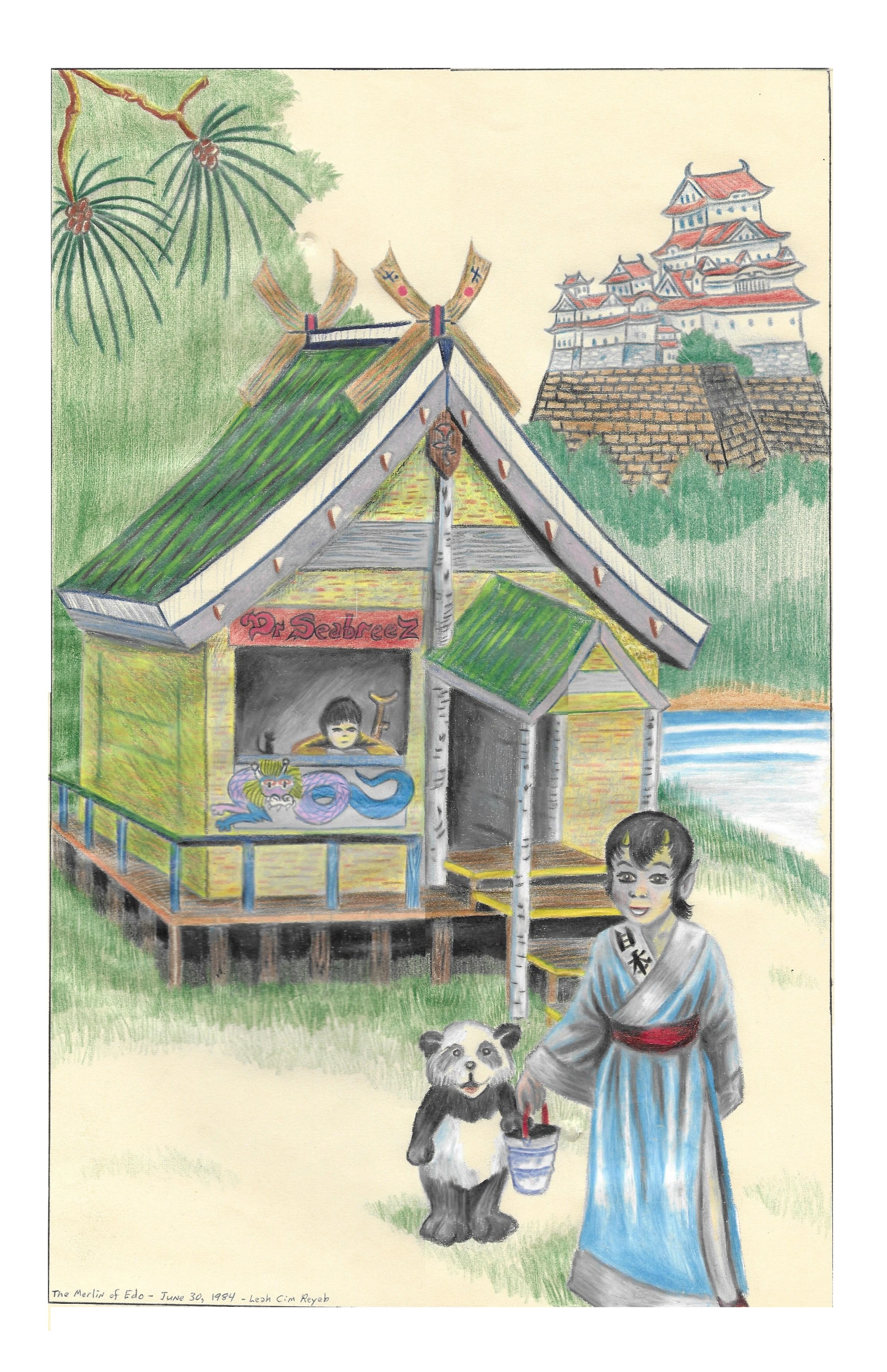
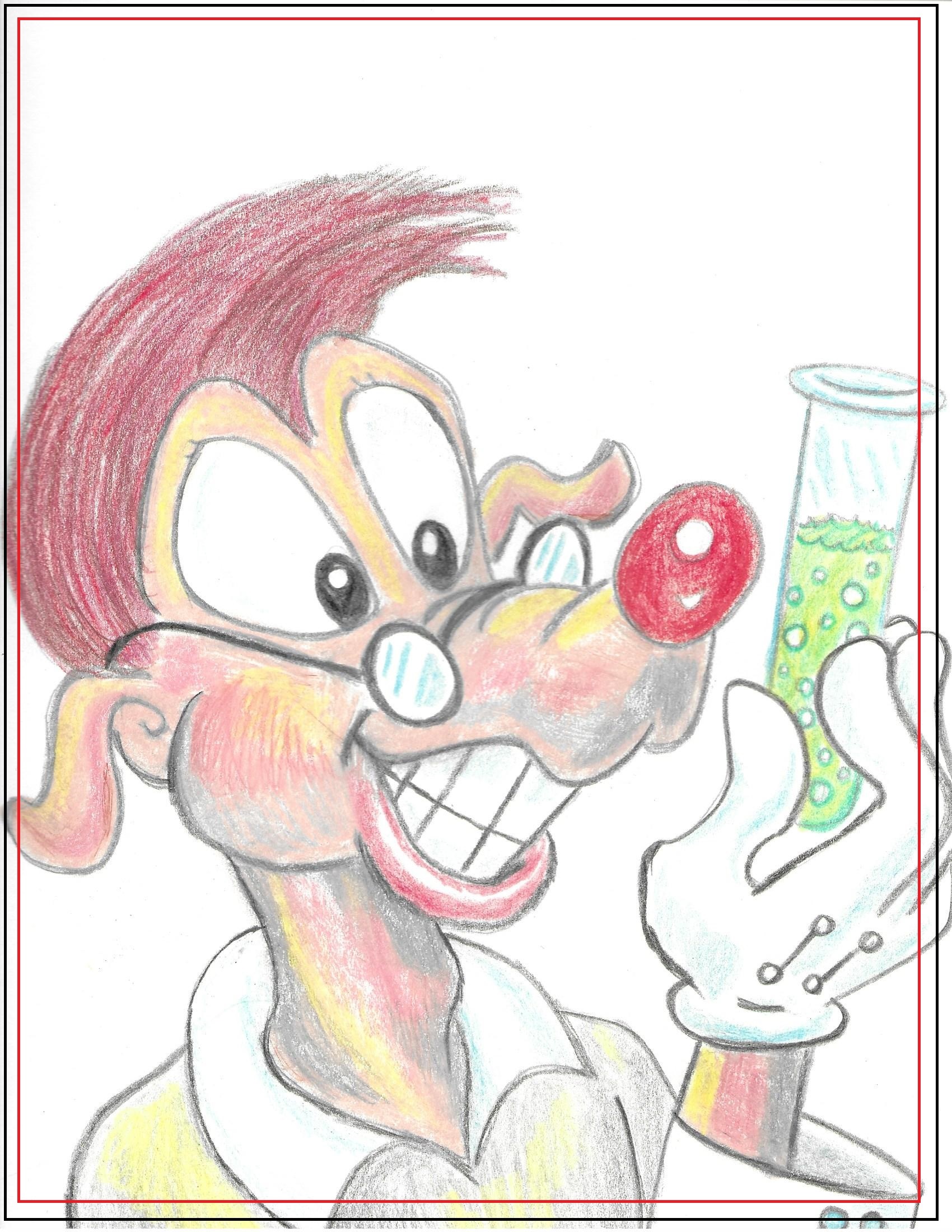
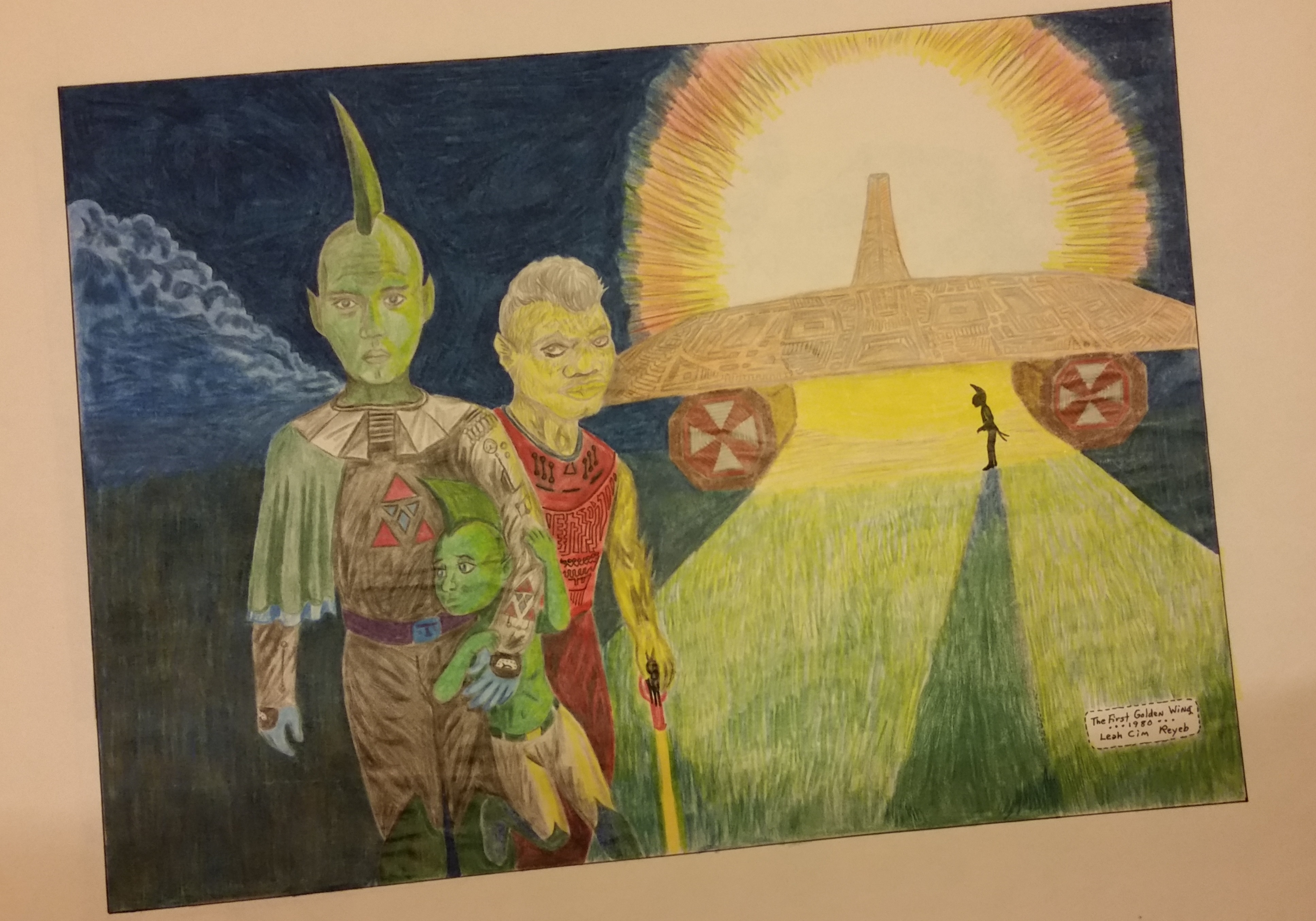
If you look carefully at the colored pencil drawing above, you will see that it is titled “The Wizard of Edo” and signed by someone called Leah Cim Reyeb. A sinister sounding Asian name, you think? I told college friends that my research uncovered the fact that he was an Etruscan artist who started his art career more than two thousand years ago in a cave in France. But, of course, if you are clever enough to read the name backward, you get, “beyeR miC haeL”. So, that stupid Etruscan cave artist is actually me.
It turns out that it is a conceit about signing my name as an artist that I stole from an old episode of The Dick Van Dyke Show and have used for well over two decades through college and my teaching career.
And of course, the cartoonist me is Mickey. Mickey also writes this blog. Mickey is the humorist identity that I use to write all my published novels and blog posts since I published the novel Catch a Falling Star.
Michael Beyer is the truest form of my secret identity. That was my teacher name. It was often simplified by students to simply “Mr. B”. I was known by that secret identity for 31 years.
Even more sinister are my various fictional identities occurring in my art and my fiction. You see one of them in this Paffooney. The name Dr. Seabreez appears in Catch a Falling Star as the Engineer who makes a steam engine train fly into space in the 1890’s with alien technology. He appears again in The Bicycle-Wheel Genius as a time-traveler.
The young writer in the novel Superchicken, Branch Macmillan, is also me. As is the English teacher Lawrance “Rance” Kellogg used in multiple novels.
So, disturbing as it may be to realize, there is more than one name and identity that signifies me. But if you are a writer of fiction, a cartoonist, an artist, or a poet, you will probably understand this idea better. And you may even have more than one you too.
On my computer I keep a lot of picture files for inspiration both as an artist and a writer. One of those files is labeled simply the “Wrong File”. Everything in that picture file is in there for the wrong reason. Or does a wrong file need to be filled with the wrong stuff for the right reason? I don’t know. There is a lot wrong with this world. The fact that I am going to post stuff from the “Wrong File” is merely proof of that.
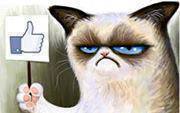
Liking Grumpy Cat posts on Facebook is an oxymoron of the lowest order. It is an example of what is wrong in the “Wrong File”.
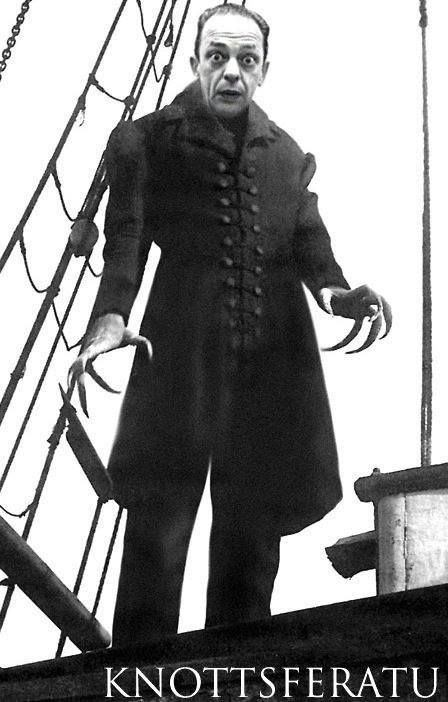
Certain puns are just so wrong in a fundamental way. That’s right. They are both fun and mental. So that’s wrong.
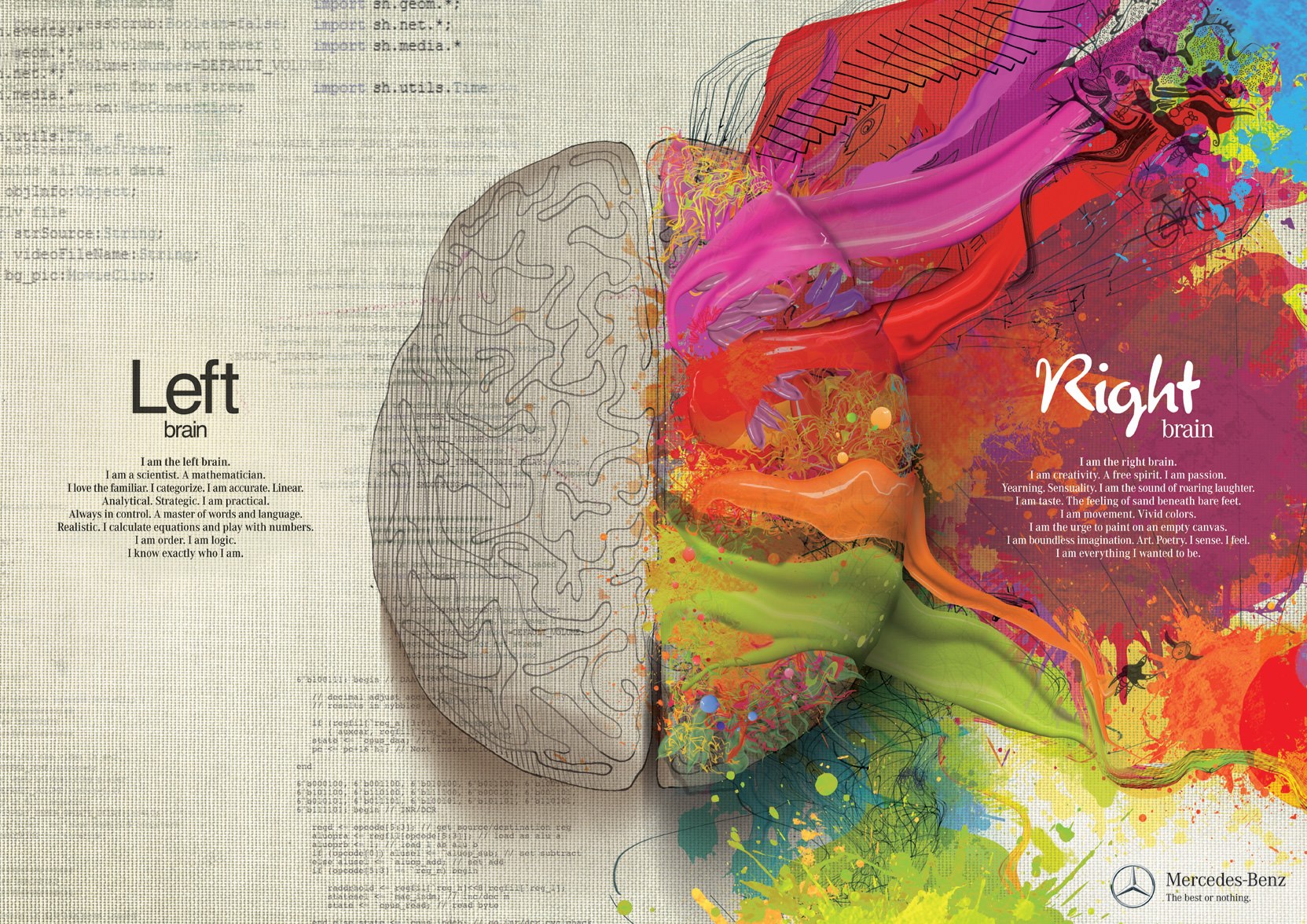
As an educator I am aware that this thing we thought was true is now an untrue fact. That’s wrong also. My left brain tells me so. But my right brain tells me it feels right.
Yes, these things are wrong. Just wrong.
Why did I put this in here? This is not wrong. This is right. So I must’ve put it in the wrong file. So that’s all right, then.
Putting this in a file my wife could find on my laptop… Yes, that was wrong.
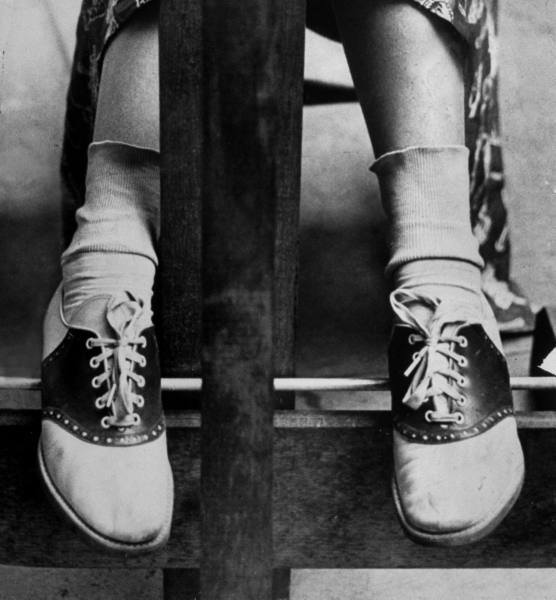
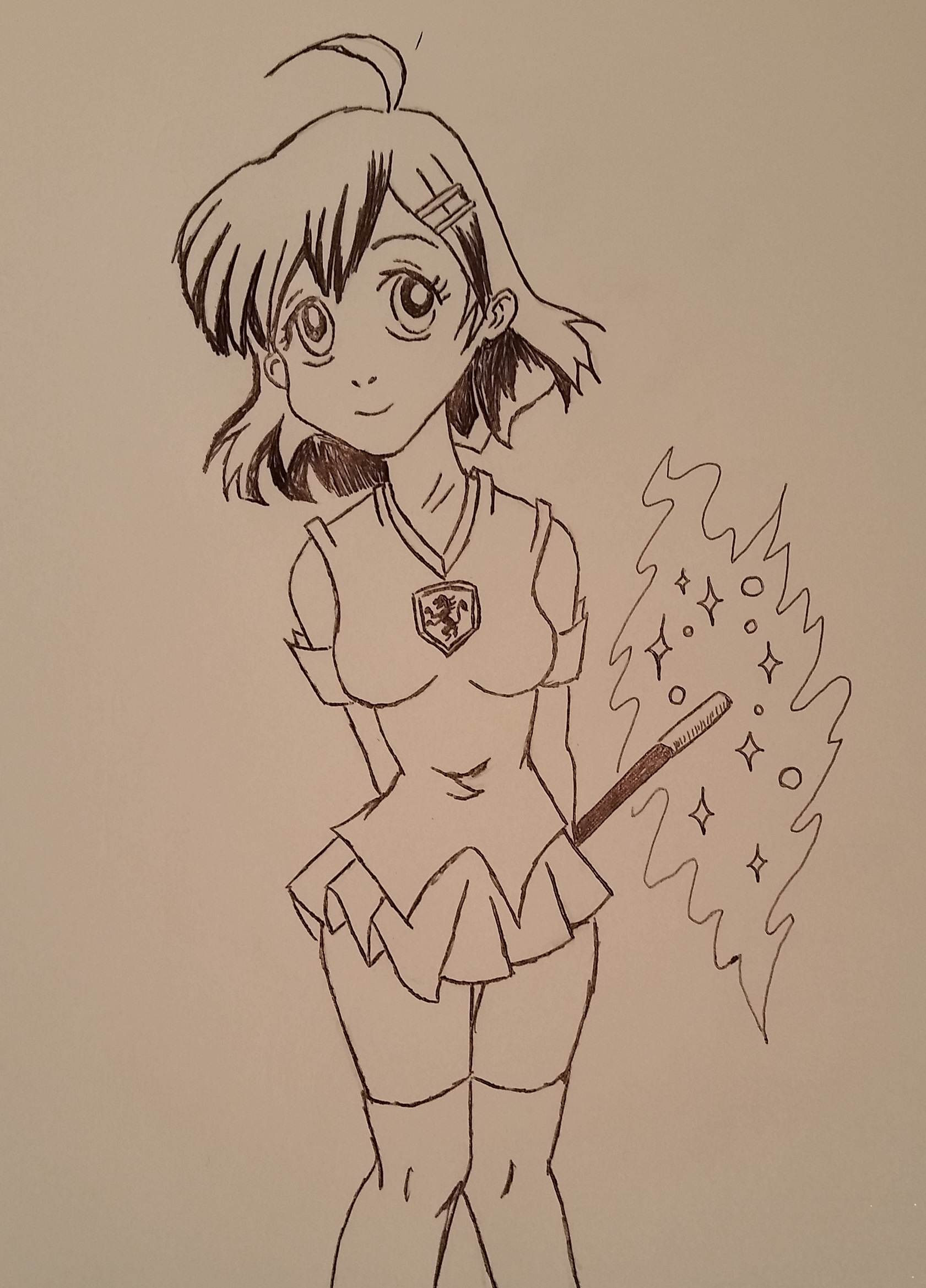
Saddle shoes have been wrong for many years now. I still draw them on the feet of kids, especially girls, especially school-age girls, and that is especially especially wrong because it means I am just too old and out of fashion.’
Boy! Is that wrong!
These things are all older than me, but I remember two of them. Is that wrong?
I’m not sure I believe this is wrong. So is that wrong? To believe that it is right, I mean? I’m probably wrong.
My wife constantly tells me I am wrong… about everything. And I probably am. So that is not right. And if you think that’s my wife in the picture, you would be wrong. She’s much larger than that in real life.
And many people find surrealism is wrong. Surreal is when you put wrong things together on purpose to make something that almost seems right.
So that’s what is odd about the “Wrong File”, It is so wrong that it is right.
I do write poetry. But I must admit, I am not a serious poet. I am a humorist at heart, so I tend to write only goofy non-serious poems like this one;
So here is a poem that rhymes but has too much “but-but-but” in it. A poem about pants should not have too many “buts” in it. One butt per pair, please. So this is an example of spectacularly bad poetry. Why do we need bad poetry? Because it’s funny. And it serves as a contrast to the best that poetry has to offer.
As a teacher I remember requiring students to memorize and recite Robert Frost’s poem, “The Road Not Taken”. Now this sort of assignment is a rich source of humorous stories for another day. Kids struggle to memorize things. Kids hate to get up in front of the class and speak with everybody looking at them. You get a sort of ant-under-a- magnifying-glass-in-the-sun sort of effect. But in order to truly get the assignment right and get the A+, you have to make that poem your own. You have to live it, understand it, and when you reach that fork in the road in your own personal yellow wood, you have to understand what Frost was saying in that moment. That is the life experience poetry has a responsibility to give you.
Hopefully I gave that experience to at least a few of my students.
Bad poetry makes you more willing to twirl your fingers of understanding in the fine strands of good poetry’s hair. (Please excuse that horrible metaphor. I do write bad poetry, after all.)
But all poetry is the same thing. Poetry is “the shortest, clearest, best way to see and touch the honest bones of the universe through the use of words.” And I know that definition is really bad. But it wasn’t written on this planet. (Danged old Space Goons!) Still, knowing that poetry comes from such a fundamental place in your heart, you realize that even bad poetry has value. So, I will continue writing seriously bad poetry in the funniest way possible. And all of you real poets who happen to read this, take heart, I am making your poetry look better by comparison.
The world is on fire. The heat is getting worse than it has ever been (in the time we limited sentient creatures have knowledge of.) There is a very real chance that the end of life on Earth is actually a short time away in the near future (a thing some religions have been predicting unsuccessfully for thousands of years.) What will it actually mean for us to be at the end of time (realizing that we are only talking about our pale blue dot in the near-endless universe?)
Here’s what we face. The greenhouse gasses, particularly carbon dioxide, are keeping the heat from the sun from radiating back out into space. Temperatures have already passed what a few years ago was described as the point of no return. The permafrost in the northern hemisphere is melting, releasing increasing amounts of methane, an even worse greenhouse gas, and creating a feedback loop that makes the problem overwhelming. The glaciers in the north and the ice shelf in Antarctica are melting, and sea levels are rising. Major coastal cities are not preparing fast enough for being underwater. Huge populations will be displaced and become refugees. Food-production systems will break down due to drought and unrest amongst workers in both farming and the distribution of food. The mounting expenses of battling these unbearable problems will destroy economies. More wars will break out to add to the misery Putin has already caused by war crimes in Ukraine. Eventually, nuclear weapons may cool the Earth with nuclear winter and stop the production of carbon dioxide by obliterating all manufacturing and depopulating the northern hemisphere. The cockroaches will inherit the Earth. Hopefully, as the dominant species, they will do a better job of managing the environment. But one never knows how they will handle it once they reach their own industrial revolution.
The probable next dictator of the American Fascist Union of Republican States.
Politically, the party with the power denies the existence of the climate crisis. They are concerned with expunging any record of white-people guilt for any crimes against racial groups caused by slavery, Jim Crow laws, genocide against Native Americans, lynching, and any of the other fruits of racism from the history books. They are, after all, quite comfortable in all-white conservative bubbles of thought, and are easily offended by any defense of the Black Lives Matter group. They also focus on removing any suggestion of sexual ideas or knowledge from school books and libraries, because anything but Bible-touted notions of love and sex is pornographic, perverted, or somehow related to lifestyles they certainly don’t want to have anything to do with and prefer to legislate away. So, every effort they are willing to make to avoid the things in that previous killer paragraph involves loudly saying “No!” to any possible solutions to the problems that are going to kill us. Hopefully, the cockroaches won’t become Trumpist Republicans when they take over, giving their rise to intelligence and civilization a better chance of thriving.
It is probably still within our power to stop this relentless life-extinguishing future from happening. There are definitely people who understand both the scientific challenges and the value of all the things we will lose if we sacrifice the entirety of our future for short-term corporate profits (the things all the Republicans we will continue to elect will vote for because of where their priorities really lie.) The human population has shown repeatedly throughout history that they are resilient and inventive, and can overcome all sorts of evil if the will to do so is truly there.
I am a pessimist, which means I always prepare for the worst possible outcome. Fortunately, that way of thinking means I am usually pleasantly surprised at the outcome, and if it does turn out bad, at least I am prepared for that outcome.
So, if we are going to destroy our world and ourselves, I have to ask myself, was it worth it for us to have ever existed?
Can you look at the smiling face of a child and say the existence of the human race on planet Earth was not worth the effort?
And there are reasons to be glad we are here and we have a history that came before us. The Civil War and World War Two were both terrible things. But one eliminated legal slavery. The other eliminated fascist genocidal regimes from Europe and Japan.
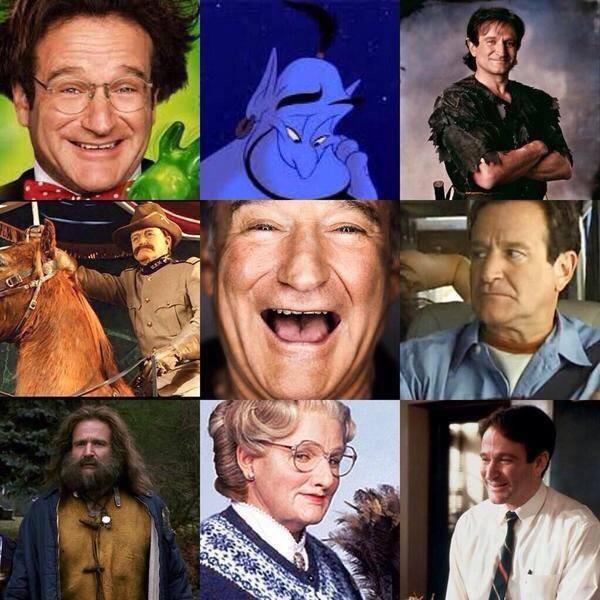
We are able, as a species, to laugh at our own foibles, to create humor and music and literature and poetry. We were able to produce Shakespeare, Mozart, Rober Frost, Red Skelton, Robin Williams, Shel Silverstein, Dr. Seuss, Beethoven, Kurt Vonnegut, the Beatles, Ernest Hemingway, Mark Twain, Elvis, Goethe, Socrates, Buddha, Jesus Christ, Mohammed, T. S. Eliot, Andrew Lloyd Webber, Julie Andrews, Johnny Carson, and the list could go on for days…
We were able to rise up from the ground, fly through the air, and eventually land on the Moon.
We were able to survive the Black Death, Small Pox, Ebola Virus, AIDS, and Covid 19.
We unleashed the power of the atom. We observed and learned about the far reaches of the galaxy and the many other galaxies in the greater universe beyond the Milky Way using only telescopes, mathematics, and the scientific method.
Is it enough to justify the existence of our race? You tell me. I foolishly think we are worthy to live on into the future, even if I myself will soon no longer be able to keep living. I hope to die of non-climate-crisis causes with peace in my heart. But I realize, too, that it depends on a lot of other people besides me. And I do not have confidence in all of them.
If there is a God who can help us, He is certainly welcome to make an announcement in the comments. But barring Divine intervention, what are you willing to do to move the question forward? I am doing what is within my power.
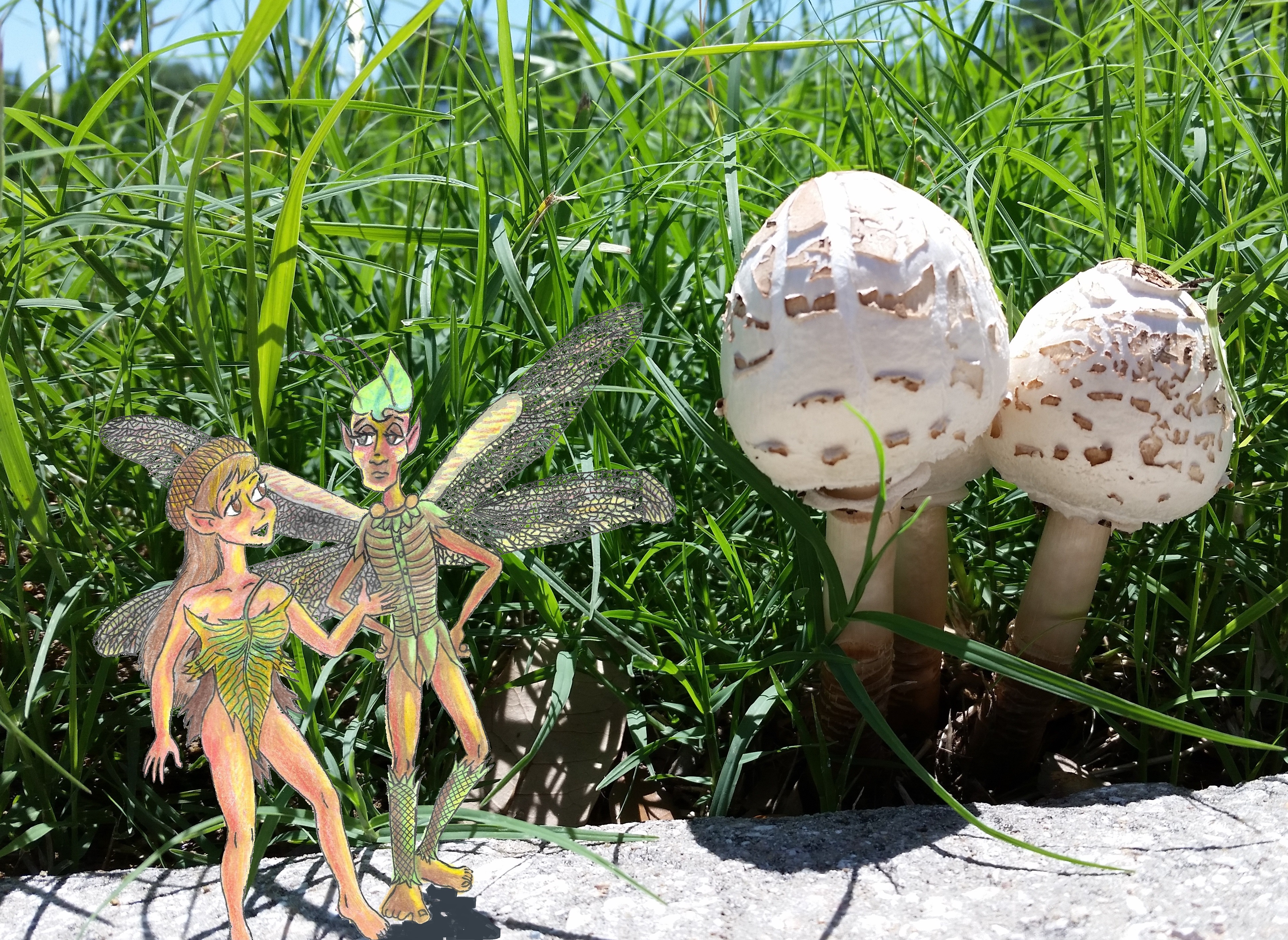
Where we now stand, if you are going by the picture, is outside in the Texas sunshine and heat. We should be standing, if we were smart, under the shade of the mushrooms that grew up quickly as a result of so much unseasonable rain. Of course, that would be assuming that Mickey is currently a pixie with dragonfly wings, which he probably is not… at least, not right at this moment. Climate change is turning Texas into a giant pressure-cooker with enough leftover hurricane moisture in it to reach an explosive boil by the end of July.
We are being manipulated now by the crafty, vile servants of the deposed idiot-king, treating the righteously-installed successor as an illegitimate usurper.
We are hearing now the testimony of the castle guards as they detail the failed assault of orcs and other monstrosities as they tried to dethrone the legitimate ruler. And one wonders why there are not more beheadings going on in the currently secure castle courtyard. The villains apparently have gained more rights than they deserve.
Still, in a kingdom beset by many ill omens and partisan Republicans, there are good things happening too in the sunshine.
Mickey’s latest free-book promotion gave away twelve e-book copies of AeroQuest One: Stars and Stones. And I have actually sold for money four e-book copies of other books as well, and an additional 400+ pages read on Kindle Unlimited of three other books.
And my mother, now gone from us for ten months, has left me enough inheritance to be out of my bankruptcy for the first time in five years, and, with my two sisters, be a part owner of the family farm that has been in the family for 150 years.
So, we stand together tentatively now, worried about what tomorrow and the next election may bring. But holding the high ground, a good defensive position.
It is important for your mental health and well-being in the present age to question everything. As I laid out for you in the previous Thinkology post, the world is full of mental mousetraps, and evil thinkers are anxious to do all the critical thinking for you. If they can influence what you think is true, they can control you.
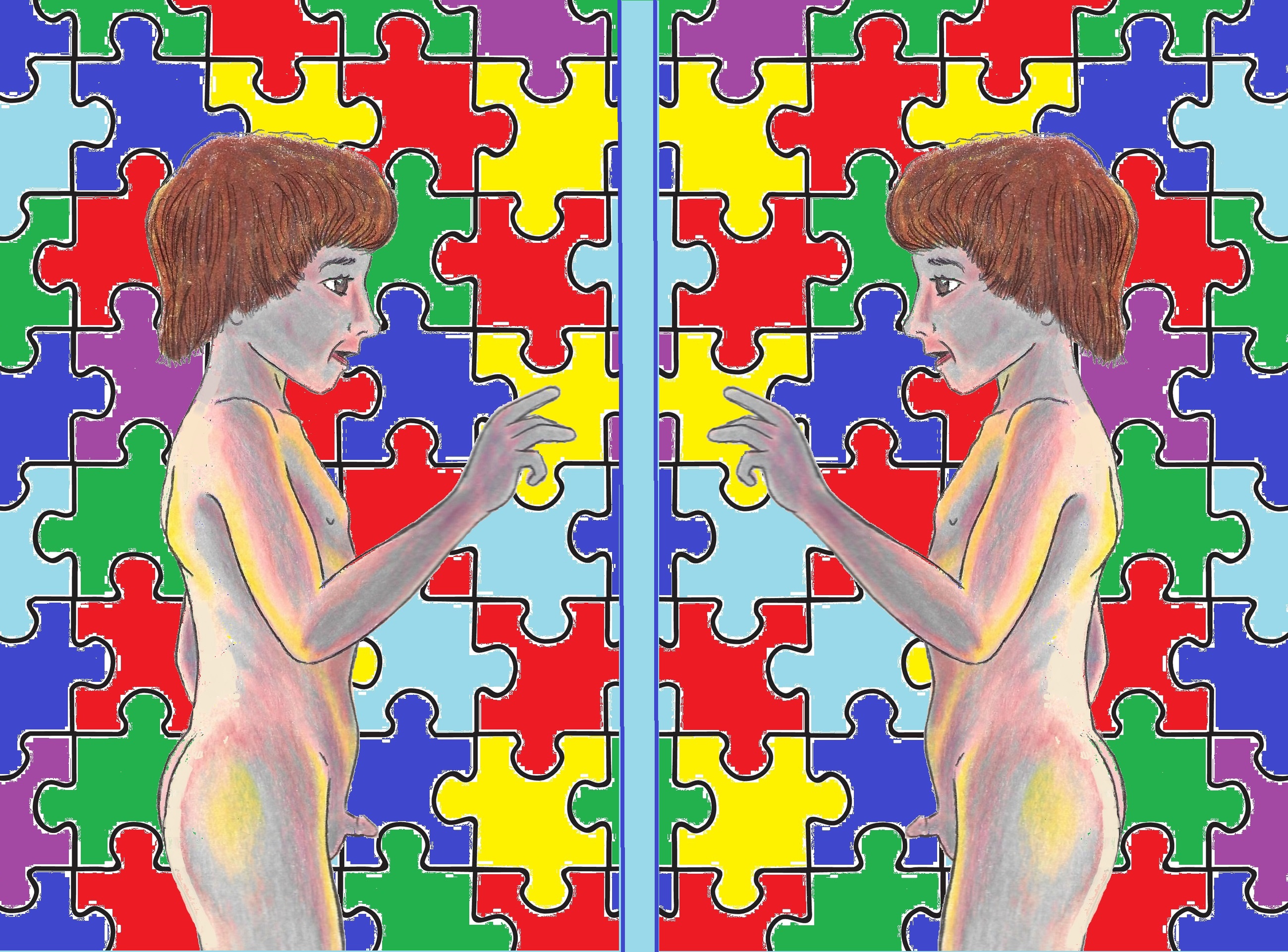
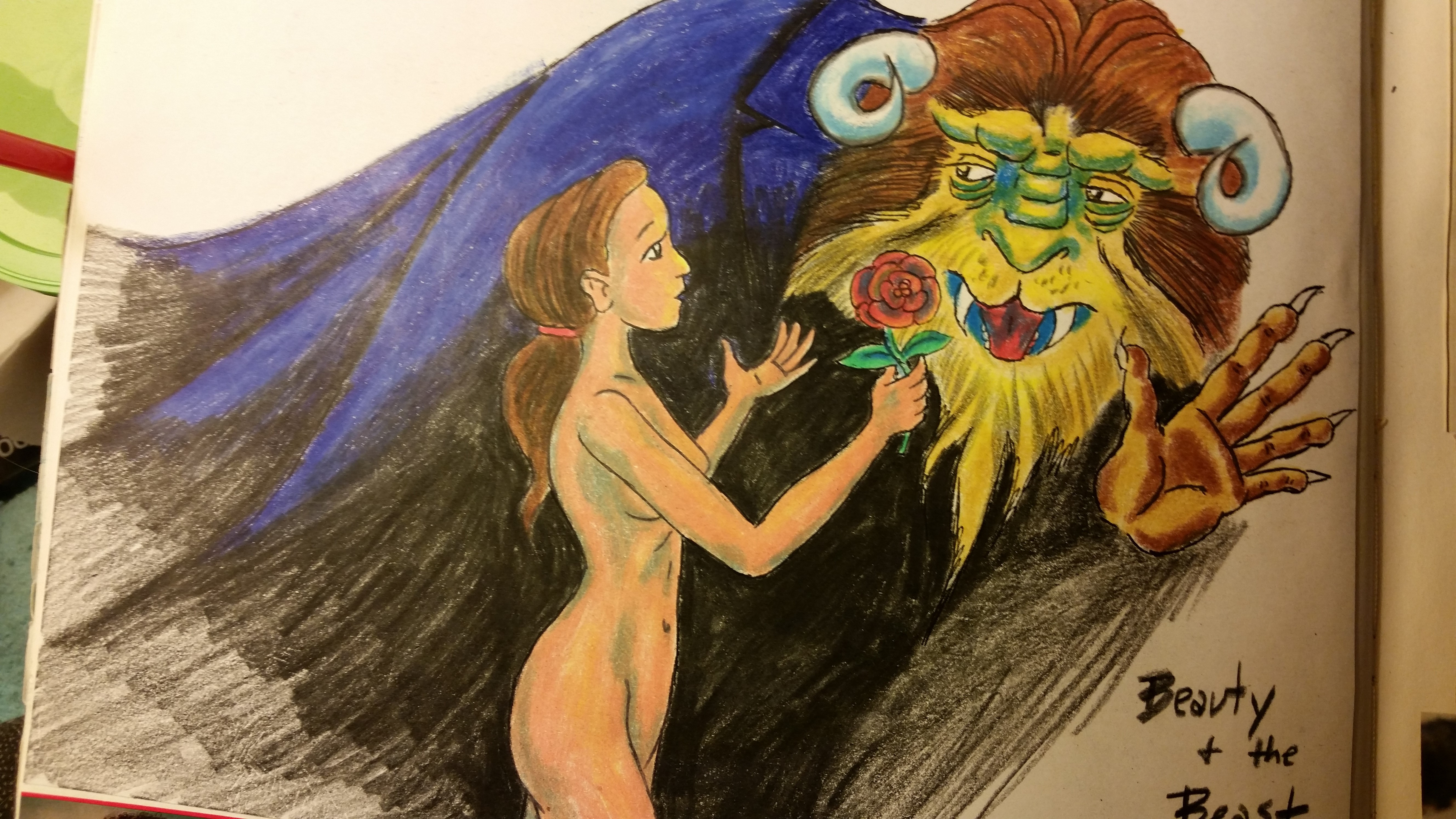
To start with, you have to look at yourself naked in the mirror. Now, I don’t mean this literally. The illustration is intended to be a metaphor for self-examination that goes deeper than how you look in your everyday dress…or tutu… or business suit… or even birthday suit if you like and are good-looking like the boy in the metaphor (after all, I have come to believe I am a nudist now, and am supposed to like the idea of birthday suits.)
What you are looking for is not how unsexy your massively fat-inflated abs are, but those things you believe that may not be completely valid (and mentally fattening.) Things that are true (not mere opinions or even supported opinions, but provably true facts) are backed up by measured, calibrated, and repeatable observations and experimental evidence. This means more than one other qualified observer has seen the same proofs as you have and agrees that it is factual. Yes, that’s the scientific method. And as a scientific way of evaluating truth, it is continually questioned and re-examined.
Any news source that you are thinking about accepting opinions from needs to be someone you can trust because they do actually vet their facts and sources. (Not the FOX news sort of vetting where it’s true because Tucker Carlson says so, but vetted through multiple reliable sources.) It helps too if your source is intelligent. Do not take the word of Louie Gohmert of Texas, Greg Gutfield of FOX News, or Mark Levin of talk radio for anything. These fools are clearly brain-damaged idiots or evil people spouting nonsense for evil reasons… or both. But also don’t take the word of Rachel Maddow, Bill Nye the Science Guy, or Niel DeGrasse Tyson without corroboration. While they are usually more intelligent, they are imperfect humans too and sometimes get things wrong. No one is perfect 100% of the time over 100% of the issues they are talking about.
Again, question everything.
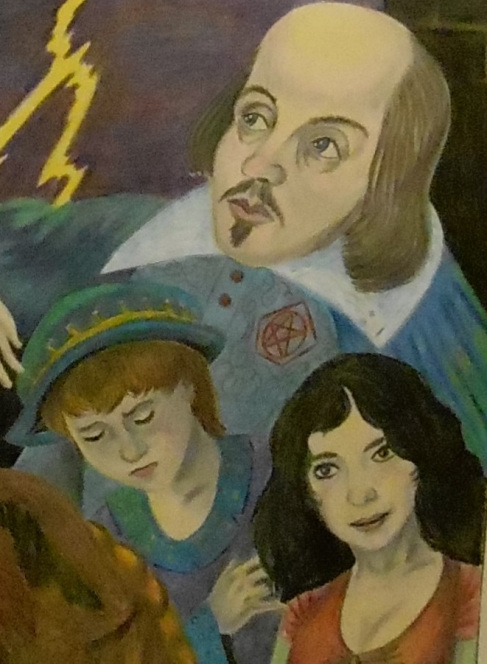
Infinite monkeys with infinite typewriters could not have written all of Shakespeare’s plays.
The actor and theater owner, William Shakespeare, did not write the plays of William Shakespeare. The man could not even spell his own name successfully on public documents, left no handwritten manuscripts behind him, had no personal library, and never left England for any of the places in Italy he referenced so beautifully in his plays. Yet, there are many coherent arguments in favor of the glover’s son from Stratford written by dedicated true believers. And one cannot ultimately declare someone else the author of the plays. So, I have to admit that my belief that William Shakespeare is actually a pen name is only a supported opinion, not a fact. I choose to believe the actual writer was probably Edward DeVere, the Earl of Oxford, aided by Ben Jonson, Francis Bacon, and other Elizabethans determined to establish English Literature’s place in the world. What I choose to believe is representative of my ability to think for myself… and my ability to weather ridicule from friends, relatives, and random Shakespeare experts who leave comments poo-pooing my blog and my intelligence. I know how to think and evaluate evidence.
So, think for yourself. Question everything. Weigh the evidence with care. And don’t take my word for it. I am probably crazy. Try it for yourself and see if it works.
This is an old artwork I have never shared before, except when I originally shared this post in 2016 and again in 2018. I can’t say it is my best work. But there it is.
There are many things that I have noticed about being a blogger that are the opposite of what you might expect. Let me list a few…
Listing stuff makes a daily post easier.
I have posted something on WordPress as a blogger every day for five hundred and eight straight days. I will try to hit two years in a row without missing a day for the second time.
Writing every day makes the ideas flow more easily rather than running out of ideas. The well refills faster than I can drink its waters constantly.
My most popular post is Be Naked More , which gets views practically every day, but including artistic nudes randomly in a post does not increase its views and popularity even when I put “naked” and “nude” in the tags.
Reproducing artwork on a blog is difficult when you draw things too big for your little scanner/printer. No matter how good the camera and how bright the lighting, white becomes gray, and the sparkle and luster of good colored pencil color is lost.
Good writing becomes more about writing less. But it also has to be more carefully crafted. The more I brew prose in my black cauldron of a blog, the more it seems to boil down to poetry.
Readers don’t seem to object to metaphors and purple paisley prose as much as editors and book reviewers do.
I like writing purple paisley prose (overly-complicated grammatical structures with alliteration, metaphor, and asides that interrupt the flow like this one… taken to the extreme for humorous effect).
Art pieces can be manipulated and re-used or re-combined to make something new out of something old. Computers make art editing infinitely easier.
Most people don’t actually read your blog all the way through. Some just like it for the pictures. If you actually read this far, you can let me know with a smiley face in the comments.
There are many, many good writers on WordPress… as I am sure there are on other blog sites as well. I despair of being able to find and read them all. If you are reading this bullet point, you are probably one of the ones I have found and read and liked. Blogging becomes a mirror that shows you your own self more naked than naked… not just what is under your clothes, but what you look like to yourself in your own head. And the more you walk around WordPress naked like that, the more you want to show it all off. (How’s that for an idea that will pull in the readers from the lonely parts of Siberia?) 🙂
I admit it. I am prosaic. I think in sentences. I speak in paragraphs. I write in 5-paragraph essays. I should stop with the repetition of forms and the parallel structures, because that could easily be seen as poetic and defeat my argument in this post. I write prose. Simple. Direct. Declarative. But those last three are sentence fragments. Does that fit the model of prose? How about asking a question in the middle of a paragraph full of statements? Is that all simple enough to be truly prosaic?
Prose is focused on the everyday tasks of writing. It seems like the world thinks that the mechanical delivery of information in words and sentences should be boring, should be functional, should be simple and easy to understand.
I don’t mean to be pulling your reader’s mind in two directions at once, however. I need to stop confusing you with my onslaught of sentences full of contradictory and complex ideas. I should be more clear, more direct, and more to the point.
So here is my thesis, finally clearly stated; The magic of writing prose, it turns out, makes you the opposite of prosaic.
Ah, irony again! It ends up being anything but simple. You can write in simple, adjective-and-adverb-free sentences as Hemingway did, and still manage to convey deeply complicated and thoughtful ideas. One might even suggest that you can create poetic ideas in mere prose, dripping with layers of emotion, conflict, theme, and deeper implied meaning. You can also write prose in the intensely descriptive and convoluted style of a Charles Dickens with many complex sentences and pages-long paragraphs of detail, using comic juxtapositions of things, artfully revealing character development, and idiosyncratic dialogue all for comedic effect. Prose is a powerful and infinitely variable tool for creating meaning in words. Even when it is in the form of Mickian purple paisley prose that employs extra-wiggly sentence structure, pretzel-twisted ideas, and hyperbolically big words.
Simply stated; I am a writer of prose. I am too dumb about what makes something poetry to really write anything but prose. But I do know how to make a word-pile like this one that might just accidentally make you think a little more deeply about your writing… that is, if you didn’t give up on reading this three paragraphs ago. I find it useful to examine in writing how I go about writing and what I can do with it. I try to push the boundaries in directions they haven’t been pushed before. And hopefully, I learn something from every new essay I write. What I learned here is that I am prosaic. And that is not always a bad thing.
The case has been made in an article by John Welford (https://owlcation.com/humanities/Did-King-Henry-VIII-Have-A-Genetic-Abnormality) that English King Henry the VIII may have suffered from a genetic disorder commonly known as “having Kell blood” which may have made having a living male heir almost impossible with his first two wives. The disorder causes frequent miscarriages in the children sired, something that happened to Henry seven times in the quest for a living male heir. If you think about it, if Henry did not have this particular physical conflict at the root of his dynasty, he might’ve fathered a male heir with his first wife, Catherine of Aragon. Then there would’ve been no opening for the machinations of Anne Boleyn. It follows that Elizabeth would not have been born. Then no Elizabethan Age; no sir Francis Drake, Spain might’ve landed their armada, no Church of England, possibly no William Shakespeare, and then Mickey would never have gotten castigated by scholars of English literature for daring to state in this blog that the actor who came from Stratford on Avon and misspelled his own name numerous times was not the author of Shakespeare’s plays.
History would’ve been very different. One might even say “sucky”. Especially if one is the clown who thinks Shakespeare didn’t write Shakespeare.
Conflict and struggle is necessary to the grand procession of History. If things are too easy and conflict is not necessary, lots of what we call “invention” and “progress” will not happen. Society is not advanced by its quiet dignity and static graces. It is advanced and transformed by its revolutions, its wars, its seemingly unconquerable problems… its conflicts.
My Dick and Jane book, 1962
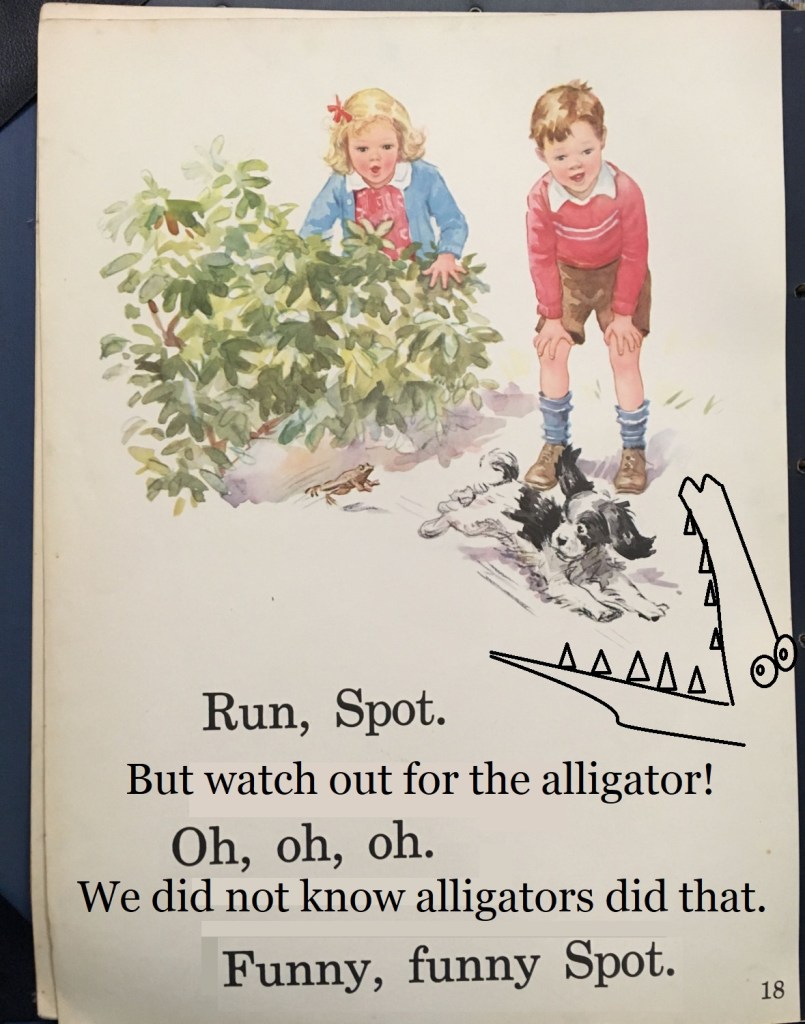
Similarly, a novel, a story, a piece of fiction is no earthly good if it is static and without conflict. A happy story about a puppy and the children who love him eating healthy snacks and hugging each other and taking naps is NOT A STORY. It is the plot of a sappy greeting card that never leaves the shelf in the Walmart stationary-and-office-supplies section. Dick and Jane stories had a lot of seeing in them. But they never taught me anything about reading until the alligator ate Spot, and Dick drowned while trying to pry the gator’s jaws apart and get the dog back. And Jane killed the alligator with her bare hands and teeth at the start of what would become a lifelong obsession with alligator wrestling. And yes, I know that never actually happened in a Dick and Jane book, except in the evil imagination of a bored child who was learning to be a story-teller himself in Ms. Ketchum’s 1st Grade Class in 1962.
Yes, I admit to drawing in Ms. Ketchum’s set of first-grade reading books. I was a bad kid in some ways.
But the point is, no story, even if it happens to have a “live happily ever after” at the end of it, can be only about happiness. There must be conflict to overcome.
There are no heroes in stories that have no villains whom the heroes can shoot the guns out of the hands of. Luke Skywalker wouldn’t exist without Darth Vader, even though we didn’t learn that until the second movie… or is it the fifth movie? I forget. And James Bond needs a disposable villain that he can kill at the end of the movie, preferably a stupid one who monologues about his evil plan of writing in Ms. Ketchum’s textbooks, before allowing Bond to escape from the table he is tied down to while surrounded by pencil-drawn alligators in the margins of the page.
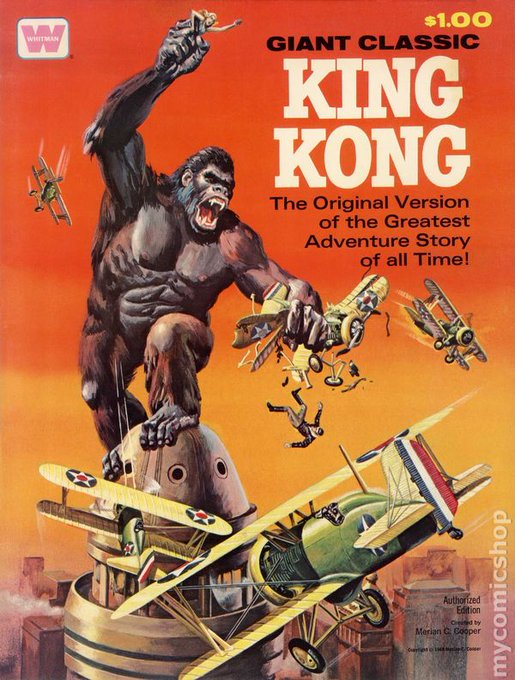
We actually learn by failing at things, by getting hurt by the biplanes of an angry difficult life. If we could just get away with eating all the Faye Wrays we wanted and never have a conflict, never have to pay a price, how would we ever learn the life-lesson that you can’t eat Faye Wray, even if you go to the top of the Empire State Building to be alone with her. Of course, that lesson didn’t last for Kong much beyond hitting the Manhattan pavement. But life is like that. Not all stories have a happy ending. Conflicts are not always resolved in a satisfying manner. A life with no challenges is not a life worth living.
So, my title today is “Conflict is Essential“. And that is an inescapable truth. Those who boldly face each new conflict the day brings will probably end up saying bad words quite a lot, and fail at things a lot, and even get in trouble for drawing in their textbooks, but they will fare far better than those who are afraid and hang back. (I do not know for sure that this is true. I really just wanted to say “fare far” in a sentence because it is a palindrome. But I accept that such a sentence may cause far more criticism and backlash than it is worth. But that is conflict and sorta proves my point too.)



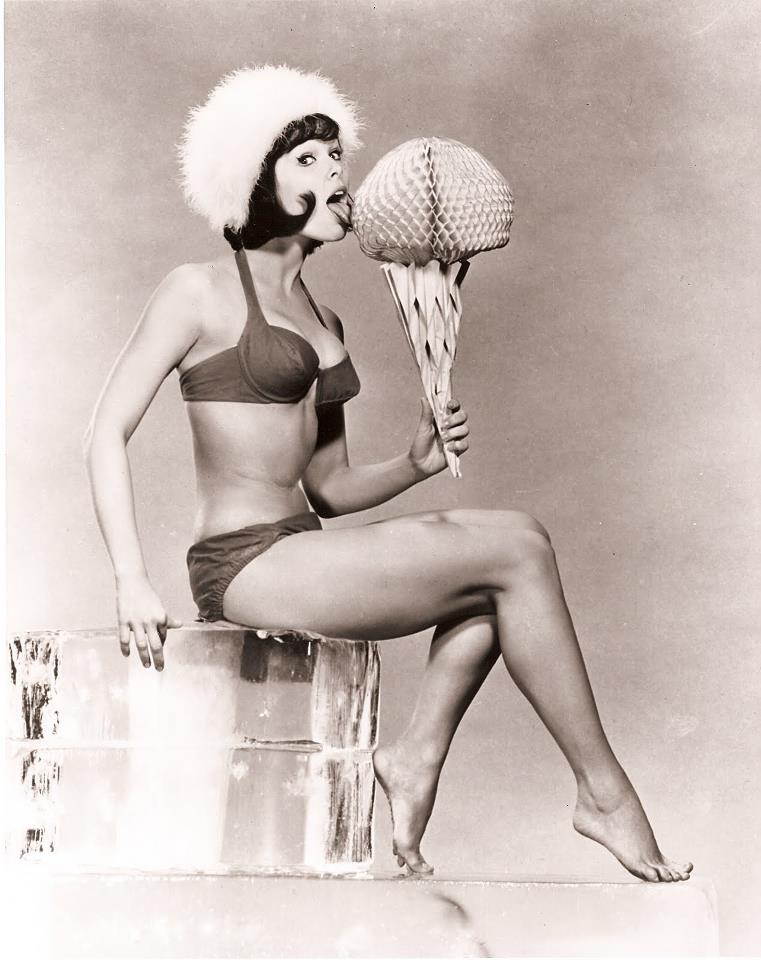


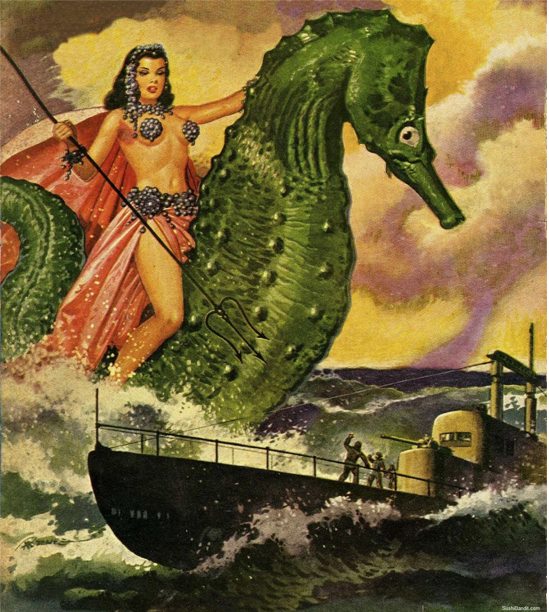 My wife constantly tells me I am wrong… about everything. And I probably am. So that is not right. And if you think that’s my wife in the picture, you would be wrong. She’s much larger than that in real life.





 Ah, irony again! It ends up being anything but simple. You can write in simple, adjective-and-adverb-free sentences as Hemingway did, and still manage to convey deeply complicated and thoughtful ideas. One might even suggest that you can create poetic ideas in mere prose, dripping with layers of emotion, conflict, theme, and deeper implied meaning. You can also write prose in the intensely descriptive and convoluted style of a Charles Dickens with many complex sentences and pages-long paragraphs of detail, using comic juxtapositions of things, artfully revealing character development, and idiosyncratic dialogue all for comedic effect. Prose is a powerful and infinitely variable tool for creating meaning in words. Even when it is in the form of Mickian purple paisley prose that employs extra-wiggly sentence structure, pretzel-twisted ideas, and hyperbolically big words.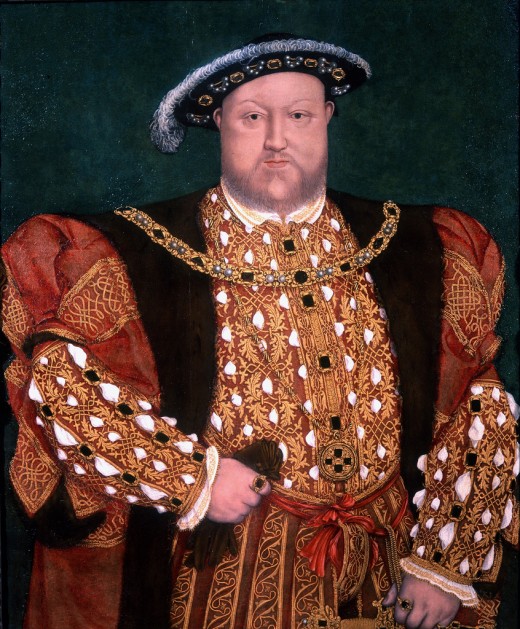


Humble Pie
The difference between who you want to be and who you are is humbling.
The recipe for humble pie requires good, clear eyesight.
And you need a reliable mirror that only shows the flaws in the reflected image, not in the mirror itself.
And you need to look at every detail in the whole of you. Even the secret things that you tend to conceal from everybody, especially yourself.
And writing a novel, if you do it right, is a form of baking humble pie.
The good and the not-so-good is reflected in reviews, which are often written with mirrors that have flaws.
But what you see, if you are honest with yourself, can show you that, even though you are far from perfect, you are exactly what you are supposed to be.
Leave a comment
Filed under artwork, autobiography, commentary, empathy, feeling sorry for myself, irony, Paffooney, self portrait, strange and wonderful ideas about life