


I used to be a classroom storyteller. As an English teacher for middle school kids, I often would give brief biographical insights into famous people we were talking about at the time. I told them about Crazy Horse of the Sioux tribe, Roger Bacon the alchemist and inventor of chemistry as a science, Mark Twain in Gold Rush California, and many other people I have found fascinating through my life as a reader and writer of English.
One bright boy in my gifted class remarked, “Mr. B, you always tell us these stories about people who did something amazing, and then you end it with they eventually died a horrible death.”
Yep. That’s about right. In its simplest form life consists of, “You are born, stuff happens, and then you die.” And it does often seem to me that true genius and great heroism are punished terribly in the end. Achilles destroys Hector, but his heel is his undoing. Socrates taught Plato, and was forced to drink poison for being too good at teaching. Custer was a vain imbecile and got what he deserved at the Battle of the Little Bighorn, but Crazy Horse, who made it happen, was pursued for the rest of his short life for it until he was finally captured and murdered. Roger Bacon contributed immensely to science by experimenting with chemicals, but because he blew up his lab too often, and because one of his students blew himself up in a duel with another student, he ended his days in prison for practicing sorcery.


But if you have listened to any of the music I have added to this post, the music of Pyotr Ilyich Tchaikovsky, then you recognized it, unless you have lived your whole life under a rock in Nomusikvetchistan. And why is that? Because even though it is all classical music written in the 1800’s, it’s basic genius and appeal is immortal. It will outlive all of us. Some of it, having been placed on a record on the Voyager space craft may get played and appreciated a million years from now in the vicinity of Betelgeuse. It will still be a work of pure genius.
And, of course, the horrible life and terrible death thing is a part of it too. Tchaikovsky’s work took an incredibly difficult path to success. He was criticized by Russians for being too Western and not Russian enough. He was criticized in the West for being too exotic and basically “too Russian”. He railed against critics and suffered horribly at their hands. Then, too, his private life was far less private than it had any right to be. He was a bachelor most of his life, except for a two year marriage of pure misery that ended in divorce. And everybody, with the possibility of Pyotr himself, knew it was because he was a homosexual. He probably did have that orientation, but in a time and a career where it was deemed an illegal abomination. So whether he ever practiced the lifestyle at great risk to himself, or he repressed it his entire life, we will never know for sure.
But the music is immortal. And by being immortal, the music makes Tchaikovsky immortal too. Despite the fact that he died tragically at the age of 53, possibly by suicide.
So, this is the great lesson of Tchaikovsky. The higher you fly, the farther you fall, and you will fall… guaranteed, but that will never make the actual flight not worth taking. Some things in life are more important than life itself. As I near the end myself, I cling to that truth daily.




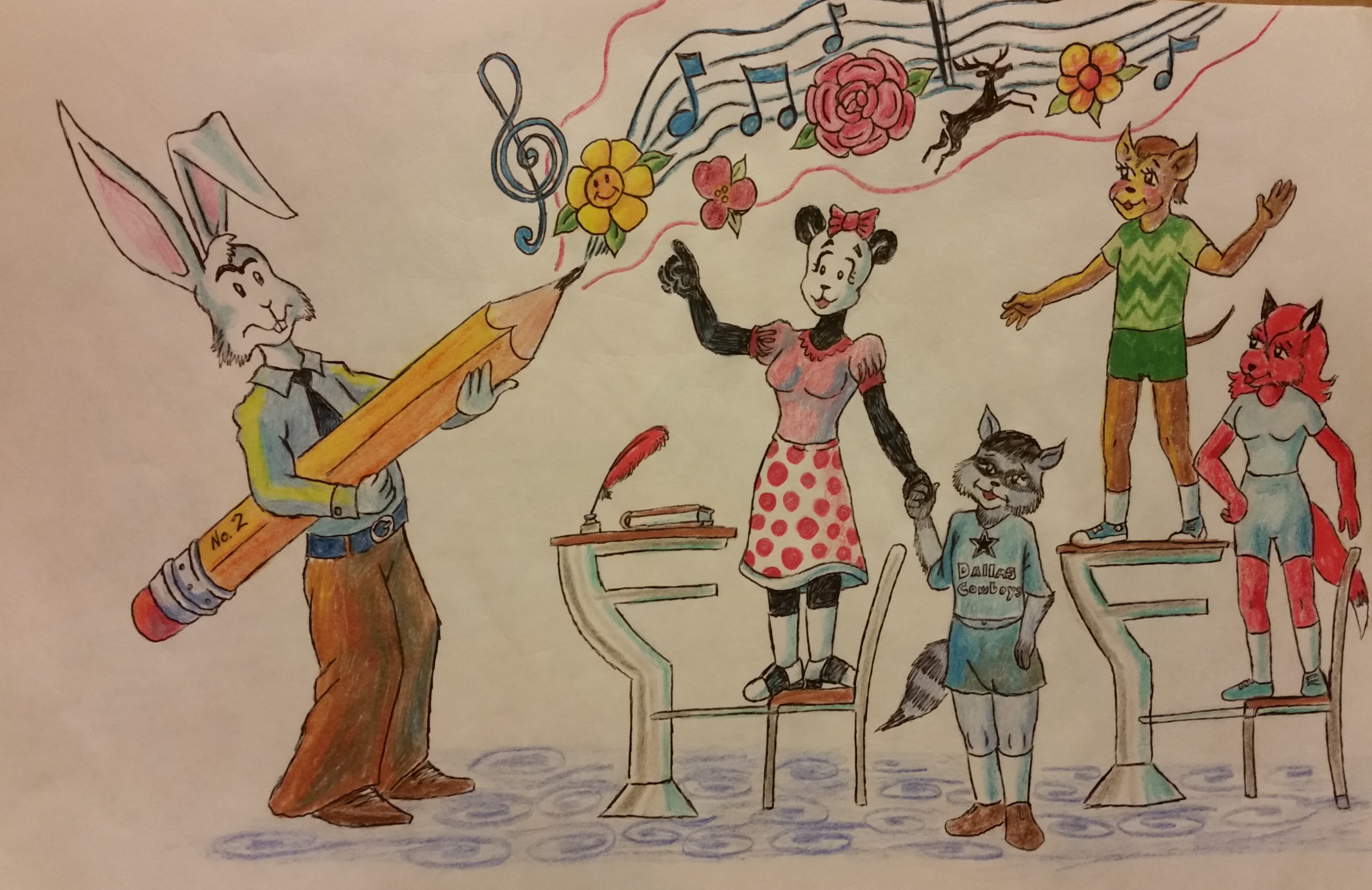
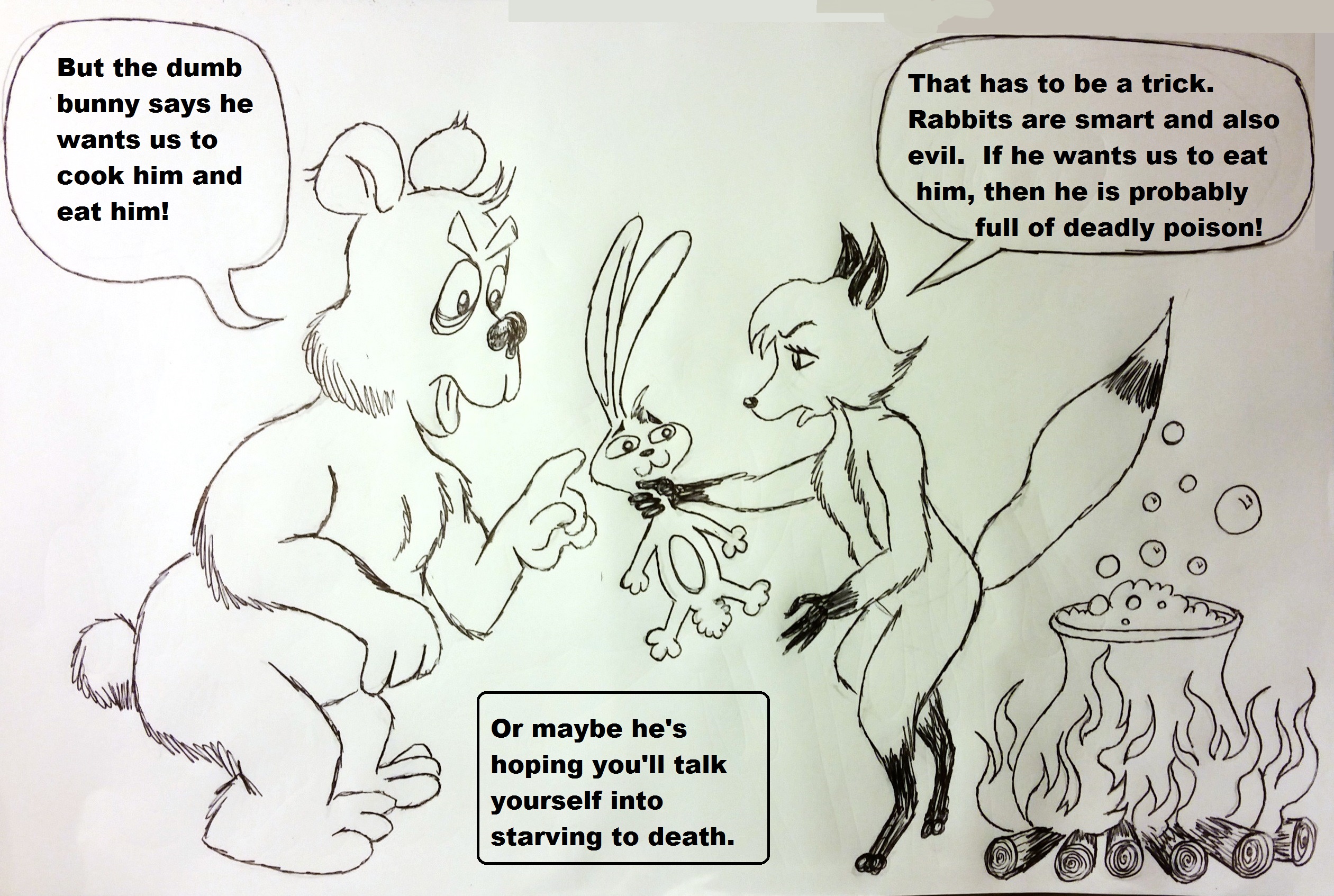
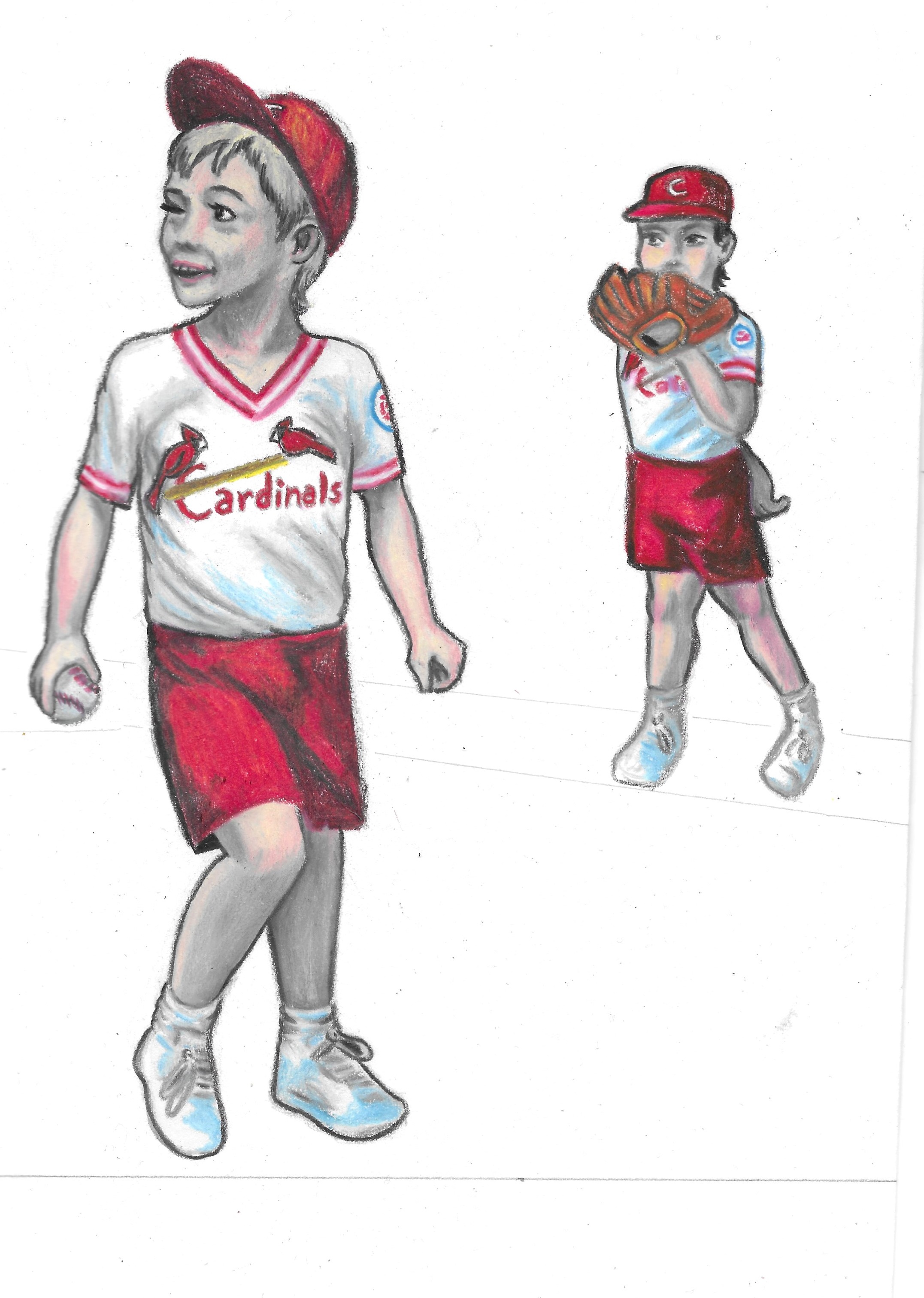
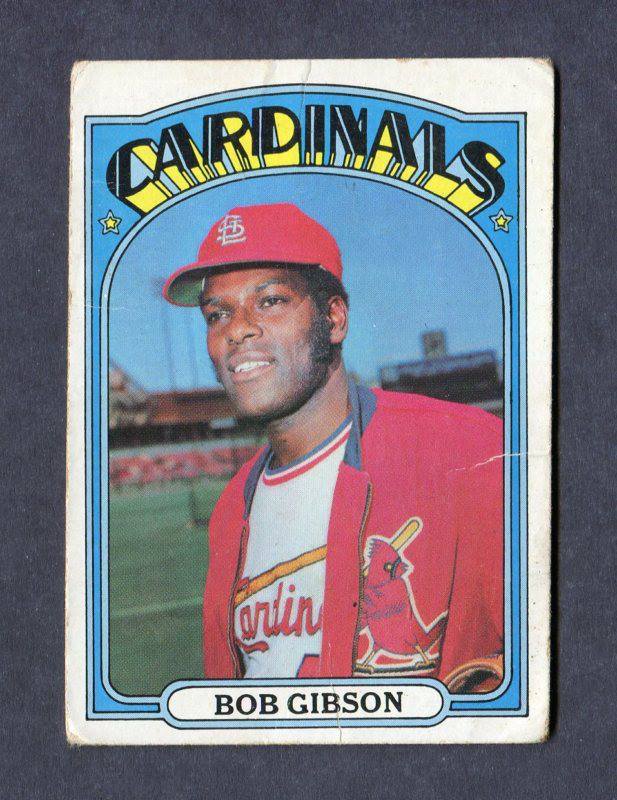




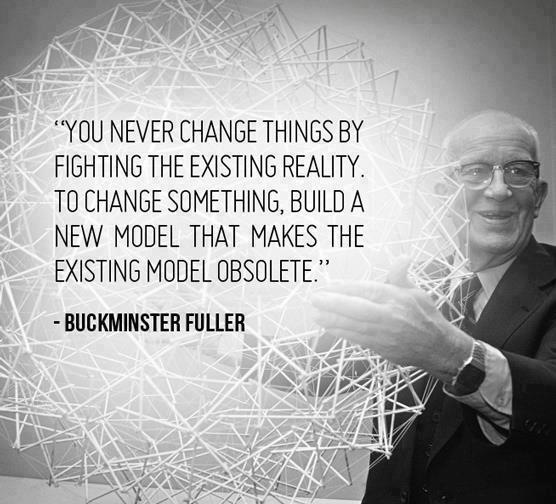
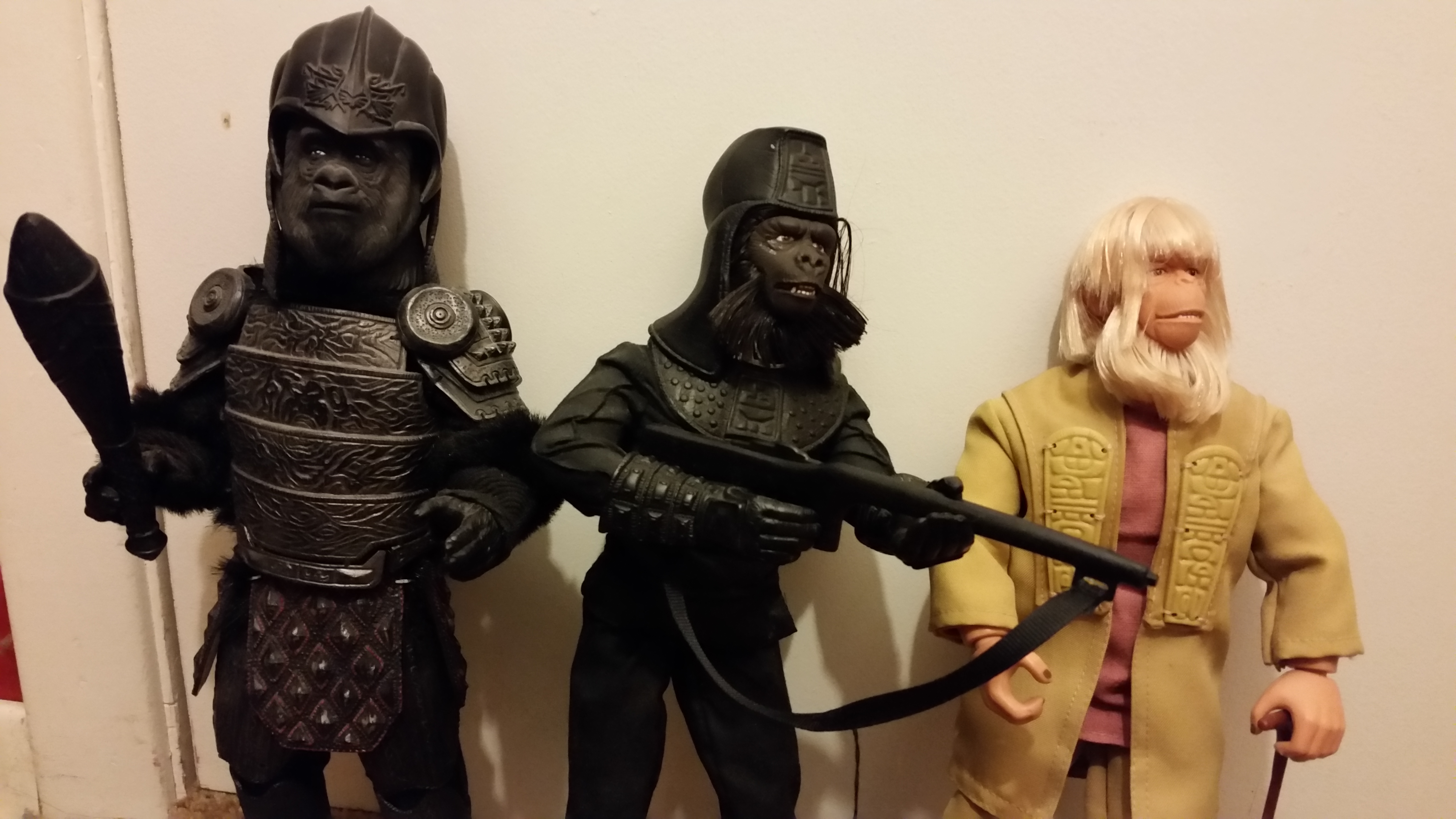
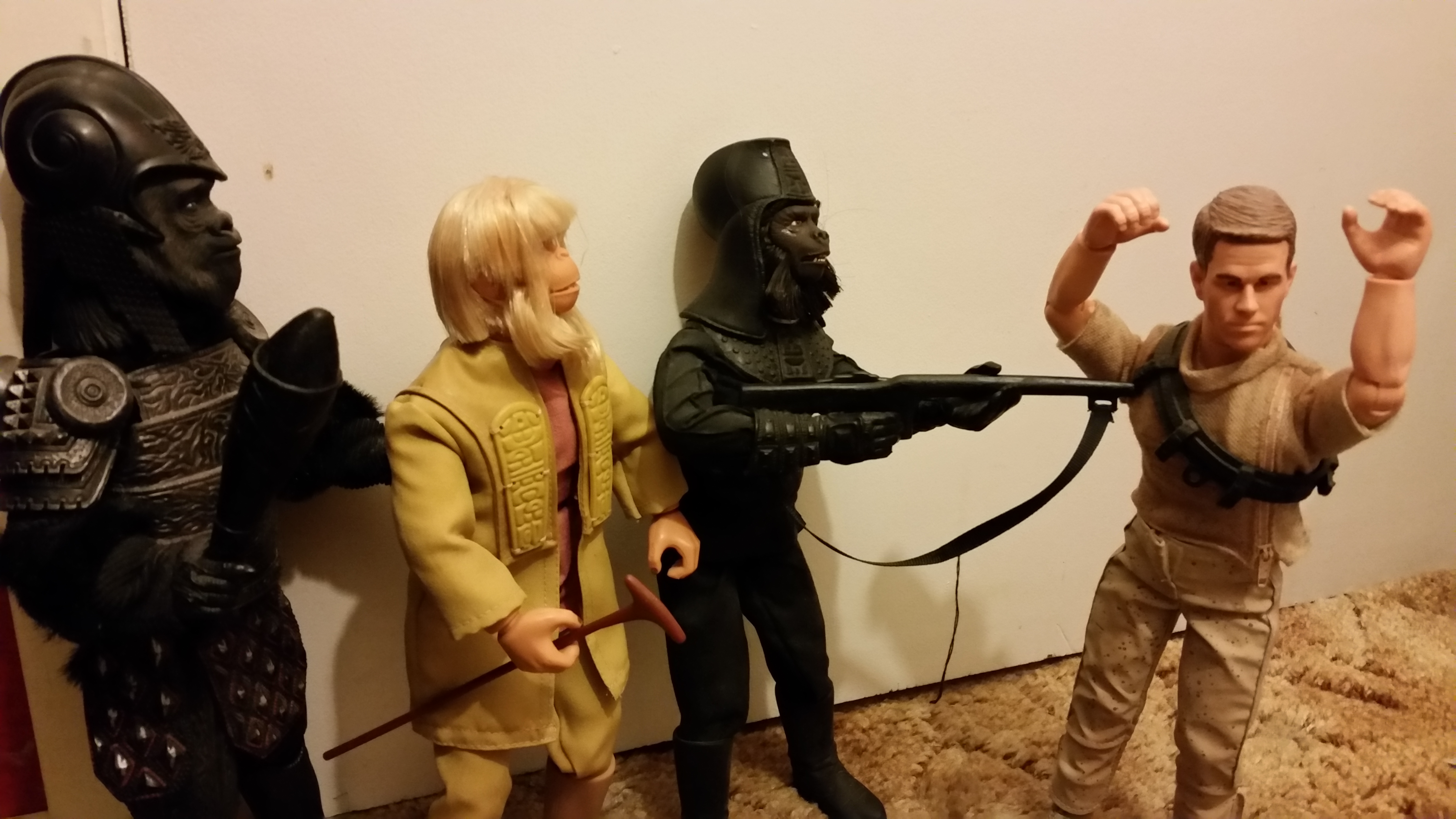
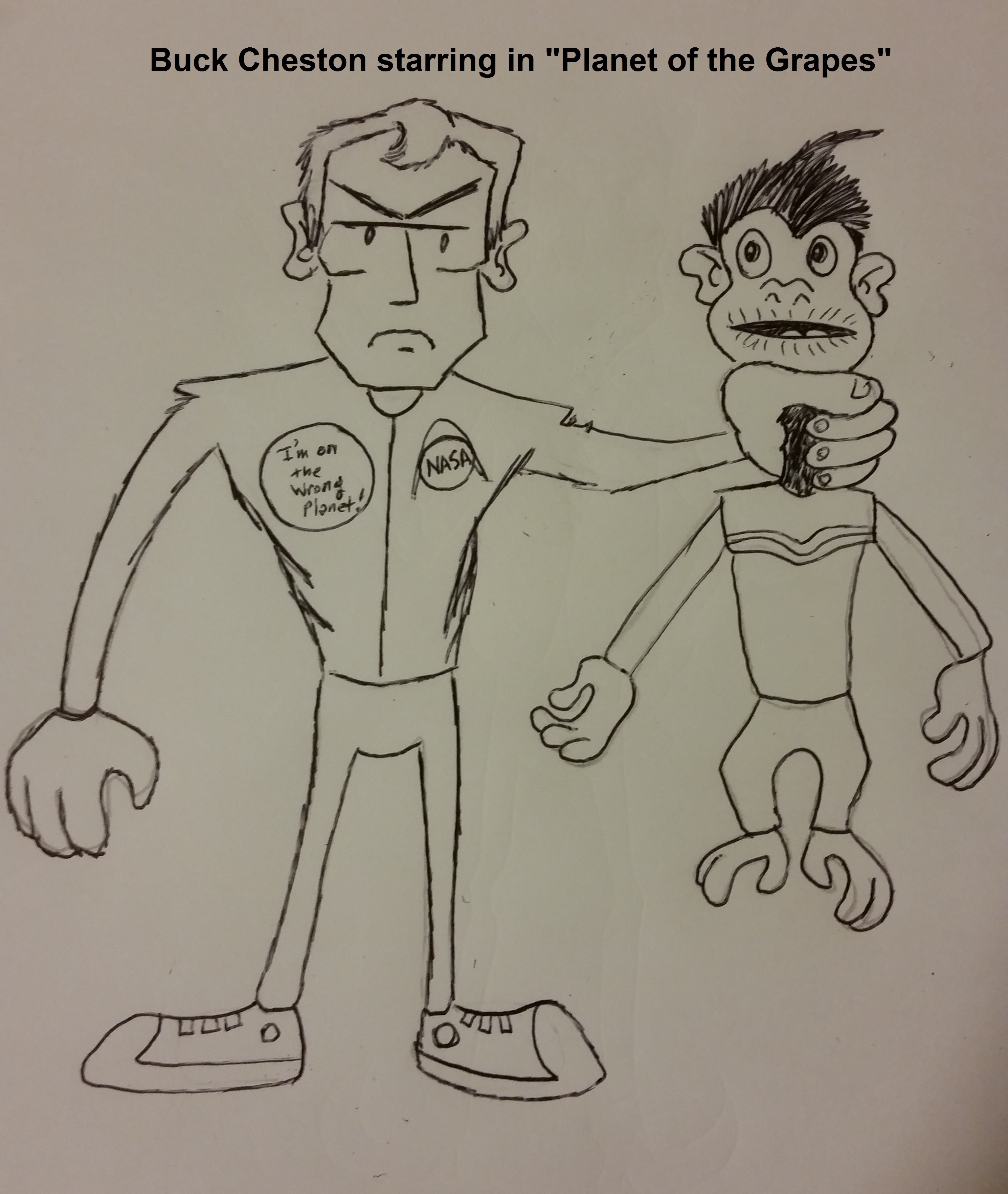




Self-Reflection
Every writer, whether he or she writes fiction or non-fiction, is really writing about themselves. The product originates within the self. So, that self has to gaze into the mirror from time to time.
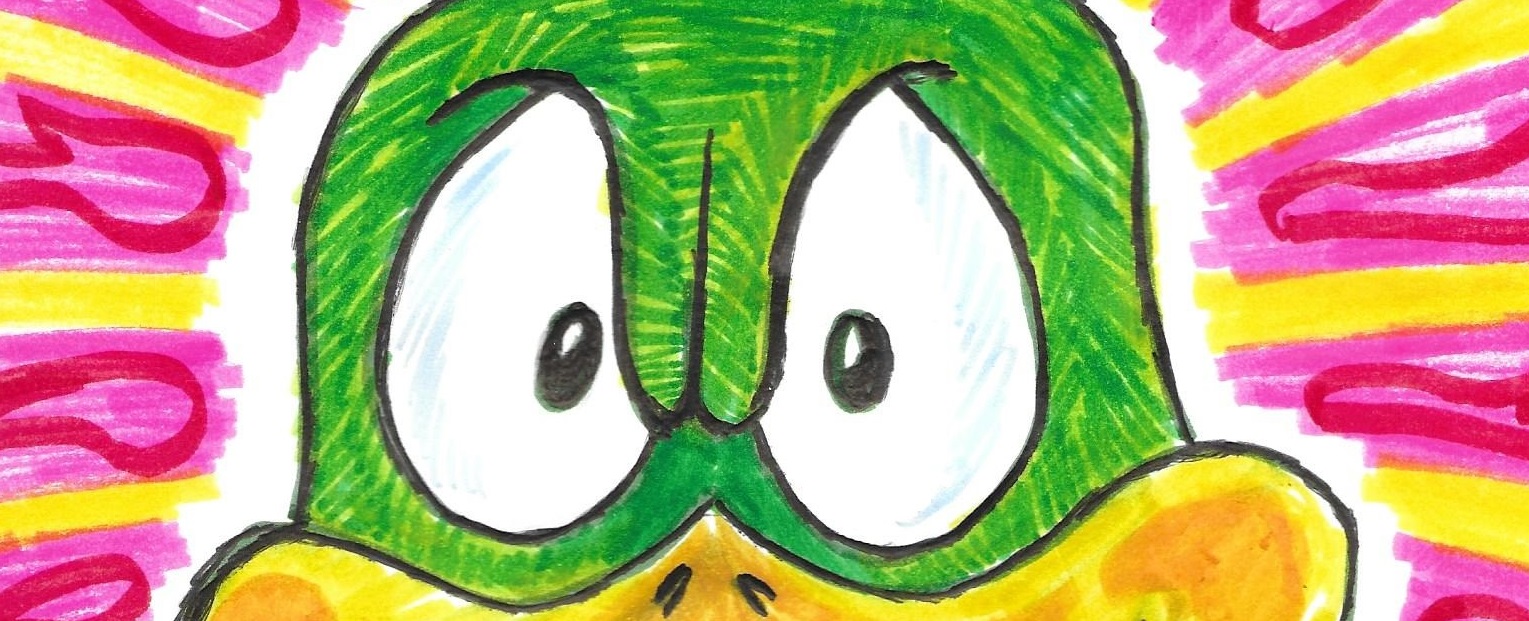
So, the question for today is, who, or possibly what, is Mickey?
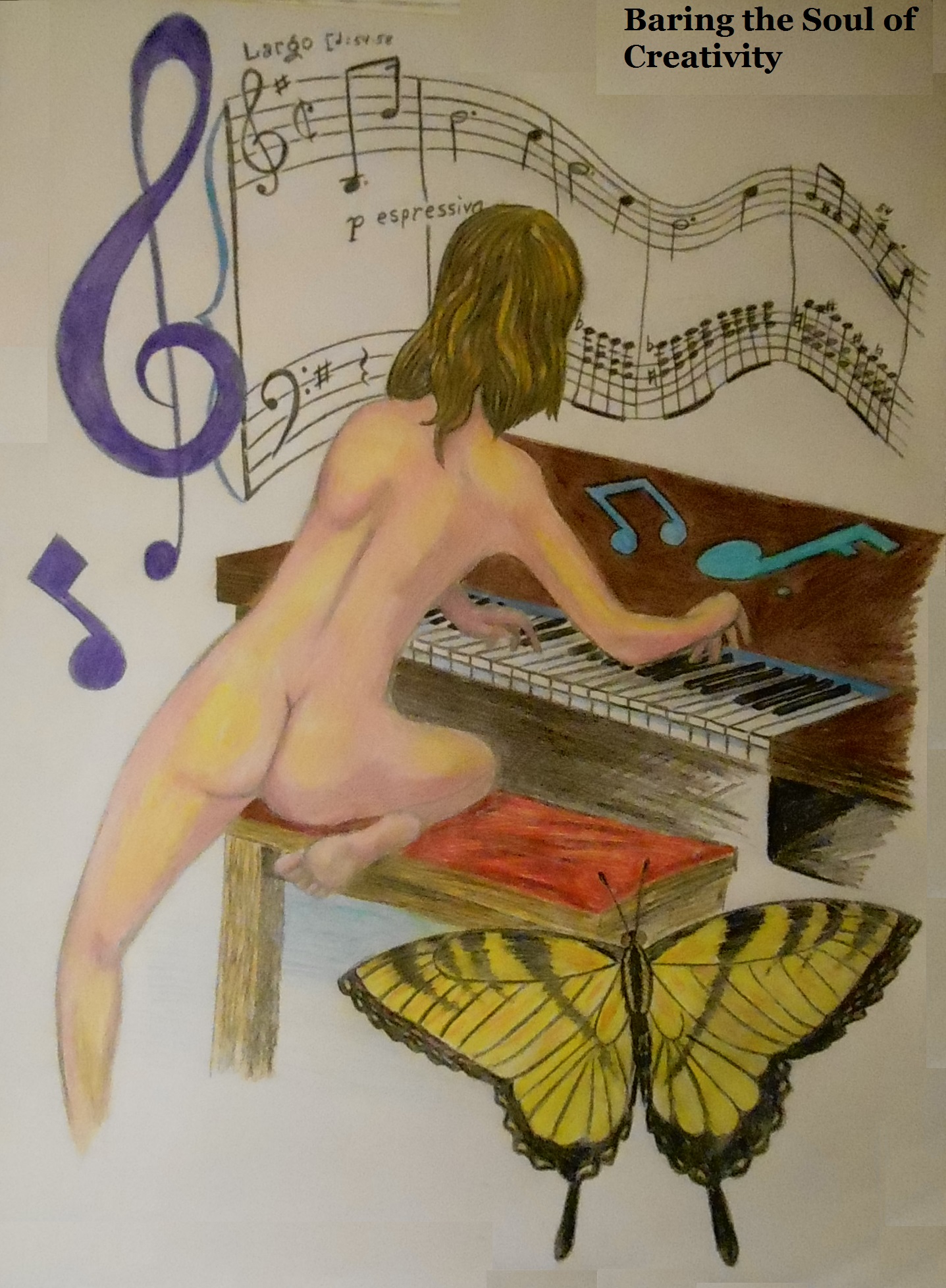
I have been posting stuff every day for a few years now, and in that time, I have been much-visited on WordPress. Maybe not much-read, but then, you cannot actually tell if somebody read it or not. Most probably look only at the pictures. And, since I am also an artist of sorts, that can also be a good thing. Though, just like most artists, my nude studies are more popular than the pieces I value the most. But unless the looker makes a comment or leaves a “like”, you really have no idea if they read or understood any of the words I wrote. And you have no idea what they feel about the art. Maybe they just happened to click on one of my nudes while surfing for porn.
I rarely get below 50 views of something in my blog every day. The last three days were 86 views, 124 views yesterday, and 88 views already today. My blog has definitely picked up pace over the length of the coronavirus quarantine. But no definable reason seems obvious. Some of my posts are polished work, but Robin is right when he says today’s post is merely fishing with the process, which is true almost every day.
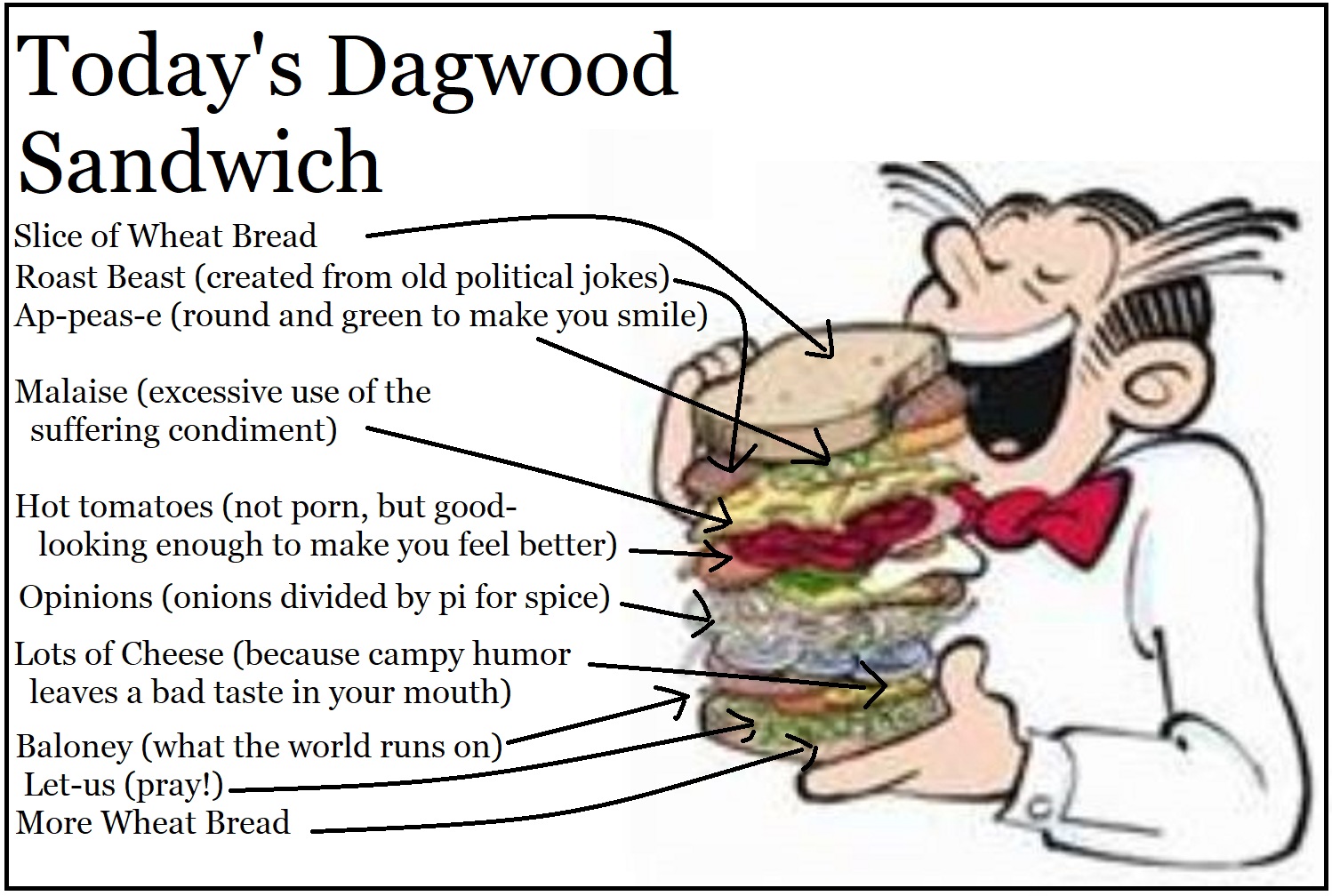
As a person I am quirky and filled with flaws, pearls of wisdom that result from clam-like dealing with flaws, strange metaphors that shine the pearls, and obsessions like the one I have with nudism that leaves me properly dressed for diving for pearls.
I have demonstrated throughout my life that I have an interest in and experience with nudism, though not the boldness to parade my naked self before the world outside of the writing that I do. I also spent most of my bachelorhood dating reading teachers and teachers’ aides, finally settling down and marrying another English teacher. I completed a thirty-one year career as an English teacher, which means I spent a lot of time teaching writing and reading to kids who were ages 12 to 18. Twenty-four of those years were spent in the middle school monkey house. And all of that led to being so mentally damaged that I wasn’t good for much beyond becoming a writer of YA novels or possibly subbing for other mentally-damaged teachers in middle schools around our house.
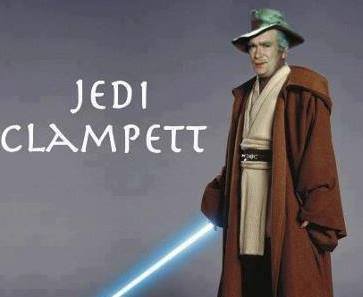
A real telling feature of what I have become is the fact that most of the characters I write about in my fiction are somehow a reflection of me. Milt Morgan, seen to the left, is illustrated here with a picture of me as a ten-year-old wearing a purple derby. Yes, I was that kind of geeky nerd.
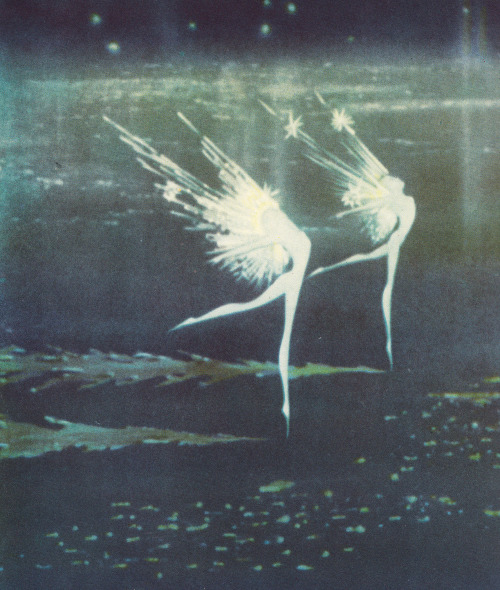
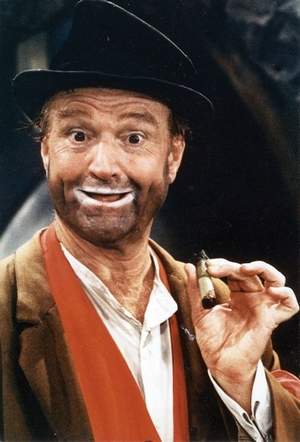
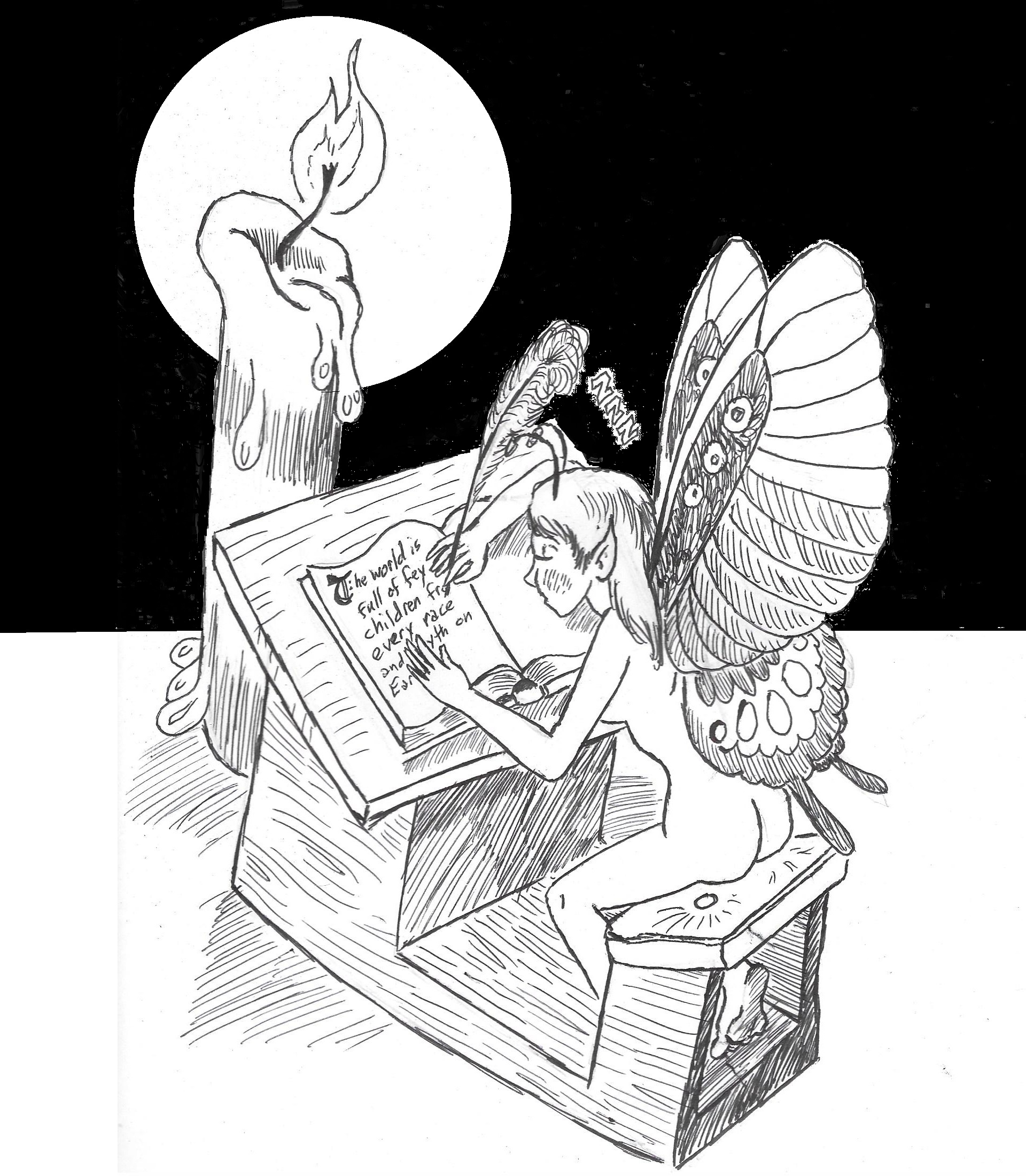
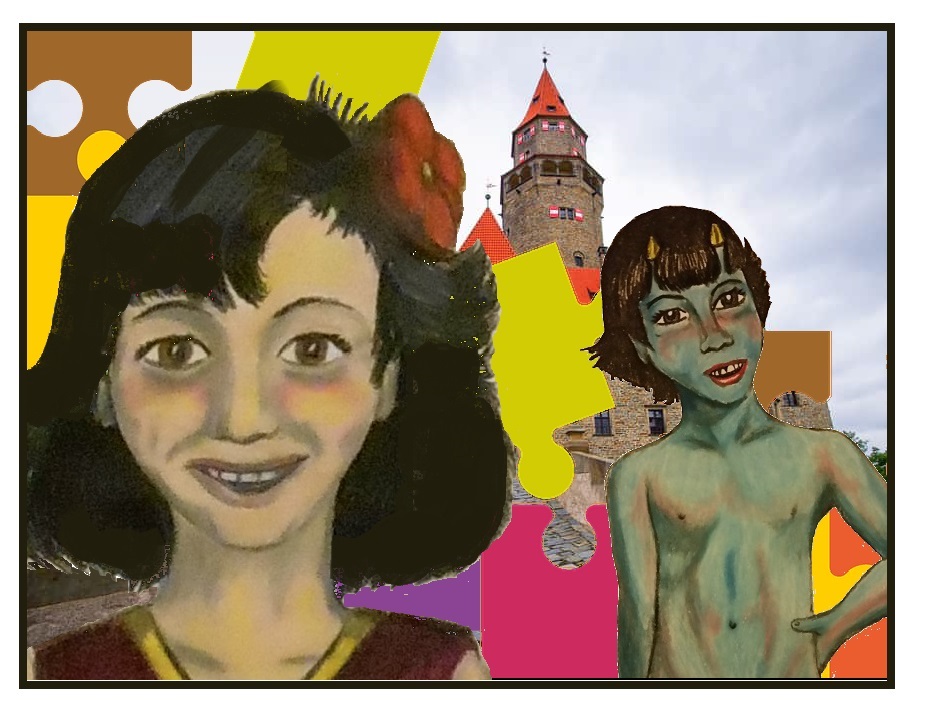
And most of the plots are based around things that happened to me as a child, a youth, or a young teacher. Many of the events in the stories actually happened to me, though the telling and retelling of them are largely twisted around and reshaped. And I am aware of all the fairies, aliens, werewolves, and clowns that inhabit my stories. Though I would argue that they were real too in an imaginative and metaphorical way.
So, here now is a finished post of Mickey staring into the metaphorical mirror and trying in vain to define the real Michael, an impossible, but not unworthy task.
1 Comment
Filed under artwork, autobiography, commentary, humor, imagination, insight, inspiration, Paffooney, writing teacher