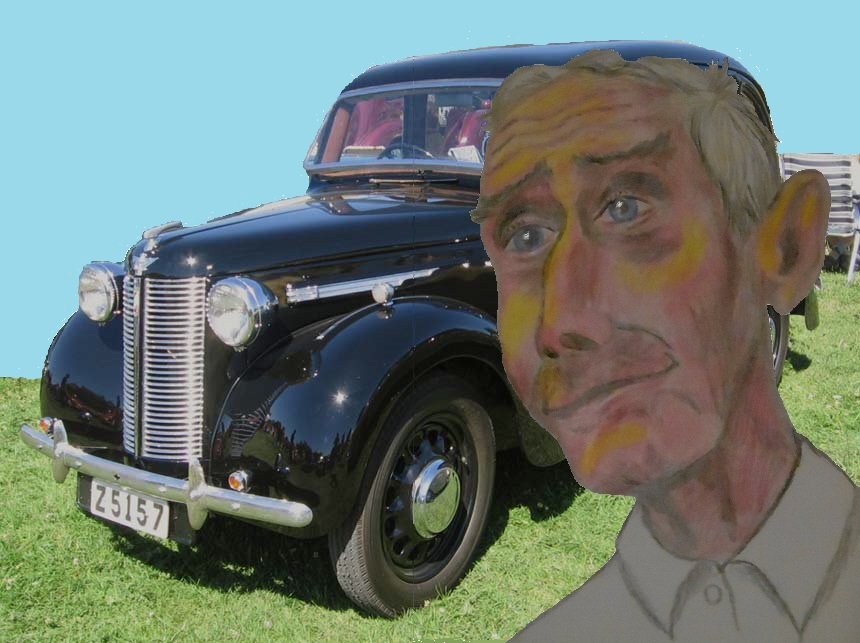
While visiting in Iowa, I ran into an old high school friend at a local eatery. I remember how in high school and junior high, I played basketball on the same team with him, I listened to his exaggerations about a probably non-existent sex life, and helped him on one or two occasions to get answers on Math homework (even then the teacher in me wouldn’t let me just give him the answers, I always made him work out the answers step by step).
Now he is a judgmental and basically crabby old coot. He is a Trump supporter, hater of immigrants who take American jobs, and an unpleasant arguer of politics. And the sorest point about his intractable coot-i-ness is the fact that, as a classmate, he is the same age as me and I am, therefore, just as intractably coot-y as he is.
So, how exactly do you talk to a mean old coot?
Well, you have to begin by realizing that it is not like the dialogue in a novel or TV show. This is a real person I was talking to. So, I had to proceed by accepting that he thinks I am an idiot and anything I say and think is wrong. Not merely wrong, but “That’s un-American and will lead to a communist takeover of our beloved country!” sort of wrong. I can then laugh off numerous Neo-Nazi assertions by him, make snarky comments about his praises for the criminal president, and generally get along with him like old friends almost always do. I play my part just as furiously as he plays his, and we both enjoy the heck out of it.
We are both of us crazy old coots, likely to say just about anything to get the other one’s goat. Getting goats is apparently vital to the conversations of real people. But we have more in common than we have as differences. We don’t keep score in our world-shaking debates, nor do we count how many goats we get. And that is how you talk to real people.
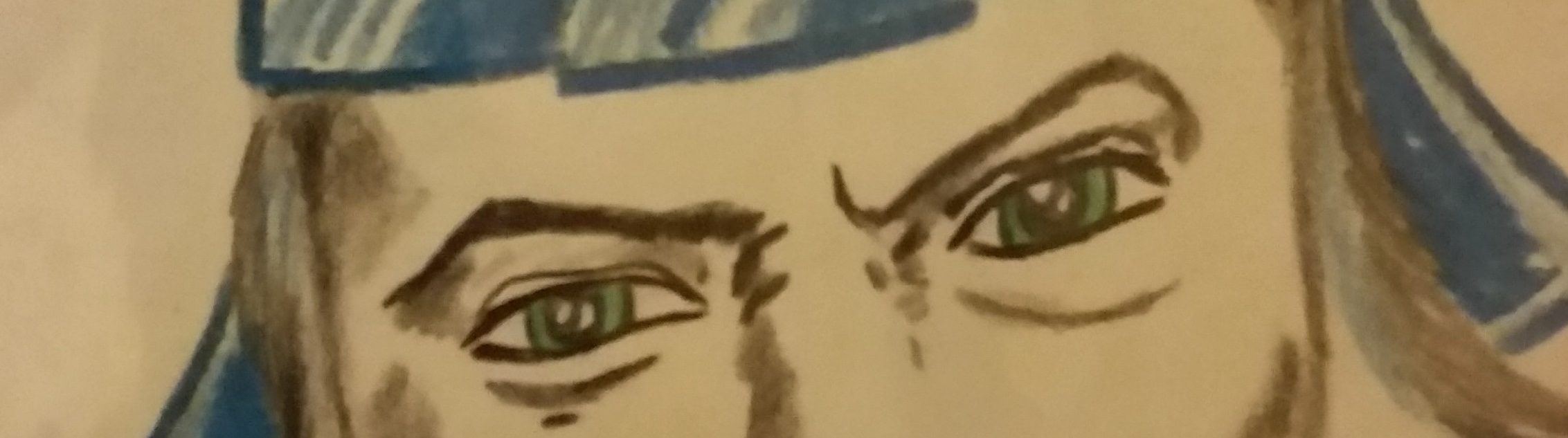
The Glaucoma doctor measured my eyes for excessive pressure again today. Miraculously, the eye drops are working, each eye being more than 20 points less of pressure than the last time.
The big thing that the result means is NO SURGERY NEEDED. What a relief that is to know!
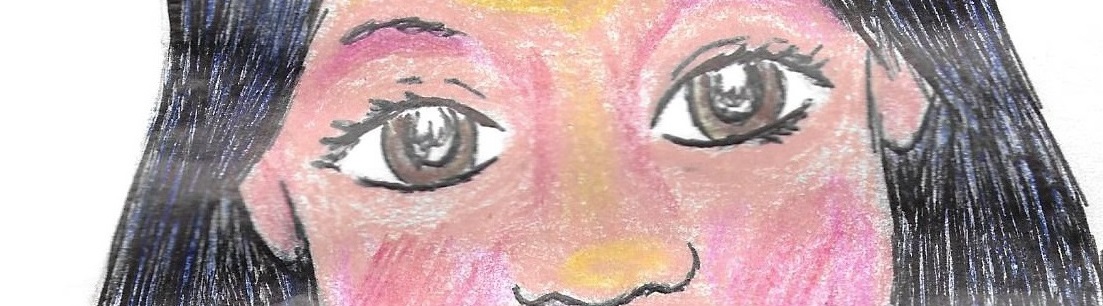
I am not saying you cannot know beauty if you cannot see. But to someone like me who has spent a lifetime as a graphic artist (a skill that you can debate if you like, having seen what my pencil-pushing fingers can do when the eyes lead them) blindness is a fear that causes numerous nightmares.
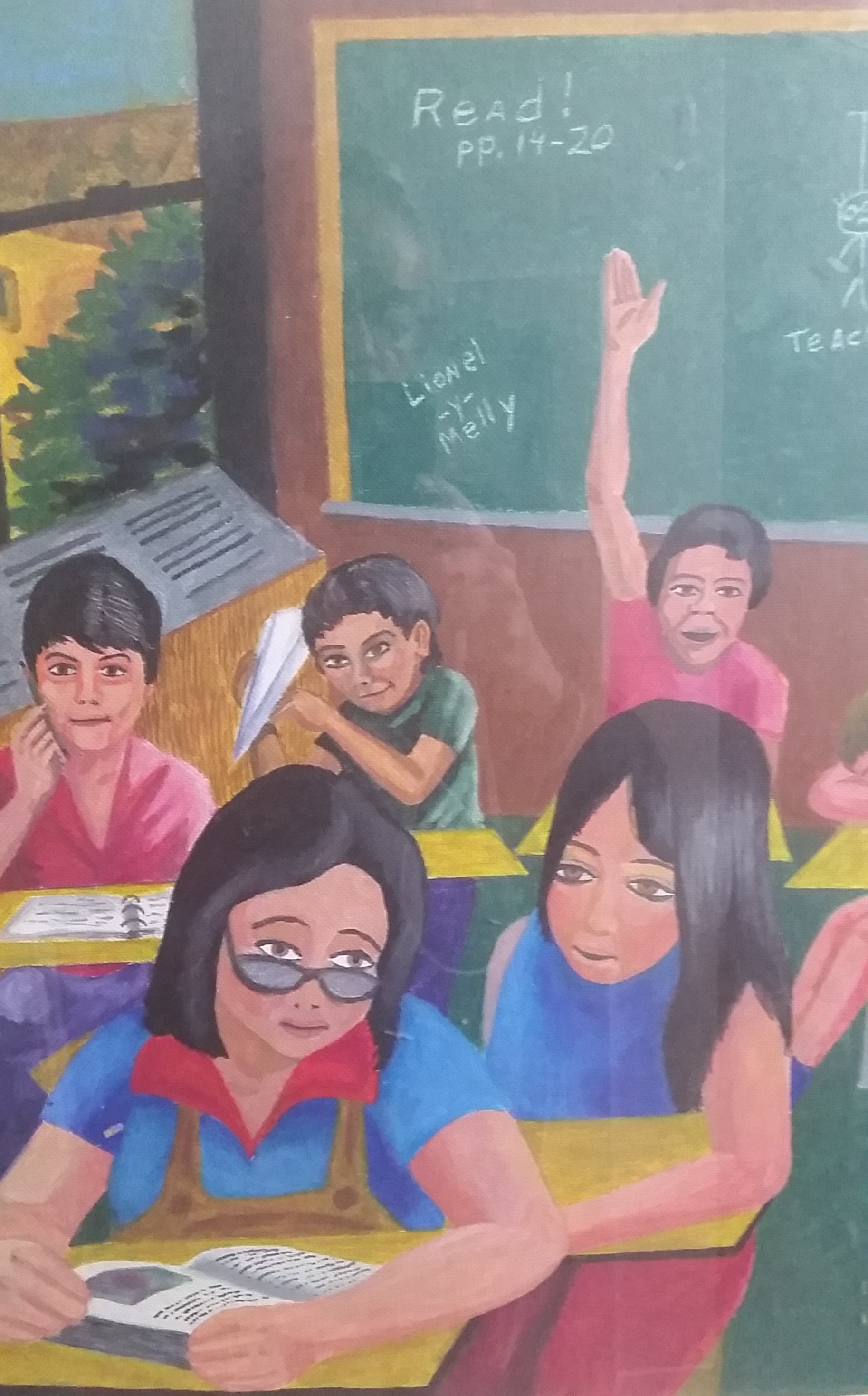
And I am not saying that blind people cannot be effective teachers, because I have known some truly inspiring teachers that were thusly challenged. But I am saying the ability to look into the eyes of someone who depends on you to teach them is a sight I would never willingly sacrifice, even to save my life. Life is given meaning by those priceless images and those lovely loving eyes.
So, I am grateful to still have my eyes and the prospect of keeping my sense of sight to the end of my days. It is important to look into the mirror, looking myself right in the eyes, and seeing both who I was and who I am likely to become.
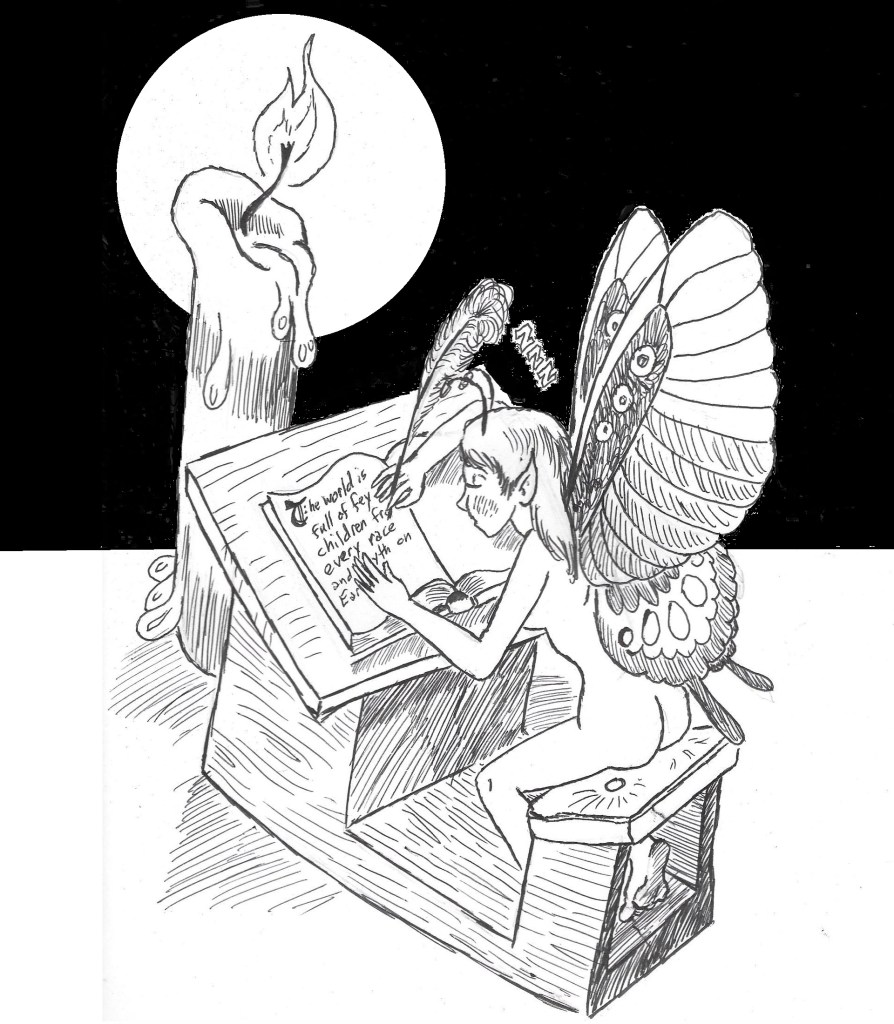
This is an old artwork I have never shared before, except when I originally shared this post in 2016 and again in 2018. I can’t say it is my best work. But there it is.
There are many things that I have noticed about being a blogger that are the opposite of what you might expect. Let me list a few…
Listing stuff makes a daily post easier.
I have posted something on WordPress as a blogger every day for five hundred and eight straight days. I will try to hit two years in a row without missing a day for the second time.
Writing every day makes the ideas flow more easily rather than running out of ideas. The well refills faster than I can drink its waters constantly.
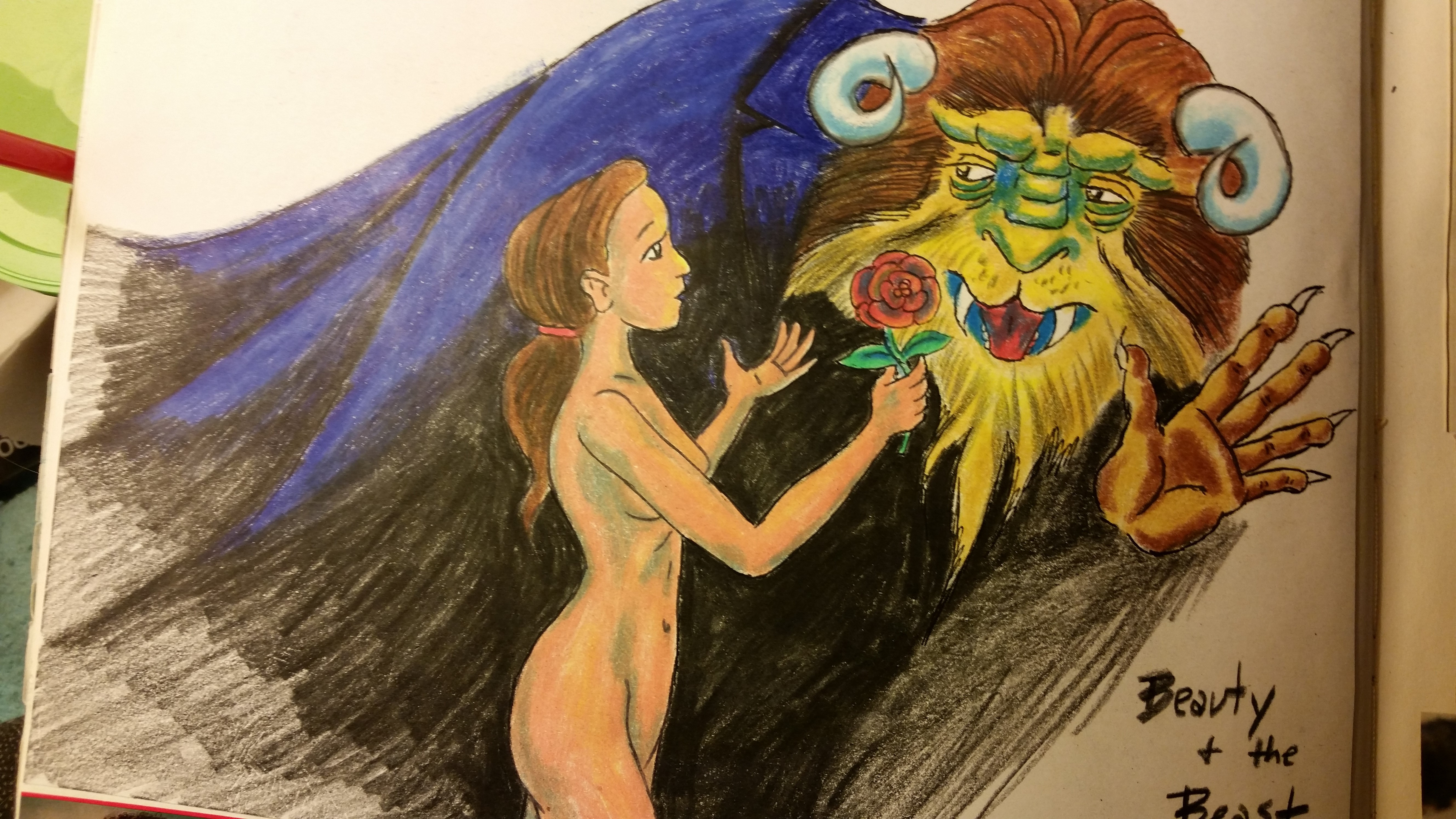
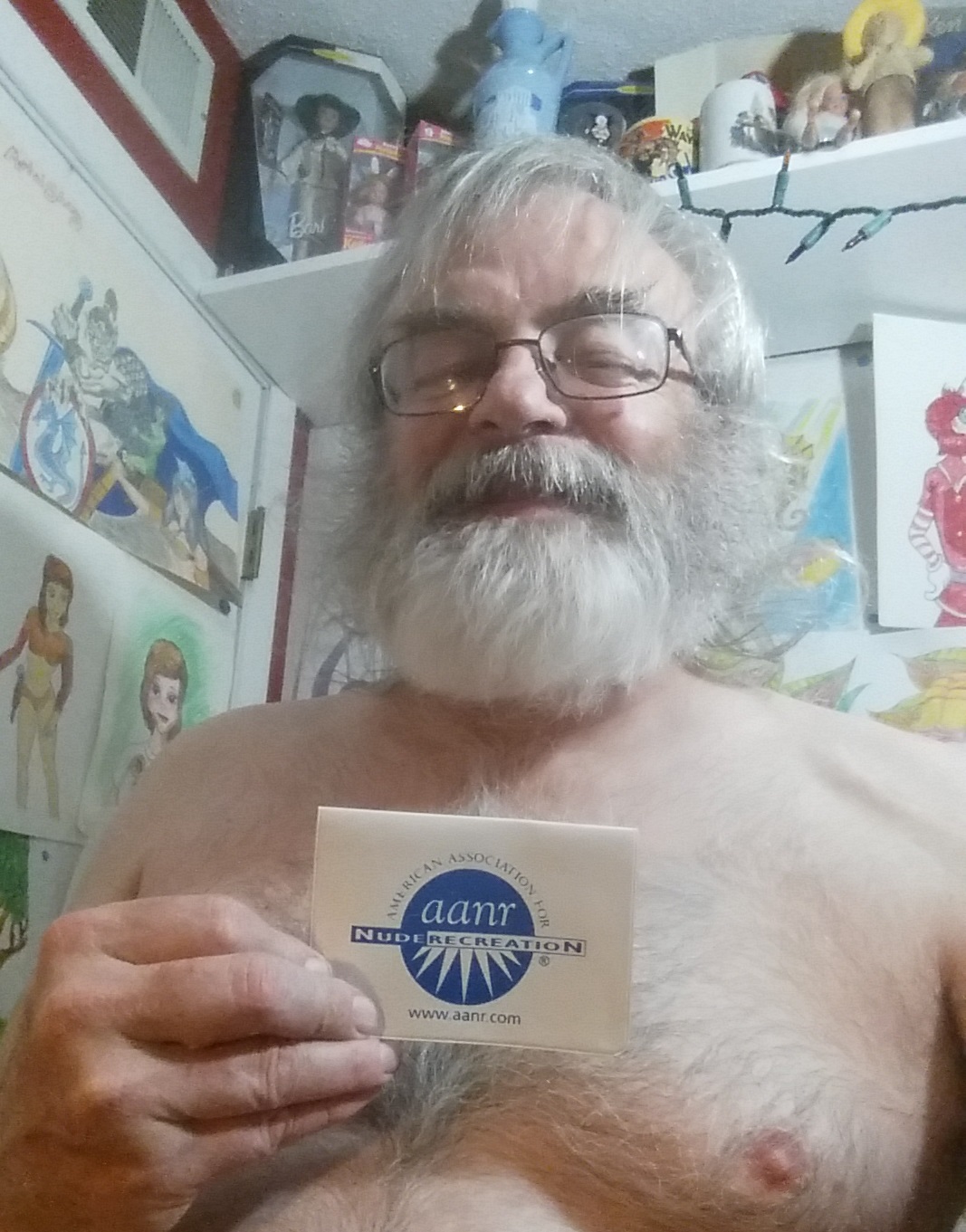
My most popular post is Be Naked More , which gets views practically every day, but including artistic nudes randomly in a post does not increase its views and popularity even when I put “naked” and “nude” in the tags.
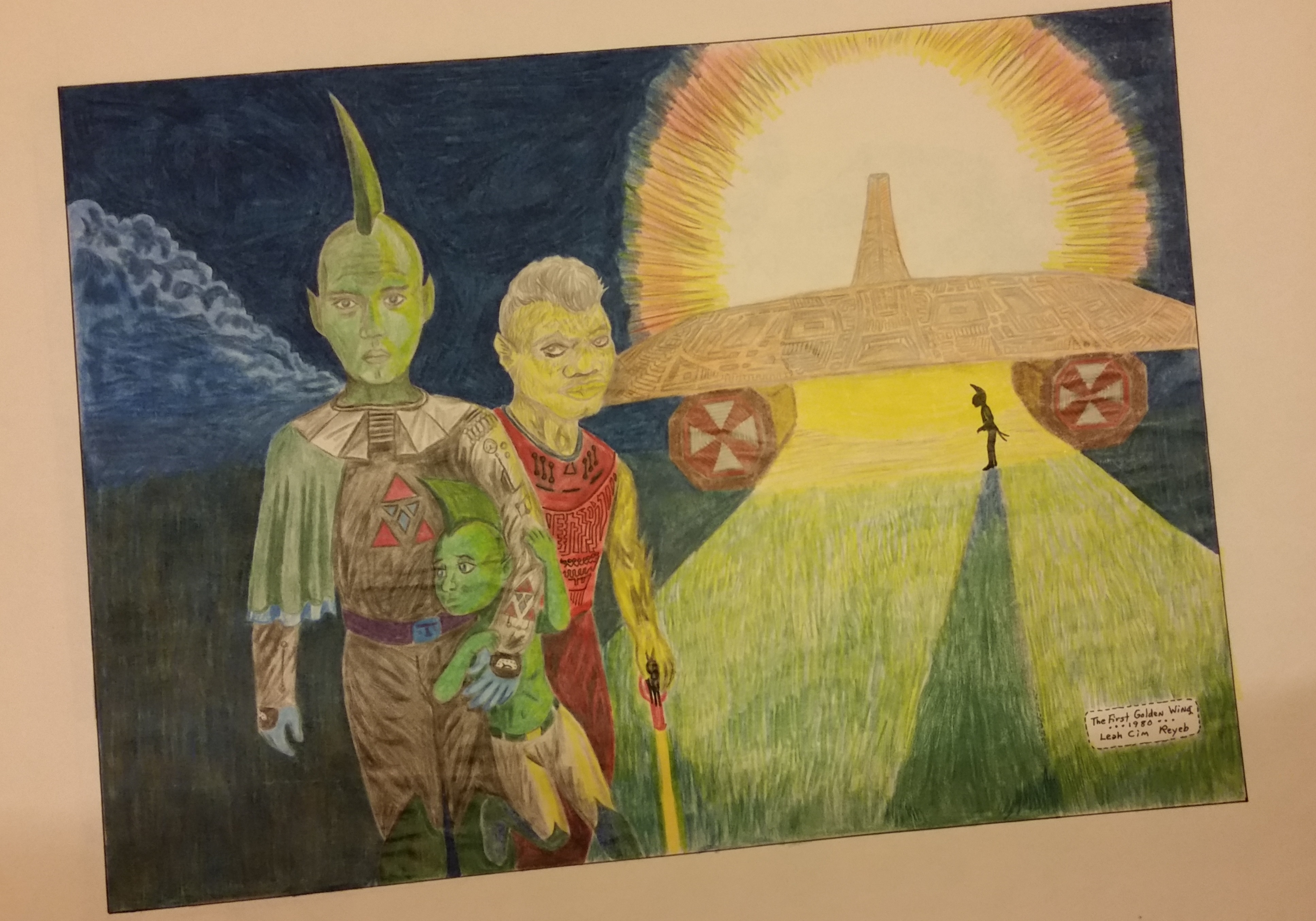
Reproducing artwork on a blog is difficult when you draw things too big for your little scanner/printer. No matter how good the camera and how bright the lighting, white becomes gray, and the sparkle and luster of good colored pencil color is lost.
Good writing becomes more about writing less. But it also has to be more carefully crafted. The more I brew prose in my black cauldron of a blog, the more it seems to boil down to poetry.
Readers don’t seem to object to metaphors and purple paisley prose as much as editors and book reviewers do.
I like writing purple paisley prose (overly-complicated grammatical structures with alliteration, metaphor, and asides that interrupt the flow like this one… taken to the extreme for humorous effect).
Art pieces can be manipulated and re-used or re-combined to make something new out of something old. Computers make art editing infinitely easier.
Most people don’t actually read your blog all the way through. Some just like it for the pictures. If you actually read this far, you can let me know with a smiley face in the comments.
There are many, many good writers on WordPress… as I am sure there are on other blog sites as well. I despair of being able to find and read them all. If you are reading this bullet point, you are probably one of the ones I have found and read and liked. Blogging becomes a mirror that shows you your own self more naked than naked… not just what is under your clothes, but what you look like to yourself in your own head. And the more you walk around WordPress naked like that, the more you want to show it all off. (How’s that for an idea that will pull in the readers from the lonely parts of Siberia?) 🙂
I know… Saying I can solve racism simply marks me as something of an idiot. It is a complicated and deeply-embedded weakness of the human race. We are programmed with certain instincts that make us fearful of anyone or anything unknown to us, unfamiliar, or obviously different in some manner.
Consider allowing someone like Minnie Mouse to hug my young daughter. As people go, she is somewhat suspicious-looking. Notice the color of her skin on the neck, ankles, and arms. This is a black person apparently wearing white-face makeup. Is that not something suspicious? Something to be cautious about? In fact, look at the mouse ears and black, mouse nose. She’s not even human! She’s an anthropomorphic mouse-lady. Tucker Carlson would warn you against trusting her with the Princess. And if you point out how silly these arguments are about a Disneyland performer in a costume that represents Minnie Mouse, a character we all know and love, I would say, “YES! Exactly! An unknown person hiding her identity under a costume that will put adults and children at ease… and make them vulnerable to who-knows-what?” Maybe Florida Governor DeSaniflush was right to attack Disney by charging his Floridians more in taxes in the Disney name.
Yes, human beans are inherently suspicious, paranoid, and hateful when it comes to groups that are different than the one we identify with.
Of course, there is a simple answer if you are only willing to look at it that way. There should be no racism because we are not different. We are all one race, the human race.
That means, Mr. Toilet-Cleaning-Chemicals, that you and I are actually the same. You are not made, as I have believed incorrectly, of poop-dissolving chemicals as my demented and paranoid brain keeps thinking because of your DeSantis misnomer. You are not the saint you believe you are because of the meaning of your name in Spanish either. We are both human beans. The same race.
And you are the same race as the beautiful young ballerina I pictured before I added the photo of you thinking about eating too many baked beans, and then drinking Coca Cola while eating Mentos. You are not going to explode. Because even if you consume those ingredients you were thinking about, they can’t actually dissolve the poop you are filled with most of your time on Earth as a human bean.
As a teacher I learned the hard way that all kids are kids. They are all human beans. They all have blood and brains and wants and needs and loves and hates. No matter what color they are. No matter what culture they grew up in, or what religion their parents taught them, or failed to teach them. As a teacher, you have to be able to love all of them. Even the ugly ones. Even the ones whose names remind me of poop-dissolving chemicals and seem to be constantly full of fear and hatred and racism.
Here’s the skinny on those things racists need to hear;
The human beans you need to hate and fear and distrust, the truly evil people, come in every color, creed, culture, and calamitous character. Yes, rich white people, they even come in the color white. No matter what Tucker Carlson says… or thinks about a malevolent Minnie Mouse who may somehow be trying to “replace us.”
And the people you need to get more familiar with, whose culture you need to witness, whose stories you need to hear, and you desperately need to learn to love, come in every color too. Yes, rich white people, even in the color white. I am no more a reverse racist than I am a racist.
And there is a simple cure for racism.
Jesus taught it. So did Buddha, Mohammed, Zoaster, Walt Whitman, and Alan Watts. Jean Paul Sartre too, come to think of it.
The cure is to love everybody. Hate nobody. Suprisingly, if you do that simple thing, nobody will hate you in return. Racism is then cured. I know it is not feasible. Not everybody will even bother to listen to this advice. But the world won’t get any worse while you try to make it happen.
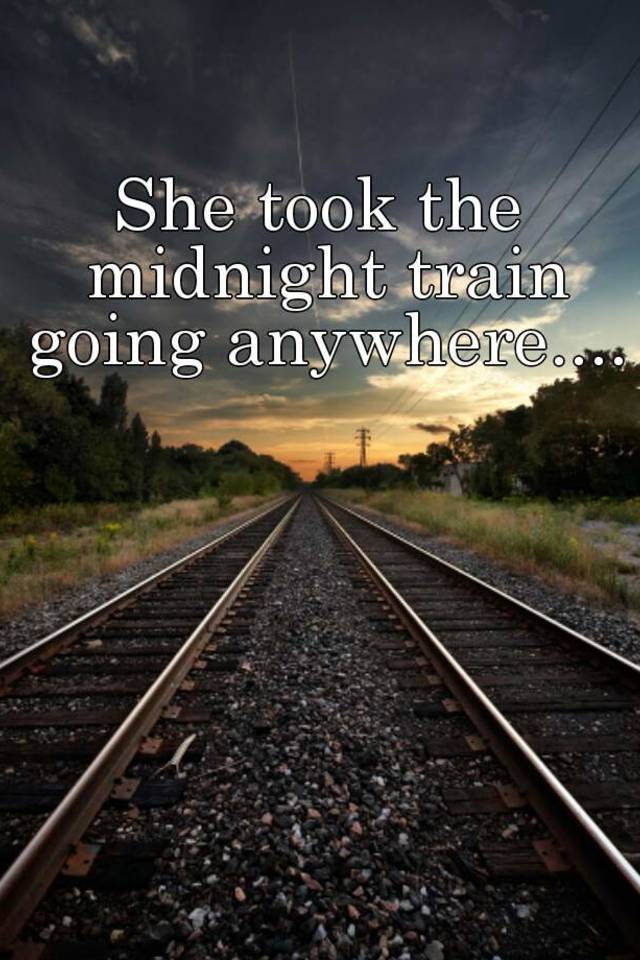
Journey back with me to the 1980’s, and hear once again the music of escape.
There was a time when I was young when I did not know where I would be when the next new dawn came. Yes, I once took the midnight train (except it was a bus) and I arrived in a teaching career in deep South Texas. I crossed borders into another culture, another way of life, another journey made of words and pictures that hasn’t reached the final station yet.
At the outset, we all take a risk. Born and raised in South Detroit (although it was really North Central Iowa) I passed through established procedures, rules, and regulations to do things that desperately needed doing for people who could only help themselves in very limited ways.
Some spoke mostly Spanish. Some lived in broken homes. One boy lived for a while under the bridge of the Nueces River, but attended school every day because he was hungry to learn, and because free school lunch was the majority of the food he got to eat. He got on a midnight train, and I never saw him or heard from him again. His sister, though, lived with a tia who treated her like a daughter, and grew up to be a school teacher. I let her teach the lesson for me during one class period, as part of an educational experiment, and it put her on her own midnight train.
It was a train going on the same track I followed. Not because of me and what I did for her. But because she came to realize it was the right journey to take for her. It was the perfect anywhere for her.
But there is danger inherent in getting on a midnight train going anywhere. You don’t know who is waiting for you down the line, or what your circumstances will be at the next station along the way. There may be strangers waiting up and down the boulevard, their shadows searching in the night. I befriended other teachers, mentored some, learned from many, even married one. I had a run in or two with people who sell drugs to kids. I had all four of my car tires slashed one night. I had a car window broken out. I had a boy once tell me he would kill me with a knife. I later had that boy tell me he had a good job and a girlfriend and he was grateful that I talked him out of it and never turned him in to the police.
And we end up paying anything to roll the dice just one more time… At one time or another we have all been there, aboard that midnight train to anywhere. There is a moment in everyone’s life when… well, some will win, and some will lose. Some were born to sing the blues. I have been there. I have done that. And it occurs to me, that song plays on in my head still. I am still on that journey. And I won’t stop believing. Because it goes on and on and on and on…
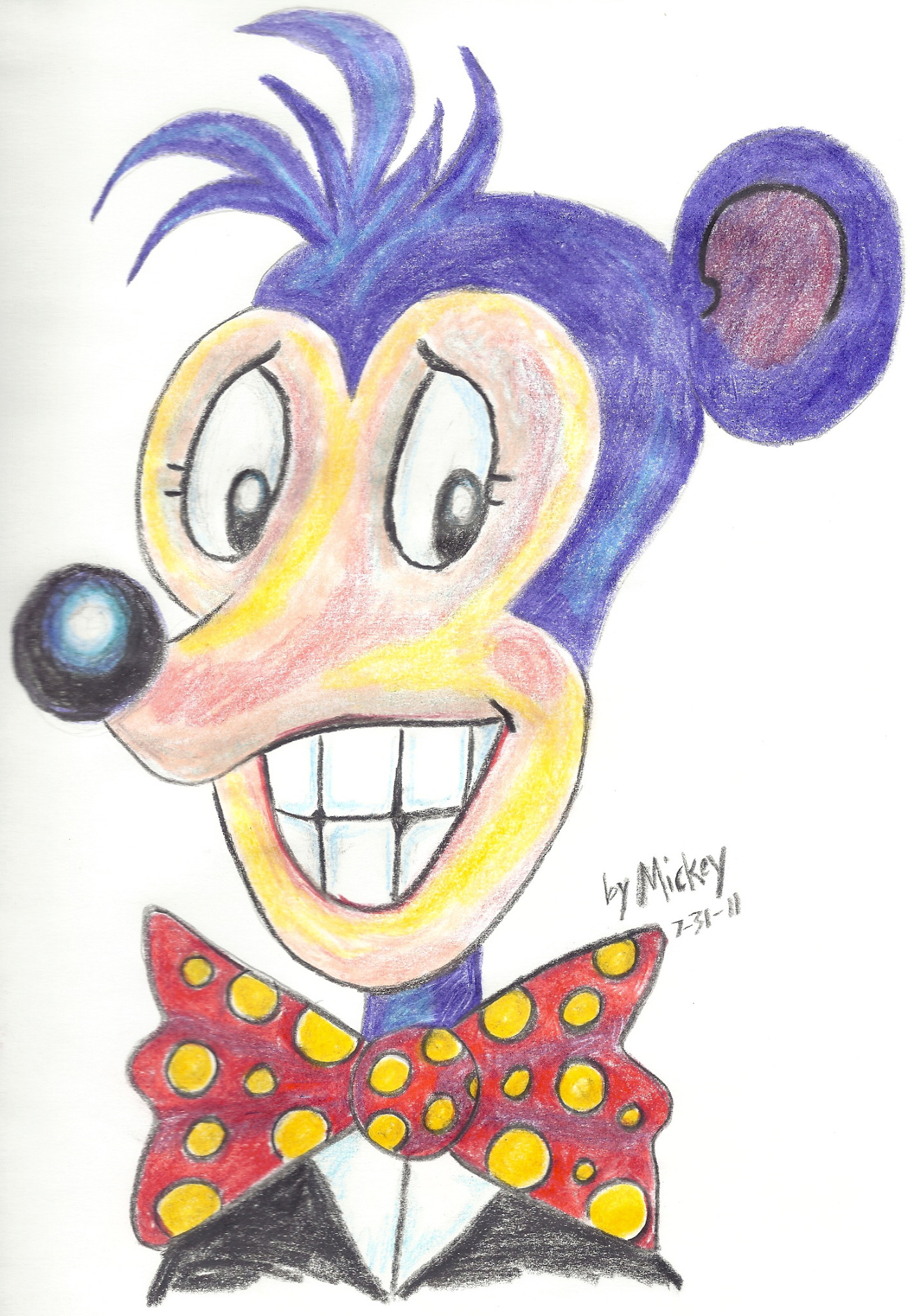
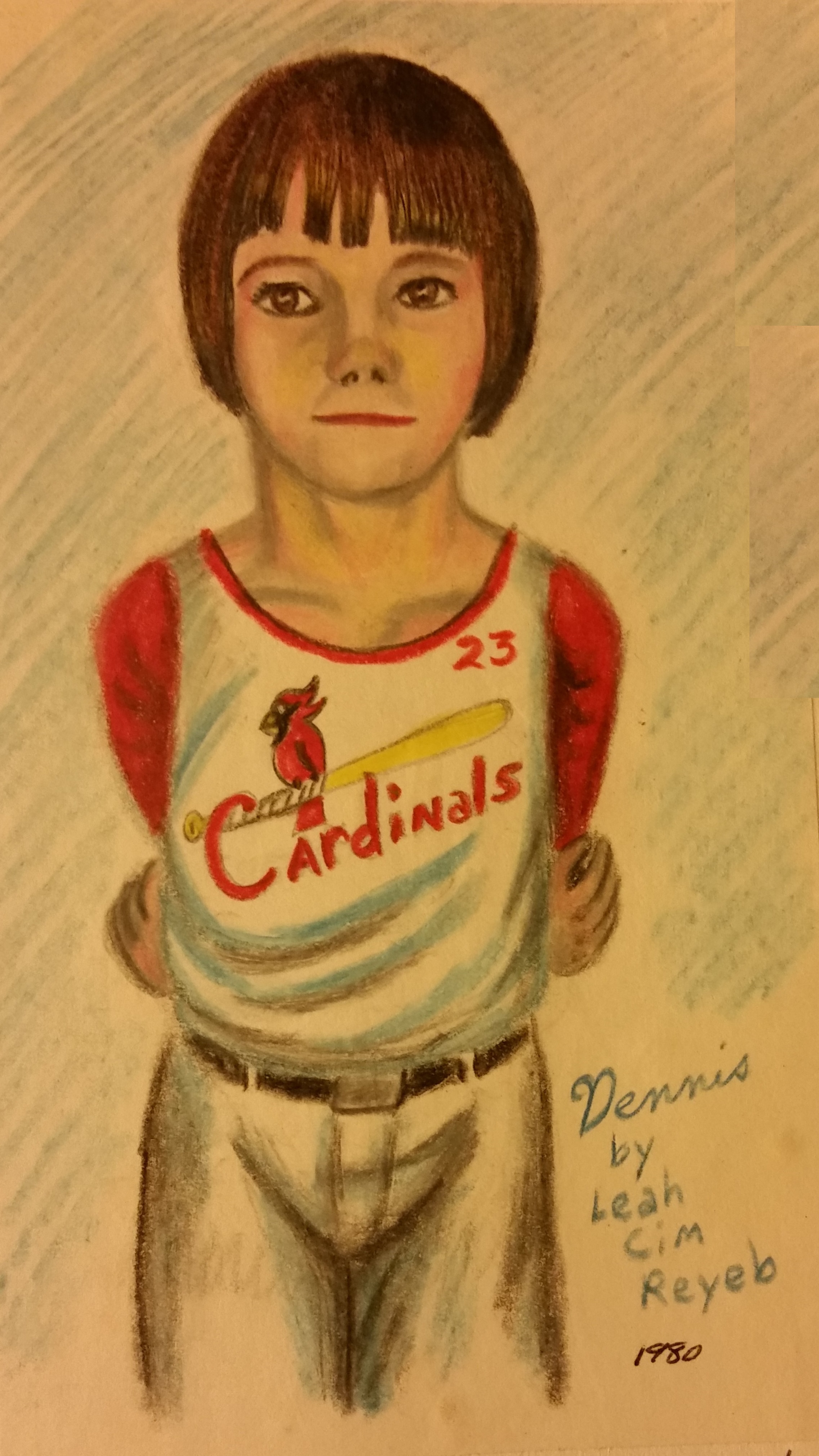
Yes, Mickey is thinking about the Autobiography of Mark Twain and the upcoming autobiography that James Patterson is threatening to publish. (Patterson, if you don’t recognize the name, is the very prolific author who dominates the shelves in Walmart, Target, and convenience-store book racks everywhere.) Is it an important thing for an aspiring literary pretender like Mickey to write an autobiography? Of course, not! So, that is precisely why he is thinking about it.
So, what would this threatened autobiography be about? Do you really not know what an autobiography is? Or am I just being abominably impatient and not waiting for you to provide the answer in the comments?
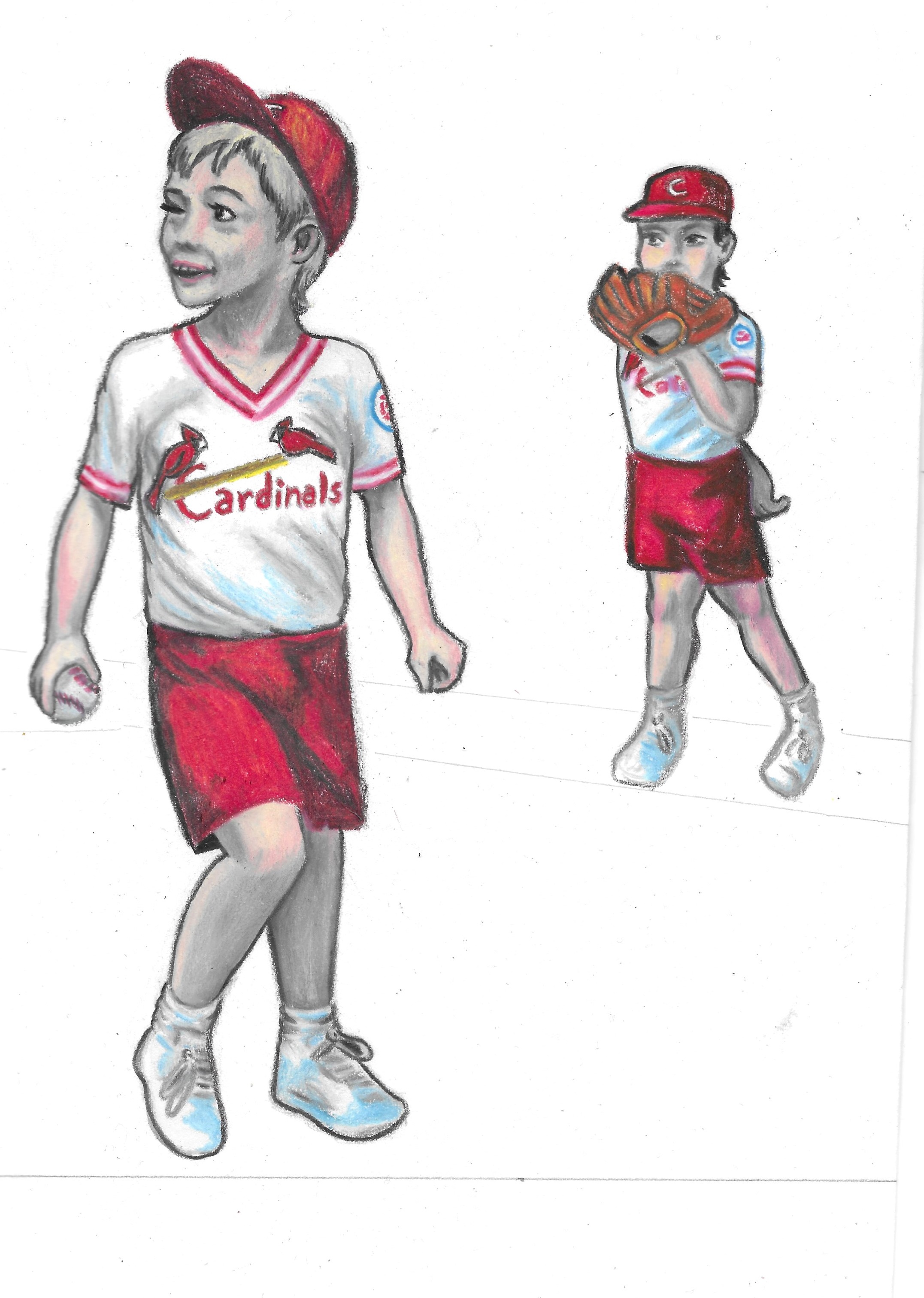
It would be about Mickey’s awful, terrible, horrible life. It would be about loving the St.Louis Cardinals, especially the 1960s dynasty that featured the death-ray stare of pitcher Bob Gibson, whom Mickey worshipped.
It would be about the troubled struggle to establish Mickey’s sexual identity because of the assault and traumatic amnesia he endured at age ten. And it would include his struggle to understand his attraction to certain girls. The awkward, pants-wetting episodes of extreme embarrassment included.
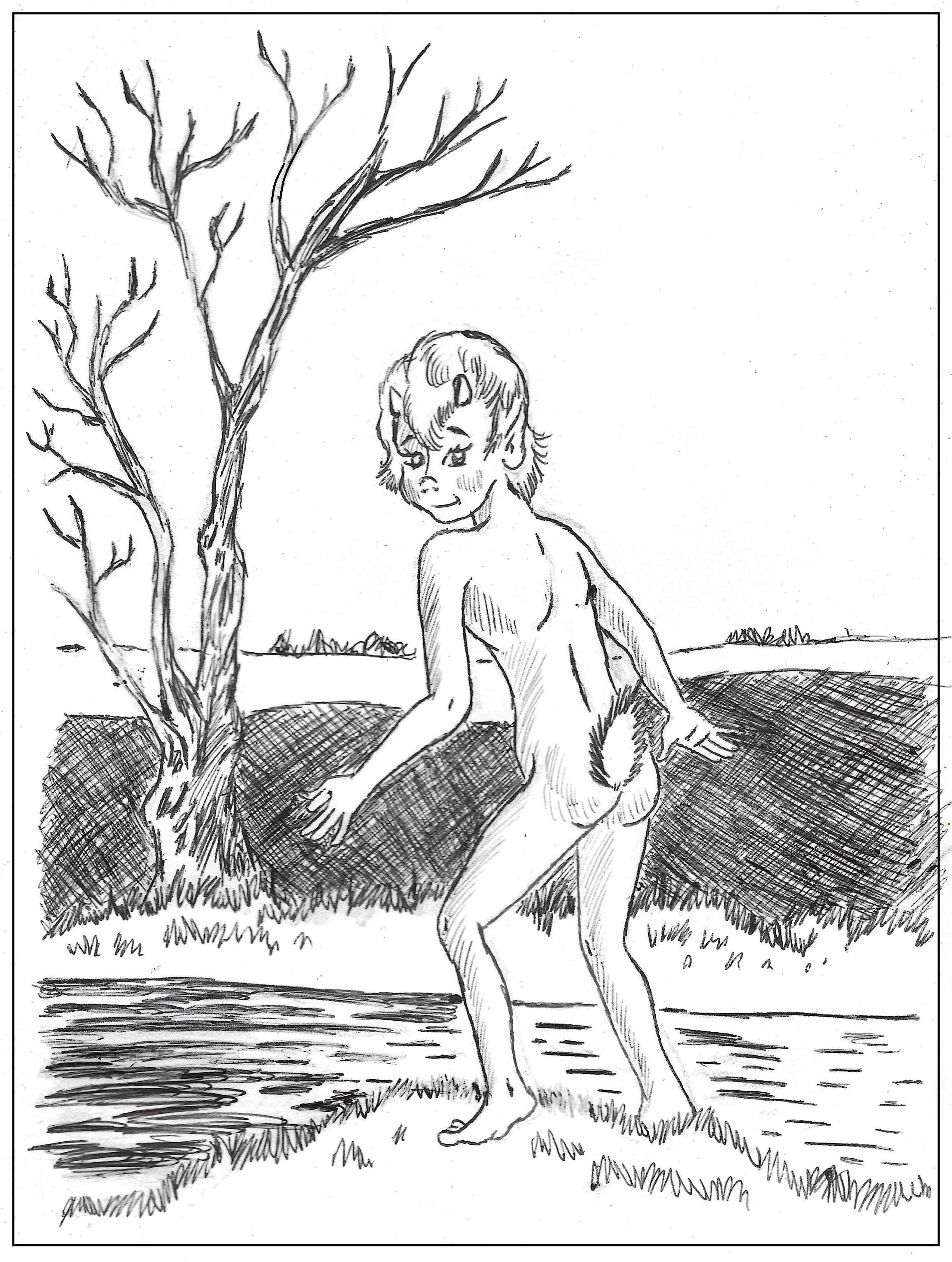
It would include the awkward, pants-shedding obsession with being naked in the forest that Mickey had at ages seven through nine. At least, the beginnings of that obsession. Including the read-aloud assignment Mickey heard the fourth graders read aloud when he was in third grade about Greek school being only for boys, and for at least half the day, only for naked boys. And then in fourth grade the next year, after having looked forward to reading that assignment for over a year, realizing the curriculum had been altered to save Miss M the embarrassment of reading that aloud again as she did the previous year.
It would include doing farm work, teaching Mickey the kind of pragmatic problem solving you have to know and apply to farm work if you are the grandson and nephew of actively-farming farmers.
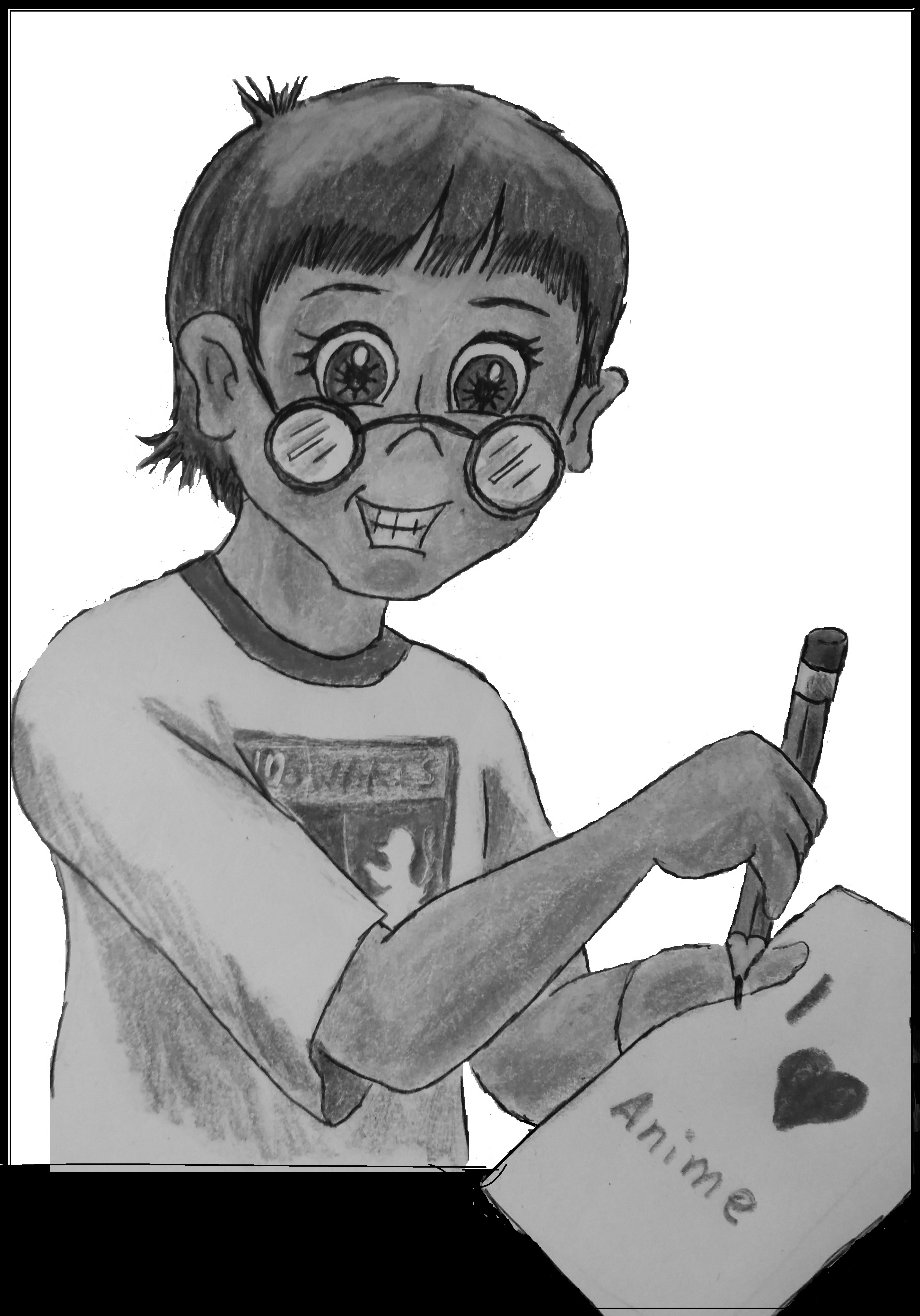
And it would have to include lots of juvenile pipe dreams about cartooning, being an animator, or being a comic-book artist.
That kind of Mickey-Mouse enthusiasm for Woody-Woodpecker characters would be the “Terrible” part of the working title of this autobiography.
And there would also be a long part that is the teacher part. This would be the part that most makes this autobiography into slapstick comedy… and slap-student comedy that is swiftly followed by fire-teacher comedy… but that would be fiction, that makes it no longer strictly an autobiography.
And once the endlessly-droning teacher-time stories are done, it would move into the retirement years in which Mickey yields to the delusion that just because you have become a published author with 21 books published, one of them by a publisher that is an imprint of Penguin Books, you are not necessarily assumed to be a successful writer.
And of course, it would come to an end with Mickey retrieving his obsession with nudity that was really a life-long thing that would transform him into a nudist at an advanced age… marking, perhaps, the onset of his angry, misguided old-coot years. Ah, the horror… the horror…
Yes, in this time of elderly people making irreversible bad decisions, like Trump running for President, Mickey becoming a nudist, and Joe Biden trying to accurately remember stuff from the ’70s… the 1870s, writing a literary autobiography might be the most impossibly idiotic decision of all. But once Mickey’s old coot brain gets infected with such an idea, something truly horrible will ensue.
No man is an island. John Donne the English poet stated that. And Ernest Hemingway quoted it… and wove it into his stories as a major theme… and proceeded to try to disprove it. We need other people. I married an island girl from the island of Luzon in the Philippines. She may have actually needed me too, though she will never admit it.
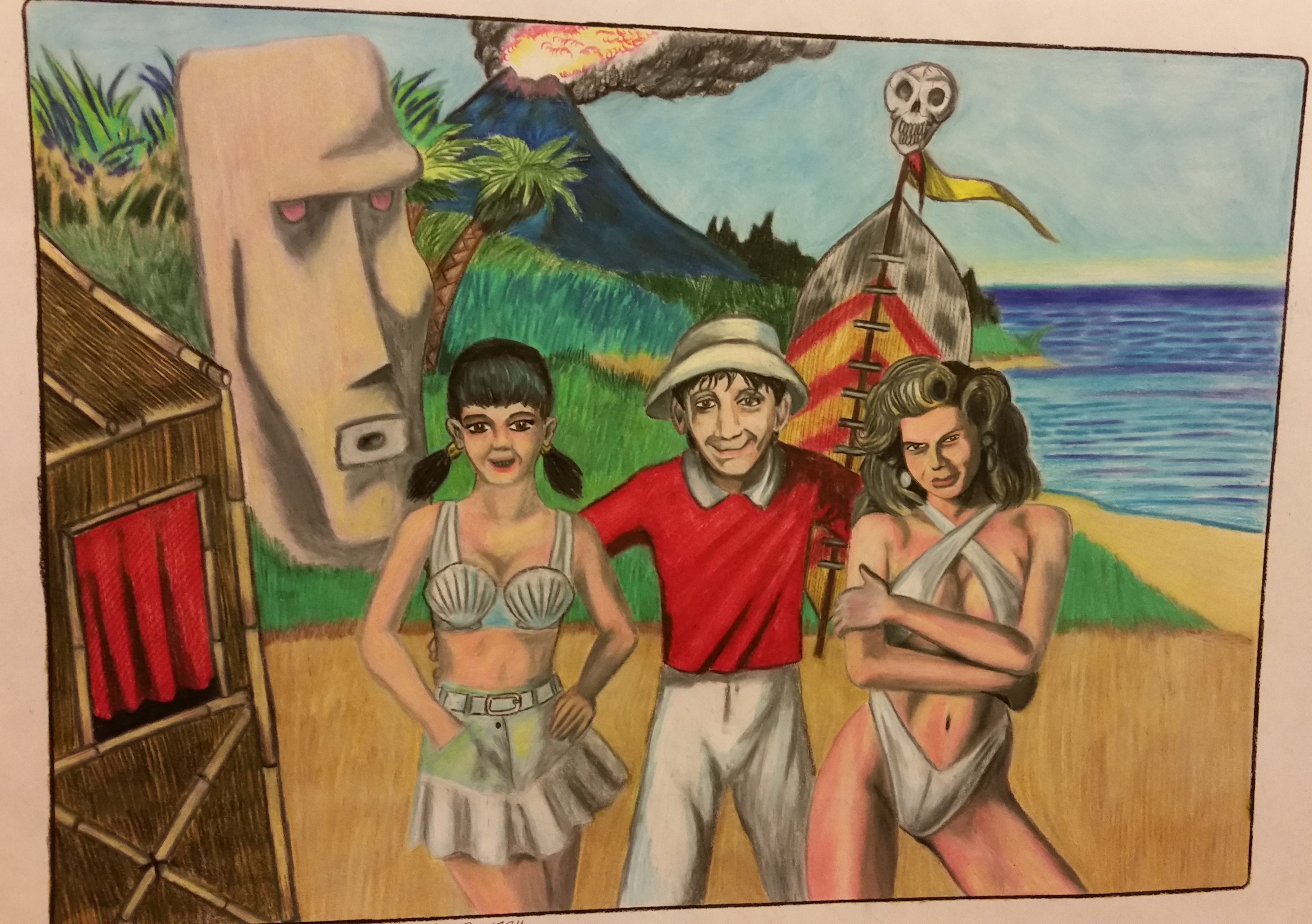
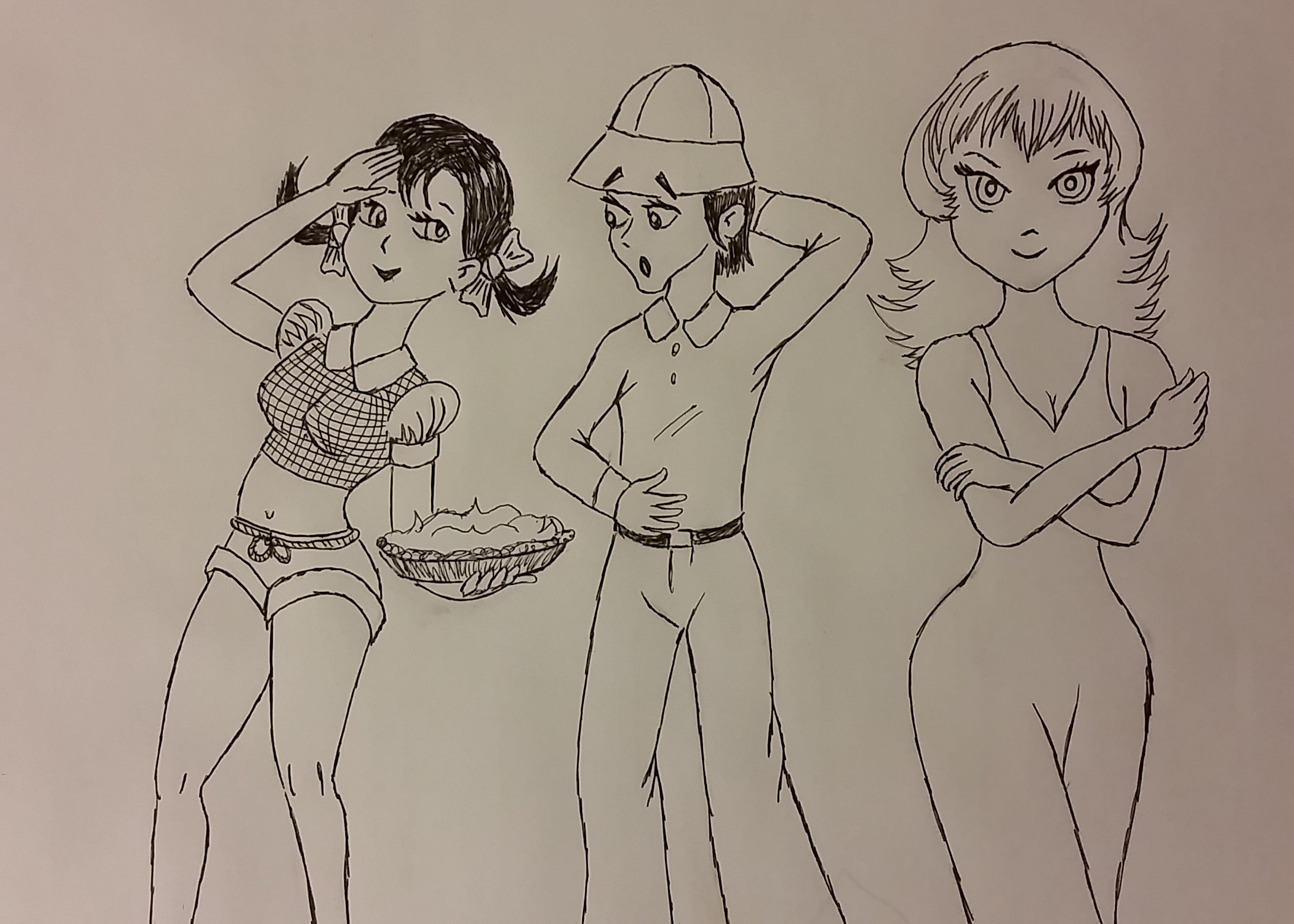
When I was a young junior high school teacher in the early eighties, they called me Mr. Gilligan. My classroom was known as Gilligan’s Island. This came about because a goofball student in the very first class on the very first day said, “You look like Gilligan’s Island!” By which he meant I reminded him of Bob Denver, the actor that played Gilligan. But as he said it, he was actually accusing me of being an island. And no man is an island. Thank you, Fabian, you were sorta dumb, but I loved you for it.
You see, being Gilligan on Gilligan’s Island was not a bad thing to be. It was who I was as a teacher. Nerdy, awkward, telling stories about when I was young, and my doofy friends like Skinny Mulligan. Being a teacher gave me an identity. And Gilligan was stranded on the Island with two beautiful single women, Mary Ann and Ginger. Not a bad thing to be. And I loved teaching and telling stories to kids who would later be the doofy students in new stories.
But we go through life searching for who we are and why we are here. Now that I am retired, and no longer a teacher… who am I now? We never really find the answer. Answers change over time. And so do I.
I first heard this song as a freshman in college. It struck me that it was hauntingly beautiful… but maybe I wasn’t entirely sure what it meant.
The song is about losing body parts and being okay with that.
That can actually be kinda creepy, right?
It is probably a song about gradually dying.
But that’s not really what it’s about.
I am there now. Peeling, cracking, drying out… my life has reached the downhill run toward the finish line. But I am not worried and not afraid. Life is so much more than hands and eyes and legs and feet. I can lose those things and have no regrets. I am so much more than merely the sum of those physical things.
My spirit soars. And my life is bound up in words and meanings that are now written down, and are at least as imperishable as paper. And may, in fact, be written on a few human hearts here and there.
To be a wizard is to be wise. Look at the word origin if you don’t believe me.
wizard (n.) early 15c., “philosopher, sage,” from Middle English wys “wise” (see wise (adj.)) + -ard . Compare Lithuanian žynystė “magic,” žynys “sorcerer,” žynė “witch,” all from žinoti “to know.” (Wisely plagiarized from http://www.etymonline.com/word/wizard)
Mickey, the old fool that he is, thinks of himself as a wizard
Mickey is a wizard. He writes down foolish things like that because he knows that the beginning of wisdom is to recognize that you are no more than a fool. You can laugh, but it’s true. Some wise guy that I am paraphrasing here said so. (Probably Socrates.) So, that makes it true
Don’t believe me? Want to debate me?
Have you taken the step yet of recognizing your own foolishness?
How can you be wise if you never take the first step down the path to wisdom?
And what defines a wizard, is that a wizard writes. He must write his wisdom down. Otherwise, there are no fruits of his wisdom. I tend to write mostly strawberry wisdom. That kind of fruit is tart and sweet in season, but sours easily and spoils in hot weather and dry kitchens. Blueberry fruits are probably better. They become tarter and sweeter with dryness, kinda like good humor and subtle jokes. But enough of the fruit-metaphor nonsense. The best fruit of wisdom is the Bradbury fruit. I confess to having eaten often of Bradbury Pie. Dandelion Wine and The Illustrated Man leap to mind, but there are far more Bradbury Pies than that.
My latest published Beyer-berry Pie. (but only if you go back in time to 2020)
So, if Mickey is a wizard, and wise wizards write wisdom, then where do we get Beyer-berry Pie?
The strawberry-flavored pies are found in the My Books page of this blog, though the author’s page on Amazon is a more up-to-date list.
Recently the fool of a wizard, Mickey, planned to set up a free-promotion weekend for A Field Guide to Fauns. But because he cast a time-warp spell and leaped from 2020 to 2022, he now is offering a free copy of Sing Sad Songs until the end of May 2022. Honestly, as Mickey Books go, Sing Sad Songs is one of his very best.
The foolishness begins below..
Of course, I probably can’t sell a single copy of A Field Guide to Fauns. Potential readers will see that there are naked people in this book about nudists and automatically think that Mickey is too weird and crazy to be a good writer. But good writers like Ray Bradbury and Kurt Vonnegut can be bizarre in their writing too. (I wonder what Vonnegut-berry Pie would taste like? I must read Cat’s Cradle again, for the third time.) Probably at least blueberry-flavored, if not gooseberry.
But even failed wizards can write wizardly writing if they write with wit and, possibly, with real wisdom,
If I have any wisdom at all to share in this post about wisdom, it can be summed up like this;
Writing helps you with knowing, and knowing leads to wisdom. So take some time to write about what you know.
Writing every day makes you more coherent and easier to understand. Stringing pearls of wisdom into a necklace comes with practice.
Writing is worth doing. Everyone should do it. Even if you don’t think you can do it well.
You should read and understand other people’s wisdom too, as often as possible. You are not the only person in the world who knows stuff. And some of their stuff is better than your stuff.
The stuff you write can outlive you. So make the ghost of you that you leave behind as pretty as you can. Someone may love you for it. And you can never be sure who that someone will be.
So, there you have it. The full measure of the wacky wizard’s wisdom was written down by the wise-fool-wizard Mickey.
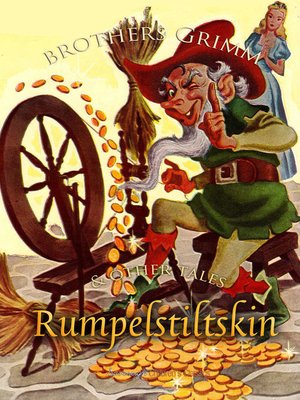
I start today with nothing in my head to write about. I guess I can say that with regularity most days of the writing week. Sundays in particular are filled with no useful ideas of any kind. But I have a certain talent for spinning. As Rumpelstiltskin had a talent for spinning straw into gold, I take the simple threads of ideas leaking out of my ears and spin them into yarns that become whole stories-full of something to say. And it is not something out of mere nothing. There is magic in spinning wheels. They take something ordinary and incomplete, and turn it into substantial threads useful for further weaving.
Of course the spinning wheel is just a metaphor here for the craft of writing. And it is a craft, requiring definable skills that go well beyond merely knowing some words and how to spell them.
My own original illustration.
The first skill is, of course, idea generation. You have to come up with the central notion to concoct the potion. In this case today, that is, of course, the metaphor of using the writing process as a spinning wheel for turning straw into gold. But once that is wound onto the spindle, you begin to spin yarn only if you follow the correct procedure. Structuring the essay or story is the next critical skill.
Since this is a didactic essay about the writing process I opened it with a strong lead that defined the purpose of the essay and explained the central metaphor. Then I proceeded to break down the basic skills for writing an essay with orderly explanations of them, laced with distracting images to keep you from dying of boredom while reading this, a very real danger that may actually have killed a large number of the students in my writing classes over the years (although they still appeared to be alive on the outside).
My mother’s spinning wheel, used to make threads for use in porcelain doll-making, and as a prop for displaying dolls.
As I proceed through the essay, I am stopping constantly to revise and edit, makeing sure to correct errors and grammar, as well as spending fifteen minutes searching for the picture of my mother’s spinning wheel used directly above. Notice, too, I deliberately left the spelling-error typo of “making” to emphasize the idea that revising and proof-reading are two different things that often occur at the same time, though they are very different skills.
And as I reach the conclusion, it may be obvious that my spinning wheel of thought today spun out some pure gold. Or, more likely, it may have spun out useless and boring drehk. Or boring average stuff. But I used the spinning wheel correctly regardless of your opinion of the sparkle of my gold.







 ege. It struck me that it was hauntingly beautiful… but maybe I wasn’t entirely sure what it meant.




More Simple Answers to Complicated Problems
Part A, Solving Racism
I know… Saying I can solve racism simply marks me as something of an idiot. It is a complicated and deeply-embedded weakness of the human race. We are programmed with certain instincts that make us fearful of anyone or anything unknown to us, unfamiliar, or obviously different in some manner.
Consider allowing someone like Minnie Mouse to hug my young daughter. As people go, she is somewhat suspicious-looking. Notice the color of her skin on the neck, ankles, and arms. This is a black person apparently wearing white-face makeup. Is that not something suspicious? Something to be cautious about? In fact, look at the mouse ears and black, mouse nose. She’s not even human! She’s an anthropomorphic mouse-lady. Tucker Carlson would warn you against trusting her with the Princess. And if you point out how silly these arguments are about a Disneyland performer in a costume that represents Minnie Mouse, a character we all know and love, I would say, “YES! Exactly! An unknown person hiding her identity under a costume that will put adults and children at ease… and make them vulnerable to who-knows-what?” Maybe Florida Governor DeSaniflush was right to attack Disney by charging his Floridians more in taxes in the Disney name.
Yes, human beans are inherently suspicious, paranoid, and hateful when it comes to groups that are different than the one we identify with.
Of course, there is a simple answer if you are only willing to look at it that way. There should be no racism because we are not different. We are all one race, the human race.
That means, Mr. Toilet-Cleaning-Chemicals, that you and I are actually the same. You are not made, as I have believed incorrectly, of poop-dissolving chemicals as my demented and paranoid brain keeps thinking because of your DeSantis misnomer. You are not the saint you believe you are because of the meaning of your name in Spanish either. We are both human beans. The same race.
And you are the same race as the beautiful young ballerina I pictured before I added the photo of you thinking about eating too many baked beans, and then drinking Coca Cola while eating Mentos. You are not going to explode. Because even if you consume those ingredients you were thinking about, they can’t actually dissolve the poop you are filled with most of your time on Earth as a human bean.
As a teacher I learned the hard way that all kids are kids. They are all human beans. They all have blood and brains and wants and needs and loves and hates. No matter what color they are. No matter what culture they grew up in, or what religion their parents taught them, or failed to teach them. As a teacher, you have to be able to love all of them. Even the ugly ones. Even the ones whose names remind me of poop-dissolving chemicals and seem to be constantly full of fear and hatred and racism.
Here’s the skinny on those things racists need to hear;
The human beans you need to hate and fear and distrust, the truly evil people, come in every color, creed, culture, and calamitous character. Yes, rich white people, they even come in the color white. No matter what Tucker Carlson says… or thinks about a malevolent Minnie Mouse who may somehow be trying to “replace us.”
And the people you need to get more familiar with, whose culture you need to witness, whose stories you need to hear, and you desperately need to learn to love, come in every color too. Yes, rich white people, even in the color white. I am no more a reverse racist than I am a racist.
And there is a simple cure for racism.
Jesus taught it. So did Buddha, Mohammed, Zoaster, Walt Whitman, and Alan Watts. Jean Paul Sartre too, come to think of it.
The cure is to love everybody. Hate nobody. Suprisingly, if you do that simple thing, nobody will hate you in return. Racism is then cured. I know it is not feasible. Not everybody will even bother to listen to this advice. But the world won’t get any worse while you try to make it happen.
Leave a comment
Filed under commentary, compassion, daughters, education, feeling sorry for myself, finding love, forgiveness, humor, insight, Paffooney, racial profiling, rants, religion