
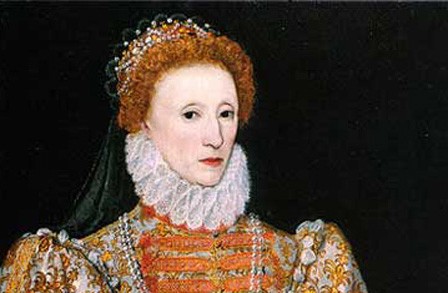
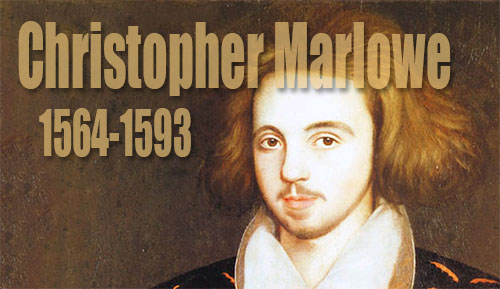
 If you are going to entertain a completely absurd notion like, “Shakespeare wasn’t really written by Shakespeare”, then you have to have some knowledge of the times and the context within which such a profoundly counter-intuitive thing could possibly be true. And it also helps to understand more precisely what the “writing of Shakespeare” actually means. Now, I know it is not particularly fair to confuse you, dear reader, right before I try to dazzle you with my complicated and over-thunk lackwit conspiracy theory, but that is, after all, what obfuscation actually means.
The plays, sonnets, and other poetry of William Shakespeare reveal the mind of a genius. Whoever wrote the works has to be a complicated man living a complicated life. He has to be a sensitive, empathetic, highly intelligent, observant, and troubled man. You don’t write the dark and deeply troubled suicidal tragedy of Hamlet without ever having thought of taking your own life. You cannot portray the madness of King Lear without ever having experienced the turmoil of the mind that threatens to tear your soul apart. And you don’t write about the complexities of love found in As You Like It or Romeo and Juliet without ever having experienced the massive thunderstorms of the mind that go along with falling in love. And we are talking true love, not necessarily the domestic love you have for the wife you are stuck with. You see what I did just there? I put you into the head of the writer, and started you thinking like you yourself are Shakespeare. As goofy a mental gymnastic exercise as that is, bear with me and keep thinking it.


At the time of Shakespeare’s ascendancy as the Bard Laureate of English Literature, England was not a safe place to be either a noble or a playwright. Queen Elizabeth’s mother had her head cut off for bad politics even though she was married to the King of England at the time. Lady Jane Gray, one of Elizabeth’s predecessors, lost her head when she was no more than a sixteen-year-old girl. During Elizabeth’s reign, one of her court favorites, Robert Devereaux, Earl of Essex, attempted to seize the queen herself after a riot fomented by a performance of Shakespeare’s play, Richard II, at which eleven of Essex’s noble supporters were said to be present stirring up the emotions of the crowd. It was a near thing for the writer of the play (about the life of a king whose reign ended in controversy about succession and which led eventually to the War of the Roses) to escape without also being caught up in the rebellion’s failure and round of executions that separated Essex from his head. Elizabeth banned numbers of plays with religious or political content, bans that never seemed to touch the writer of Shakespeare’s plays, even when they touched on political themes. You didn’t have to rebel against the Queen to lose your head either. Elizabeth was trying to reinstate Anglican Protestantism against the critical tides of Catholic Europe. You could be banished, put to death, or impressed by force into the English Navy for being suspected of ideas that were too Catholic. And witchcraft, or consulting with witches, as Macbeth depicts, earned you a nice warm fire in the public square to cleanse your immortal soul.
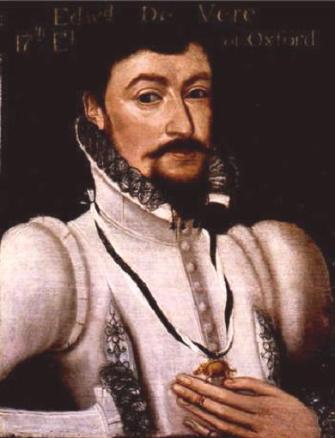
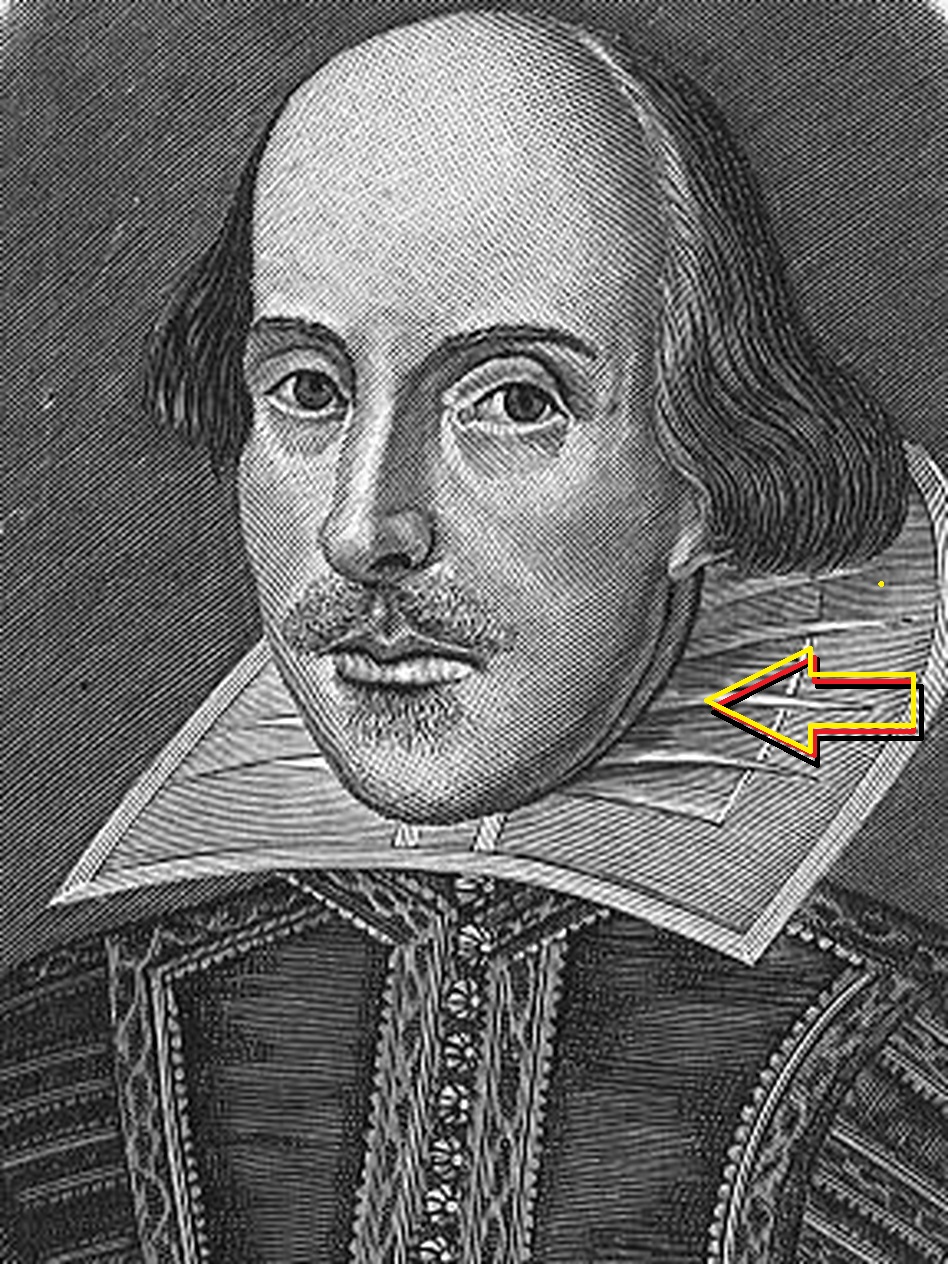
Edward de Vere, 17th Earl of Oxford
So, if one were to be both a playwright and a nobleman, known to and beloved by Queen Elizabeth, might there not be good reason to write under a pseudonym? And numerous people who write about Edward de Vere mention the fact that he wrote poetry and plays, and the plays were very popular. Some scraps of poetry by the Earl of Oxford still exist, but whatever happened to the manuscripts of his plays? It is a conspiracy theory so delicious, that I have to take at least one more bite. (You understand, I try to stick to a 500-word target for these posts, and even this 600+ is really too long. So that means there has to be an Earl of Oxford Part II at least.)

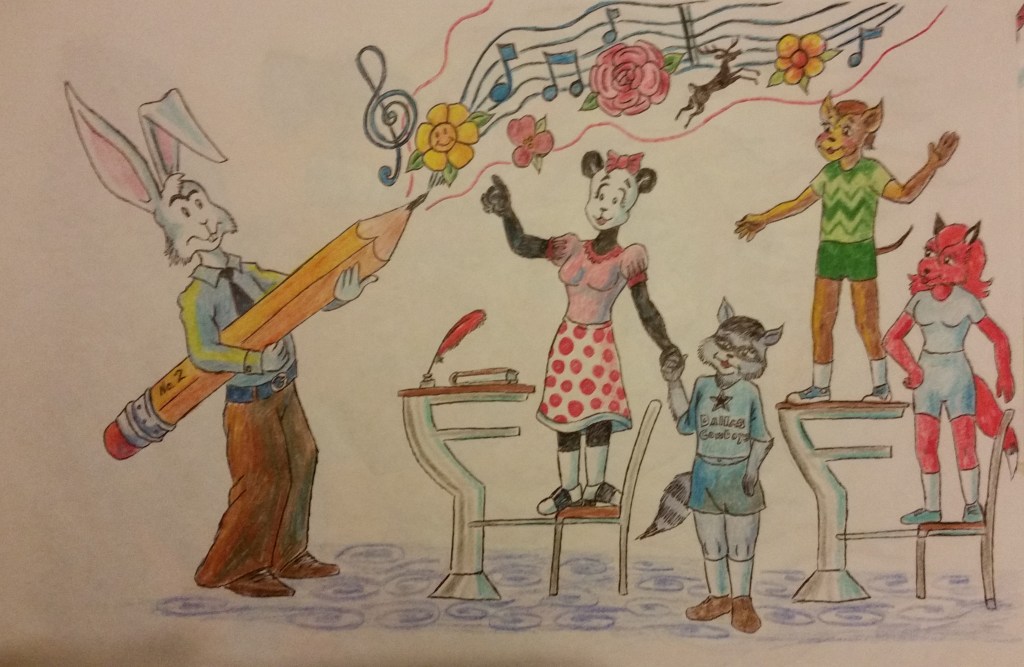
















 Catch a Falling Star
I Love to Laugh
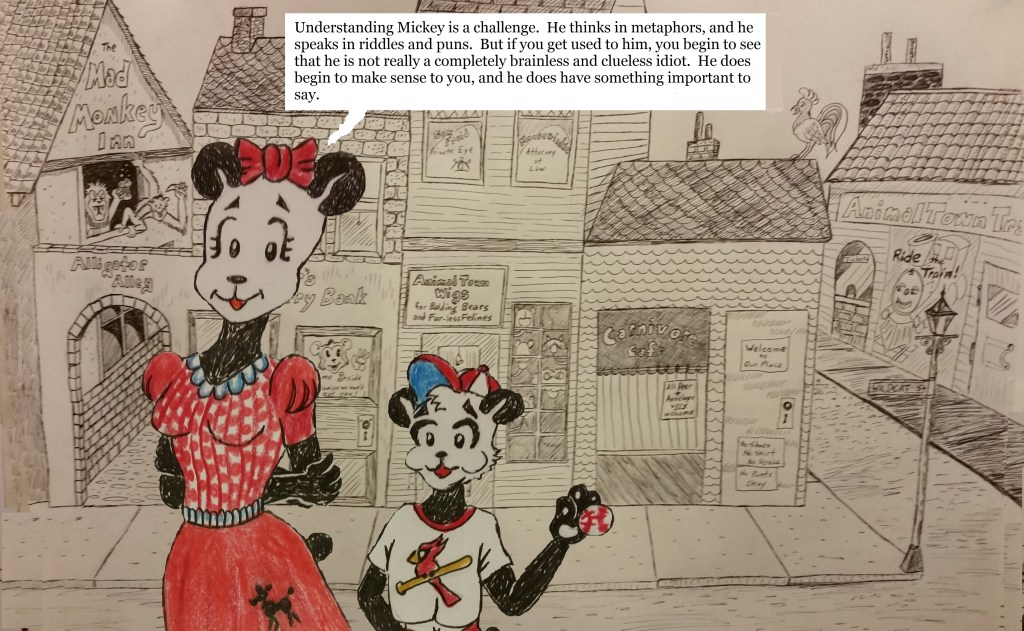
“Mickey, why can’t you be more serious the way smart people are?”
“Well, now, my dear, I think I take humor very seriously.”
“How can you say that? You never seem to be serious for more than a few seconds in a row.”
“I can say it in a high, squeaky, falsetto voice so I sound like Mickey Mouse.”
“You know that’s not what I mean.”
“I can also burp it… well, maybe not so much since I was in junior high.”
“I distinctly remember getting in trouble in Mrs. Mennenga’s third grade class in school for pantomiming pulling my beating heart out of my chest and accidentally dropping it on the floor. She lectured me about being more studious. But I made Alicia sitting in the row beside me laugh. It was all worth it. And the teacher was right. I don’t remember anything from the lesson on adding fractions we were supposed to be doing. But I remember that laugh. It is one precious piece of the golden treasure I put in the treasure chest of memories I keep stored in my heart.”
“I always listened to the words Groucho Marx was saying, even though he said them awfully fast and sneaky-like. I listened to the words. Other characters didn’t seem to listen to him. He didn’t seem to listen to them. Yet, how could he respond like he did if he really wasn’t listening? In his answers were always golden bits of wisdom. Other people laughed at his jokes when the laugh track told them to. I laughed when I understood the wisdom.”
“Laughing is a way of showing understanding. Laughing is a way of making yourself feel good. Laughing is good for your brain and your heart and your soul. So, I want to laugh more. I need to laugh more. I love to laugh.”
2 Comments
Filed under autobiography, comedians, commentary, goofiness, goofy thoughts, humor, irony, Paffooney, strange and wonderful ideas about life, wisdom
Tagged as Ed Wynn, Groucho Marx, Moe Howard