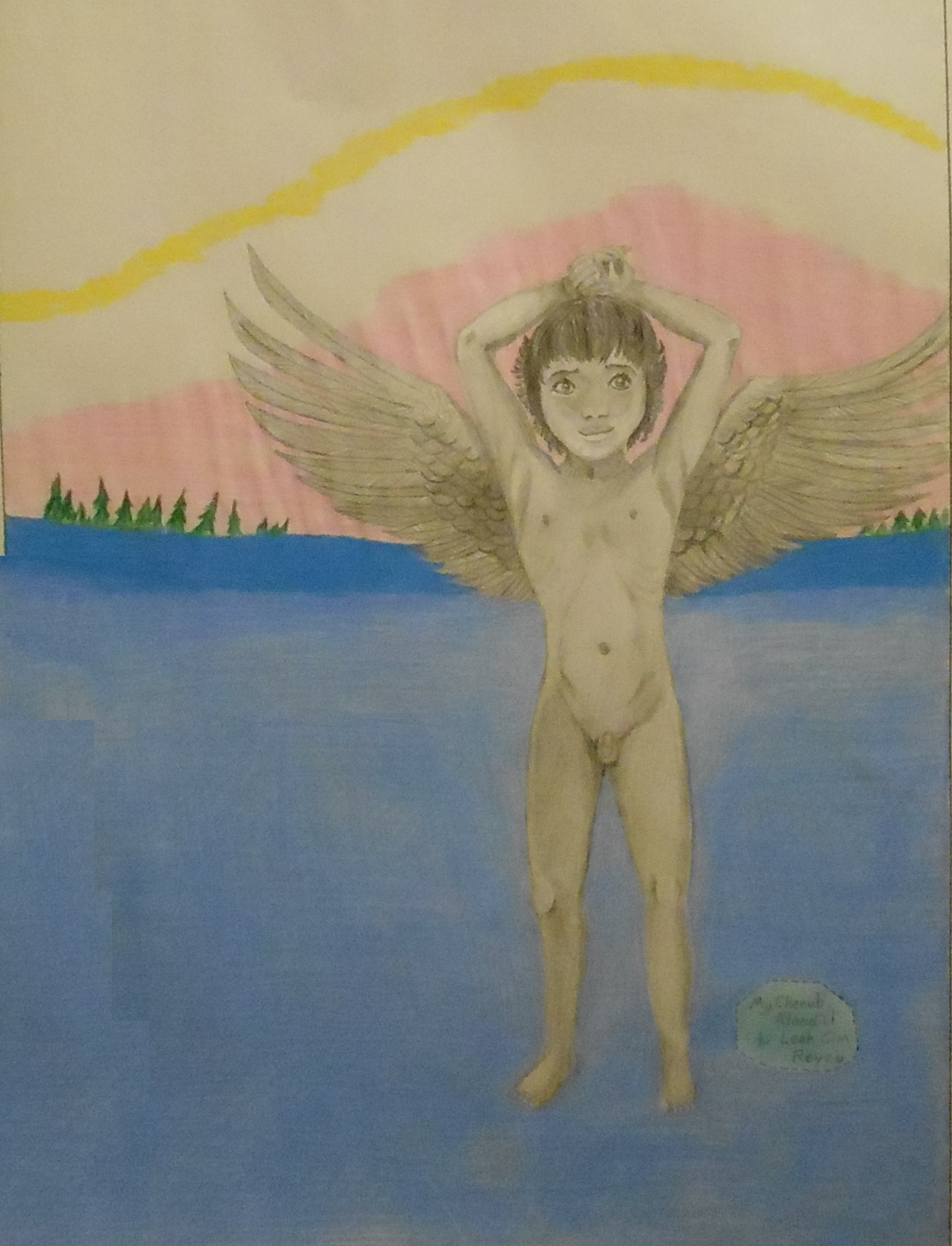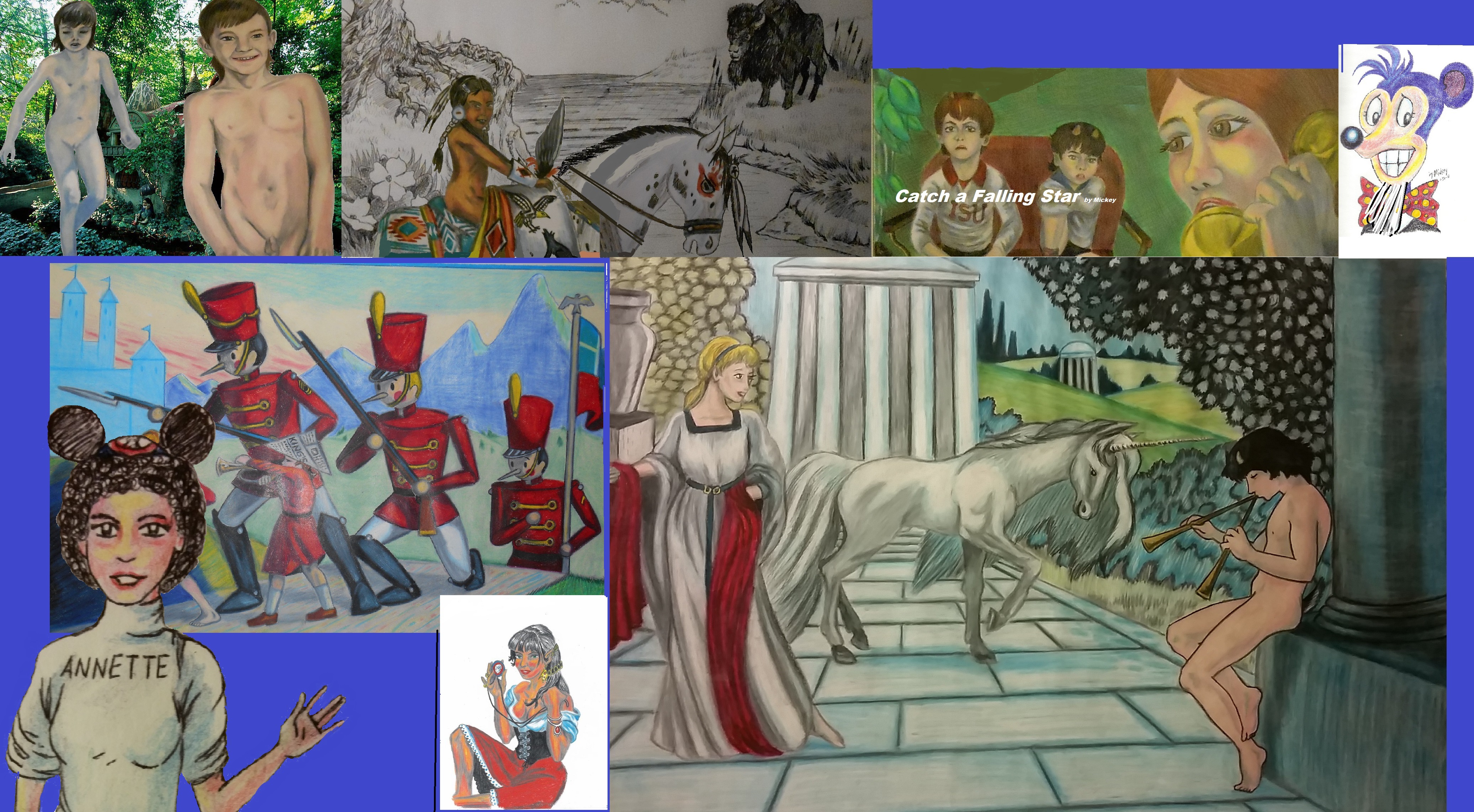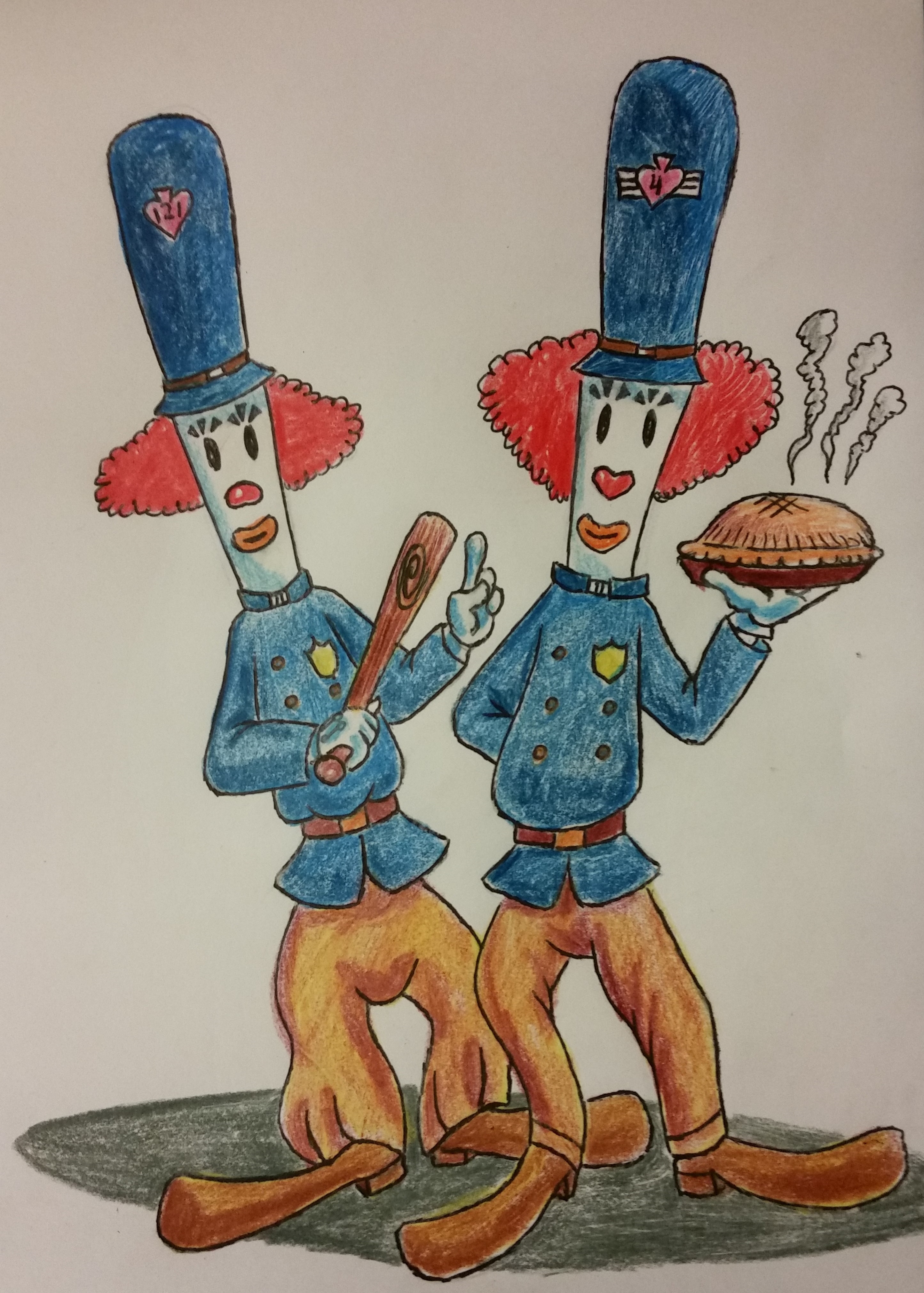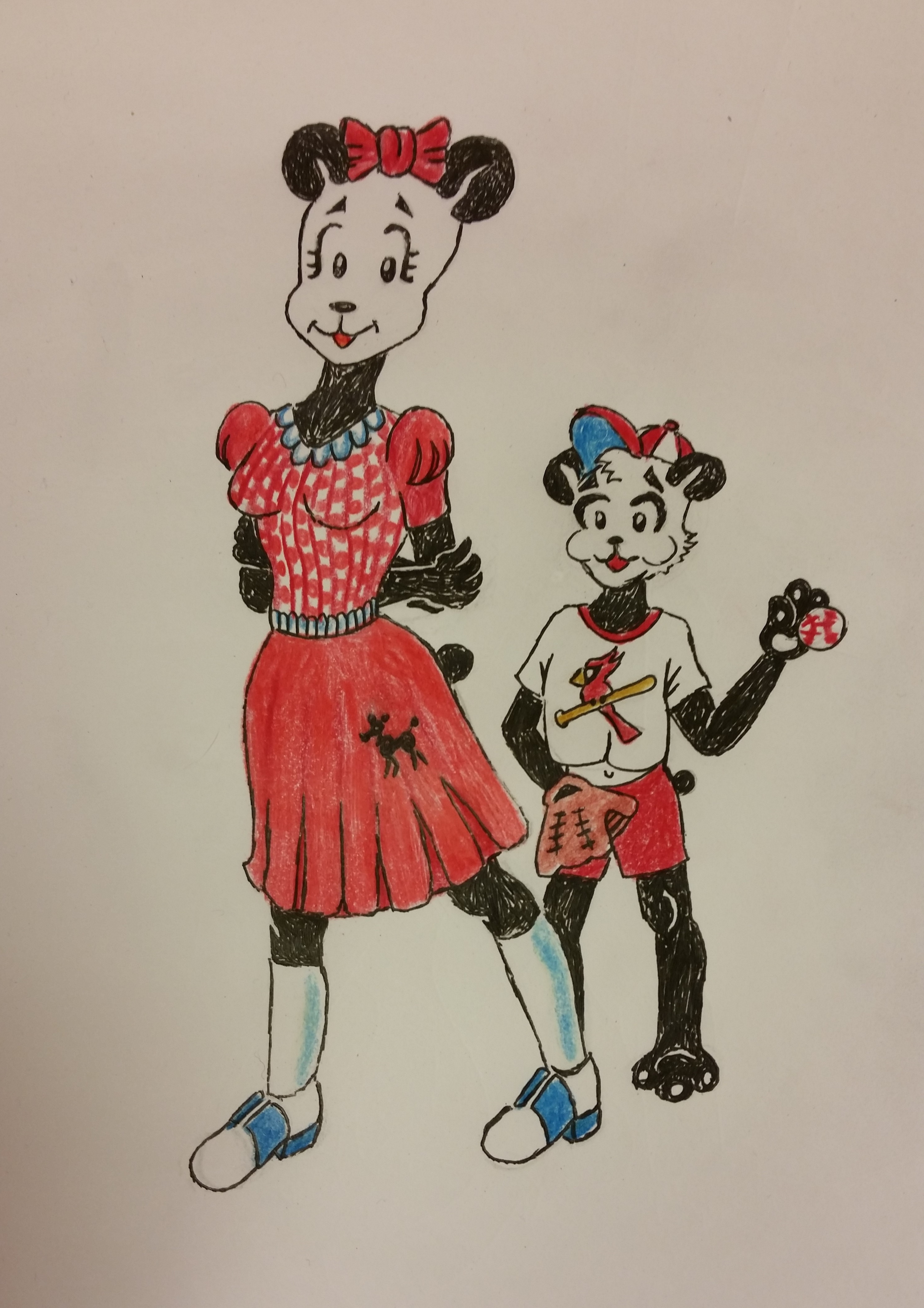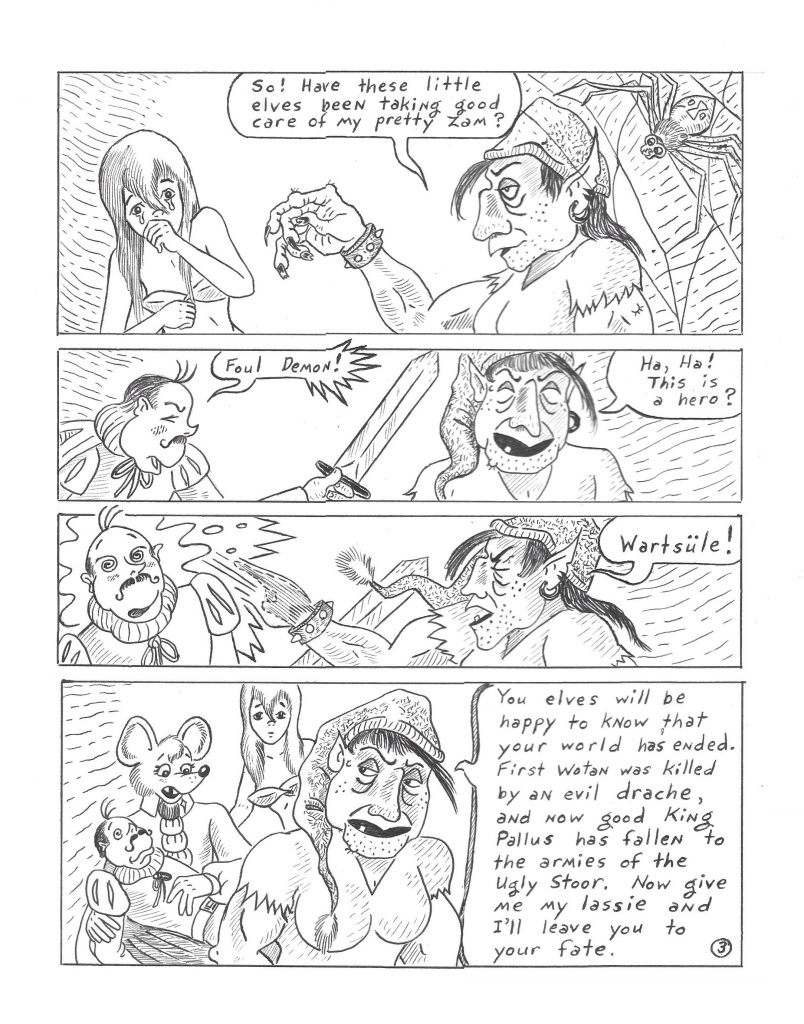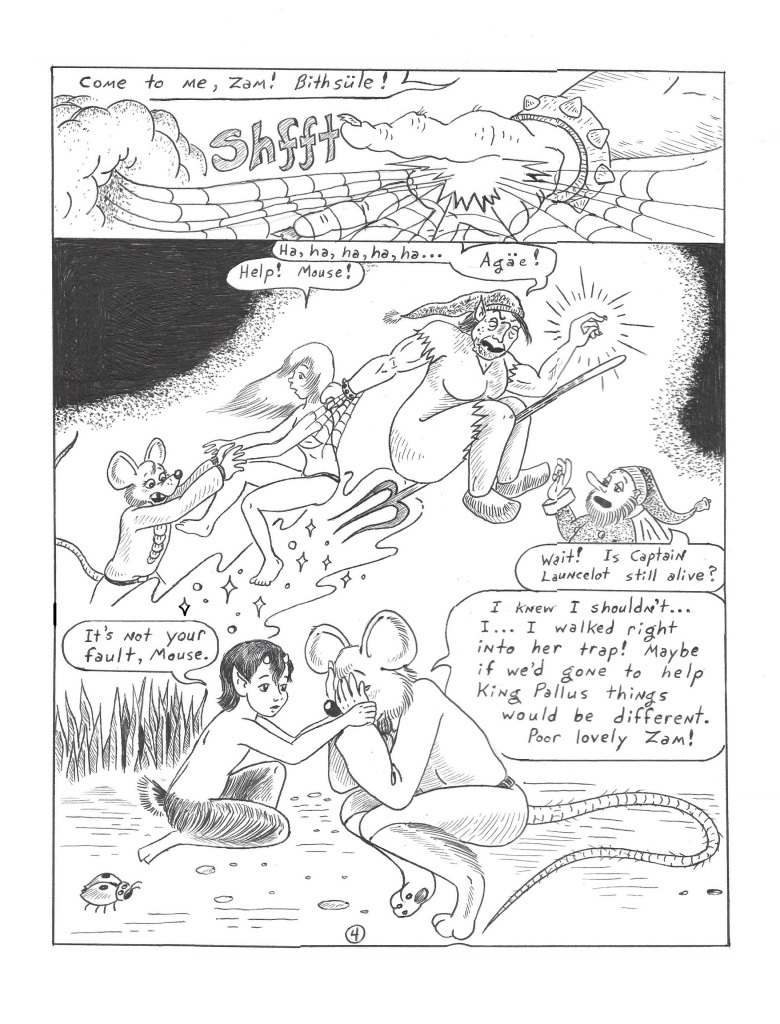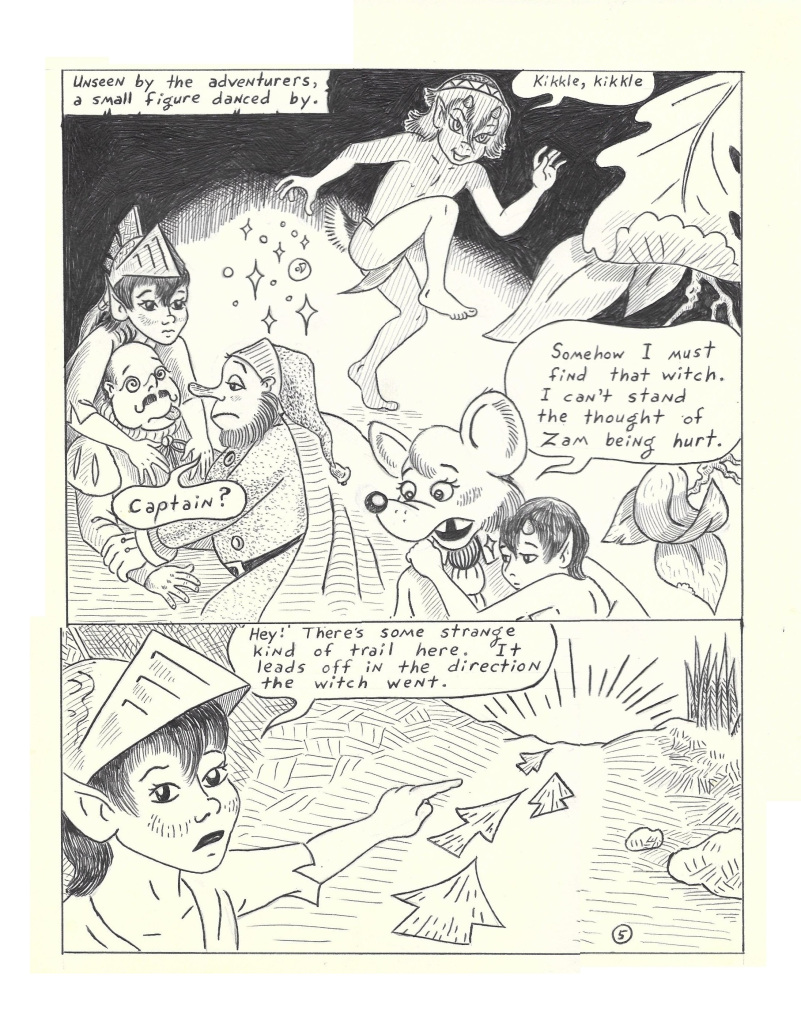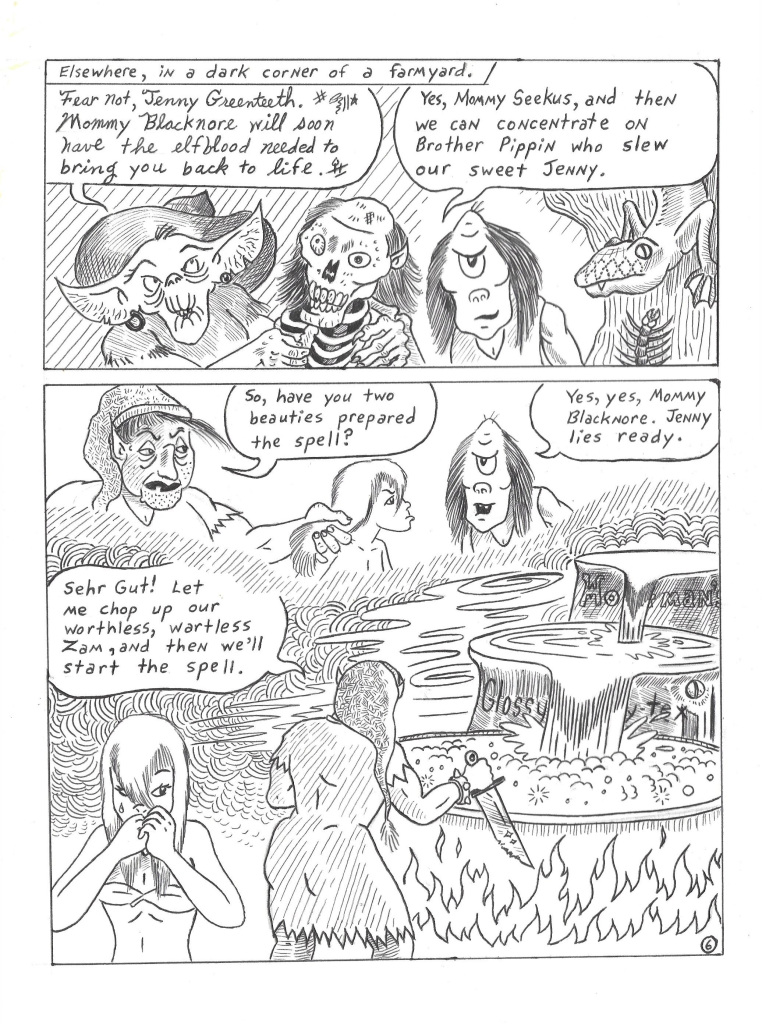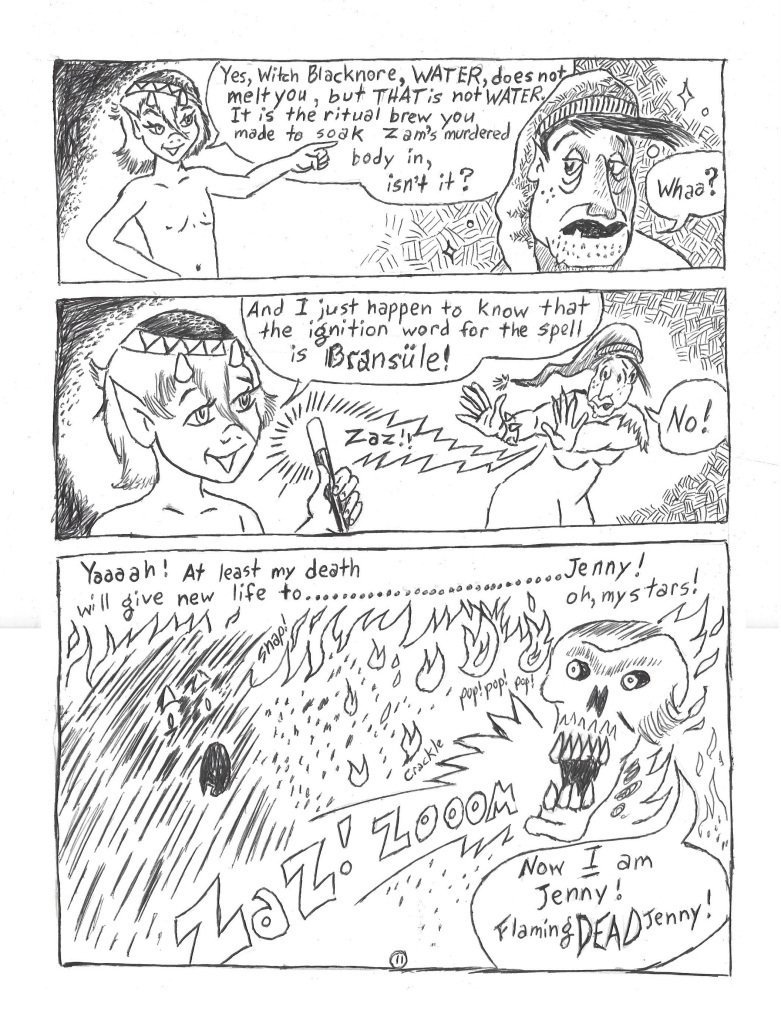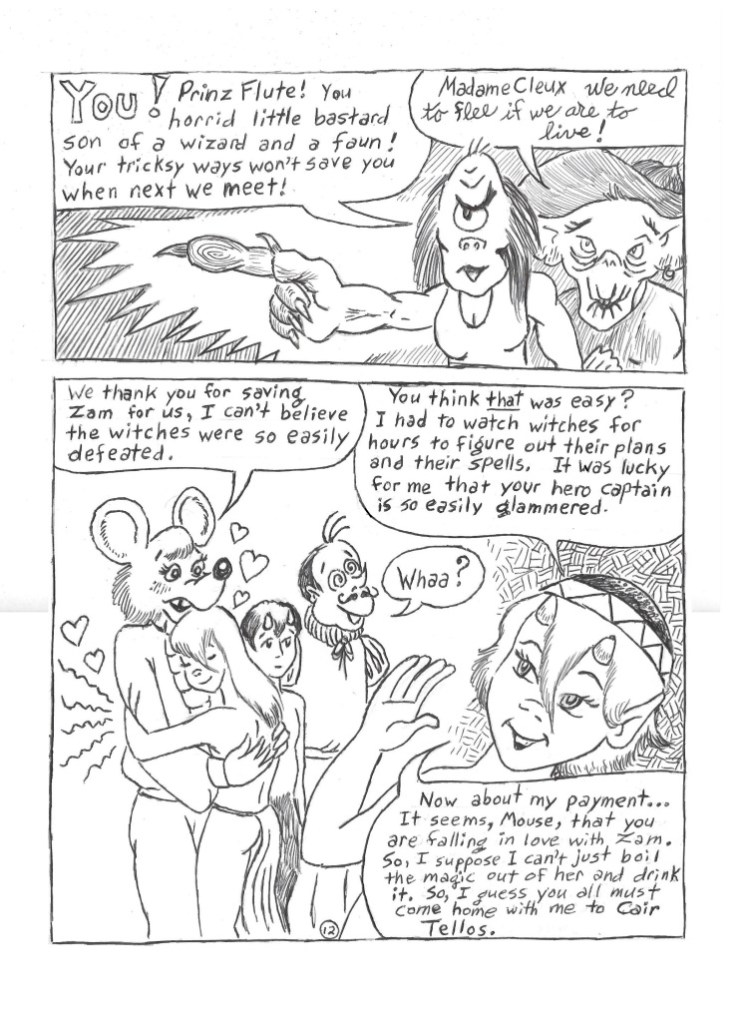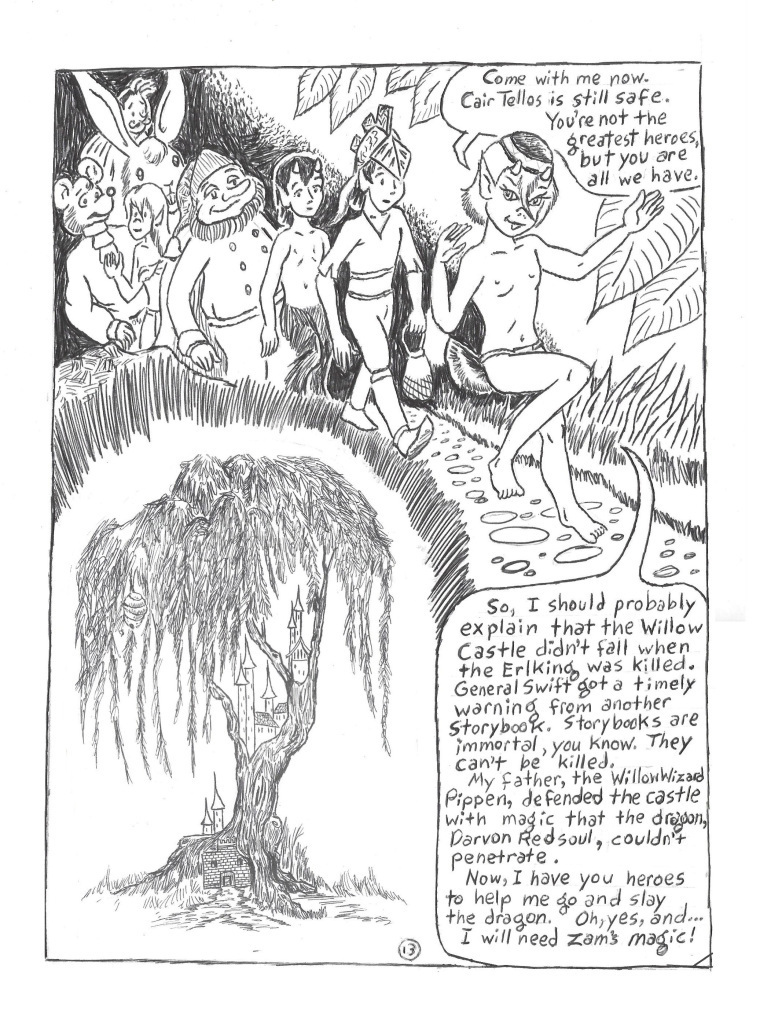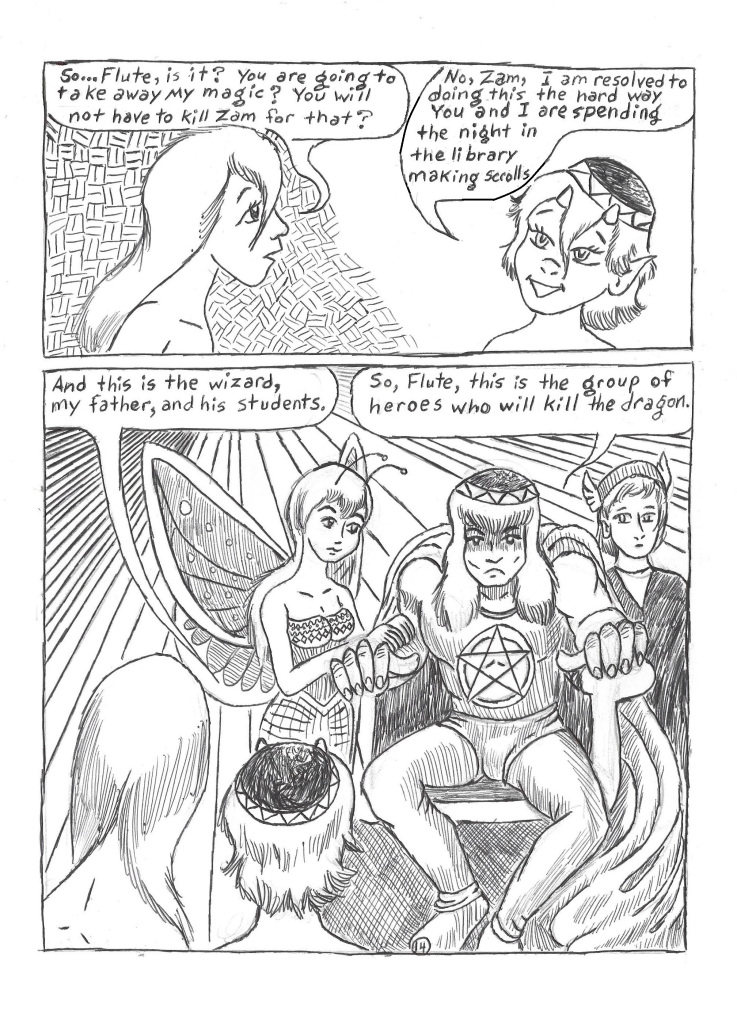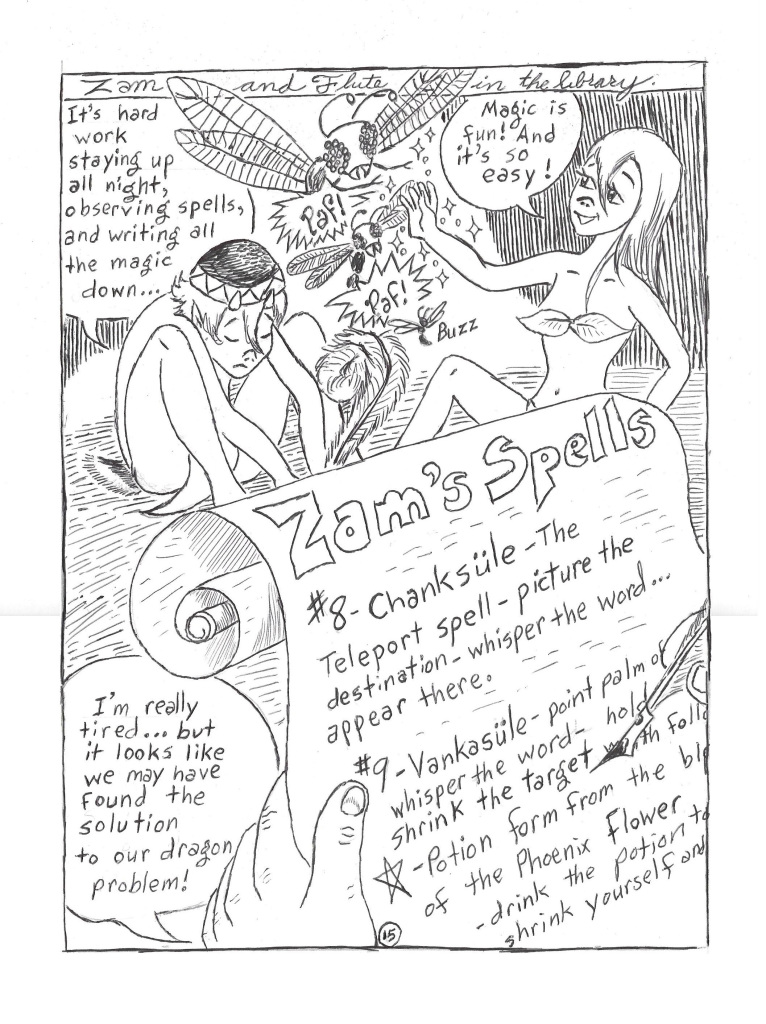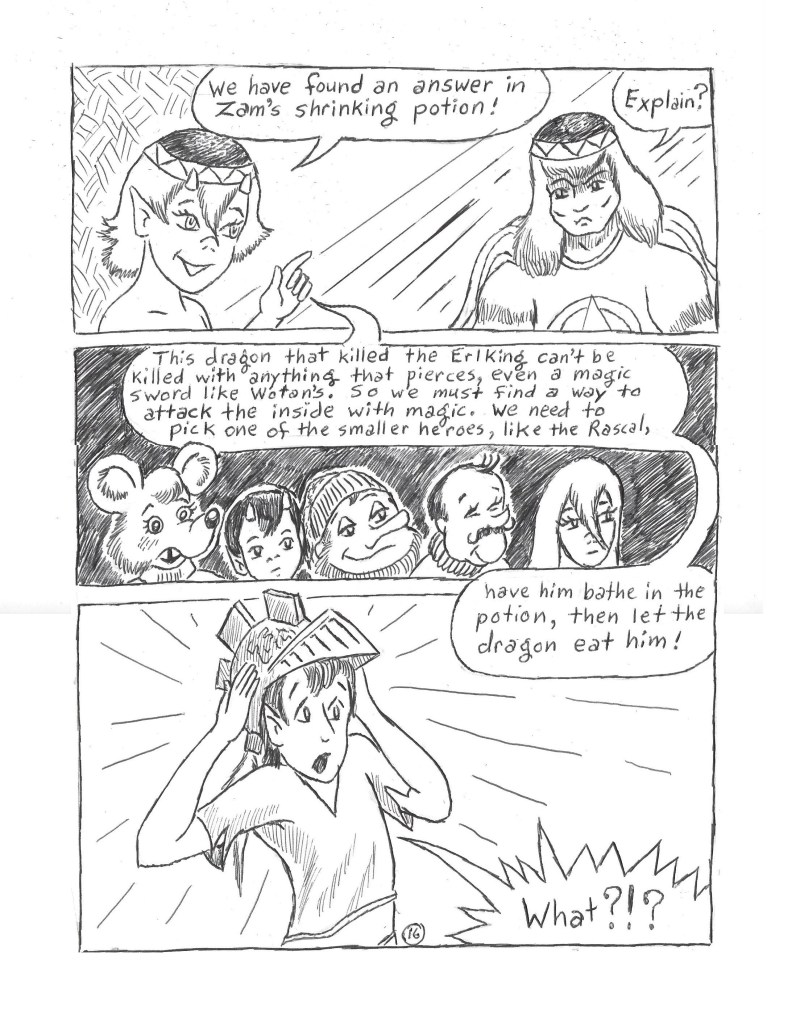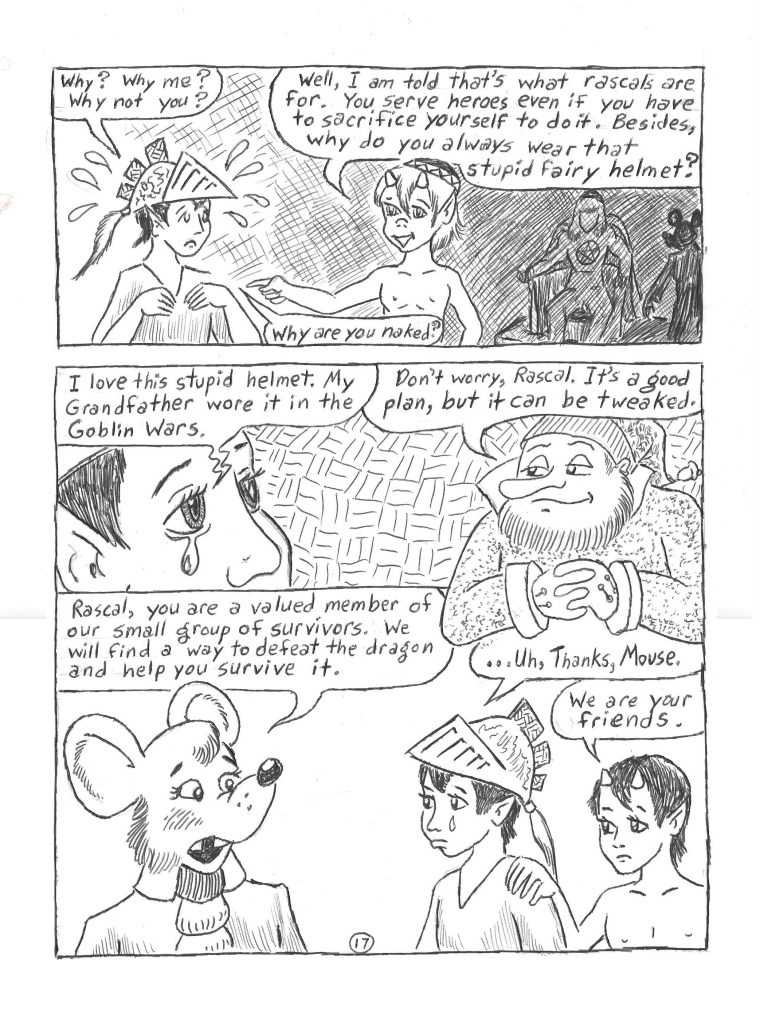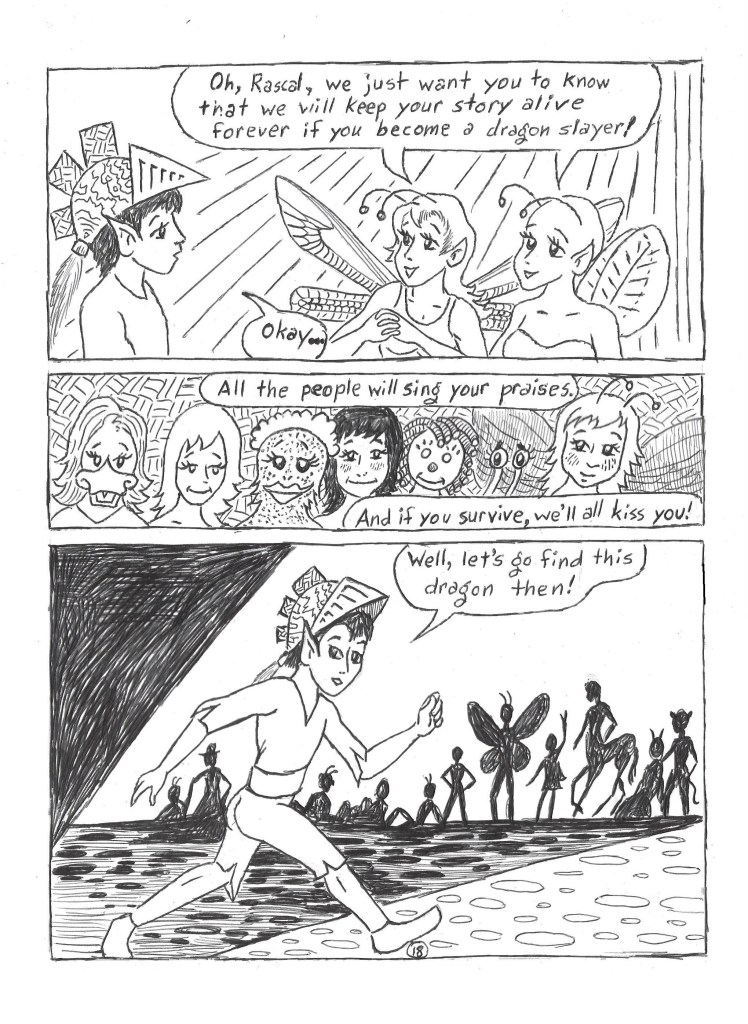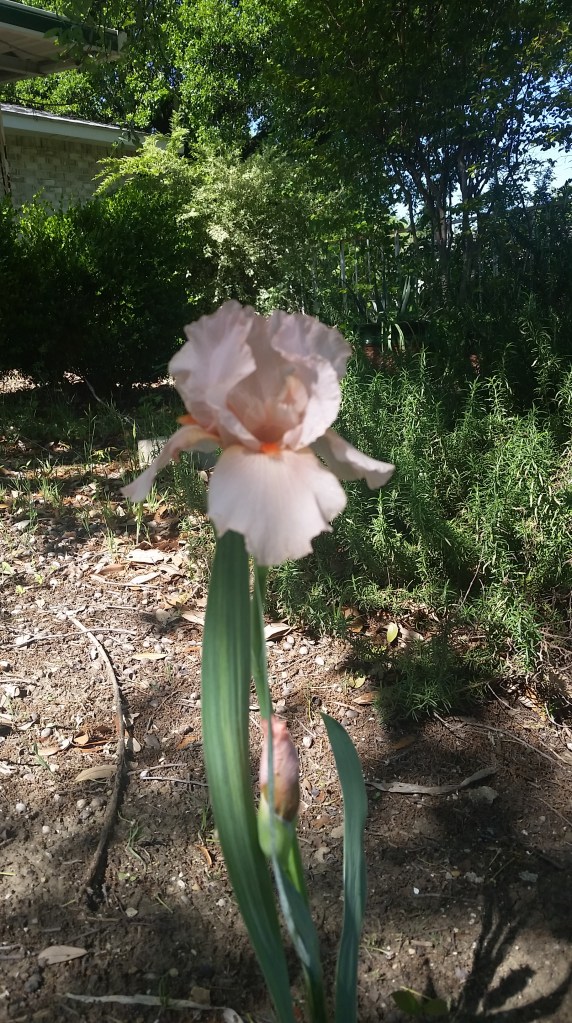
Spring has sproinged on us, and springy-sproinged hard. We have had a wet March and a wet April so far. Pollen is heavy in the air to a record degree, and guilty of making my head ache blisteringly for the third day in a row.
I will also have to take a while recovering from my tax headache. I owed money again either because the overworked retirement system representatives didn’t figure the withholding tax correctly… again, or because Trump’s tax-cut bill required more money from pensioners and poor people… again. Either way, I have no emergency funds in the bank once again, one of the perils of bankruptcy and a source of headaches..
Another of the perils of bankruptcy is the lovely way the court treats me, sending me letters in the mail that suggest they are about to drop their bankruptcy order and allow creditors to swoop in and skeletonize my bank account like piranhas, just as they do to James Franciscus in that crappy man-eating-fish movie of the seventies. (Piranhas, not creditors, I mean, though the differences are small,) The skeletonization will strip meat off the bones of my financial health for about ten months at this point. And why are they suggesting such a personal Armageddon for Mickey? Because mortgage-payment-verification paperwork wasn’t confirmed for two days. Now there is another plan-adjustment hearing scheduled for the end of May. My lawyer says it is all routine. Don’t worry. But I still worry that I have tastier flesh on my bones than James Franciscus had on his in the seventies. (Never let it be said that Mickey doesn’t know how to flog a simile to death!)
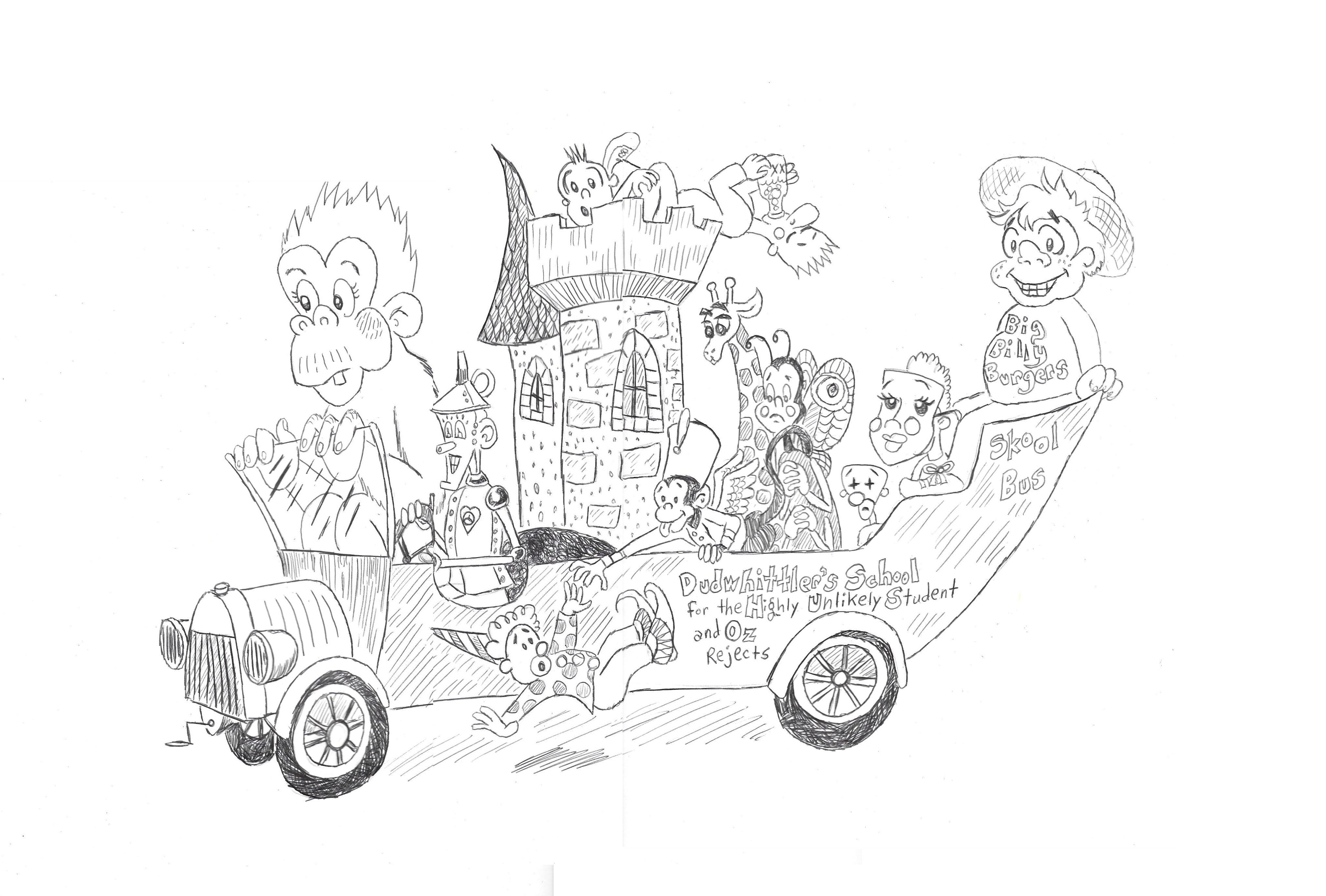
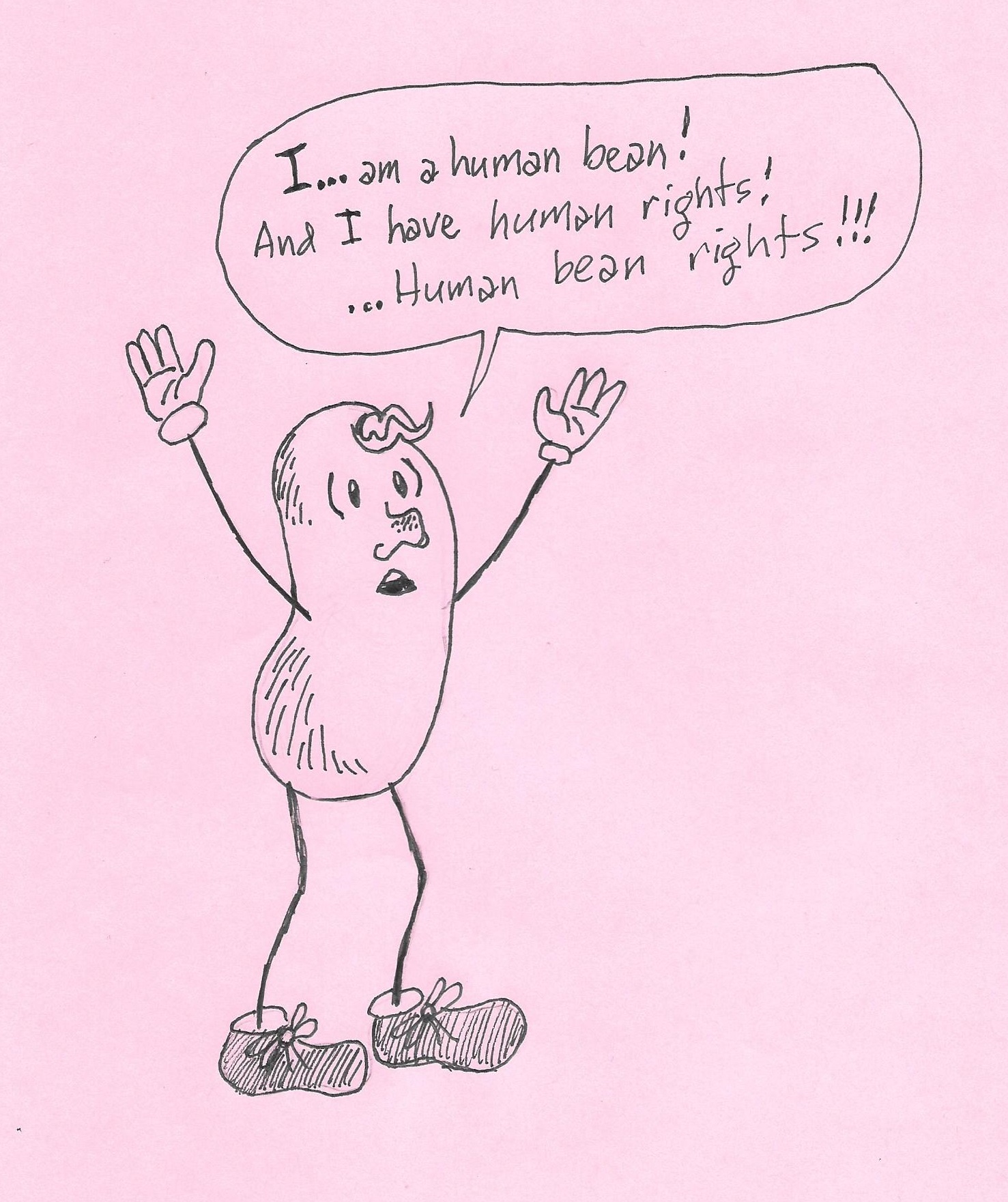
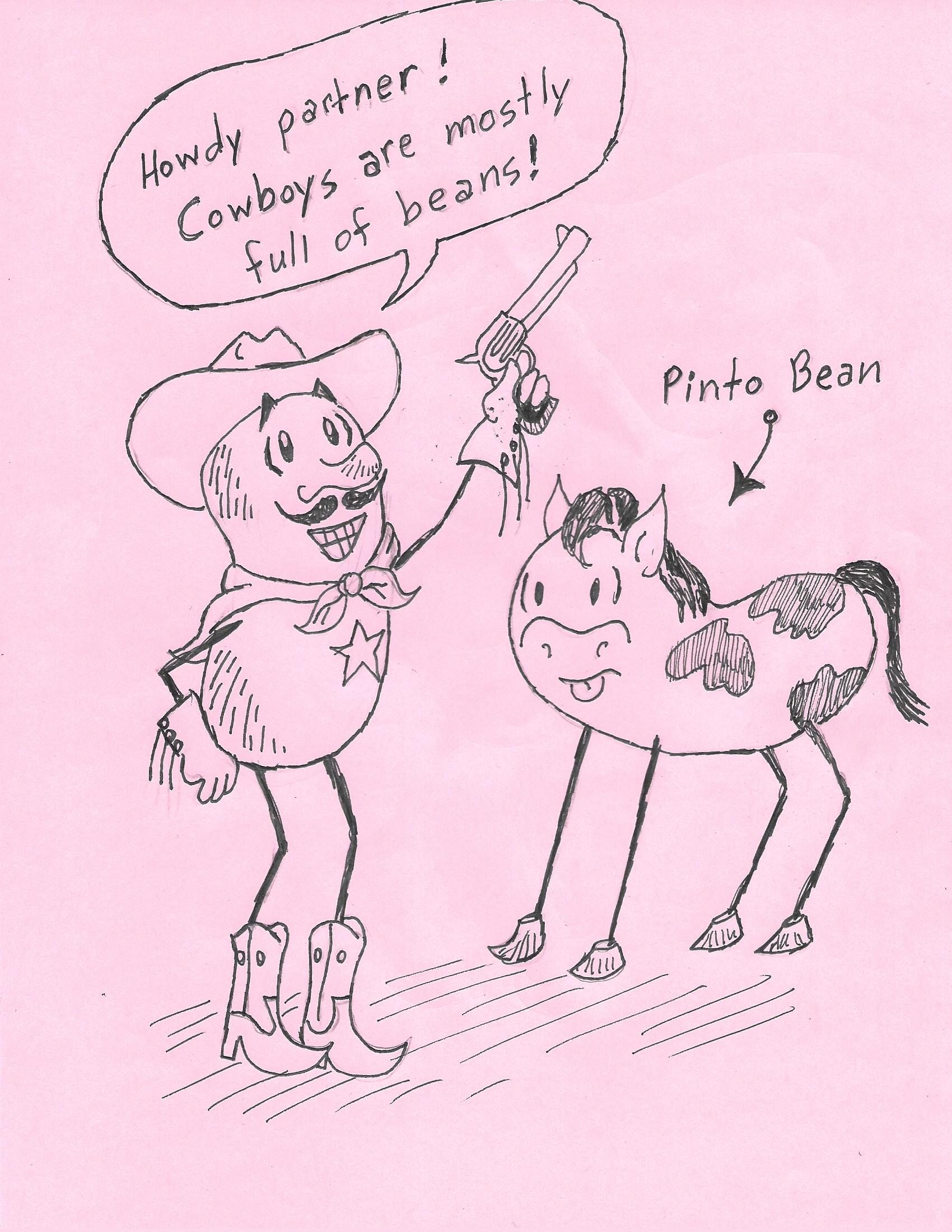
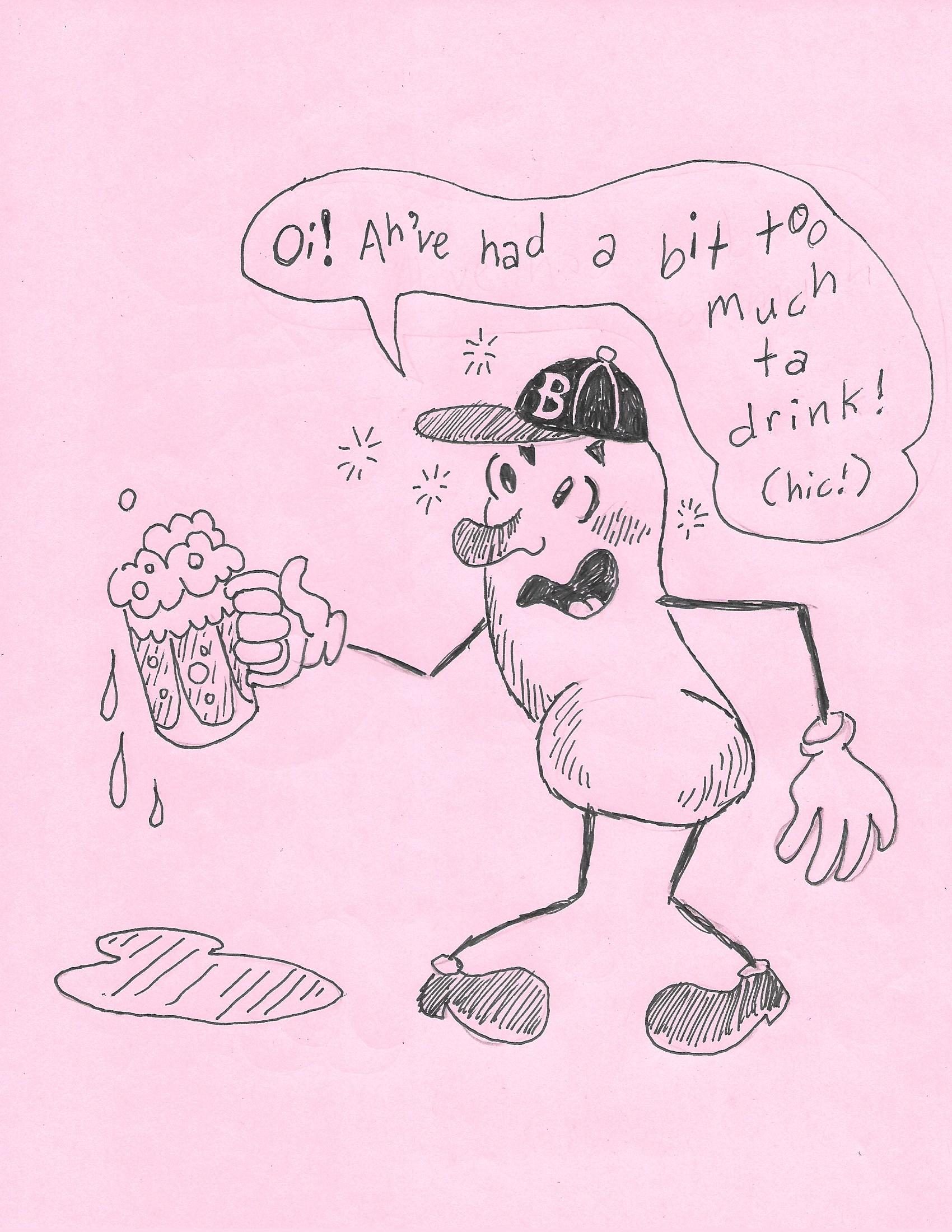
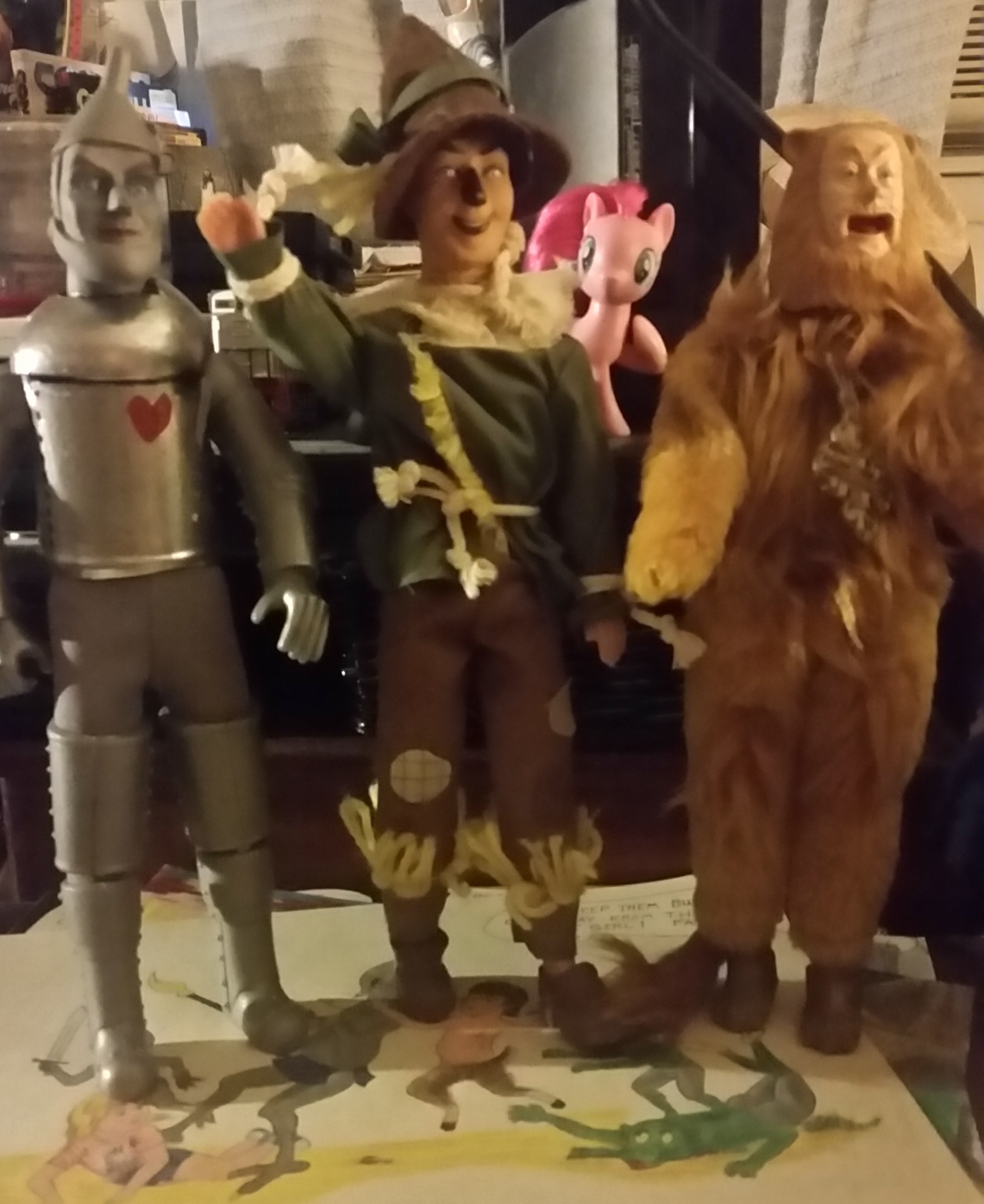
Three Caballeros from Oz whom I rescued from Goodwill, repainted and restored.
So, I could potentially starve to death in the coming months, have my bank account skeletonized, and have my head explode from allergies. Somehow I must deserve all of that, right? And, meanwhile, Trump has survived the Mueller Report with the help of his criminal friends. He may even get re-elected to the Presidency, because there is no accounting for voter stupidity.
It is a springtime full of various headaches, and they have all got me down.
Some writers make tons of money for sharing their made-up fantasy worlds. Steven King, JK Rowlings, and James Patterson have made it to the limelight where few authors ever stand. Some of us get by on smaller rewards.
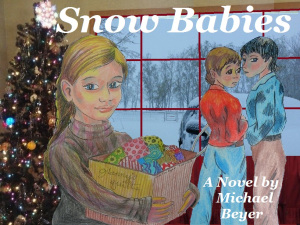
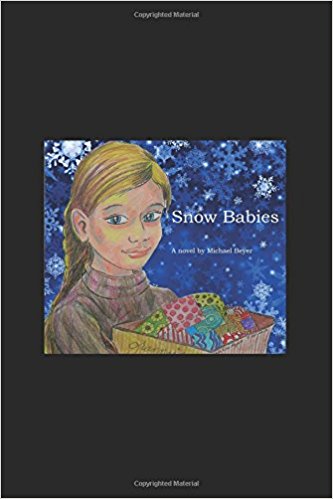
Me, I intend to give myself some grins by sending a copy of my book Snow Babies to a girl who was in my class in grade school, and I may have had a huge crush on her at some point in that past. And because of me being a lazy writer, this post consists mostly of the letter I am sending with the book.
Dear Valerie,
Remember me? I have
lived more of my life in Texas now than I did in Iowa, but my heart is still living
in Iowa. The part of me that turns into
fiction books has always been an Iowan.
You are probably wondering why I am sending you a copy of this
book. Well, to be honest, I owe it to
you. You are the person out of everyone
I have ever known that the main character is named after. This is not a best seller and may never make
much money. But this copy represents the
share of this book that I owe to you.
If you are worried that I am writing stories about you, don’t
be. The character of Valerie Clarke is
based on a student that I taught for two school years. She did remind me of you in some minor ways. But the girl in this book is really based on the
story of Sofia’s girlhood as I came to know about it. I would like to tell you a little bit about
her.
Sofie was, just like the character in the book, short a
parent. It was a struggle for her to be
the cheerful, aggressively positive girl that she was. She was in my largest class of seventh
graders when she was 13, a rather rowdy group of mostly Hispanic kids. She loved almost every story we read in
class. She enjoyed every group activity
and task we did in class, often leading the group she was in, and even
sometimes disciplining misbehavior that I hadn’t called the student out for,
simply because she felt they should be appreciating my class more.
By the time she was an eighth grader, she had developed a
large crush on me. The year before I
married my wife, she actually asked me to wait for her to grow up and marry her
instead. It wasn’t the kind of love that
gets a teacher fired and put in prison.
Really, she was looking at me as the father-figure she needed in her
life. Telling you that fact reveals which
character in the story actually most resembles me, if you decide you actually
want to read this book.
The book is a comedy about a blizzard. But like any good comedy, it will try to make you love characters enough that parts of it will make you cry as much it makes you laugh. It is a book I submitted to the 2014 YA Novel contest called the Rosetti Award Competition from Chaunticleer Reviews. It didn’t win, but it was a finalist. So there is some reason to believe it is not a bad book.
Of all the people I feel compelled to share this book with, your name is at the top of the list. Partly because I borrowed your name to write it with. But also, because of the fact that Valerie in the book, and in other books I have written about her, is often known as, “The most beautiful girl ever born in Norwall (Rowan), Iowa.” It was something the boys in the Rowan school said about you in 4th, 5th, and 6th grades. I don’t know if I am telling you something you didn’t already know or not, but it explains your connection to this story. And why I felt the need to give you a copy of this book.
Read it if you want.
Share it, if you want. Use it to
put a voodoo curse on me if that’s what you want. But I hope you enjoy it and understand that
you do have some part in the fact that it now exists.
So, I just finished reading this book from my leftover pile of classroom reading books that represent my time as a public school reading teacher.
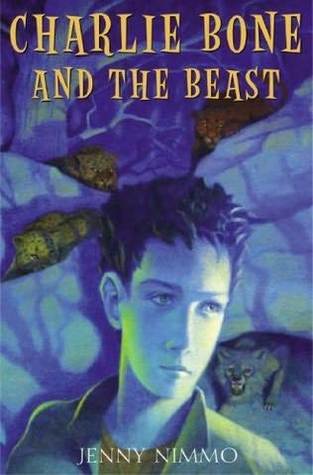
This is book six in the best-selling Charlie Bone series. I didn’t read the previous five books. I have a copy of book one somewhere, but this one is one I picked up for my reading fix last week.
Let me begin by saying, as an obvious Harry Potter imitation, it is a very inventive and enjoyable story.
I read the whole book even though I had difficulty with several things that I have come to recognize as glaring, reader-tripping problems.
Now, to be completely honest about my assessments, Jenny Nimmo, the author of the Charley Bone books, has an impressive resume. She has not only been an English teacher, but she worked for the BBC as well as an editor, director, and other creative endeavors. And her books, unlike mine, are best-seller enough to be picked up by Scholastic Books, a major publisher. She has undoubtedly made a lot more money with her books than I have with mine. And, I confess, I find the story entertaining.
But the story is guilty of writing sins that I am familiar with by having overcome them in my own writing.
Most noticeable is the lack of a sense of a focus character. It is done as a third-person omniscient narrative that goes in and out of different characters’ heads telling what they think and feel. It will go from Charlie Bone’s main-character-thoughts to his nemesis Dagbert Endless’s feelings to the thoughts of the dog that lives in the school and then veers into the bird that is actually Emma, one of Charlie’s female friends with special “gifts of magic” handed down from their common ancestor, the Red King. You end up, as a reader, trying to keep things separate in your awareness about too many characters with too many mental reveals to keep straight. And who all knows what about whom? In one scene a character seems to know already what another character said and did in a previous scene that the knowing character wasn’t present for and hasn’t been told about.
This focus problem is compounded by having too many characters with too little development in the current story. I get it that we are supposed to have met the characters in previous books in the series. But it has to have a more stand-alone quality about it to even work as a separate book. The writer has to keep in mind that readers won’t know everything about every character in previous books because they have either forgotten, or the author has only assumed they would know without being told.
And the scenes and chapters in this book are way too ranging and free-form. A scene that begins in the end of chapter two rambles across to the beginning of chapter three without really concluding and then morphs into another scene entirely when the narrative follows a single character from the conversation in one room into an encounter in the next room. There is a lack of chapter structure to rationalize why those words belong in that chapter rather than the next.
And numerous plot lines are just left hanging at the end of the book, seemingly forgotten rather than set up for the probable sequel. The book does not end with a sense that it is the final end of the saga.
So it is a book that both Hemingway and Dickens would’ve cringed to have written. Never-the-less, I did like this book. The old uncritical critic, you know. I would’ve neither finished reading it, nor written this essay about it if I didn’t find merit in the story. I learned things by reading it. Things to avoid, things to correct when I find them in my own stories, and things that make me go, “Hmmm… I’d like to try that myself.”
The meeting at the library hadn’t happened on the day
originally planned because Alice Stewart sometimes had to close the library
when things came up. Her daughter,
Alicia, was a single mother raising a child alone, and some days the library
simply had to be closed when the baby developed a mysterious cough and had to
go see a doctor in Belle City. All of
this was explained to Mary, Pidney, and Valerie, and apologized for, by Val’s
Aunt Alice as they arrived at the finally open Norwall library on Main
Street. The library was a thing of some
pride to several Norwall families, the Clarkes and the Stewarts and the Duffys
prominent among them because they had raised the money and remodeled the old
butcher shop and bought all the books.
The place was a literary miracle for the small town, as most towns of
that size did not have anything equivalent to it.
“I swear to you, Valerie,” said Aunt Alice, “I will make it
up to you for having to put you off for a couple of days. I will certainly help you three find whatever
important research you are looking for.”
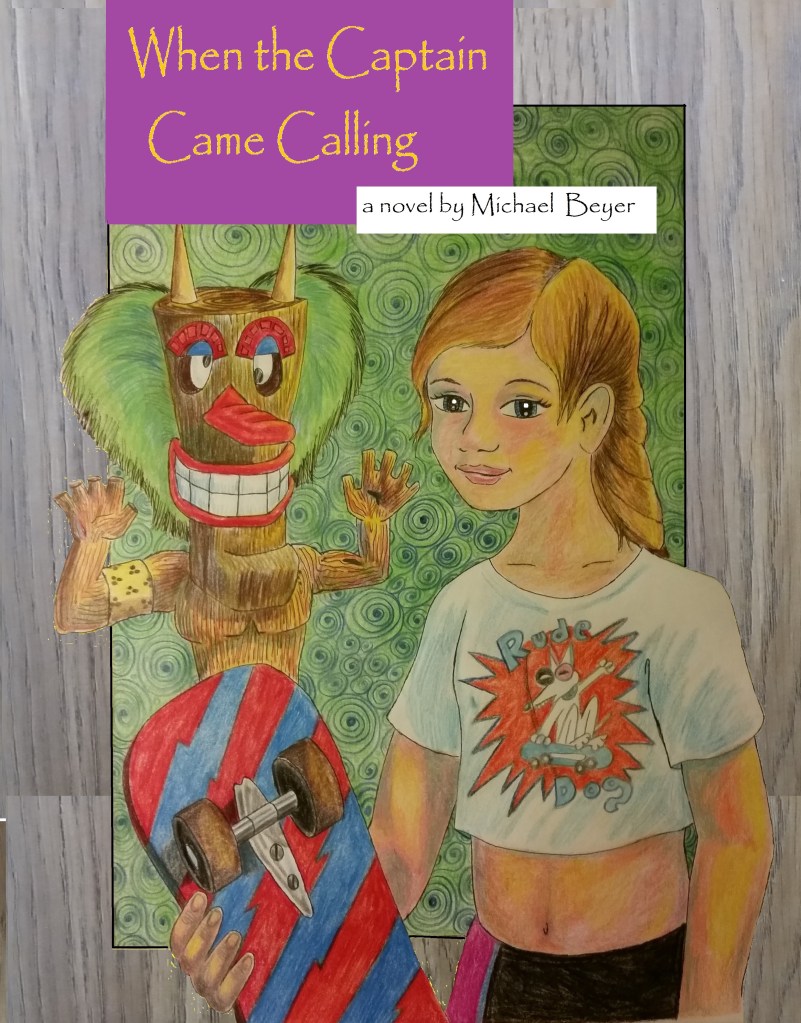
“I think we are looking for Tiki idols, Auntie,” said
Valerie.
“Show her, Pid,” said Mary.
Pidney sat the backpack on the librarian’s desk and opened
it. He pulled out Valerie’s ugly little
wooden man and sat it down on the desk.
“I know a book that might help,” said Aunt Alice. She went directly to a shelf that contained
the 200’s from the Dewey Decimal system and pulled down a large old book called
Treasury of Maori Folklore by A.W. Reed. It had “Tiki” listed on a number of pages in
the index. So Aunt Alice handed the book
to Pidney who soon found a picture that somewhat resembled the ugly little wooden
man.
“It says on this page that Tiki was the very first man,”
read Pidney. “Apparently he found the
first woman in a pond… somebody called Marikoriko… they became the first
parents of all men.”
“Well, he’s found in most Polynesian cultures as a large
piece of wood carved in the shape of a man.
And, um…” Pidney’s voice trailed
away.
“What, Pid?” asked Mary.
“Well, um…”
“Let me see,” said Valerie.
She grabbed the book out of Pidney’s hands. The picture of a Tiki idol in the book seemed
to wink at her as she tracked down the page to find where Pid was reading. “Oh, here it is…” Val began to giggle almost uncontrollably.
“What?” said Mary.
“Read it aloud.”
“In New Zealand, some Maoris contend that Tiki represents
the penis of Tane, the god of forests and birds. He is strongly associated with the
procreative act.” She read that and then
broke down into a laughing fit. One of
those painfully embarrassing laughing fits that happen when something is entirely
too personal to talk about with the boy you have a crush on and you can’t help
but nervously laugh.
Pidney, red as the ripe tomatoes in Mrs. Clarke’s vegetable
garden, wandered over towards the encyclopedias and began looking at the volumes
of Collier’s.
“What else does it say?” asked Mary.
“It says that in the Cook Islands, at Rarotonga, Tiki is
credited with being the guardian of Avaiki the Underworld. Magical idols of Tiki can be given
offerings to smooth the way for those who fear they are dying. The idol maker is said to have magical powers
and can in some cases bring the idol to life as a servant by chanting and
touching the painted tattoos on the idol’s body in the correct order.”
“You’re kidding,” Mary said.
“No, really! It says it
right here.” Valerie pointed to the
disputed passage and Mary read it for herself.
“Well, it does say that.
But it doesn’t have any mention of the proper chant to use or anything.”
“This ugly thing does appear to have painted tattoos,” said
Aunt Alice, looking at the idol’s protruding buttocks and arched back. “Swirly patterns with little spots in the
center like bull’s-eyes.”
“What was Captain Dettbarn’s ship called?” Pidney asked.
Mary looked over at the Polack who was thumbing through the
“M” volume of Colliers’ Encyclopedia.
“The Reefer Mary Celeste. Why,
Pid?”
“This encyclopedia says it was a ghost ship.”
“A ghost ship?” gasped Valerie.
“Good heavens!” swore Aunt Alice.
“What does it say?” asked Mary in a skeptical voice.
“It says the Mary Celeste was an American merchant
brigantine that was found sailing near the Azores on December 4th,
1872. No crew was aboard. A lifeboat was missing. And they never found any trace of the
crew. Not the Captain, either. Captain Briggs, his wife, and their infant
daughter, Sofia simply vanished at sea and were never heard from again.”
“Pidney, that was a sailing ship more than a hundred years
ago. That was the Brigantine Mary
Celeste. Not the Reefer Mary Celeste. Captain
Dettbarn’s ship was a modern cargo ship with refrigerated cargo capacity. They are not the same ship.”
“Oh,” Pidney said softly.
He closed the book.
The ladies all got a chuckle at Pidney’s expense. But Valerie noticed that Pidney was still
uneasy about the spooky connection. She
thought it was something that might later prove to be significant after all. At least to Pid.
I am now approaching the end of a manuscript that completes a journey that began forty years ago. The novel is built from my own experiences as a survival of childhood sexual assault. But it is not about sex. It is about communicating when speaking to others. The main character is autistic and unable to speak aloud to others. Because he does not talk, people treat him as a moron, a possessor of vast levels of stupidity. But he is really quite bright.
The narrator of the story is a zebra sock puppet that the main character uses as a ventriloquist’s dummy. Either he is miraculously able to talk when using the zebra puppet, or the puppet is magically alive and independently intelligent.
To further build on the idea of how difficult it can be to communicate, the main character has an adopted little brother who can’t hear because of ear damage from child abuse. He can read lips and use sign language, but his communication abilities are limited to a best friend who knows sign language and can hear and speak normally too. He can write messages, but he doesn’t write or spell well. And when the serial killer moves in and kidnaps the boy’s best friend, the difficulties of communicating with others hits a critical level.
I have, as of this writing, written within a hundred words of 30,000. I have passed the climax, the parts that make me cry and the parts that make me cheer. It will be done before I reach 35,000. If finishing a novel is like giving birth to a child, then the baby is nine tenths delivered already. All that is left is the sweating, the recovering, and the clean-up. Oh, yes, and the baby novel’s first squall and cry.
Suppose being grumpy was a super power, and we could, as a grumpy old brotherhood of geezers, coots, and conservative uncles, could change things just by complaining about them.
No woman would ever leave a toilet seat down again. The Dunkin’ Donuts on Frankford Road would magically reopen and never run out of donuts again. And liver spots and wrinkles would suddenly be attractive to beautiful young women whether they were linked to fortunes or not.
But what if, in order to make better use of this unexplainable super power, we start telling old coots like the fool in the picture that they have to prove they will use this super power only for good, or we will raise their taxes? Or we would forbid them from ever eating bacon again? Either of those things would definitely motivate them.
Of course, the biggest problem with geezers, old coots, and conservative uncles that no one wants to sit next to at Thanksgiving is that they don’t generally get smarter and nicer with age. It is probably not wise to give them a super power that can alter reality. Yes, they are generally quite literally mean-spirited and unqualifiably dumb. And it isn’t really a matter of whether they could ever actually have a super power like that. The real problem is that they already have it. They proved it in 2016 when they elected a gigantic orange-faced Pillsbury Doughboy with mental flatulence to lead our government. And it wasn’t the dumb part that did it. It was the literally mean part. Trump is a walking, talking old coot-complaint given to us by mean old men to tell us, “We are unhappy geezers, coots, and conservative uncles who would rather blow up the government than lift a single tax dollar (especially from a rich dude) to try and fix it”.
What we truly need to do is harness a bit of that grumpy-old-man complaining power, a truly misunderstood and misused super power, to tackle problems like making public schools better, cleaning the environment, and electing smarter leaders (not the stupid ones who actually represent the majority of us). But of course, we will first have to turn off the spigots in the brewery of prejudice and ignorance that is Fox News, and brand all the greedy and stupid people with a red letter “R” for Trumpian Republican. That way, knowing who to vote for to make things better will become easier to the point that even us geezers, old coots, and conservative uncles can do it right.
As an atheist who believes in God, paradoxes and contradictions are something I am entirely comfortable with. So, it should come as no surprise that I don’t believe in ghosts… with notable exceptions.
Cool song, right? Did you listen to it? It’s a song about ghosts. It’s a lot older than I am. And the singer here, Burl Ives, has been dead since April of 1995. Hearing it today, at random, proves that Burl Ives is a ghost I believe in.
He came back to haunt me today as I am recovering from pink-eye, reminding me of my childhood and youth when he was the snowman in Rudolf the Red-Nosed Reindeer on TV around Christmas time.
He is also haunting me because 1995, the year he died, was the year I got married. I was married to my wife in Dallas in January. In March, we found out that we were going to have our firstborn child before the year was over. And we also found out that my grandfather was dying.
I was not able to make it from Texas to Iowa to see Grandpa Aldrich before he passed away. But he was told while he was in the hospital that we were expecting at about the same time that he got to hold my cousin’s newborn second son. Grandpa loved the music of Burl Ives. In many ways he was like Burl Ives. He even vaguely looked like Burl Ives. And we did get to attend his funeral. (My Grandpa, I mean.) And shortly after that, Burl Ives died and I saw the announcement on the news. This is one sort of ghost I believe in. He came to commune with me as I lay on my sickbed thinking about death. And on a day after finding out that my son, now in the Marines, is about to be discharged after five years and will be home next week. He is ghost of memory. A vibrant and talented spirit of the past who lives on through his work. And he brings with him the ghost of my Grandpa Aldrich, They are both no longer living, but lingering still in the echoes of memory, and still affecting life.
Dean Martin and Perry Como are also ghosts of memory.
Then, of course, there’s the whole matter of the ghost dog. Yes, I continue to see flashes and images and shadows of a brown dog in our house, larger and browner than our own dog, that disappear as soon as you look directly at them. My oldest son has said that he has seen the very same thing, so it is not merely brain damage or impending insanity on my part, unless it is something that also runs in the family. And it has been suggested to me by an elderly neighbor that two families ago, a brown family dog lived in this house and may be buried in the yard.
I believe it is possible that life and love in a family leaves its imprint in many ways on a house, a home, an inhabited place.
I know it can easily be put down to misinterpretations of things seen in peripheral vision, or even mental misinterpretations responding to subtle suggestions. I doubt that there is actually a protoplasmic or energy form that continues after death. But if there is something there, it is benevolent rather than malevolent. Ghosts, if they exist, are a good thing, not a bad one. It doesn’t scare me to live in a place that has a soul capable of absorbing and incorporating a faithful family dog.
Basically, I am insisting that the existence of ghosts is irrelevant. I do not require the artificial reassurance of belief in a life after death to make me unafraid of facing death. I am a part of everything that exists, and I will continue to be a part of it even after my body is dissolved and my consciousness is silenced. Even if life on Earth is extinguished, the fact of my existence is not erased or invalidated. The poet says, “You are a child of the universe. No less than the trees and the stars, you have a right to be here. And whether or not it is clear to you, the universe is unfolding as it should.” -from Disiderata by Anonymous
So, I am ill and thinking about death, for it is not very far away now. And I do not fear it. As I do not fear ghosts. For I don’t believe in them… except for the ones I do.
Canto Fourteen – Log
Book of the Reefer Mary Celeste
Valerie opened the book to the page Mary had indicated with
the red paper book mark.
“That’s the spot where the story seems to begin,” said
Mary. “The part before that ‘s all cargo
manifests and navigational data.”
“Okay,” said Valerie, “Then here goes;” She began to read
aloud.
We were sailing southwest from the
Republic of Palau in Micronesia where we had taken on supplies at the big
island of Koror. It was September of
1979. The seas were calm, although the
first mate was tracking a big storm that could potentially turn in our
way. We were supposed to deliver the
refrigerated meat and vegetables in our hold to Pinoy Proud Food Markets of Manila by the beginning of
October. There were supposed to be
bananas too, but we had made the mistake of putting the bananas in the freezer
and frozen bananas become just the right shade of poo-poo color to make them
unmarketable. So the crew had been eating
a lot of frozen banana pops. Doc
Johnson, whom we call Doc because he knows a lot of useful stuff was worried
that we might inadvertently cause hyperkalemic death among the crew, which
worried me a bit, but since no one else seemed to know what the heck
hyperkalemic meant, we were okay with eating that many frozen bananas, but I
was later led to wonder if, in fact, the whole hyperkalemic death thing might
be the source of hallucinations.
It was a valid worry as it turned
out. Because that September, in the
early morning on Monday, September 10th, Kooky Smith first saw the
mermaid.
“Wow!” said Danny Murphy, “a real mermaid?”
“Well, that’s the debate, isn’t it?” said Mary. “The story starts to get stranger and
stranger. And he even says it might be
because they ate too many frozen bananas.”
“Does it say what the mermaid looked like?” asked Pidney.
Valerie looked carefully at the block of text ahead written
in Captain Dettbarn’s goofy wrong-way-leaning handwritten letters.
“Um, yes, let me read that part.”
Chinooki was a naked woman from the
waist upwards, with comely breasts and long pinkish-white hair. Her skin was a kind of fish-belly-looking
silver and her dark red eyes looked brown most of the time, but glowed like
fire at night.
“Gonga!” said Danny, a word he often used to express both
surprise and admiration at the same moment.
Pidney, however, was blushing a cherry red that covered most
of his crew-cut head and neck.
“Chinooki?” asked Mary, “What kind of name is that?”
“It sounds kinda fishy,” said Valerie. “Like Chinook salmon.”
“Or maybe Chinese,” suggested Danny.
They all turned and looked at Danny.
“What? They call
Chinese people Chinks, right?”
“Polite people don’t,” suggested Mary.
“Read more about what happened,” Pidney asked Valerie.
Kooky said that he saw her the
first time off the starboard rail, swimming with her head and shoulders raised
out of the water. He thought she was
some kind of shipwreck survivor, but when he hailed her to offer help, she
waved at him and smiled, then dove and showed him her fish tail.
Of course, no one believed
him. Sea stories like that get told all
the time, and Kooky liked to drink… sometimes even on duty. We all knew he was quite capable of seeing
things that weren’t real.
But the second time she was spotted,
Bob Clampett and Chuck Jones were also on deck, and when Kooky shouted they
immediately came to the rail and saw her too.
Now, Bob was like Kooky in a lot of ways, so we woulda thought he was
making it up too, or just backing Kooky’s kooky story for yucks and
kippers. But Chuck was well known for
both sobriety and honesty. He was the
man I trusted to keep the ship’s books because I knew he’d never cheat any of
us out of a single penny we were due.
And he’d sooner cut off his own hand than tell a lie.
“We have ta catch her and bring her
aboard,” Kooky said.
“You gonna eat her?” Bob asked.
“Are you daft, man? I don’t want to hurt her,” Kooky said. “She’s beautiful. I want to catch her and keep her.”
“Be wary,” Chuck said. “If she’s not a natural creature, then she’s
some kind of unnatural menace sort of thing.
Bringing her on board this ship might be the last thing we ever do in
this life.”
“Well, I for one, would very much
like to see this real mermaid,” I said.
I would later come to regret those words more than any I had ever said
before in my whole life.
The four young Pirates all looked at each other, and all
four of them shivered at once. Valerie
could certainly read out loud in a way that would scare you out of your under
pants.
I honestly hope you are not reading this blog to find advice on life, the universe, writing, or anything. That sounds more like something I myself might do, and I am goofy enough to think this purple paisley prosy thing is a humor blog. I don’t really give advice, good or otherwise.
Even as a teacher I didn’t tell students how to do things in a do-this, then-do-this, and then-do-this lecture format. If anything, I advised by showing them how I did things, leading by example. I taught skills and concepts by setting up tasks that let kids do things for themselves. Most people learn by doing.
This idea applies no matter what the learning goal is. If you want to do magic, you have to cast some spells for yourself. Roger Bacon’s students in the 13th Century learned to do alchemy and eventually chemistry by blowing up the laboratory repeatedly. If I am capable of any sort of artistical or literarical magic, I have achieved it only by trying to do it, trying to be creativical, and getting readers’ and viewers’ attention by being marketableical and somewhat ironical in my blogging with over-use of artificial -ical endings.
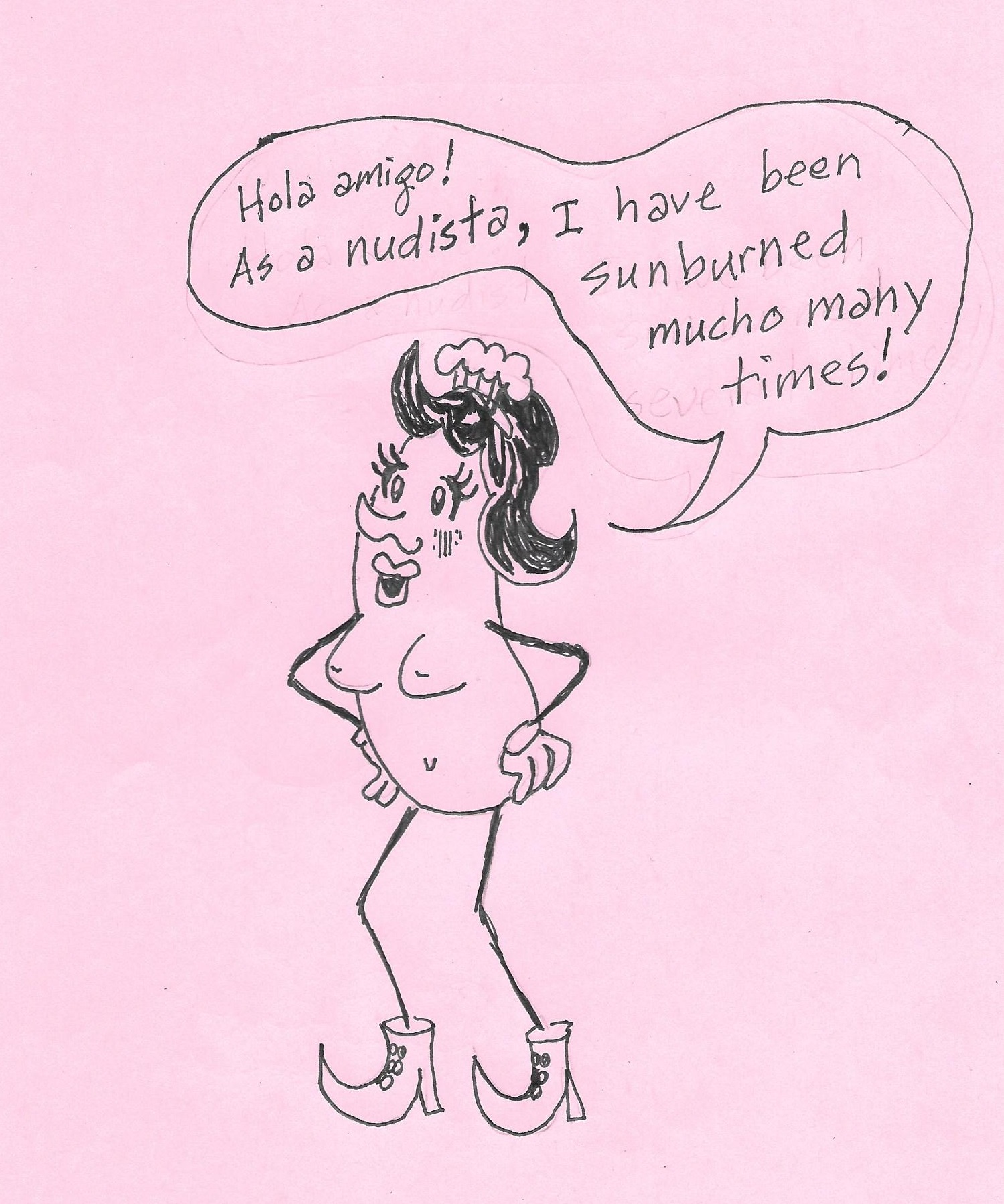
So, I treat this blog as way to generate ludicrous ideas and goofy content in order to fascinate readers and sometimes even make them laugh. And I have nothing more to write about than myself and my own experiences. It is obsessively self-inflicted observations about myself. Kinda like standing naked in front of the mirror and learning to laugh at warts and wrinkles. I believe in taking the clothes off of my life experiences and finding the naked truths that were previously hidden. And, no, that doesn’t really explain why it seems I like drawing naked people so much. It’s a metaphor, dang it!
Gilligan never realized how good he had it as the only realistically eligible bachelor on that island.
So, that’s what this blog is all about. I am explaining what this blog is all about. I am looking at my own experience of life, the embarrassments, the sad truths, the disappointments, the triumphs, all the most personal, private, and public stuff. And I am laughing loud and long. Because that’s what life is. Mastering that fundamental skill. Learning to laugh at life.
Here’s a brief summary of the only good advice you can possibly find by reading this blog. If you want to write well, start writing and teach yourself how to do it. And if you want to learn to laugh, look for what’s funny and laugh loud and long and clear.
Old and Grumpy
Suppose being grumpy was a super power, and we could, as a grumpy old brotherhood of geezers, coots, and conservative uncles, could change things just by complaining about them.
No woman would ever leave a toilet seat down again. The Dunkin’ Donuts on Frankford Road would magically reopen and never run out of donuts again. And liver spots and wrinkles would suddenly be attractive to beautiful young women whether they were linked to fortunes or not.
But what if, in order to make better use of this unexplainable super power, we start telling old coots like the fool in the picture that they have to prove they will use this super power only for good, or we will raise their taxes? Or we would forbid them from ever eating bacon again? Either of those things would definitely motivate them.
Of course, the biggest problem with geezers, old coots, and conservative uncles that no one wants to sit next to at Thanksgiving is that they don’t generally get smarter and nicer with age. It is probably not wise to give them a super power that can alter reality. Yes, they are generally quite literally mean-spirited and unqualifiably dumb. And it isn’t really a matter of whether they could ever actually have a super power like that. The real problem is that they already have it. They proved it in 2016 when they elected a gigantic orange-faced Pillsbury Doughboy with mental flatulence to lead our government. And it wasn’t the dumb part that did it. It was the literally mean part. Trump is a walking, talking old coot-complaint given to us by mean old men to tell us, “We are unhappy geezers, coots, and conservative uncles who would rather blow up the government than lift a single tax dollar (especially from a rich dude) to try and fix it”.
What we truly need to do is harness a bit of that grumpy-old-man complaining power, a truly misunderstood and misused super power, to tackle problems like making public schools better, cleaning the environment, and electing smarter leaders (not the stupid ones who actually represent the majority of us). But of course, we will first have to turn off the spigots in the brewery of prejudice and ignorance that is Fox News, and brand all the greedy and stupid people with a red letter “R” for Trumpian Republican. That way, knowing who to vote for to make things better will become easier to the point that even us geezers, old coots, and conservative uncles can do it right.
Leave a comment
Filed under angry rant, commentary, goofy thoughts, humor, oldies, Paffooney, satire