
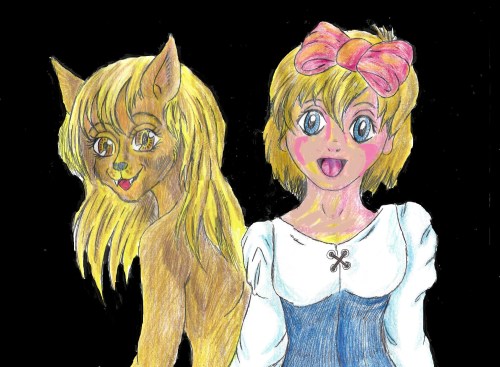
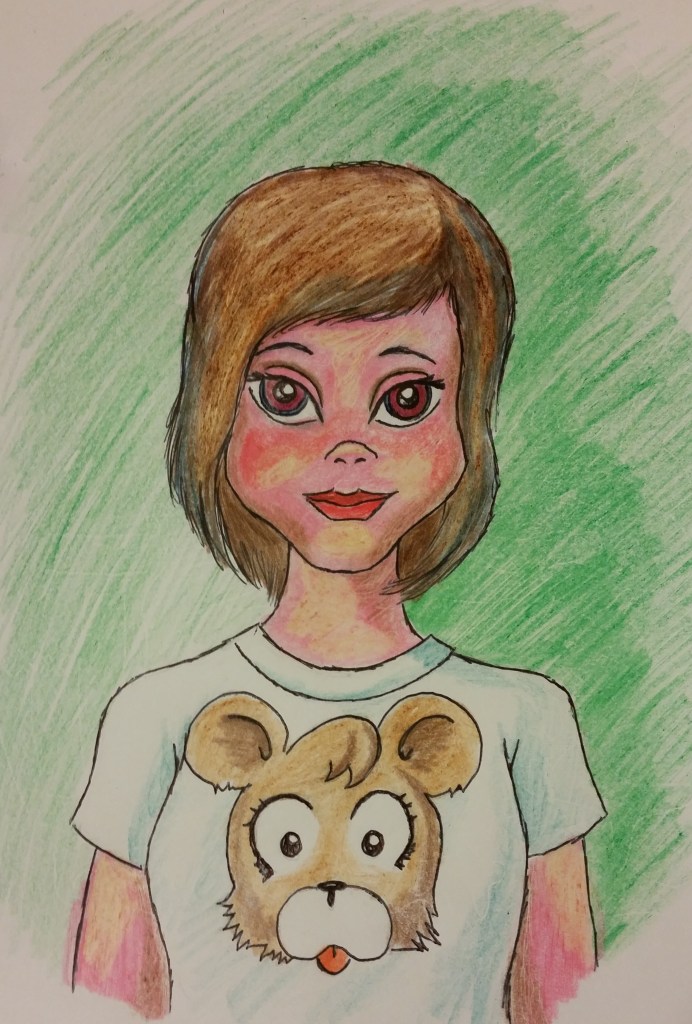
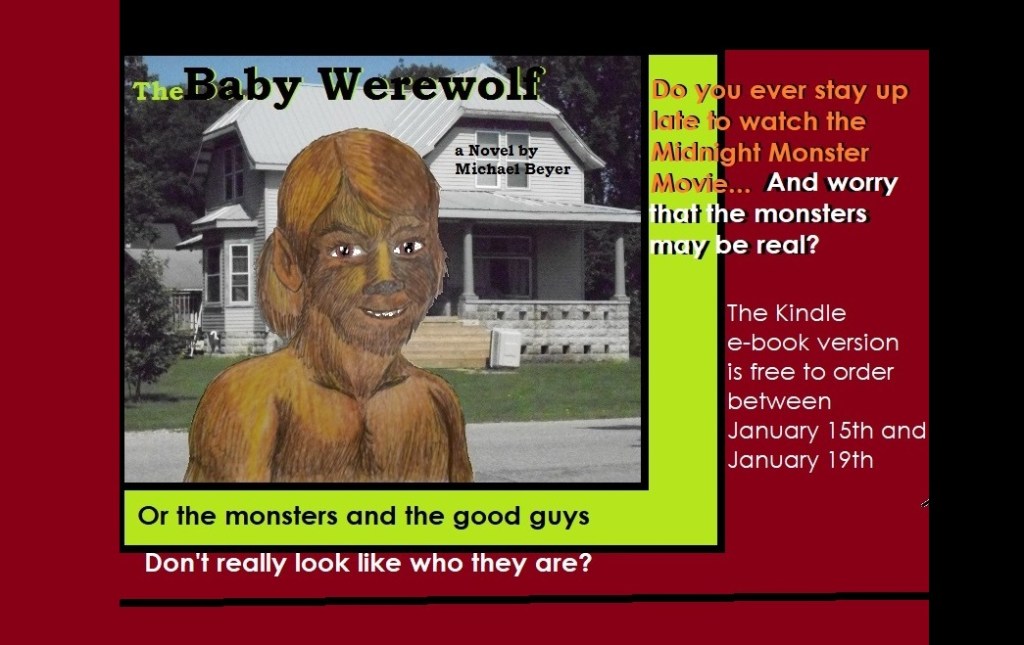
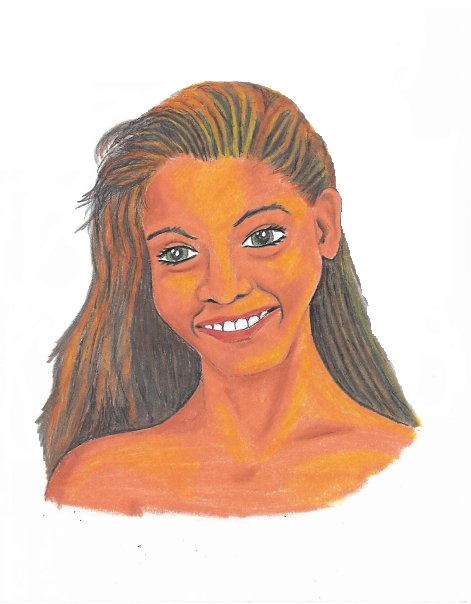
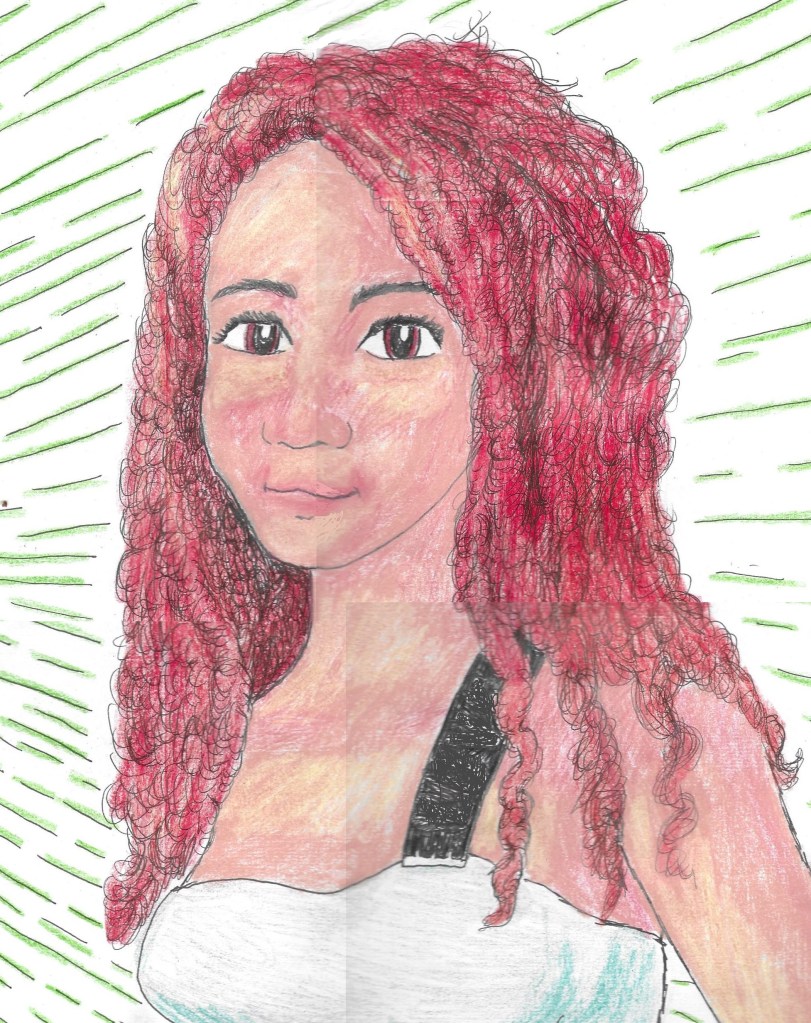
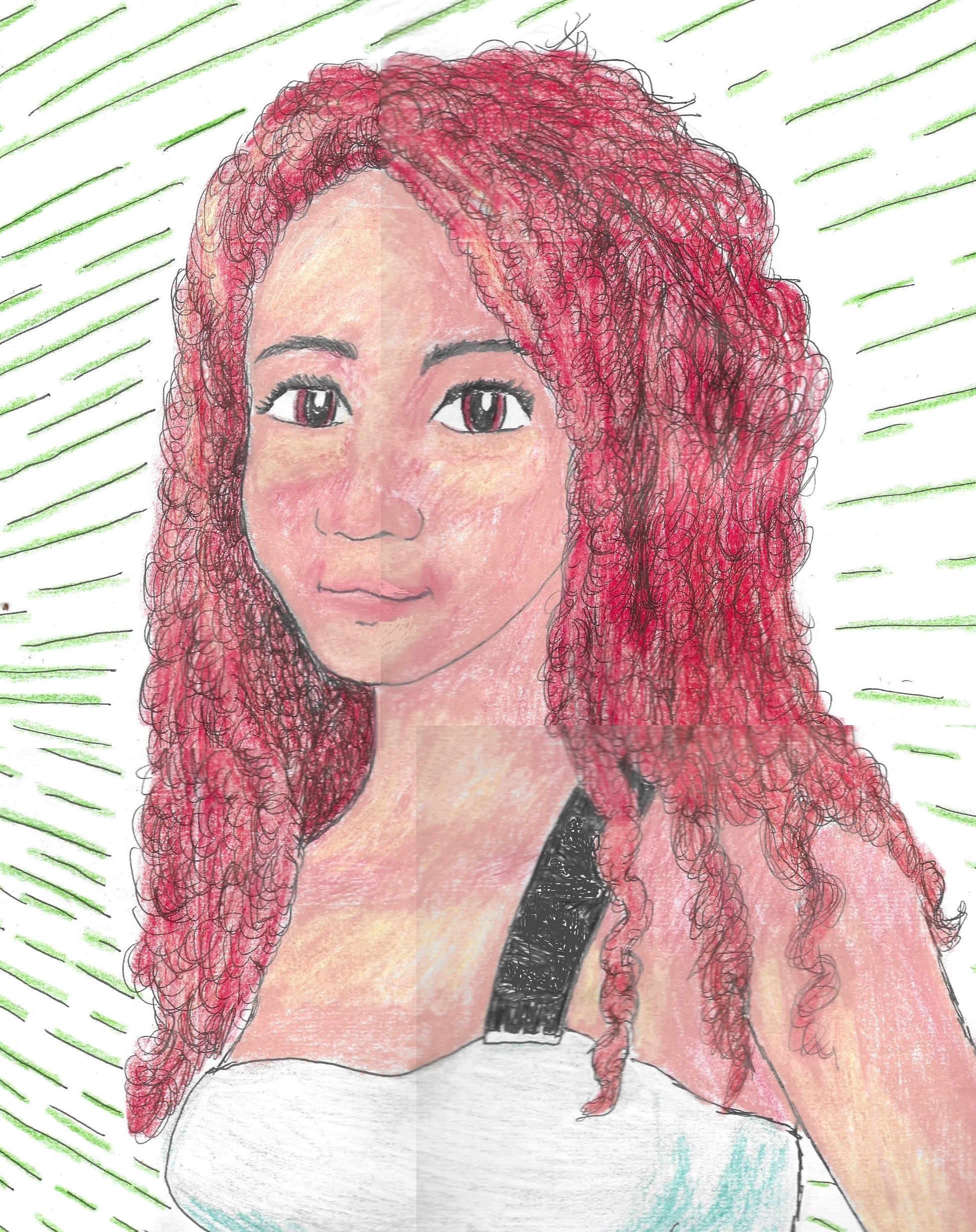
Rosemary Hood was a bright, blond seventh grader who entered my seventh-grade Gifted English class in September of 1998. She introduced herself to me before the first bell of her first day.
“I am definitely on your class list because my Mom says I belong in gifted classes.”
“Your name is Rosemary, right?”
“Definitely. Rosemary Bell Hood, related to the Civil War general John Bell Hood.”
“Um, I don’t see your name on my list.”
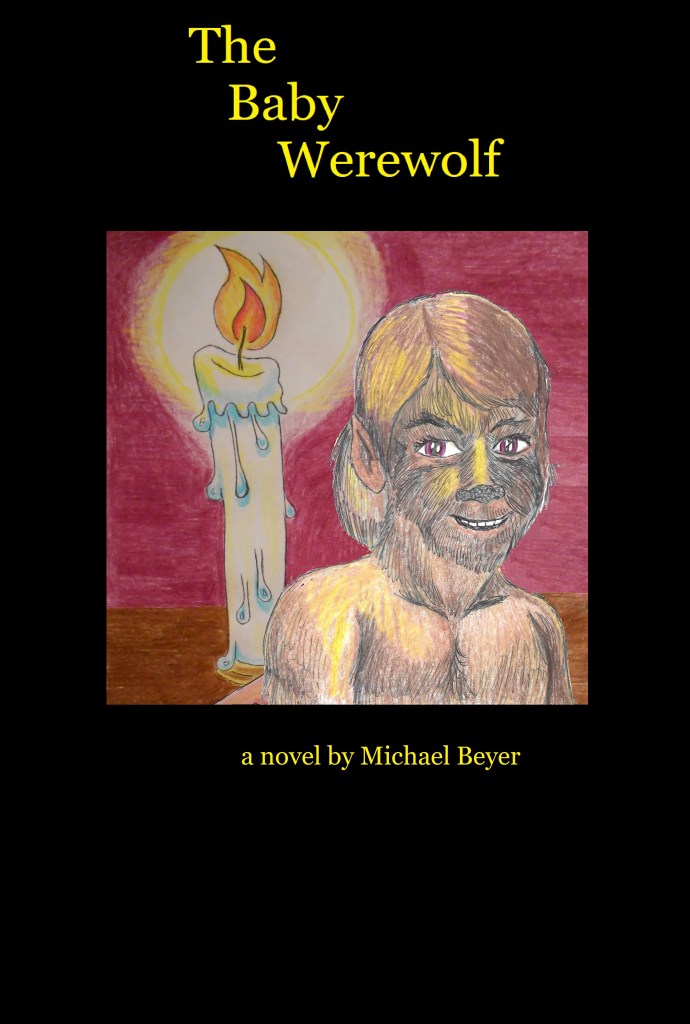
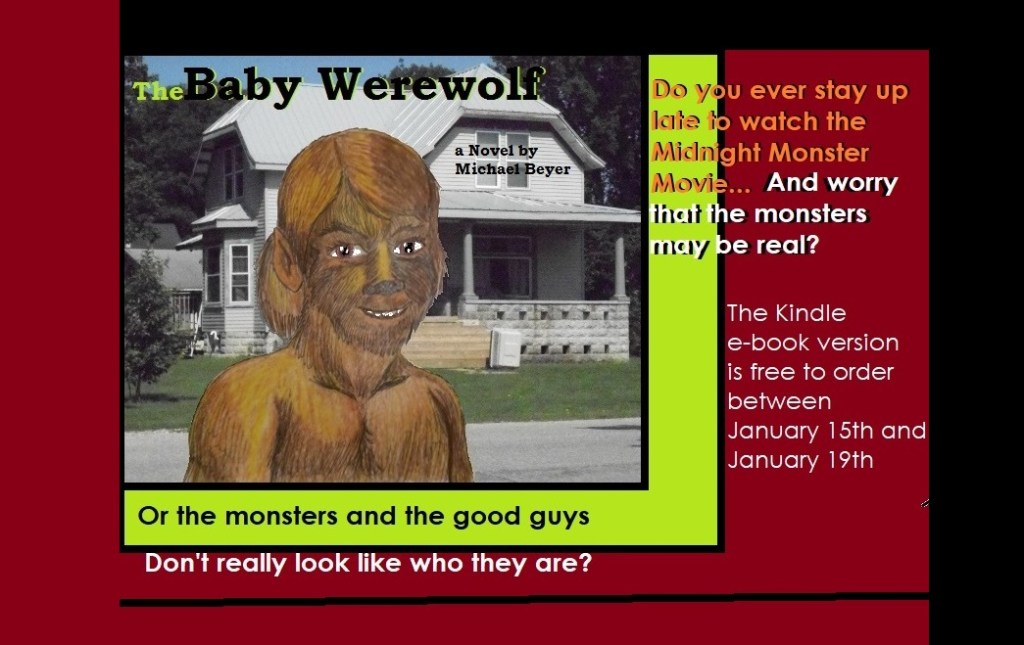
“Well, I’m supposed to be there, so check with the attendance secretary. And I will be making A’s all year because I’m a werewolf and I could eat you during the full moon if you make me mad at you.”
I laughed, thinking that she had a bizarre sense of humor. I let her enter my class and issued her copies of the books we were reading. Later I called the office to ask about her enrollment.
“Well, Mr. Beyer,” said the secretary nervously, “the principal is out right now with an animal bite that got infected. But I can assure you that we must change her schedule and put her in your gifted class. The principal would really like you to give her A’s too.”
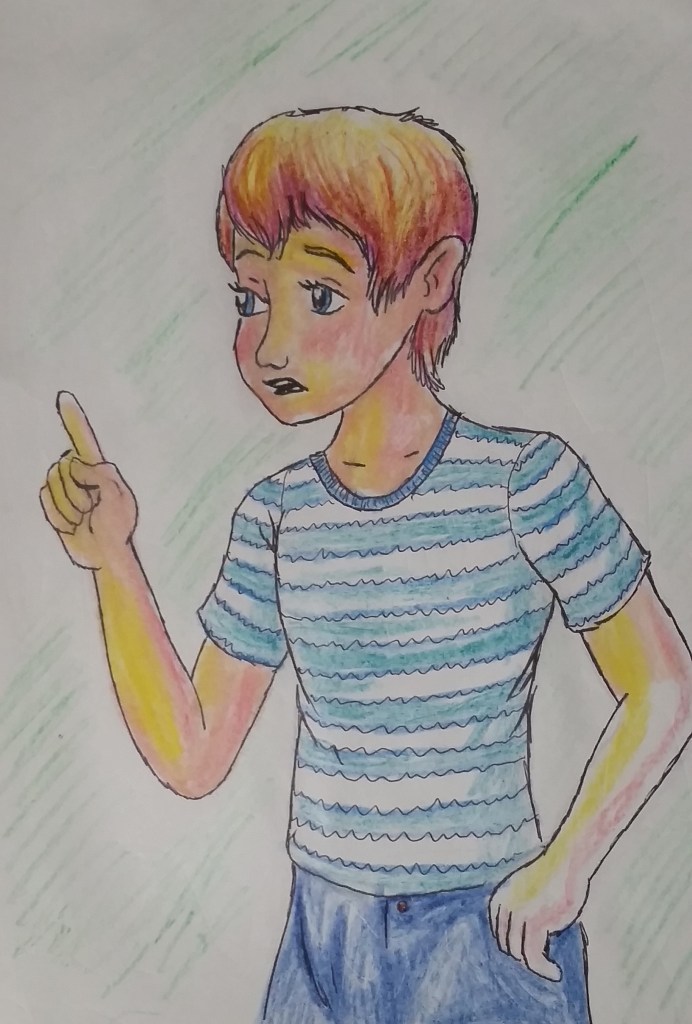
So, I had a good chuckle about that. I never gave students A’s. Grades had to be earned. And one of the first rules of being a good teacher is, “Ignore what the principal says you should do in every situation.”
But I did give her A’s because she was a very bright and creative student (also very blond, but that has nothing to do with being a good student). She had a good work ethic and a marvelous sense of humor.
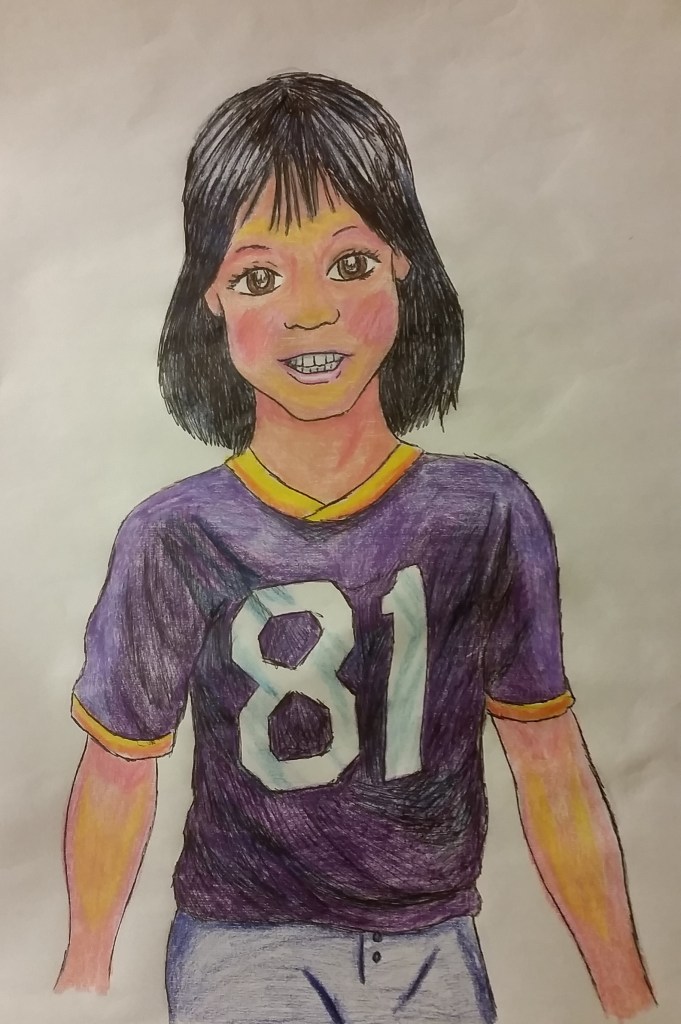
She developed a crush on Jose Tannenbaum who sat in the seat across from her in the next row. He was a football player, as well as an A student. And by October she was telling him daily, “You need to take to me to the Harvest Festival Dance because I am a werewolf, and if you don’t, I will eat you at the next full moon.”
All the members of the class got a good chuckle out of it. And it was assumed that he would. of course, take her to the dance because she was the prettiest blond girl in class and he obviously kinda liked her. But the week of the dance we did find out, to our surprise, that he asked Natasha Garcia to the dance instead.
I didn’t think anything more about it until, the day after the next full moon, Jose didn’t show up for class. I called the attendance secretary and asked about it.
“Jose is missing, Mr. Beyer,” the attendance secretary said. “The Sherrif’s office has search parties out looking for him.” That concerned me because he had a writing project due that day, and I thought he might’ve skipped school because he somehow failed to finish it. When I saw Rosemary in class, though, I asked her if, by any chance, she knew why Jose wasn’t in class.
“Of course I do,” she said simply. “I ate him last night.”
“Oh. Bones and all?”
“Bone marrow is the best-tasting part.”
So, that turned out to be one rough school year. Silver bullets are extremely expensive for a teacher’s salary. And I did lose a part of my left ear before the year ended. But it also taught me valuable lessons about being a teacher. Truthfully, you can’t be a good teacher if you can’t accept and teach anyone who comes through your door, no matter what kind of unique qualities they bring with them into your classroom.


 Catch a Falling Star
Directions to Be Worried About
The question came up on Twitter. “What things aren’t safe to write about in a Young Adult novel?”
I have personally never questioned myself about that before. The writer asking for input was writing something science-fiction-y about a telepath using telepathy to torture someone. He was apparently worried that a younger audience would be traumatized by that.
Really? Anyone who can ask that has never spent much time talking to young readers.
I base my answer on over thirty years of trying to get kids to read things of literary quality. My very first year of teaching a male student stood up when the literature books were passed out and announced, “I don’t do literature!”
“Really, Ernie? You are going to lay that challenge before me?”
We slogged through The Adventures of Tom Sawyer that year, using and reusing 20 paperback copies of the novel purchased with my own money. Ernie maybe didn’t like it. But he did literature.
And I went on a thirty-four year quest to find out what literature kids really would do and what literature kids really needed to do.
Here’s a tiny bit of wisdom from Mickey’s small brain and comparatively large experience; Kids are not traumatized by literature in any form. Kids are traumatized by life. They need literature to cope with trauma.
Kids want to read about things that they fear. A book like Ender’s Game by Orson Scott Card has some graphic violence in it and a war against faceless aliens, but it does an excellent job of teaching how to empathize as well as fight against bullies, and it helps them grapple with the notion that the enemy is never clearly the thing that you thought it was to begin with.
Kids want to read the truth about subjects like love and sex. They are not looking for pornography in YA novels. They get that elsewhere and know a lot more about it than I do. They want to think about what is right and how you deal with things like teen pregnancy, abortion, matters of consent vs. rape and molestation. Judy Blume started being objectively honest with kids about topics like puberty and sex back in the 60’s with books like Are You There, God? It’s Me, Margaret. and Iggie’s House.
If you are writing for young adults, middle grade and high school kids, even kids 5th Grade and below who are high-level readers, it is more important to worry about writing well and writing honestly than it is to worry about whether they can handle the topics and trauma that you wish to present. Write from the heart and write well.
I can honestly say I know these things I have said are true about young readers from having read to them, read with them, and even taught them to read. As an author, my opinion is worth diddly-squoot since I have hardly sold any books, and no kids I know have read them (except for two of my nieces, both of whom are pretty weird and nerdy just like me.)
2 Comments
Filed under autobiography, commentary, education, empathy, good books, horror writing, humor, Paffooney, strange and wonderful ideas about life, writing, writing humor, writing teacher