
I am spending Thanksgiving week at home in Texas by myself, except for the dog. The rest of my family is having a Thanksgiving meal together in Iowa (hopefully, if the weather doesn’t have other plans) or on a road trip to Central Florida, a trip I was supposed to also attend. I simply cannot travel to either place. My arthritis is too bad to sit for long car rides, and in the Trump economy, school teachers can’t afford air travel. So, I had to practice being selfless once again. They needed to do these things, and I had to talk them into doing these things without me. My misfortunes can’t be allowed to ruin my family’s grace and peace, not when I can still give gifts of myself by allowing them to go and do without worrying about me.
I can’t actually say that I learned to be selfless and encouraging from Fred Rogers. He was really only one of many such teachers, a list headed by my maternal grandfather. But in a way, he is responsible for giving me the tools I use to make things like that happen.
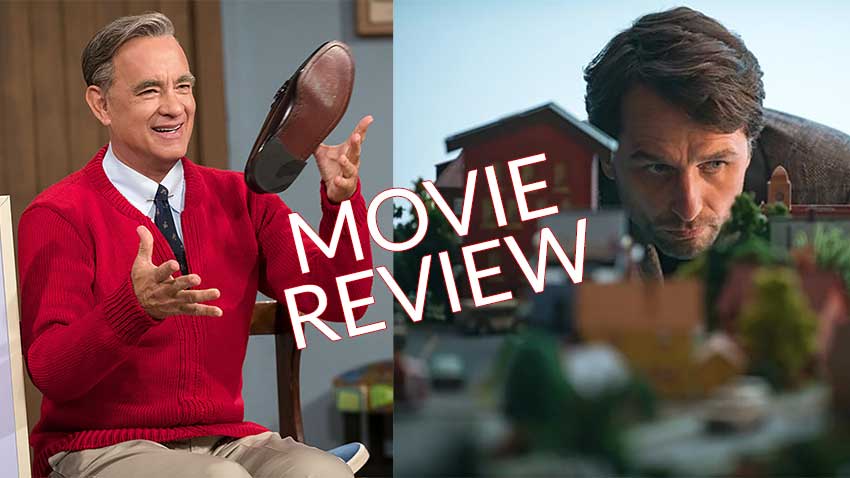
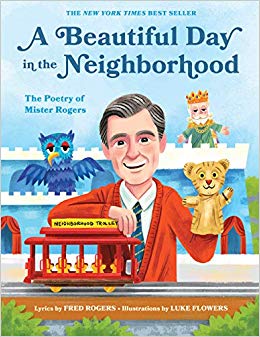
Yesterday I went to the movie “A Beautiful Day in the Neighborhood” at the Music City Mall in Lewisville. I can drive those few miles. And I freely admit to crying through a good portion of the movie. It is not really a sad movie. It is not actually a biopic. It is based on a real article in Esquire magazine by journalist Tom Junod. It is a partially fictionalized story about how the innate goodness of a man like Fred Rogers has a profound impact on the journalist, and all of the rest of us as well, through that act of caring and loving and gentle being-just-the-way-you-are. There is no doubt about it, when Tom Hanks, channeling Fred Rogers in the restaurant scene, asks for one minute of silence to think of all those people who have had a hand in making you who you are, he looks directly into the audience, he looks directly at me individually, and the entire theater is dead silent as everyone is doing exactly what the movie character is asking you to do. It was a singular moment in cinema that I have never experienced before. It touched my soul.
I left that movie theater feeling amazingly fulfilled. Was it because it was an excellent movie? It definitely was excellent. Was it because of the wonderful way Tom Hanks brought Fred Rogers back to life even though he looks nothing like him? He definitely made that happen. Or was it because the movie invoked a true angel, a once-living hand of God now gone from this world? Because Fred Rogers was that for so many kids for more than 800 episodes.
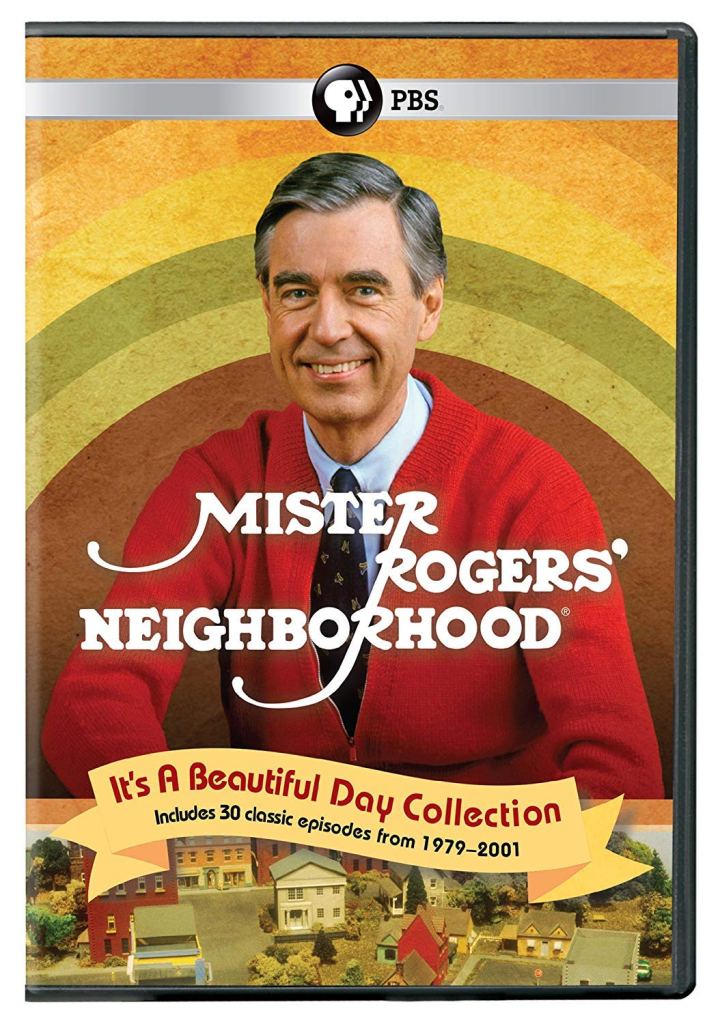
I must confess, when I was a teenager, I didn’t think much of “Mister Rogers’ Neighborhood“, though I saw some of those first black-and-white episodes, back when King Friday and Daniel Striped-Tiger were new. If I had to watch kids’ shows on PBS, which I often did because of younger siblings and cousins, I much preferred the color and the Muppets in “Sesame Street”.
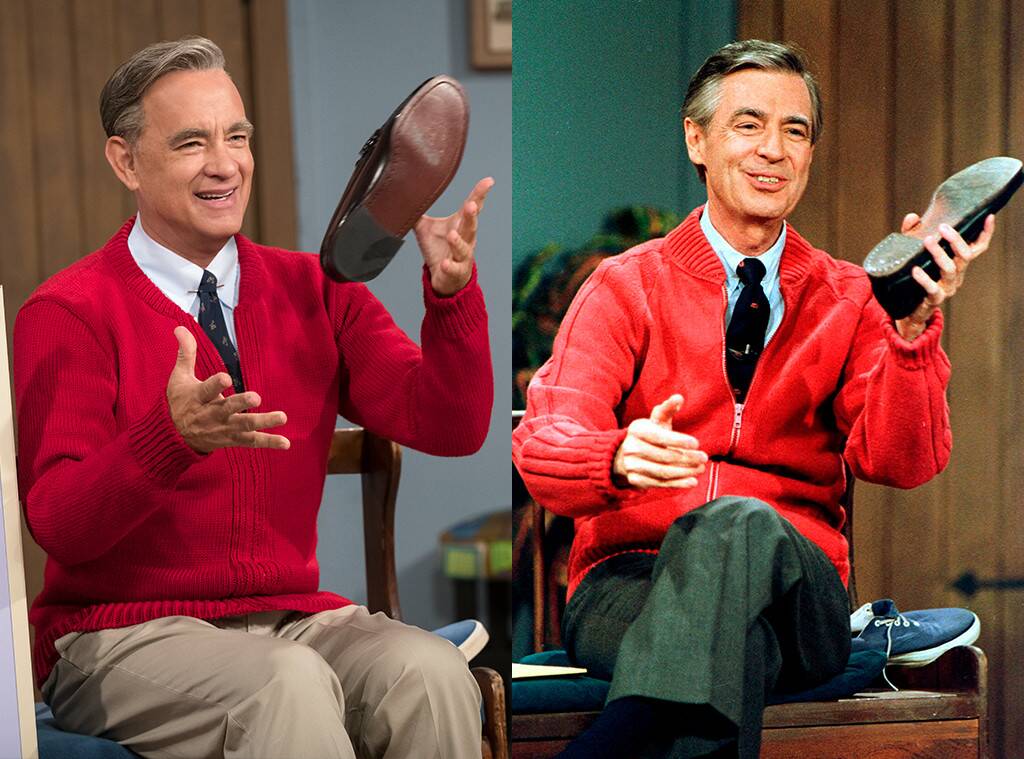
But when I had been a teacher for a few years, and had to search hard for ways to communicate and teach for use with South Texas middle-schoolers, I began to see the true genius of Fred Rogers. He never talked down to kids. He never lost patience, even when things went wrong. He was always trying to keep it simple, even when the point he was making was as metaphorical as talking about keeping a “garden in your mind”. He was understandable. He was welcoming and relentlessly nice. And it wasn’t a TV character. It was really him.
I can’t really say this was a movie that changed my life. But maybe it did. I cried silently during a large portion of it, not because of the sad parts in the movie, but because I recognized so much of myself in the journalist waking up to the need to be as real and honest and able to connect to other people as Fred Rogers always did.
So, my conclusion to this essay that may be a movie review, or possibly an homage to Fred Rogers, is really quite simple. Thank you, Mr. Rogers. I really like you, just the way you are.











Directions to Be Worried About
The question came up on Twitter. “What things aren’t safe to write about in a Young Adult novel?”
I have personally never questioned myself about that before. The writer asking for input was writing something science-fiction-y about a telepath using telepathy to torture someone. He was apparently worried that a younger audience would be traumatized by that.
Really? Anyone who can ask that has never spent much time talking to young readers.
I base my answer on over thirty years of trying to get kids to read things of literary quality. My very first year of teaching a male student stood up when the literature books were passed out and announced, “I don’t do literature!”
“Really, Ernie? You are going to lay that challenge before me?”
We slogged through The Adventures of Tom Sawyer that year, using and reusing 20 paperback copies of the novel purchased with my own money. Ernie maybe didn’t like it. But he did literature.
And I went on a thirty-four year quest to find out what literature kids really would do and what literature kids really needed to do.
Here’s a tiny bit of wisdom from Mickey’s small brain and comparatively large experience; Kids are not traumatized by literature in any form. Kids are traumatized by life. They need literature to cope with trauma.
Kids want to read about things that they fear. A book like Ender’s Game by Orson Scott Card has some graphic violence in it and a war against faceless aliens, but it does an excellent job of teaching how to empathize as well as fight against bullies, and it helps them grapple with the notion that the enemy is never clearly the thing that you thought it was to begin with.
Kids want to read the truth about subjects like love and sex. They are not looking for pornography in YA novels. They get that elsewhere and know a lot more about it than I do. They want to think about what is right and how you deal with things like teen pregnancy, abortion, matters of consent vs. rape and molestation. Judy Blume started being objectively honest with kids about topics like puberty and sex back in the 60’s with books like Are You There, God? It’s Me, Margaret. and Iggie’s House.
If you are writing for young adults, middle grade and high school kids, even kids 5th Grade and below who are high-level readers, it is more important to worry about writing well and writing honestly than it is to worry about whether they can handle the topics and trauma that you wish to present. Write from the heart and write well.
I can honestly say I know these things I have said are true about young readers from having read to them, read with them, and even taught them to read. As an author, my opinion is worth diddly-squoot since I have hardly sold any books, and no kids I know have read them (except for two of my nieces, both of whom are pretty weird and nerdy just like me.)
2 Comments
Filed under autobiography, commentary, education, empathy, good books, horror writing, humor, Paffooney, strange and wonderful ideas about life, writing, writing humor, writing teacher