Monthly Archives: October 2021

Friedrich Nietzsche is a Crazy, Stupid, Idiot

Yes, Friedrich Nietzsche, the philosopher of “der Ubermensch,” the Superman, and the famous quote, “God is dead,” is not very smart. Of course, that’s probably because he’s been dead since 1900. It is a little difficult to think once you are no longer alive and your brain has turned to stinky muck in your coffin under the ground. And you cannot hope to defend your recorded intelligence in the written works you have left behind if you are totally dead and unaware of how people may be misinterpreting your ideas.

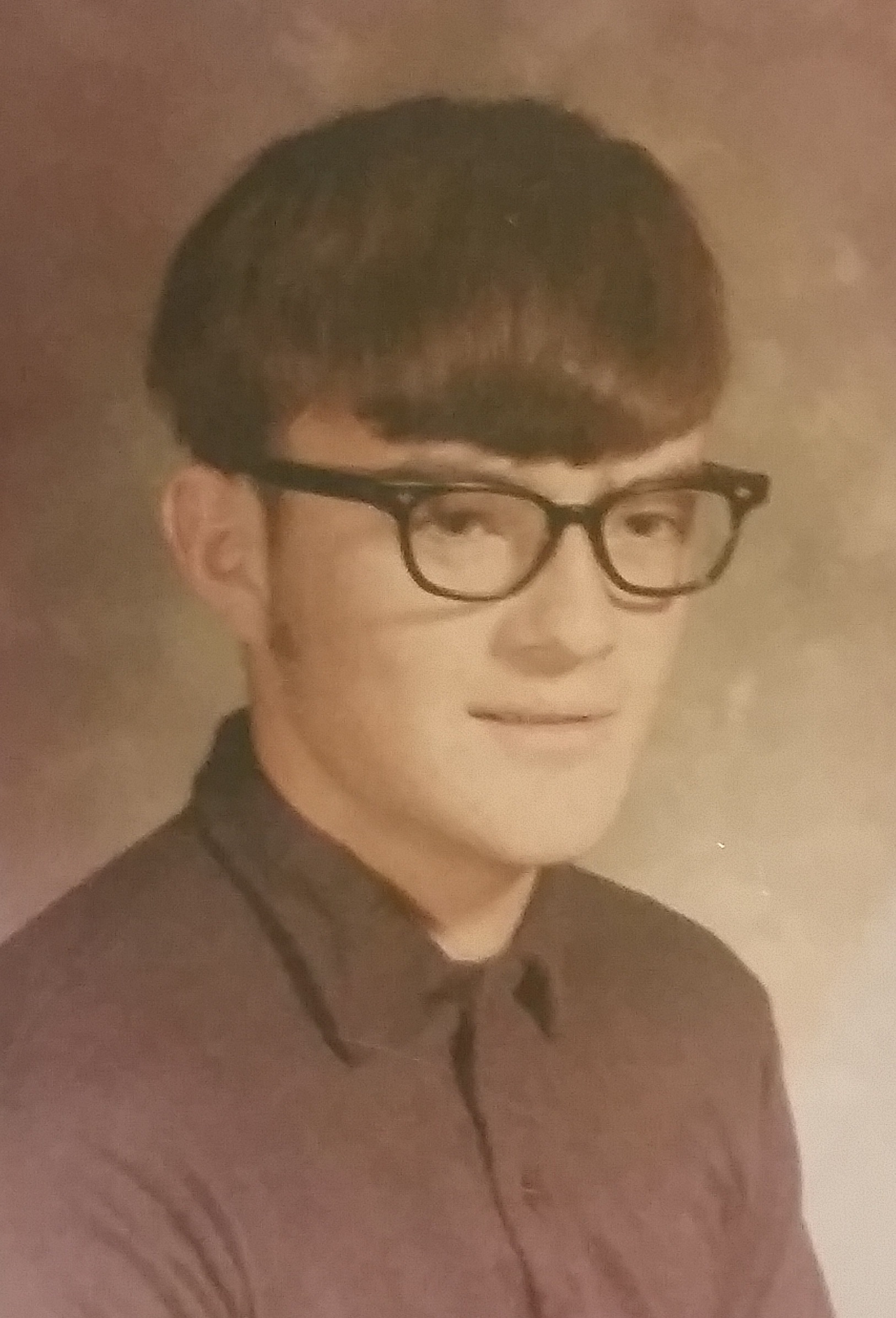
This is old crazy Fred with his pet hairy caterpillar which he always kept right under his nose his whole adult life.

Crazy Fred was born in 1844. He was multi-talented, being a philosopher, poet, musical composer, and a writer of fiction. He was something of a genius for a while. At the age of 24 he became the youngest person ever to hold the prestigious Chair of Classical Philology at the University of Basel, His radical philosophy created a critique of truth that leaned in favor of perspectivism. And as he continued down paths of making ironic aphorisms and exercising his wits to wander into thinking that life is meaningless and the roots of nihilism, he more or less stumbled into the view of his philosophy that there was no hope for the future but the improvement of the self.
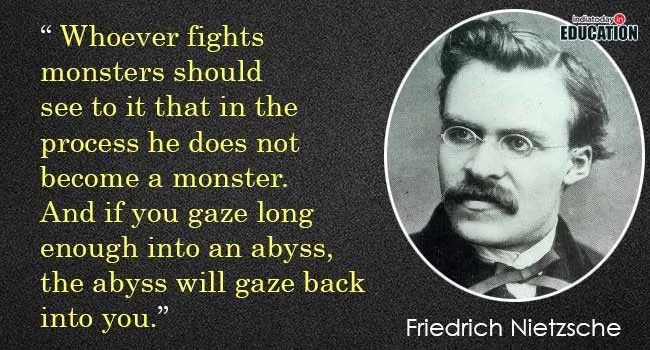
I think it could be argued that Crazy Fred did indeed become a monster with the abyss staring back at him. At the age of 44 he had a complete mental breakdown. After that, for the remaining 11 years of his life, he had to be cared for by his mother… until she died in 1897, and then by his sister Elizabeth until he died in 1900. If street stories are to be believed, he escaped from his home, found a horse being beaten by its owner, stepped in to save the horse from the beating, then turned to the horse, hugged its neck, and died.
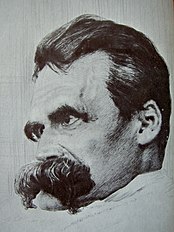
This drawing by Hans Olde shows Crazy Fred during his insane years. It was used as a textbook illustration for dementia.

His writings were inherited by his sister Elizabeth. And she was an ultra-nationalist. Under her management, his writings were edited to fit her agenda for a new Germany, and so his ideas were credited with founding the Nazi movement and the quest for Aryan superiority… eugenics and genocide were to follow.

Ironically, Crazy Fred was radically opposed to anti-Semitism and most of the ideas that Hitler and the Nazis would give him credit for.

Don’t get me wrong. There are a lot of good things in Crazy Fred’s philosophical teachings that make him worth reading and studying. He identified two distinct forms of thought that operate in culture. He called them Apollonian and Dionysian styles of thinking. Apollonian is associated with the sun god Apollo, rationalism, logic, order, and clarity. Dionysian is associated with the god of wine and sensuality, Dionysius, emotionality, chaos, intuition, and obscurity. These cultural definitions are very useful for understanding human behavior.

But Crazy Fred is controversial to this day. I am not the only one that thinks he’s a coocoo bird and wrong about a lot of things. And, yet, his work led to very good things as well as the questionable. Much of the philosophy of the 1960’s owes its progress to him, from the Apollonian Bertrand Russel to the Dionysian Albert Camus.

Nietzsche said, “What doesn’t kill us, makes us stronger.”
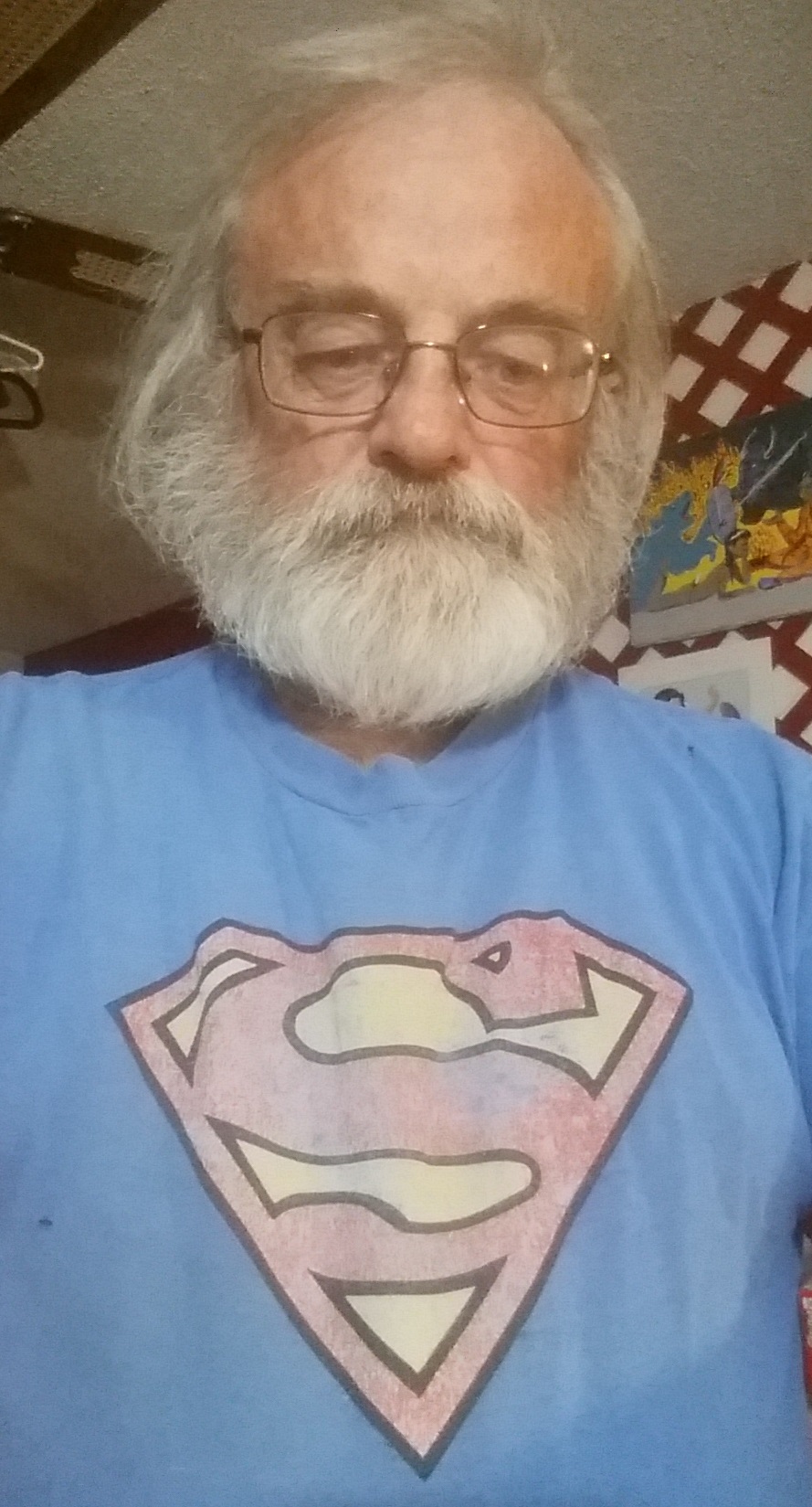
Clearly, I believe I myself am proof that Crazy Fred was wrong about that one. After six incurable diseases, surviving skin cancer, and making it most of the way through the Covid Pandemic alive, an awful lot of things didn’t kill me so far. By rights, if what Fred said is true, then I should be stronger than Superman. X-ray vision and the power of flight too. You can tell by the picture that if I am like Superman, then I have seen entirely too much Kryptonite up close.

7 Comments

Filed under humor, philosophy

How It Should Be… According to Mickey

A 1951 Schwinn Spitfire like mine in 1963 when the world was golden.

My bicycle was red. It was red and looked just like the ones that Captain Kangaroo had in his commercials that we watched on a black-and-white TV every day before we walked or rode our bicycle to school, across town a whole long seven blocks away. After school I could ride it out a whole mile and a half to Jack’s farm with Bobby and Richard and Mark the preacher’s kid to go skinny dipping in the cold creek in Jack’s South pasture. Jack was younger than any of us except Bobby. And it was a golden age.

Spiderman comic books and Avengers comic books cost twelve cents to own, but they were forbidden. And as much as we sneaked them and passed them around until they fell apart, usually in Bobby’s hands, we never knew that Dr. Wertham had gone to Congress to make our parents believe that comic books would make us gay and violent. He was a psychiatrist who wrote a book, so even if you didn’t believe him, you had to worry about such things.

I believed in Santa Claus until 1967. And after I found out, I only despaired a tiny little bit, because I began to understand you have to grow up. And adults can lie to you, even if they don’t do it to be mean. And the world is a hard place. And the golden age ended in November of 1963 when JFK was assassinated.

In June of 1968 I rode my bicycle out to the Bingham Park woods, Once there, I took off all my clothes and put them in the bicycle basket, and then I rode up and down the walking paths through the trees with nothing between me and God but my skin. I had a serious think about how life should be. All the while I was terrified that someone might see me. I was naked and vulnerable. A mere two years before that I had been sexually assaulted and was terrified of older boys, especially when I was naked and vulnerable. But I was a fan of the St. Louis Cardinals and Bob Gibson. They were repeated World Series winners. And they beat the Yankees in the series in 1964. And more important than that, cardinals were the little red songbirds who never flew away when the winter came. You don’t give up in the face of hardship. You face the trouble. No matter how deep the snow may pile up.

And in 1969, the first man to walk on the moon showed that a Star Trek world was in reach of mankind. Star Trek was on every afternoon after school. I watched a lot of those episodes at Verner’s house on his family’s black-and-white TV. The Klingons were always bested or beaten because the crew of the Enterprise outsmarted them. You can solve the problems of the universe with science. I know this because of all the times Mr. Spock proved it to me not just by telling me so, but by showing me how you do it. And what you can achieve is greatly enhanced if you work together like Spock and Kirk and Bones… and sometimes Scotty always did.

So, what is the way it should be? What did Mickey decide while naked in the forest like a Dakota Sioux shaman on a spirit-quest?

JFK’s 104th birthday was on May 29th. Dr. Wertham has been dead for 40 years. Bob Gibson was 85 when he passed away in October of last year. Captain Kirk turned 90 in March of this year.

The Golden age is long gone. There is no single set of rules that can clearly establish how it should be now. But I like those ideas of how it should be that I established for myself while naked on a Schwinn Spitfire in a forest long ago.

Leave a comment

Filed under autobiography, cardinals, comic book heroes, commentary, humor, inspiration, oldies, Paffooney, philosophy

Seeing Through an Artist’s Eyes

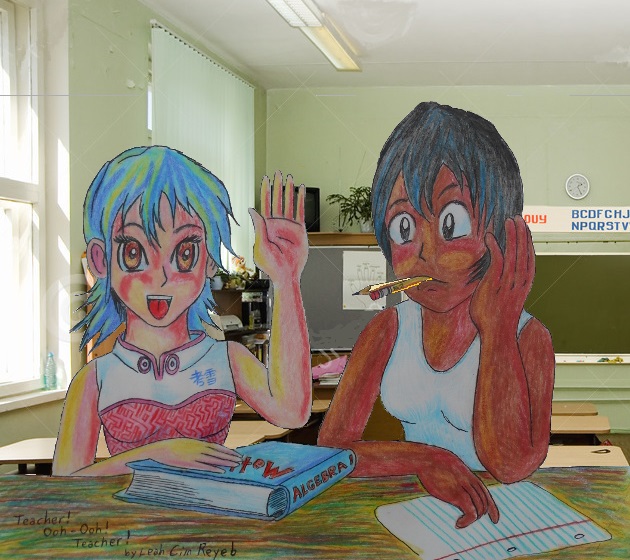
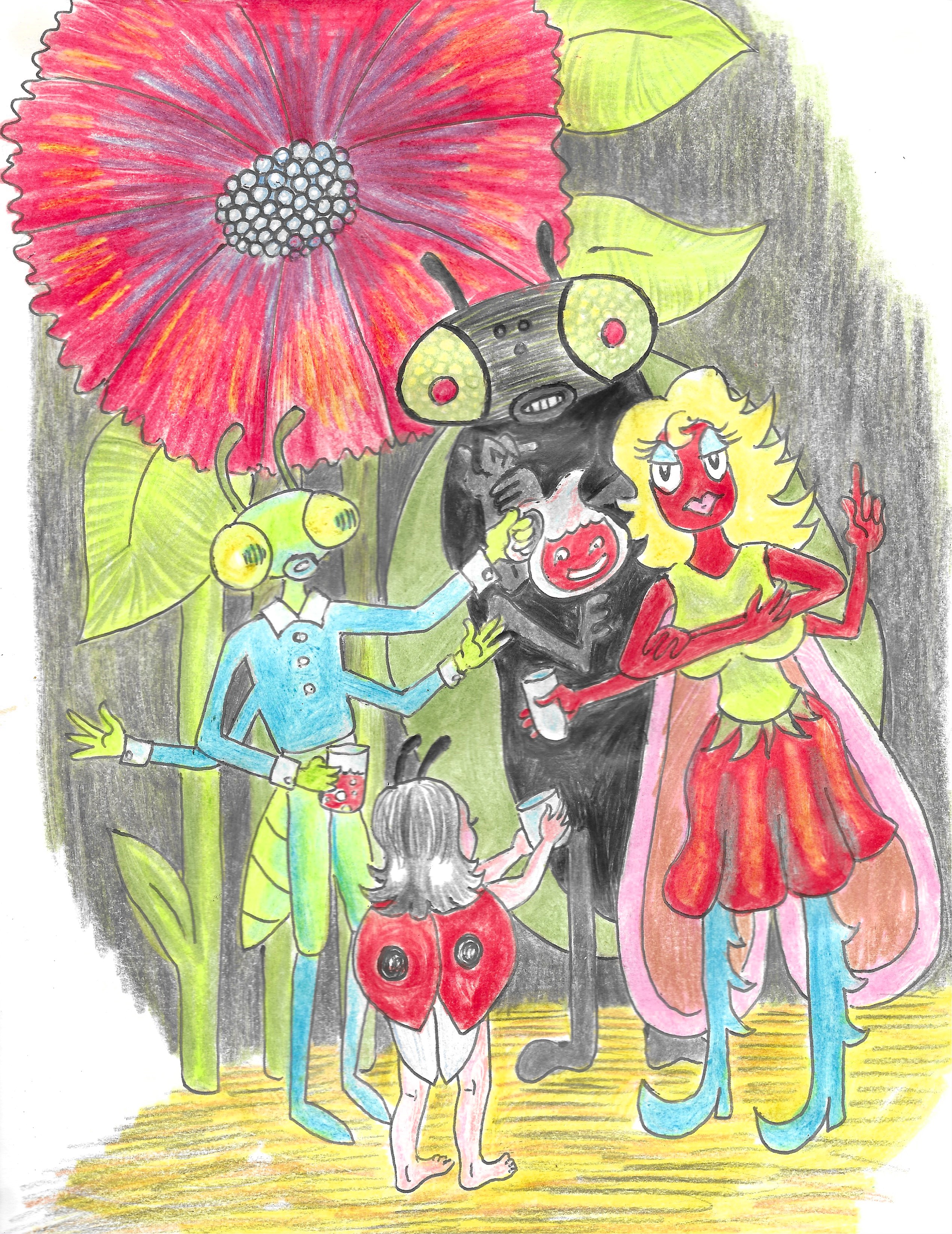
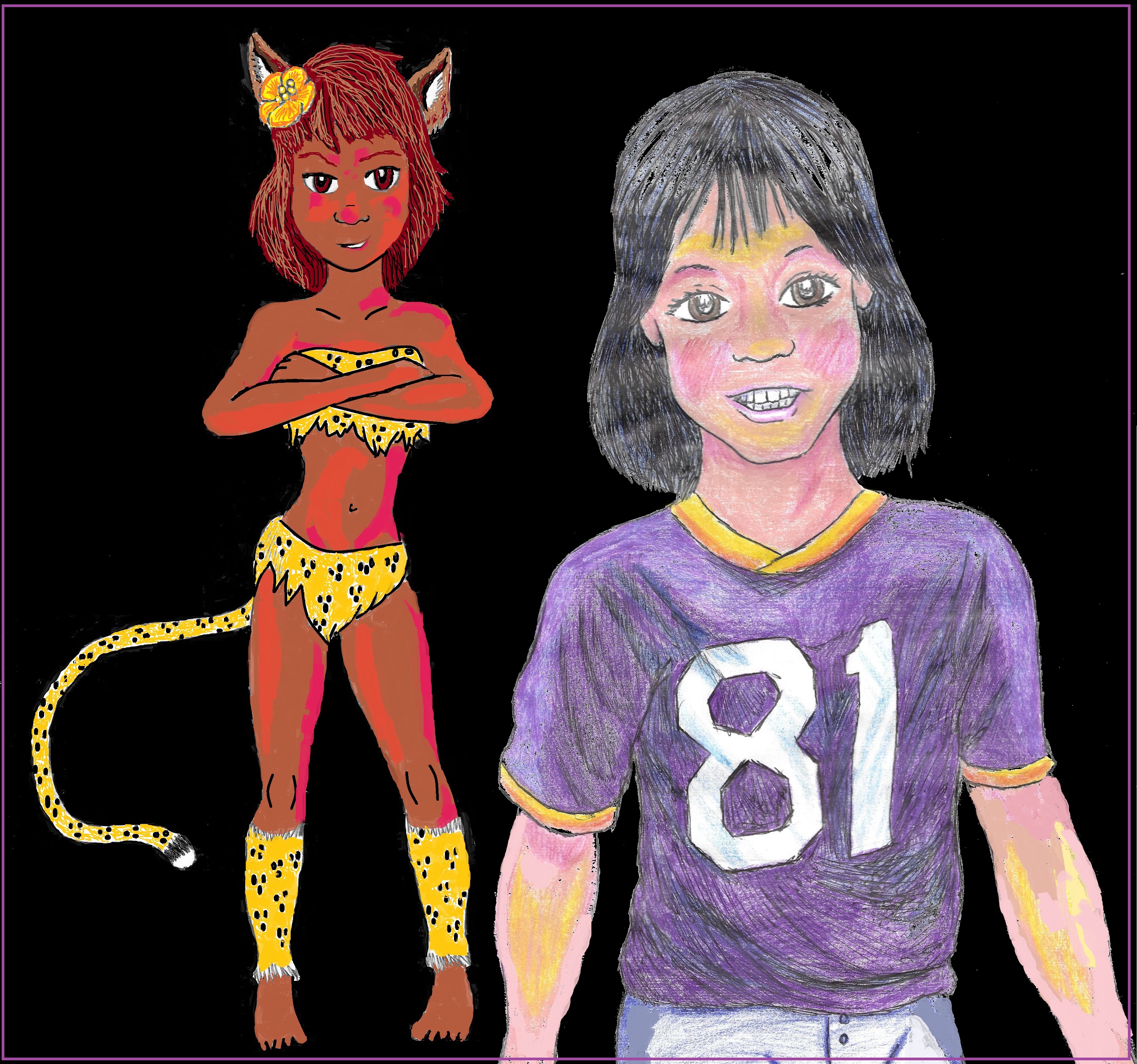
It is not an easy thing to explain. Artists don’t see things using only their eyes. The brain intrudes in the process. For instance, you are welcome to interpret the picture above any way you like. But the way I see it will be nothing like what you thought this picture is about. You probably see two very different girls here. There is actually only one. I know because, as the artist who drew both parts of this picture, I actually know where the ideas came from. There is only one girl in the picture. Dilsey Murphy, in front and wearing her Carl Eller Minnesota Vikings’ jersey, is based about 33% on the older of my two sisters. On the outside she is pragmatic, no-nonsense, and focused on living a family life that is as normal as possible. But the inner Dilsey is the African leopard-princess. She dreams of going on Tarzan adventures in the movie-jungles of the mind with a handsome male hero. She is fierce, loyal, and completely independent, not even needing the hero she adventures with. In fact, she often saves him.

This picture is about the idyllic parts of my childhood. The mother figure is doing a ritual dance. She is in tune with the music of daily life. She is closely attuned also to her responsibilities of stewardship in her society. Both children are nude. I cropped this picture so that it is not rude and showing Smiling Boy’s penis. But both children are bathed in nature and sunshine, not just because I am pro-nudism personally, but because clothing covers up innocence and joy.

This one is easier to interpret. I was an ESL teacher. I had students who spoke Spanish as their first language and students who learned to speak Mandarin Chinese as their first language. It makes for a classroom that becomes a cultural mixing bowl. You have to learn how to deal with people who are very different than you,, but are benefitting from learning English together.

Every picture the artist draws or paints has its own weirdness embedded inside it. The way the artist sees it is probably never the same as how the viewer thinks about it. And that is as it should be. But as a viewer of art, it is hoped that you will at least try to think about what the artist means to say..

Leave a comment

Filed under artwork, colored pencil, coloring, commentary, Paffooney

The World is a B-Movie

Yes, I am saying the world I live in is a low-budget commercial movie made without literary or artistic pretensions. You know, the kind where movie makers learn their craft, taking big risks with smaller consequences, and making the world of their picture reflect their heart rather than the producer’s lust for money.

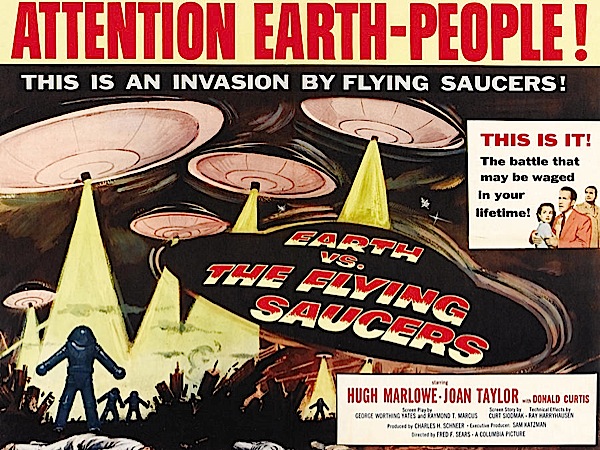
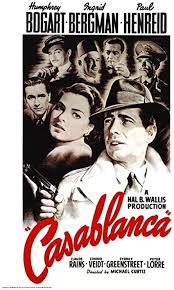
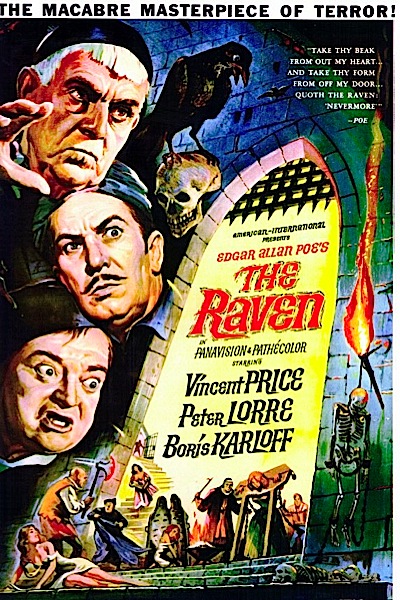
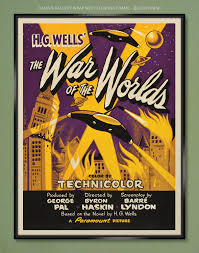
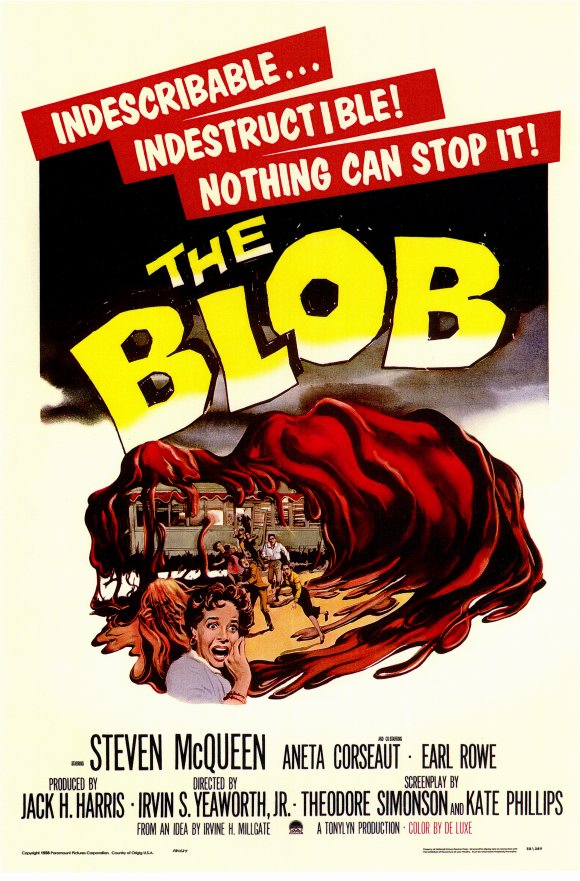
Mostly what I am talking about are the movies I remember from late-night Saturday TV in black and white (regardless of whether or not the movie was made in Technicolor) and the less-risky as well as more-likely-good Saturday matinees on Channel 3. Movies made in the 1950s, 1960s, and early 1970s. They were perfect, of course, for the forbidden Midnight Movie on the show called Gravesend Manor. I had to sneak downstairs to watch it on Saturday nights with the volume turned way down low. (Not that Mom and Dad didn’t know. Well, maybe they didn’t know how many of those I watched completely naked… maybe.)

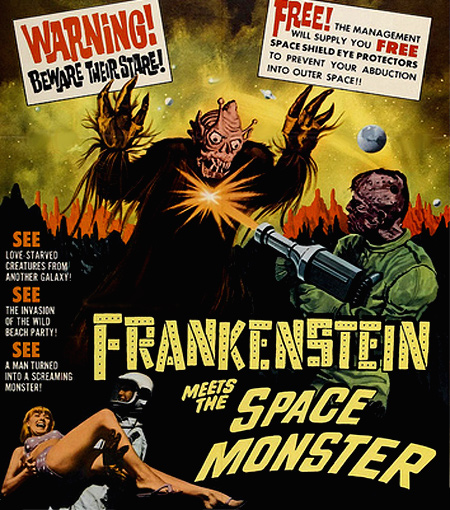
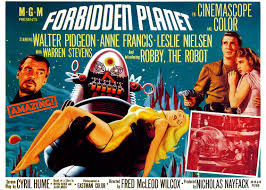
I watched this one when I was twelve, late night on an October Saturday. I had a bed-sheet with me to pull over my head at the scariest parts. Frankenstein was a crashed astronaut brought back to life by the magic of space radiation. He was uglier than sin, but still the hero of the movie, saving the Earth from invading guys in gorilla suits and scary masks (none of which looked like the movie poster.)

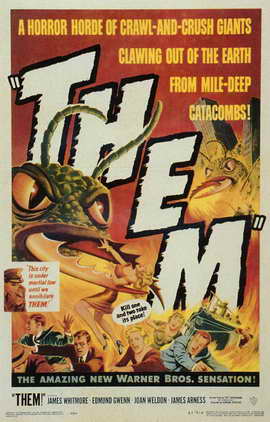
This one, starring James Whitmore, a really good B-Movie actor, was about giant ants coming up from the sewers and the underground to eat the city.

I would end up watching it again twenty years later when I was wearing clothes and not alone in the dark house lit only by a black-and-white TV screen.

I realized on the second viewing that it was actually a pretty good movie in spite of cheesy special effects. And I realized too that I had learned from James Whitmore’s hero character that, in times of crisis, you have to run towards the trouble rather than away from it, a thing that I used several times in my teaching career with fights and tornadoes and even rattlesnakes visiting the school campus looking to eat a seventh-grader or something (though it was a bad idea for the snake even if it had been successful.)

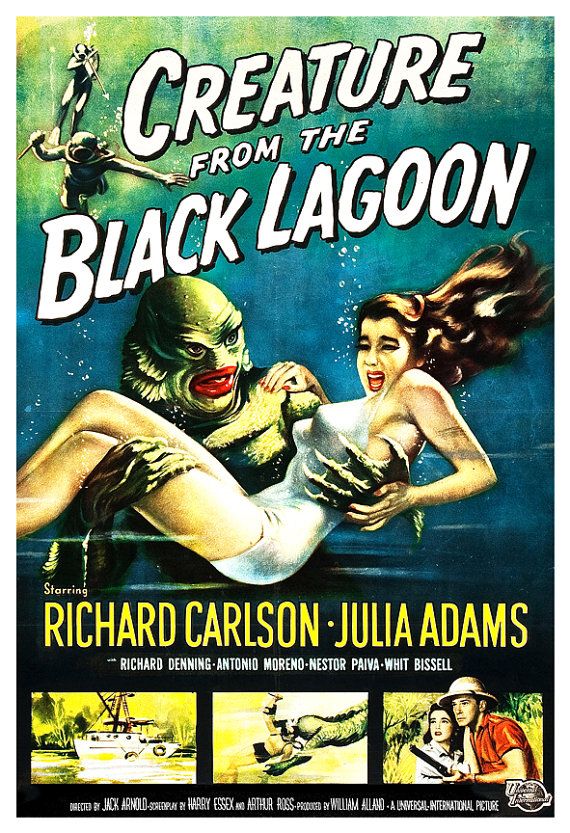
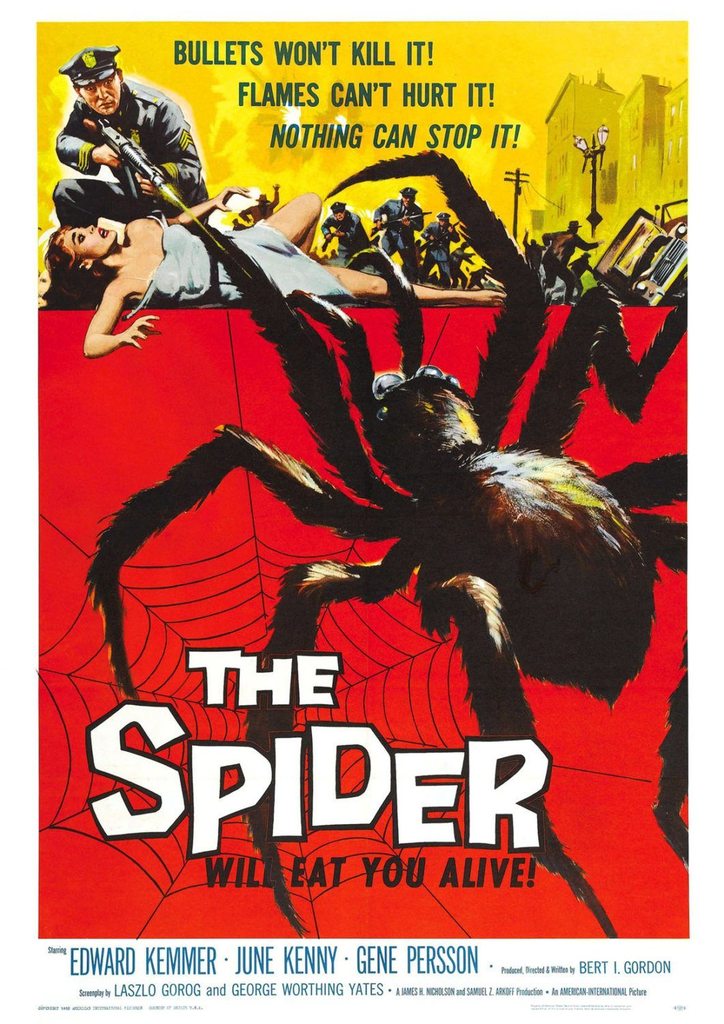
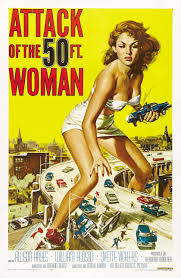
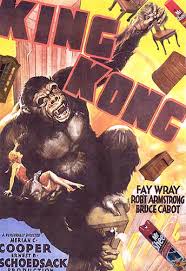
This one, of course, taught me that monsters liked to carry off pretty girls in bikinis. And not just on the poster, either. But it was the hero that got the girl, not the monster. This movie taught me that it sucks to be the monster. Though it also taught me that it was a good movie to take your pajamas off for and watch naked when you are thirteen.

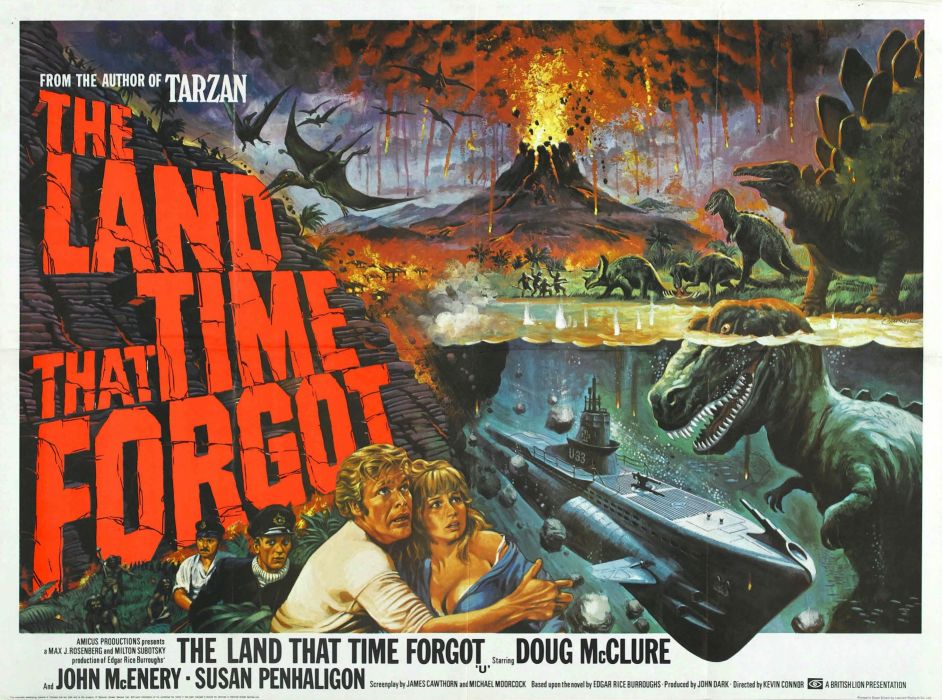
But not all B-movies had to be watched late night on Saturdays. This movie was one of the first ones that I got to go to the movie theater to see by myself. (My sisters and little brother were still too young and got nightmares too easily to see such a movie.) It came out when I was in my teens and Mom and Dad began thinking of me as an adult once… or even possibly twice in a month.

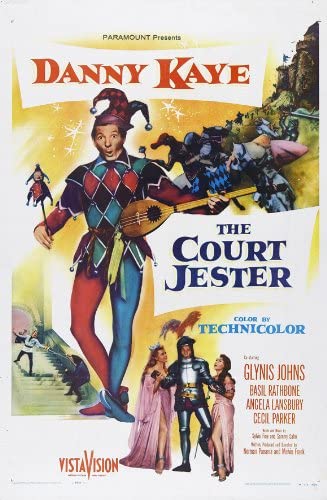
And not all B-movies were monster movies, gangster movies, and westerns. Some, like a lot of Danny Kaye’s movies, were movies my Dad and my grandparents were more than happy to watch with me. I saw this one in both black-and-white and color. And I learned from this that it was okay to take advantage of happy accidents, like a case of mistaken identity, and using your wits, your creative singing ability, and your inexplicable good luck to win the day for everybody but the bad guys armed only with your good sense of humor.

And some of the best movies I have ever seen, judging by what I learned about movies as literature from Professor Loring Silet in his Modern Film Class at Iowa State University, are by their nature B-movies.

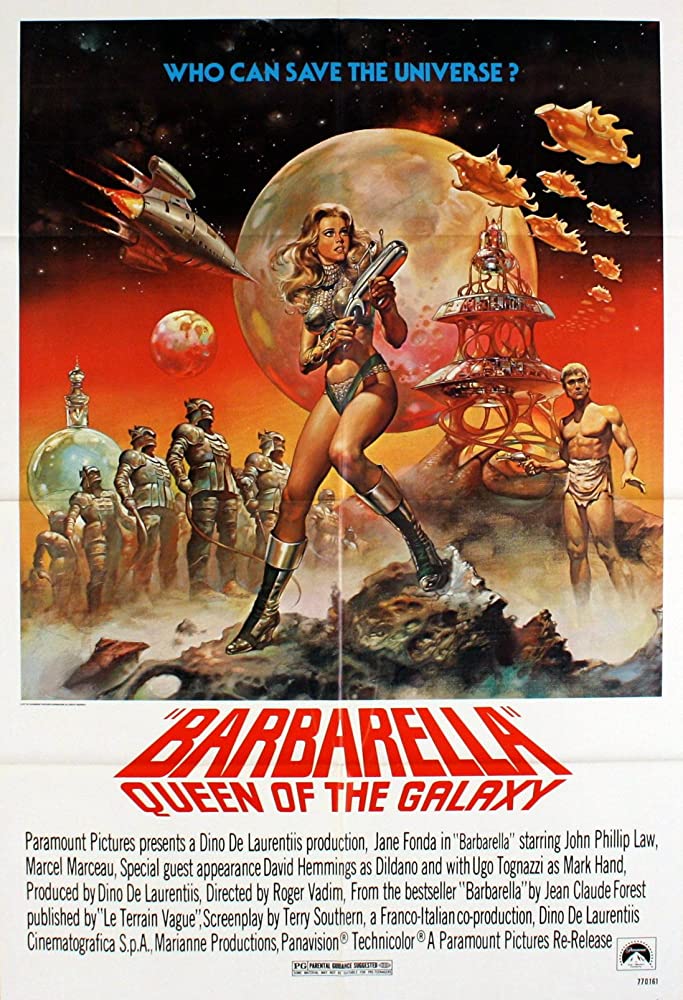
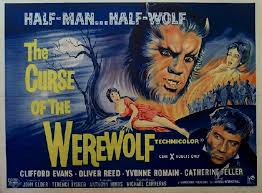
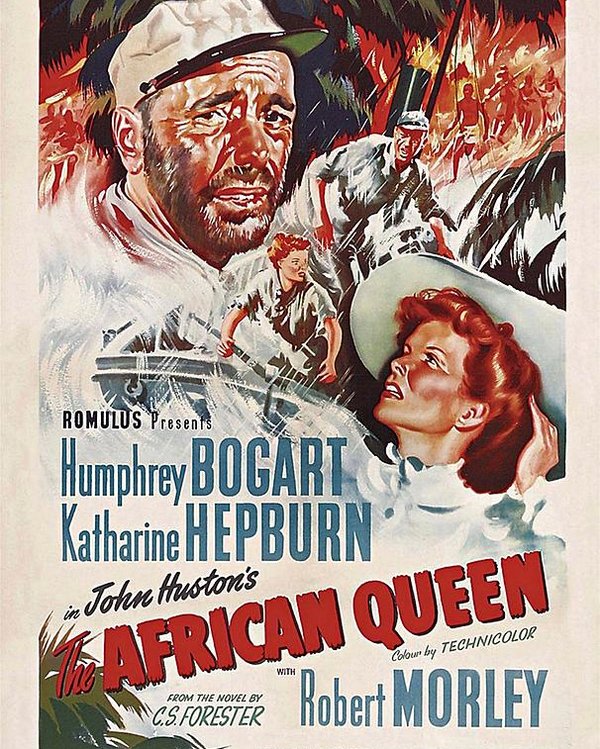
I am using movie posters in this blog post only from movies I have personally seen. (And I admit that not all of them are strictly “good” movies according to Professor Silet, but I like them all.)

Feel free to tell me in the comments if you have seen any of these movies yourself. I am open to all opinions, comments, and confessions.

This one is based on Shakespeare’s The Tempest.
I saw this one in college. You had to be 18 at the time to even buy a ticket.
I actually think that this is one of the best movies ever made. It will always make my own personal top-ten list.

I live in a B-movie world. The production values around me are not the top-dollar ones. But the stories are entertaining. The real-life heroes still run towards the problem. And it still sucks to be the monster. But it has always been worth the price of the ticket. And during my time on Earth here, even in 2020, I plan on staying till the end of the picture. I go nowhere until I see the Best Boy’s name in the end credits. And maybe not even then.

4 Comments

Filed under art criticism, heroes, humor, monsters, movie review, strange and wonderful ideas about life, TV as literature, TV review

Homely Art – Amos Sewell

Still being under the weather and filled with sinus head-pain, I decided to go back to a subject I love so much that the post will simply write itself.  You know I love Norman Rockwell and his art, and I fervently believe that kind of mass media oil-painting does not put him in a lesser category than Rembrandt or Michelangelo or Raphael or any other painter with a ninja turtle namesake.   He is a genius, and though he is not a realist in so many ways, his work is more truthful than practically any other kind of painting.  If you are taken by surprise and didn’t know I had this passionate obsession, maybe you should go back and look at this post;   Norman Rockwell

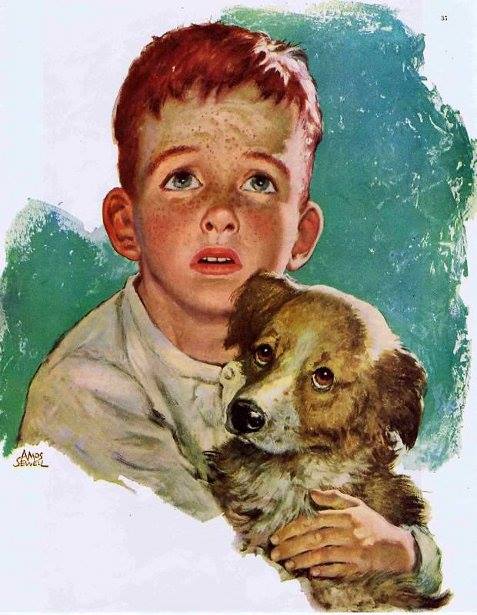
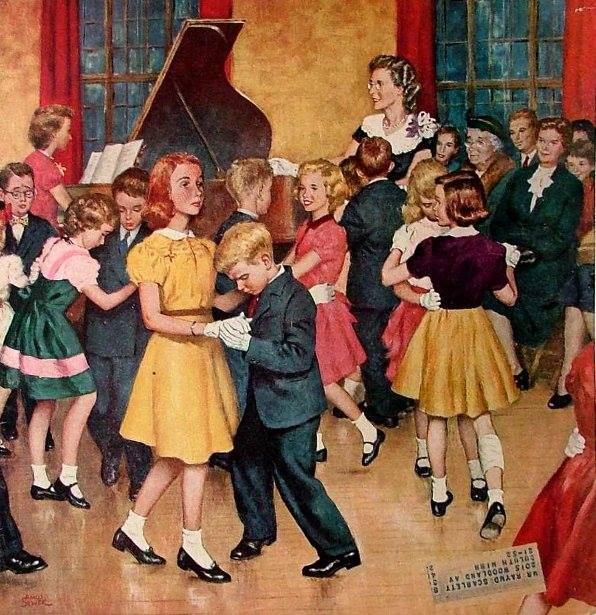
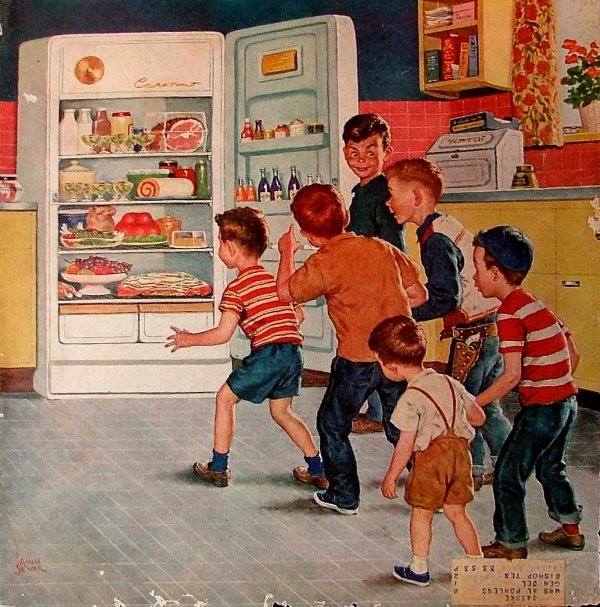
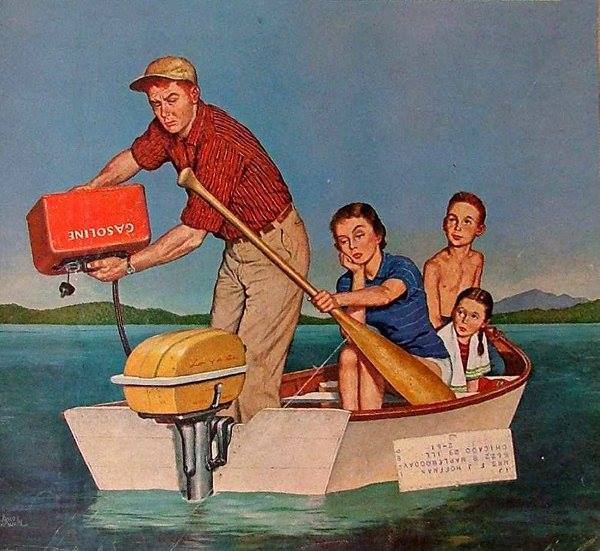
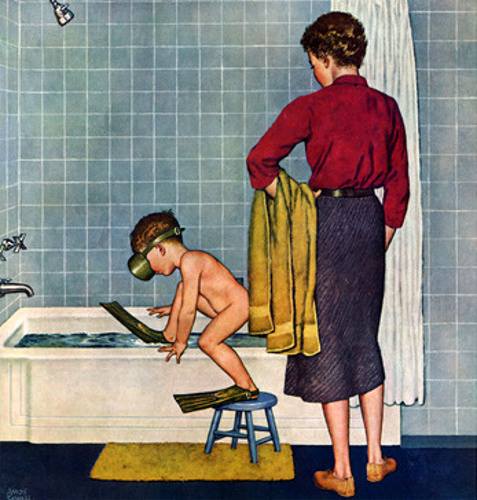
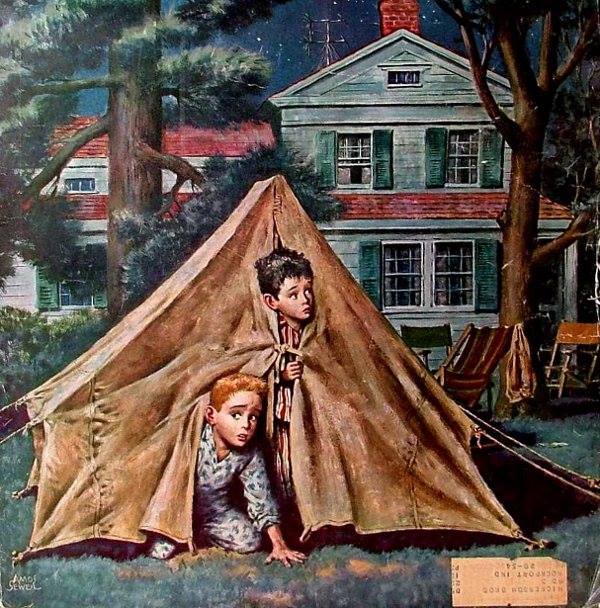
Now that I got that out of my system, here is another Saturday Evening Post artist that is often confused with Rockwell.  His name is Amos Sewell.

11873526_1032725256739973_4919654303824590046_n

Sewell was an amateur tennis player who was talented enough to win tournaments.  He was an employee of Wells Fargo who was headed towards anything but an art career until he decided to make a leap of faith in 1930.  He started as an illustrator for Street and Smith pulp fiction, and soon caught the notice of the big-time magazine markets for his art.  He published art for Saturday Evening Post,   Country Gentlemen Magazine, and Women’s Day.

11855684_1032724350073397_6985701137057034931_n

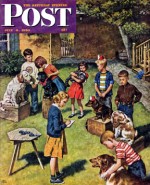
Like Rockwell, he was able to find the funny in everyday scenes, like the dance party to the right.  That young man at center stage is trying so hard not to step on the feet of the red-headed girl, that you want to laugh, but can’t because it’s obvious how embarrassed he would be, and the charm of the picture leads you to shun the thought of interrupting.  The scene is so real the boy would hear you laughing as you looked at the Post cover.

11870904_1032728563406309_3782150834774591970_n

11866457_1032728726739626_9033099913708919775_n

11889619_1032728970072935_2637789351554720524_n

More expert on this kind of art than I am is the Facebook site that I first got turned on to Sewell by.  Children in Art History

They can also be found on WordPress.  Children in Art History (WordPress)

9500708_72dpi_nocallout-150x185

11889413_1032724710073361_2181902444339379253_n

There is no doubt that Amos Sewell belongs in the same pantheon of artists as Norman Rockwell, Thomas Kinkade, or Paul Detlafsen.  They are all artists who achieve in their work exactly what I have always striven for.  I want to be able to hold the mirror up to our world the way they did.  I want to capture both the fantasy and the reality in the subject of everyday family life.  I also want to share this work with you because I cannot stand the idea that such artistic ambrosia could one day be forgotten in archives where no one ever looks at it and feels the message in their heart.

Leave a comment

Filed under art criticism, homely art, humor

A Little Bit .Gif-fy… Not Goofy

Sometimes life gets a bit tough when you are old and diabetic and grumpy all the time… and your kids are still teenagers… and you have to spend four hours a day driving them to two different schools in two different Dallas suburbs… and it rains one day and swelters you in Texas heat the next… and the drive home occurs during rush hour… and you just can’t think beyond loud thoughts like; “Why does that stop light turn red right before I get there?” and “Why can’t somebody teach teenagers how to drive in a high school parking lot?!” and “Why is the sun so bright and in my eyes going BOTH DIRECTIONS?!?” and “Why is the worst driver in Texas always the one right in front of me?!?!!!”

And then you realize, you can’t think any more to make a decent post for your blog.  You are dead tired and out of ideas, though still able to type… even though you are apparently dead according to this sentence.  So what do you post?  You need some chocolate and iced tea for your brain.  And you decide it is better to come out of the closet for being .gif-goofy and collecting .gif’s.  You heard right.  I mean .gif’s.  I am not talking about peanut butter.  And I didn’t misspell goofs.  I mean those crazy moving things on the internet where the motion is repetitive and the promotion of the motion is mindless.  Yes, those moving-picture things called .gif’s.

Like this one;

download

Rainbow Dash is really going after that guitar riff in this guitar-riff .gif!  And I didn’t steal this from Deviantart.  I stole it from somebody else who stole it from Deviantart.

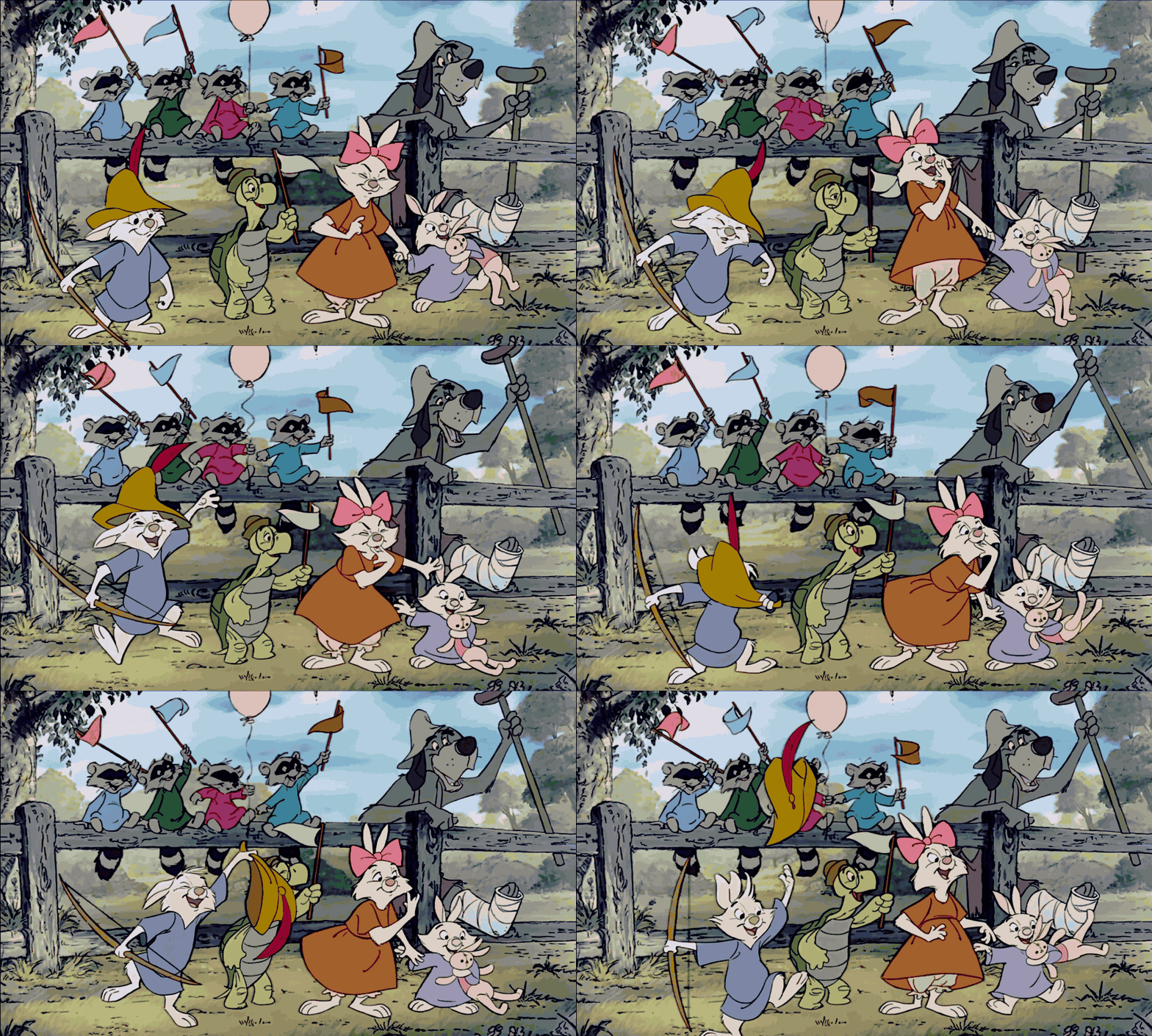
And then I have an audience for her solo;

robin-hood-celebration

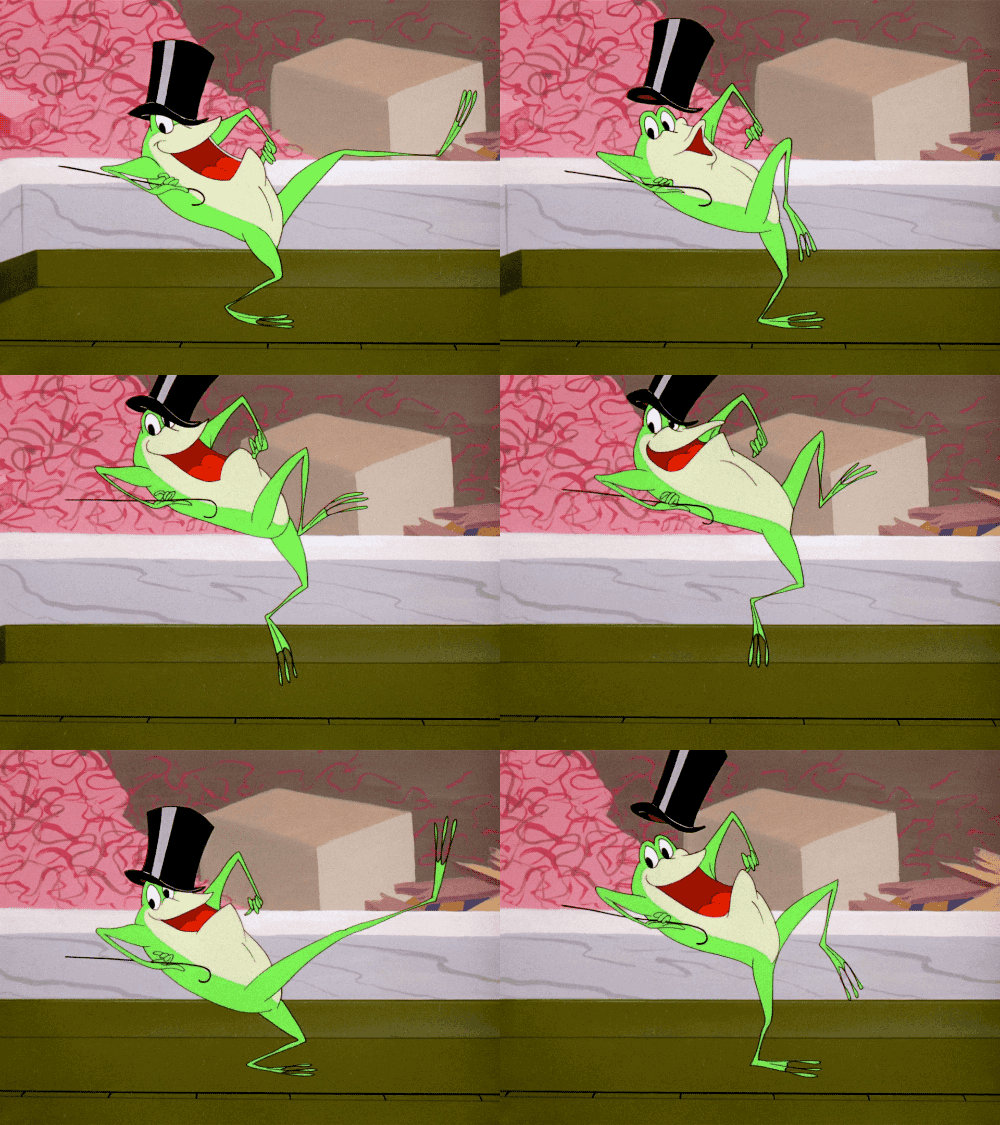
And these .gif’s make me happy.  Happy like a frog;

tumblr_nalzhwJcx11s2wio8o1_500

And why do these minor miracles of motion make me happy?  I don’t know.  But they do.

And I must not be the only one.  Somebody went to a great deal of work to create some of these:

fulldance

And one might wonder if it is an evil thing to be happy about being .gif-goofy.  But in my experience, they  only fascinate the eyes for a short while and alter my mood in goofy weird ways.


So now that I’m all goofed up, let me end with one more.

2972da5d3eb623582852db74ddc9327e

So, now, these .gif’s have tamed me, and I am unique in all the world.

4 Comments

Filed under artwork, humor, memes, strange and wonderful ideas about life

Are Fairytales Controversial?

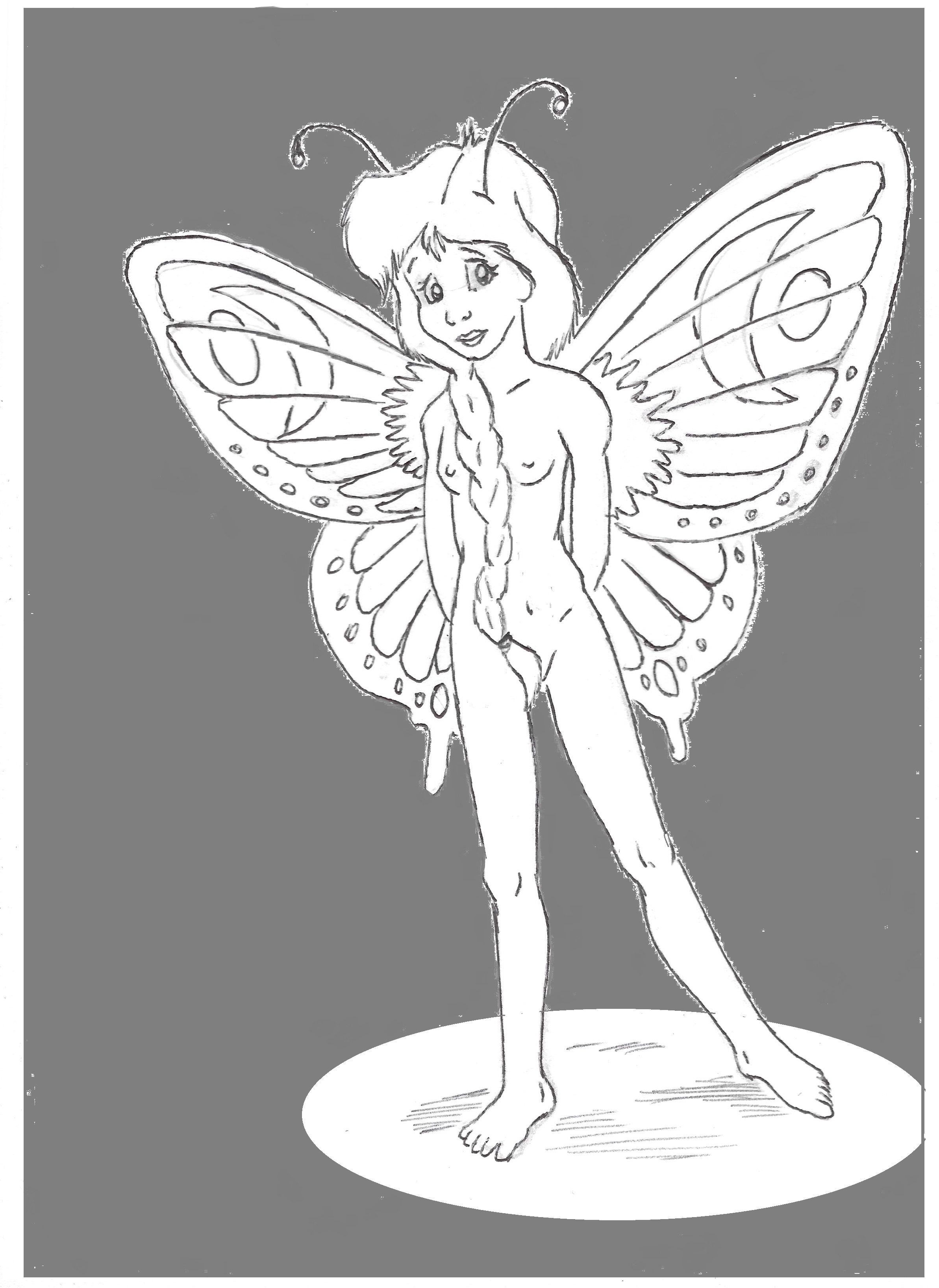
The This is Poppinsparkle, the girl fairy. Paid a fair wage for posing nude for this portrait.

In some versions of Cinderella, her wicked stepsisters, at their wicked mother’s insistence, cut off parts of their feet in order to fit into the glass slipper. And then, the stupid Prince Charmhead doesn’t notice until talking doves and pidgeons point out on the way to Charmhead Castle, “There’s blood in the shoe!”

And of course the Prince is so dense that he goes through this particular ordeal twice with the two wicked stepsisters.

He doesn’t get it right until Cindy puts the slipper on without any blood spurting that gets noticed by talking birds.

Dang! Prince Charmhead is a real dumbhead. What kind of a local ruler would a man be if he picks the love of his life simply because she fits a shoe he likes?

But it is obvious that fairytales, especially the old ones that have been retold by a lot of fairly stupid people and changed with each new teller, deserve most of the criticism they receive.

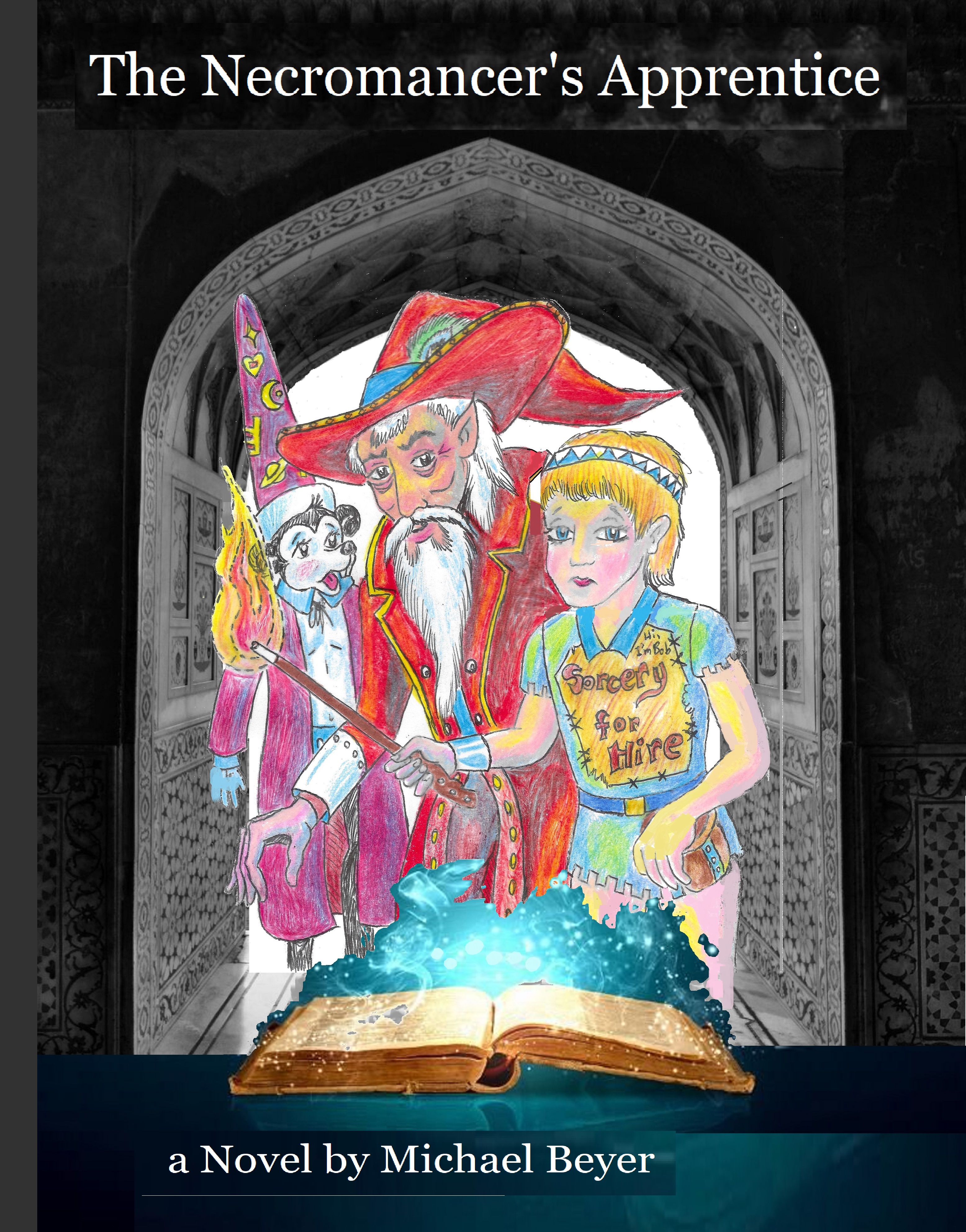
My current work in progress is a fairytale (in that it is thoroughly infested by many kinds of fairies, mostly the little three-inch-or-smaller kind.) It is called The Necromancer’s Apprentice.

The book is a comedy, meant primarily to entertain and be funny, though. like Shakespeare’s comedies, it is intended to demonstrate themes of romance and love, and how they percolate emotionally in spite of obstacles (and the manipulations of evil fairies.)

But it will undoubtedly get criticized for its exploitation of fairies. Especially young girl fairies who agreed to pose nude for illustrations in the book.

This will not, however, be fully justified. I, as the artist, paid each nude fairy model a fair wage. Sure, it was mostly in pennies. But they are all between two and three inches in height. A penny is heavy and unwieldy for tiny arms to carry. And a penny buys a lot in Gerry-go-Gompert’s General Store for Sylphs, Elves, and Butterfly Children (no Gobbuluns allowed!)

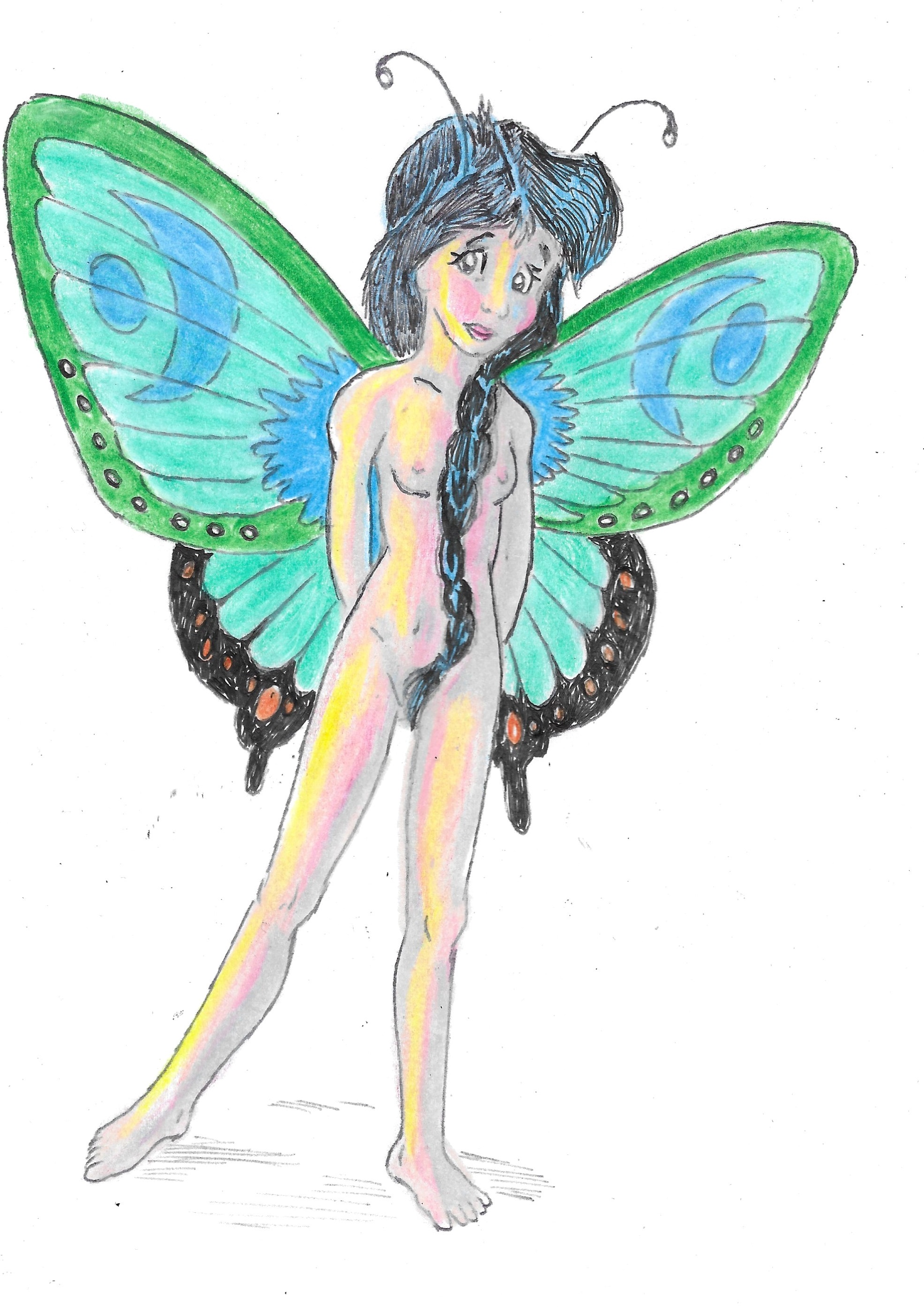
Dollinglammer, also paid her weight in pennies for posing for this picture.

And it you consider the context of a fairytale trying to portray fairies as they really are, you have to remember that Butterfly Children normally don’t wear clothing because it interferes with the flight of delicate butterfly wings. And all forms of actual fairy-kind are immune to heat and cold, and don’t need clothing for those reasons.

On top of that, most fairies believe in naturism and nudism as a healthy lifestyle and don’t object when I write a novel that promotes that idea a little bit.

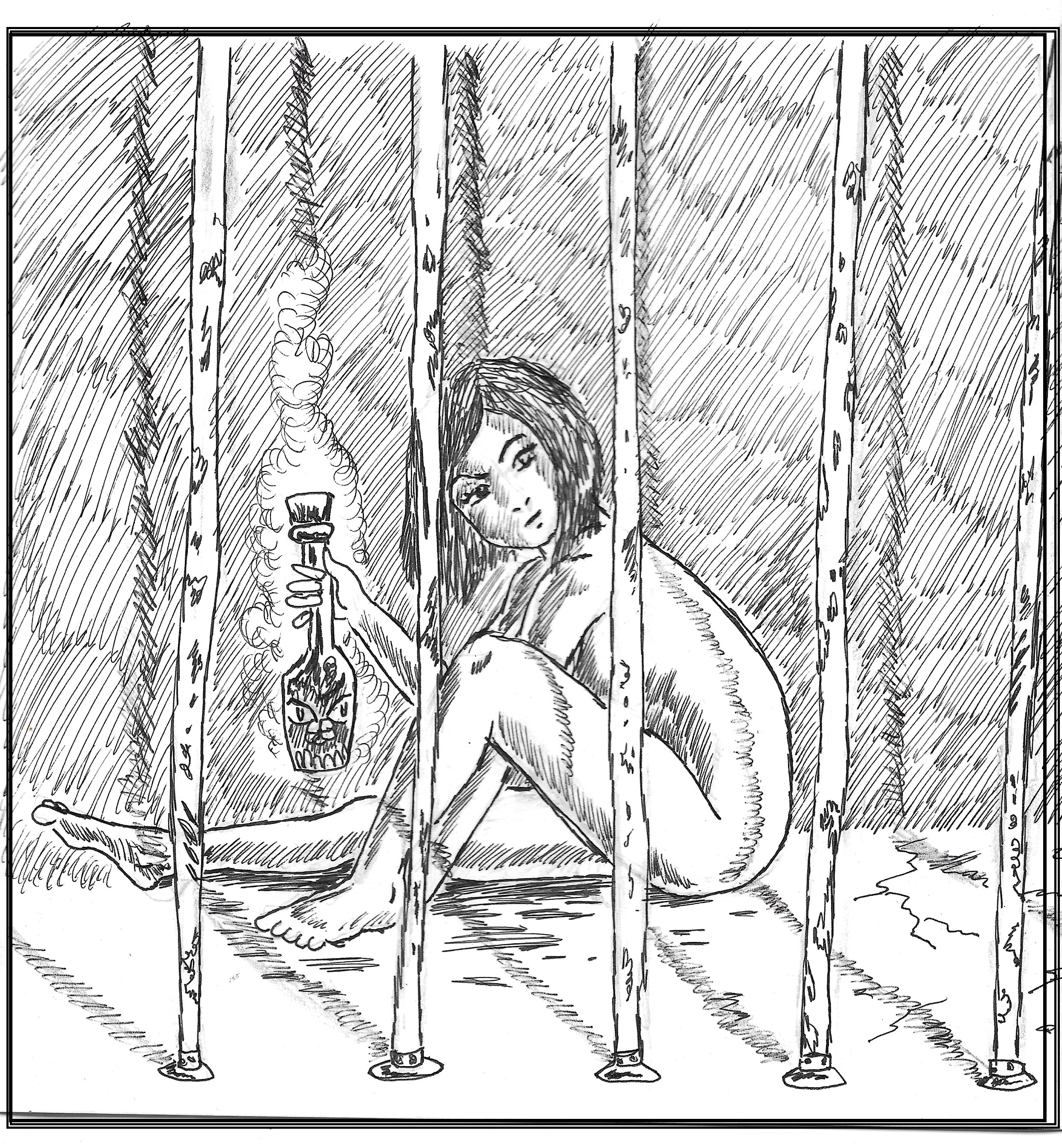
I was a little worried that this illustration from the book might be viewed as evidence of Sylph abuse. Derfentwinkle is a nude Sylph girl who chooses to be nude all the time. In the contect of the plot, this shows her temporarily imprisoned in the Harpy cage. She is, after all, the Apprentice from the book’s title and the servant of the evil necromancer. The good guys capture her and keep her in this cage until they are sure they can trust her, Derfie herself told me that she didn’t object to this picture since the Sorcerer Eli Trajedy and his apprentices Bob and Mickey treat her better than her master ever did.
So, once I am finished with this book, I am almost certain that it will be just as controversial as Little Red Riding Hood who climbs into Grandma’s bed with a big bad wolf, or Snow White who lives alone in the woods with seven little single men. But controversy can be a good thing for a story. Readers love a lurid tale. Even when the subjects are less than three inches tall.

2 Comments

Filed under art criticism, artwork, fairies, humor, novel, novel writing, nudes, Paffooney

Penguin Proverbs

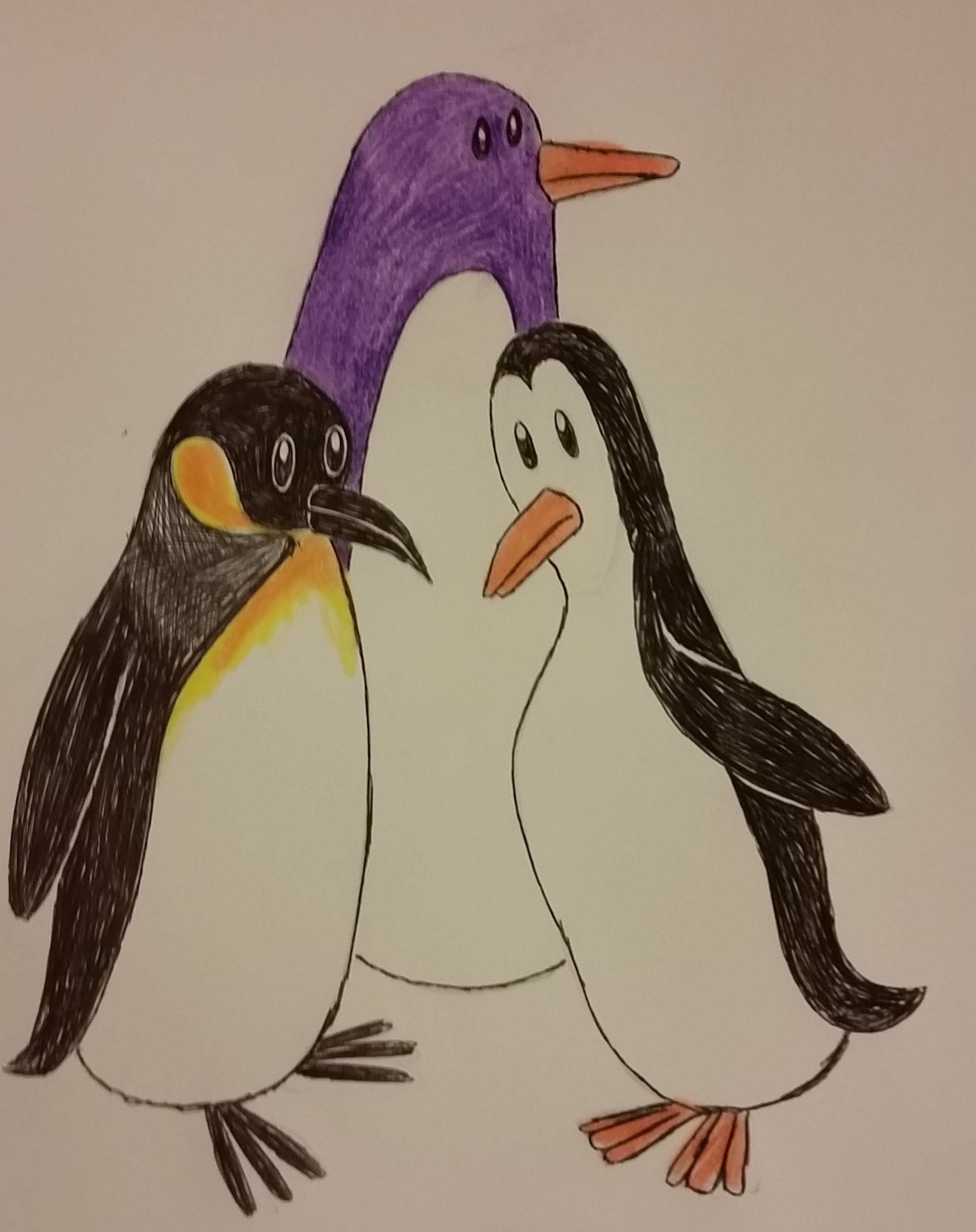
Penguins

You know how creepy penguins in cartoons can be, right?  The Penguins of Madagascar are like a Mission-Impossible Team gone horribly wrong and transformed into penguins.  The penguin in Wallace and Gromit’s The Wrong Trousers disguised himself as a chicken to perform acts of pure evil.  Cartoonists all know that penguins are inherently creepy and evil.

I recently learned a hard lesson about penguins.  You know the joke, “What’s black and white and red all over?  A penguin with a sunburn.”  I told that joke one too many times.  Who knew the Dallas metroplex had so many loose penguins lurking around?  They are literally everywhere.  One of them overheard me.  And apparently they have vowed a sacred penguin vow that no penguin joke goes unpunished.

As I walked the dog this morning, I spotted creepy penguin eyes, about three pairs, looking at me from behind the bank of the creek bed in the park.  When I went to retrieve the empty recycle bins from the driveway, there they were again, looking at me over the top of the neighbor’s privacy fence.

“Penguins see the world in black and white,” said one of the Penguins.

“Except for purple ones,” added the purple one.

“Penguins can talk?” I tried unsuccessfully to ask.

“Penguins only talk in proverbs,” said one of the penguins.

“But the purple one gives the counterpoint,” said the purple one.

“The wisdom of penguins is always cold and harsh,” said one of the penguins.

“Except on days like this when it’s hot,” said the purple one.

“You should always listen to penguins,” said one of the penguins.

“Of course, people will think you are crazy if you do,” said the purple one.

“People who talk to penguins are headed for a nervous breakdown,” said one of the penguins.

“Unless you are a cartoonist.  Then it is probably normal behavior,” said the purple one.

“Is this all real?” I tried unsuccessfully to ask.

“Everyone knows that penguins are real,” said one of the penguins.

“But there are no purple penguins in nature,” said the purple one.

So, I sat down to write this post about penguins and their proverbs with a very disturbing thought in my little cartoonist’s head…  Why am I really writing about penguins today?  I really have nothing profound to say about penguin proverbs.  Especially profound penguin proverbs with a counterpoint by a purple penguin.  Maybe it is all merely a load of goofy silliness and a waste of my time.

“Writing about penguins is never a waste of time,” said one of the penguins.

“And if you believe that, I have some choice real estate in the Okefenokee Swamp I need to talk to you about,” added the purple one.


2 Comments

Filed under artwork, birds, cartoons, goofy thoughts, humor, Paffooney, philosophy, surrealism

Morning on the New Farm

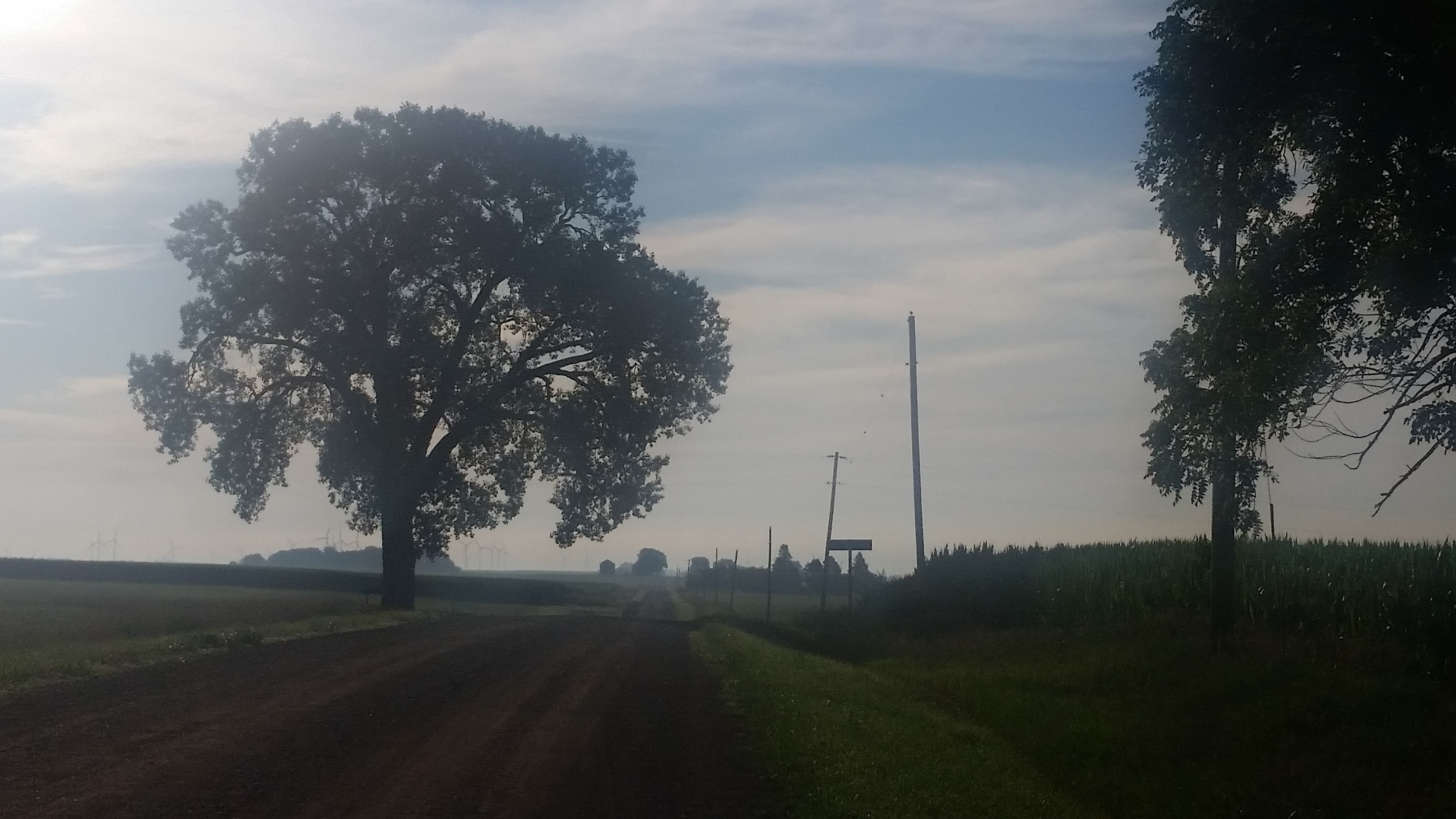
First of all, it is not new. The farmhouse was built by my great grandfather, Friend Aldrich. That was in the 1880’s. The farm down the road and to the right is Great Uncle Ira Clarke Aldrich’s farm, my grandfather’s brother. This is the road in front of the very house where my Great Grandfather lived, and my Grandfather after him, and my Mother after that.

It is new now only in that it has been transferred again to the next generation. Me, my sister Nancy, and my sister Mary are now the co-owners. My brother has been bought out, and we will probably never see him again. We don’t really know why. But he did not want a farm to worry about. He needed the money for reasons unexplained to the rest of us.

So, although I am not there, it is now my farm. 33% of it.

Me in grade school. 6th Grade?
My sister Nancy will live on the farm and manage it.
My sister Mary also lives in Iowa.

The story of the family farm now belonging to us worked out much easier than we were expecting. The traumatic drama we thought was happening didn’t happen. And everyone is satisfied with the outcome.

Leave a comment

Filed under family

People in My Head at the Moment

Anita Jones

As a writer seriously immersed in a particular work in progress, I find myself talking more and more to certain people who exist only in my head. They are the characters in my novel, The Boy… Forever.

The novel is itself an epistolary novel. That means, like Bram Stoker’s Dracula, it is made up of letters, notes, diary and journal entries, and other personal writing of the central characters. It also means that I have to become the different people who write these things. At least while I create each individual artifact that goes into the mosaic of first-person narratives.

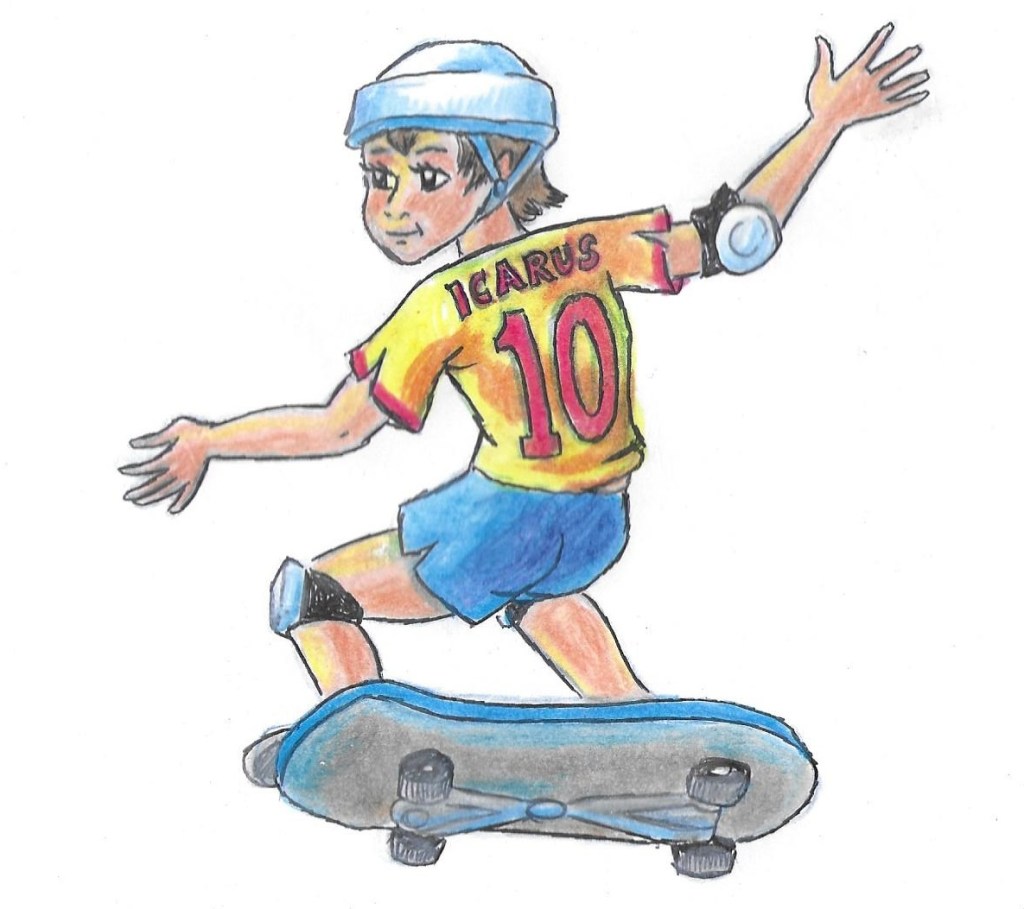
Anita Jones, pictured here, is the letter-writer who starts the plot in motion when she gets a very disturbing letter from her cousin, Icarus Jones.

Icarus writes about his problem with becoming a midget, and his response to it being a plan to kill himself. It seems that he simply stopped growing at the age of ten. Now, being a fifteen-year-old in the body of a ten-year-old, he writes a suicide note in the form of a letter, and then goes to jump off a bridge into the Mississippi River. But when he does, he survives. Or, rather, he succeeds, but cannot remain dead. He doesn’t know it, yet, but he has become a human mutation known in the secret world of unknown things as an Immortal.

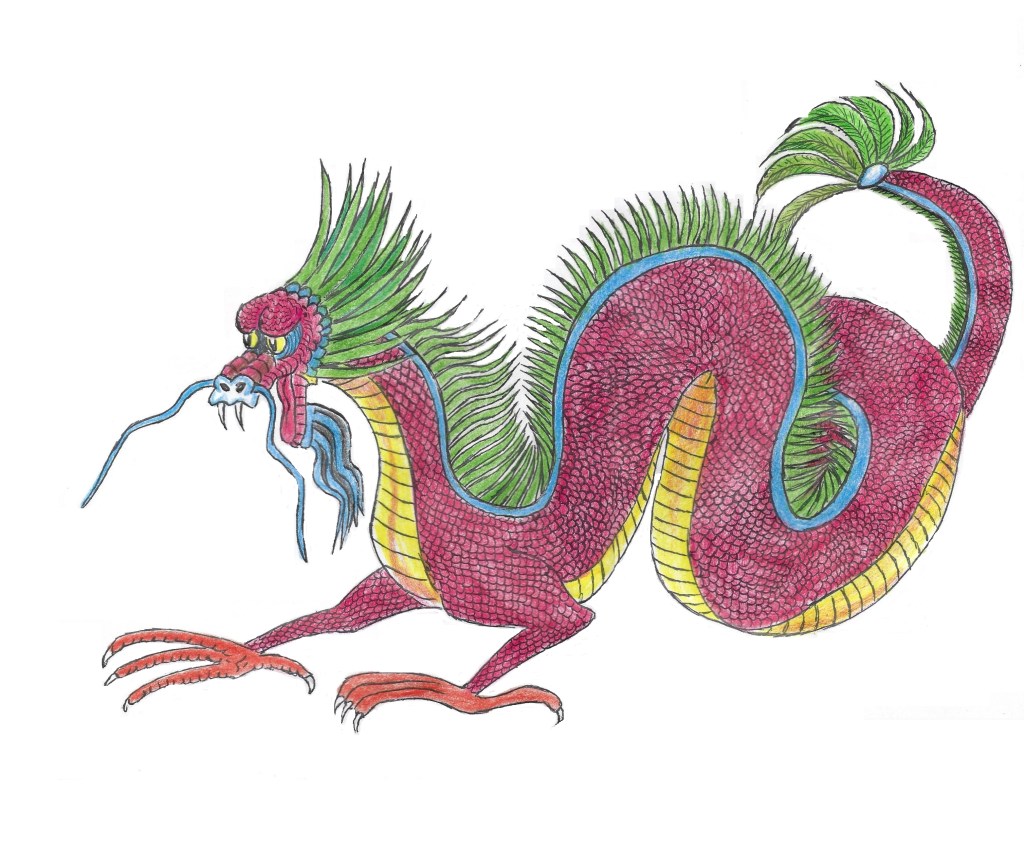
Tian Long, the Celestial Dragon

Icky’s problem becomes worse when it is discovered he is being pursued by another immortal, a sort of vampiric immortal who needs to consume the essence of other immortals to stay alive. He is a three-thousand-year-old Chinese Celestial Dragon who is able to assume a human form.

Neither Icky Jones nor Tian Long the dragon, though, really needs to be in my head. Icarus himself only writes the first and last letters of the book. Tian Long, the villain, does not have a say at all in telling the story. The only part of it he writes are the wizard spells he uses to confound everyone, and most of those are in Chinese.

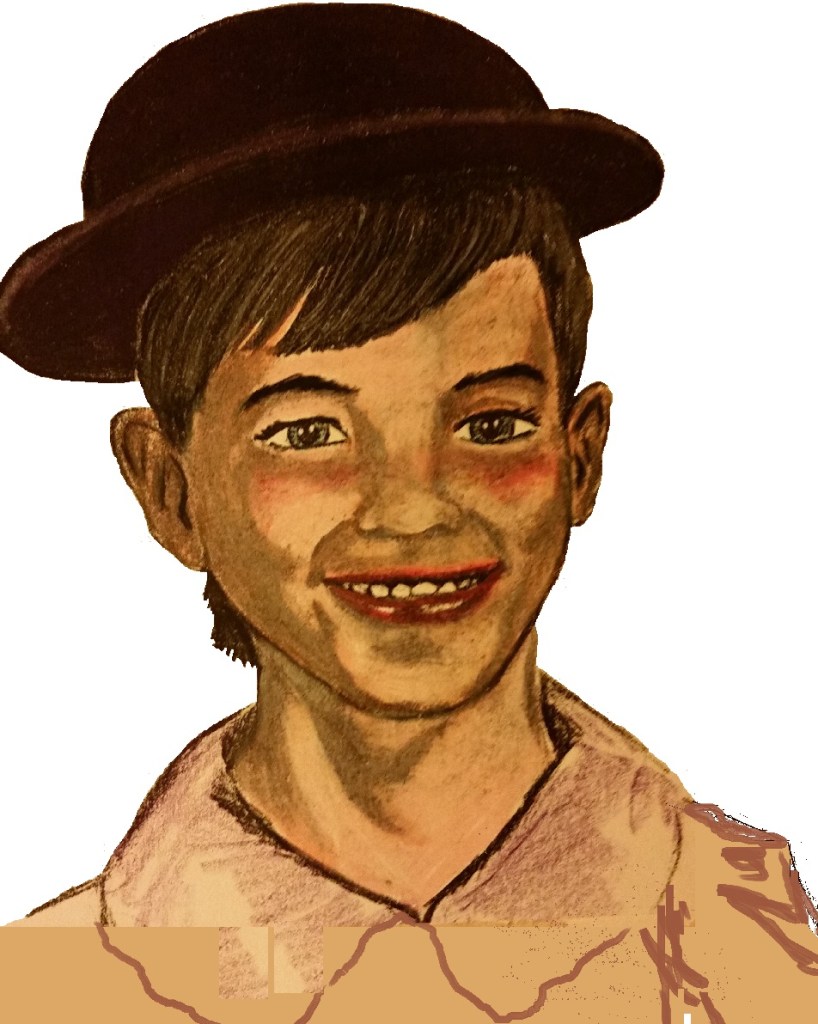
Milton John Morgan, the Wizard of the Norwall Pirates

Besides the letters that Anita Jones writes to her cousin in Dallas, Dot Jones, the story is also advanced in the journal entries of Milt Morgan, one of the leaders of the boys’ gang in rural Iowa known as the Norwall Pirates. He has been asked by the Freshman English teacher to keep a daily journal and write every day in 1976. This he struggles to do, but gains writing and typing skills as he goes along, especially when he befriends Icarus and learns about the dragon pursuing Icky.

Milt is full of imagination and a sense of adventure, a thing that makes him an unreliable narrator, not above embellishing the truth as he writes his not-so-much- daily-as-infrequent journal entries.

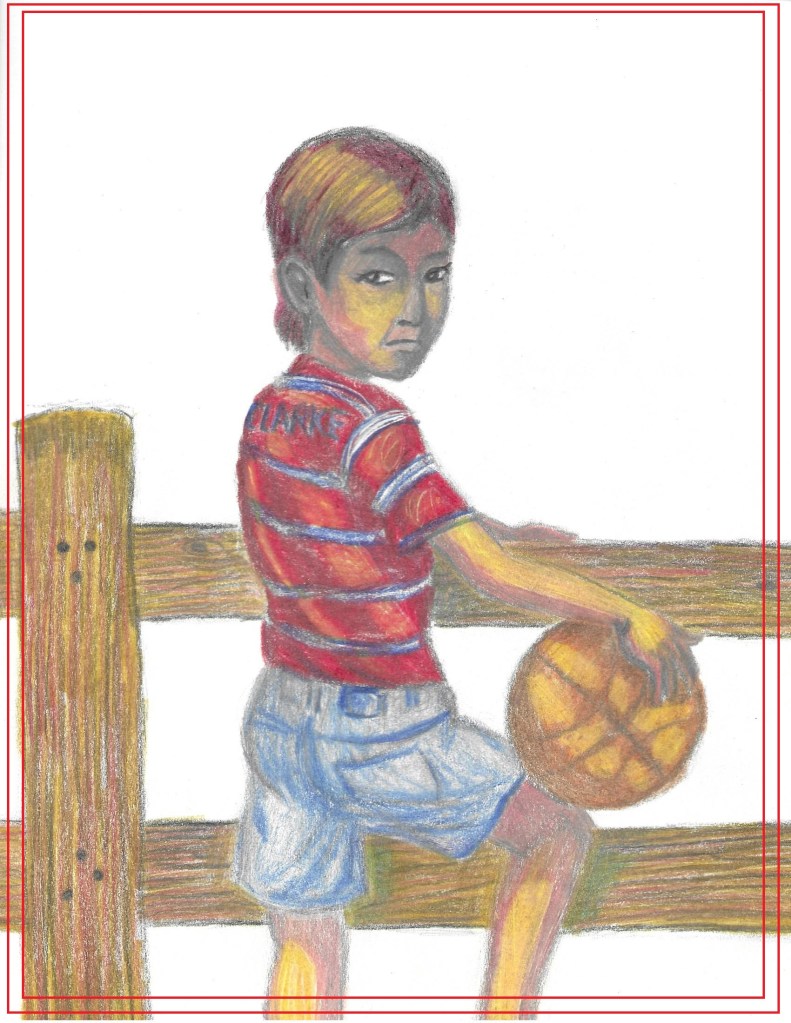
Brent “the Cat” Clarke

The story is also taken up by Brent Clarke, the leader of the Norwall Pirates. Brent wants to be a policeman or a detective or something like that when he grows up. He takes careful investigation notes on everything, and he is the first one to become suspicious of the Chinese man and his step-daughter who pick a house in the town of Norwall that they want to live in right before the actual owner and occupant of the house mysteriously dies in a falling accident. Brent befriends the local Sheriff’s Deputy and sets out on a serious possible murder investigation that yields some very disturbing results. His notes are very detail-oriented and generally fact-based. He carefully records his own eye-witness accounts of everything.

Sherry Cobble, the nudist, calls herself the smarter and more beautiful twin.

Sherry Cobble, the more outgoing of the identical twins known as the Cobble Sisters, is a happy nudist with a very positive body image for herself and her twin sister. She is a very positive person over-all. She and her sister Shelly had started out keeping a “Lovely Nudist’s Diary” between them, but Shelly is not nearly as interested in writing and storytelling as her sister. So, Sherry takes over the diarist duties with the same sort of glee and enthusiasm she has for promoting nudism to her friends, especially the Norwall Pirates. It is her goal to eventually see all of the kids in Norwall naked and happy just as she and her sister Shelly always are.

Those four different character voices are the main voices I have to work with in telling this fantasy adventure story in much the same way as Stoker tells the story of Dracula.

So, if I begin to seem like I have a disordered mind full of multiple personalities, it’s because I am a novelist, not a mental patient or a vampire or even a Chinese dragon in human form. I am simply trying to tell a story by allowing four distinctly different characters to live inside my head.

1 Comment

Filed under characters, humor, novel, NOVEL WRITING, Paffooney, surrealism, work in progress, writing humor