
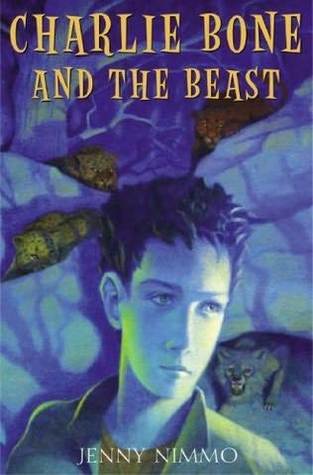
So, I just finished reading this book from my leftover pile of classroom reading books that represent my time as a public school reading teacher.
This is book six in the best-selling Charlie Bone series. I didn’t read the previous five books. I have a copy of book one somewhere, but this one is one I picked up for my reading fix last week.
Let me begin by saying, as an obvious Harry Potter imitation, it is a very inventive and enjoyable story.
I read the whole book even though I had difficulty with several things that I have come to recognize as glaring, reader-tripping problems.
Now, to be completely honest about my assessments, Jenny Nimmo, the author of the Charley Bone books, has an impressive resume. She has not only been an English teacher, but she worked for the BBC as well as an editor, director, and other creative endeavors. And her books, unlike mine, are best-seller enough to be picked up by Scholastic Books, a major publisher. She has undoubtedly made a lot more money with her books than I have with mine. And, I confess, I find the story entertaining.
But the story is guilty of writing sins that I am familiar with by having overcome them in my own writing.
Most noticeable is the lack of a sense of a focus character. It is done as a third-person omniscient narrative that goes in and out of different characters’ heads telling what they think and feel. It will go from Charlie Bone’s main-character-thoughts to his nemesis Dagbert Endless’s feelings to the thoughts of the dog that lives in the school and then veers into the bird that is actually Emma, one of Charlie’s female friends with special “gifts of magic” handed down from their common ancestor, the Red King. You end up, as a reader, trying to keep things separate in your awareness about too many characters with too many mental reveals to keep straight. And who all knows what about whom? In one scene a character seems to know already what another character said and did in a previous scene that the knowing character wasn’t present for and hasn’t been told about.
This focus problem is compounded by having too many characters with too little development in the current story. I get it that we are supposed to have met the characters in previous books in the series. But it has to have a more stand-alone quality about it to even work as a separate book. The writer has to keep in mind that readers won’t know everything about every character in previous books because they have either forgotten, or the author has only assumed they would know without being told.
And the scenes and chapters in this book are way too ranging and free-form. A scene that begins in the end of chapter two rambles across to the beginning of chapter three without really concluding and then morphs into another scene entirely when the narrative follows a single character from the conversation in one room into an encounter in the next room. There is a lack of chapter structure to rationalize why those words belong in that chapter rather than the next.
And numerous plot lines are just left hanging at the end of the book, seemingly forgotten rather than set up for the probable sequel. The book does not end with a sense that it is the final end of the saga.
So it is a book that both Hemingway and Dickens would’ve cringed to have written. Never-the-less, I did like this book. The old uncritical critic, you know. I would’ve neither finished reading it, nor written this essay about it if I didn’t find merit in the story. I learned things by reading it. Things to avoid, things to correct when I find them in my own stories, and things that make me go, “Hmmm… I’d like to try that myself.”



 Catch a Falling Star
Old and Grumpy
Suppose being grumpy was a super power, and we could, as a grumpy old brotherhood of geezers, coots, and conservative uncles, could change things just by complaining about them.
No woman would ever leave a toilet seat down again. The Dunkin’ Donuts on Frankford Road would magically reopen and never run out of donuts again. And liver spots and wrinkles would suddenly be attractive to beautiful young women whether they were linked to fortunes or not.
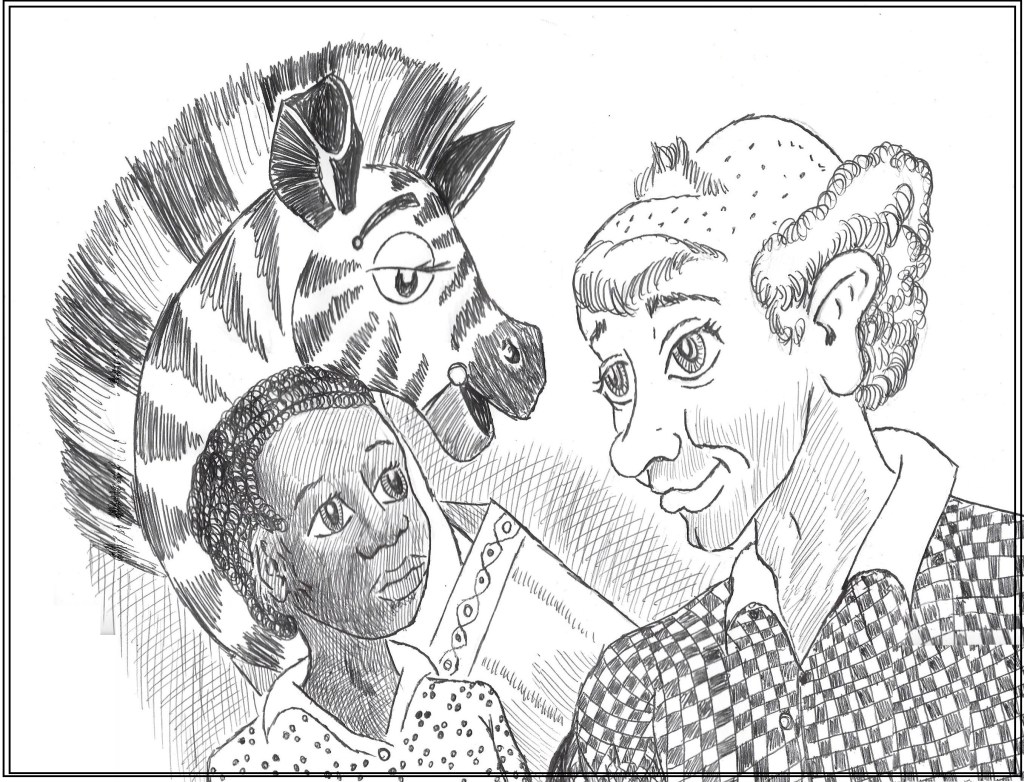
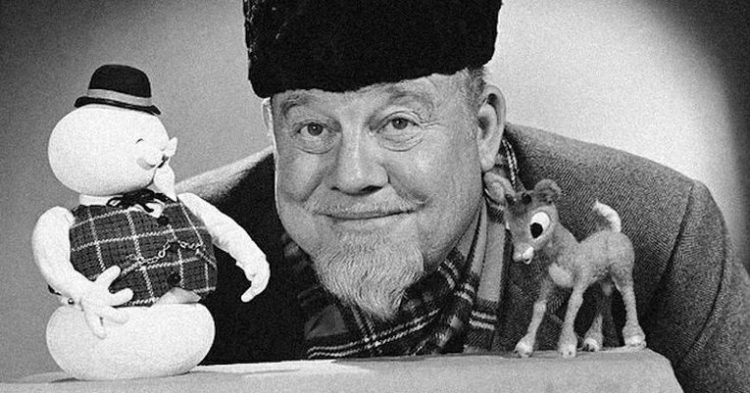
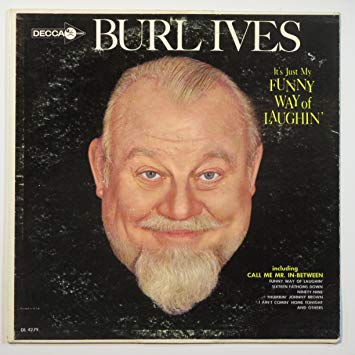
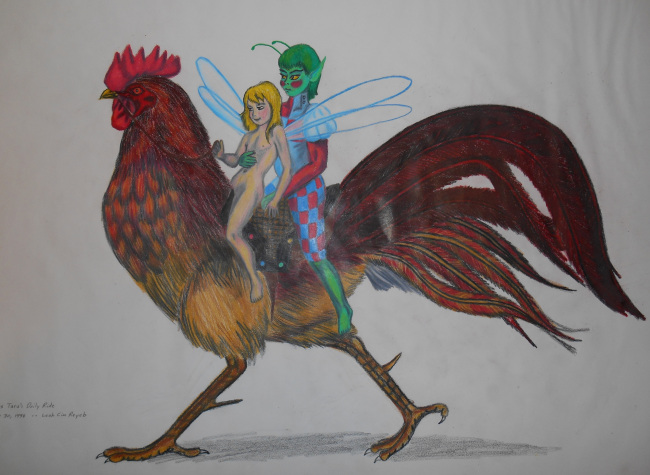
But what if, in order to make better use of this unexplainable super power, we start telling old coots like the fool in the picture that they have to prove they will use this super power only for good, or we will raise their taxes? Or we would forbid them from ever eating bacon again? Either of those things would definitely motivate them.
Of course, the biggest problem with geezers, old coots, and conservative uncles that no one wants to sit next to at Thanksgiving is that they don’t generally get smarter and nicer with age. It is probably not wise to give them a super power that can alter reality. Yes, they are generally quite literally mean-spirited and unqualifiably dumb. And it isn’t really a matter of whether they could ever actually have a super power like that. The real problem is that they already have it. They proved it in 2016 when they elected a gigantic orange-faced Pillsbury Doughboy with mental flatulence to lead our government. And it wasn’t the dumb part that did it. It was the literally mean part. Trump is a walking, talking old coot-complaint given to us by mean old men to tell us, “We are unhappy geezers, coots, and conservative uncles who would rather blow up the government than lift a single tax dollar (especially from a rich dude) to try and fix it”.
What we truly need to do is harness a bit of that grumpy-old-man complaining power, a truly misunderstood and misused super power, to tackle problems like making public schools better, cleaning the environment, and electing smarter leaders (not the stupid ones who actually represent the majority of us). But of course, we will first have to turn off the spigots in the brewery of prejudice and ignorance that is Fox News, and brand all the greedy and stupid people with a red letter “R” for Trumpian Republican. That way, knowing who to vote for to make things better will become easier to the point that even us geezers, old coots, and conservative uncles can do it right.
Leave a comment
Filed under angry rant, commentary, goofy thoughts, humor, oldies, Paffooney, satire