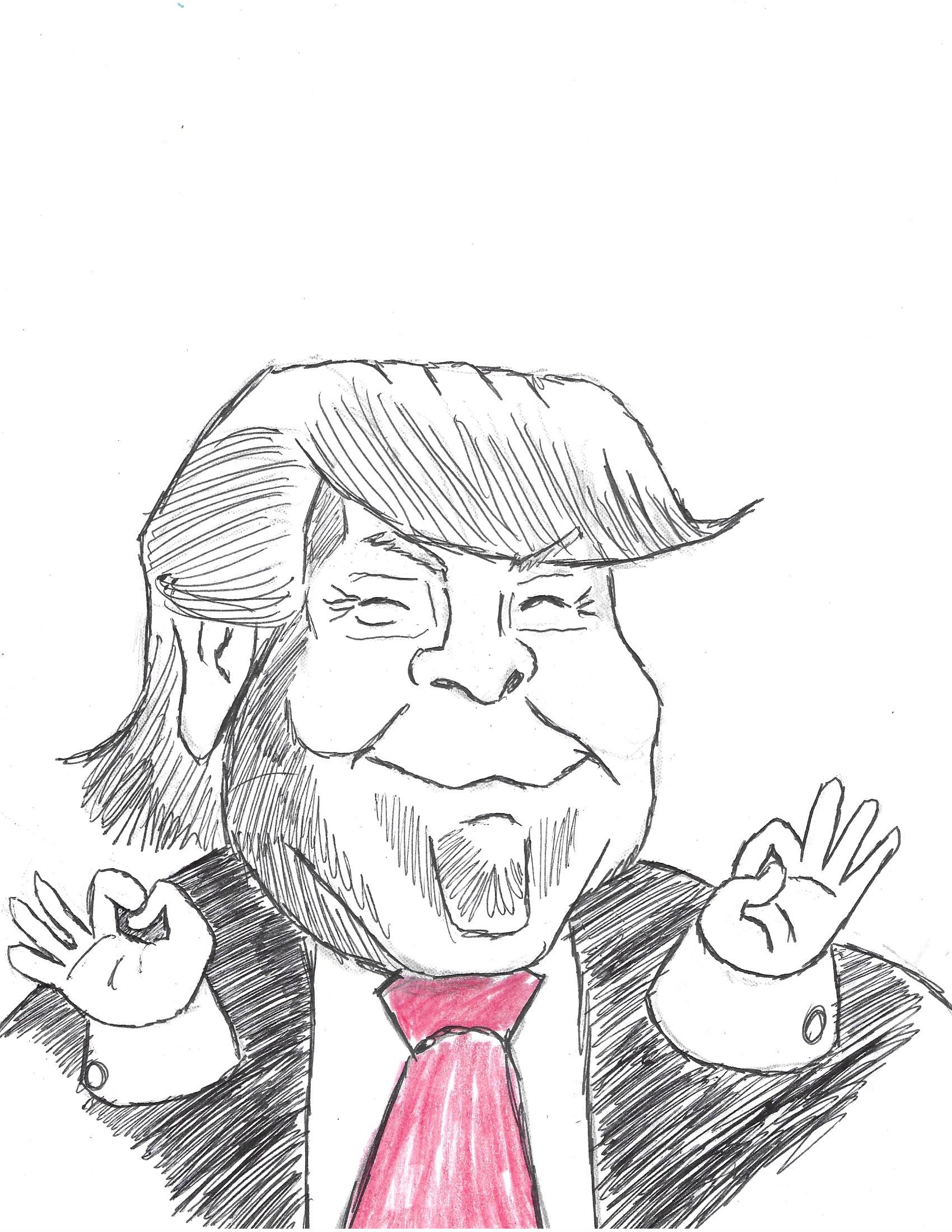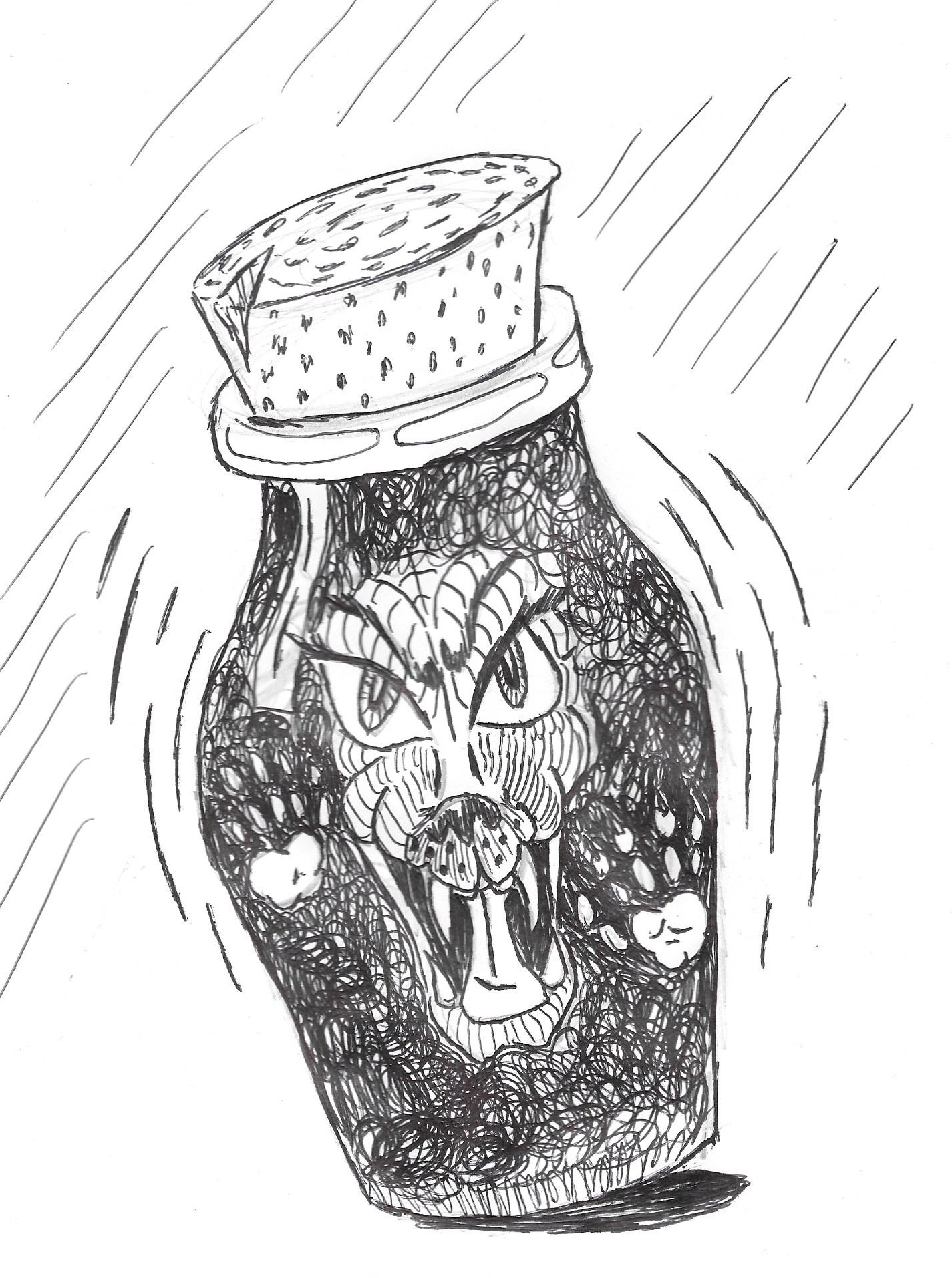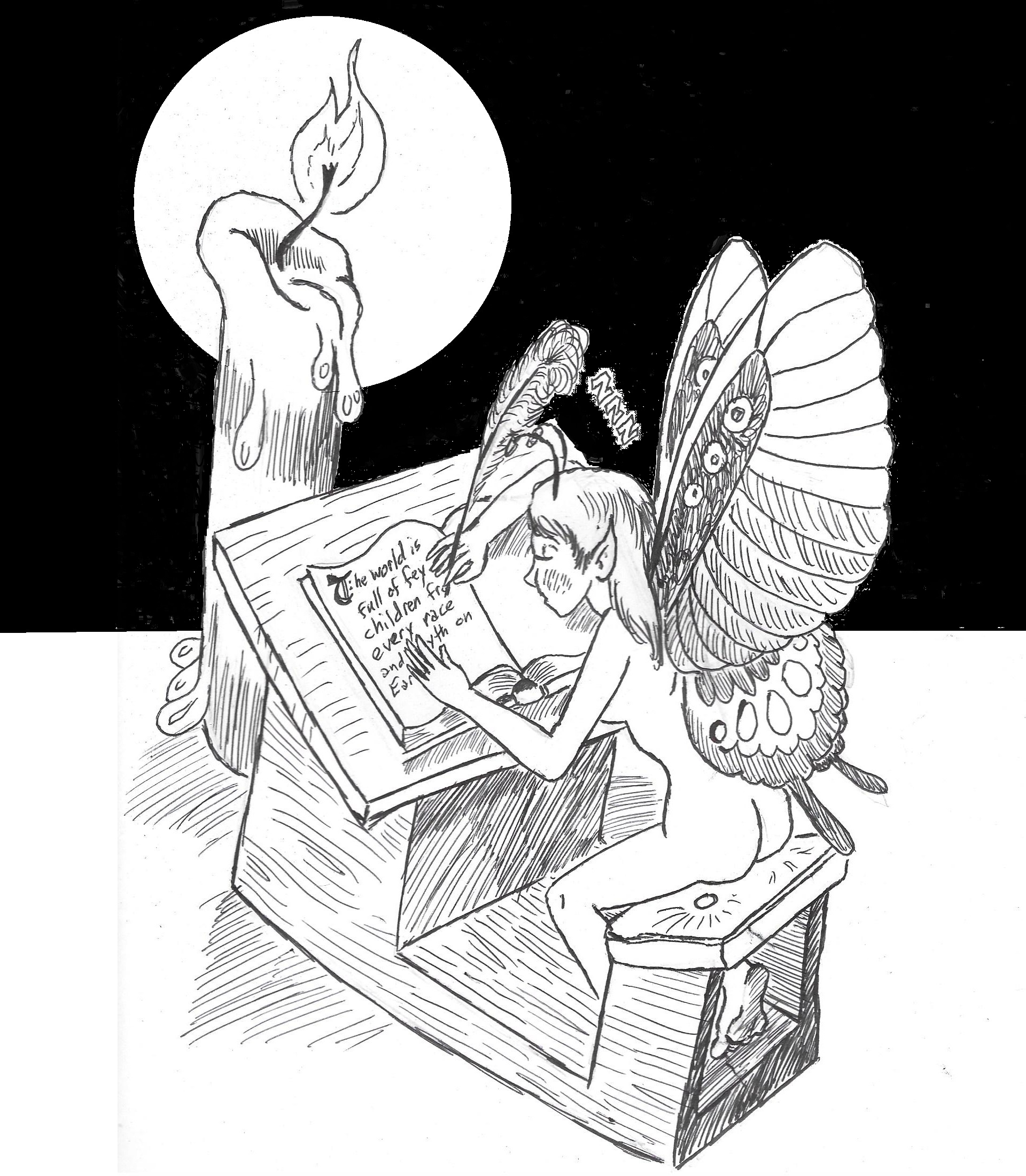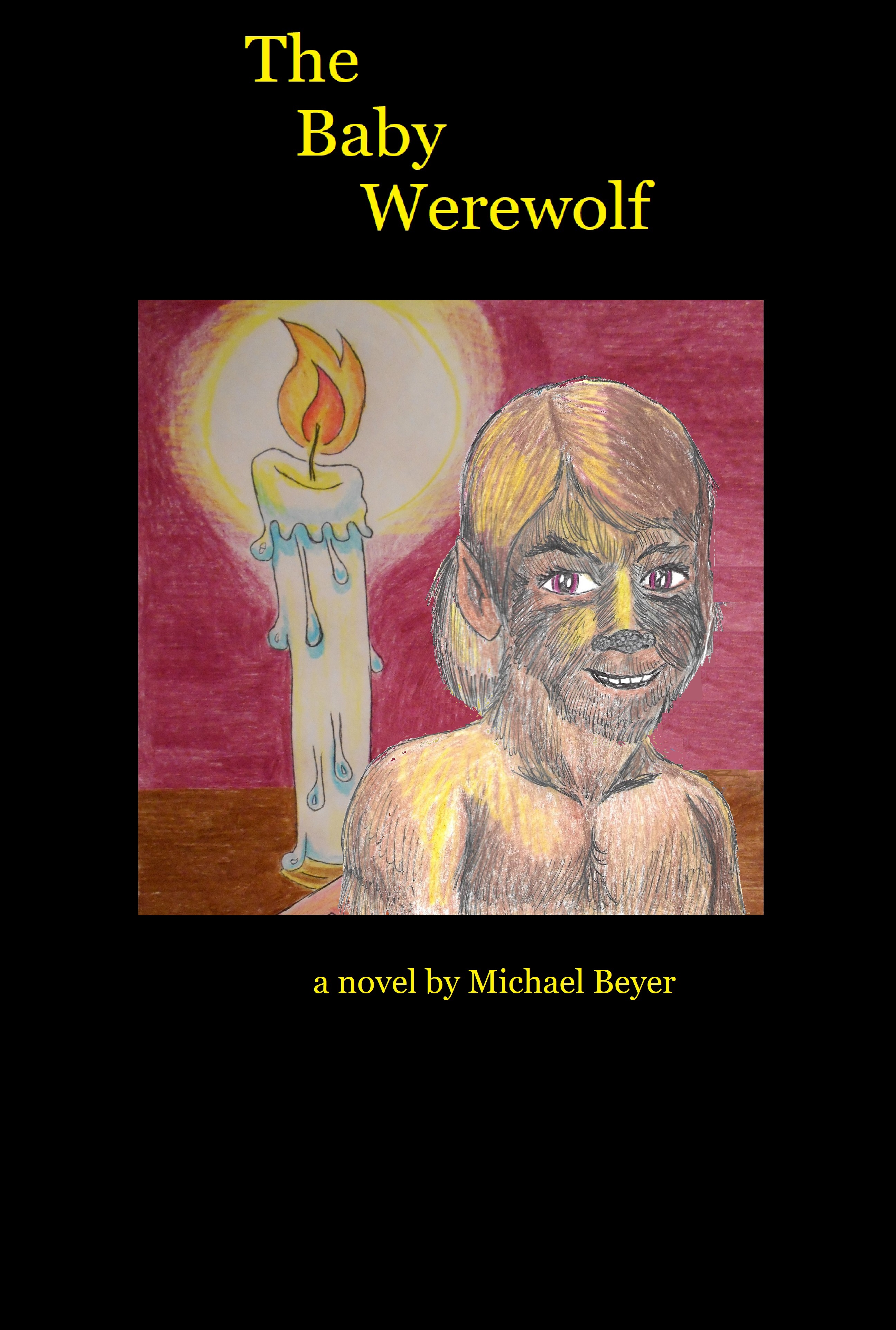
And what does this oil painting signify? It’s called “The Madonna of the Golden Door.” But the door is obviously made of brown wood, surrounded by all the gold paint the doofy artist could afford at the time.
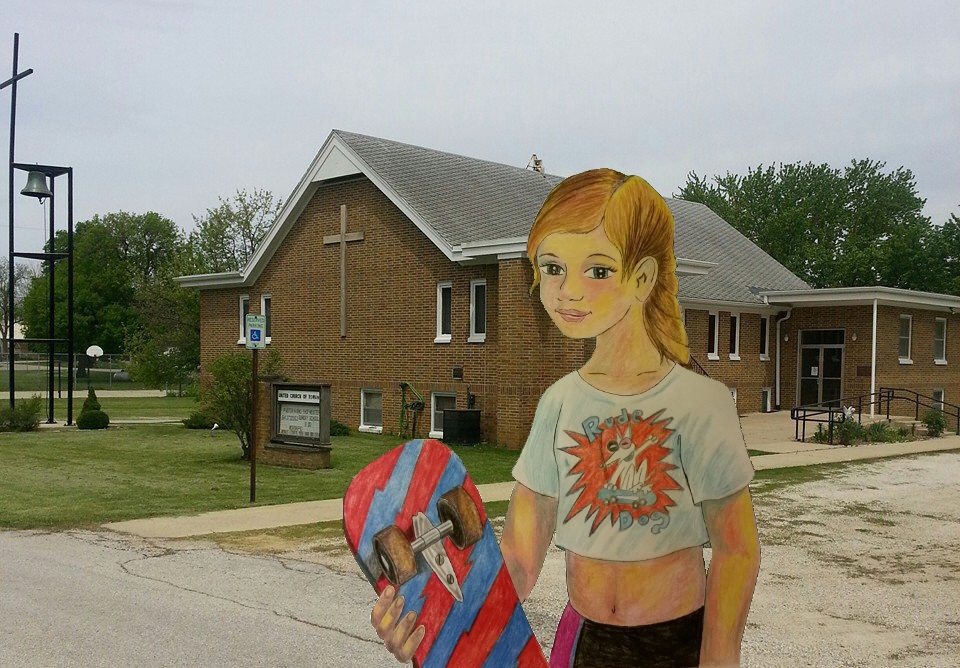
And is this a painting of a naked young girl, or a shirtless boy with long hair? And how can there be an ocean in the background if the painting was done in Iowa, as far away from the ocean in every direction as you can get in North America?
And no explanation of this is worth the time it would take to explain.
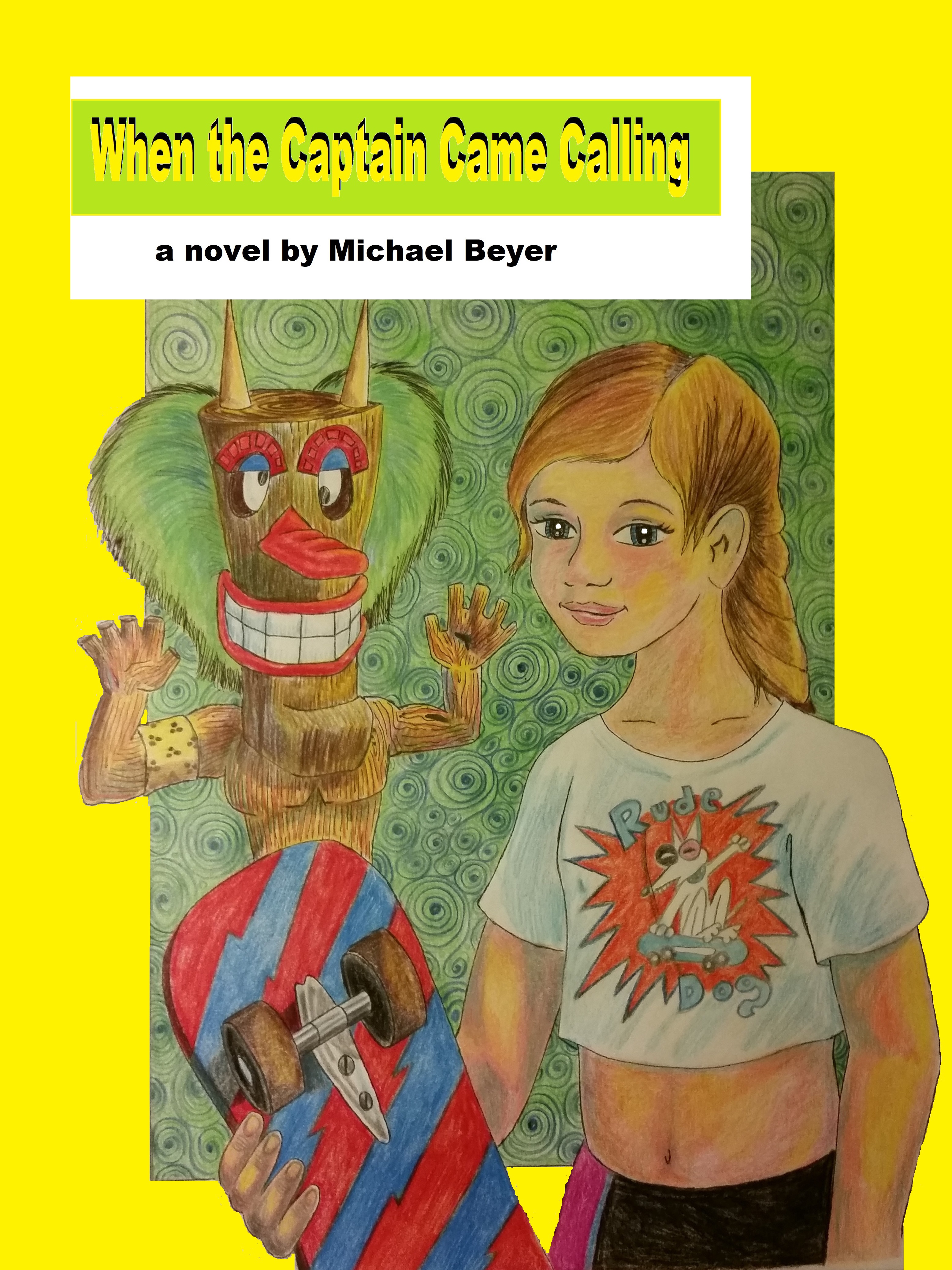
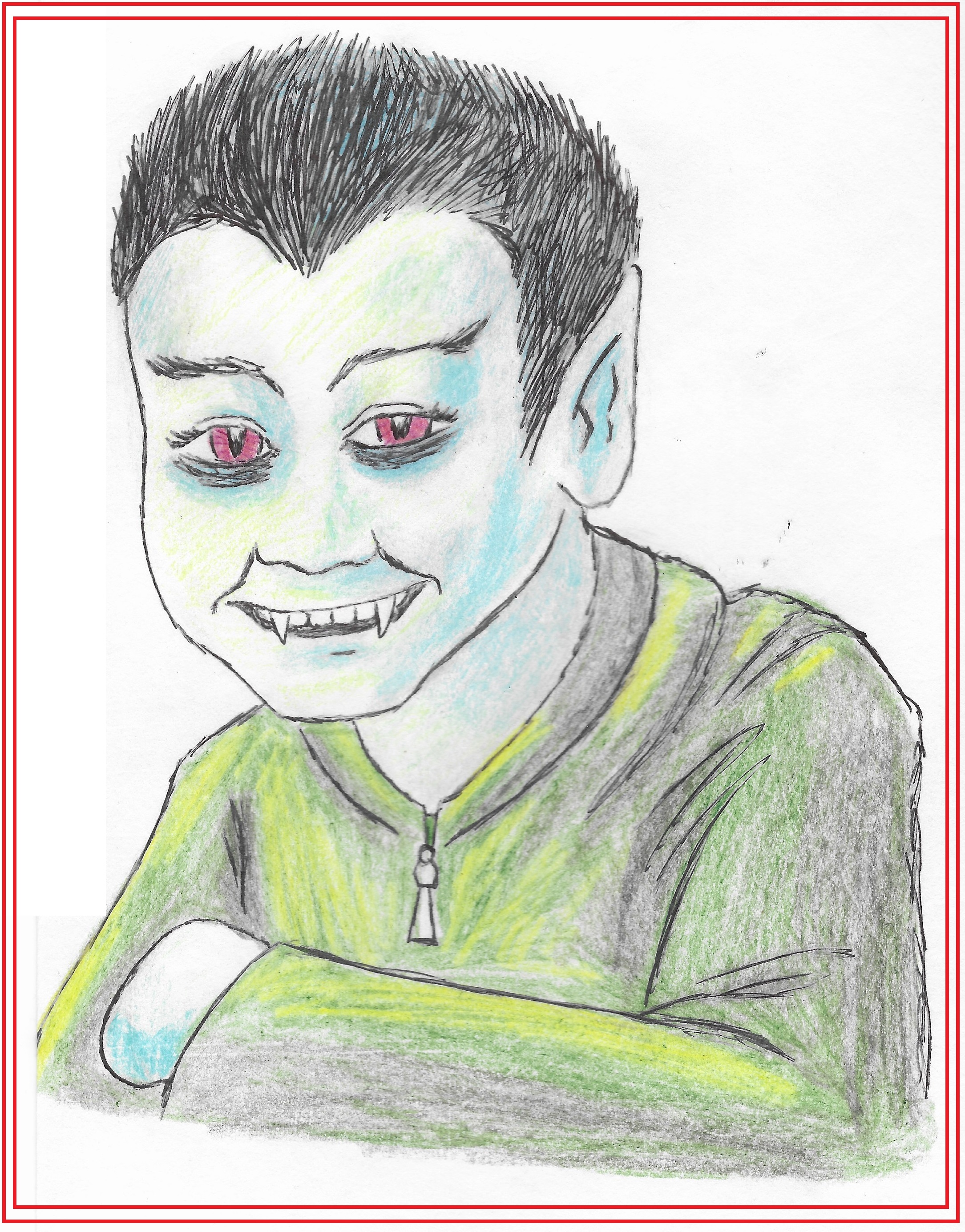
Are they green because they are aliens? Or do they just eat too many leafy vegetables?
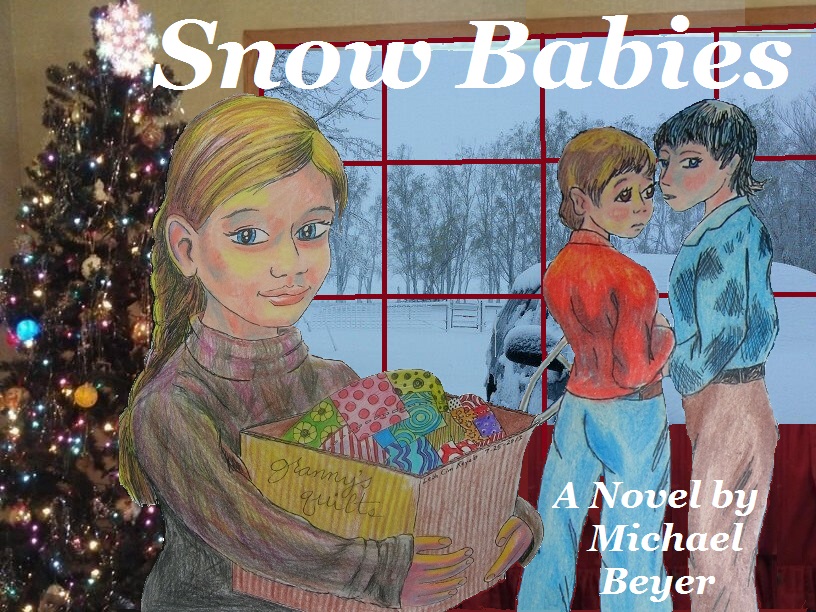
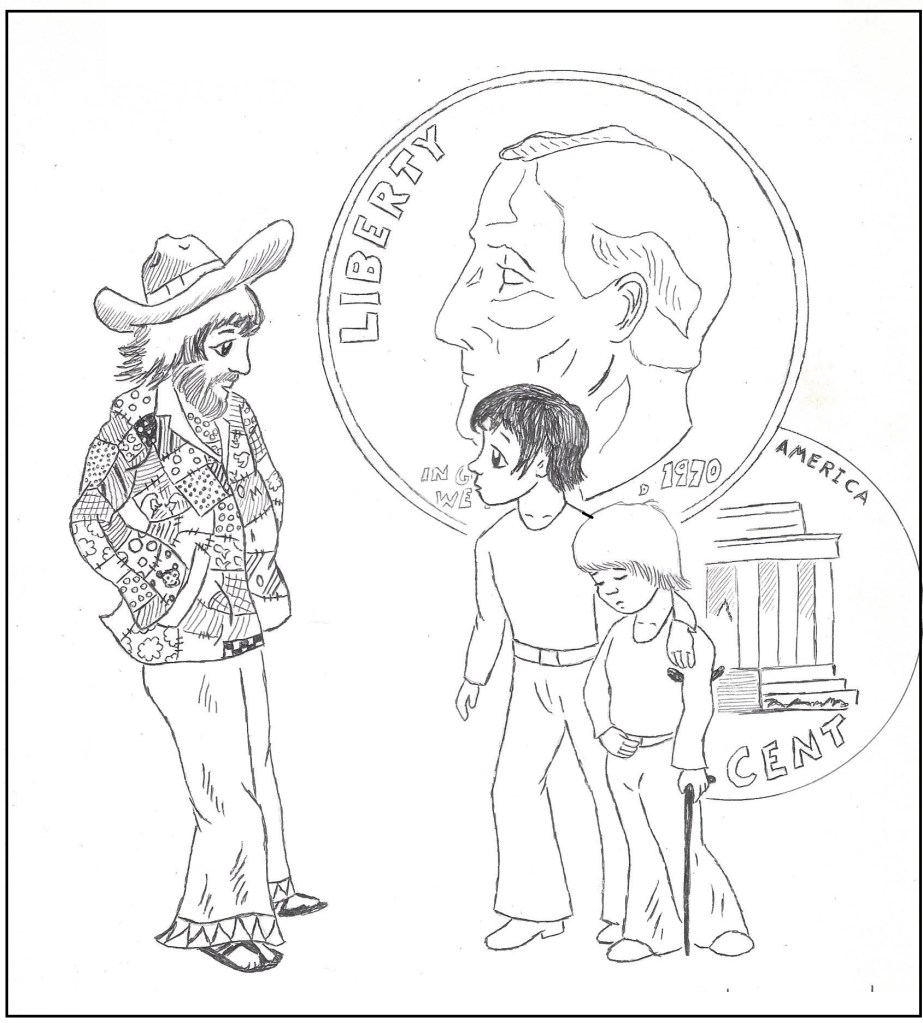
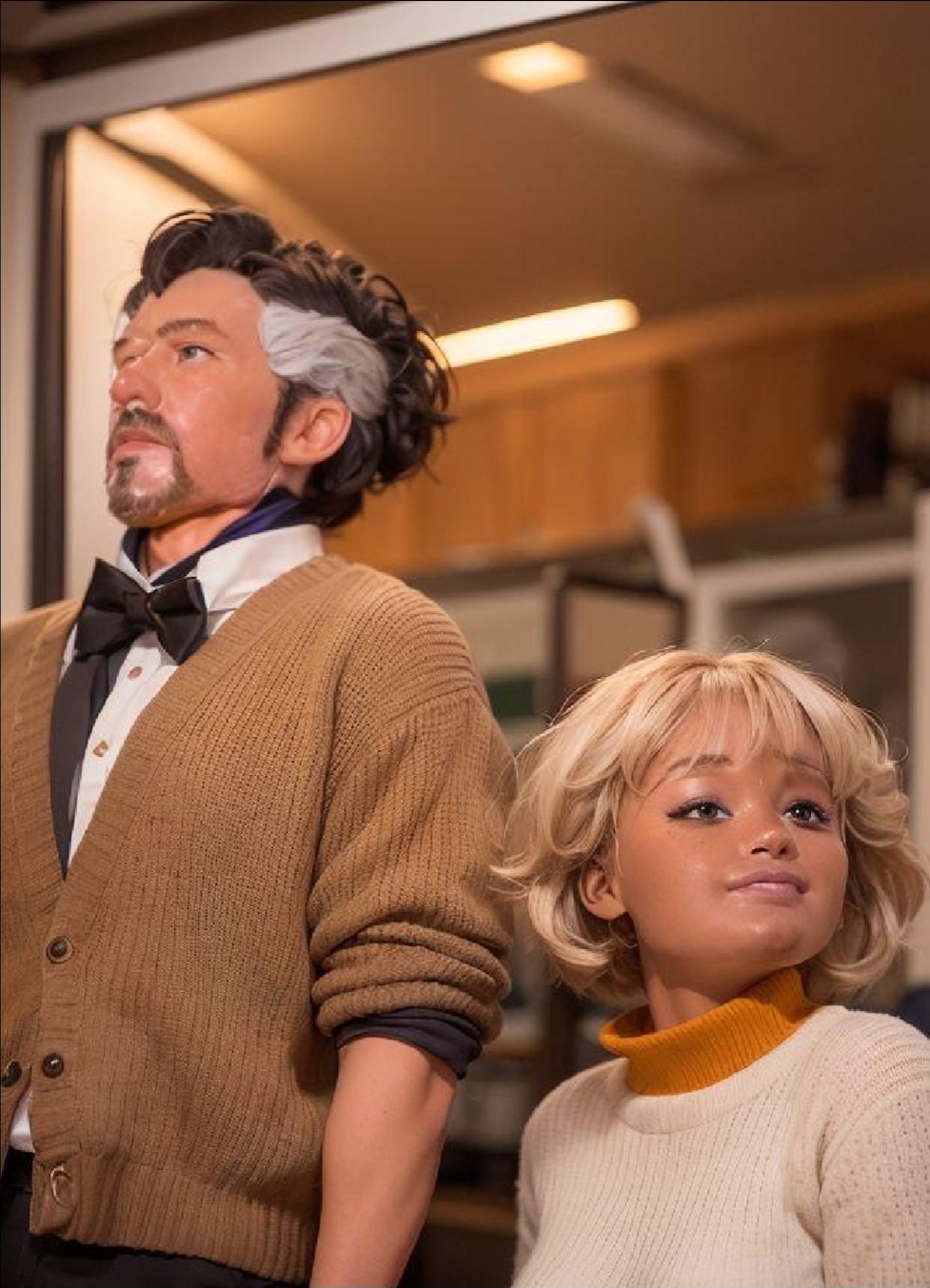
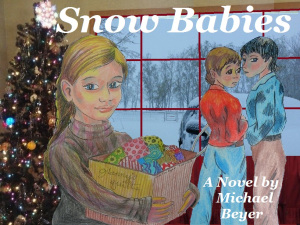
One of the models in this picture didn’t show up to pose for this picture… but his clothes did?
So, maybe this post is geared toward artworks that Mickey doesn’t reveal very often because they show some of his mistakes and tendency to bad judgments. Yeah,, that’ll do, unless he decides to tell us the real reasons at some later time.
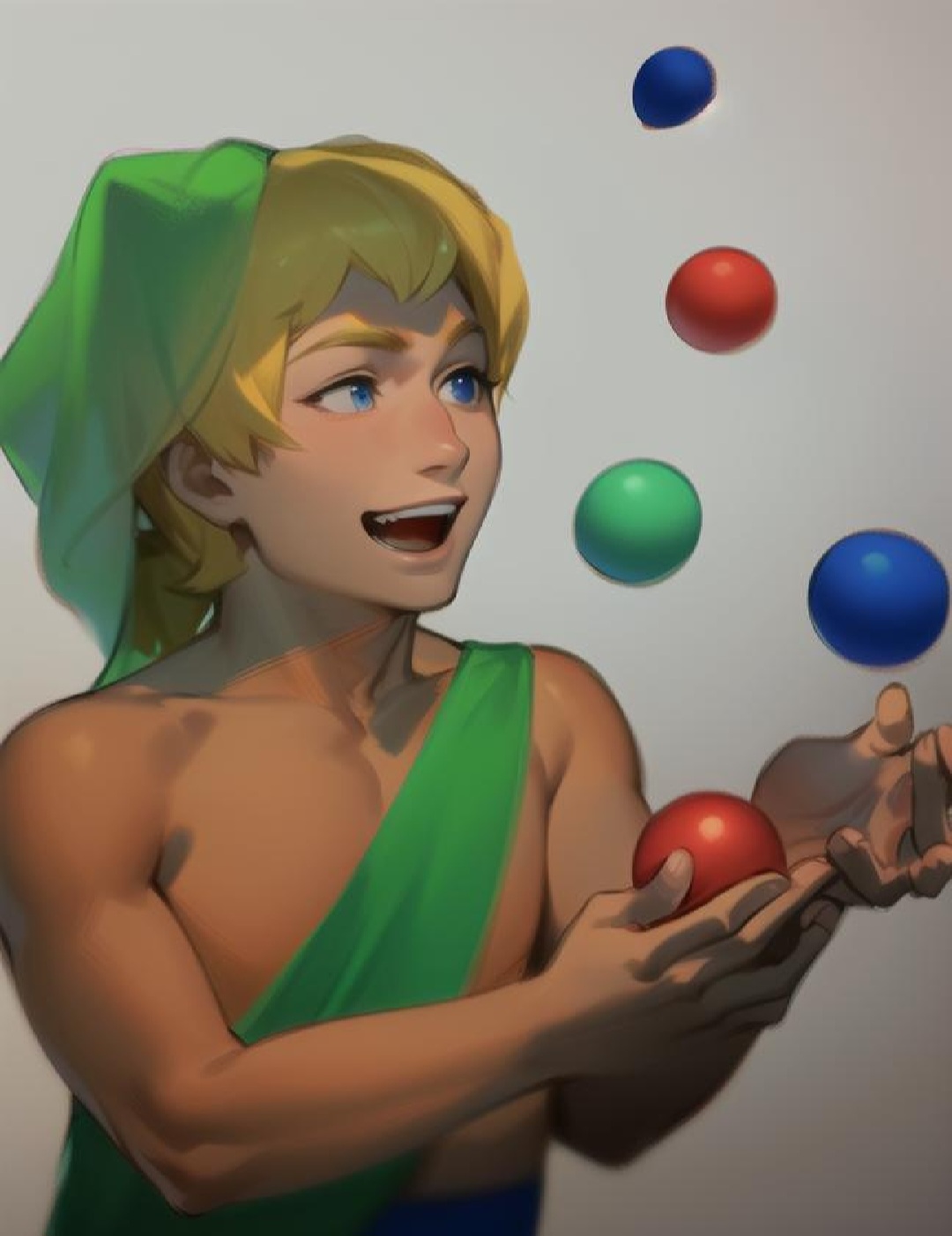
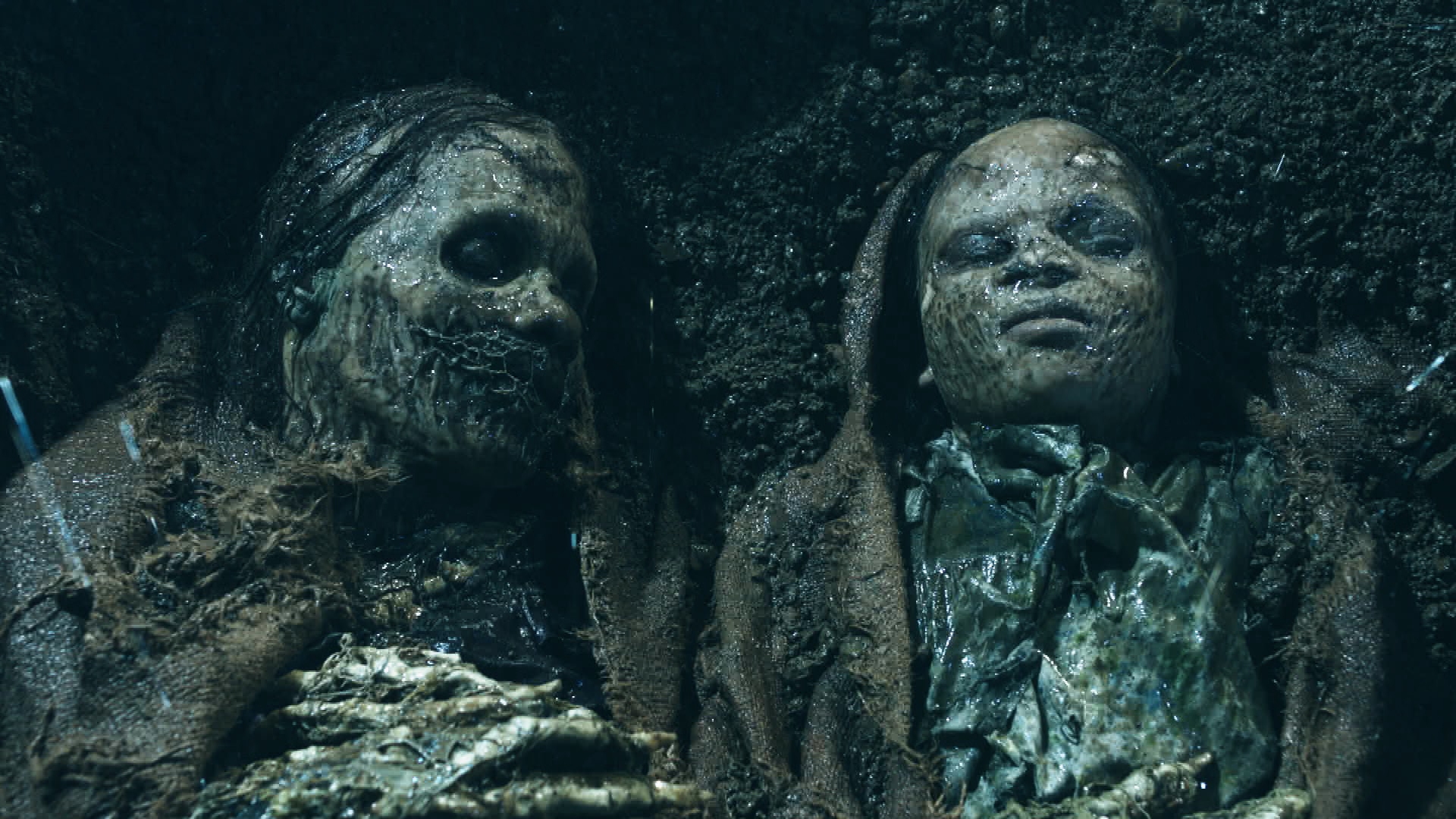
Mike Murphy and Blueberry Bates have gone back in time to a year Jesus might’ve walked the Earth. It is a digital art practice using a colored pencil drawing, several photos of things like hair and sackcloth clothing, and a background that is really a train station but fuzzed up to look like a temple. I used digital tools to put it together rather than Photoshop.
I am certainly no expert on the Golden Age of Comics. I was, in fact, born the year that the Golden Age ended. I am a child of the Silver Age (1956 to the early 1970s) and those were the comics I grew up with. But I admit to a fascination with the initial creation of the characters I love, including Batman, Superman, the Flash, Captain America, the Phantom, Steve Canyon, Wonder Woman and numerous others who were first put on the comic book pages in the Golden Age. And being subject to comic book prices that zoomed upward from a dollar an issue, I was bedazzled by the ten cent price on old comics.
Comic books owe their creation to the popular newspaper comic strips from the Depression era and WWII wartime. Originally, comic strips were gathered and printed on cheap paper. Dick Tracy, Prince Valiant, Terry and the Pirates, Flash Gordon, and other adventure strips would lead to the war comics and hero-centered comics that would morph into superhero comics.
Some of the artwork in Golden Age comics leaves a lot to be desired. Especially original, straight to comic book publications that were produced fast and furiously by publishers who would open one week, produce three issues. and go out of business three weeks later. But in the mad scramble, some truly great artists formed the start of their illustrious careers, Will Eisner, Hal Foster, Milt Caniff, and Bill Elder learned to master their craft in the newspaper strips, and all later created comic books and graphic novels. True geniuses like Jack “King” Kirby and Bob Kane and Jack Davis grew directly from comic book studio madhouses into comic-book-artist immortality.
As with most things that have a Golden Age, the truth was that later comic book eras were superior in most ways. But this Golden Age was the foundational age for an American art-form that I truly love. So, flaws and warts are overlooked. And some of these old ten cent books on super-cheap paper are worth huge amounts of money if you still have a rare one in mint condition. Ah, there’s the rub for a manic old collector guy like me.
Most of the Golden Age comic book images used for this post were borrowed from the ComicsintheGoldenAge Twitter page @ComicsintheGA. If you love old comics like I do, you should definitely check it out.
I write stories about orphans and abused kids. So, making illustrations is something useful to do. Arthritis in my hands, however, puts a limit on everything. Even how much typing I can do.
These are made with shortcuts, tracing photographs I like, and coloring with digital brushes that can go outside the lines and easily get cleaned up later.
Occasionally using digital tools allows some very subtle detail work in spite of arthritic fingers.
Some very old pictures can become new art. But here I forgot how many legs women are supposed to have. It isn’t just my hands that are getting old. I didn’t see it until after I transferred it to the finished picture file. I should’ve saved each layer as I went.
The question before me now is, “What do you know, and how do you know it for certain?”
Well, I really don’t know anything. How do I know that I don’t know anything? Well, Socrates always told everyone who would listen that he didn’t know anything for certain, and he is obviously much smarter than I am. So, being super-stupid by comparison, I don’t even know as much as Socrates.
So, like Socrates, I need to ask questions. But who will I ask? I can look at the picture above for answers, and I can ask you, the reader, the questions.
The picture is one of the most favorite ones I have ever drawn. By that I mean it is one of the pictures I drew with colored pencils that I like the best. It is, therefore, basically a self portrait of things inside my silly head.
Do the soldiers look familiar to you? If they do, it is probably because, like me, you have seen the soldiers from Disney’s Babes in Toyland. Hopefully they are just generic enough that Disney wont sue me for modeling this fantasy on something I saw in their copyrighted movie. I didn’t intentionally copy anything, and I have never knowingly made a single dime off of this picture. So, they don’t need to sue me, right?
Okay, those weren’t Socratic questions. They were leading and focused questions. So, let’s start the Socratic stuff.
Do you see anything in the picture that is innocent and childlike? Could this be illustrating a childish fear of the darkness? Did you notice the darkness they are marching towards on the left of the picture? Could this also be showing a progression towards maturity? Are the children and the soldiers not approaching that darkness… whatever it might be? Are they not getting more prepared to face the darkness as they get closer to it? The weapon pointed straight at the darkness is the bugle. Does the bugle, being an instrument for announcing something in combat, not have some symbolic meaning here? Does the darkness they are approaching not represent something like death? Does the boy with the drum suggest how we might deal with the darkneness in our own too-near future?
I wish I had answers. I woke up with a slight sore throat this morning. I have a cough that comes and goes. That is nothing new for me and my allergies this time of year. Still… it might be COVID. I could be dead before the end of the week. My power to affect anything in the world right now is very limited. I have to wait in Texas until early voting starts on October 13th, a very ominously-numbered day. I still have to finish and publish book number 18. And I feel like it is a very good novel. But I may be too ill to write that last chapter today. And it would be a shame to leave this world without finishing it.
We must never give up hope.
We must remember where we came from.
And look for new dawns more than colorful sunsets.