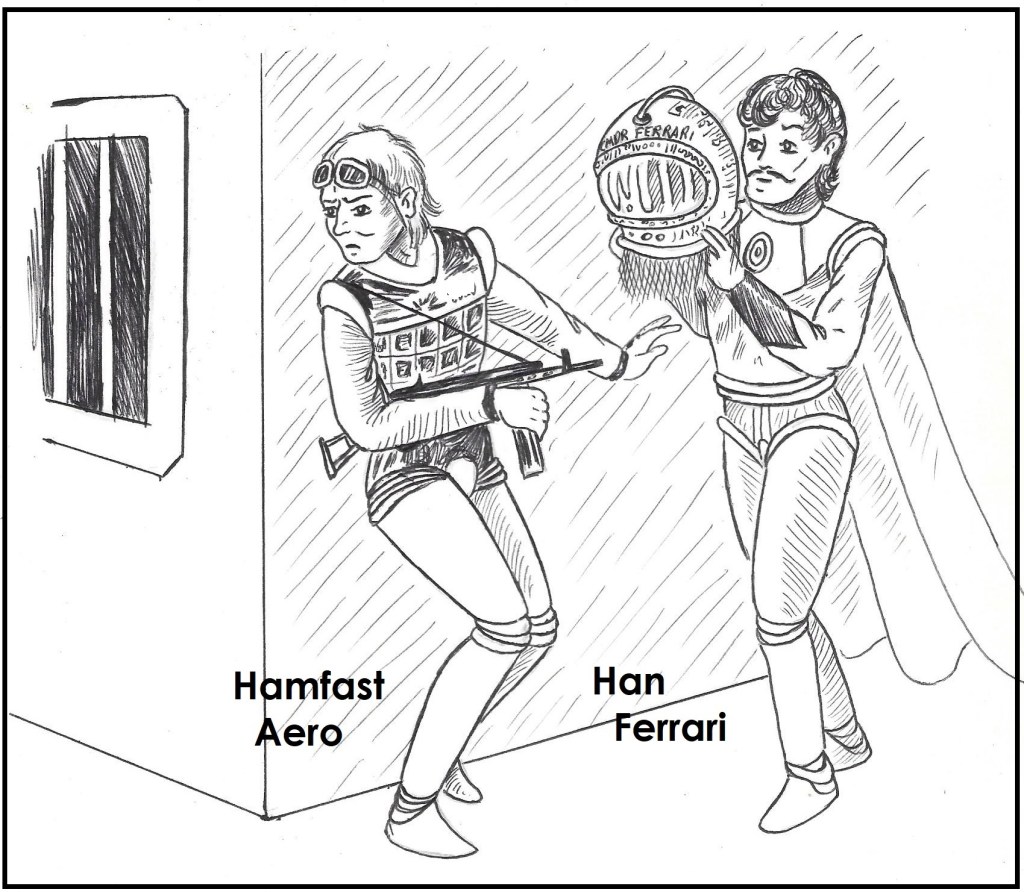
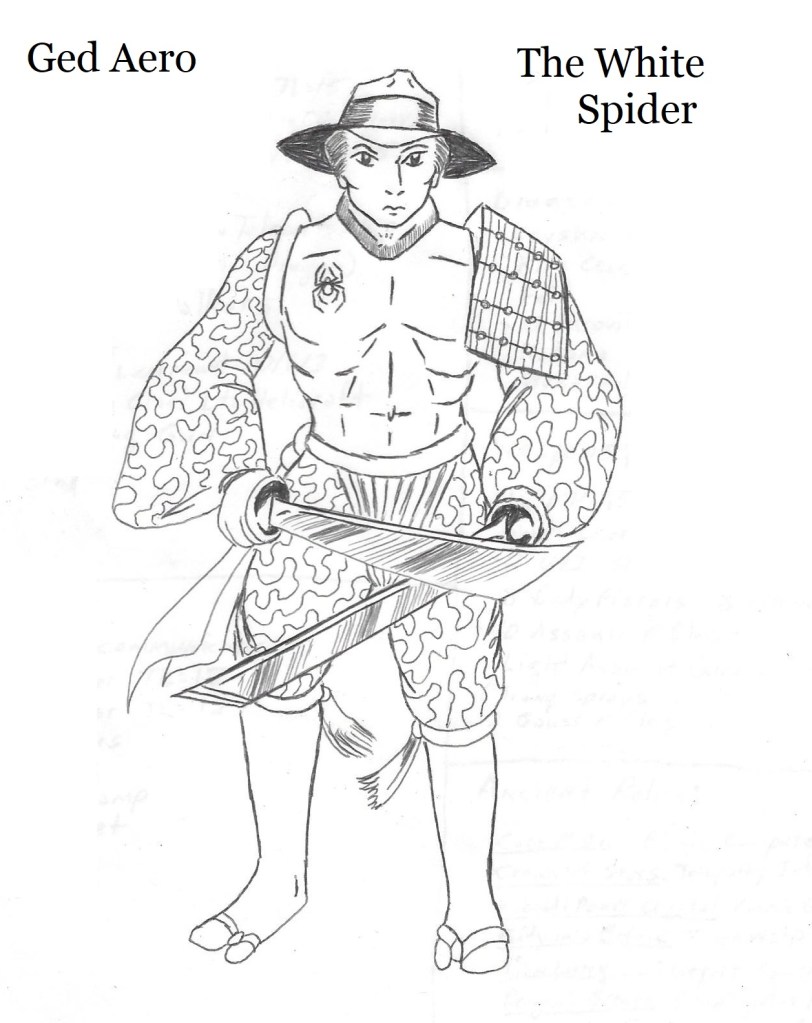
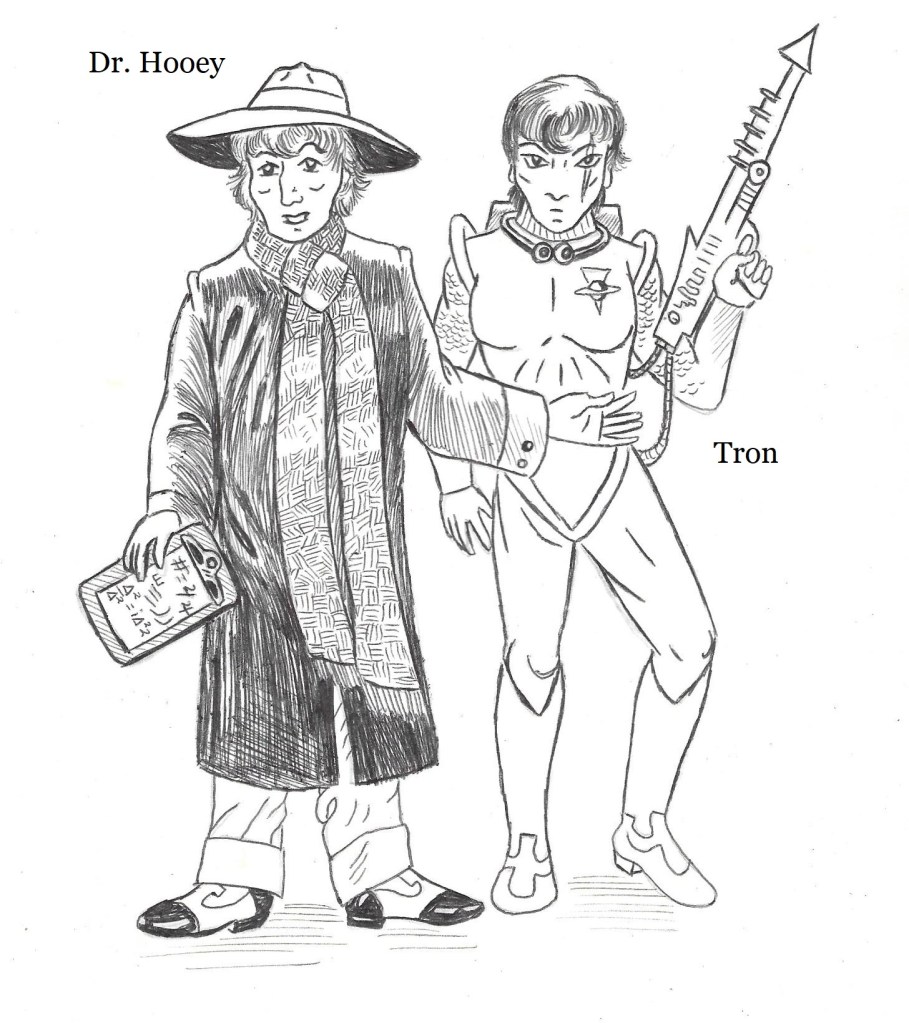
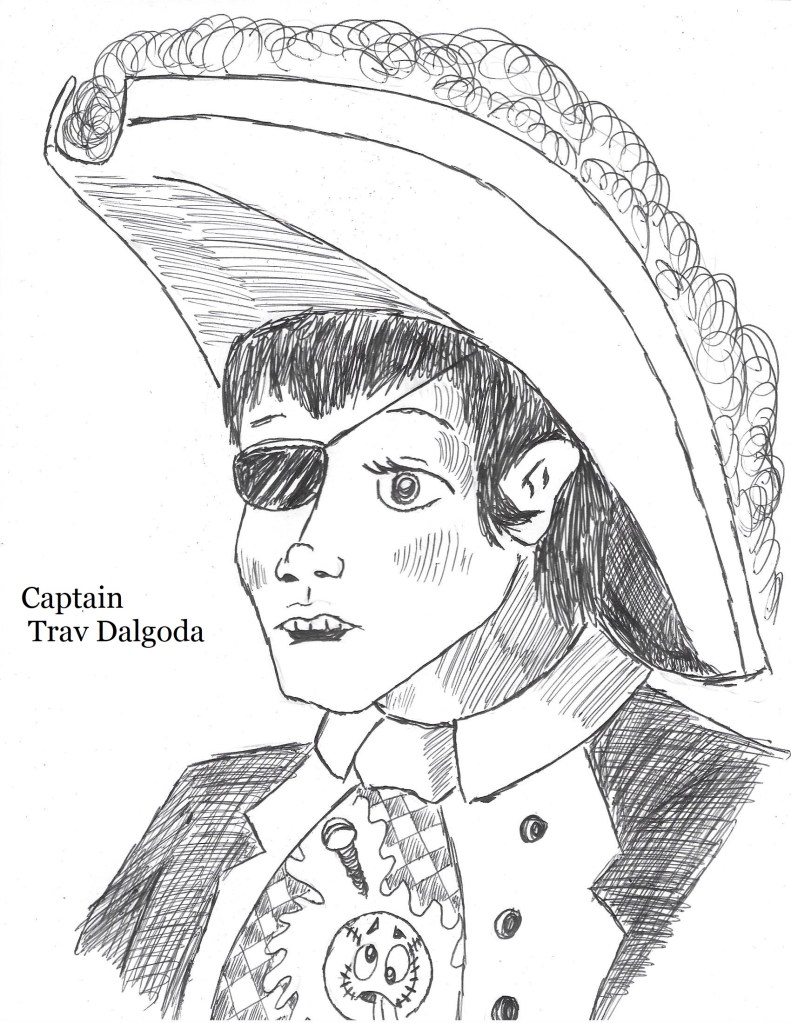
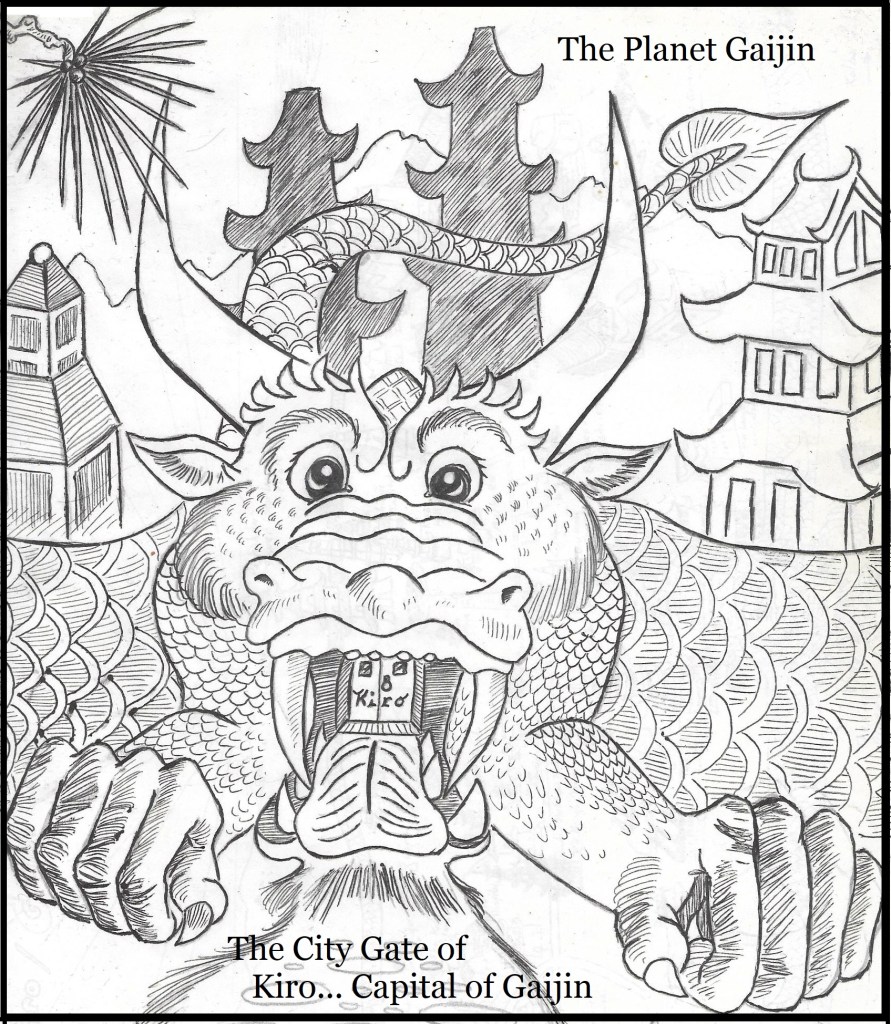
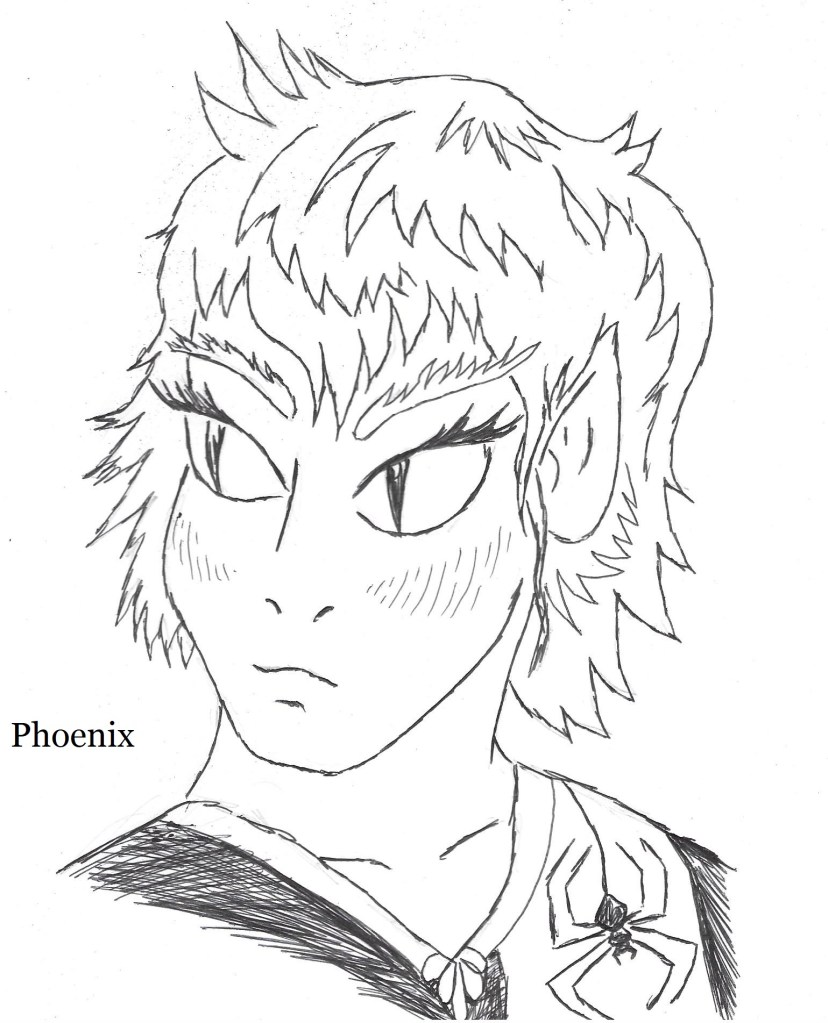
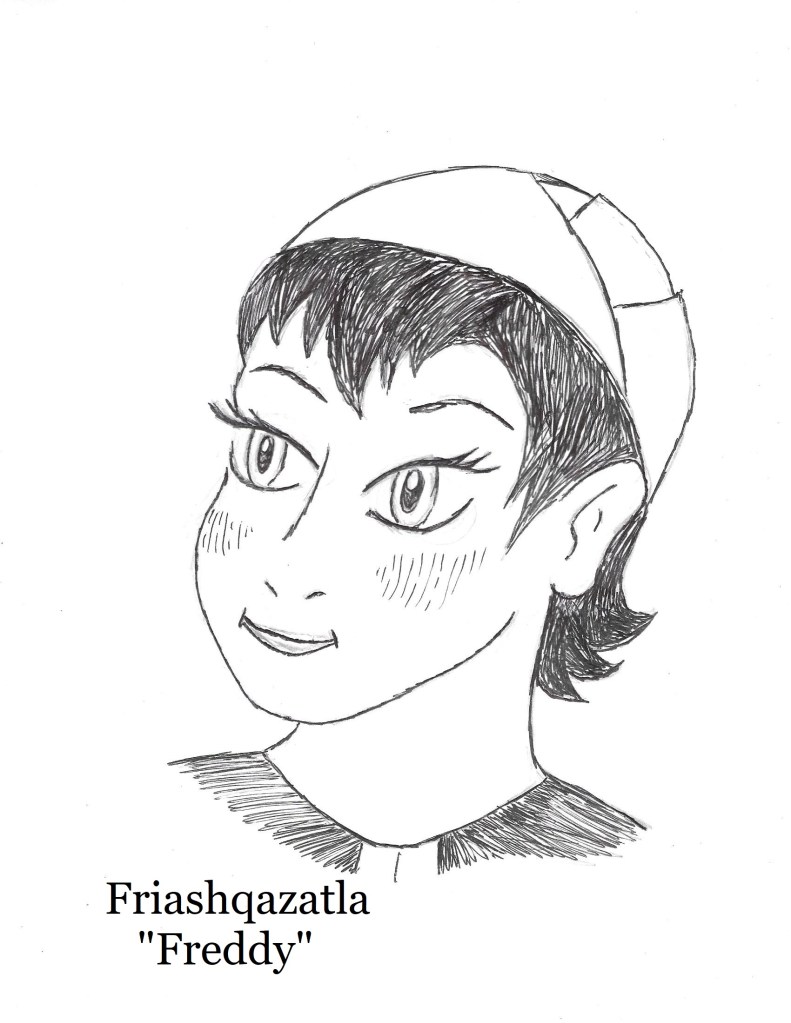
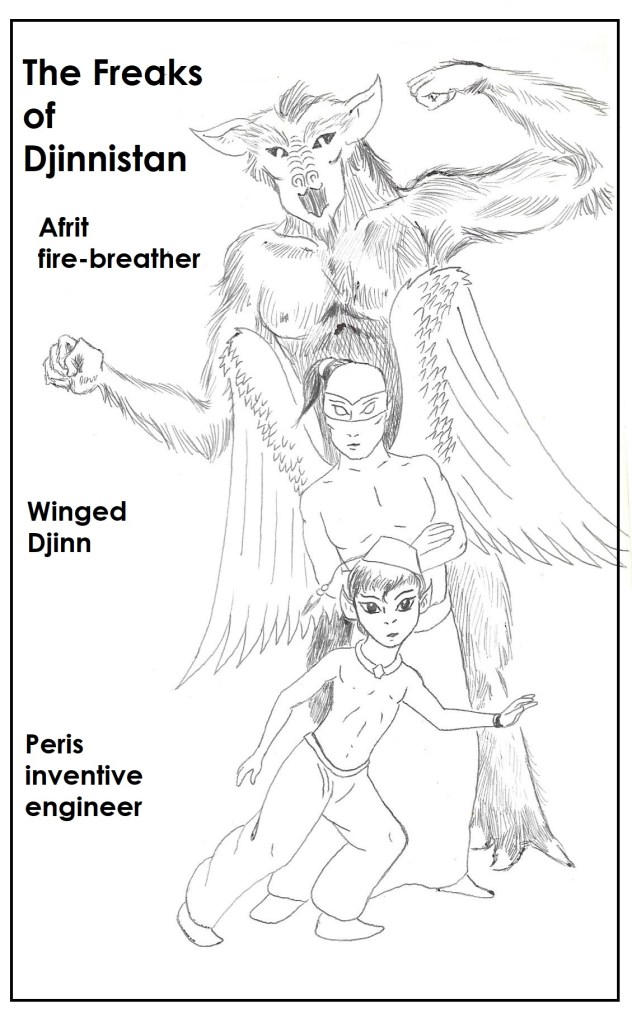
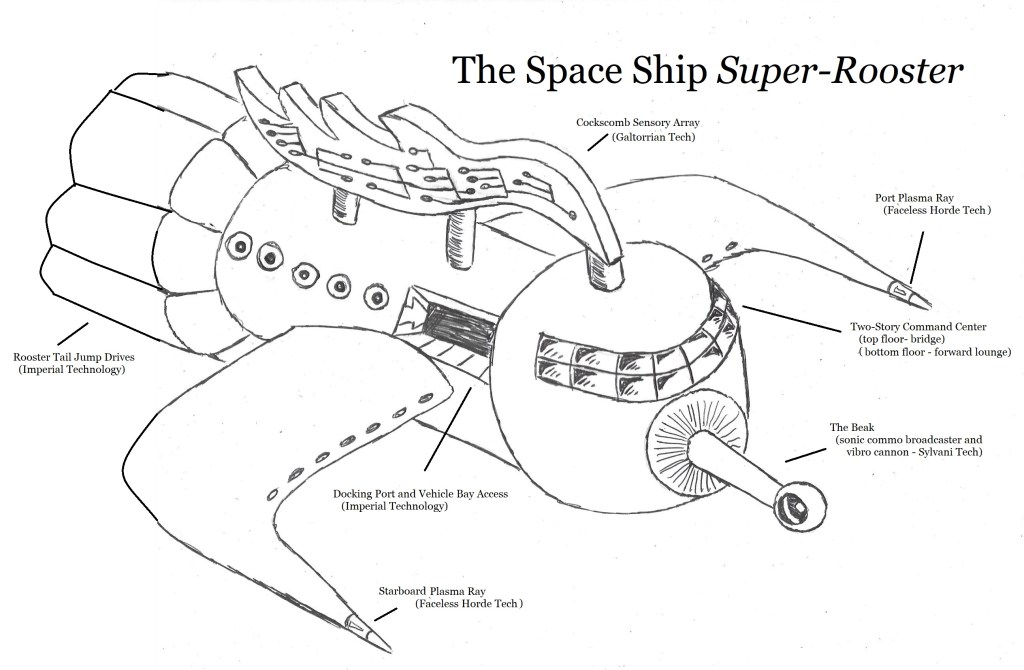
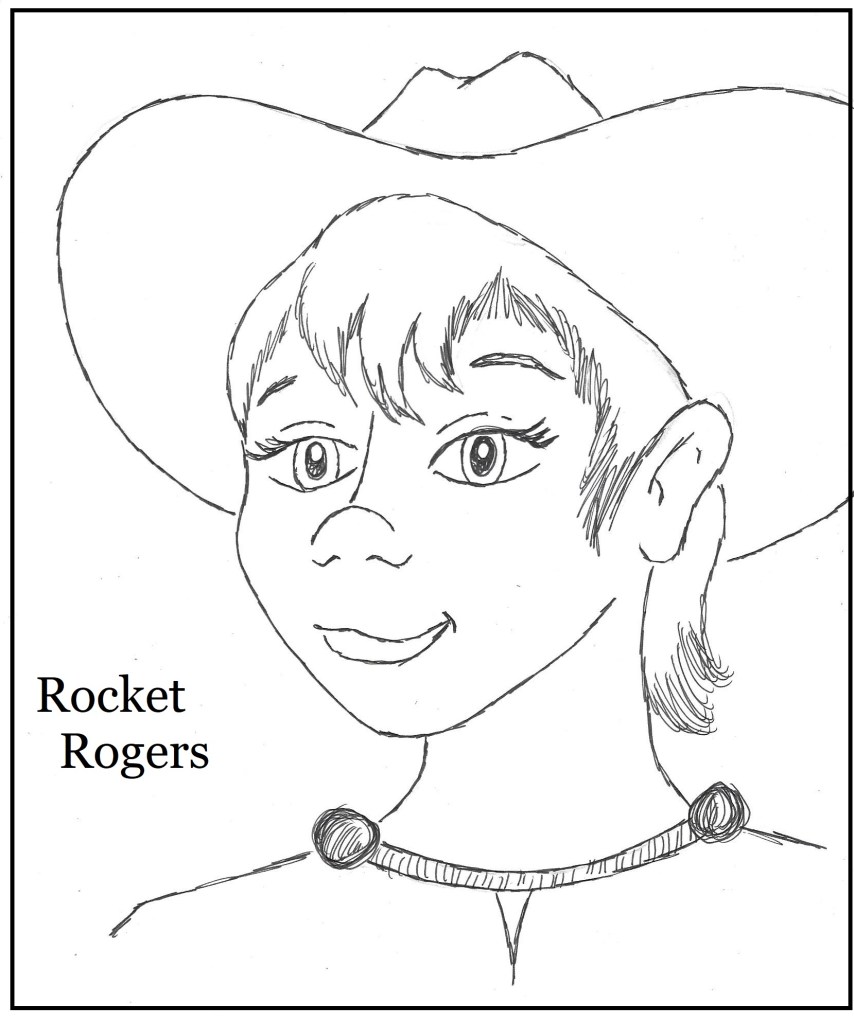
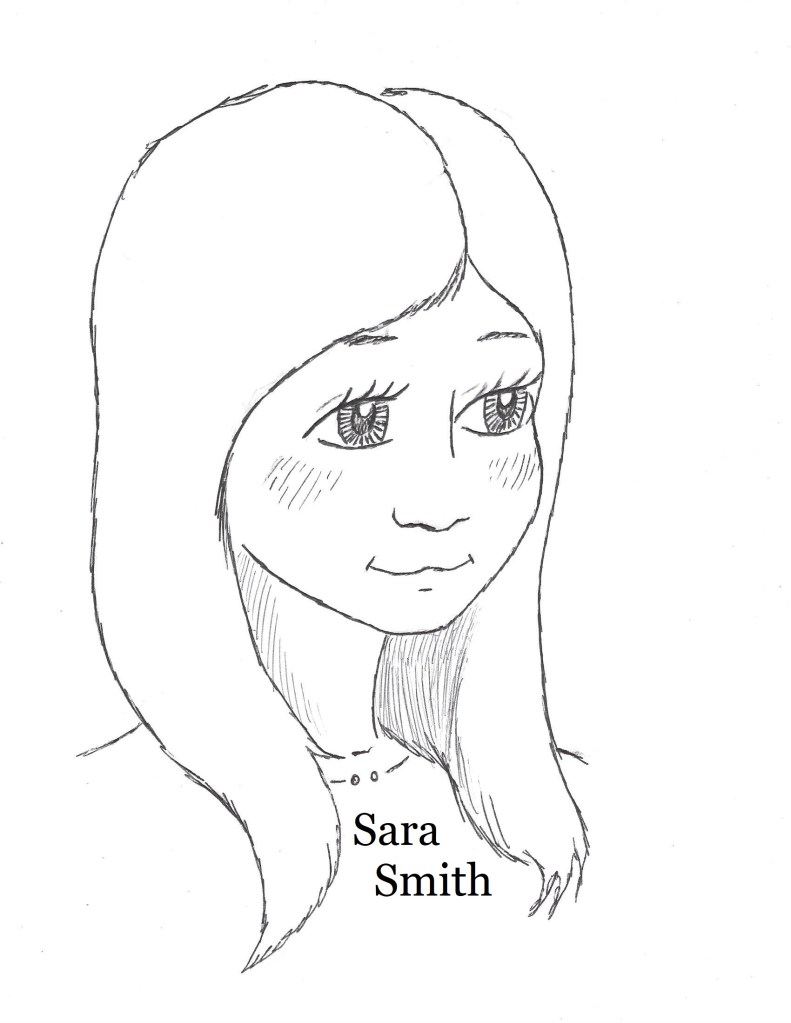
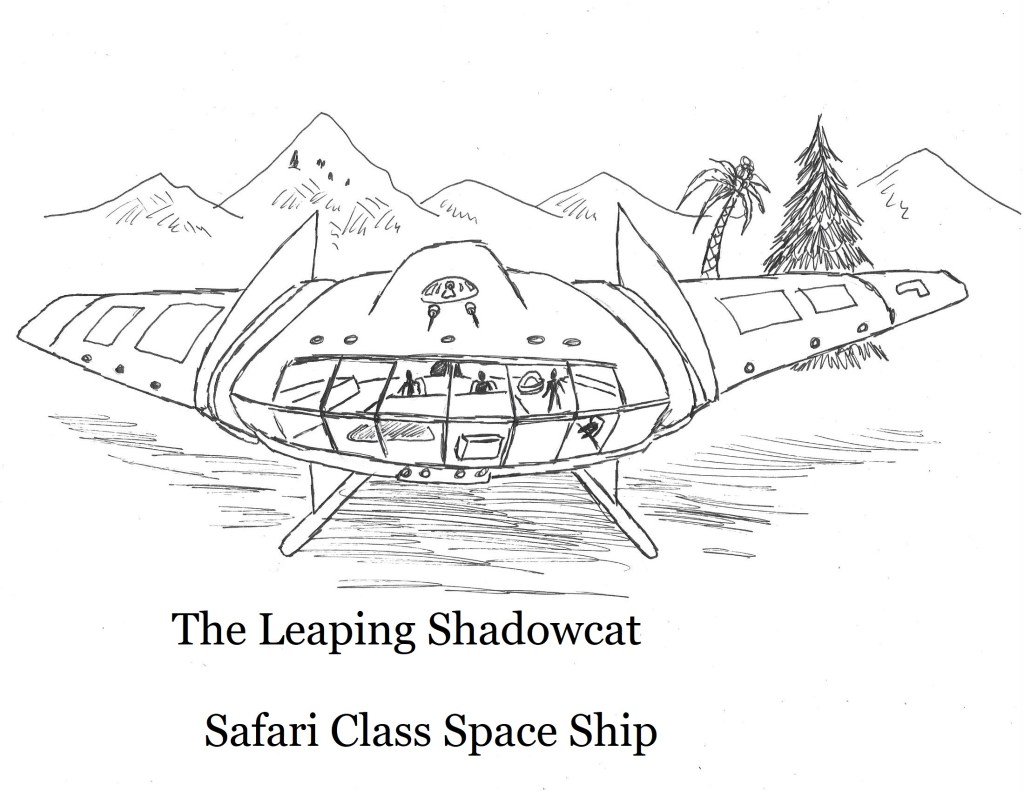
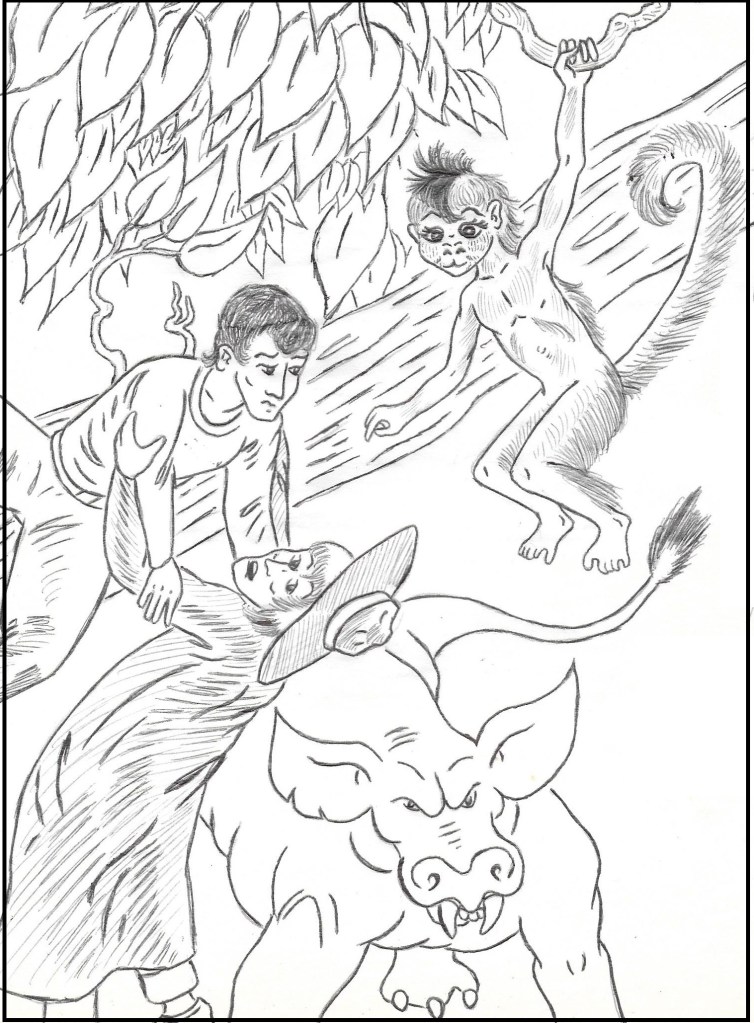
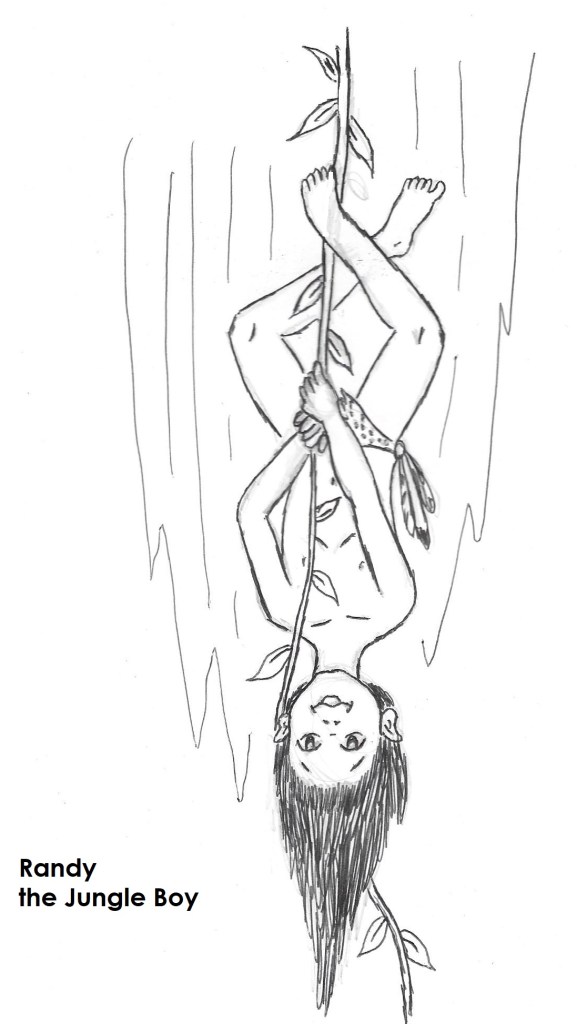
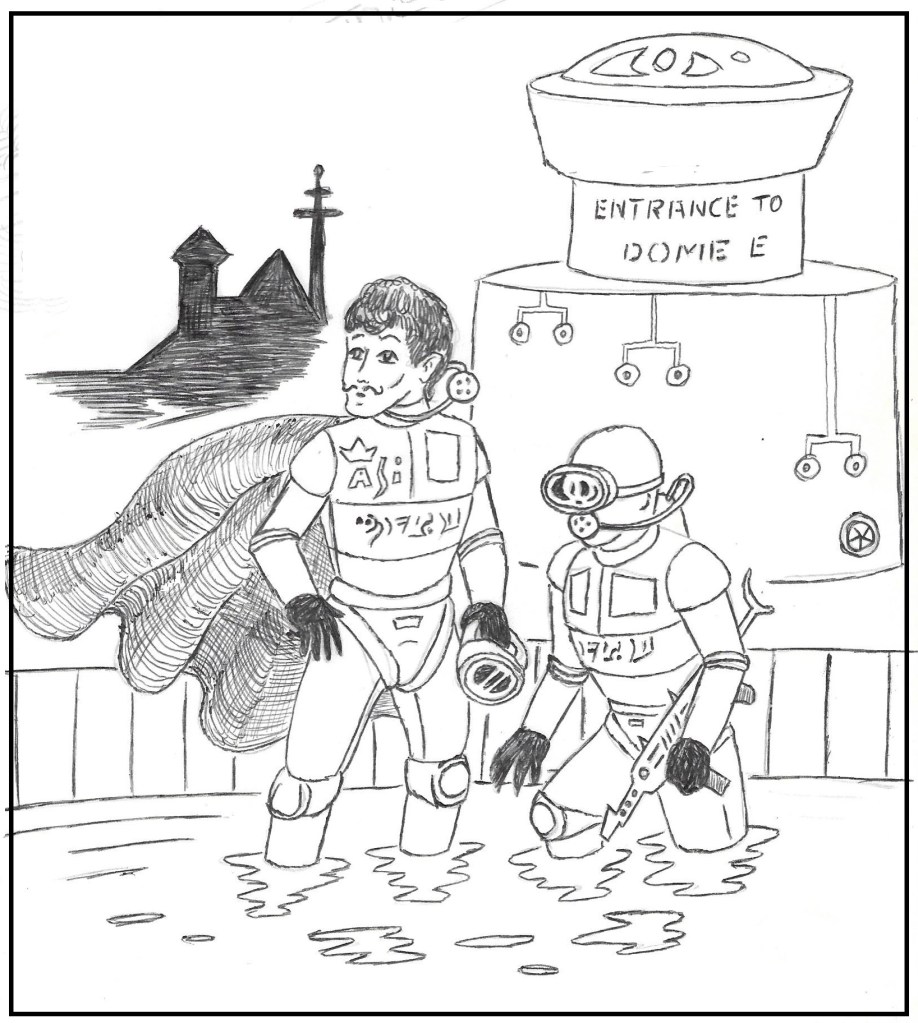
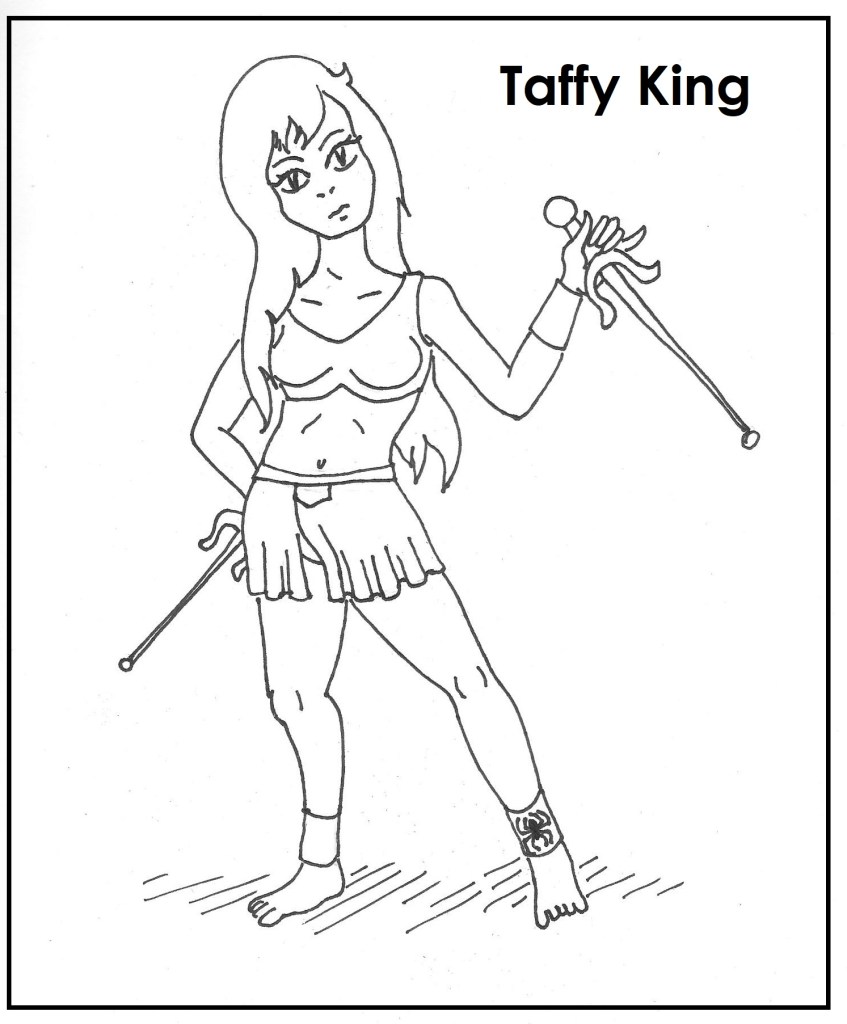
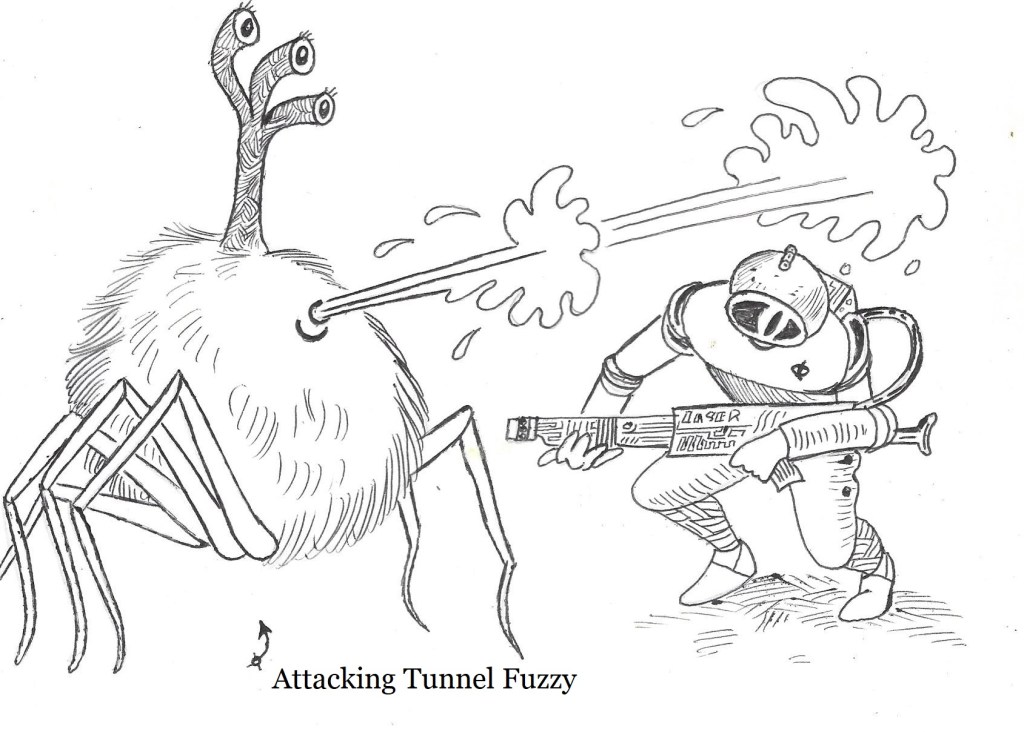
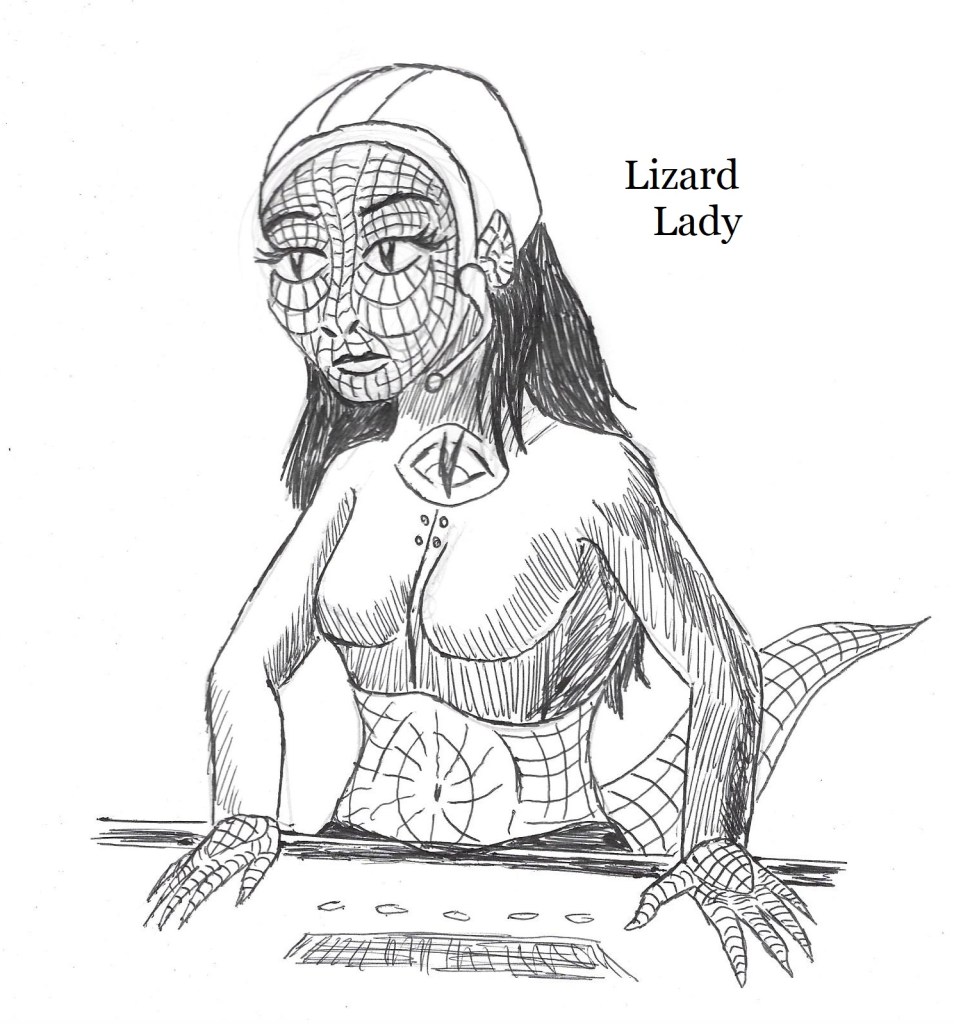
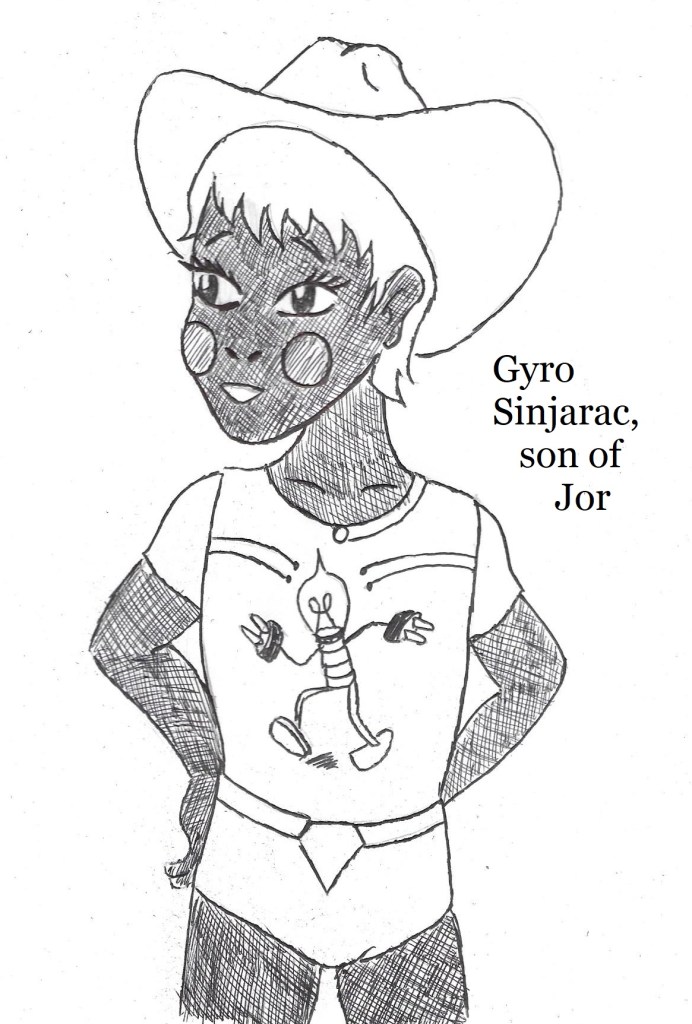
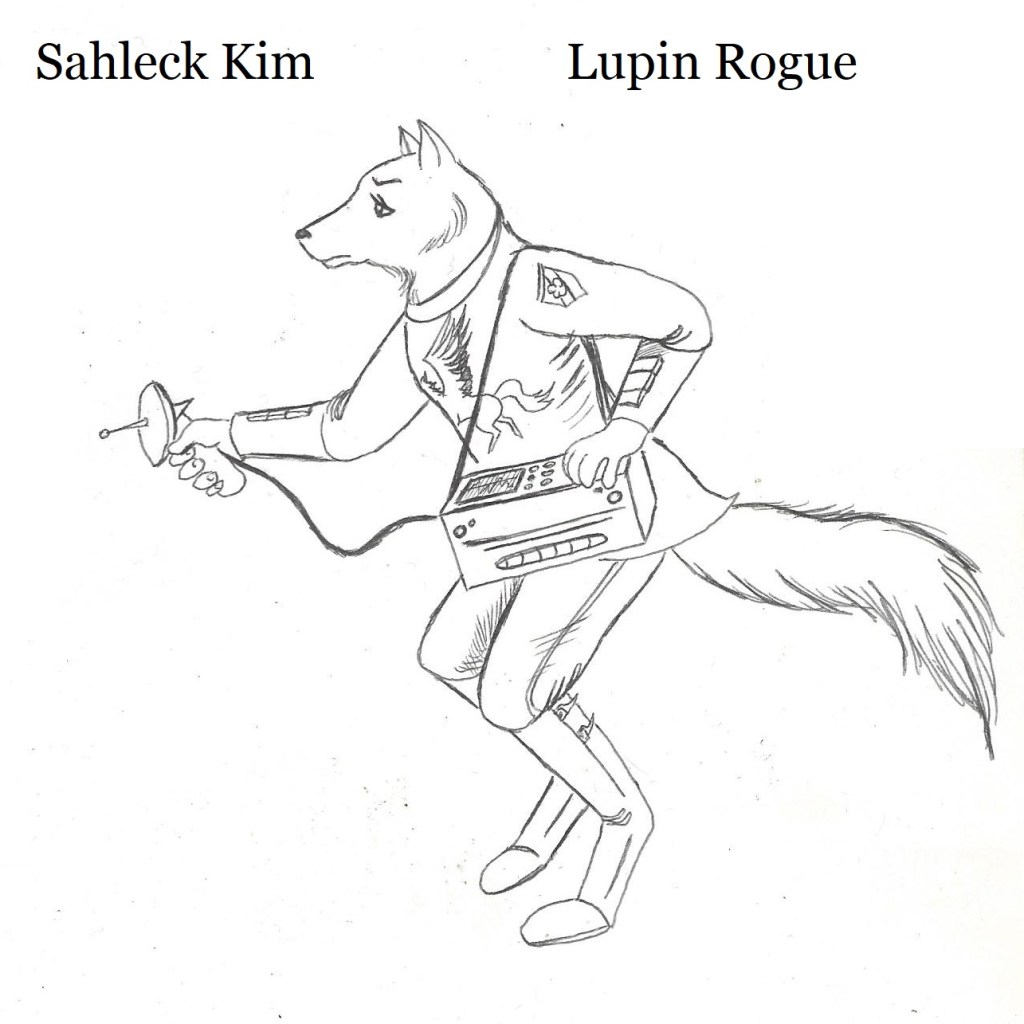
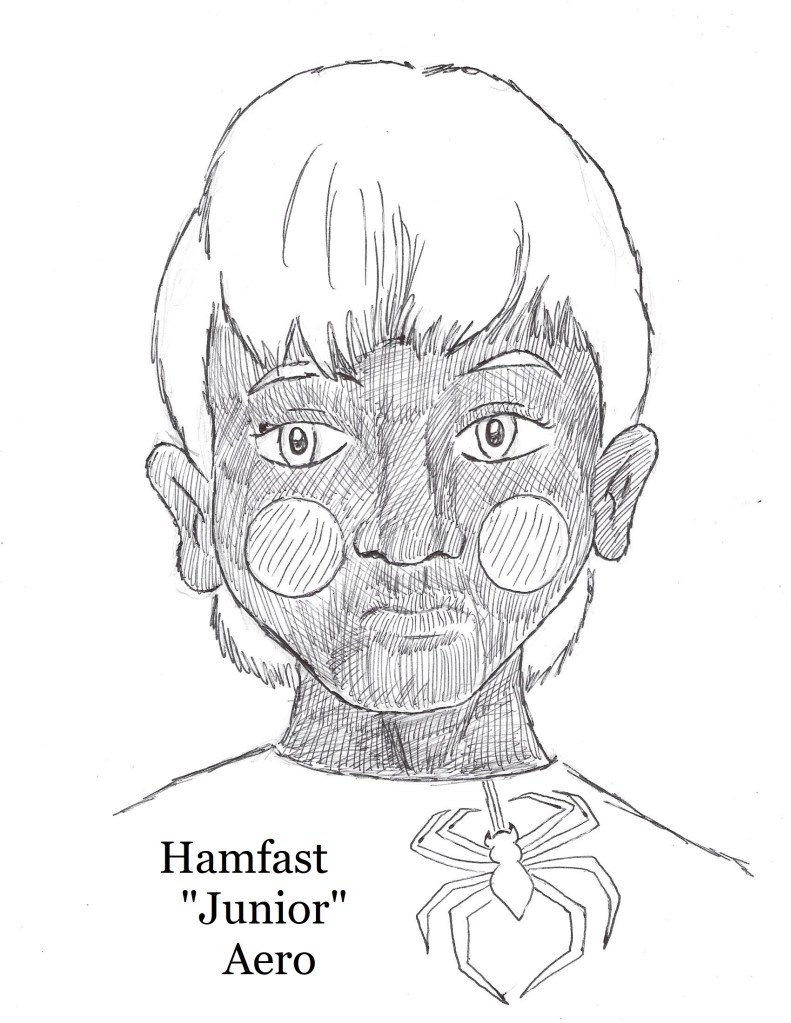
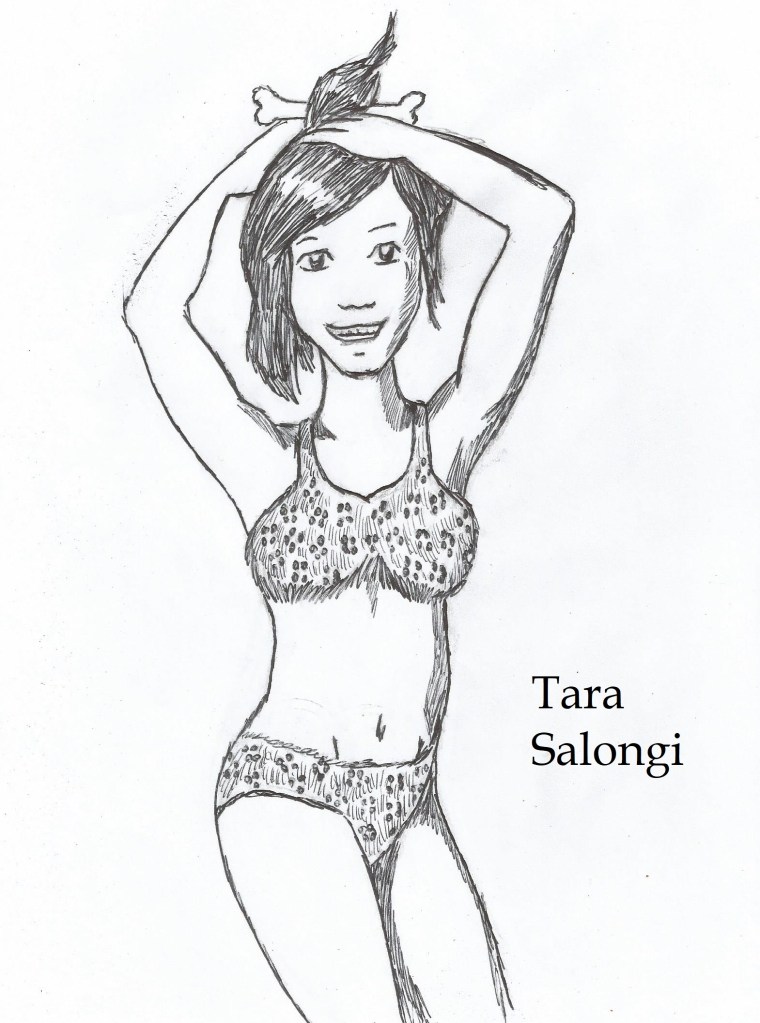
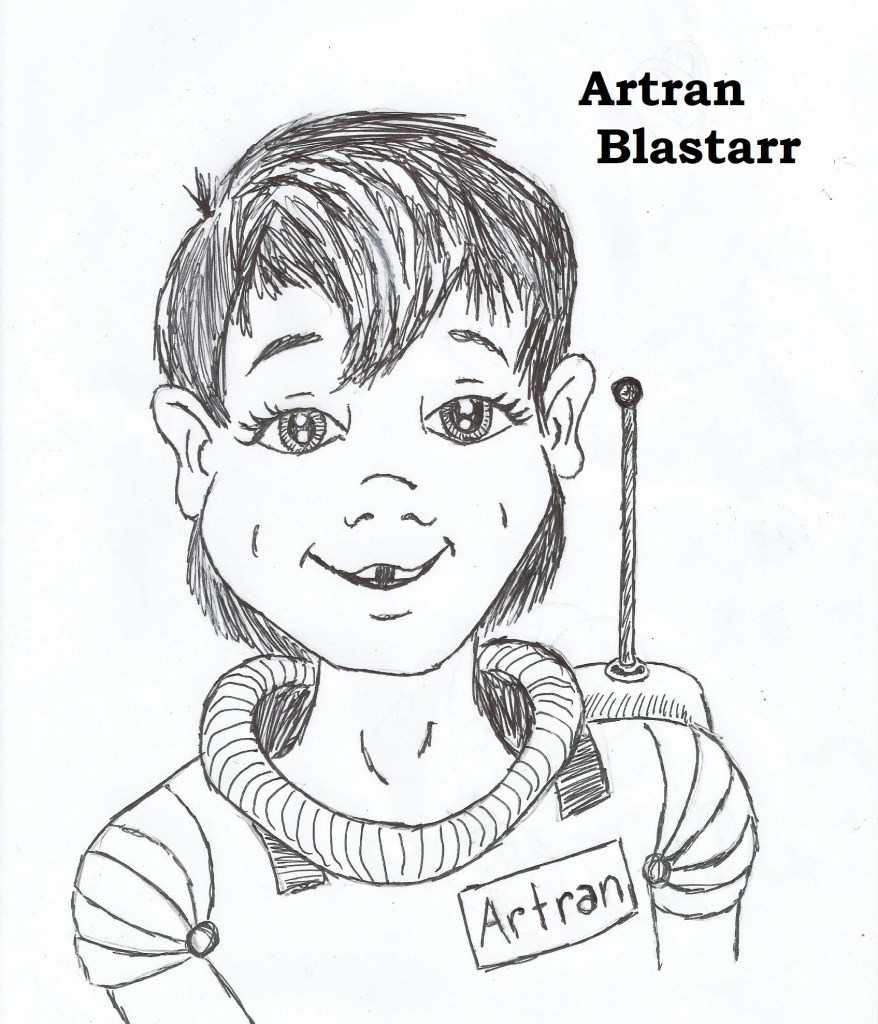
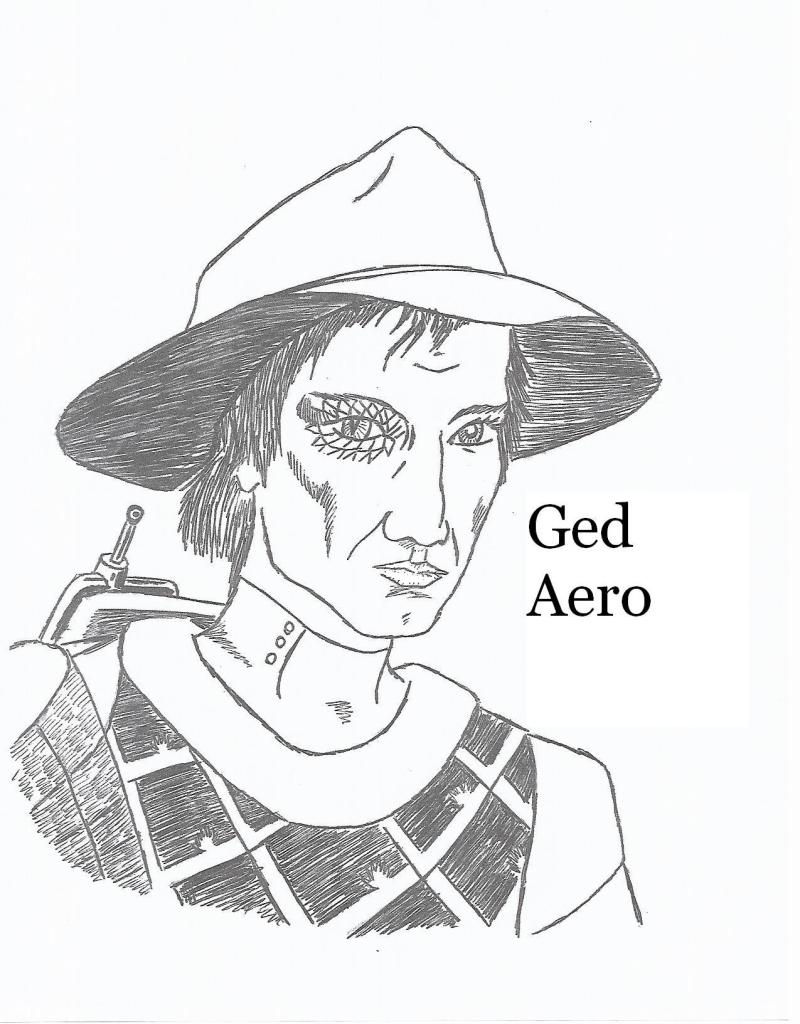
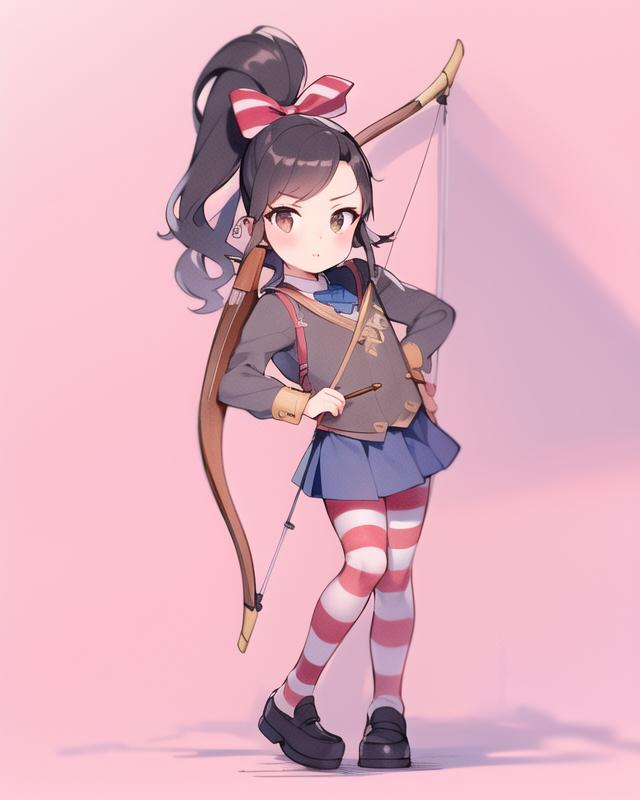
I have been drawing these mock-Star-Wars science-fiction-heroes for thirty years. Some of these are that old. Some of them are new this year. All of them illustrate the adventures that started as a science-fiction-role-playing game and became the series of novels called AeroQuest.
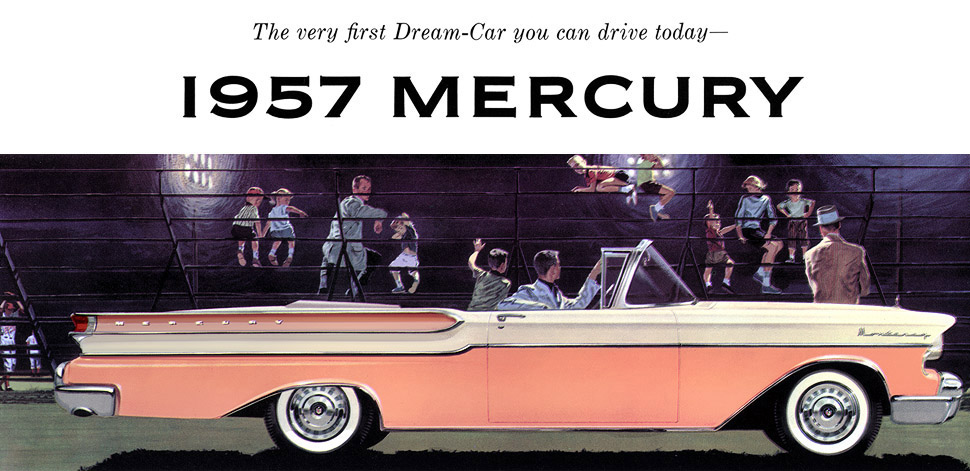
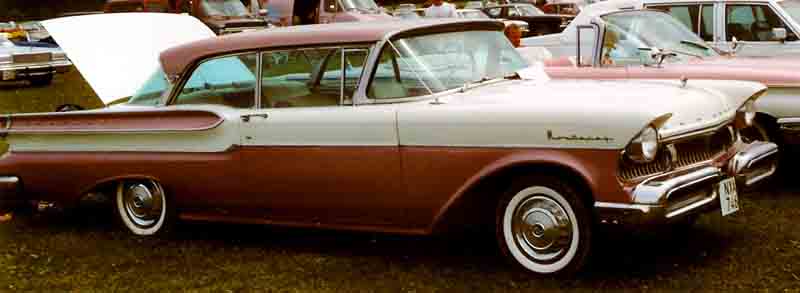
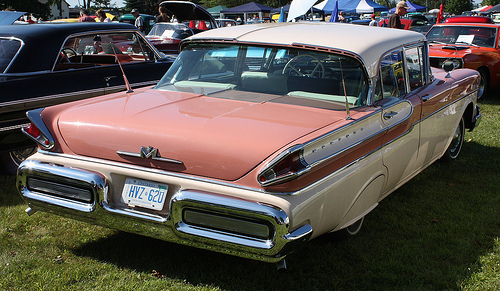
Yes, she was a real car. My dad bought her in the 60’s as a used car. But she was a hardtop, not a convertible. She was the car he drove to work every day in Belmond. We called it the “Pink and White Pumpkin”, my sisters and I, referring to the pumpkin in Cinderella which the fairy godmother changes into a coach. But it would only later become the car of my dreams.
You see, she was killed in the Belmond Tornado of 1966. Her windows were all broken out and her frame was twisted. So the pictures of her, though they look exactly like my memories of her, minus the rust spots, are not actual pictures of the car in question. Our next door neighbor, Stan the Truck Man, was a mechanic always on the lookout for salvage parts. He took her apart piece by piece while she sat in our driveway. We continued to sit in her and play in her until all that was left was the bare frame. My friend Werner told me for the first time about the facts of life and where babies really came from in the back seat while she was being gradually dismantled. Of course, I was nine at the time and didn’t really believe him. How could that grossness actually be true?
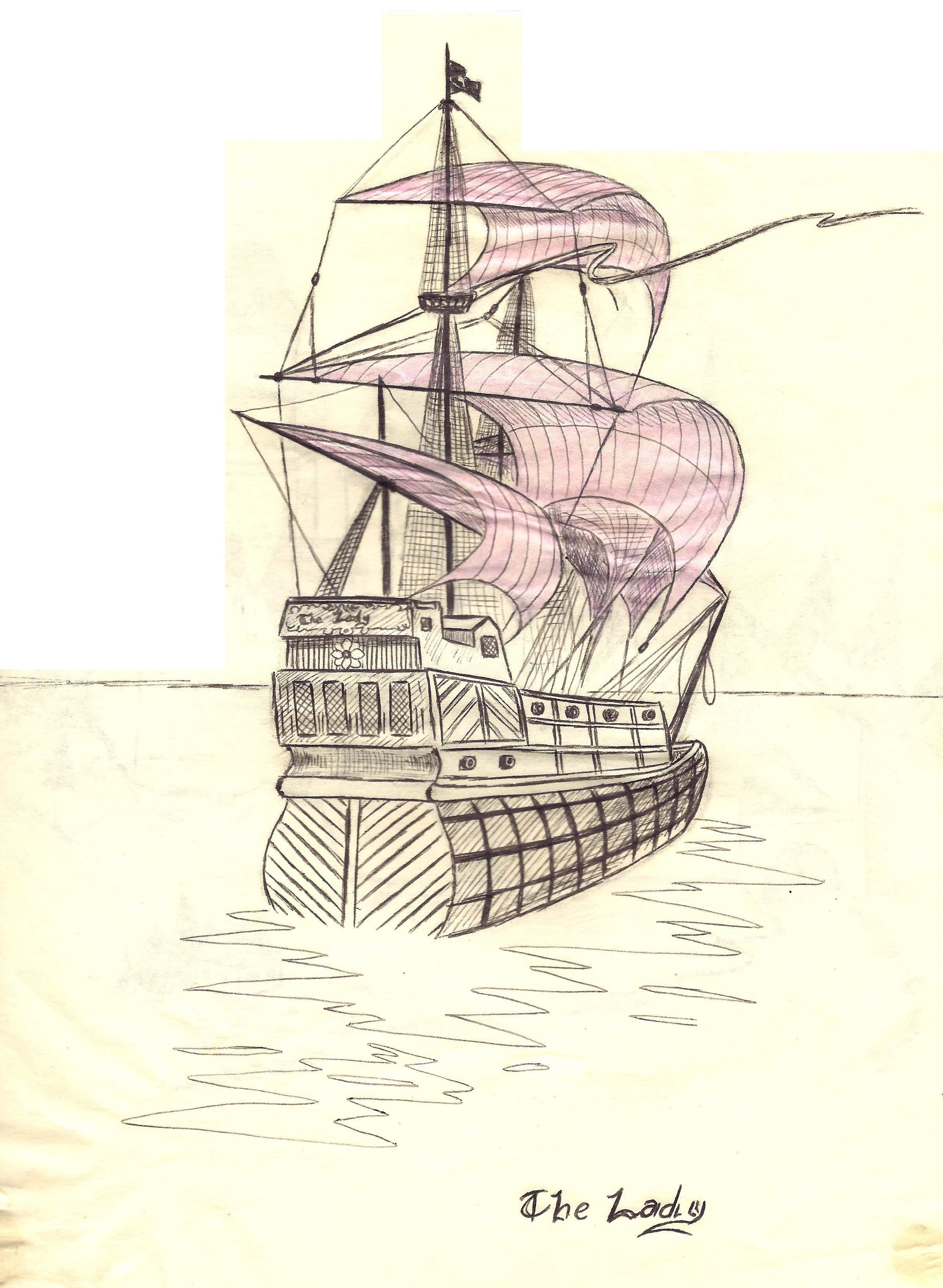
But she still lives, that old dream car… She is the reason that I objectify my imagination as a ship with pink sails. My daydreams, my creative fantasies, and those long, lingering plays in the theater of my imagination as I am drifting off to sleep all start in the three-masted sailing ship with pink sails. And that dream image was born from the Pink and White Pumpkin. I have sailed in her to many an exotic place… even other planets. And when I die, she will take me home again.
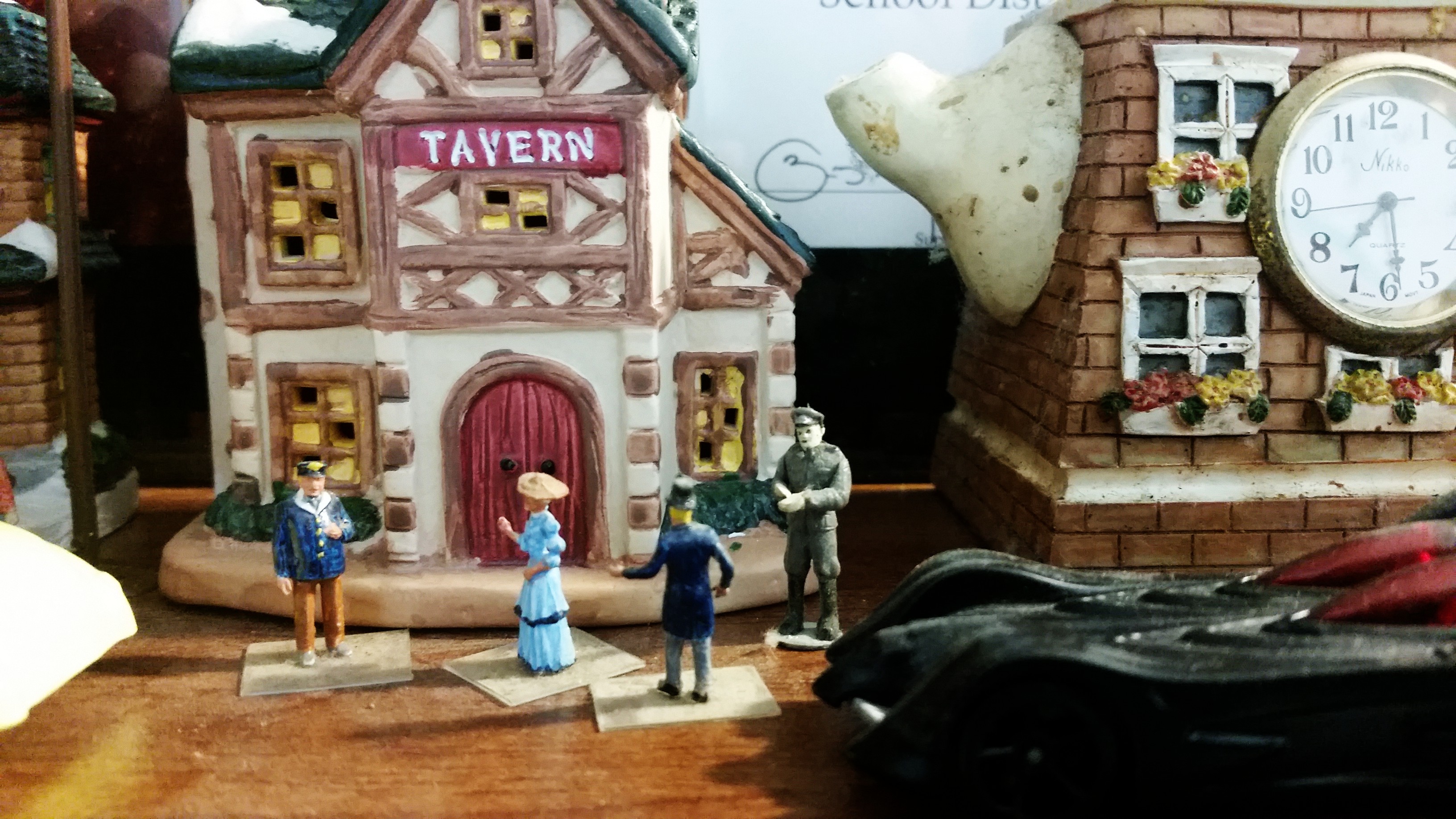
I had the good fortune recently to find some of my boxed-up HO train pieces that had been packed away since 2004 when we moved from South Texas to the Dallas area. Now, in these photos I took of Toonerville, not all of it was part of the uncovered treasure. But some of it most sincerely was. The people out in front of Mike Minskey’s Tavern are from a set of unpainted 1/78th scale German townfolk from the 1880’s. You see them posed here in front of the Batmobile parked in front of the Teapot Clockhouse.
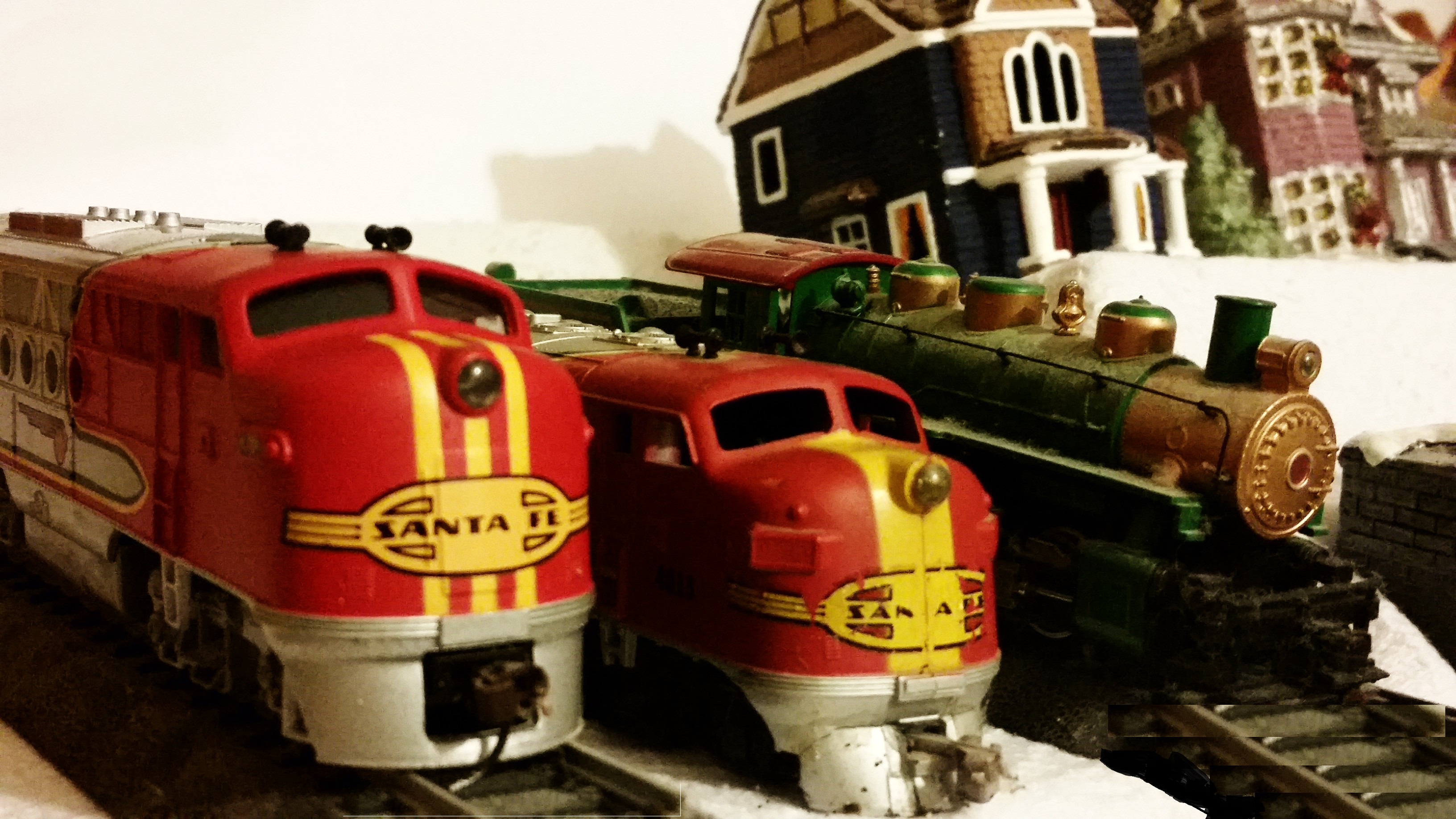
Here you can see the two F-9 Diesels from the SuperChief (I have a thing for Sante Fe Railroad engines and rolling stock). I parked them next to the Snowflake Express which you may have seen before, since I bought it in a garage sale after we moved here.
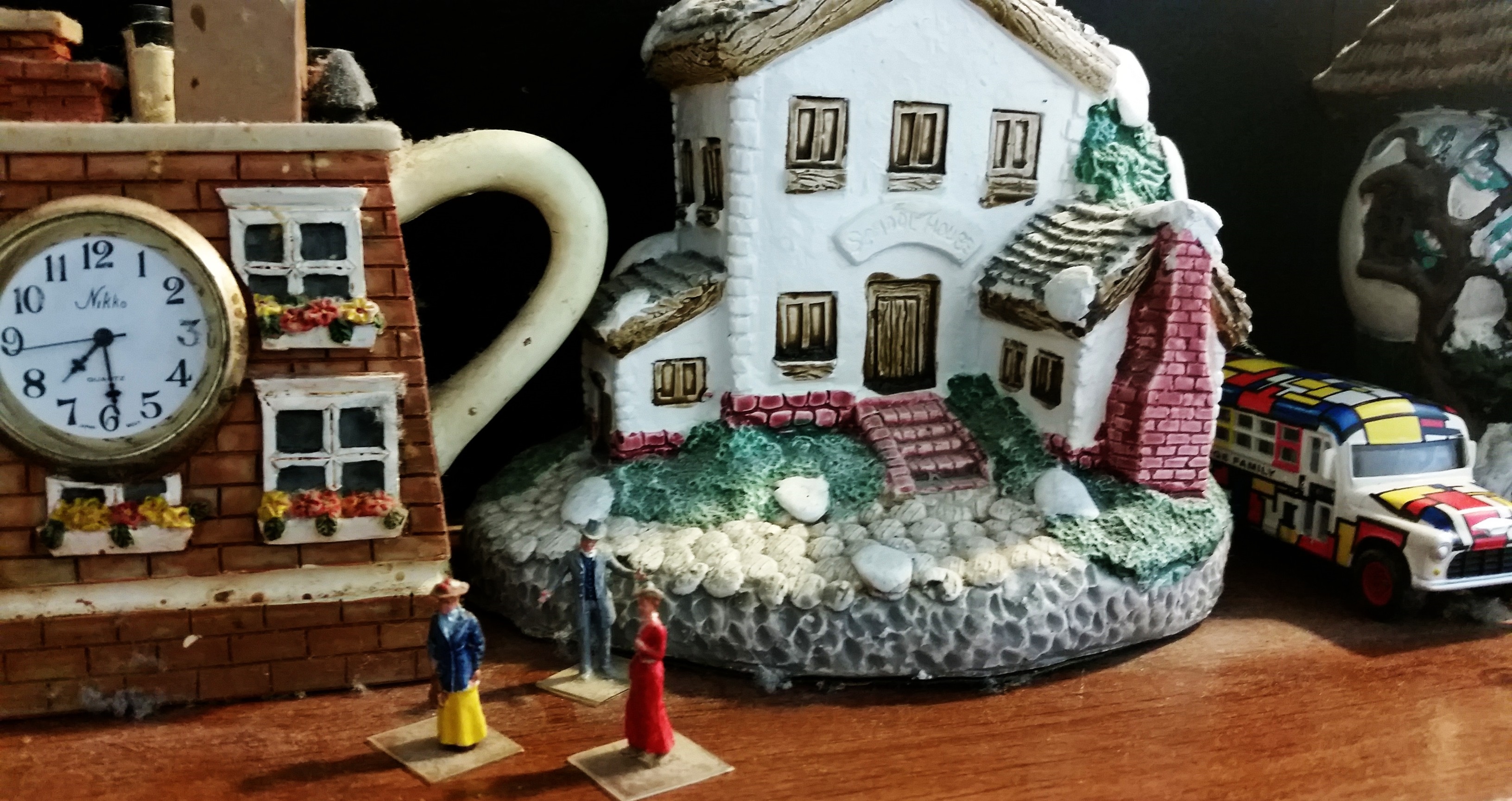
The multi-colored bus that you see behind the Miss Amy Wortle Boarding House is actually the Partridge Family tour bus from the TV show my sisters loved in the 1970’s.
Here’s a view of the front of that same TV bus as it sits between Miss Wortle’s place and Eggbert Egghead’s Egg House. Dabney Egghead is the boy in the sailor suit showing off his brand new velocipede.
The old lady crossing in front of the Toonerville Trolley is Granny Wortle (who controls all the money in the family… I named a lot of the residents after people in Fontaine Fox’s comic strip of the 1930’s).
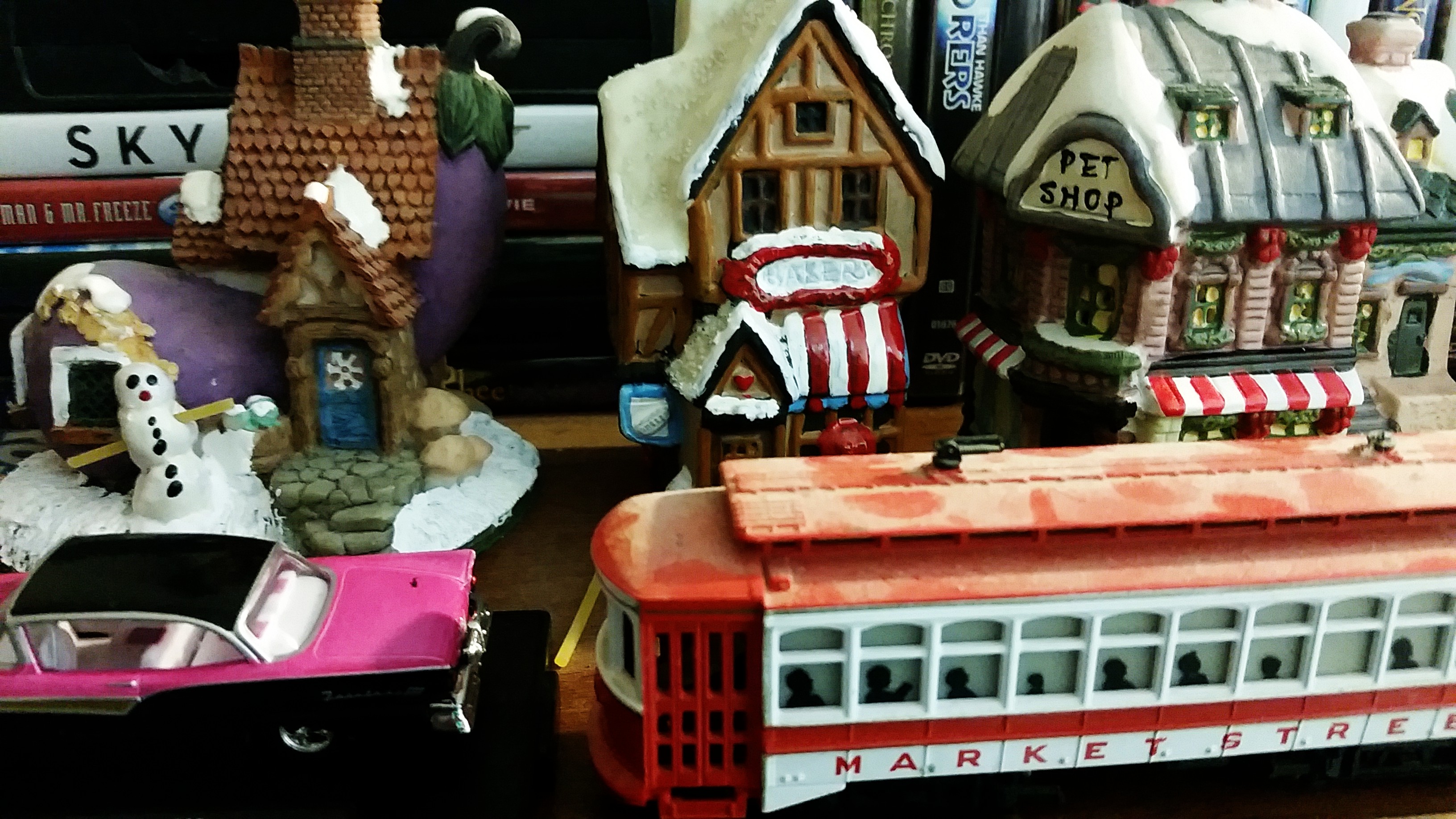
Here’s the back end of the trolley as it passes Digby Davies’ Pet Shop and the purple eggplant house where Gilbert Dornhoeffer and his seven vegetarian children live and build snowmen regularly.
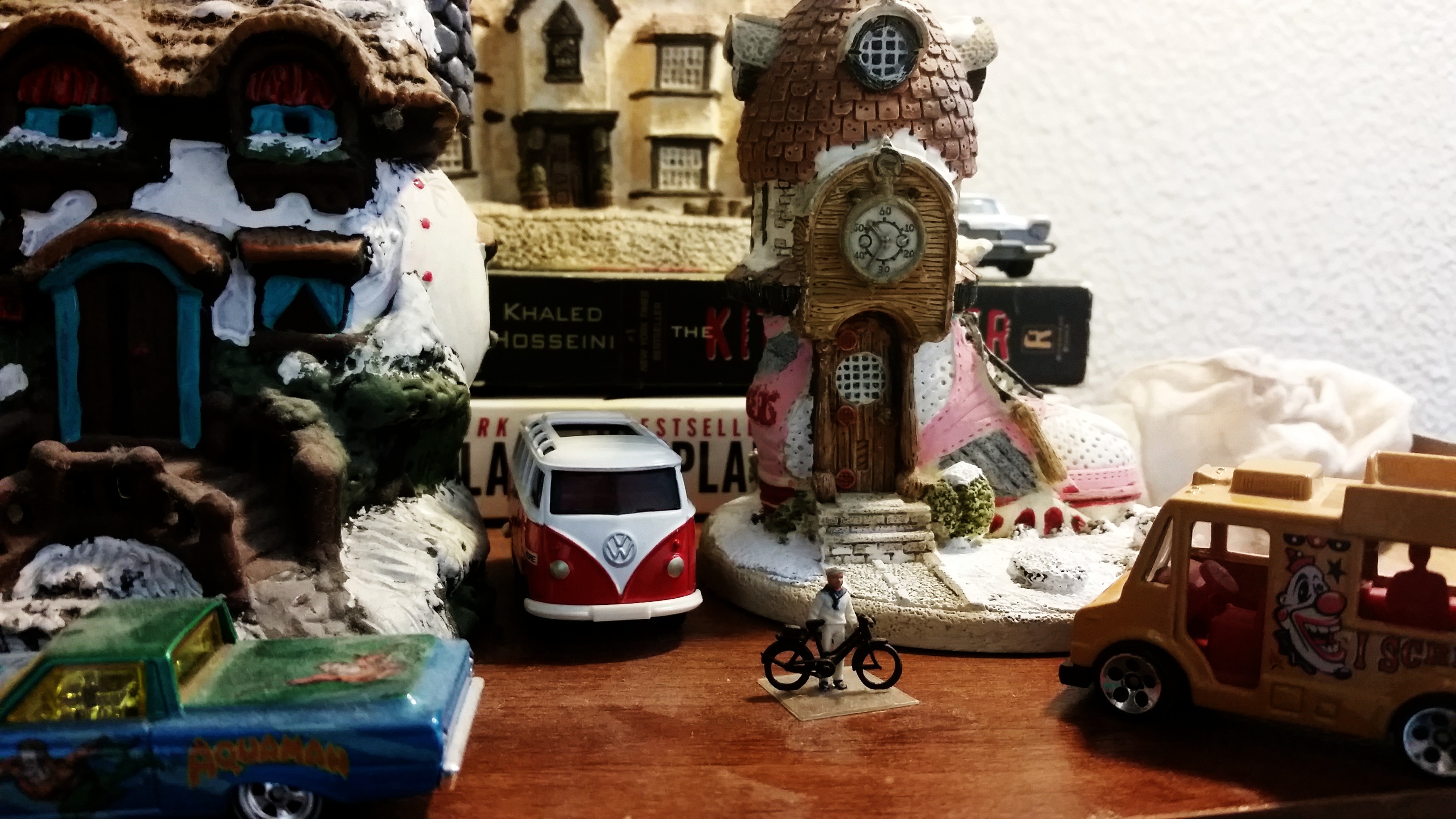
On the other side of Eggbert Egghead’s Egg House you can see Butch and Marcia Niland’s VW mini-bus next to the old shoe-woman’s house which she built from a gigantic pink-and-white high-topped sneaker. Digby moved his velocipede, either to get it in the picture once again, or to get closer to the Scary Clown’s Ice Cream Truck while they’re still serving Eskimo Pies in midwinter.
So now you can plainly see that Mickey finding old boxes of toys that he thought were lost is not a good thing for Toonerville traffic in general, and definitely not good for Toonerville rush hour.
The planets and all the stars have their appointed ends.
Through science and observation and logical extrapolation….
We learn how small we really are in the vast universe around us.
And we see how impermanent everything is…
We are made from the dust of exploded stars. All elements beyond helium and hydrogen were formed in the flaming hearts of distant, ancient suns.
And when we die, we dissolve back into the elements from which a volatile and creative planet with a life-filled biosphere created us. And may decide to create us anew.
So, we will one day be mere dust again. Free to create something new.
We are but the words of the puzzle, making one crossword one day, and another anagram the next.
But the stories we make of those random, meaningless words…
Are the reason for existence.
And they are just as eternal and undying as anything else is.
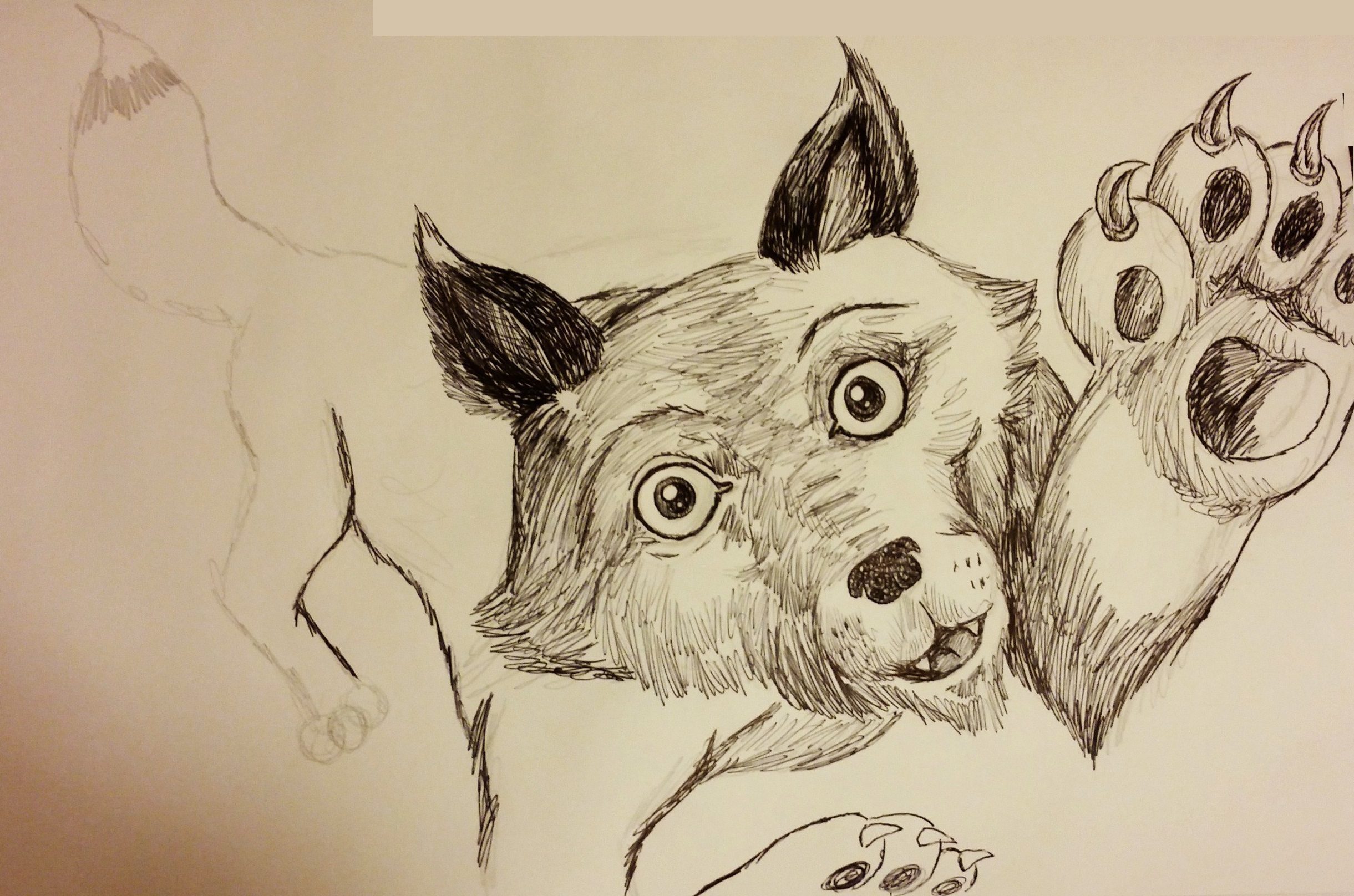
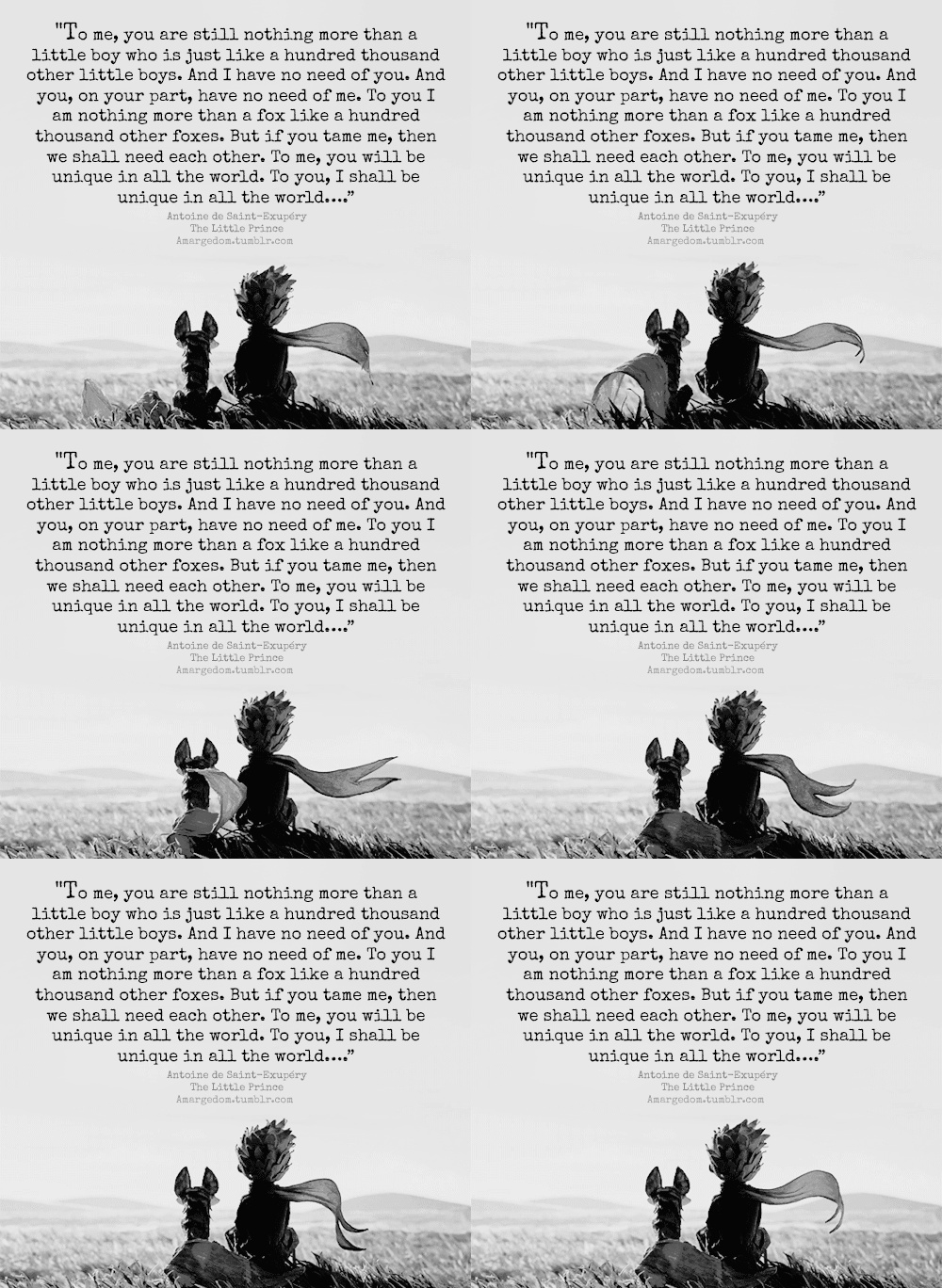
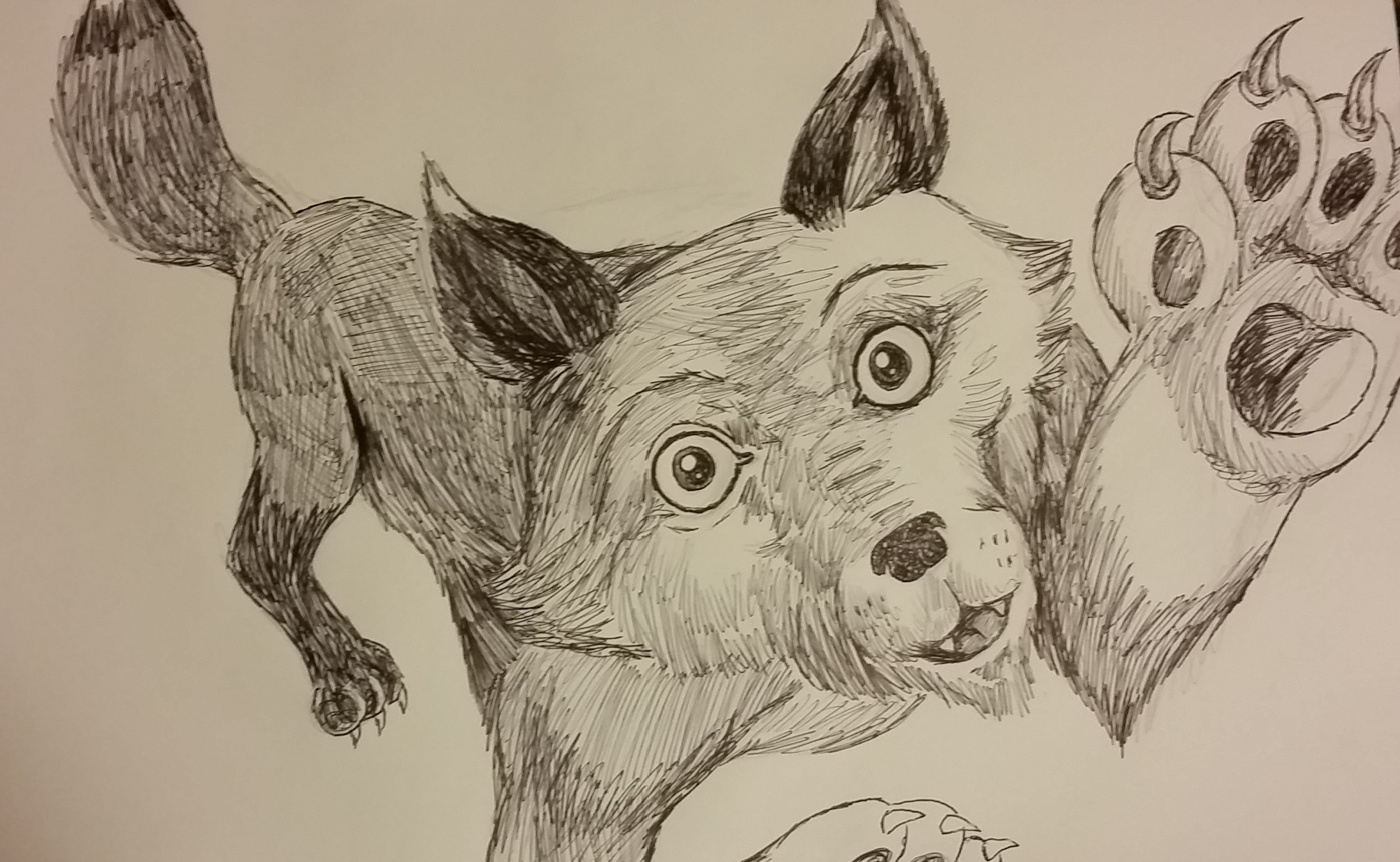
While watching Netflix yesterday afternoon, a retirement activity that becomes the majority of my social life when the diabetes demons are eating me, I started doodling a fox. It was a pencil doodle at first. And I was not drawing from life. I was drawing the fox in my head. I suspect it was the fox from Antoine de Saint Exupery’s masterwork, The Little Prince.
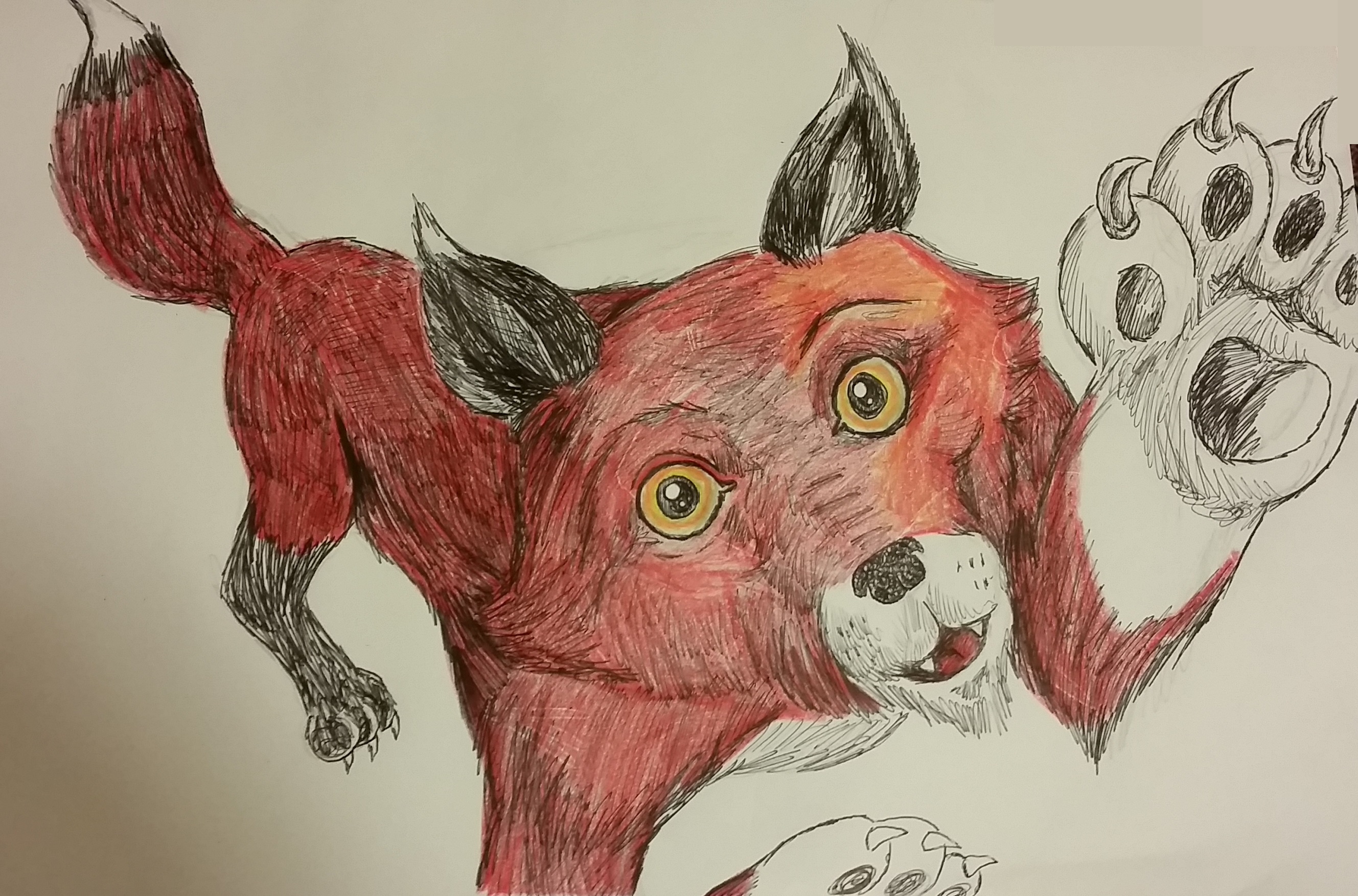
Yes, that fox. The wise one that knows about taming little princes, and loving them, and being reminded of them in the color of wheat fields. I began to need that fox as my doodle pen uncovered him on the blank page. There he was. Surprised to see me. Either he was leaping towards me in the picture, or falling down on me from the sky above. I don’t know which. But I realized I had to tame him by drawing him and making him as real as ever an imaginary fox could ever be. You will notice he does not look like a real fox. I did not draw him from a photograph, but from the cartoon eye in my mind where all Paffoonies come from. And this was to be a profound Paffooney… a buffoony cartoony looney Paffooney. It simply had to be, because that is precisely what I always doodle-do.
And so he was a fox. He was my doodlefox. I had tamed him. And then I had to give him color. And, of course, the color had to be orange-red.
And so, there is my fox. Like the Little Prince’s fox he could tell me, “What is essential is invisible to the eye. It is only with the heart that we can see rightly.” And I put him in a post with lyrical and somewhat goofy words to give you a sense of what he means to me, in the same way one might explain what the thrill of the heart feels like when a butterfly’s wing brushes against the back of your hand. Yes, to share the unknowable knowledge and the unfeelable feeling of a doodlefox. A demonstration of precisely what a Paffooney is.
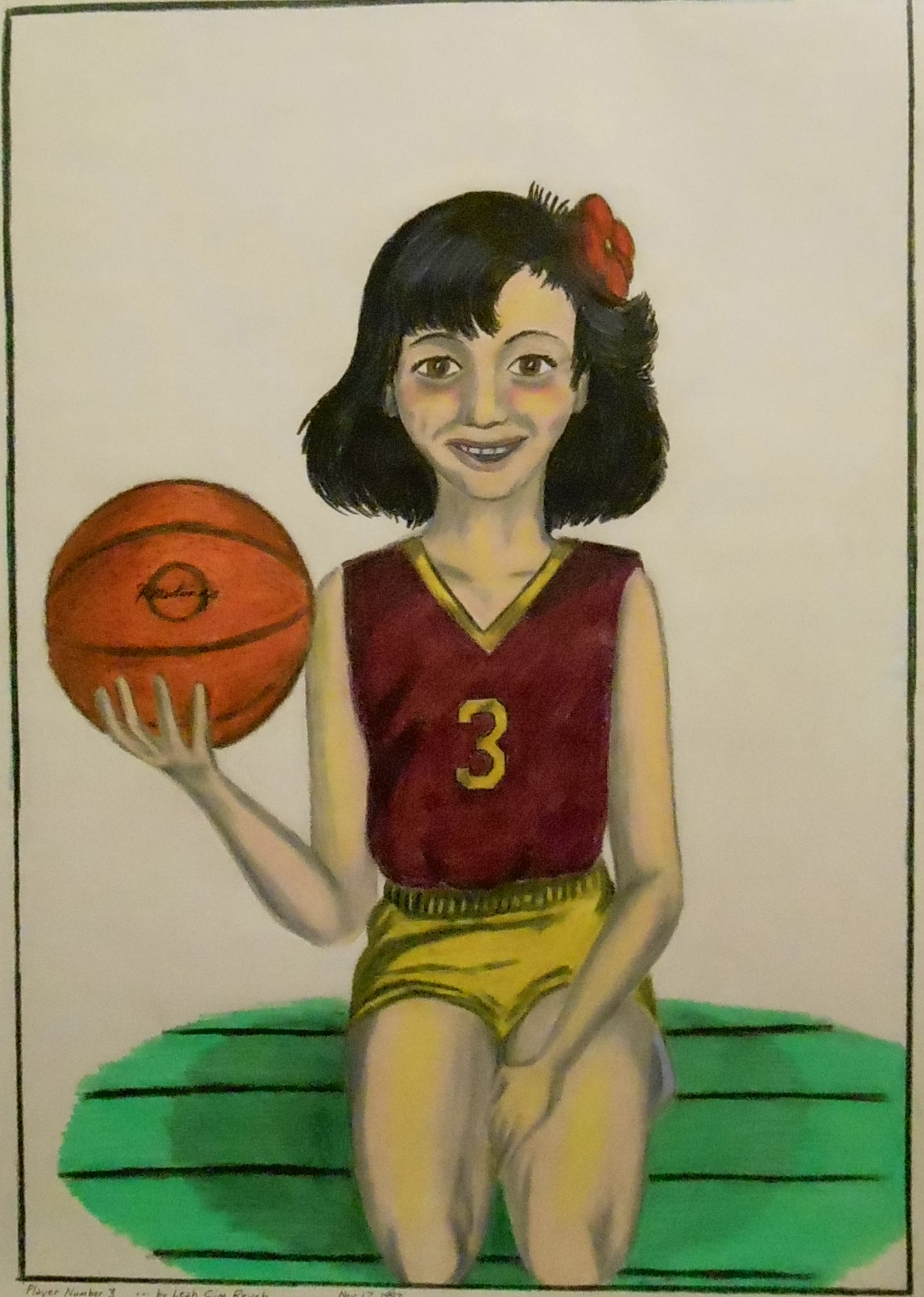
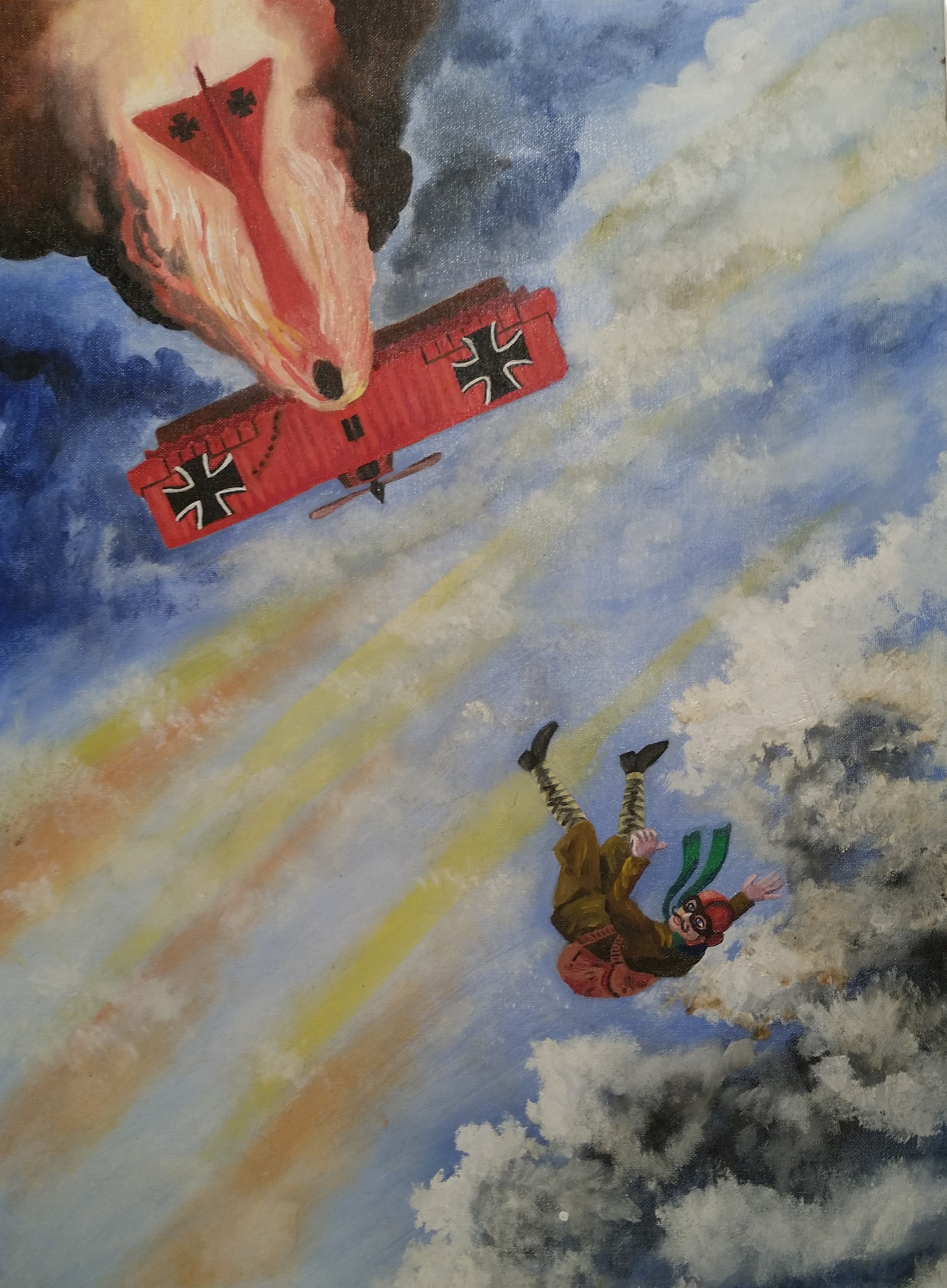
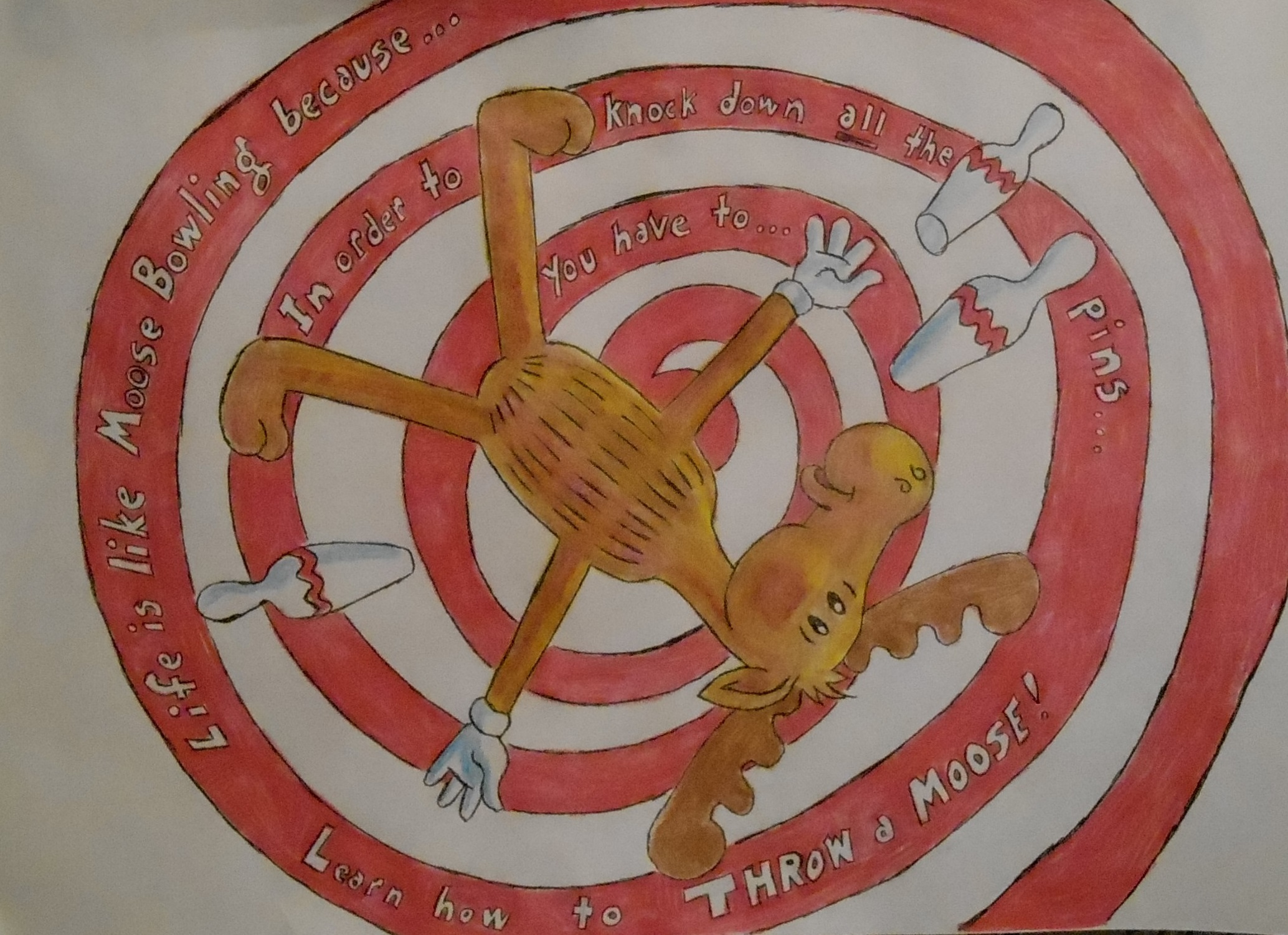
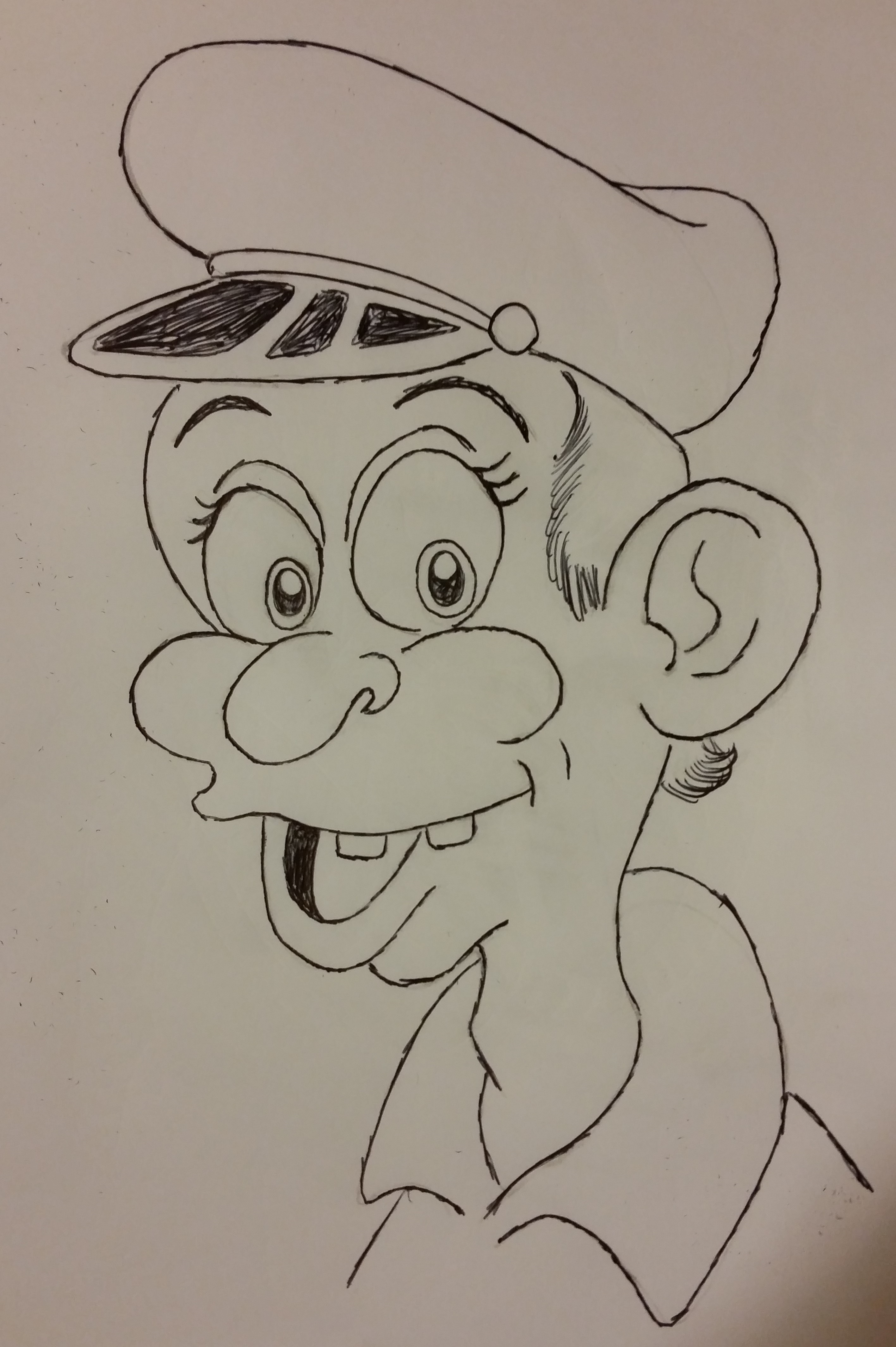
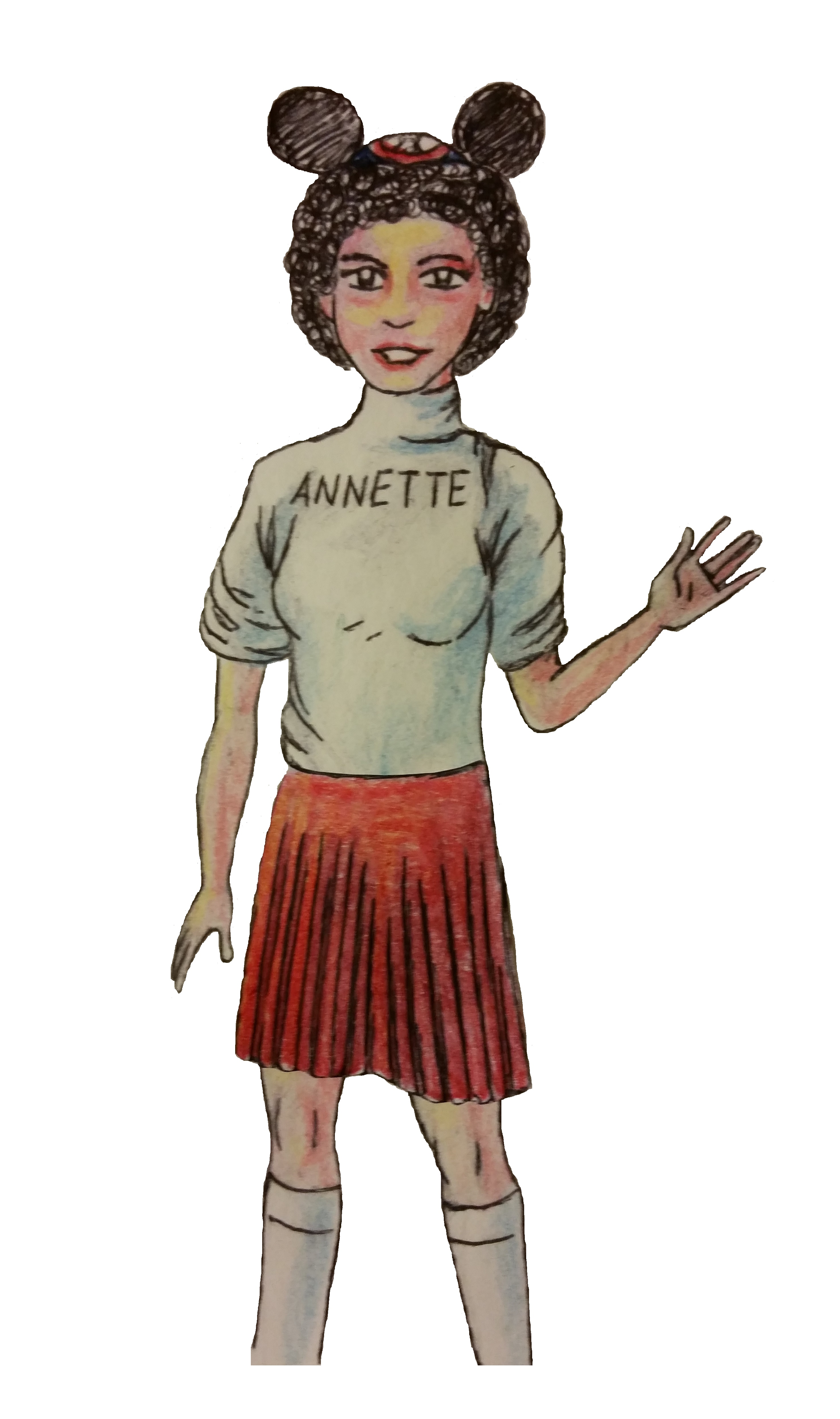
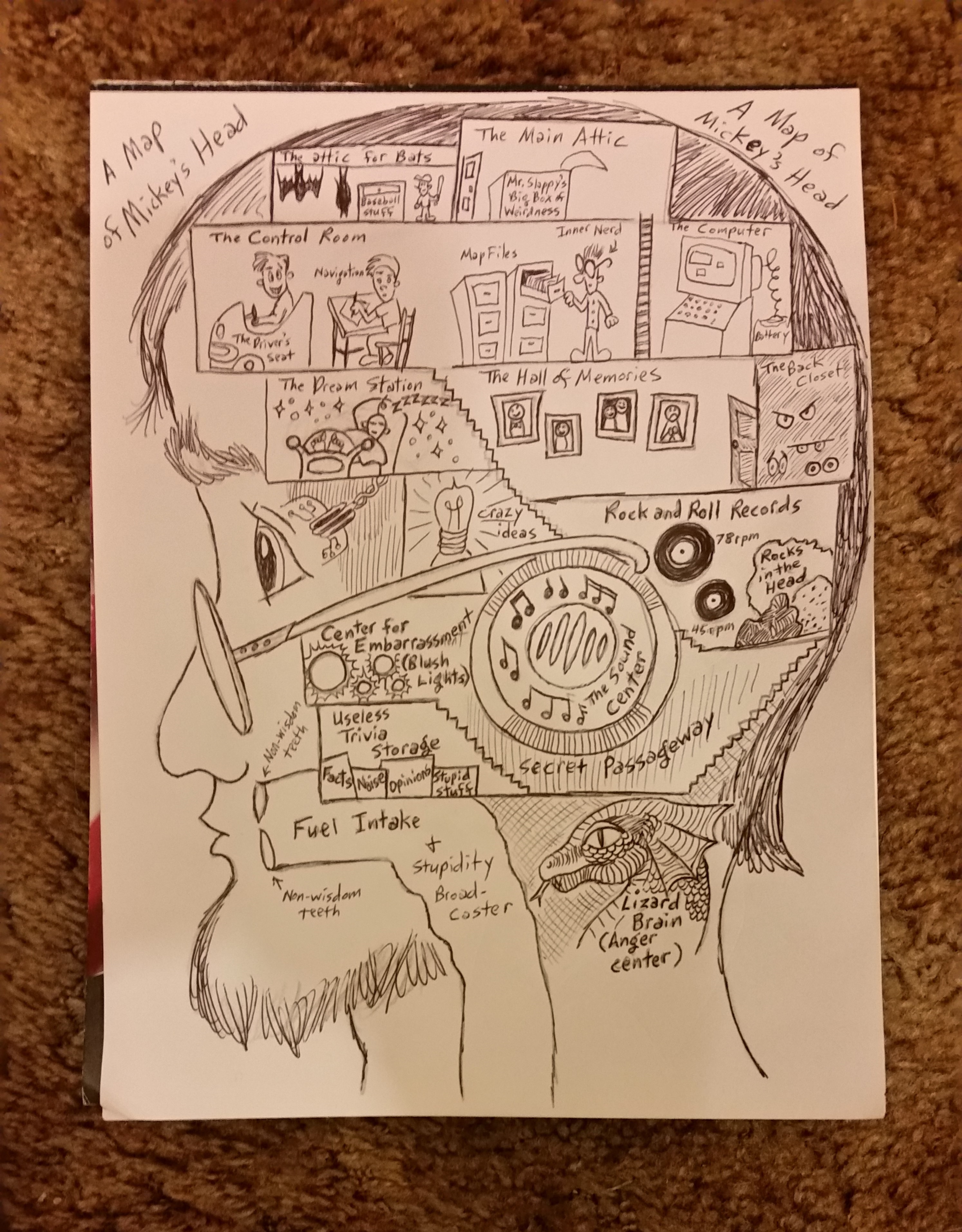
How does an artist know himself? Now there’s a difficult question. I spend all my time looking at the world with the eyes of imagination. I don’t even seem to be able to take photographs in the normal way other people do. Maybe I should consider this self-think through the medium of pictures I have made with captions added to them?
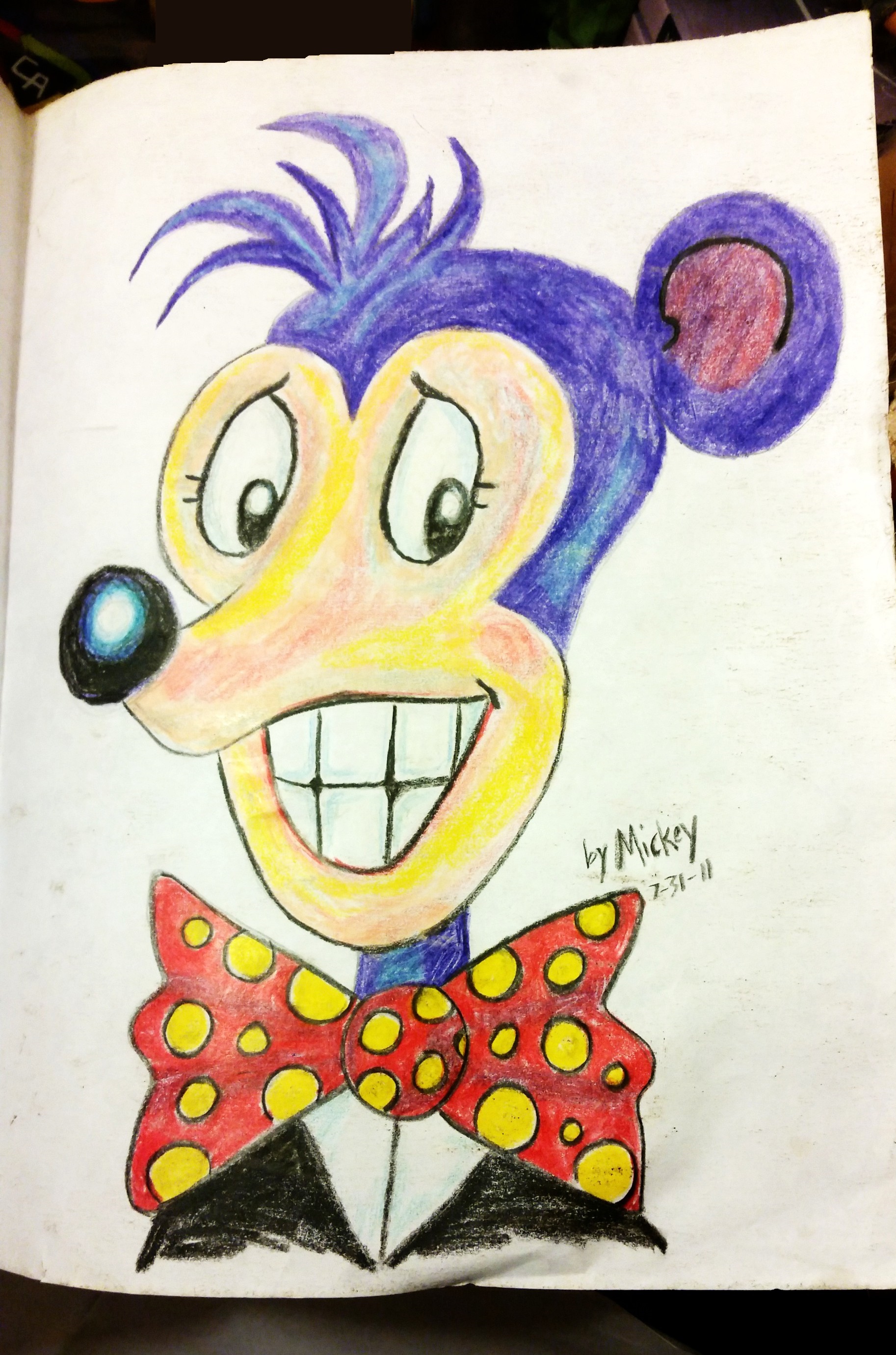
Mickey is not actually me. He is my “other” me, my pen name, my goofier self.
I was born in a blizzard in Mason City, Iowa in the 1950’s.
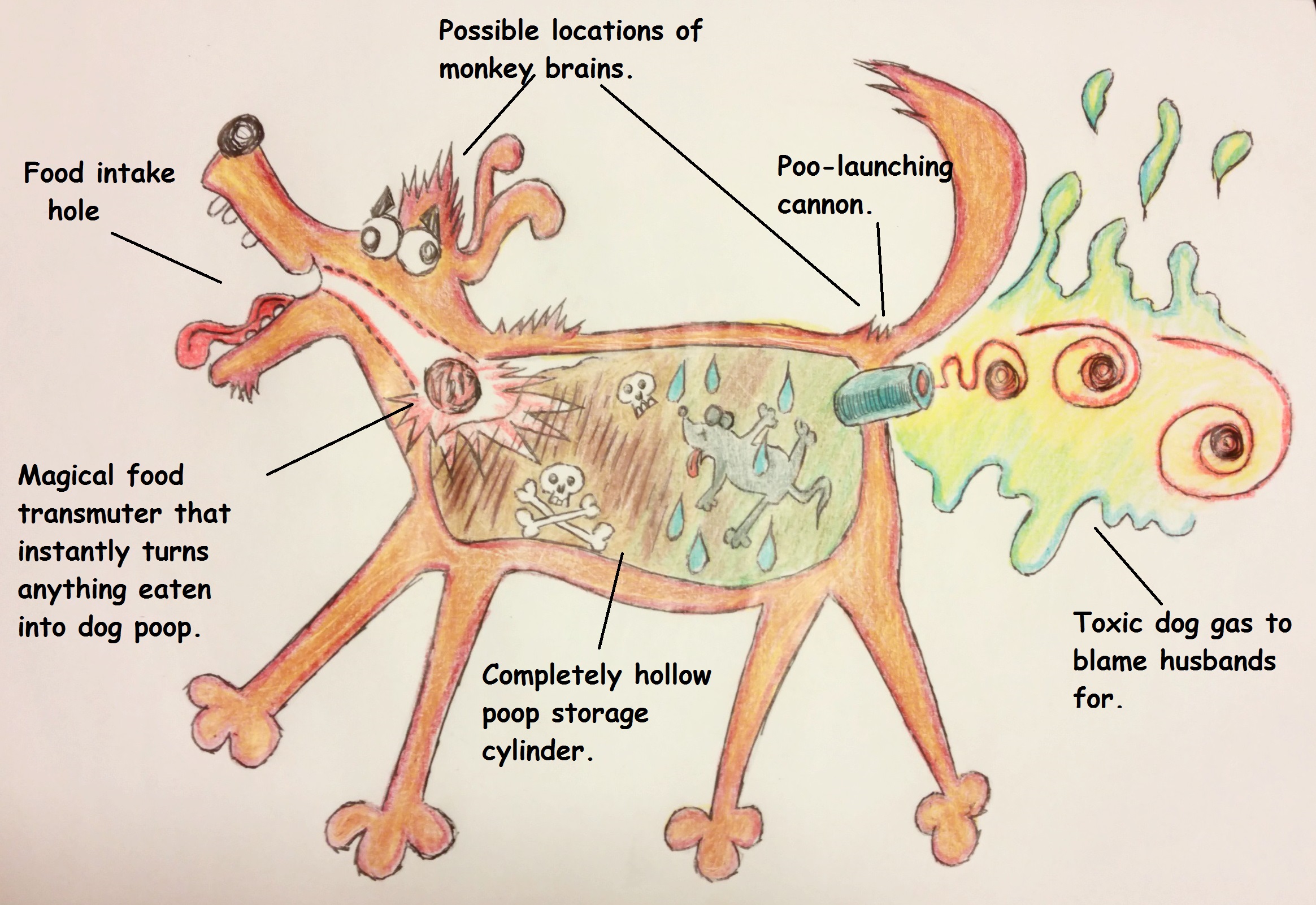
I have learned about dog poop five times a day since 2011 when we found Jade, our dog.
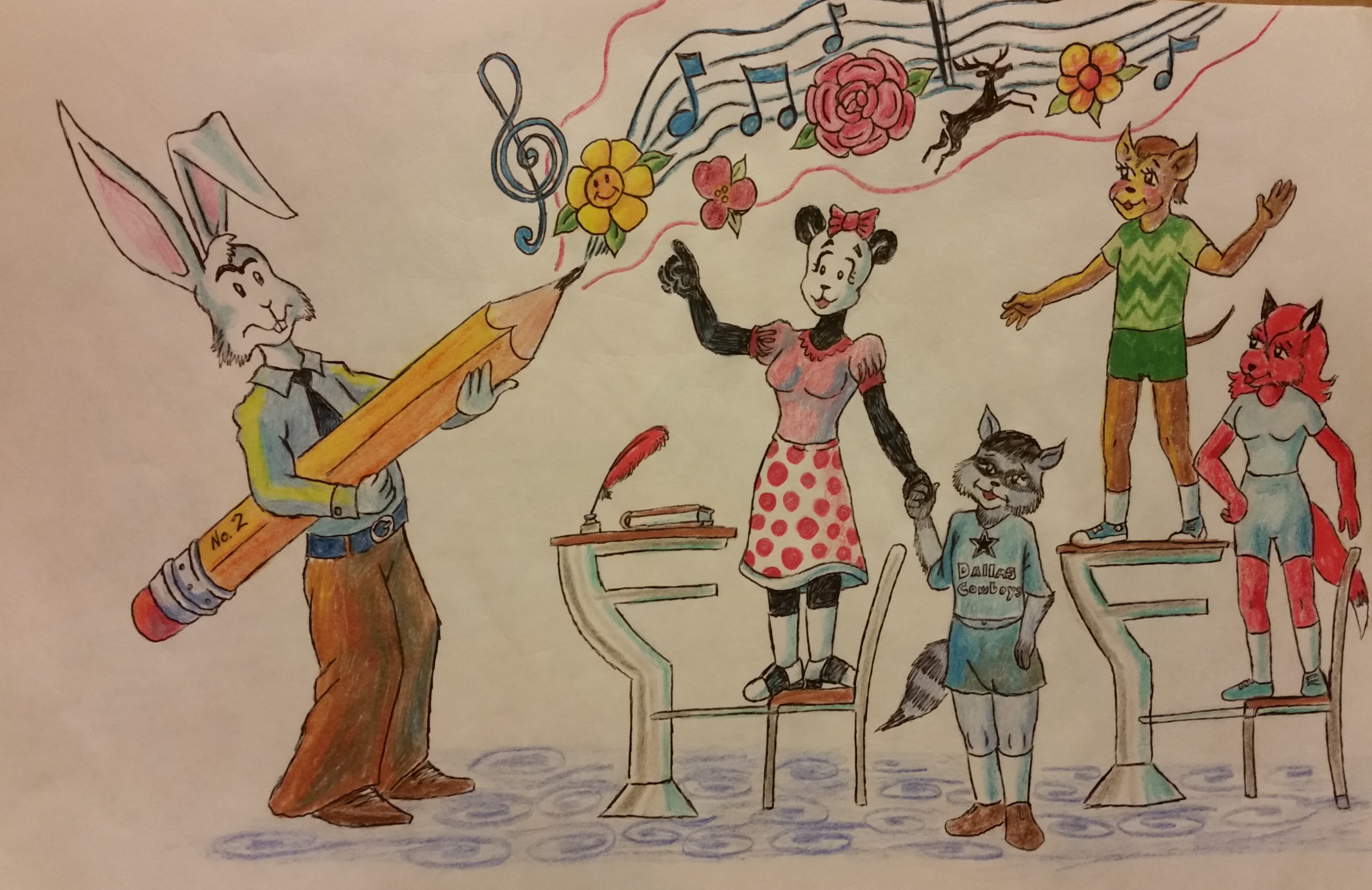
I was a middle school teacher for 24 of my 31 years of teaching. I love/hate 7th Graders.
When things go wrong, I tend to make a joke about it.
I like to draw students as I saw them, not as they really were.
I always see myself as the one with the BIG pencil.
If there is goofiness around here, it is all my fault.
In spite of the title, I don’t know how to disappear.
I love everything Disney.
I tend not to be very much like other people. I don’t think like they do.
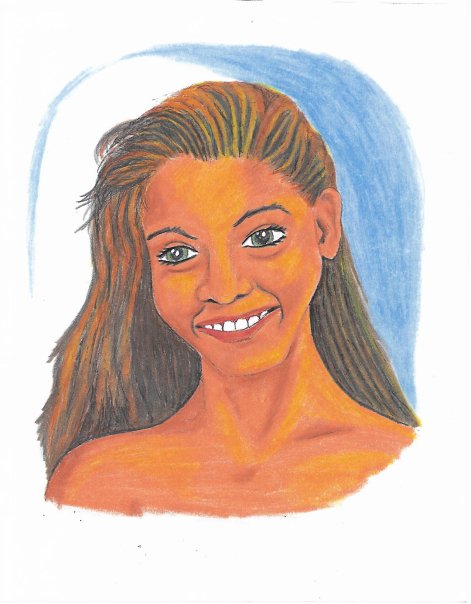
In grade school, I was deeply in love with Alicia Stewart, though I never told her that, and that is not her real name.
My high school art teacher told me that when an artist draws someone, he always ends up making it look a little bit like himself. That is because, I suppose, an artist can only draw what he knows and he really only knows himself. That being said, this post should really look just like me.



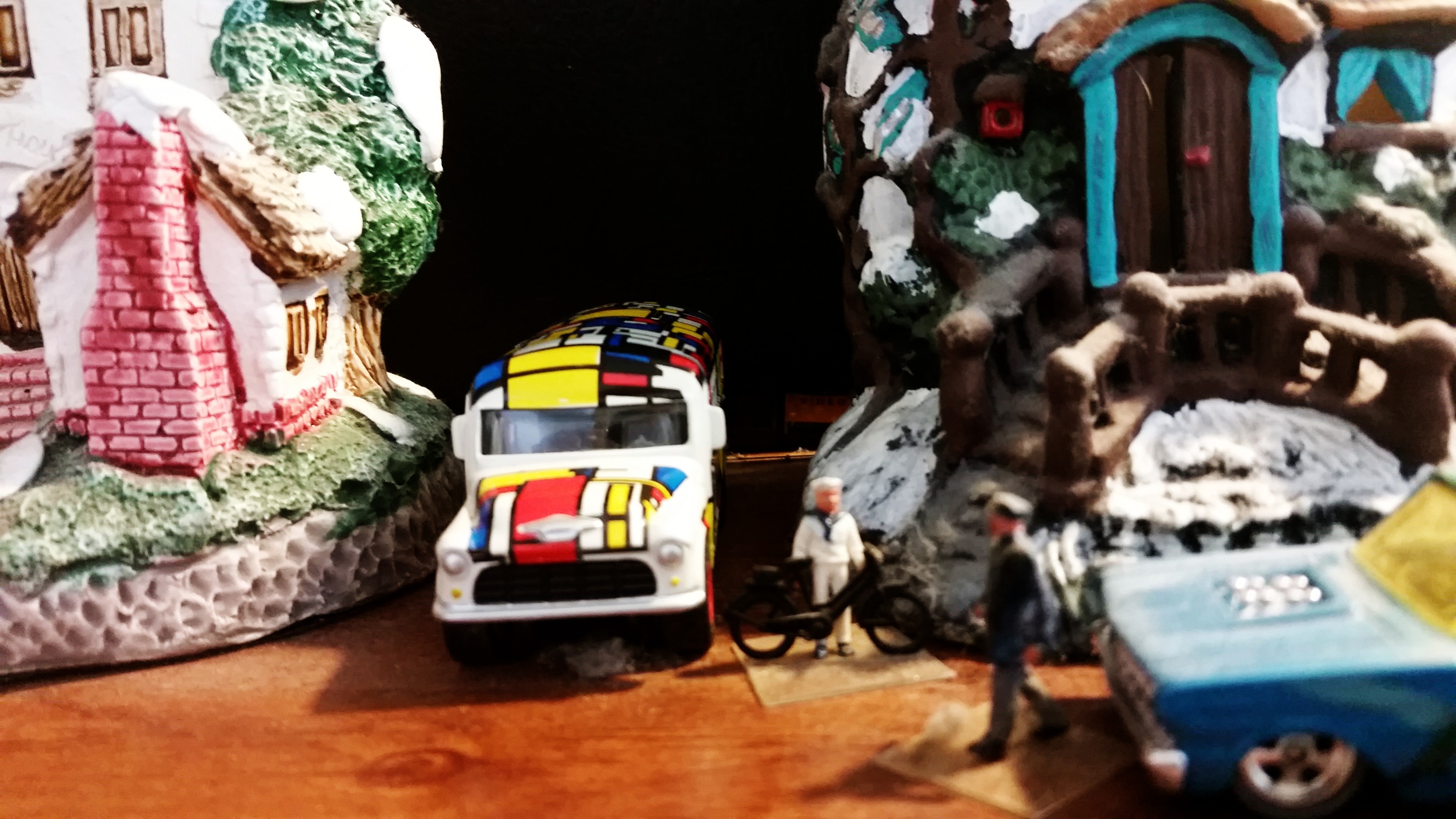 Here’s a view of the front of that same TV bus as it sits between Miss Wortle’s place and Eggbert Egghead’s Egg House. Dabney Egghead is the boy in the sailor suit showing off his brand new velocipede.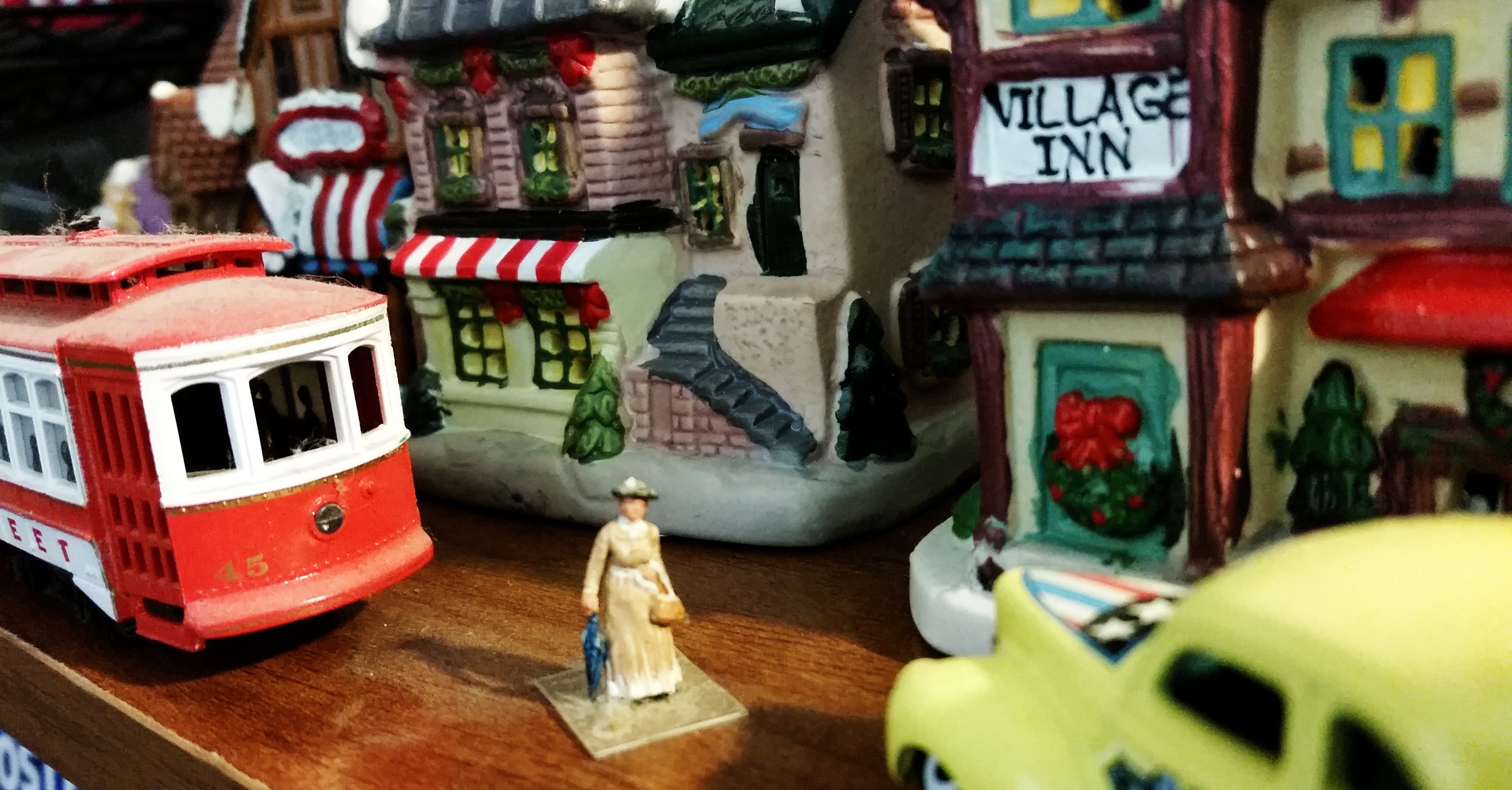



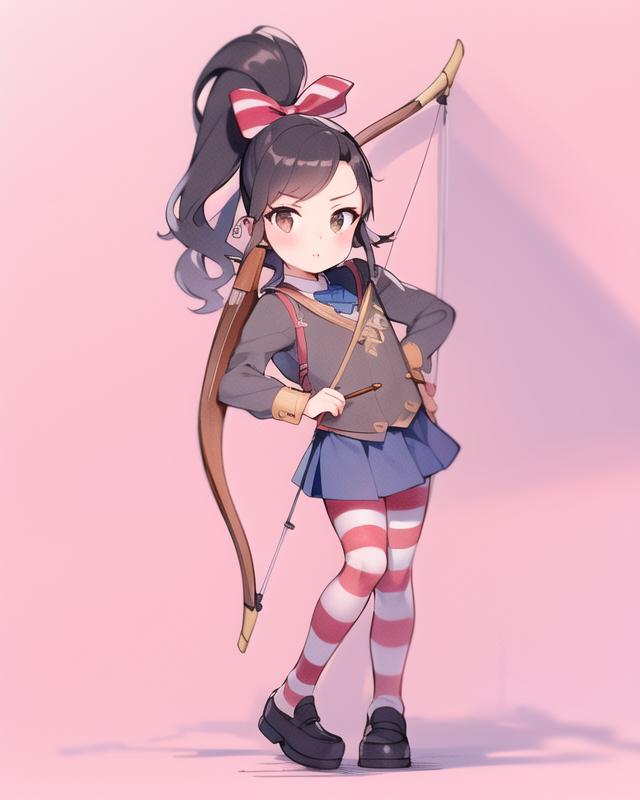
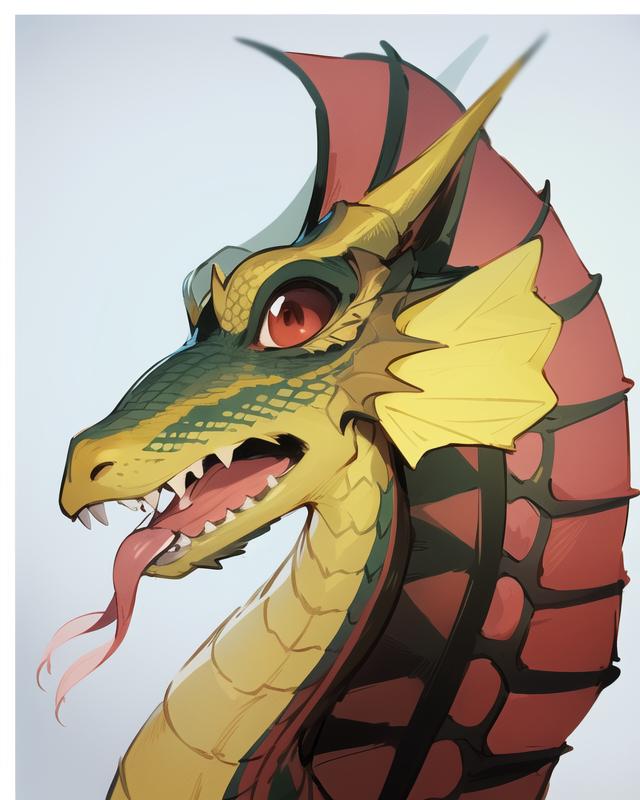


What Will One Day Be…
No king rules forever.
No man we know of lives eternally.
The planets and all the stars have their appointed ends.
Through science and observation and logical extrapolation….
We learn how small we really are in the vast universe around us.
And we see how impermanent everything is…
We are made from the dust of exploded stars. All elements beyond helium and hydrogen were formed in the flaming hearts of distant, ancient suns.
And when we die, we dissolve back into the elements from which a volatile and creative planet with a life-filled biosphere created us. And may decide to create us anew.
So, we will one day be mere dust again. Free to create something new.
We are but the words of the puzzle, making one crossword one day, and another anagram the next.
But the stories we make of those random, meaningless words…
Are the reason for existence.
And they are just as eternal and undying as anything else is.
And there-in lies the reason for hope.
Leave a comment
Filed under commentary, philosophy, soliloquy, Uncategorized