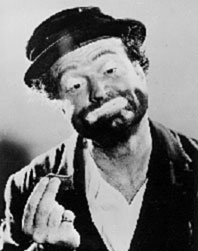
The homeless man wandered onto center stage just as the spotlight went on. He shaded his old eyes against the brightness and looked outward into the dark theater. It was probably some kind of mistake.
“Oh, so now it’s my turn to talk, eh?”
There was no response.
“Well, if you’re expecting something funny to come out of my mouth, good luck with that. More than half of what I say that makes people laugh is the result of depression, ill health, and just plain ignorant stupidity. And the other half of it is not meant to be funny, but is because I don’t always understand what I am saying.”
There was an embarrassed chuckle somewhere in the darkness.
“I mean, you can’t expect too much from me. I’m a bum. I have no money. I have no job. Not having any work to be bothered with is kinda good. But the other thing kinda sucks.
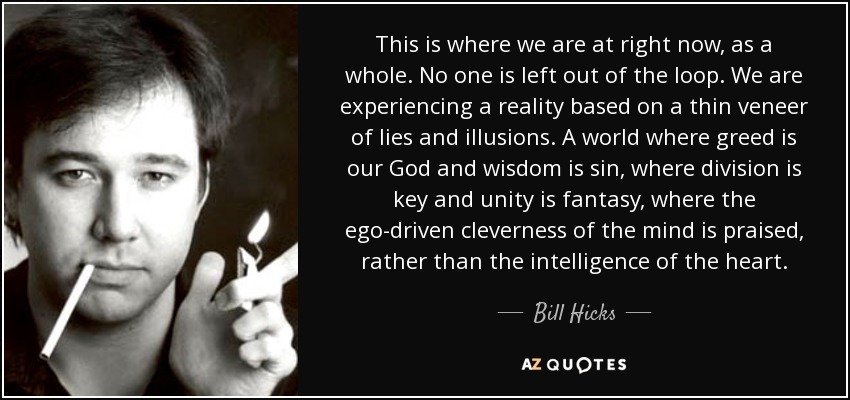
And all the great comedians that used to stand on this stage and try to save the world through humor are dead now. It’s true. Robin Williams died recently. George Carlin, Bill Hicks, Richard Pryor, and Bill Cosby are all long gone.”
There was some nervous laughter in the theater.
“Oh, I know, Cosby only thinks he’s dead. But he kinda killed the character delivering the wisdom in the form of observational comedy, didn’t he.”
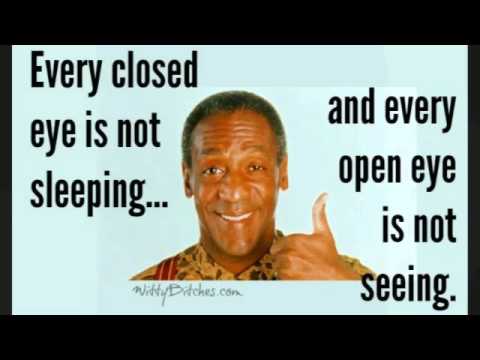
“But most of them old boys tried to come up here and tell you the truth. And the truth was so absolutely unexpectedly wacky and way out of bounds that you just had to laugh. And the more wicked the humor, the more you just laughed. You didn’t do anything about the problems they talked about. But you sure did laugh.”
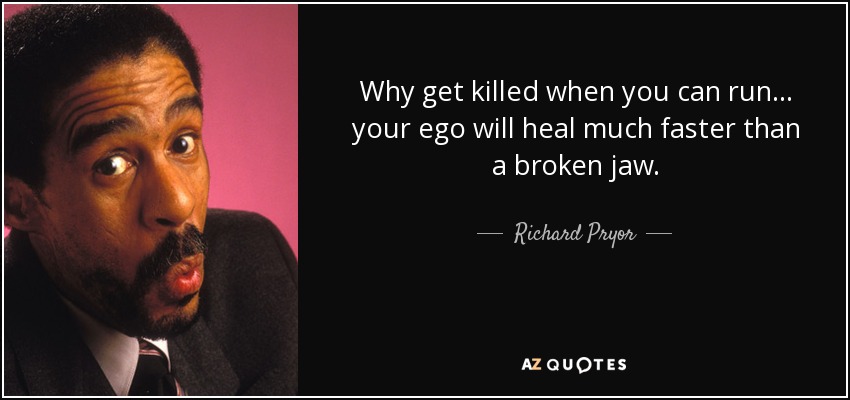
“It seems like the more they told you the truth and the more you just laughed about it, the more old and bitter they got. Sardonic? You know that word? Not sardines, fools, but sardonic. Bitterly humorous and sadly funny. Seems like a lot of them old boys got more and more bitter, more and more depressed up to the end. More and more sardonic.”
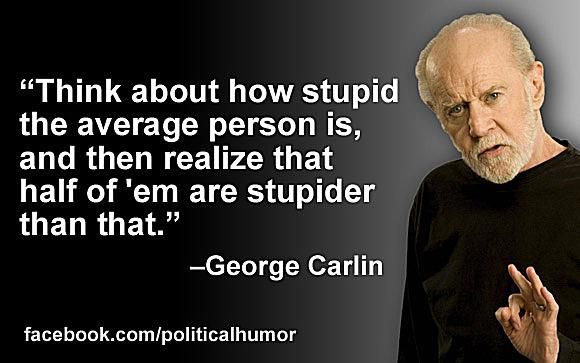
“I mean, Carlin was calling you stupid right to your face at the end. And you just laughed it off.”
The theater had grown eerily silent.
“But it ain’t all bad, is it? I mean, at least you all can still laugh. Only smart people get the jokes. The ones Carlin moaned about were laughing because everybody else was laughing. Those weren’t the ones we were talking to. There’s still life out there somewhere. Maybe intelligent life. Maybe aliens ain’t located any intelligent life on Earth yet, but they’re still trying, ain’t they?”

“You shoulda listened more carefully to what they were saying. Life and love and laughter were bound up in their words.”
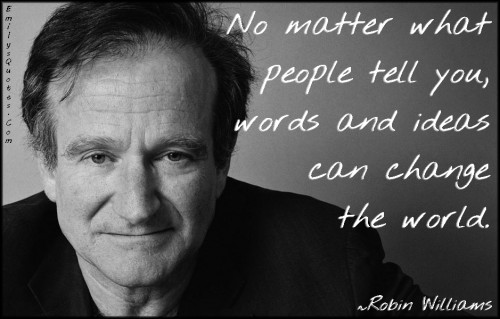
“So I guess what I’m really saying is… just because I happened to get a rare chance to say it to you all… learn to listen better. The voices are quiet now. But the words are still there. And laughing at them is still a good thing. But remember, you need to hear them too.”
The theater suddenly filled with the roar of a standing ovation. The old man bowed. And this was ironic because… the theater had always been empty. No one at all was there now.


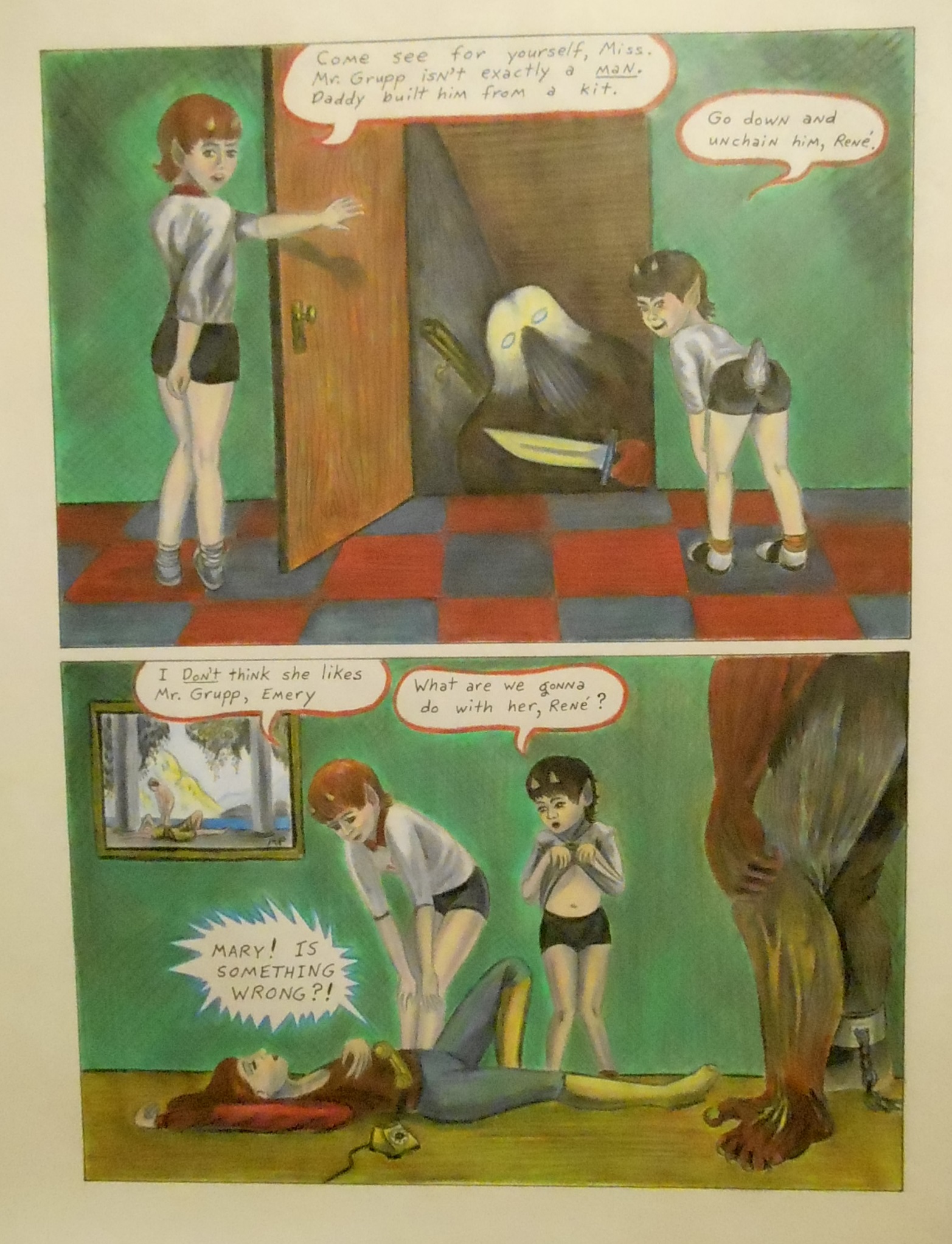
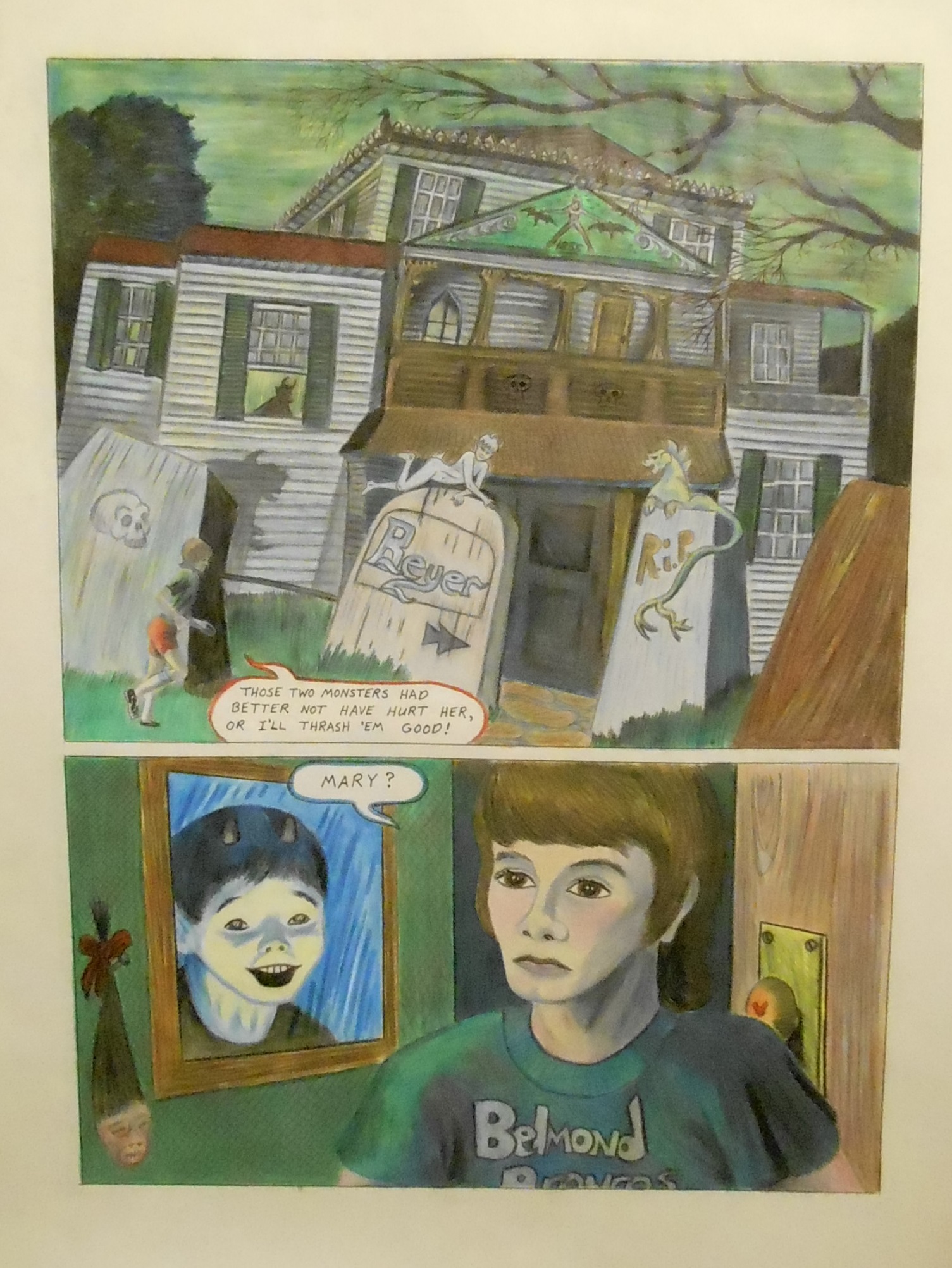

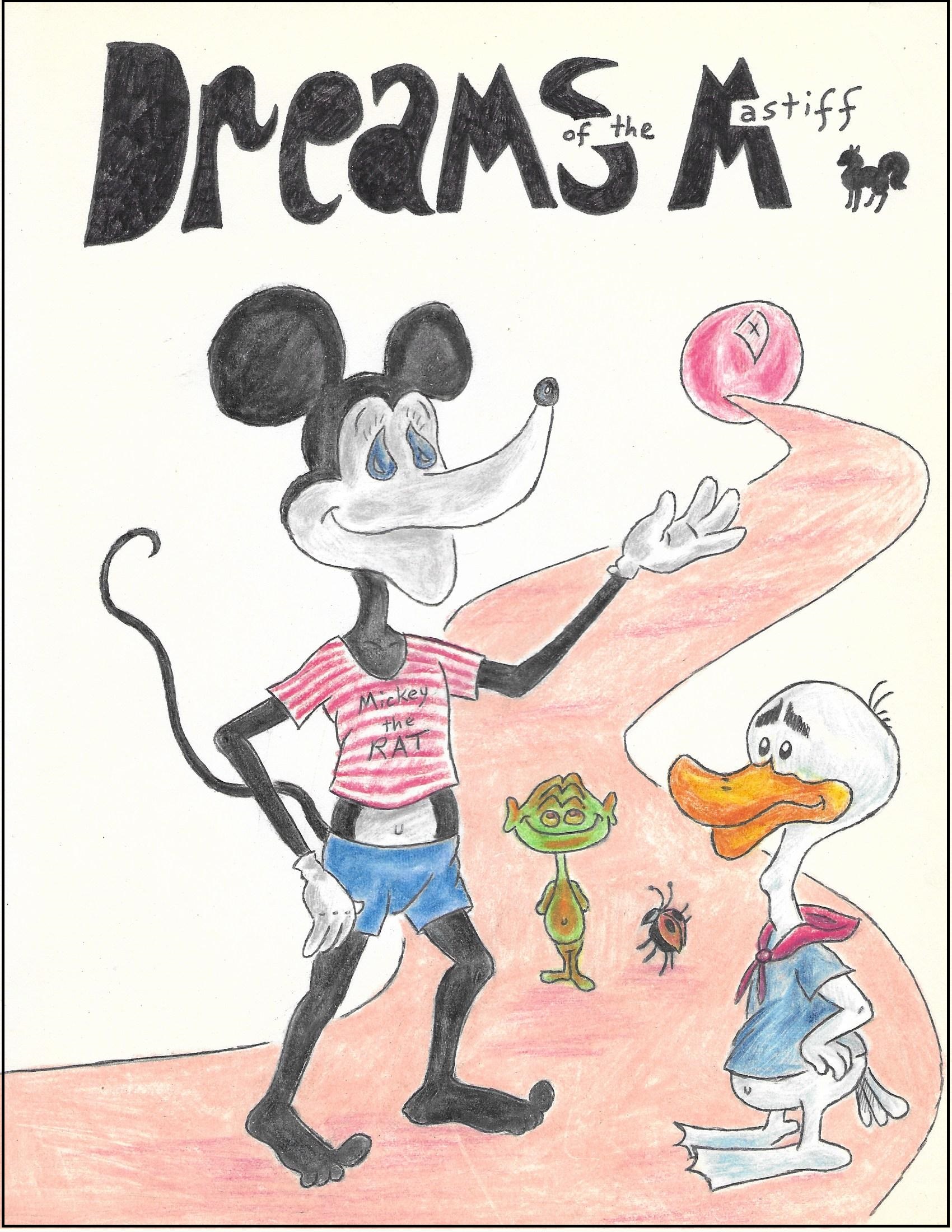












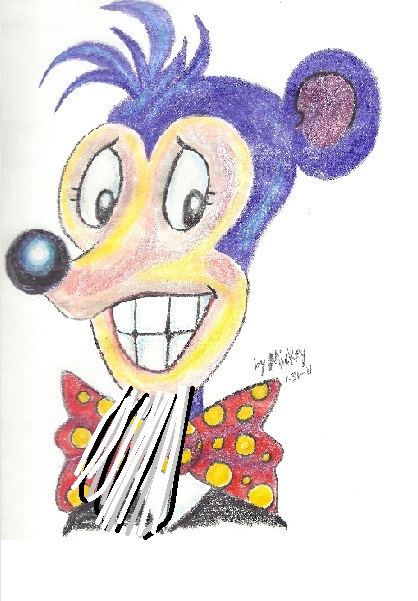







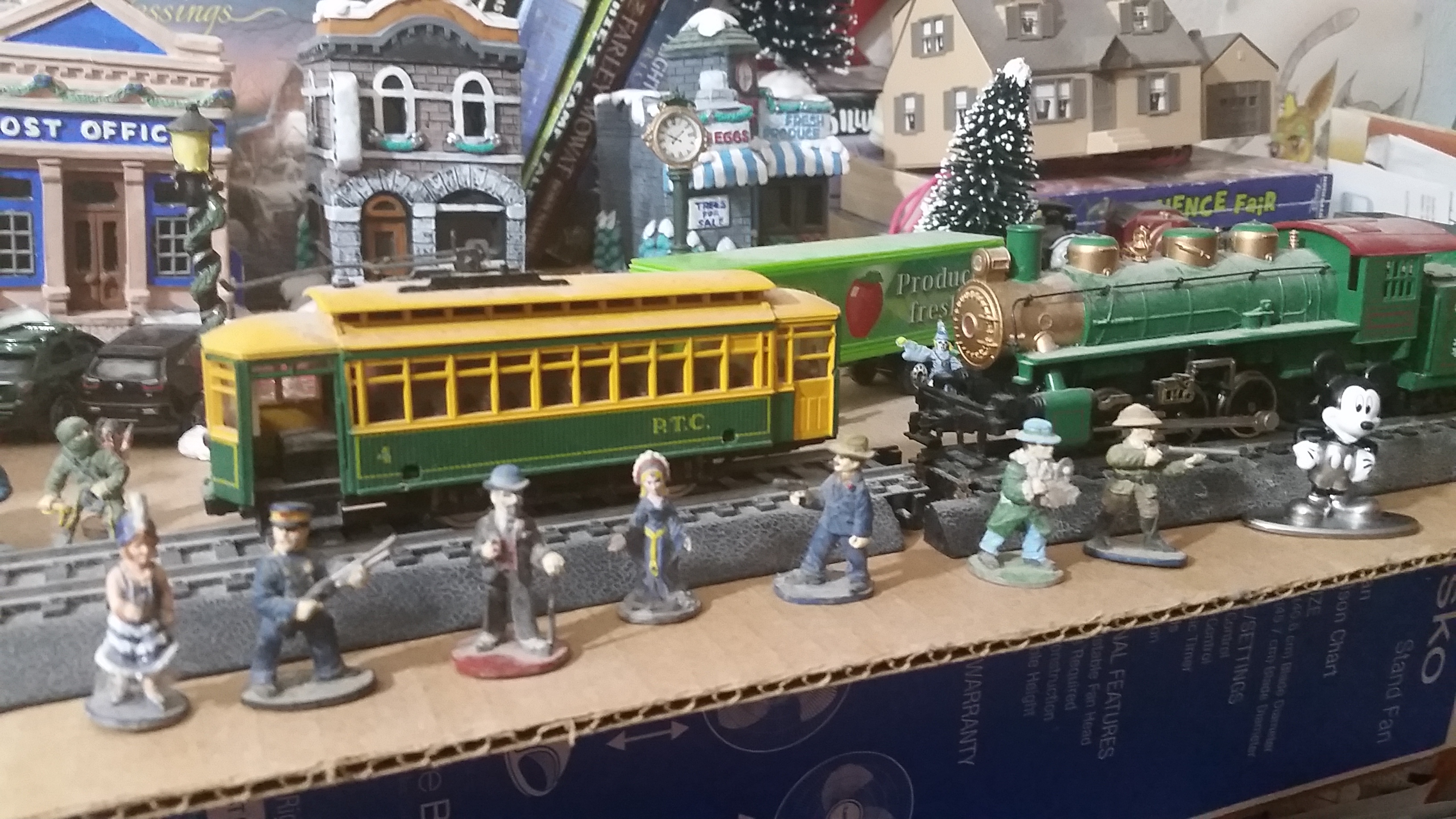
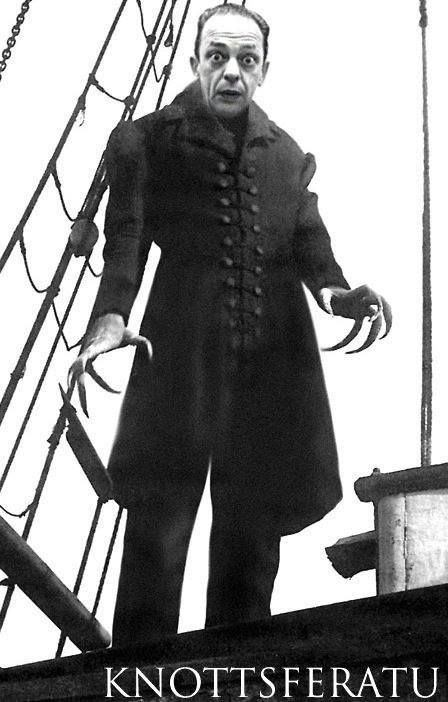
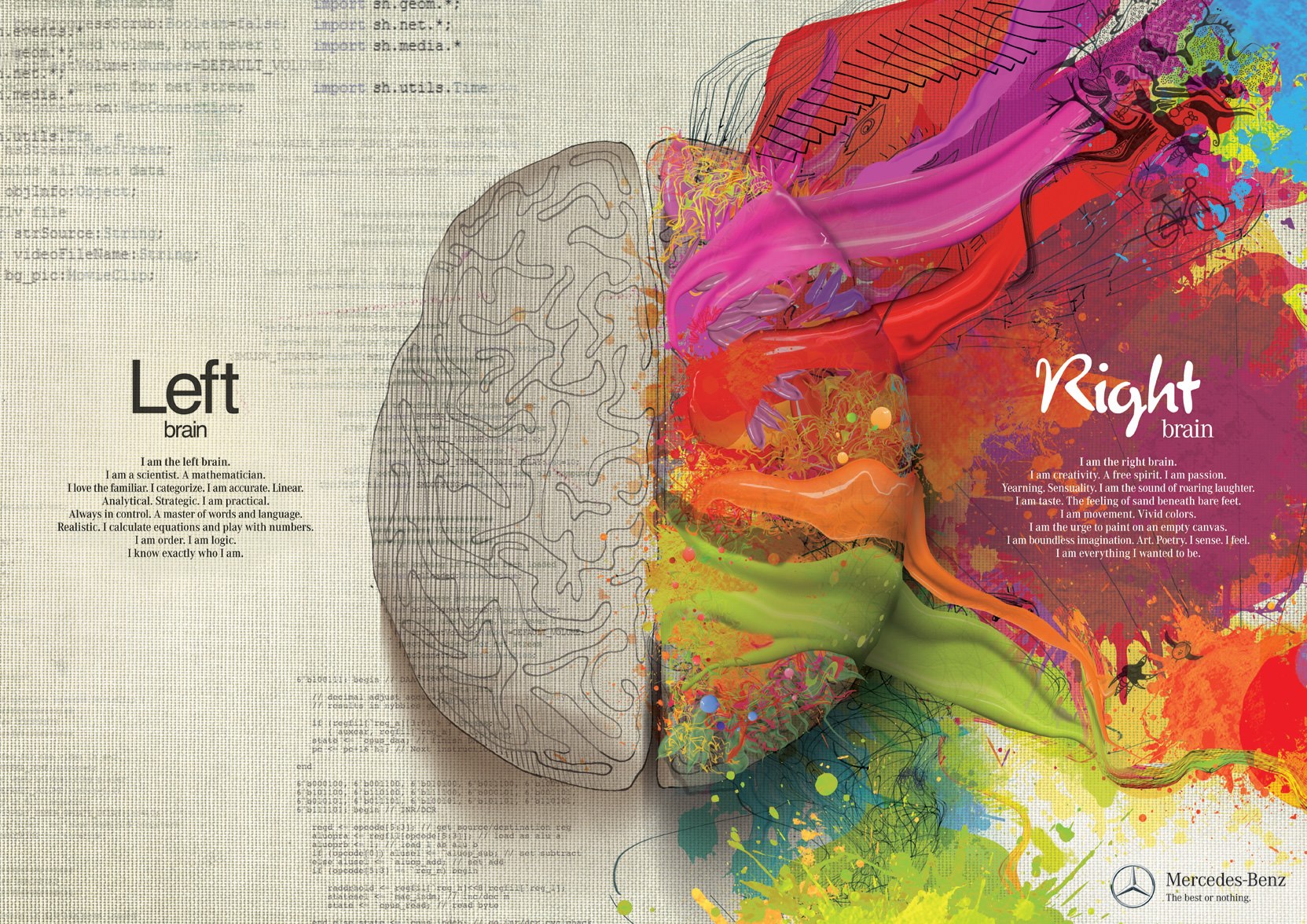





 My wife constantly tells me I am wrong… about everything. And I probably am. So that is not right. And if you think that’s my wife in the picture, you would be wrong. She’s much larger than that in real life.

 Catch a Falling Star
Reading Other Writers
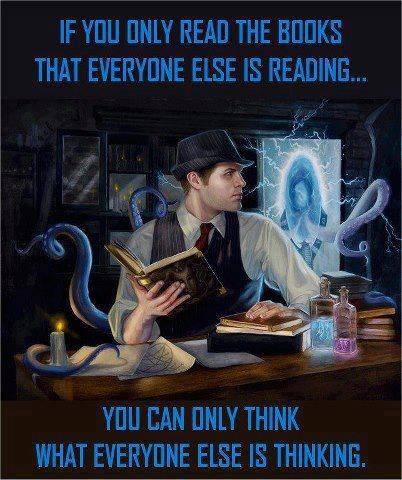
Nobody who wants to be a writer gets by with just writing and never reading anything by anybody else. It is too easy to devolve into some kind of human mushroom that way, thinking only thoughts a mushroom could think, all fungus-like and having no chlorophyll of their own. You never learn to decode other people and other people’s thinking if you don’t read other people’s thoughts crystallized in writing.
And not every other writer is Robert Frost. Or even Jack Frost who thinks he’s Gene Kelly. There has to be some interpretation, some digging for understanding. What did that writer mean when she said political correctness was like a tongue disease? And what does it mean when a commenting troll calls me a nekkid poofter? Is that how he spells “exceptional genius”? I think it is. Trolls are not smart.
I know people have to make an effort to understand me. When I write, I am writing under the delusion that I can produce literary quality off the top of my head. In fact, I can barely produce hair off the top of my head, and it is gray when I do it. See what I did there? It is the kind of joke a surrealist makes, pretending the idiomatic expression you use is to be taken literally when it doesn’t literally make sense. That kind of nonsense is what my readers have to put up with, and probably also the reason why most of them just look at the pictures. If you have to think too hard when you read, your brain could over-heat and your hair could catch fire. I like that kind of purple paisley prose that folds back in on itself and makes you think in curlicues. But most people don’t. Most people don’t have fire-proof hair like I do.
Sometimes, it doesn’t even take a word to make the point. For instance, why, in the picture, is Fluttershy trying to drink out of the toilet in the dollhouse bathroom? For that matter, why does a doll house even need a bathroom? Applejack doesn’t even fit in that yellow bathtub. I know. I tried to stuff her in there for this picture. And, as you read this, doesn’t this paragraph tell you a lot about me that you probably didn’t even want to know?
When I am reading the writing of others, I am looking for a cornucopia of things. I want to not only understand their ideas, I want to detect the limping footprints across the murder scene of their paragraphs and come to know the deeper things about them as well. I spent years decoding and trying to understand the writing of preliterate kids in my middle school English classes in order to be able to teach them to write better. And I learned that no writer is a bad writer as long as they are using readable words. I also learned that very few writers are James Joyce or Marcel Proust. Thank God for that! And given enough time I can read anything by anybody and learn something from it. I read a lot. And it may not always make me a better writer to read it, but it always has value. It is always worth doing.
Leave a comment
Filed under commentary, education, goofy thoughts, humor, irony, photo paffoonies, photos, reading, strange and wonderful ideas about life, surrealism, teaching, wordplay, writing, writing teacher
Tagged as reading for writing, writing advice