

Japanese Manga is a complicated and difficult-to-understand thing. Of course, it is also a very beautiful art form when done well. There are many features of Japanese culture that play a prominent part in the comic book genre known as manga.
It is a strange fusion of the art of Meiji culture in Pre-War Japan and the Western influence of the U.S. Occupation forces after WWII. You read the comic from right to left, opposite to American comics, and the dialogue in speech balloons go from top to bottom rather than horizontally.

I first discovered Ken Akamatsu’s manga brilliance in 2004 through Half-Price Books copies of his manga series Negima! I was reading the last two Harry Potter novels at that time and the Harry Potter-ness of the main character, Negi Springfield is what attracted me. He is a ten-year-old boy who is secretly a wizard. He is also so accelerated in school that they make him an English teacher in a Middle School where they give him an all-girl class. Of course, Negi is definitely NOT like Harry Potter. I learned that after three books worth of Negi’s magic sneeze that blows girl’s dresses off and all the other accidentally-seeing-middle-school-girls-naked jokes. Gushering nose-bleeds and the most-important girl character, Asuna, constantly ending up standing in front of the older instructor she has a crush on stark naked soon convinced me that Japanese humor and sense of adventure are very different from their American counterparts.

The students in this ten-year-old teacher’s class are a diverse group of girls. One is a deadly ninja. Another is a dead-shot gunslinger. A third is an expert swordswoman who fights with a katana in each hand. Several of them wield magic like their teacher.

The adventures in this multi-book story are filled to the brim with magical battles, martial arts, demon summoning, Japanese festivals, and the many ups and downs of young love.
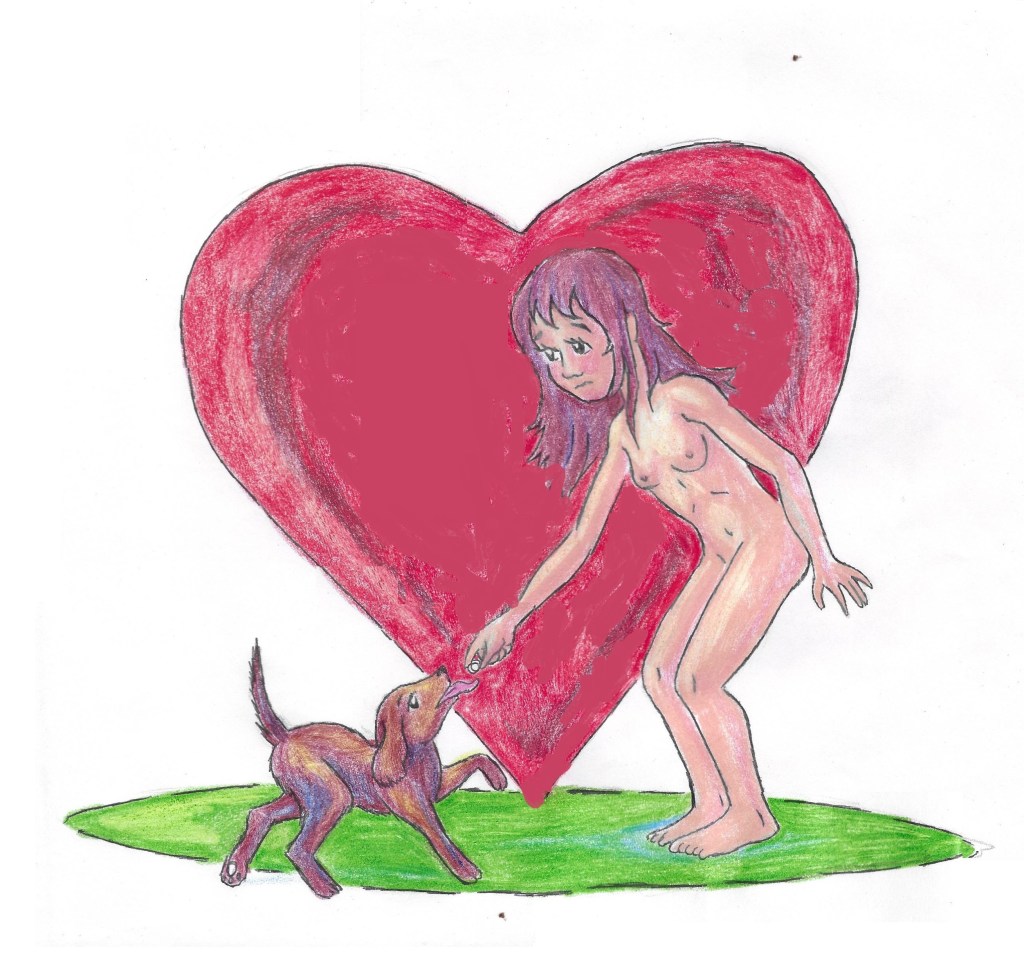
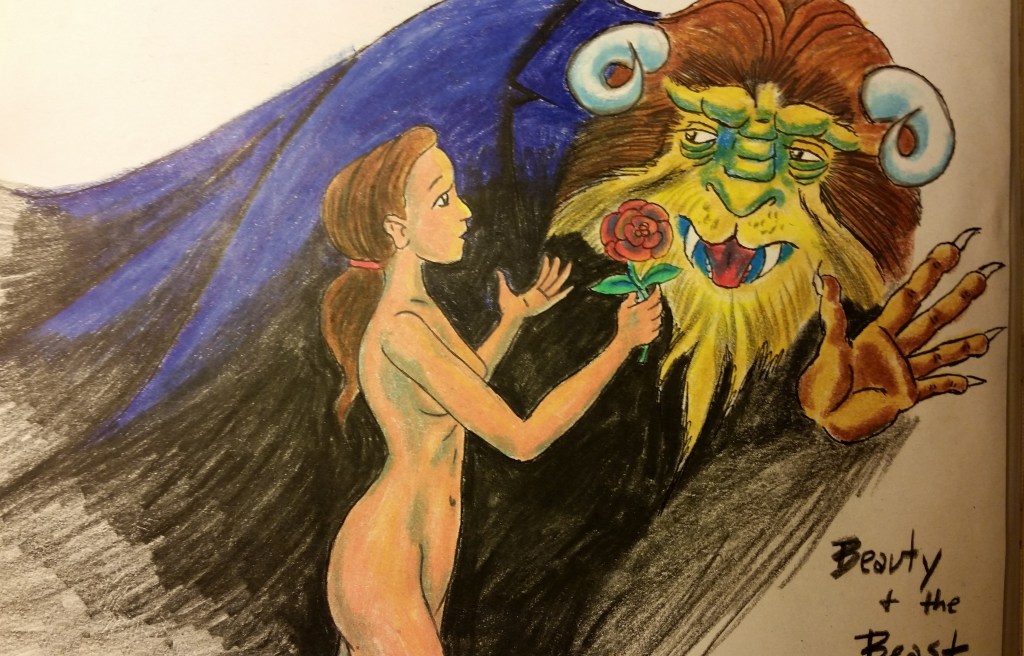
There are lots of instances of girls losing their clothing. Some of it happens in Japanese outdoor baths and spas. Some happens by magic. And some happens completely by accident.
Though, the writer seems to focus on it an awful lot.

Ken Akamatsu has been at the business of creating very similar manga stories for many years. He started in 1994 with A.I. Love You.
He has written three series since.
Love Hina came before Negima!
UQ Holder! is his current manga series.



So, I love the artwork of Ken Akamatsu. And it isn’t necessarily the story that makes it so good. The stories are chaotic and full of things that make very little sense to American sensibilities. And I do like artfully done naked girls. But the real attraction for me is something that I can’t quite name.
I just know it is there. Ken Akamatsu definitely has it. Whatever it is. (Maybe it IS naked girls?)




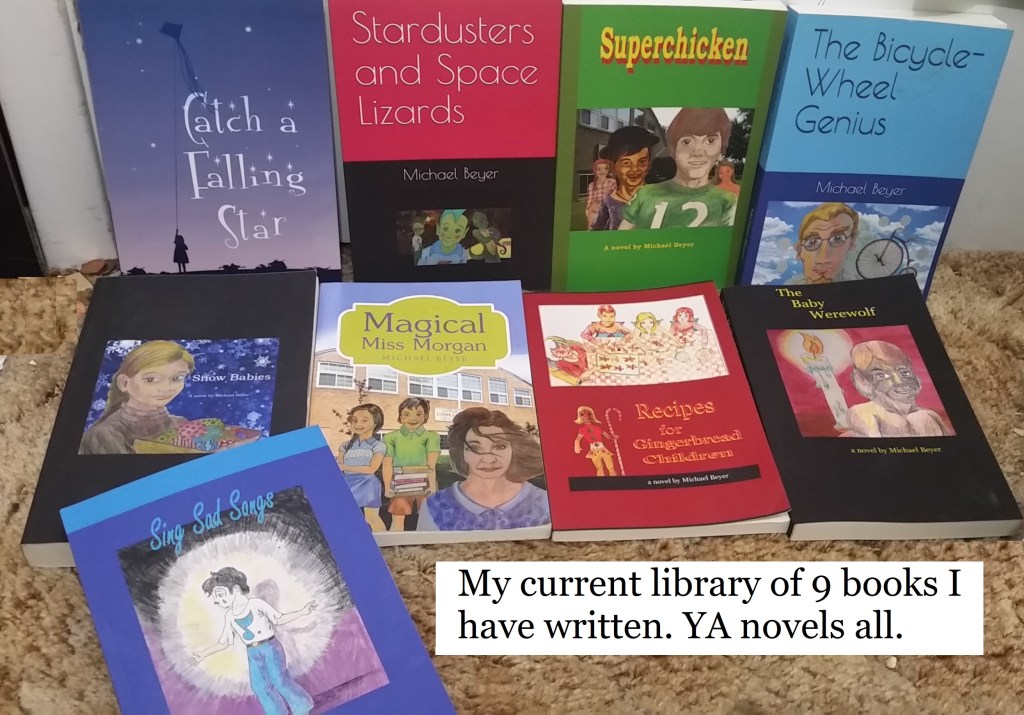

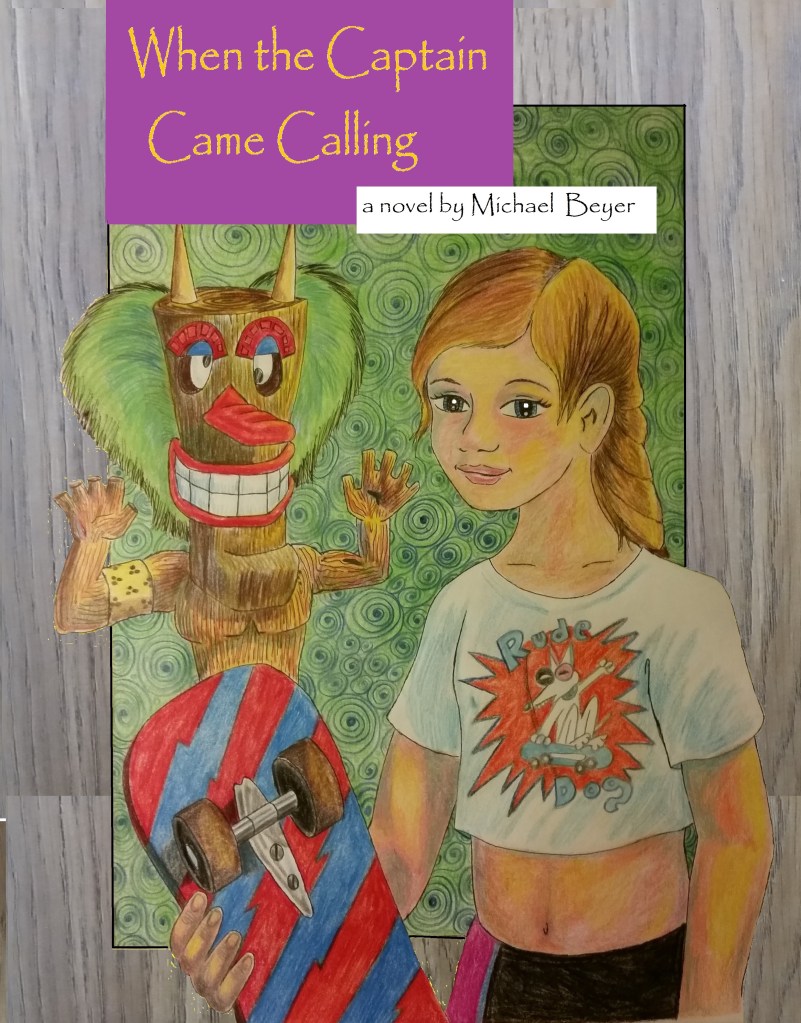








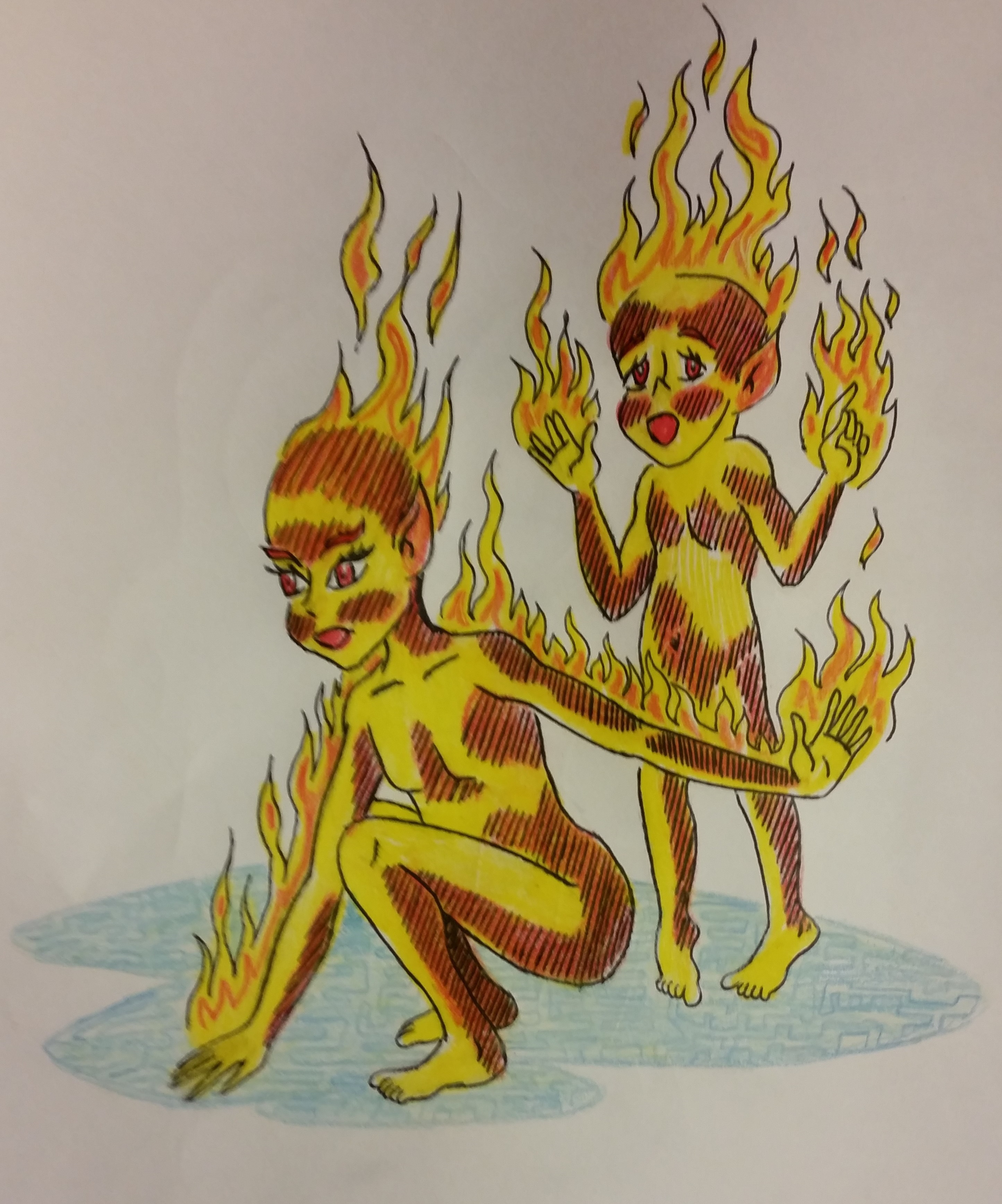


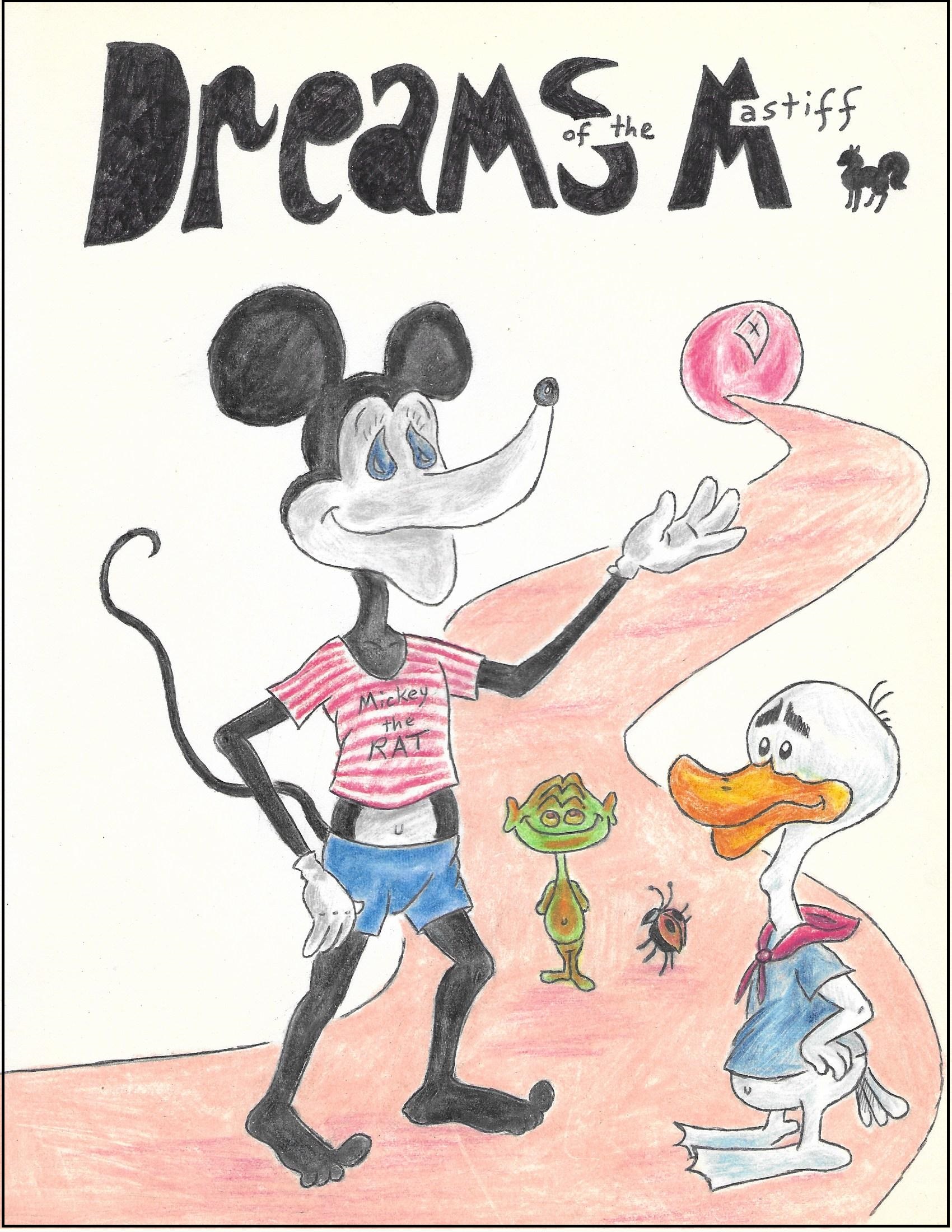


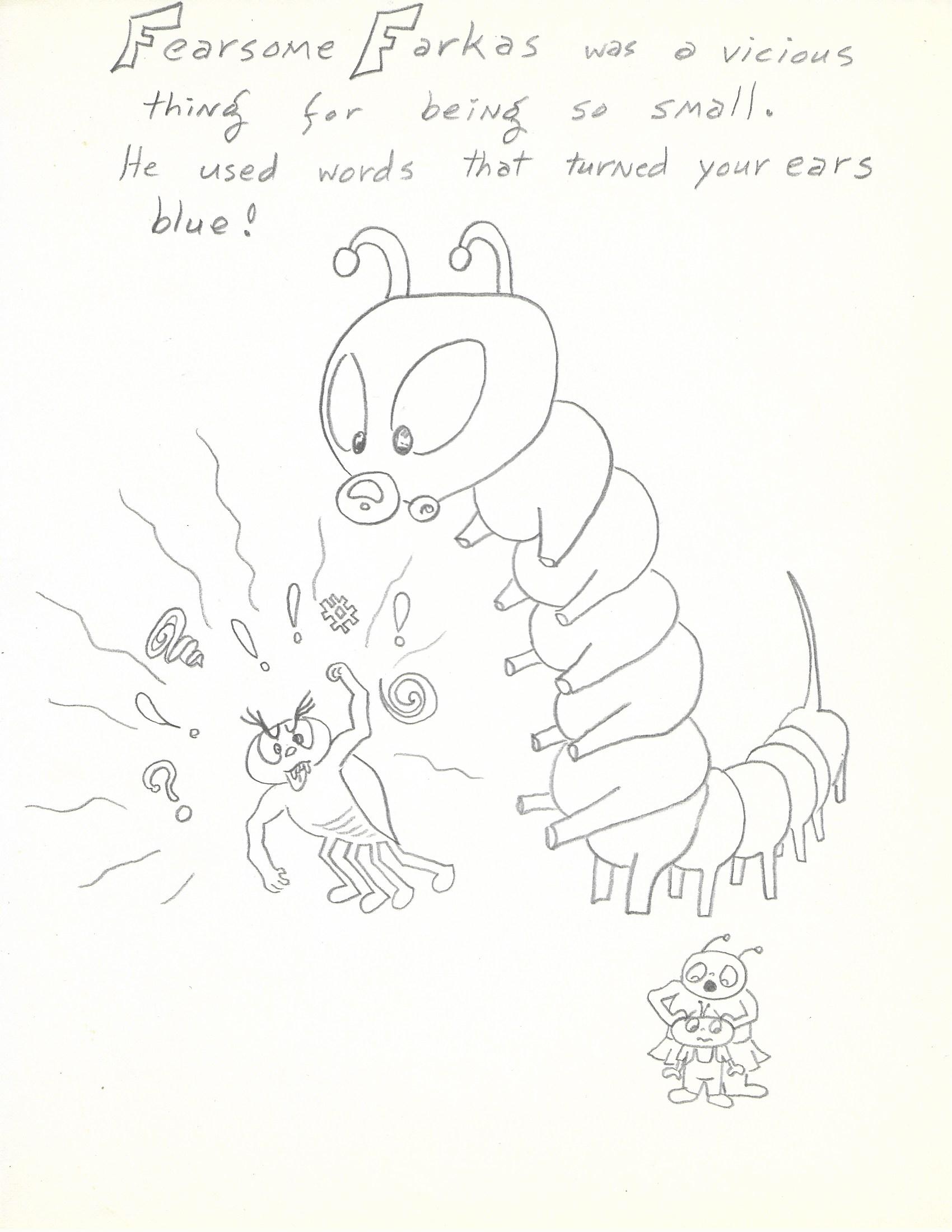
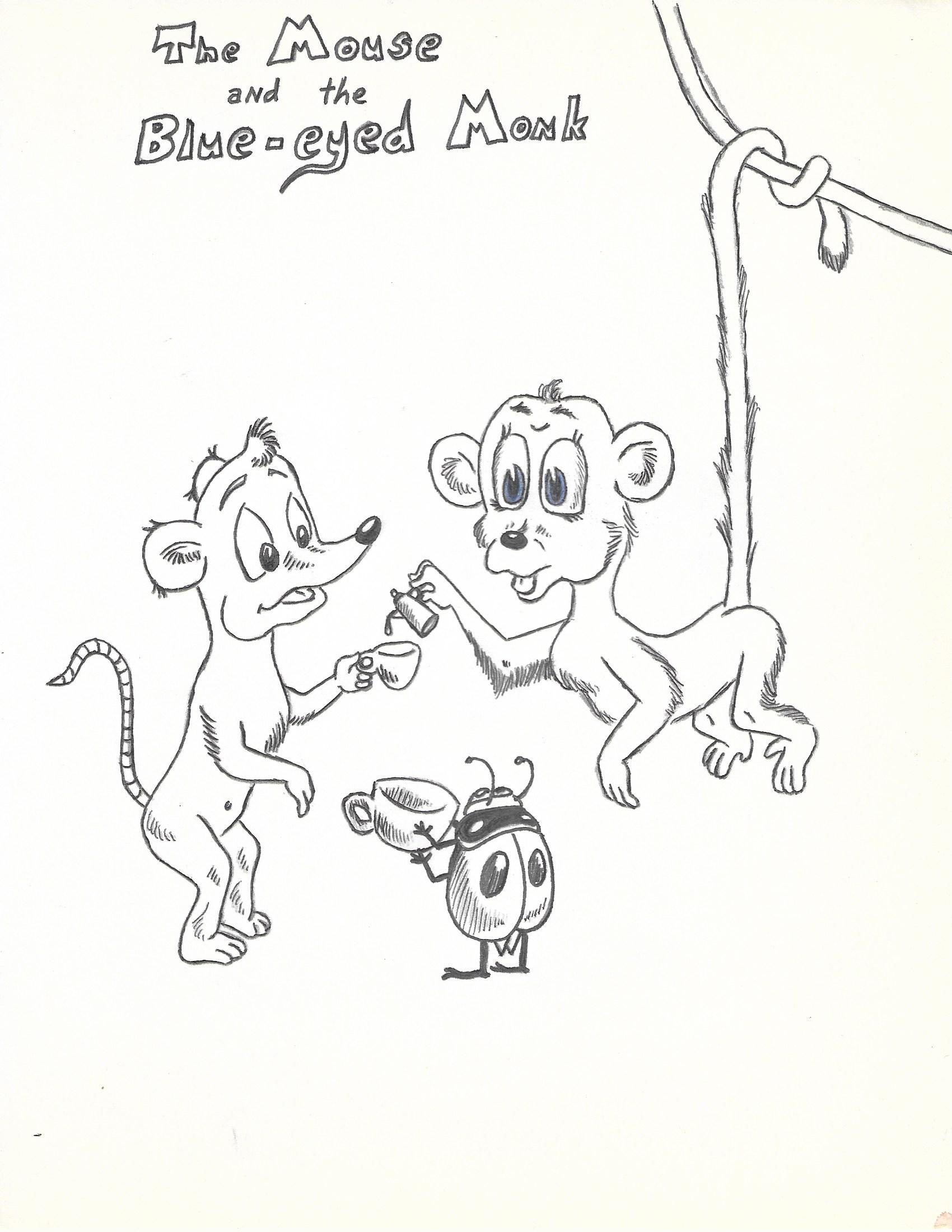

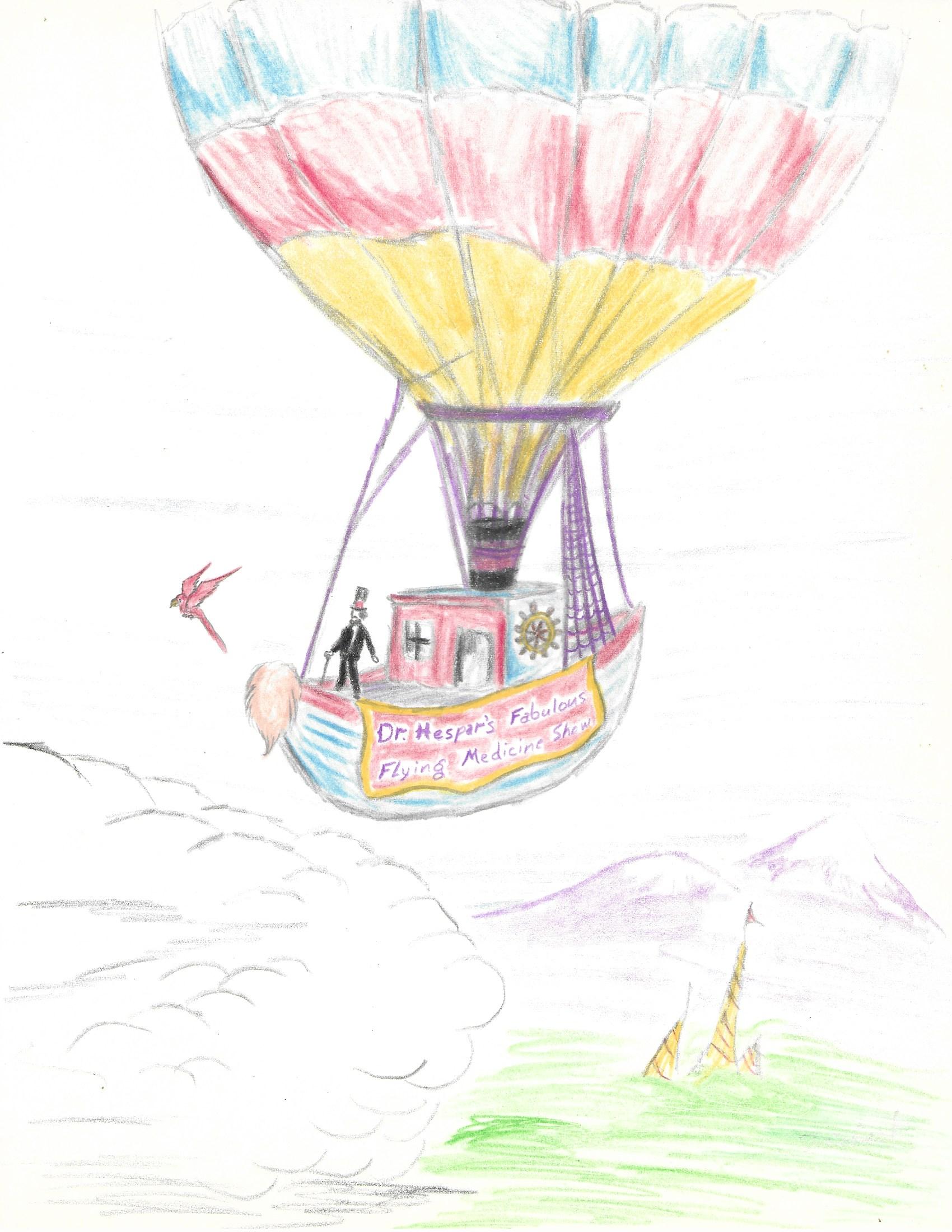


 Catch a Falling Star
Examining the Wood Grain
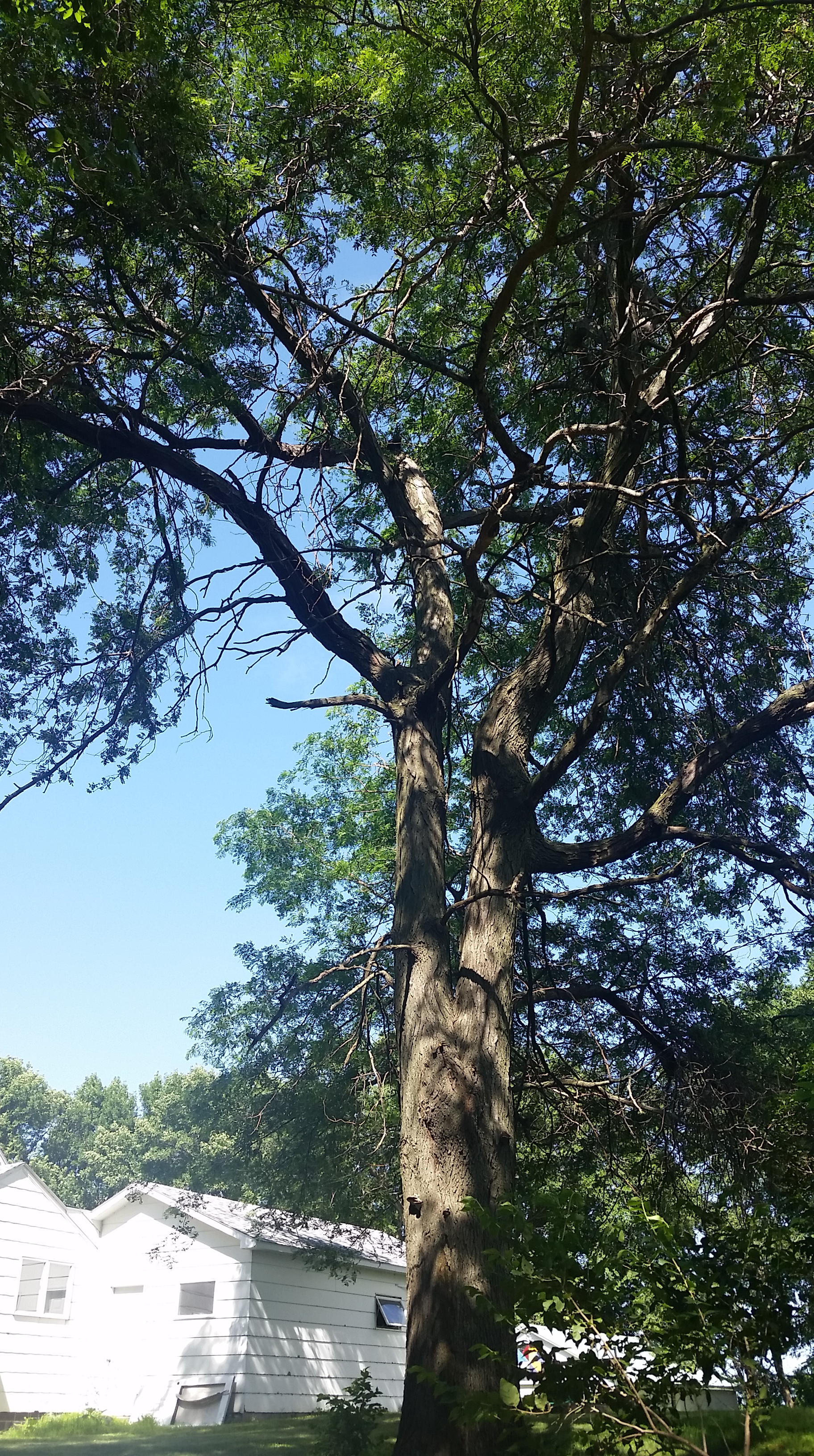
When I was a child I often had to fight on school nights to shut down my brain and get to sleep so that getting up the next morning wouldn’t be torture. The bedroom door was always left open and the single light in the upstairs hallway made it possible to get to the bathroom safely in the middle of the night. I would often find myself staring at the wood grain of the door with all its knots and spots and flowing wiggles. That low-light and wood-grain combination was enthralling.
And as I stared, my over-active imagination would find pictures there. There was a werewolf looking out of the wood grain at me with knotty eyes and wiggly fangs. Boy, that really helped me get to sleep.
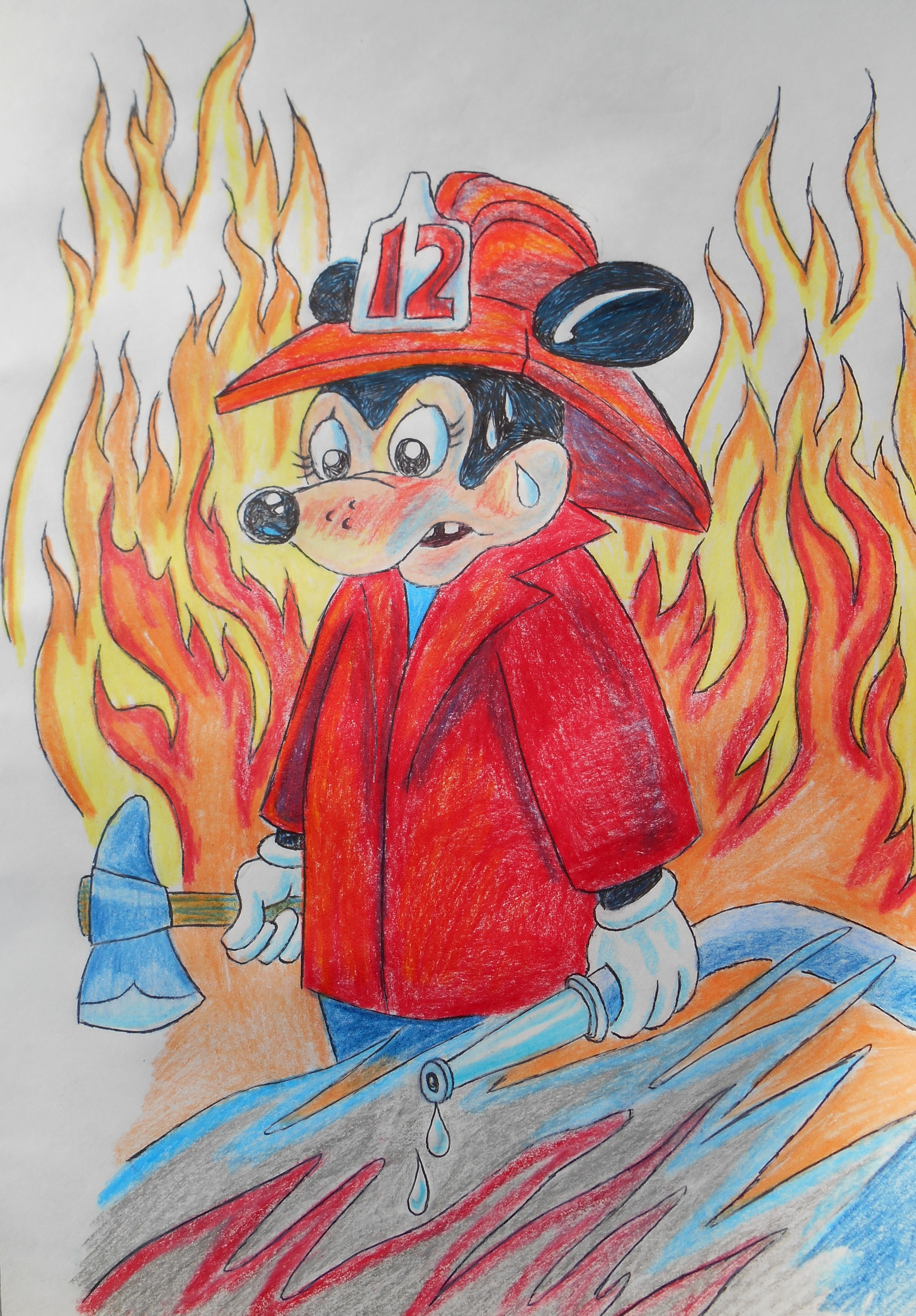
But I could conjure other things too. I always longed to see Annette Funicello naked. I worked long and hard to make the naked lady in the corner of the door’s wood grained panel into Annette. It never truly worked. The naked lady had two grossly misshapen boobs that formed the central feature of her character, and that was nothing like perfect and sweet Annette from the Mickey Mouse Club.
But the point in all this is, a boy has to examine the wood grain of his life if he is going to develop into the kind of person he wants to be in the future. The things you see when you look into the knots and spots and flowing wiggles of a nearly infinite set of possibilities is limited only by your powers of imagination. There is truth to find there. There is often also deception. Sometimes the truth and the deception are the very same thing. But you have to follow the lines and make sense of the patterns.
Now, as I am old and have less to look forward to than I have to look back on, I am still looking at the wood grain. I am still looking at the patterns of my life and love and laughter. I try to trace the lines into fiction stories based on all things I have experienced in a life of humble service to the gods of education. And I have to look carefully. Is that a demon face on the left? Grinning at me with a crooked smile? Or is it a fox looking at me through a hole in the door. And on the right… Is that a hooded man standing next to a barber pole? Or is it a meadow lark reaching his stretched neck up to the top of the panel so that his bill is out of the picture at the apex of his reach?
You don’t see what I see? I fully understand. The wood grain of each person’s life is different. And not even his or her own interpretation can be called either “right” or “wrong”.
But the wood grains straight ahead are the pictures of the end of me. So, I must study the wood grains of the past to be sure of all the good that I have had, and I attempt to get it all down to hand onward to my children and the world to come. What else can I do? I see the patterns. Some are terrible… The werewolf of my bedroom door. Some are beautiful… Annette Funicello naked. And I get choose what they mean.
2 Comments
Filed under battling depression, commentary, dreaming, goofy thoughts, humor, metaphor, Paffooney, philosophy, strange and wonderful ideas about life