Category Archives: novel writing

My Bookish Journey (Part V)

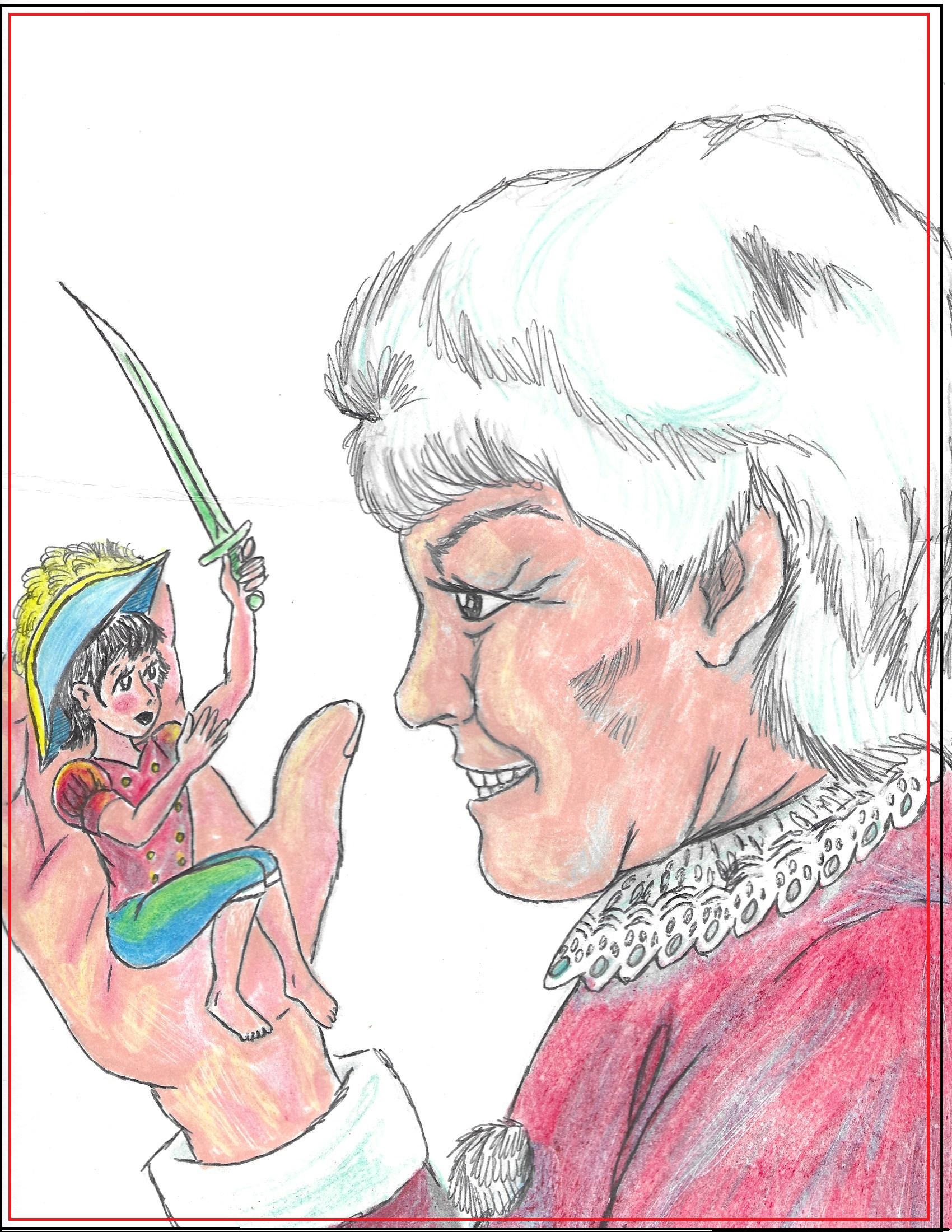
Creating myself as an author meant making some conscious choices at the beginning. I made some very clear ones. First of all, I intended to write as much about my real life as I possibly could. Accepting, of course, the fact that my real life was infested with imaginary people and events. There was the faun that slept in my bed with me every night in the form of a large, black pillow my sister made for me as a 4-H project. There were the three-inch-tall fairies that had a complete underground empire that surfaced at the roots of the old willow tree by the Rowan school building and community center. There was the gryphon that circled the skies looking constantly to swoop down and eat me at any opportunity. So, it wasn’t as much about realism as it was surrealism. It was necessary to protect my traumatized psyche from the damage I sustained as a ten-year-old.
Of course, I had literary heroes and inspirations to go by. I read some key books as a college student that deeply influenced how I wanted to write.

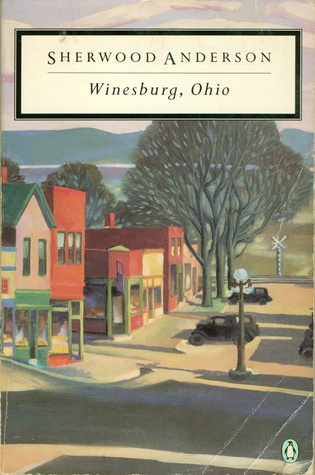
Winesburg, Ohio is the first major influence that affected the stories I began writing in my college years. Sherwood Anderson was writing about his own hometown in this short-story cycle, basing Winesburg on his home town of Clyde, Ohio in the very early 1900s.

Arguably he wrote stories about real people from his renamed home town. Thus, I renamed Rowan, my home town, Norwall, mixing up the letters from Rowan and adding two letter “L’s.” His stories were all themed about the loneliness and longings of a small Midwestern town. I would make mine about breaking out of the cages loneliness builds with the people who surround you.
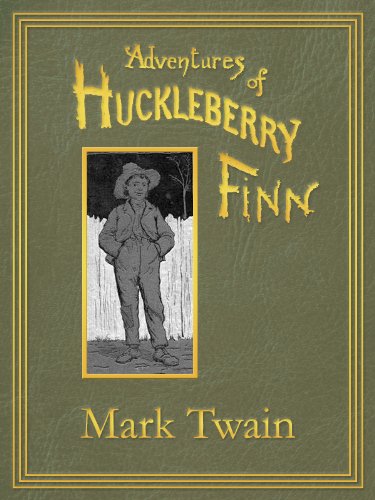
I also determined that like Mark Twain, I would give my characters a sense of realism by basing them on real people from Rowan, Belmond (where I went to high school), and Cotulla, Texas (where I would teach for 23 years.) And I would change some basically minor physical details to hide their true identities behind names I found in the Ames, Iowa phone book from 1978. But I always tried to give them their authentic voices, though that often meant translating Texican and Hispanish into Iowegian.

And like Twain vowed to write stories only about the 19th Century, I decided to only set my stories in the last half of the 20th Century.

Of course, imagination is not easily limited, so I had to also accept that some of my stories of the science-fiction persuasion would be set in the 56th Century in the Orion Spur of the Sagittarius Spiral Arm of the Milky Way Galaxy.
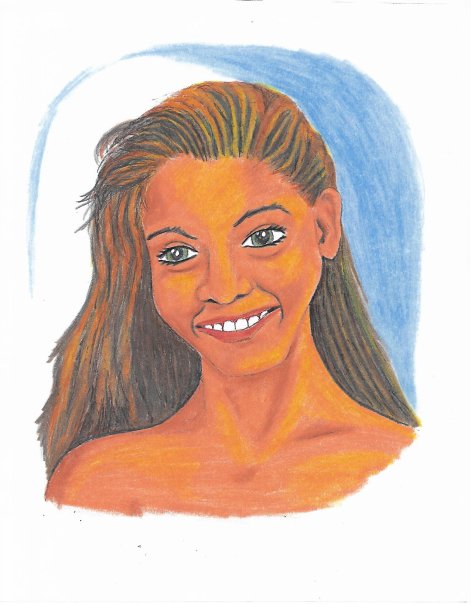
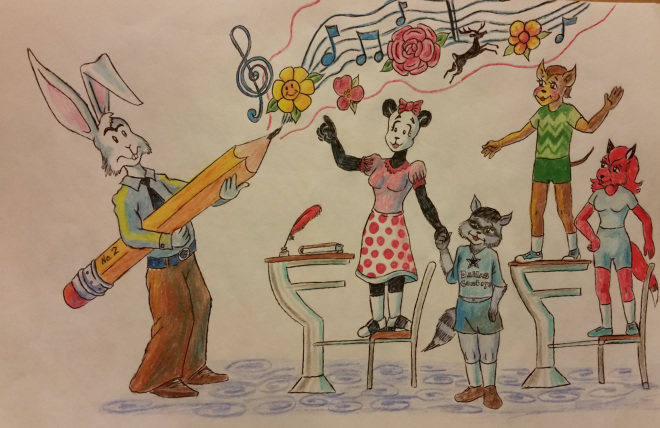
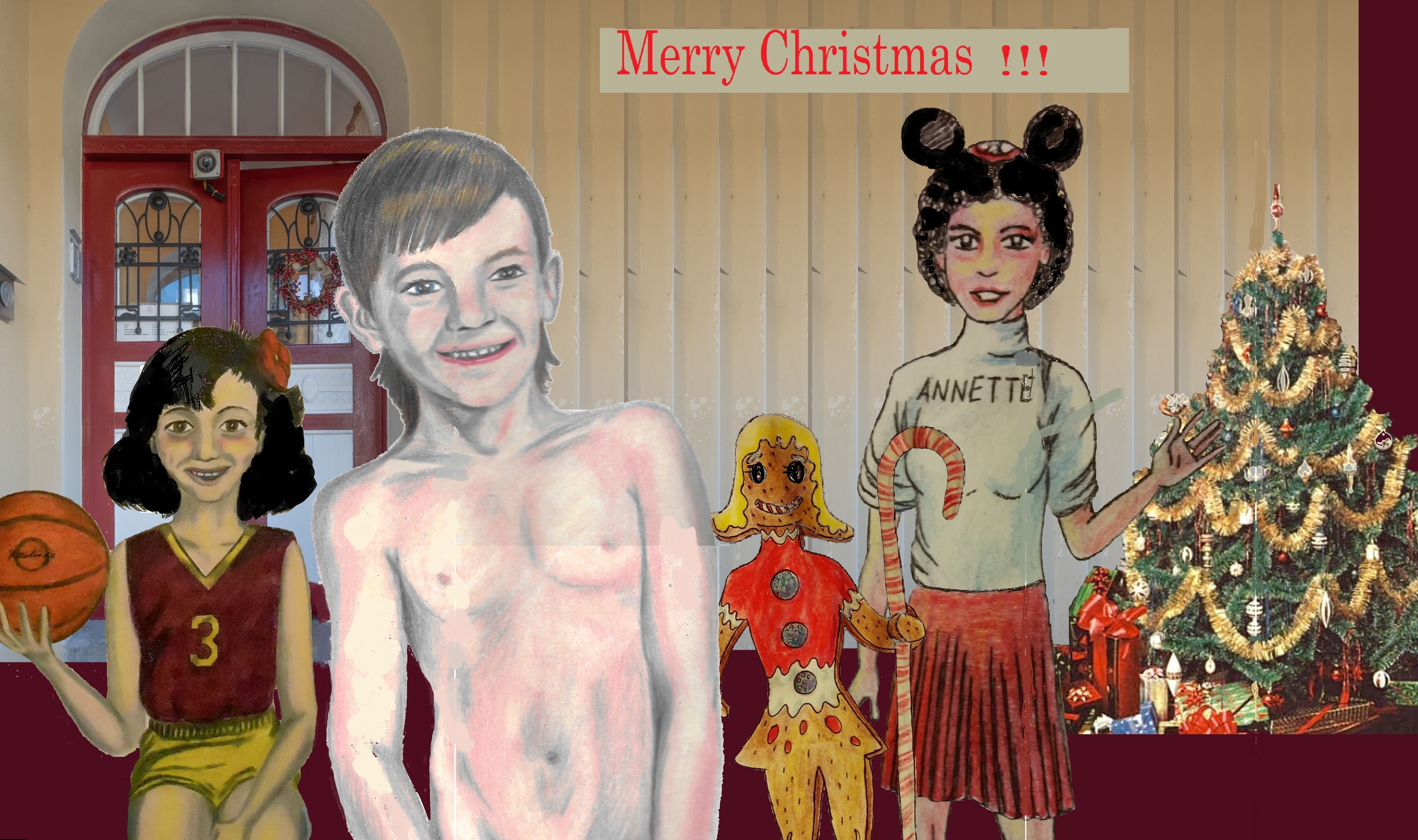
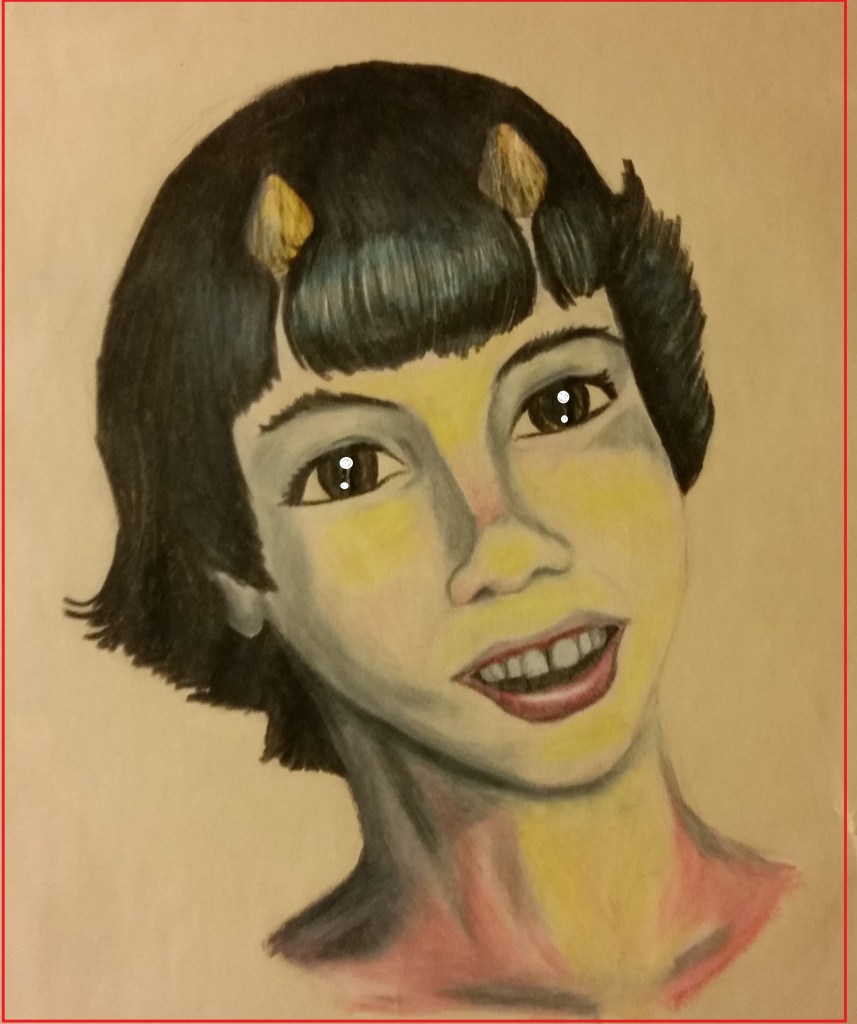
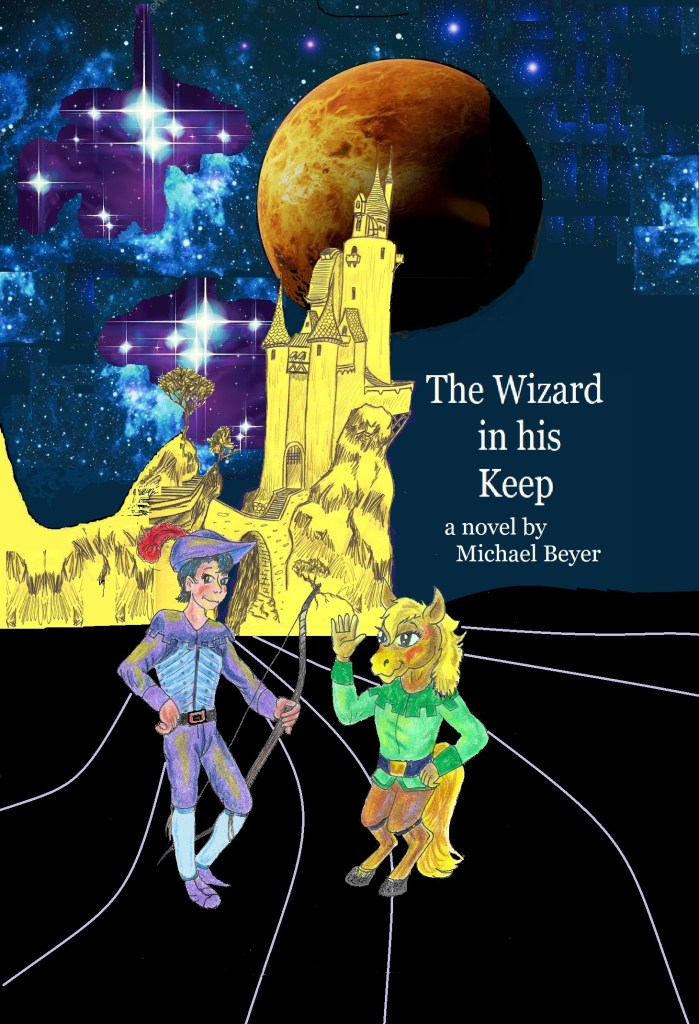
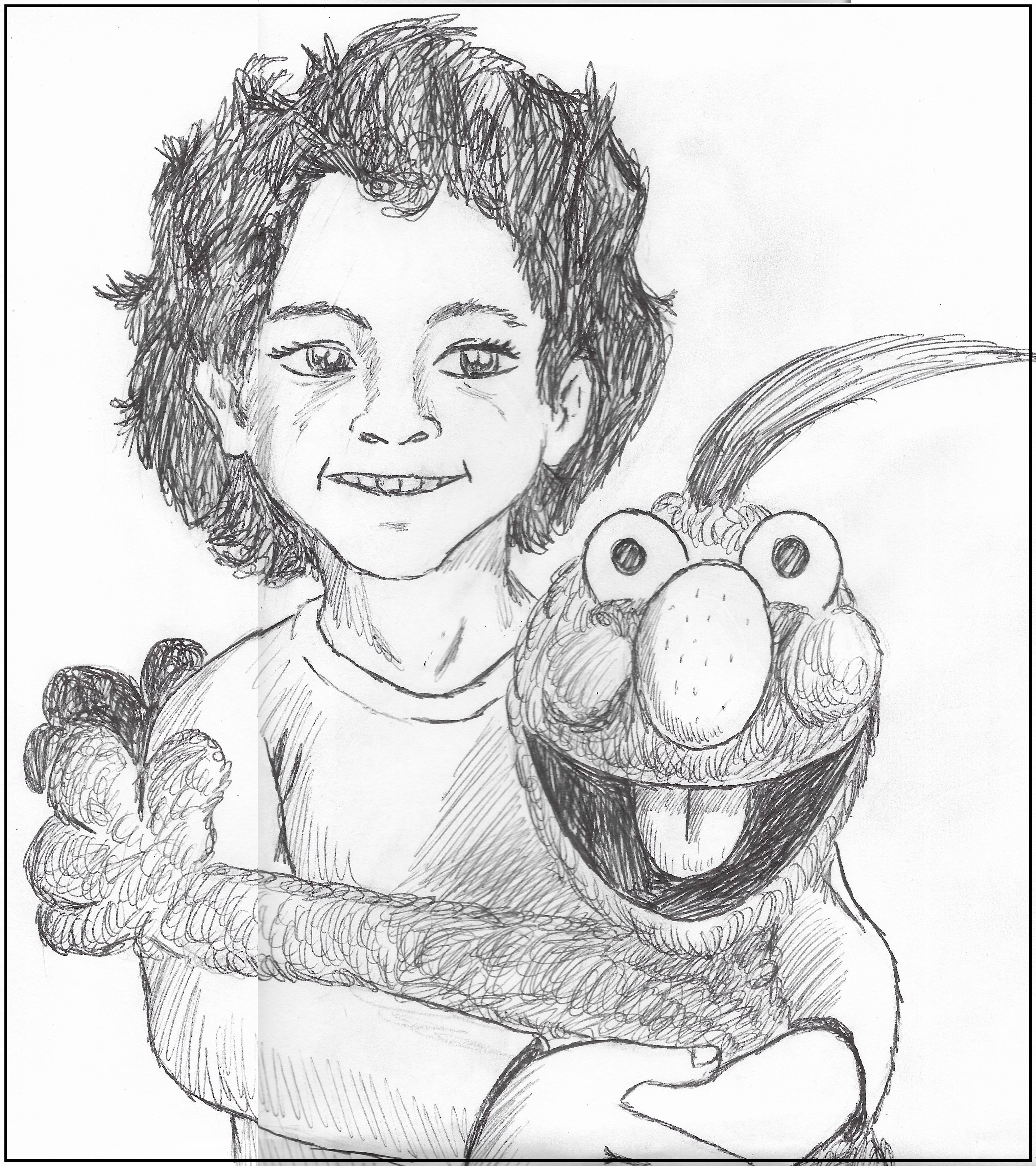
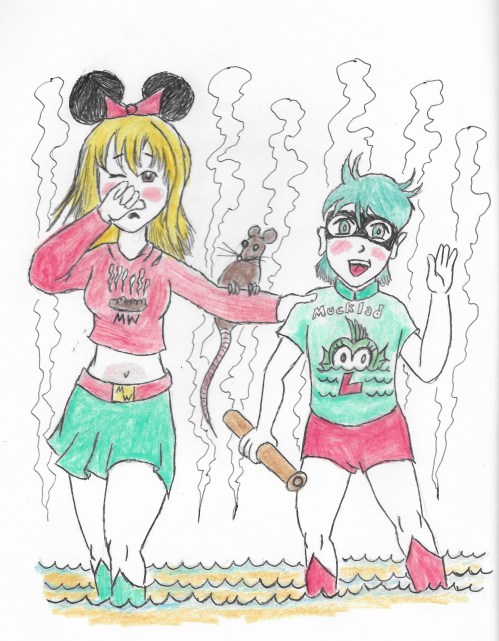
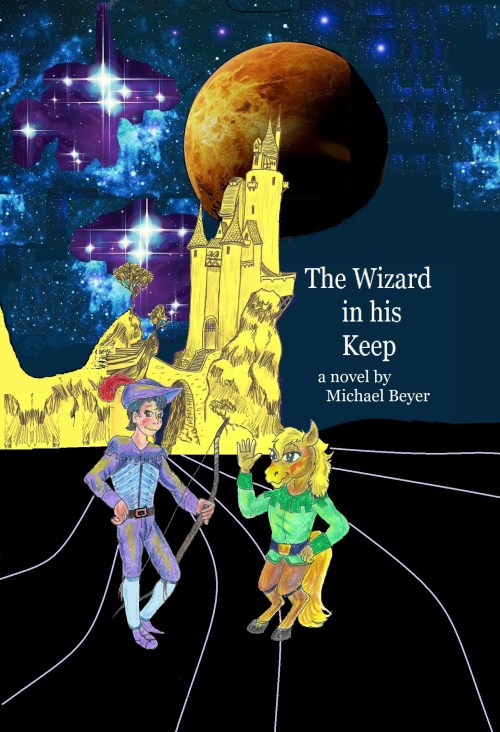
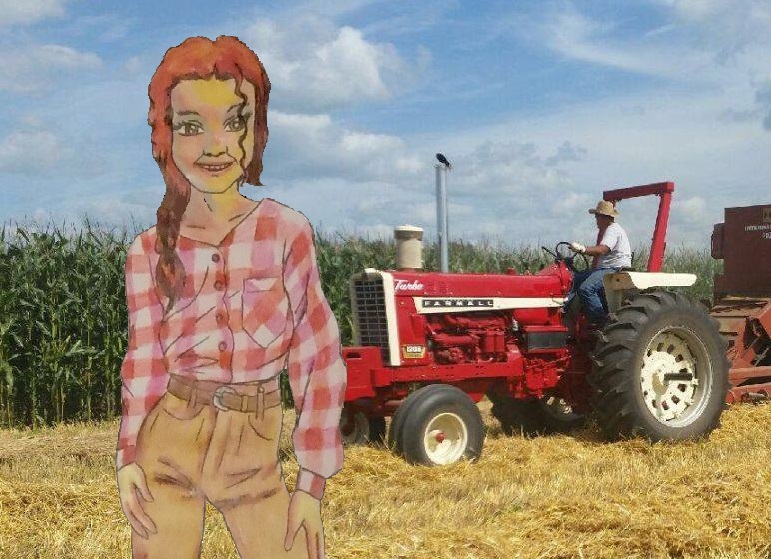
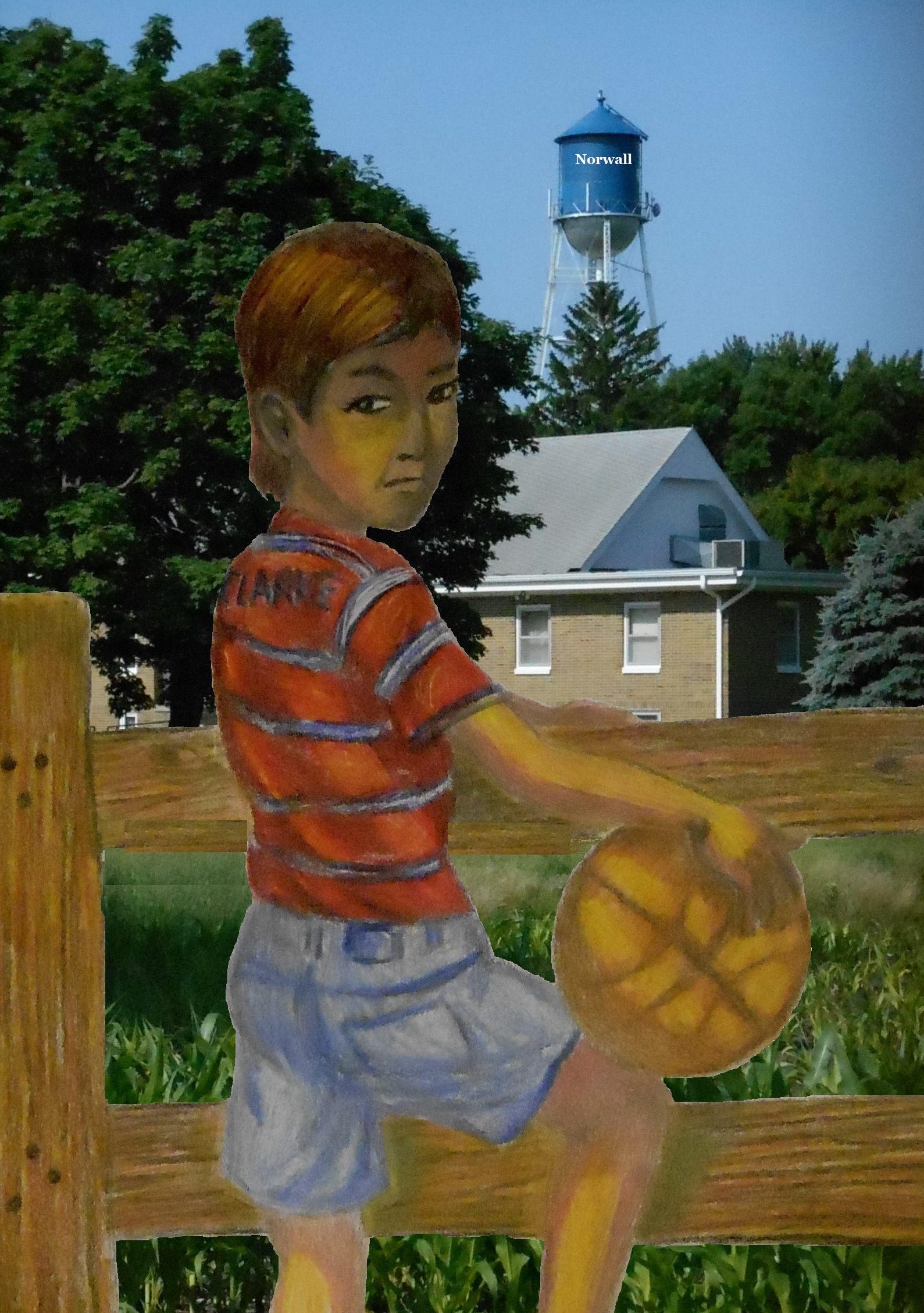
And even before I discovered the genius of David Mitchell through his spectacular novel, Cloud Atlas, I had begun to explore how stories could be expanded and connected and revisited through shared characters, shared histories, and shared places, all of which develop, grow, or deteriorate over time. All things are connected, after all. Anita Jones from that first picture, and Brent Clarke in the last picture were both in the first novel, Superchicken, set in 1974, and Anita appears as an adult in Sing Sad Songs set in 1985, while Brent appears in the last novel in my timeline, The Wizard in his Keep, set in 1999.
Leave a comment

Filed under humor, novel writing, Paffooney, publishing, strange and wonderful ideas about life, surrealism, writing

My Bookish Journey (Part IV)

Once I settled into a publishing plan where I was basically in control of the whole process, the center of my world became the execution of my overall plan to commit acts of actual literature. I had to decide what I wanted to write and the reasons why I was going to write it.

Surrealist Reasons for the Season.

I began the most serious part of my journey into authorship once I was fully retired from my last teaching job. And the darkest part of that truth is that if I weren’t ill enough to be forced to leave teaching, I would still be doing that. It is what God made me for, if there is a God. But since I am stuck in this retirement reality, I really have to use fiction for what fiction-writing is for.

And let me assure you, I know what writing fiction needs to mean for me. I need to rewrite the story of my life in the surreal reality of perceived truth. And what does that mean in simple words? I have to lie a lot. Because fiction is lying in order to reveal the truth.

Two of the most important books I wrote tell the same story for the same purpose.

The Two Stories are really One Story.

I had a childhood full of monsters. And who I became in adult life was not done in spite of what those monsters did to me, but because of it. I was sexually assaulted as a ten-year-old. What he did to me was not pleasurable in any way. He tortured me because causing pain turned him on. I was severely traumatized by the experience. So much so that I experienced PTSD-induced amnesia for a while. These two books are about my fear of monsters and evil, and the deeply embedded fear that when directly faced with evil, I would not know what it really was.

Things in the two novels are not exactly what they seem.

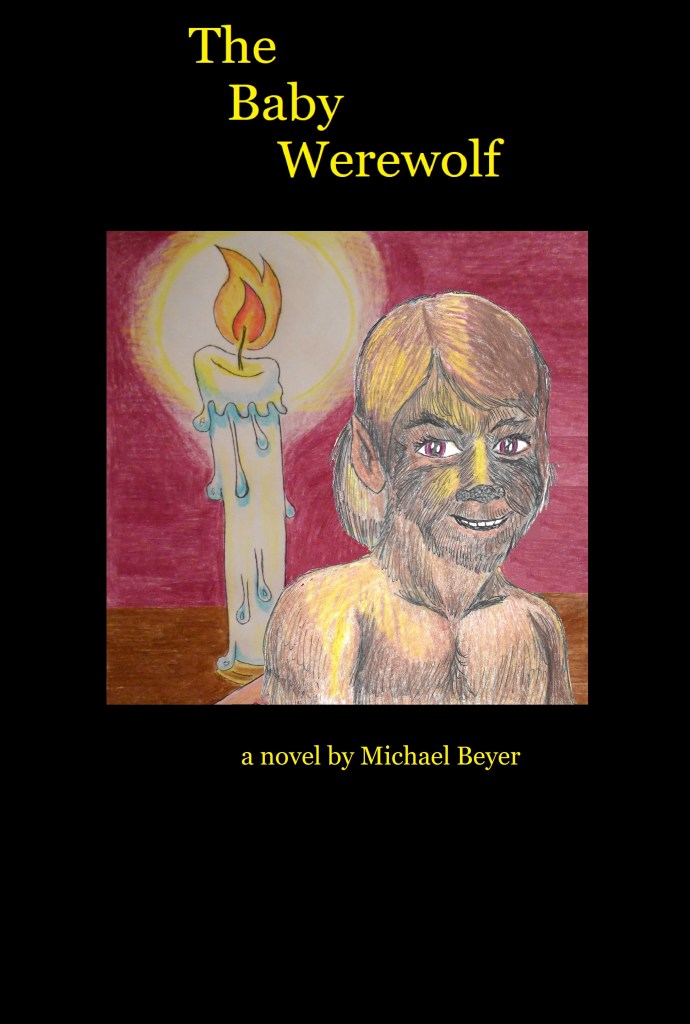
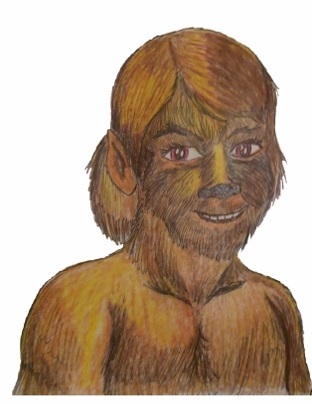
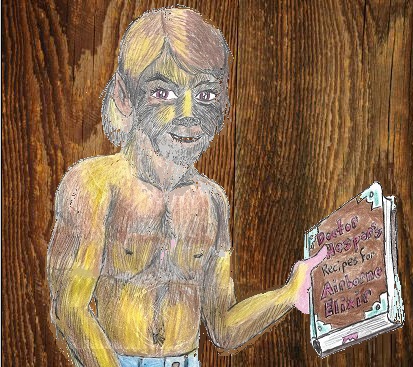
Torrie Brownfield, the Baby Werewolf, is not a monster. He is a boy who suffers from a genetic hair disorder called hypertrichosis, the same disorder that caused the star of Barnum’s freak show, Jojo the dog-faced boy, to have excessive hair growth.

He looks like a monster, but he is really the sweetest, most innocent character in the story.

..

..

..

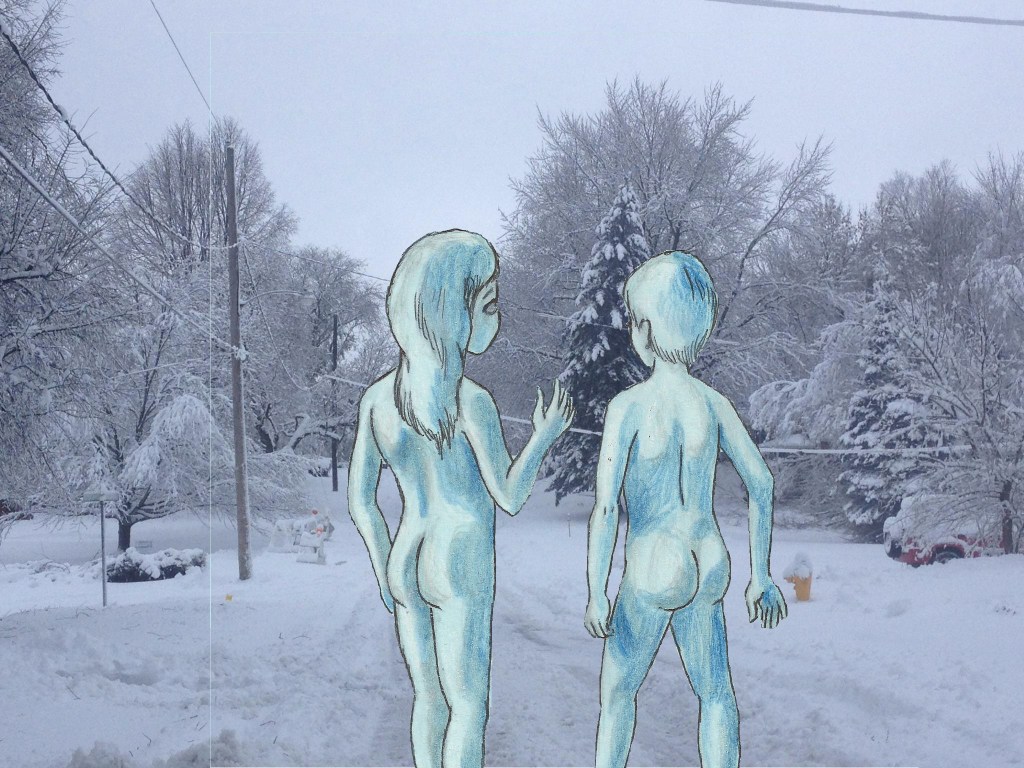
The Cobble Sisters, both Sherry and Shelly, are nudists. That is a detail that was both kinda true about the real twin girls that inspired the characters, and true enough about these characters in the story to make fans of my fiction from real nudists I befriended on Twitter.

The nudism, however, symbolizes innocence and truthfulness. Sherry labors in both books to get the other members of the Pirates’ Liars’ Club to accept nudism and try it for themselves. Sherry tells them repeatedly that nudists are more honest than other people because they don’t hide anything about themselves.

The ultimate villain of both novels is, ironically, one who hides everything and manipulates from the shadows.

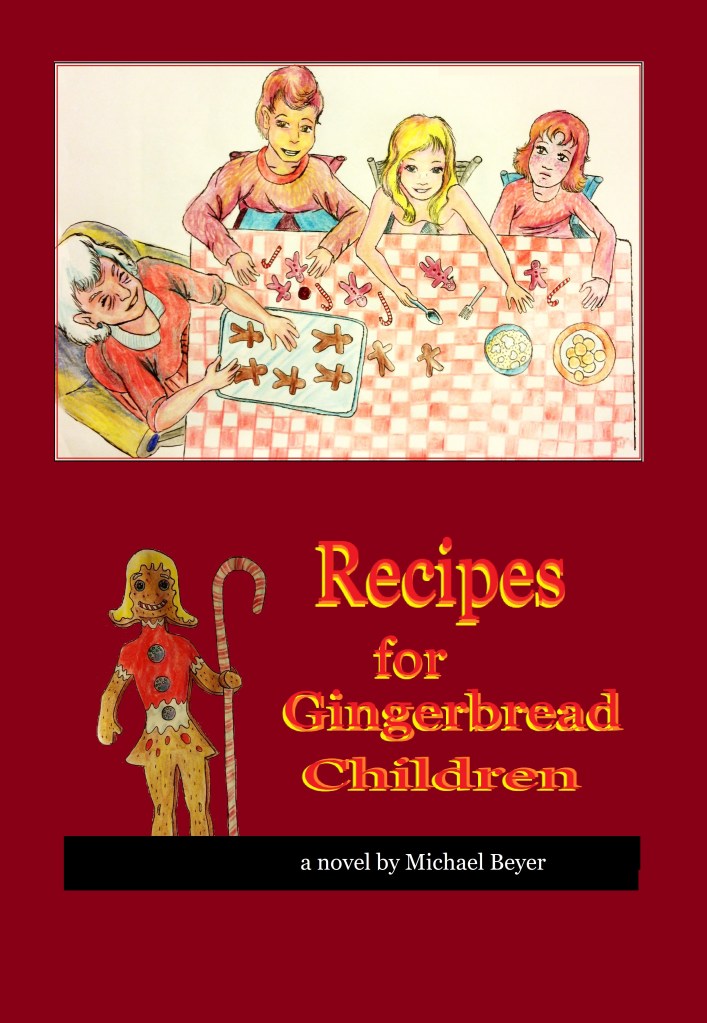
Grandma Gretel is the main character of Recipes for Gingerbread Children. She is a story-teller that has to come to terms with her own monsters from the past. She is a survivor of the Holocaust during WWII. She lost her entire family to the monsters of the Third Reich.

Ironically, she is the one who, through stories and her own keen perceptions, reveals the ultimate villain and his evil. She also, through stories, is coming to terms with her own trauma and loss.

So, what I am saying about my bookish journey at this point is that I have to write the novels I am writing because they allow me to rewrite the world I live in and the facts of my past life in it. I am rewriting myself. I am becoming the me I need to be by writing.

Of course, I am not yet done talking about my bookish journey. Keep an eye out for Part V.

Leave a comment

Filed under book review, humor, novel writing, Paffooney, writing

My Bookish Journey (Part III)

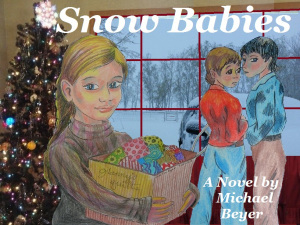
As I indicated in Part II, I killed PDMI Publishing with my first contest novel, Snow Babies. Not because it was that bad of a novel. Rather, it was the endless compounding of my bad luck over time, caused by the Publishing Gods’ keen desires to keep my stories from being generally read and enjoyed. Fickle and cruel are the Publishing Gods.

I took some of the most memorable events in my time as a teacher, put them in a cook-pot and added a batter made of characters based on real teachers I have taught with, learned from, and copied their methods, mixed it with a wooden whisk made of fairy tales, and then baked it with the high heat of the love of teaching to make the next manuscript I would submit to the same YA Novel contest, the Rossetti Awards.

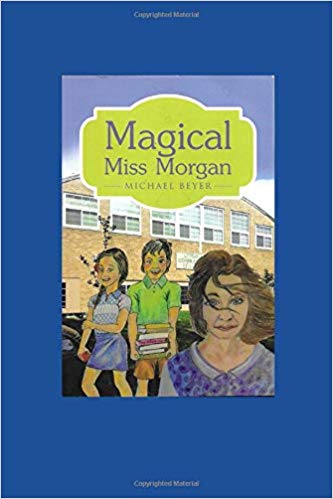
I thought it was an excellent novel. And, like Snow Babies before it, it made the final round of the judging. And there was a range of prizes for the best in about five categories of YA novel for which Magical Miss Morgan qualified for two of them. If it had taken any of those prizes, it would’ve gained me the attention of major publishers looking for new talent.

Alas, there were more novels in competition in that second contest, and I only won the placement in the final round of judging. The Publishing Gods are powerful and implacable.

I submitted it to another publisher that I meant to kill, and they promptly rejected it. They could not handle many novels, got an avalanche of mostly terrible novels, and rejected mine after the first page didn’t dazzle them enough. My consolation had to be that, even though they didn’t give me a contract, they did die shortly after, being closed the next time I checked on them.

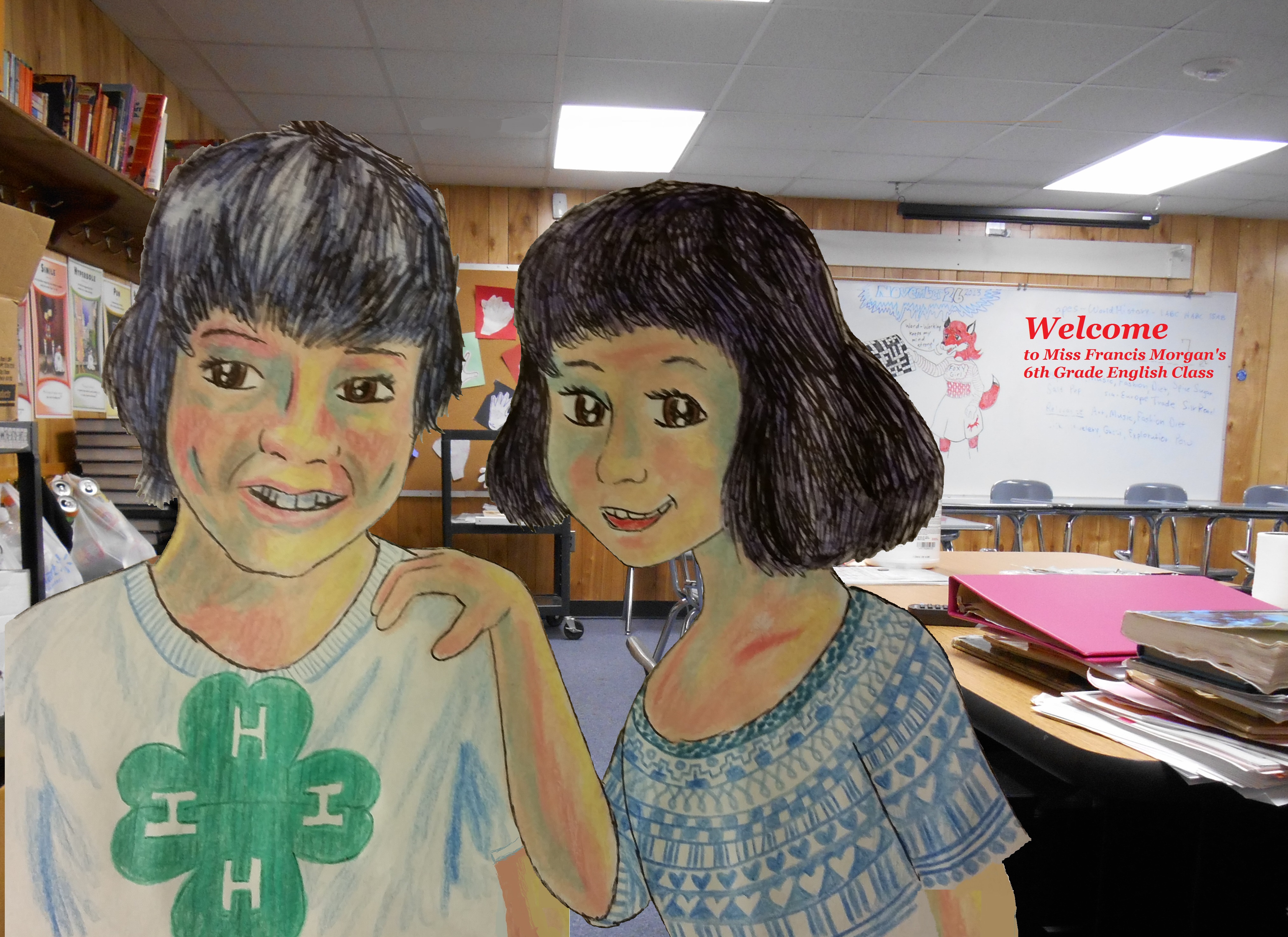
Mike Murphy and Blueberry Bates, two of Miss Morgan’s students

So, I gritted my teeth and tried the pay-to-publish publishers one more time. I chose Page Publishing because they only cost a third of what I-Universe did. I could, at that time, barely still afford it with my partially-restored credit rating.

Unfortunately, as a Publisher, Page was worth only one one-hundredth of the value of I-Universe. They didn’t actually have editors. I basically edited the whole thing myself. Their “editor” only communicated to me once with a proof-read copy that I basically had to re-edit and change everything back to being correct English usage. The major editorial contribution? They tried to change every instance of my use of Miss Morgan to Ms. Morgan. Even in the title. The young bozo-editor didn’t understand that even married female teachers are addressed as “Miss.”

As hard as they tried to mess up the novel for me, almost as badly as Publish America did to AeroQuest, I was pleased with the final outcome and the ten copies they sent me. However, I had already vowed to myself that I would never again trust my work to fly-by-night small publishers. And, of course, no major publisher was accepting unsolicited manuscripts. So, I began my relationship with Amazon Kindle Direct Publishing.

That, then, will be the topic of Part IV.

Leave a comment

Filed under humor, novel writing, Paffooney, publishing

My Bookish Journey (Part II)

It is possible, I suppose, that after my unlooked-for hiatus from teaching, and the subsequent employment as an ESL teacher for the Garland, Texas School District in 2007. I might never have tried picking up the magic pencil again.

I loved teaching. And I was seriously considering doing it until the day I dropped dead.

But, God, of course, usually has other ideas for everybody. My last three years as a Texas public school teacher were my hardest health-wise. I had the H1N1 flu twice in one year. Both strains, one time each. I spent a week in the hospital with pneumonia. I reached a point where I was sick more days every semester than I had sick days to cover. My paychecks began to shrink. And it got harder to make it through the day standing in front of classrooms holding the big pencil of lesson delivery.

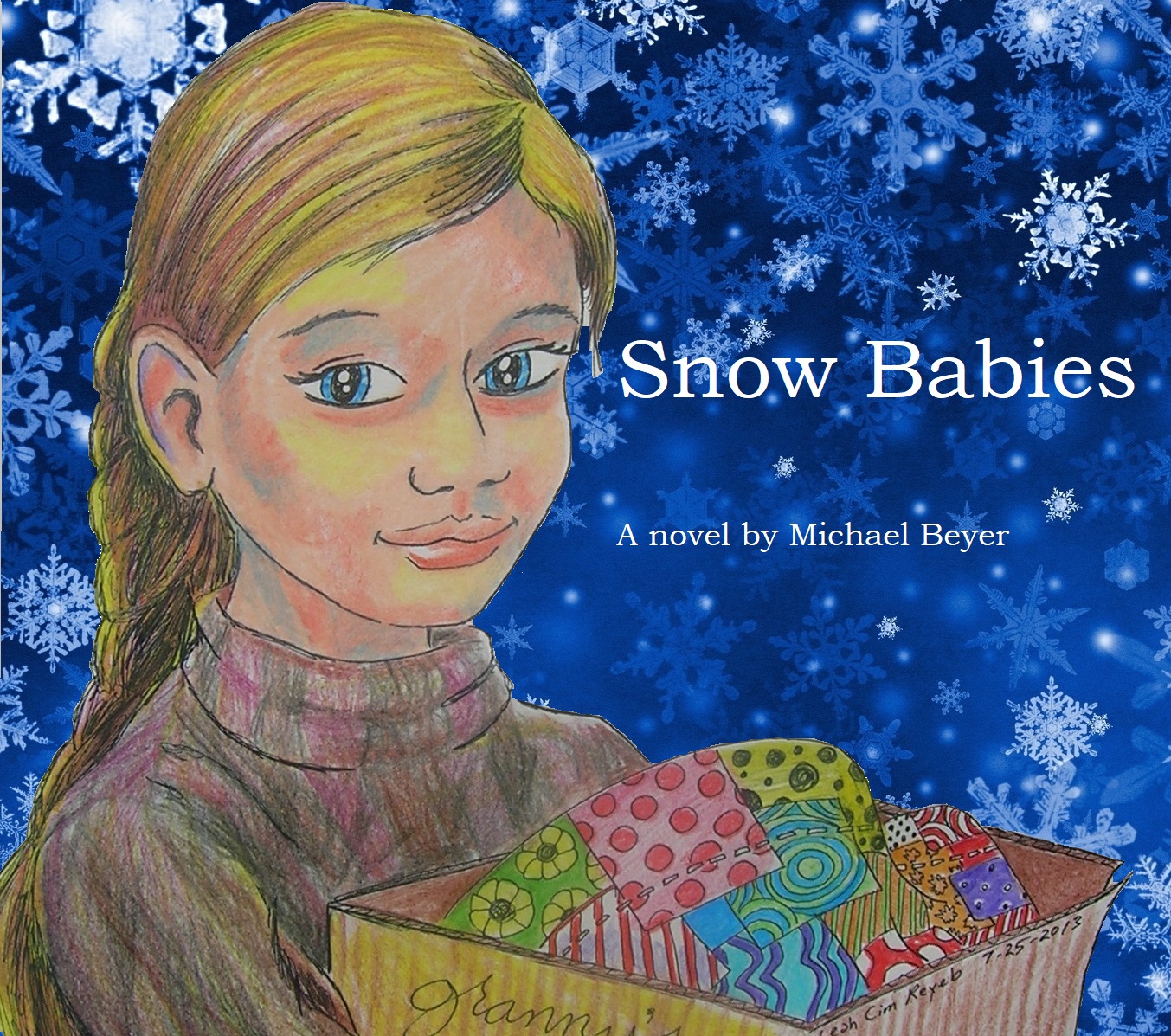
As I contemplated the inevitable dropping into deadness that happens even to English teachers, I began to realize that I couldn’t just let my stories disappear when I did. I needed to actually get serious about publishing them. I wrote another. I took an old manuscript called Nobody’s Babies and rewrote it as Snow Babies. I submitted it in manuscript form to a writing contest. I entered it into Chanticleer Book Reviews’ YA novel-writing contest called the Dante Rossetti Awards. https://www.chantireviews.com/contests/ I made it through to the final round of judging, one of twelve books. I didn’t win, and I couldn’t legally put on the eventual cover of the book that it was a finalist, but it was. So, it was time to find a new publisher. Preferably one that didn’t require my indentured servitude to Mastercard and Discover for the rest of my life.

I found a publisher that loved my book. PDMI Publishing was a business operated as an Indie publisher by a poet and his wife and supported by all the writers and editors and artists whose work he put into print. They were expanding when I signed a contract with them. I was given a brand new book editor who joined them shortly after I did. Jessie Cornwell was her name.

My book was humming along towards publication for two years. Then, rather suddenly, the business collapsed and they released me from my contract. Being the next book in line to be published, I believe it was my incredible luck as an author trying to get published and actually make money from writing that killed the publisher. I didn’t get the final draft of my novel back, so, now I give credit as Editor to Jessie, but the only changes she made to it are the ones I remembered and agreed with.

I would make one more stab at working with an actual publisher for the next book I wanted to publish, Magical Miss Morgan. But that debacle is the subject of Part Three.

But I would go on to self-publish Snow Babies on Amazon, and, to date, it is the book I consider to be the best thing I have ever written.

Leave a comment

Filed under novel writing, Paffooney, publishing, writing

My Bookish Journey

My journey as a writer actually began in grade school. I was writing Star Trek-like comics from the time I was in the fourth and fifth grade, ten and eleven years old. I called my comics Zebra Fleet, about the last fleet in the Star League on the distant, far reaches of the Milky Way Galaxy.

I started writing book-length stories in college, at Iowa State University. They weren’t all science fiction. They began to be more and more about the time and place where I grew up, Rowan, Iowa in the 1960s and 1970s They involved the people I knew there and then. My family, my friends, the people of Rowan, and random Iowegians. I based important characters on people I actually knew, mostly those I knew quite well. But I changed and swapped character details to hide their identities a little bit, and I gave them names that were mixed and matched and borrowed from the 1977 Ames, Iowa phone book. Dettbarn, Efram, Sumpter, Bircher, Clarke, MacMillan, White, and Murphy all came from there. Niland came from a famous alumni of the University of Iowa who played for the Dallas Cowboys.

In order to have food to eat and money to spend as an adult, I had to take my BA in English and add to it an MA in Education to get a job as a teacher. I took my closet full of nascent novels and moved to Texas where my dad’s job took my parents before I graduated college. There I added hundreds of characters who were perfect for Young Adult novels as I got to know real kids and learned about their real lives. I changed their names, details, and often cultures as I added them to my stories.

Other than a couple of shots in the dark as submissions of cartoons and manuscripts to publishers, I mostly kept my stories in the closet and focused more on teaching (which, to be fair, is also a form of story-telling.) I put my handful of rejection letters in the closet too.

But then, I got laid off for two years due to health and a wicked witch as a principal, and I spent my non-job-hunting time writing a novel about my science-fiction role-playing games with former students. It was called AeroQuest.

I managed to find a publisher for that book. But it was a bogus sort of experience. They paid me an advance of one dollar. Then they had me sign a seven-year contract in 2007. No editor or proofreader even worked for them. I basically had to edit and format the book myself. All they did is intentionally flub-up some titles and sections of text in the printed form. This was part of the master plan to get me to pay for an extensive fix to the mistakes they made. The only marketing they did was to send a notice for my over-priced paperback to the list of friends and relatives that they required me to make for them. Publish America is no longer in business. They were closed down by a class-action lawsuit from the authors they had tricked into paying them thousands of dollars for totally defective publishing services. Since I didn’t pay them any scam pennies, I didn’t get any of the money from the lawsuit. I only got my publishing rights back.

So, I went back to whole-heartedly teaching. Then, in 2012 I completed another manuscript that I thought was the best work that I had ever done. I submitted it to I-Universe publishers. They read it and loved it. As it turned out, they were in the process of being acquired by Penguin Books. They were the closest thing to a mainstream publisher that would entertain submissions by new and unproven authors like me.

They, of course, were offering a publishing package that included working with real editors and marketing personnel. But I had to go a bit into debt to swing the price. So, I was still paying someone to publish my book correctly. But, as a step in my author’s journey, it was invaluable. I got to work closely with an experienced editor who had previously worked for both MacMillan and Harcourt, two mainstream traditional publishers.

My book was given the stock cover you see here despite the cover requests I made and got approved. My original ask was apparently too expensive to print. There is no girl flying a kite in the story at all, let alone at night. It is a story about incompetent aliens trying to invade a small town in Iowa. I had requested a flying saucer with a kite flying behind it.

That first real publisher, though, made me into a real writer. The I-Universe marketeers got me listed as a winner of the Editor’s Choice Award. And they put that award and the Rising Star award on every paperback copy they printed. Everyone who read the book seemed to really like it. They set me up with this blog, space on their website for my book and bio, and they put me in touch with Barnes and Noble to talk about “meet the author” sessions to promote getting the book on their shelves. But a trip to the hospital with pneumonia and the end of the room on my Discover Card caused me to bring an end to my marketing campaign. I ended up with two five-star reviews and sixteen dollars-worth of royalties.

At this point in the story, temporarily stalled, I must start touting the part two of my essay for today. I should warn you, I have a lot more negative things to say about publishing next time.

Leave a comment

Filed under autobiography, commentary, novel writing, Paffooney, publishing, writing

When One Door Closes…

I confess I do not know anything when it comes to marketing my books. I have worked at it hard now for the past six years. I have managed to make about five dollars a month this year… up from nothing while spending twenty dollars a month on various marketing services. So, by my limited math skills, I am now losing only $180 a year,

I recently got another excellent review on a book I feel good about having written, and I think it bodes well that when someone who actually read the book, a belief that I have because it is a verified-purchase review, seems to confirm that it really is a good book. At the very least, it really did connect with this one reader.

I got a very unexpected boost from a fellow author and book-marketer on Twitter. I am the second of three authors featured in the blog post linked to below.

I don’t know exactly how this came about. I am not used to having success on Twitter from any quarter besides Twitter nudists and Twitter fans of Tom Hiddleston. She, as a WordPress blogger, doesn’t seem to be a member of either of those groups.

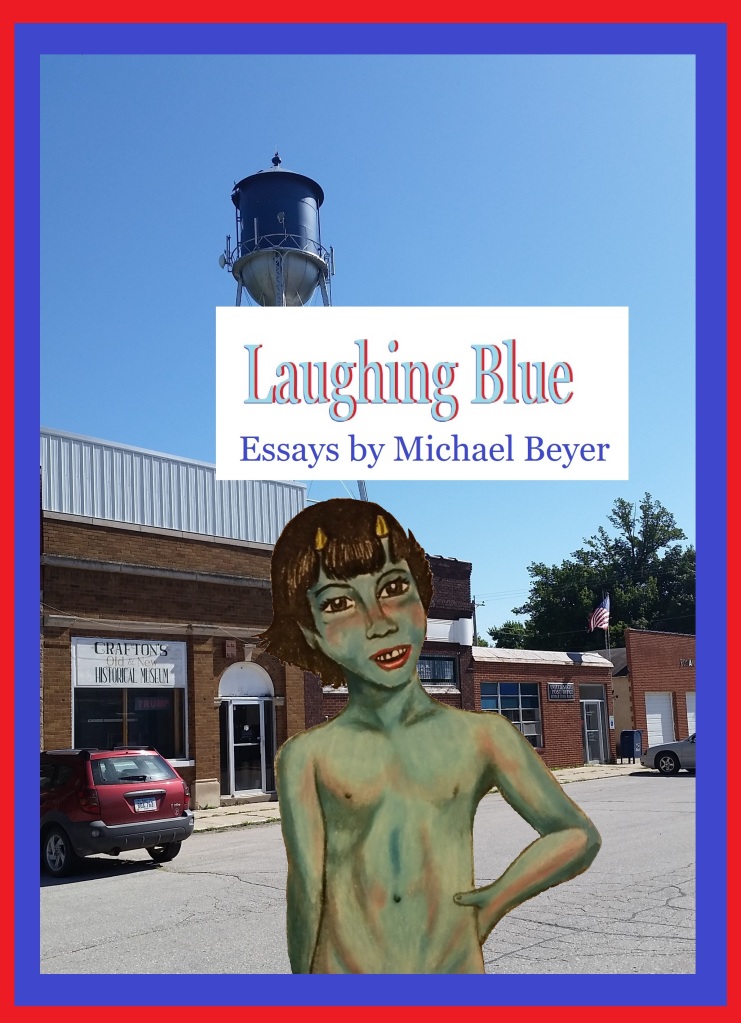
One of the books that the Blogger Bookstore highlighted was Laughing Blue, the book I had already chosen for my January free-book promotion. It will begin being offered for free on Friday of this coming weekend. That fact, combined with the way the blog has filled my Twitter notifications this morning may cause the promotion to reach more readers than any previous promotion has managed.

The other book highlighted in the blog post was my very best novel, Snow Babies.

That couldn’t have been a better door to be opened if I had written that post on the other blog myself.

So, as I was getting more and more depressed as my health worsens and the pandemic has been grinding more on more on my soul,, this door to possibilities opened.

Believe me, I appreciate it. It is timely.

More than once a new door has opened, letting light into my life to help me battle the darkness just as the darkness seemed to be winning.

I am glad that when one door closes, two or more open.

I know it’s a cliché. But it is a good one.

Leave a comment

Filed under book review, novel writing

Revision and Editing

I have recently embarked on a side project of rereading my own books, marking up the errors, awkwardnesses , and inconsistencies I find in them. In other words, I am giving them a complete third or fourth edit.

In some cases this leads to the opportunity to add illustrations and tweaks to the formatting.

In other cases it offers me the opportunity to remove things that will bother future readers who react to things in ways that I don’t totally understand, but definitely want to avoid giving offense more than I want be controversial.

Some things are not negotiable. The fact that Blueberry Bates is a transgender character is something I mean to defend. It that offends someone, that reflects a prejudice on their part, not mine. I have known real transgender people, and their existence should not be offensive to anyone with a drop of Christian or moral decency in their bloodstream.

No young person should ever have to go through the pain and humiliation the person this character is based on had to endure in real life. No one should be driven to suicide or self-destructive thoughts just because their body doesn’t match the gender in their brains.

But I did change the details in Sing Sad Songs that offended one reviewer. While I still think the physical intimacy alluded to in the story (and I do mean “alluded to” as it was not actually depicted in the scene, only mentioned) was not inappropriate, the story does not suffer from changing the act to a mere embarrassing first kiss. In fact, I kinda regret not making that specific change sooner. Although I am sure that reviewer would still have managed to be offended.

I had thought to make this essay about my novel-writing process an essay about censorship. But the whole project is not censorship. I am changing things now not because my urge to self-censor has come about due to a sudden change to prudishness. I still believe that I am a nudist in my soul even though I am almost never naked. And I still believe that children have sex lives and are entitled to them. I am just being more cautious with how the stories will connect to readers, and I wish to be more sensitive to the characters’ rights to privacy (especially in view of the fact that some of my characters are modeled on real people from my past)(and some of those are actual nudists.)

This essay is about reconsidering and revising my work to make it more effective and sensitive to the needs of the reader. I am not a child pornographer, and I don’t want my work to be looked at in that way. Just as when I was teaching, I never actually touched the children physically (accept for a few accidents, moments of crisis, and breaking up fights) I don’t want to violate young people in my writing. I am not removing all mentions of abuse from stories. But those things are done by antagonists and characters in stories, not by the author in how he or she chooses to describe things.

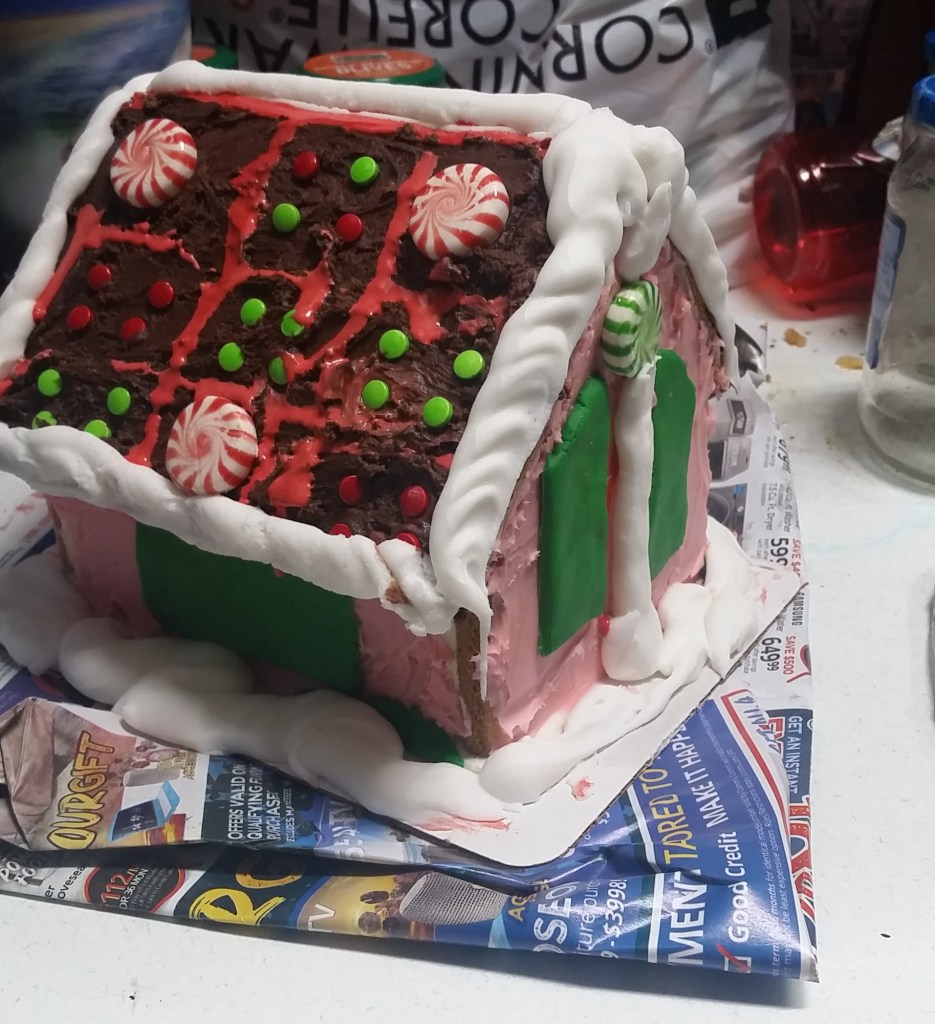
Vincent Price’s Christmas Tree

A writer can’t really change who he or she is, and she or he can’t really change the basic way by which he or she writes. But you can always revise and edit.

2 Comments

Filed under humor, novel plans, novel writing, writing

What 2020 Has Done To Me

The year began with me recovering from a bout of flu caught while substituting at Bush Middle School. I had thought it would be the end of me. But, no. I managed to survive. It left me feeling that no mere virus could get the better of me.

Oh, foolish and overly simple me! I had no idea what was coming. I had decided to write a novel set in a residential nudist park in South Texas that I knew nudists from but had never actually visited.

I discovered that my financial situation was headed for disaster if I didn’t earn enough money from substitute teaching. I was trying to pay off my Chapter 13 bankruptcy, and I was committed to paying $2000 dollars worth of our ever-increasing property tax. I wouldn’t be able to earn the money in time to avoid late fees, which meant I needed to earn even more extra money.

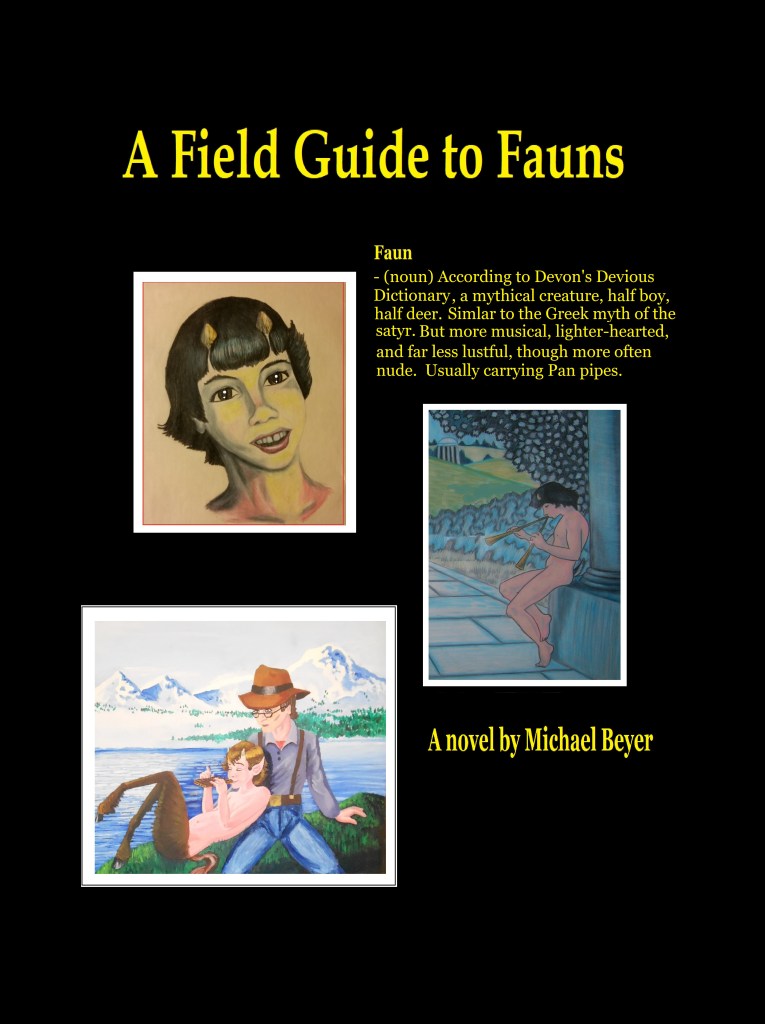
I dug down deep and found myself able to substitute teach to the full extent my doctor and the Texas Teacher Retirement System would allow. I was really hitting my stride and enjoying teaching again. I met a couple of kids in classes I subbed for that connected so well, I used them as inspiration for a few things in the novel I was writing, A Field Guide to Fauns. The novel practically wrote itself.

I published it. But it was about naked people. So a majority of people who might be fooled into reading one of my books will never read this one.

I was looking forward, after teaching so much that I could pay off the tax only one month late, to making more money I might actually be able to put in savings for a few minutes. But March ended all hope of that.

The long Covid imprisonment began with one novel published and one more, my AeroQuest rewrite, being more than halfway along.

I found myself with way more time to write and do other stuff than I had anticipated. But, of course, little money to do anything but survive with.

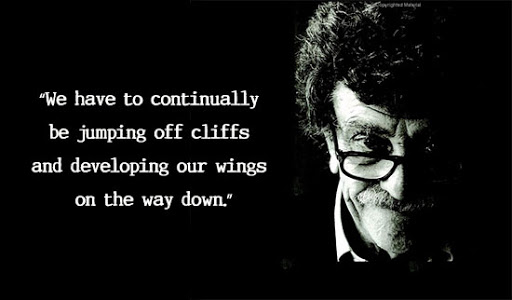
I definitely understood Kurt Vonnegut better in very short order.

I had a chance to reread a LOT of my own writing.

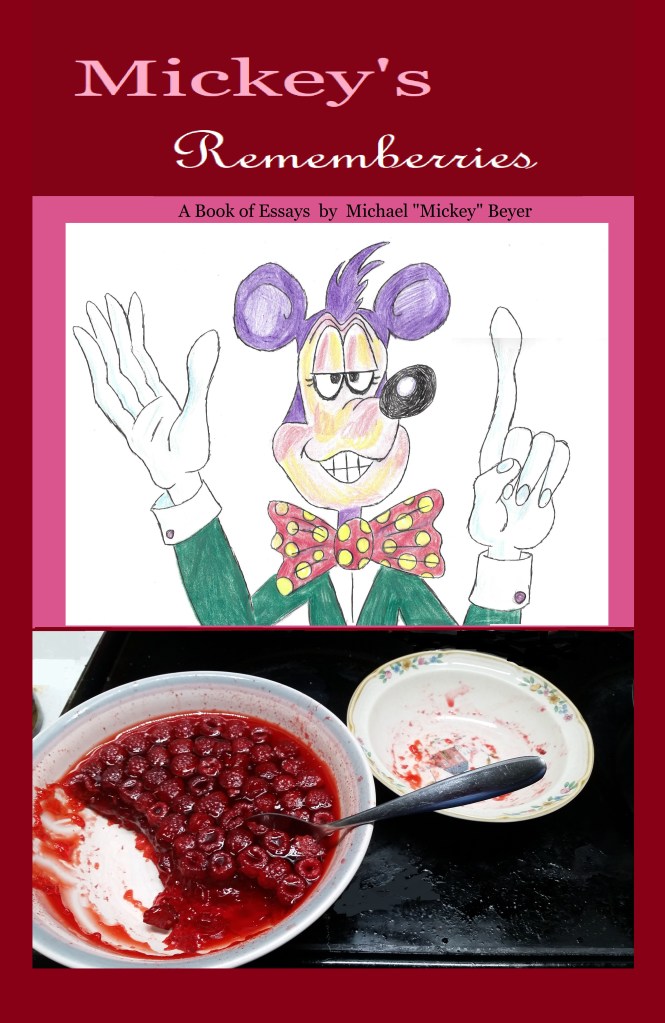
I gave some of my own books a careful reread and proofreading, even updating the content on Amazon. I began collecting my best posts from my daily blog. I put it in book form, becoming not one, but two collections of autobiographical essays.

My quest to put all my teacher recollections, goofy humor and cartoons, and philosophical wacky-waxings into some kind of order, allowed me to get a real sense of the overview of my life as both a teacher and a writer.

But, not only did my number two son get a job with the Dallas County Sheriff’s Department as a jailor, but he got Covid in July as well from his job.

Not only did my number one son find a serious relationship with an excellent young lady, but he was forced to stay away from us and limit contact to the point he almost became a stranger.

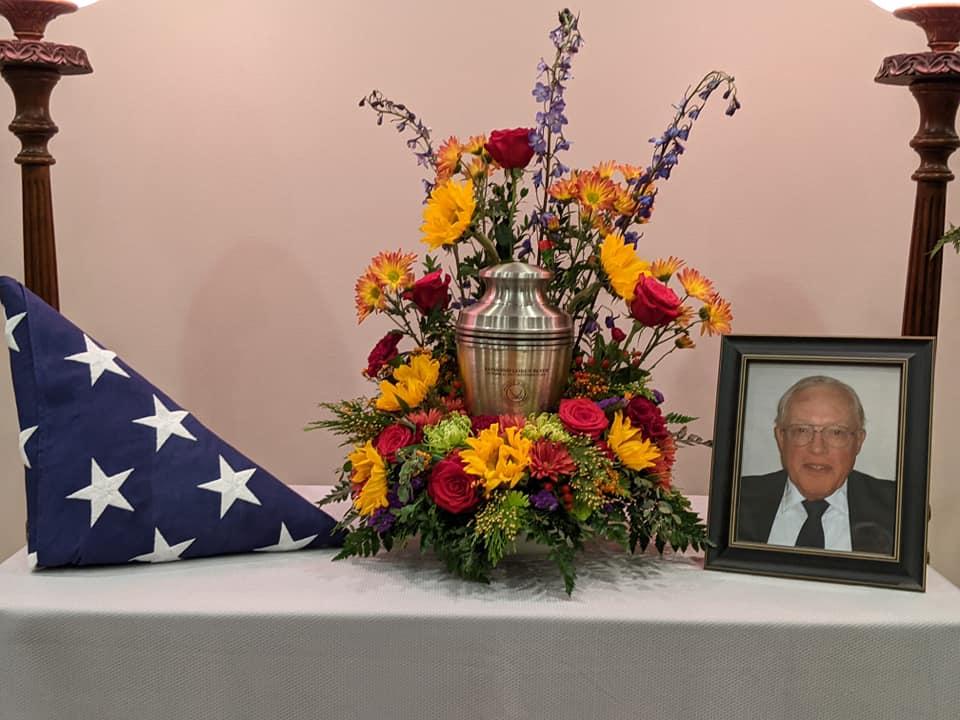
And not only did my father’s Parkinson’s Disease get worse, it killed him in midsummer during a surge in the pandemic that meant only my mother and two sisters could actually be at the funeral.

But, in spite of setbacks, I managed to stay Covid-free and read and write way more than is probably good for any human man.

I published or re-published six books during 2020. It is an accomplishment that reflects a fear of imminent death and loss of any further chance to make my writing real, not just foolish fantasies and dreams trapped in my stupid head.

So, what has 2020 done to me?

It has made me fearful of the future. It took away enough of my health that I will never be able to stand in front of a classroom ever again. And it took my father away.

But it has also galvanized me with the heat of the struggle to survive. It has made me more careful, and more appreciative of what life is, and especially more determined to have more of it.

4 Comments

Filed under autobiography, commentary, feeling sorry for myself, humor, novel writing, writing

Reading is Life

I have spent a lot of time reading and reviewing other people’s books. And at the same time I have invested some of my free-reading time in re-reading my own novel, The Baby Werewolf. The thing about all of it together is that it represents the actual life-force of the author. We all do it. Authors put their own experience, their own heart, and their own precious world into their work. We do it at different levels of confidence, competence, and creativity. But we all do it. And because we do it, someone needs to read it.

A story…

contains the characters that the author has known, the author has loved, and especially the people the author has lost over the course of his or her life.

At least, the competent authors do that. They put real people into their work. You can tell, even in really awful, poorly written novels, that flashes of what the authors really observed, really hated, or really fell in love with about the people in their lives are there to be read and absorbed.

Places

are also crucial to the story. Fiction or nonfiction, you will be taken to other homes, other cities, other worlds than the one you yourself inhabit.

What more can you truly say about your life than where you lived it, where you are from, and what background defines you as an author?

And plot…

that which happens in a story, is probably the most important thing of all. Because reading gives you a share in someone else’s life, in someone else’s experience. A chance to walk about in someone else’s shoes.

You can comfortably learn what others have learned before you. You can share in their ups and downs and all-arounds to experience the same chills and thrills and sadness as they have lived, and loved, and laughed about.

So, in this essay, I contend that human life on the planet Earth is a very good thing. And you multiply its goodness a thousand-fold if only you will only pick up and read someone else’s book.

Leave a comment

Filed under artwork, commentary, humor, novel writing, Paffooney, reading

After the Last Chapter

Yes, I have reached a snag in the novel-writing process. I am definitely at the end of the story. The crisis point is past. The characters who have to die to resolve the central conflict are dead. The characters who needed to be rescued are already rescued. I have probably less than a thousand words left to write. But I still have to tie the knot in the end of the plot to keep all the main ideas and themes from pouring out and floating away with the wind. I need the final scene and a memorable end line.

And, I am ill. My chest hurts. My head hurts. And I have needed to sleep every time I have settled down to write it. What happens if the old Grim Reaper shows up again with a sharper scythe than he had on his last visit?

I don’t know

what comes after the last chapter. I don’t know it for the book I am writing, nor for the life I am living.

I freely admit that I have no confidence whatsoever that after I die I will wake up in Heaven. Baptists have told me I will go to Hell for not believing what they believe. The Jehovah’s Witnesses have assured me that there is no Hell for me to wake up in and be eternally tortured in. But they also tell me I get no Paradise forever because I stopped believing what they believe. I have repeatedly said in writing and conversations that I am a Christian Existentialist. And I have explained that I think that makes me an atheist who believes in God. That leaves me, more or less, as an agnostic, not knowing anything until it’s proven to me, and realizing that nobody can prove it besides the God that I believe in but who doesn’t exist.

Our lives are like a book.

Things happen before the book is opened and you begin to read, but they are not technically something that the book contains within it. And when the book is finished and you close it, the story is complete. But the book still exists even when it’s closed.

I am not concerned about the fact that my story will end. But with both the book I am working on and the life I am living still unfinished… well, I hope both stories will be finished.

3 Comments

Filed under feeling sorry for myself, health, humor, illness, novel writing, Paffooney, religion