There are a lot of kids out there in the world who are gifted with musical talent. I find that searching them out and listening to them on YouTube is a valid way to cure… or at least curtail depression.
Wow. Energy, creativity, charm… cuteness! Kids possess a magic power to never understand when something is impossible. Harnessing that power can take you all the way to the moon and back.
If you think I turned to this subject because I was feeling down and depressed this morning, well, you’d be right. But am I still depressed after filling up on this sort of kid music?
Not a chance. The world is a better place now because of their sweet music.
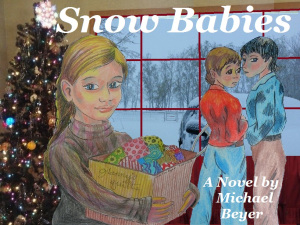
Canto Five – Everyone
is Naked Under Their Clothes
The night was typical.
Six nasty old hens pecked Valerie’s hands as she searched under them for
eggs. The last one of those took a
girl-fist to the side of the head. That,
of course, didn’t faze the stupid hen.
Chickens apparently have their brains hidden safely in their butts. But chores always came to an end. Mom was always sympathetic about
chicken-stupidity-caused peck marks, and rubbed salve on them, visible wound or
not. Then it was time to finish any
homework needed, and up to bed. And Val
always slept naked under the quilts and comforters. She slept well because… well, because naked
was good when you were asleep.
Morning came, as mornings do, with a stupid rooster crowing
the sun up. Of course, if hens are
stupid, roosters, having the additional mental handicap of being male, were
stupid times ten. No, stupid times
twenty. Beau the rooster always got it
wrong. The sun was never actually up
until at least a half hour after the stupid rooster claimed it was up. Chicken pot pie. As Valerie pried her eyes open, she imagined
chicken pot pie cooking on Mom’s stove.
Beau-flavored chicken pot pie.
When she got to the bathroom, Daddy Kyle was already in
there shaving. No problem. Once again Valerie marched in naked as the
day she was born, though with considerably more hair on her head. She went straight to the shower, grabbed the
shampoo off the shelf, and twisted the water on to just the right level of warm
she always used. Warm, soapy water all
over your body… piles of foamy shampoo in your longish hair… it was a little
like Eden must have felt to Eve. And Eve
liked being naked too… at least, until the mistake with the snake. Of course, Eden had to end when the water
began to grow cold. Even in the
summertime the well could put out near freezing levels of cold once the water
heater was drained.
Kyle looked at her when she stepped out and grabbed a towel.
“No hot water left for me again, huh, Princess?”
“Sorry, Daddy. I need
a good hot shower in the mornings.”
“Shouldn’t you put on a robe or something, dearest? You come in here every morning completely
naked. You are getting too old for
that.”
“Old? Too old for what?”
“When a girl reaches a certain age, she starts to
change. When that happens, well…”
“But, Daddy, you are used to seeing me naked. You changed my diapers while Mommy and I were
still in the hospital after I was born.”
“I know… I know… And
it isn’t that there is anything wrong happening. It’s just…”
“You can’t be getting shy.
I’ve seen you naked too… a lot.”
Kyle’s face reddened.
He was apparently trying hard to stutter on.
“When a girl reaches a certain age… well, she…”
“Yeah, she changes. I
know Dad. Mom told me what to
expect. But honestly, I don’t even
really have boob bumps yet. I look like
a little boy when I’m naked… except I don’t have one of those water hoses to
pee with.”
She was standing with the towel in her hand, looking at him
while she was completely bare and being mildly amused by his extreme
discomfort. He finally sat down on the
closed cover of the commode, completely defeated. She decided to push things a little. She dropped the towel and went to sit on his
knee even though she was a little damp around the edges and quite sincerely
still naked.
“Princess…”
“I love you too, Daddy.”
“No… I mean, yes, I love you… but this is not a good thing
for a big girl to be doing. I worry you
are getting so used to being naked around a man like me… even though I’m your
Daddy… and one day… when boys, um… get curious… the way boys are… and, well…”
“If that’s what worries you, Daddy, no boy besides you has
ever seen me naked. And I won’t let a
yucky thing like that happen… until the time is right.”
“Okay, but promise me the time is not right until you are
thirty.”
“Daaaad! You know
everyone is actually naked under their clothes.
Everyone has a body… so no one should be ashamed of it.” Surely he recognized that bit of wisdom. After all, it is what he’d said to her on the
subject more than once.
“Okay. I trust you
and believe in you. But develop a little
modesty maybe? Put on a robe when you come in here. Or wait till I’m done.”
“Don’t you like me like this?”
“I love you. But you
are getting to an age where you being naked like this around me… well… begins
to get… um, uncomfortable. And your
little wet behind is making my pants wet.
I have work to do today, and now my pants have a wet spot shaped like
your butt.”
“Oh, Daddy!” She
leaned in and kissed him on the cheek.
He put an arm around her shoulders and gave a squeeze.
“I hope we can start getting some better habits going,
Princess. We don’t want to get your mom
mad or anything.”
Valerie
hopped off his damp lap and padded over to retrieve the towel. She wrapped it around herself and then gave
him one more grin before she barefooted it out of the bathroom and toward her
waiting school clothes. You never knew
anything for certain. Maybe one day she
would just have to go to school naked… to show Daddy that… well, okay… maybe
not to school.
Yesterday I posted another maudlin doomsday post. I probably gave you the opinion that all I do with my time is mope around and think about death. And maybe write a little creepy black Gothic poetry. But that’s not me. I am a lover of the humor in stories by Mark Twain, Charles Dickens, and Kurt Vonnegut. I am a former teacher that managed to teach the entire zoological range of possible middle school and high school students in Texas and did it without being convinced to hate them rather than love them. Yes, my heart is full of mirth and love and memories of weird kids and troubled kids and kids that could melt the meanest of hearts.
My passion is writing fictional stories about the kids I have taught, including my own three, and setting it in a fictionalized version of my little town, the place in Iowa where I grew up. And I put them in plots of impossible fantasy and science fiction in a way that can only be explained as surrealism.
Nobody reads my books. So far, at any rate.
But that isn’t the important thing. The important thing is that, despite my illness and deteriorating quality of life, my books now actually exist. I put off being a full-time writer for 33 years as I finished my teaching career. A writer has to have something to write about. So, teaching came first.
Writing novels was always the ultimate goal, however. I am a story-teller. The story itself is in the very center of my heart.
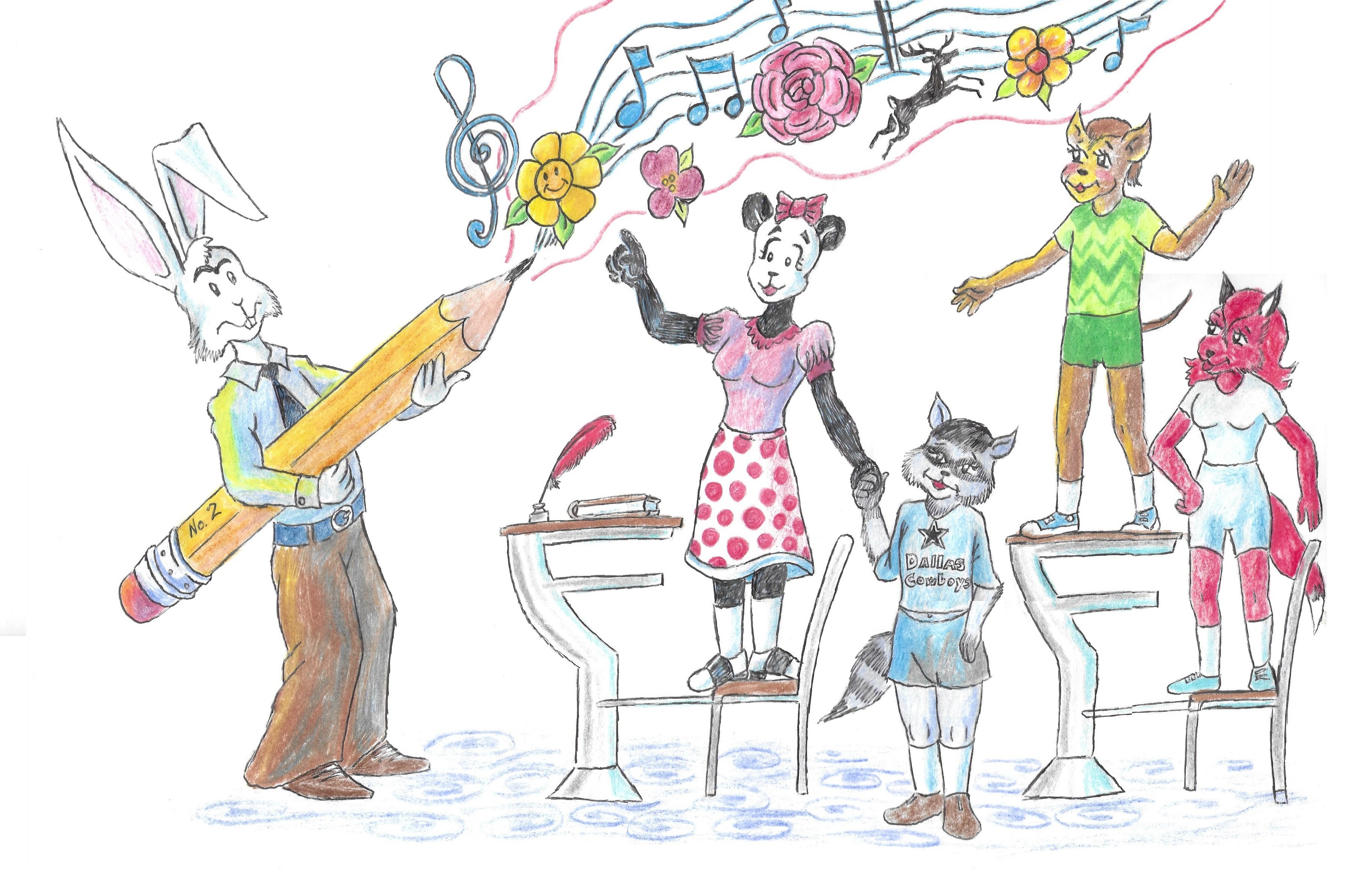
When you walk to the front of the classroom and take up the big pencil in front of a group of young teens and twelve-year-olds, there is a strong pressure to learn how to sing and dance. That, of course, is a metaphor. I was always too arthritic and clunky in my movements to literally dance. But I looked out over a sea of bored and malevolence-filled eyes, slack and sometimes drooling mouths attached to hormone-fueled and creatively evil minds. And I was being paid to put ideas in their heads. Specifically boring and difficult ideas that none of them really wanted in their own personal heads. So I felt the need to learn to dance, to teach in ways that were engaging like good dance tunes, and entertaining in ways that made them want to take action, to metaphorically get up and dance along with me.
I wanted them to enjoy learning the way I did.
But the music of the teacher is not always compatible with the dance style of the individual learner. The secret behind that is, there is absolutely no way to prompt them to dance along with you until you learn about the music already playing in their stupid little heads. (And you can’t, of course ever use the word “stupid” out loud, no matter how funny or true the word is,) You have to get to know a kid before you can teach them anything.
The discordant melodies and bizarre tunes you encounter when you talk to them is like dancing in a minefield blindfolded. Some don’t have enough to eat at home and have to survive off of the nutrition-less food they get in the school cafeteria’s free-and-reduced lunch program. Some of them have never heard a single positive thing from the adults at home, enduring only endless criticism, insults, and sometimes fists. Some of them fall in love you. Some due to hormones. Some due to the fact that you treat them like a real human being. Some because they just stupidly assume that everyone dances to the same tunes they hear in their own personal head.
Some of them automatically hate you because they know that if you hear their own secret music in their own self-loathing heads, you will never accept it. They hate you because you are a teacher and teachers always hate them. Some of them, deep down, are as loathsome as they think they are.
But, if you find the right music, you can get any of them, even all of them, to dance. It might be hard to find. It might be a nearly impossible task to learn to play that music once you find it. But it can be done.
And if you get them to dance to your music, to dance along with you, I can’t think of anything more rewarding, anything more life-fulfilling. Have you ever tried it for yourself? If you are not a teacher, how about with your own children or the children related to you? Everybody should learn to dance this dance I am talking about in metaphors. At least once in your life. It is addictive. You will want to dance more. So the next time the music starts and you get the chance… I hope you’ll dance!
As a school teacher, you will simply have to accept that, no matter what you do or say, some students are going to love you, and some students are going to totally hate you. You can’t control that. The only thing you can control is how you feel about them.
She came into my classroom that first day in August, and I knew from the very first glance that she was one of a kind. She was very angular of feature, standing, walking, and sitting in a very stiff and upright posture. She did not bend easily, in body or soul.
She insisted on having a front seat so she could learn, and I had to move one of the other girls who really didn’t care where she sat so that Miss Terry could have a front seat. She was a note-taker who constantly noted practically everything. I think she even noted down some of my jokes in the precise order that they were told. Disorder had no place in her world, and she did not tolerate disorder even from a teacher.
And Miss Terry Consuelo Guerra (not exactly her real name) never smiled and never laughed. So you can guess what my primary objective was whenever I had her intense little face in front of me. She hated it whenever I made her smirk or lose control of a slight giggle. And the few times I ever got a real, unguarded smile out of her, she was absolutely beautiful.
The little raven girl would often snipe at me when she answered in class. She often told me that my discipline was too lax, that the lessons weren’t ordered in a way that was efficient, and that I really wasn’t as funny as I thought. And I didn’t let that get to me. I know from faculty lounge conversations that she often got on the nerves of almost all of her other teachers. But I unconditionally loved her. And I know I got to her more than merely once or twice. If we were keeping score, I was winning. But we were not keeping score, and I let her think she was completely in control of her own education.
Her senior year in high school, she and another girl whom I loved and was also graduating came back to visit my seventh-grade classroom.
“You know, Mr. Beyer, looking back on junior high, of all the teachers I had, your class is really the only one I remember. I liked your class.”
Naomi, the girl who came with her, was also a little shocked by Terry’s pronouncement. But she quickly added, “You were the best teacher we ever had.”
“Well, I don’t know… Yes, I guess you are right,” the raven girl said.
“Thank you, that means a lot coming from you,” I said. “By the way, who are you again?”
Her eyes got wider. “You don’t remember me?”
I laughed. “I tried hard to forget you. But it didn’t work. You are Homero’s little sister. You were one of the best students I ever had, Terry.”
The smile I got from that lame joke was the best one.
Here’s a secret that is only a secret if you are one of the well-over-six-billion people that don’t know I exist; I loved being a public school teacher. I taught for 31 years. 24 years of that was in middle school. I taught more than 1000 different seventh graders. And I loved it.
Please don’t reveal this secret to any mental health professionals. I like my freedom. And I am really not dangerous even after teaching that many seventh graders. I promise.
But it has left me with a compulsion. I confess it is the reason I write humorous young adult novels and why I continue to write this blog. I have to tell teacher stories or I will surely explode.
I have to tell you not only about the normal kids I taught, but the super-brainy mega-nerds I taught, the relatively stupid kids I taught, the honor students, the autistic kids, the kids who loved to sleep in class, the classroom clowns that tried to keep them awake, the kids who loved my class, the kids who hated my class, the times I was a really stupid teacher, the times I achieved some real milestones for some wonderful kids, the kids I still love to this day, the kids I tried really hard to love, but…. (well, some kids not even a mother could love), the drug dealers I had to protect my class from, the kids who talked to me about suicide and abuse and horrible things that still make me cry, the kids I lost along the way, and, well, the list goes on and on but this is an epic run-on sentence and the English teacher inside me is screaming at the moment.
You get the idea. Like most writers… real writers, not hacks and wannabees, I write because I have to. I don’t have a choice. No matter what it costs me. And what do I have to talk about in writing except being a school teacher and the almost infinite lessons that experience taught me?
I loved being the rabbit holding the big pencil in the front of the classroom. And that metaphor means, as crazy as it sounds, I loved being a teacher.
Life is making music. We hum, we sing to ourselves, movie music plays in our head as the soundtrack to our daily life. At least, it does if we stop for a moment and dare to listen. We make music in many different ways. Some play guitar. Some are piano players. And some of us are only player pianos. Some of us make music by writing a themed paragraph like this one. Others make an engine sing in the automotive shop. Still others plant gardens and make flowers or tomatoes grow. I chose teaching kids to read and write. The music still swells in my ears four years after retiring.
The 1995 movie, Mr. Holland’s Opus, is about a musician who thinks he is going to write a magnificent classical orchestra opus while teaching music at a public high school to bring in money and allow him time to compose and be with his young wife as they start a new family.
But teaching is not, of course, what he thought it was. He has to learn the hard way that it is not an easy thing to open up the closed little clam shells that are the minds of students and put music in. You have to learn who they are as people first. You have to learn to care about what goes on in their lives, and how the world around them makes them feel… and react to what you have to teach. Mr. Holland has to learn to pull them into music appreciation using rock and roll and music they like to listen to, teaching them to understand the sparkles and beats and elements that make it up and can be found in all music throughout their lives. They can even begin to find those things in classical music, and appreciate why it has taken hold of our attention for centuries.
And teaching is not easy. You have to make sacrifices. Big dreams, such as a magnum opus called “An American Symphony”, have to be put on the shelf until later. You have children, and you find that parenting isn’t easy either. Mr. Holland’s son is deaf and can never actually hear the music that his father writes from the center of his soul. And the issue of the importance of what you have to teach becomes something you have to fight for. Budget cuts and lack of funding cripples teachers in every field, especially if you teach the arts. Principals don’t often appreciate the value of the life lessons you have to give. Being in high school band doesn’t get you a high paying job later.
But in the end, at the climax of the movie, the students all come back to honor Mr. Holland. They provide a public performance of his magnum opus, his life’s work. And the movie ends with a feeling that it was all worth it, because what he built was eternal, and will be there long after the last note of his music is completely forgotten. It is in the lives and loves and memories of his students, and they will pass it on.
But this post isn’t a movie review. This post is about my movie, my music. I was a teacher in the same way Mr. Holland was. I learned the same lessons about being a teacher as he did. I had the same struggles to learn to reach kids. And my Mr. Holland moment wasn’t anywhere near as big and as loud as Mr. Holland’s. His was performed on a stage in front of the whole school and alumni. His won Richard Dreyfus an Academy Award for Best Actor. But his was only fictional.
Mine was real. It happened in a portable building on the Naaman Forest High School campus. The students and the teacher in the classroom next door threw a surprise party for me. They made a lot of food to share, almost all of which I couldn’t eat because of diabetes. And they told me how much they would miss me, and that they would never forget me. And I had promised myself I would never cry about having to retire. But I broke my promise. In fact, I am crying now four years later. But they are not tears of sadness. My masterwork has now reached its last, bitter-sweet notes. The crescendos have all faded. But the music of our lives will still keep playing. And not even death can silence it completely.
The question may arise if anyone who wasn’t forced to read the novel Aeroquest because they have the misfortune of being my relative ever actually reads the book, “Why did you ever write such a gawd-awful thing?”
The truth is, I didn’t write it, not by myself at any rate. The essential plot of the novel is such a jumbled mess because the story is lifted directly from a game of Traveller, an RPG from Game Designer’s Workshop. The basic characters in the novel were all player characters. Their design and personalities are created by adolescent boys in the 80’s and the paths they chose in the story strongly reflect the chaos of youth.
The Aero Brothers, Ged and Ham were both created by one of my favorite students of all time. I will refer to him here as Armando Carrizales, though that was not his real name. I am trying to explain the novel here, not mortify an adult former student living somewhere in Texas, or even elsewhere. Armando’s idea was to use Star Wars characters. Hamfast Aero was actually Han Solo in the game. And when Armando wanted to create an all-powerful psionic character, he created brother Ged Solo, using the first name of Larry Winslow’s character Ged Stryker (And Larry did not know how to spell “Jed”). Because I really liked Armando, and he was bright, creative, and a good problem solver, I eventually chose his characters as the main characters of the novel. He was good at organizing expeditions, collecting gear and matching it to the purpose in the adventure before him. But you do need more than heroes for an adventure game, or for a novel.
Emilio Jalapeno was a very different kind of kid, but also Armando’s real-life best friend. He was a skinny kid with a goofy grin, and was always ready with a joke or prank that would either make you laugh, or make you palm your forehead and consider murder. His first Travellercharacter lasted all of fifteen minutes because he decided he wanted to take his shiny new pistol and kill everyone on the entire planet they were on. That character, whose name I have forgotten, was actually gunned down by his own adventuring party. So Emilio had to start again.
He created the character Trav Dalgoda. He got the name from the first syllable of the Travellergame and a name he spotted on the cover of a magazine laying on the table. Trav was simply Emilio in an RPG form. He wanted to have an eye patch like a pirate, but he wanted to have two eyes. He wanted to wear wide ties with messages on them, like a cartoon screw next to a baseball. And he dearly loved to blow things up. A time would come in the adventure where he had access to really big weapons, and we had to let him experiment with killing everybody on an entire planet. This, then, was the needed comedy relief that kept us laughing through shared adventures. And Trav’s ability to get into really big trouble would eventually drive the plot forward.
Sinbadh the Lupin, a dog-headed humanoid alien, was also Emilio’s character. The fact that he based his entire character on talking like a pirate from Treasure Island was a source of endless hilarity.
Tron Blastarr, the scar-faced villain, was created by Armando again. There was a time when Larry Winslow wanted to create a villain character in the most desperate way possible. But the evil villain Mantis, who was really just a living head on a robotic body, and the enigmatic psionic Xavier Trkiashav never really got their chance to be truly villainous. One became a laughable boob while the other became a hero and the leader of the Psionics Institute. Tron, however, was a perfect pirate. He led the band of adventurers on merry chase after looping, curling space chase, eventually becoming the first player character to get married and have children. He retired as a villain with a fleet of stolen space ships, and a planet (the airless world Outpost1) as his pirate treasure.
So, to claim I wrote the novel Aeroquest on my own is to completely overlook my collaborators. It is a mess of a comedy sci-fi novel that I am still trying to iron out and rewrite, but it is also a story I shared with some who were very near to my writer’s heart.
This is another in my continuing series of Saturday night D&D posts, though it was written on Saturday morning and contains no Dungeons and Dragons information whatsoever.
The Space Bear was a travelling space ship/school.
You see, in the early 1980’s, I got in trouble with Baptists for playing Dungeons and Dragons with kids from school because… well, demons and dragons are evil, right? Apparently even the imaginary ones in games and illustrations. So I turned my attention to science fiction games. Traveller was my rule system, and all science fiction was my campaign. And then in 1986 Ronald Reagan and NASA decided to blow up the first teacher in space aboard the Challenger shuttle mission. So, my Traveller game became less about “explore and conquer” and more about “teachers in space”.
Ged Aero was the player character of one of my favorite kids. He was a psionic shape-changer who could transform into other animals, space creatures, and alien beings. He became so powerful that he naturally inherited the job of leader of the Psionics Institute, a criminal teachers’ union that taught psionic skills to psionically talented kids. It was a criminal organization because the semi-fascist government of the Third Imperium had made psionics illegal. He gathered students and taught them to use their powers for good. The students were all non-player characters to start with, but as new kids from school wanted to play the game too, and player characters were needed, the students of Ged’s psionics dojo became player characters.
Junior Aero, a former student and the adopted son of Ged’s deceased brother Hamfast, grew up and became a player character himself. He taught psionics, being a telepath who could talk to computers and robots that were self-aware. His wife, Sarah Smith Aero, also became a teacher. She and Junior had twins, a boy and a girl, both genetically Nebulons, and both destined to be students aboard the Space Bear.
Of course, you may have noticed a K’ung Fu sort of thing going on in the illustrations I am showing you. That was because one time as Ged was in dinosaur form and fighting with a ninja swordmaster, he won the fight by eating the ninja. His shape-changing power then absorbed all the muscle memories and martial arts training of the ninja he ate. So, his students would not only become psionic masters of mind manipulations, but ninja warriors as well.
So, whether they liked it or not, my Traveller players had to learn to teach their skills to others, lead students through complex adventures and problem=solving situations, and basically do themselves a lot of the same things they saw me doing in school all as part of a role-playing game. You see, that was one of the main dangers of playing role-playing games on Saturdays with that kooky English teacher in South Texas. The danger was, you might actually have to learn something. Although, most of them probably didn’t realize that that was precisely what they were doing. They thought we were just playing games, or junk like that.
On the last night of my son’s 14-day leave from the Marine Corps for the holidays, we took him out to eat and then saw a family movie together. It was the Pixar movie Coco. And what a perfect movie it was! First of all, it is about family. It is about the connections we have to those who’ve come before us. Grandparents and Great Grandparents and Great Great Grandparents… the greatness just keeps flowing back into the past. And this movie connected living family members to those who came before.
We spent a lot of our time over the holiday visit talking about the past and those who came before us. My kids didn’t really get much of a chance to know great grandparents in real life, and great great grandparents were long gone. My son only knows about Great Great Grandpa Raymond through my stories about Sunday afternoon baseball, listening to Harmon Killebrew and the Twins playing on the radio with Grandpa Raymond. Great Grandma Beyer got to hold Number One Son and Number Two Son, but only Number One was old enough to remember her at all, and that only in the vaguest possible ways. I try to keep them alive with family stories and anecdotes. Much in the same fashion the movie did, although the main character Miguel (ironically the Spanish version of Michael) actually visits the land of the dead. I haven’t personally gone quite that far.
The movie also expresses a deep genetic love of music, especially guitar music. My kids are all musical, and both of my sons play guitar. Number Two Son is particularly gifted in a Spanish-style ability to pick out complex tunes by ear and by sheet music. The movie’s music is without question the thing that makes it the best movie we have seen this year.
And the movie is filled to the brim with bright and appealing artwork, being an animated movie filled with Mexican art, even having a guest cameo appearance by the incomparable Frida Kahlo. This is easily the best movie she has been in since she died in 1954. The comedy of this whole extended skeleton dance of a movie is laugh-out-loud gorgeous. And artwork is also something I share a love for with my three children.
So I put him on an airplane in DFW today, and he is now back at his base. But I had him here for a precious little while and we capped it off with a precious little movie. Now, I have to admit, this post is not entirely a movie review. It is more about how my family made use of it and interacted with it. It is more of a family story that I needed to tell to keep the goodness of it alive and vibrant, painted in bright colors. But if you really want to know what I think of the movie, then I will shout at you, “YOU MUST SEE THIS MOVIE!!!” With three exclamation marks and everything. It is simply that good.


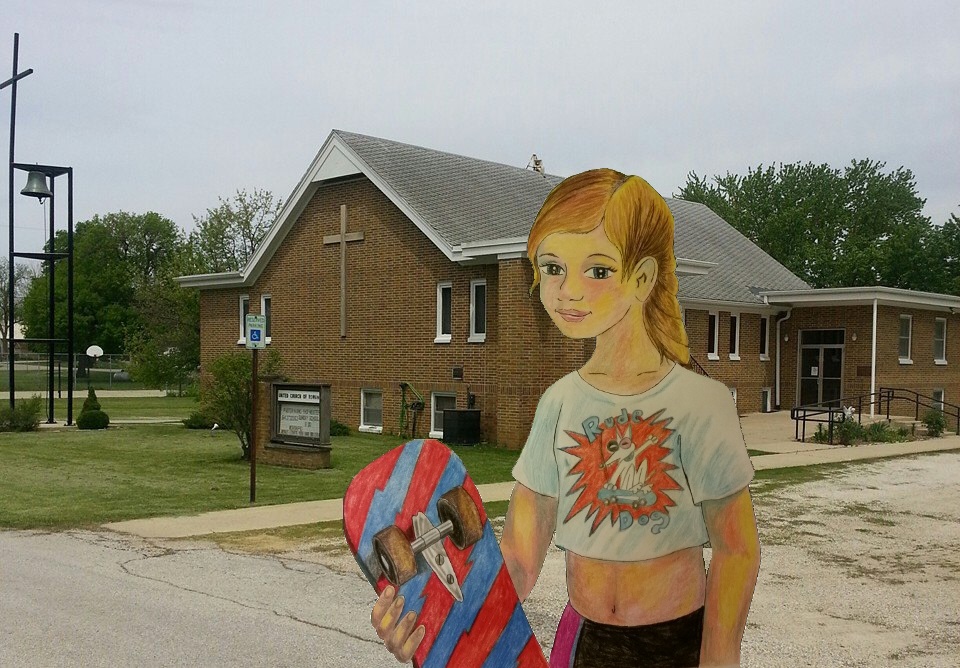
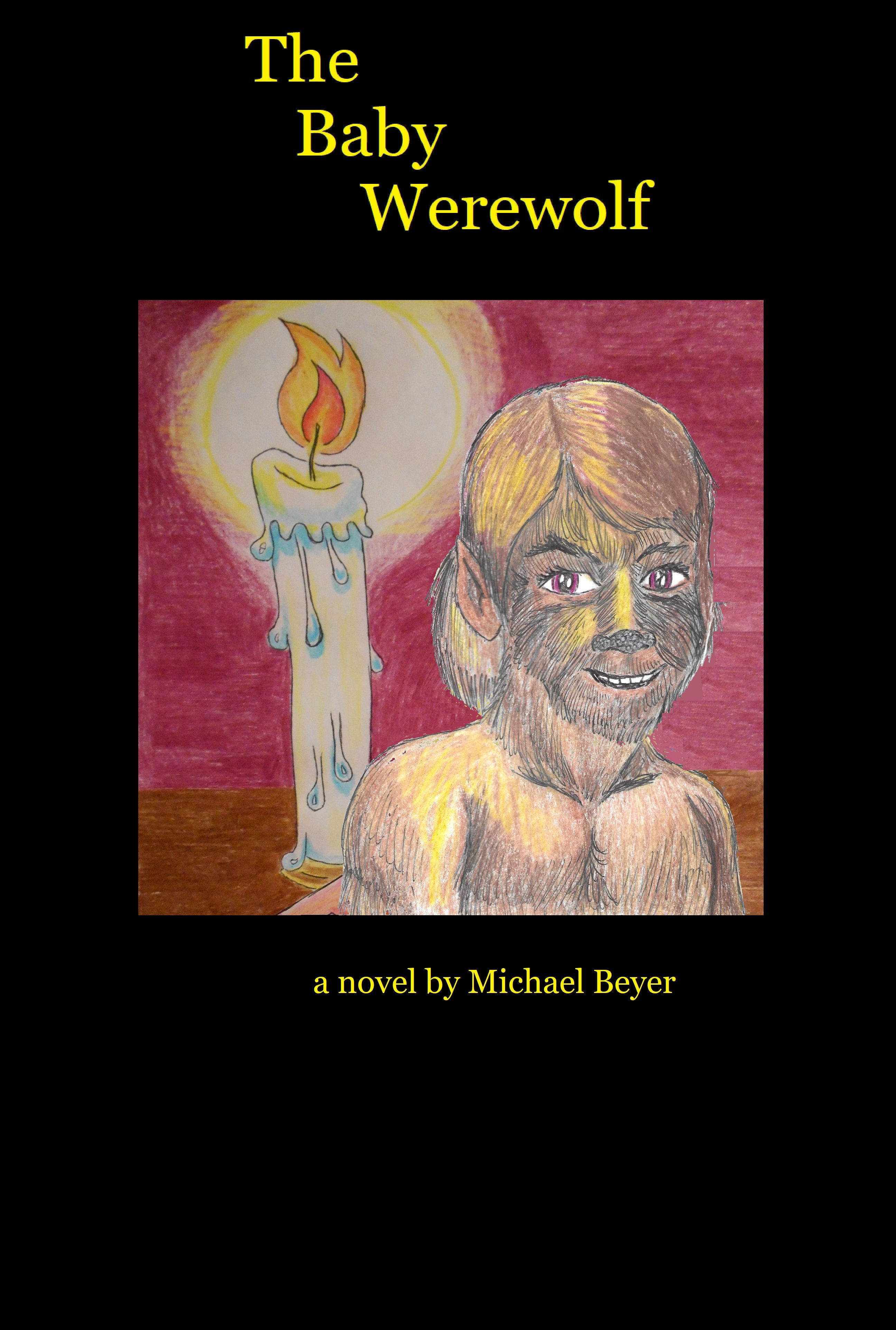
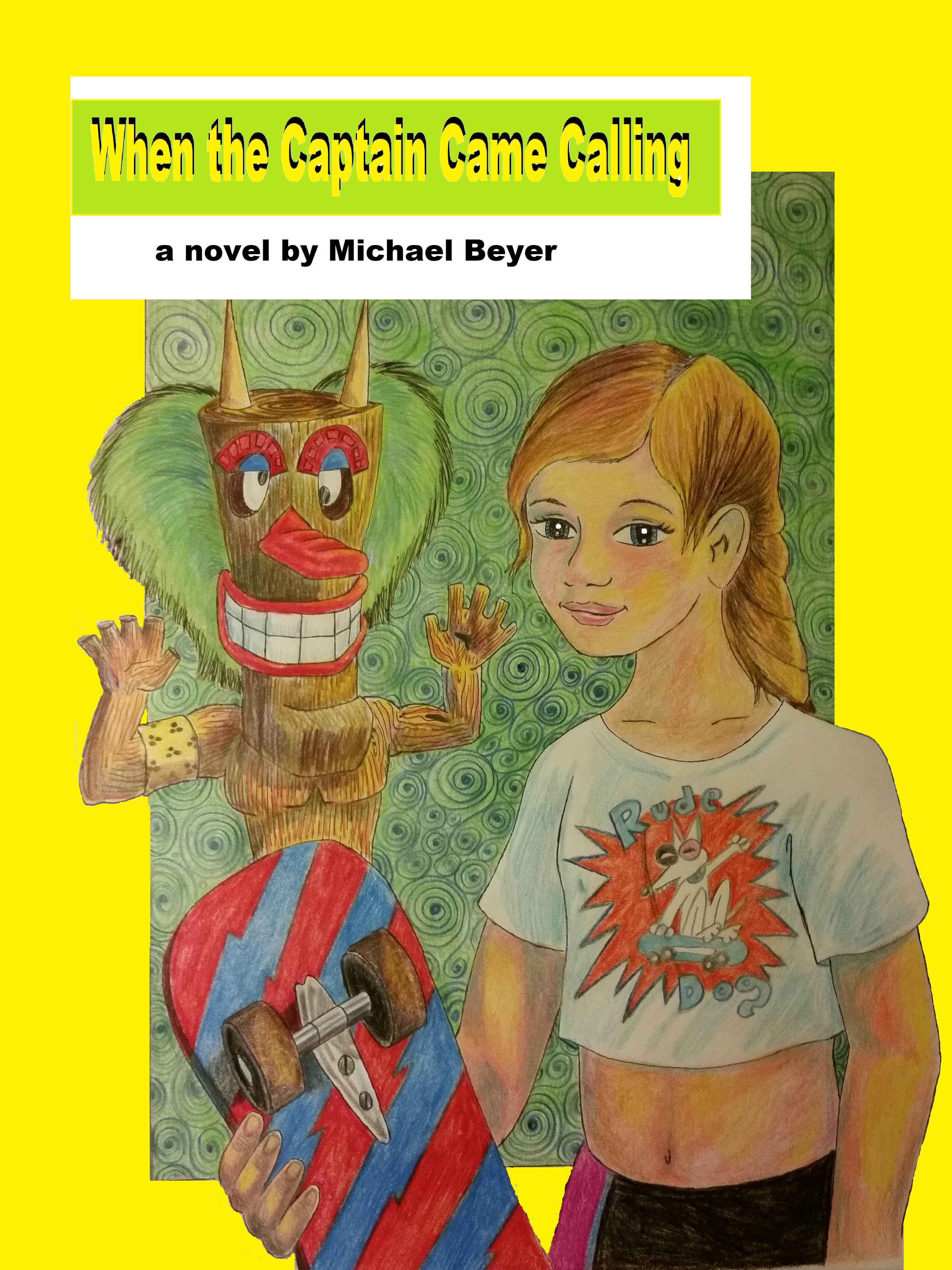
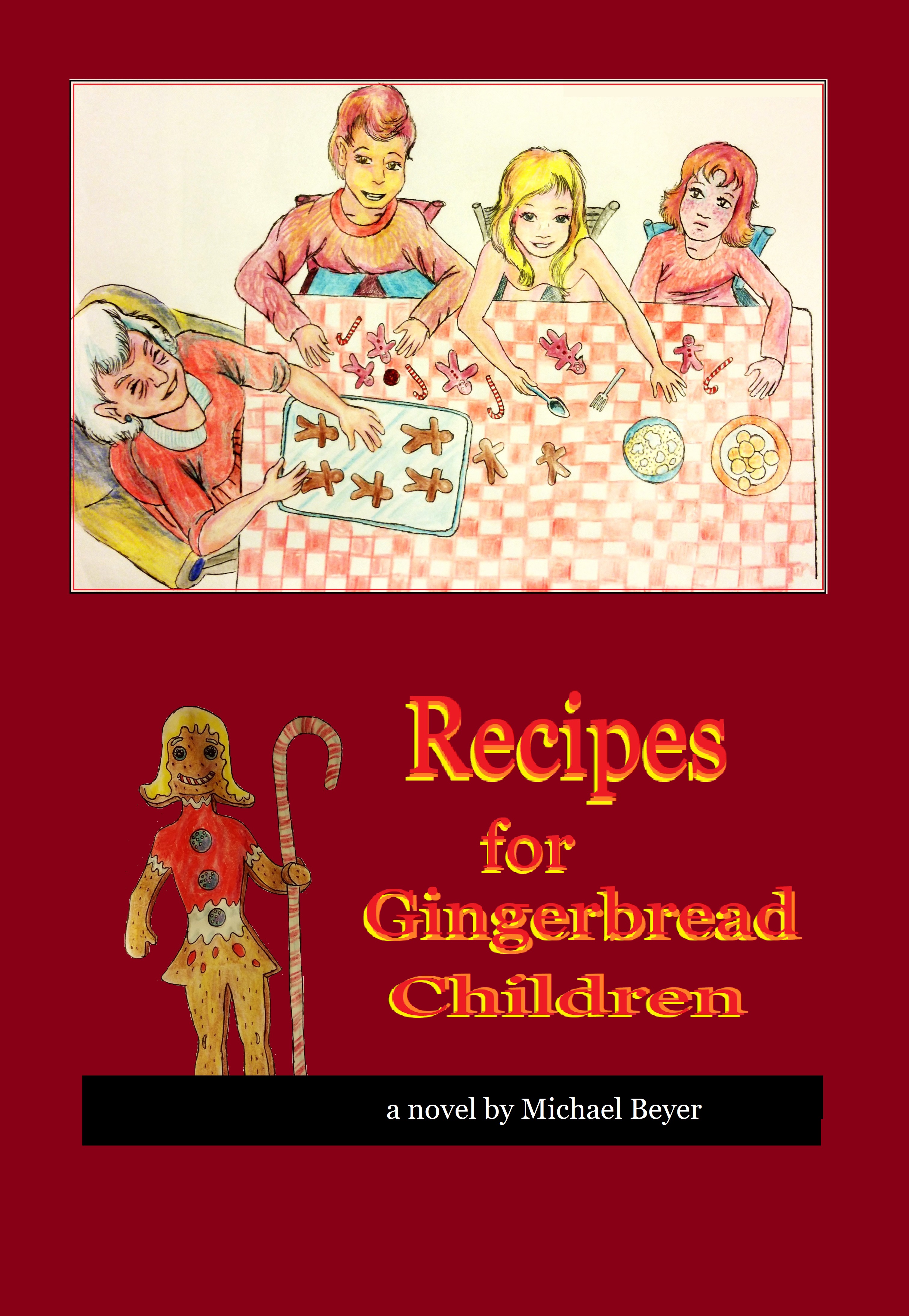



 Ged Aero was the player character of one of my favorite kids. He was a psionic shape-changer who could transform into other animals, space creatures, and alien beings. He became so powerful that he naturally inherited the job of leader of the Psionics Institute, a criminal teachers’ union that taught psionic skills to psionically talented kids. It was a criminal organization because the semi-fascist government of the Third Imperium had made psionics illegal. He gathered students and taught them to use their powers for good. The students were all non-player characters to start with, but as new kids from school wanted to play the game too, and player characters were needed, the students of Ged’s psionics dojo became player characters.


I Hope You Dance…
When you walk to the front of the classroom and take up the big pencil in front of a group of young teens and twelve-year-olds, there is a strong pressure to learn how to sing and dance. That, of course, is a metaphor. I was always too arthritic and clunky in my movements to literally dance. But I looked out over a sea of bored and malevolence-filled eyes, slack and sometimes drooling mouths attached to hormone-fueled and creatively evil minds. And I was being paid to put ideas in their heads. Specifically boring and difficult ideas that none of them really wanted in their own personal heads. So I felt the need to learn to dance, to teach in ways that were engaging like good dance tunes, and entertaining in ways that made them want to take action, to metaphorically get up and dance along with me.
I wanted them to enjoy learning the way I did.
But the music of the teacher is not always compatible with the dance style of the individual learner. The secret behind that is, there is absolutely no way to prompt them to dance along with you until you learn about the music already playing in their stupid little heads. (And you can’t, of course ever use the word “stupid” out loud, no matter how funny or true the word is,) You have to get to know a kid before you can teach them anything.
The discordant melodies and bizarre tunes you encounter when you talk to them is like dancing in a minefield blindfolded. Some don’t have enough to eat at home and have to survive off of the nutrition-less food they get in the school cafeteria’s free-and-reduced lunch program. Some of them have never heard a single positive thing from the adults at home, enduring only endless criticism, insults, and sometimes fists. Some of them fall in love you. Some due to hormones. Some due to the fact that you treat them like a real human being. Some because they just stupidly assume that everyone dances to the same tunes they hear in their own personal head.
Some of them automatically hate you because they know that if you hear their own secret music in their own self-loathing heads, you will never accept it. They hate you because you are a teacher and teachers always hate them. Some of them, deep down, are as loathsome as they think they are.
But, if you find the right music, you can get any of them, even all of them, to dance. It might be hard to find. It might be a nearly impossible task to learn to play that music once you find it. But it can be done.
And if you get them to dance to your music, to dance along with you, I can’t think of anything more rewarding, anything more life-fulfilling. Have you ever tried it for yourself? If you are not a teacher, how about with your own children or the children related to you? Everybody should learn to dance this dance I am talking about in metaphors. At least once in your life. It is addictive. You will want to dance more. So the next time the music starts and you get the chance… I hope you’ll dance!
Leave a comment
Filed under commentary, education, kids, metaphor, Paffooney, teaching
Tagged as being a teacher