
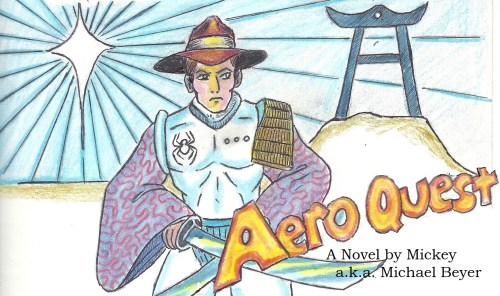
Canto 39 – the Wisdom of Solomon
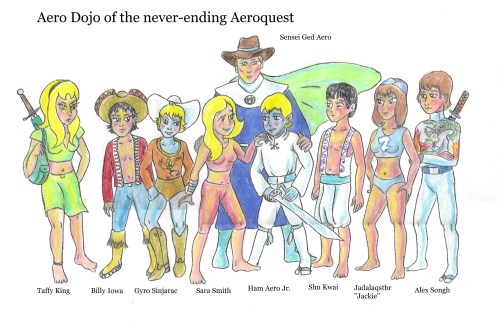
The Palace of One Thousand Years was empty save for five people. Ged Aero was about to teach his first official class. With him were three students, Junior Aero, Sara Smith, and the quiet Gaijinese boy of ten known as Shu Kwai. Junior and Sara wore only silken loin cloths. Shu Kwai, in the Gaijinese tradition, would wear no clothing he had not earned. His light orange skin was bare to the single sun, the Old Man. The three students were kneeling on the practice grounds. On a bench three hundred feet away sat Dr. Naylund Smith, watching intently.
“I may disappoint you three,” said Ged softly. He pulled the brim of his fedora down to completely shield his eyes from the bright sun. His ceremonial robes flapped slightly in the breeze. It was the unconscious pose of the hunter… or perhaps the wary predator. “I have thought a lot about what to teach you this day, but I haven’t a clue.”
Shu Kwai had not spoken a word since his parents had brought him to the palace. Now he raised his brown eyes to Ged and looked at the master without changing his solemn expression. “Aero-sensei, you are the White Spider. Anything you say is destiny and probably the Word of God.”
Ged laughed softly. “No pressure here, huh?”
Junior and Sara looked at each other and grinned. Shu Kwai focused like a laser on Ged’s every word. The grim boy did not smile or move a single face muscle.
“Well, here goes… My mother back on Questor used to read from the Christian Bible to Ham and me. We took many important lessons from it. I know you three probably have not studied it, or even heard of it, but it was the greatest book ever written on the planet Earth.”
Sarah nodded. The two boys showed no signs of recognition. Ged knew he would have to have a sharp memory to carry this off.
“The secret, I think lies in wisdom and discipline. These are two of the qualities that a wise king named Solomon used as major themes in his book of Proverbs. In Chapter 3 he said about discipline “the discipline of Jehovah, O my son, do not reject and do not abhor his reproof, because the one whom Jehovah loves he reproves, even as a father does a son in whom he finds pleasure.”
“I find pleasure in having the three of you as my students. I will provide not only facts for you to learn, but discipline as well. If I correct you, it is because I know a better way and it shows evidence only of my love and respect for you.”
“Who is Jehovah?” asked Junior.
“According to the Bible my mother read, that was the name of the one God, the creator of the universe.”
“What if we believe in the Tao?” asked Shu Kwai.
“I will try to teach you better, but I will not argue with what you believe. All I am saying, students, is that if I must offer discipline, it will be only loving reproof.”
“What will you say about wisdom?” asked Sara.
“Solomon said about wisdom… “Happy is the man who has found wisdom and the man that gets discernment, for having it is better than having silver as gain and having it as produce is better than gold itself. It is more precious than corals and all other delights of yours cannot be made equal to it.”
“What wisdom will you teach us, Sensei?” asked Sara.
“I don’t know everything yet. I am supposed to teach you about what I already know, and what I am learning about being a Psion. You three all have the powers of a Psion?”
“Junior and I are both telepaths,” said Sara, “but he can talk to machines and computers, while I’m a healer.”
“I’m a telekinetic and a telepath,” said Shu Kwai. “I nearly burned the house down in the night when I was dreaming. I threw a candle across the room and made logs fly out of the burning fireplace.”
“How interesting!” said Ged with a fixed smile. “You are all mind-readers, and I am not. I am a morph. I’m a shape-changer.”
“The best that ever lived, I heard,” said Shu Kwai. “My father said no shape-changer ever changed size before as you did in the arena against the Black Spider.”
“My father says you came to save us,” said Sara. “He said you have the discipline and the morality it takes to help us avoid becoming a monster from our Psion powers.”
“I will do what I can, but as I said, I really have no idea how to teach you.”
Naylund Smith came walking over to them clapping his hands. “That is one of the finest lessons I have ever heard, honored Ged-dono. Wisdom and discipline! This whole planet needs that. If they all had it, perhaps the plague of bandits and black spiders would end.”
“I hope I don’t let you all down.”
“You cannot,” assured Dr. Smith. “The boy is right. You are destiny.”




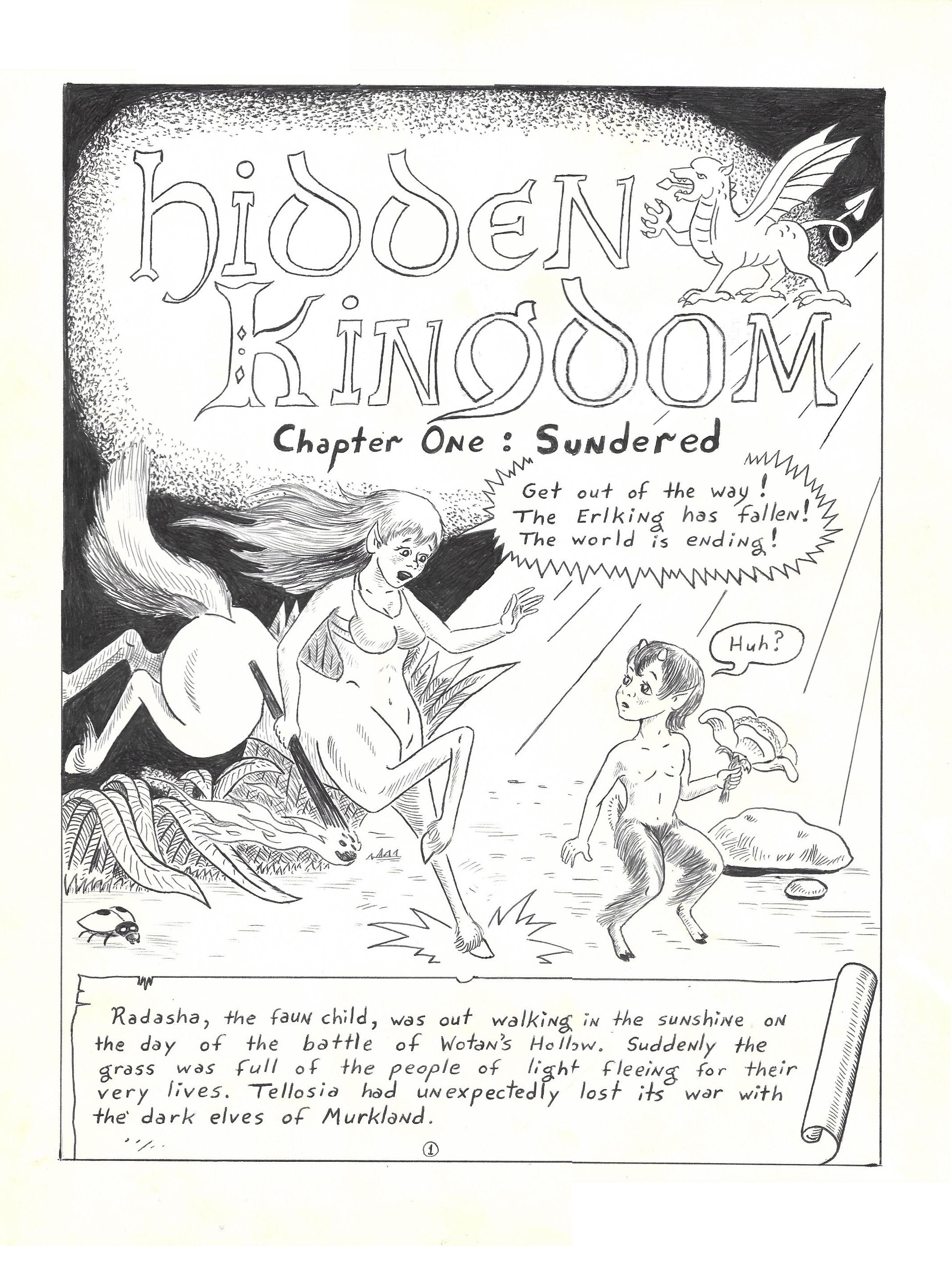
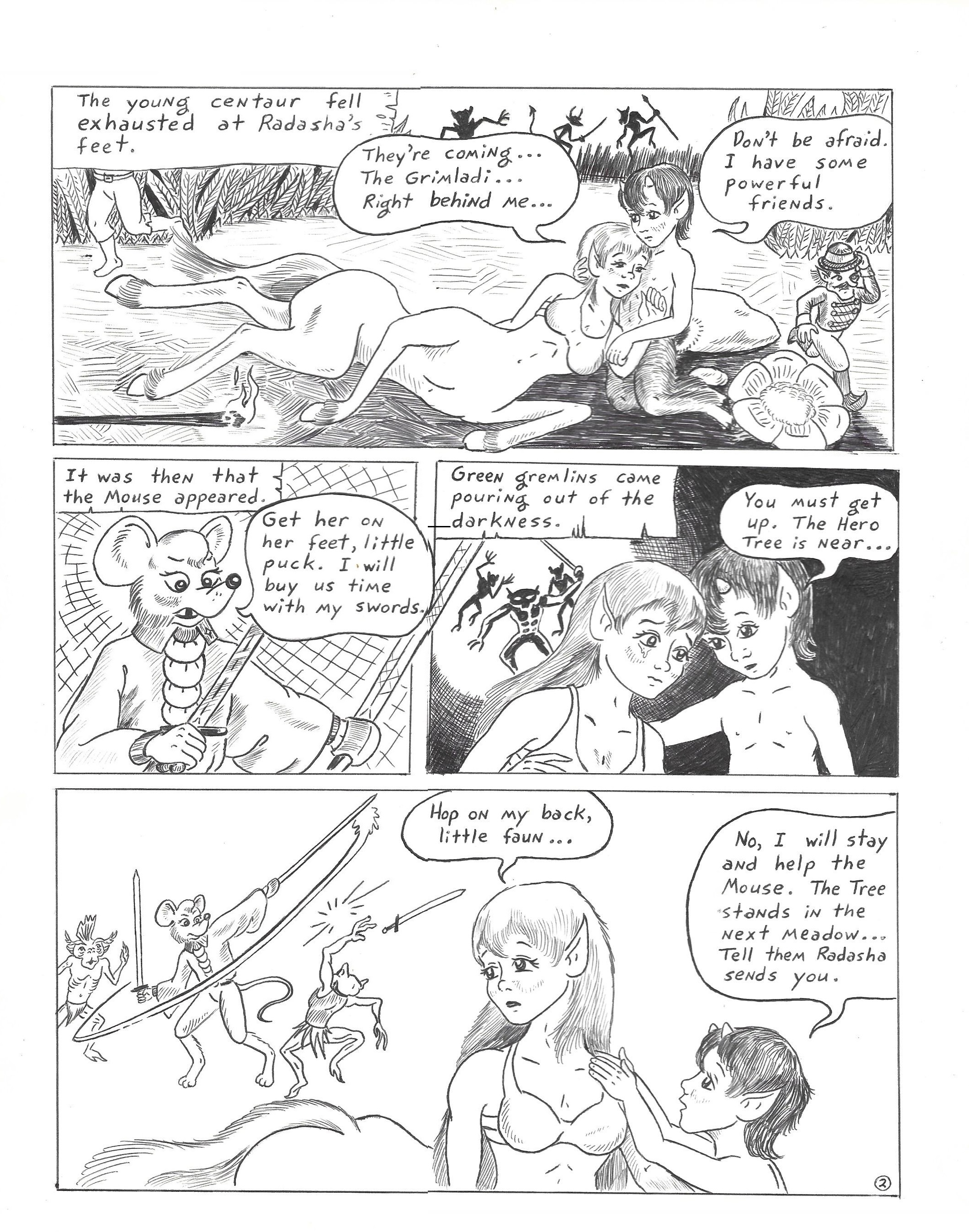
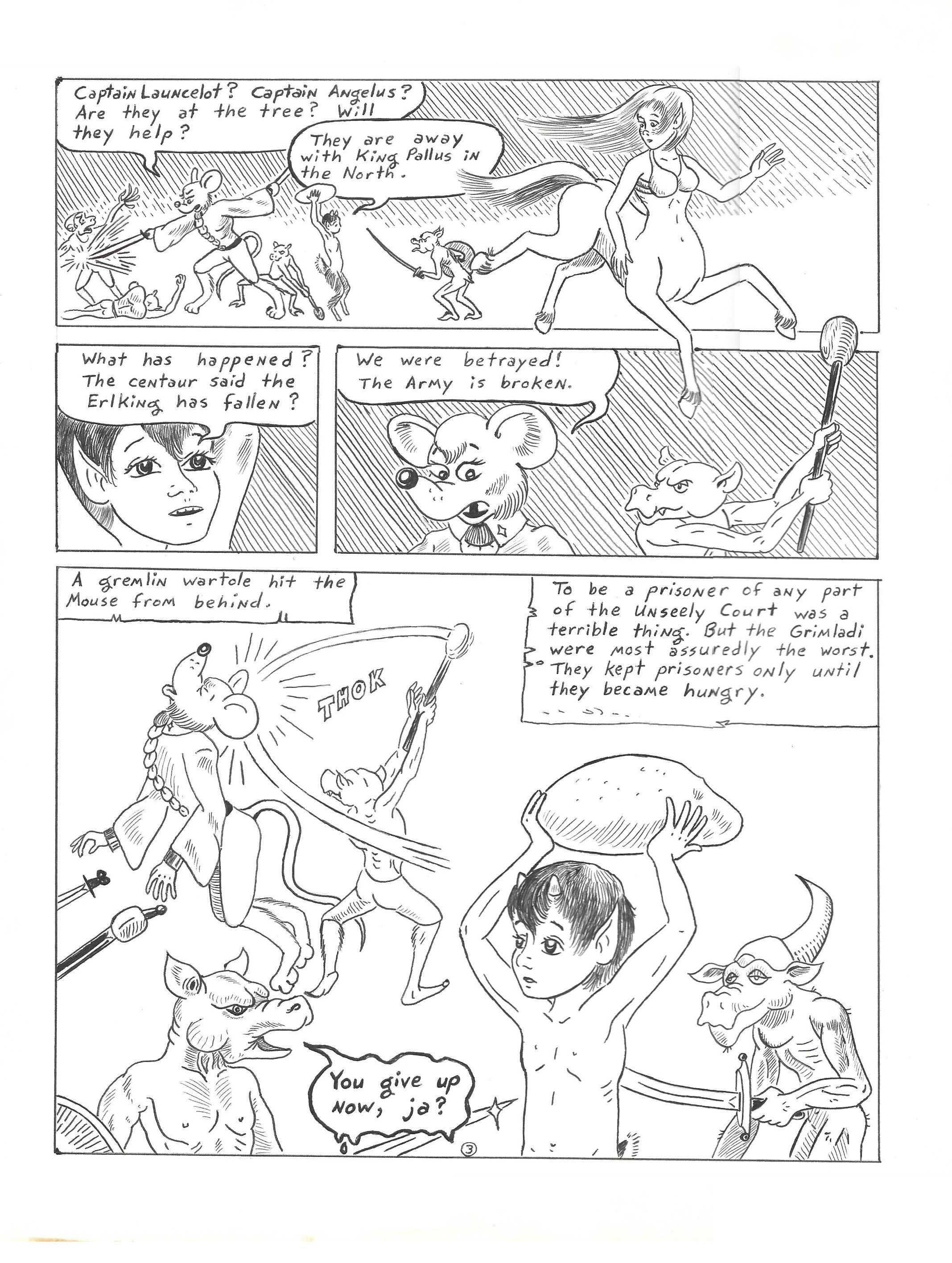
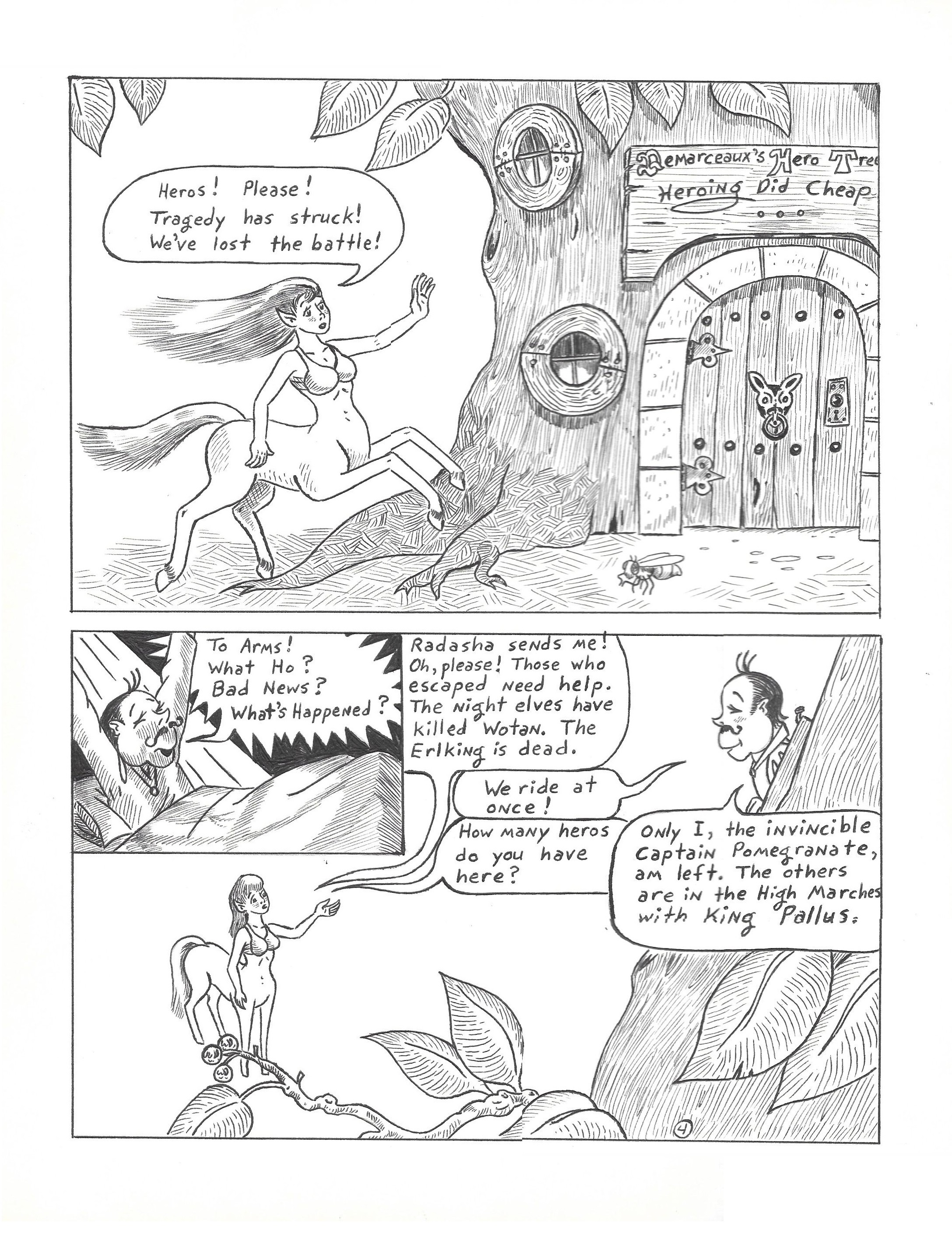




 Okay, I guess it’s a start. Maybe not a great start, but a start.


Ghostly Reflections
So, I am probably the last stupid goomer who should be writing this post. But I do have a lot to say on the subject that will more than fill a 500-word essay.
At my age and level of poor health, I think about ghosts a lot because I may soon be one. In fact, my 2014 novel, Snow Babies has ghosts in it. And some of the characters in it freeze to death and become snow ghosts. But it doesn’t work like that in real-world science. My ghosts are all basically metaphorical and really are more about people and people’s perception of life, love, and each other.
Ghosts really only live in the mind. They are merely memories, un-expectedly recalled people, pains, and moments of pandemonium.
I have recently been watching the new Netflix series The Haunting of Hill House. It creeps me out because it latches on to the idea that ghosts haunt us through the revisitation in our minds of old trauma, old mistakes, old regrets… We are never truly safe from ghosts, no matter how far under the covers we go in our beds, deep in the dark and haunted night. Ghosts are always right there with us because they only live inside us.
I am haunted by ghosts of my own. Besides the ghost dog that mysteriously wanders about our house at night and is seen only out of the corners of our eyes, there is the ghost of the sexual assault I endured at the age of ten by a fifteen-year-old neighbor. That ghost haunts me still, though my attacker has died. I still can’t name him. Not because I fear he can rise up out of the grave to hurt me again, but because of what revealing what he did, and how it would injure his innocent family members who are still alive and still known to my family, will cause more hurt than healing. That is a ghost who will never go away. And he infects my fiction to the point that he is the secret villain of the novel I am now working on. In fact, the next four novels in a row are influenced by him.
But my ghost stories are not horror stories.
I write humorous stories that use ghosts as metaphors, to represent ideas, not to scare the reader. In a true horror story, there has to be that lurking feeling of foreboding, that sense that, no matter what you do, or what the main character you identify with does, things probably won’t turn out all right. Stephen King is a master of that. H.P. Lovecraft is even better.
But as for me, I firmly believe in the power of laughter, and that love can settle all old ghosts back in their graves. I have forgiven the man who sexually tortured me and nearly destroyed me as a child. And I have vowed never to reveal his name to protect those he loved as well as those I love. If he hurt anyone else, they have remained silent for a lifetime too. And I have never been afraid of the ghost dog in our house. He has made me jump in the night more than once, but I don’t fear him. If he were real, he would be the ghost of a beloved pet and a former protector of the house. And besides, he is probably all in my stupid old head thanks to nearly blind eyes when I do not have my glasses on.
I don’t believe in ghosts.
3 Comments
Filed under cartoons, commentary, ghost stories, goofy thoughts, humor, Paffooney, strange and wonderful ideas about life
Tagged as ghosts