
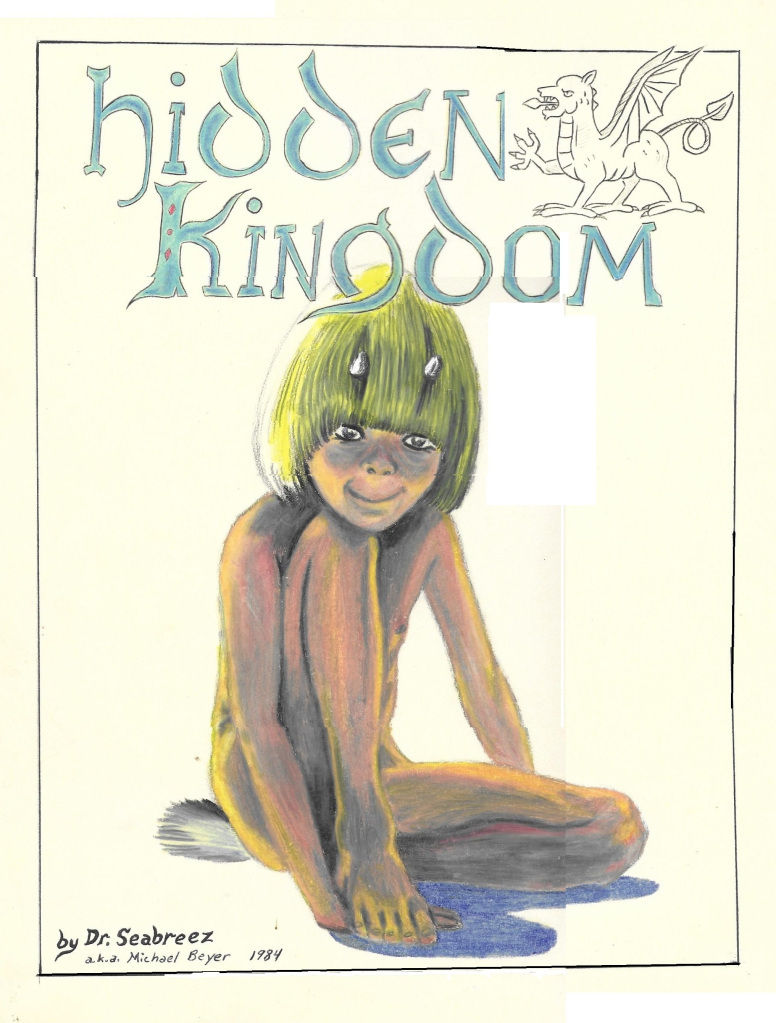
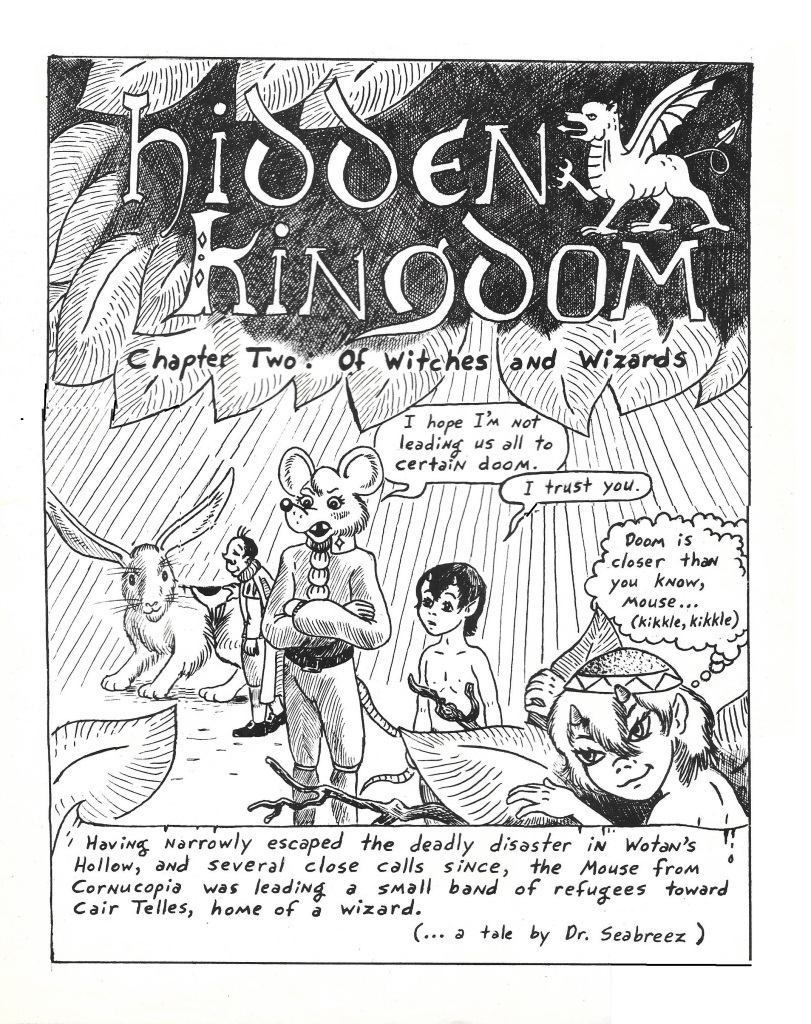
As a novelist, certain characters, as I understand them, have to be portrayed in a certain specific way. It may be because the character is based on a real person, so those characteristics are tied to reality and changing them will impair the character’s realism. It may also be because the character has a very special function in the story, possibly a metaphorical or thematic function so a change in those particulars can derail the entire story. But portraying them in colored pencil is not nearly so arcane. Colored pencil is my own preferred medium, the one I know best how to use as an artist.
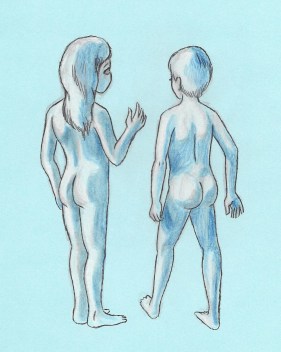
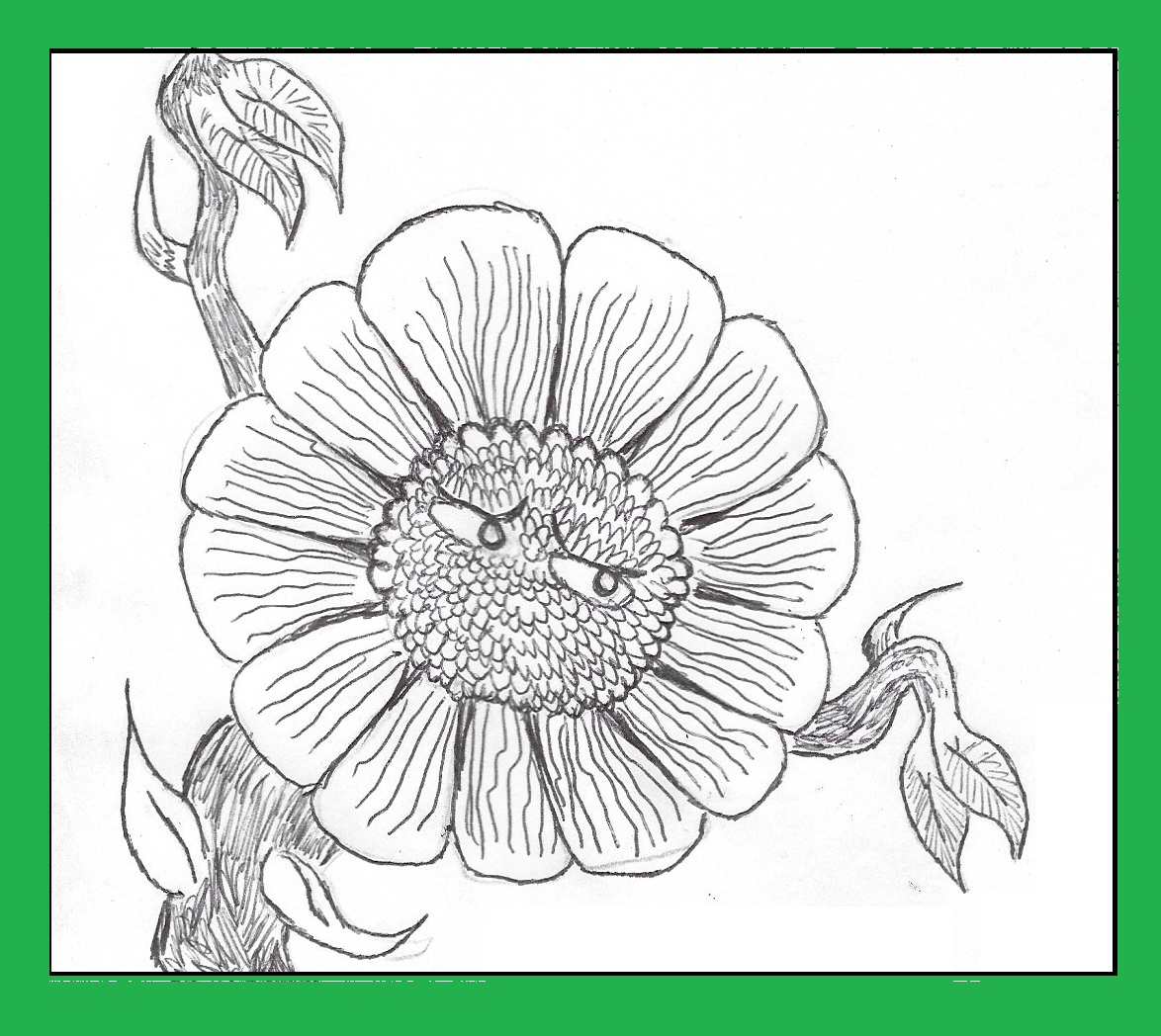
Snow Babies
These characters are not specifically people. They are created in nature when a person dies in a blizzard by freezing to death. They act like banshees in that they serve both as omens of impending death, and collectors of the spirit forms of the deceased. Snow ghosts after a manner of speaking.
They are from my novel Snow Babies and give the book its name. Of course, they are not the only snow babies that the title refers to. But they are essential to the basic theme of the story.
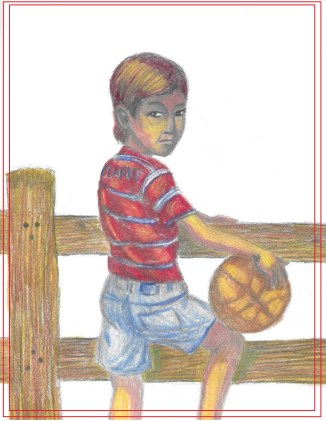
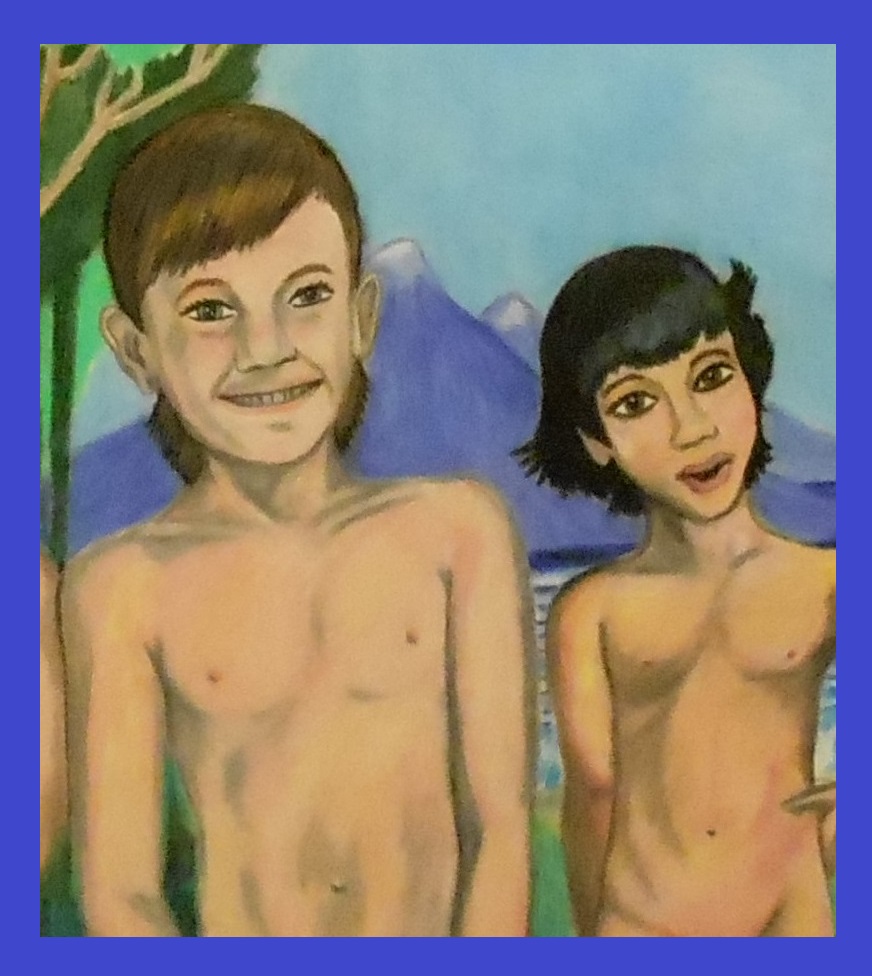
Brent Clarke
Brent is the leader of the Pirates. He appears in the novels Superchicken, and The Baby Werewolf, though I have another couple of stories in my head where he plays an important role as well.
Brent is an amalgam of two real people. One was a boy from my boyhood gang, and the other was a student I taught more than a decade after that. He is a farm boy, naturally outgoing and athletic, but also a bit of a bully and a bigger bit of a jerk, especially around girls.

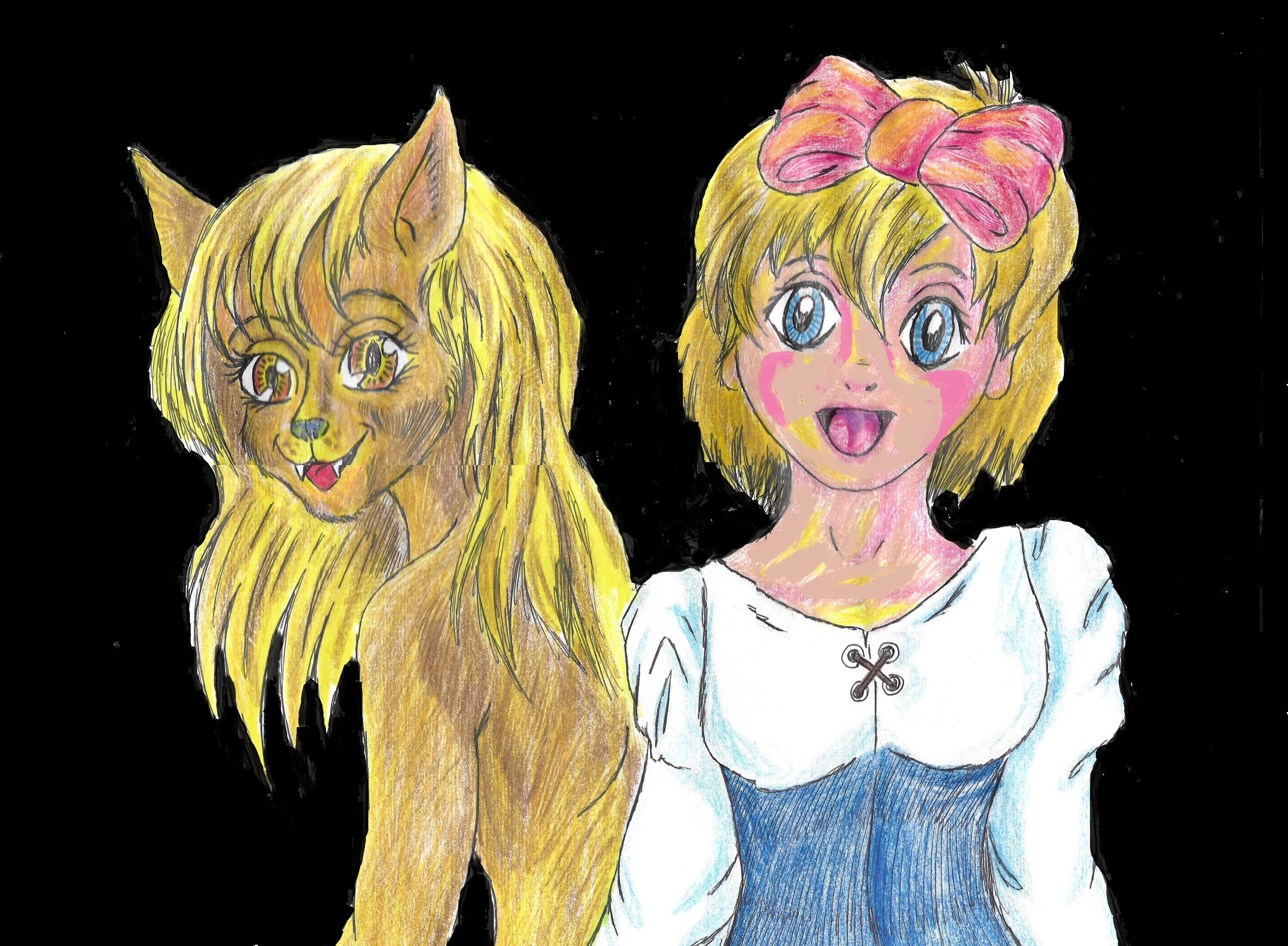
Miss Francis “Franny” Morgan
Miss Morgan is a middle school teacher based on a real-life colleague who had a gift for reaching and teaching challenging kids, though she’s also got a bit of me in her since the major challenges she faces in the story are mostly things that happened to me, and I made her an English teacher like me instead of the Science teacher she really was. She is the main character in the novel that bears her name, Magical Miss Morgan. She is also a minor character in Superchicken, almost twenty years earlier in time. I pictured her wearing a purple paisley dress to represent her magical abilities. That magic is, of course, the ability to make stories come to life through imagination and creativity.

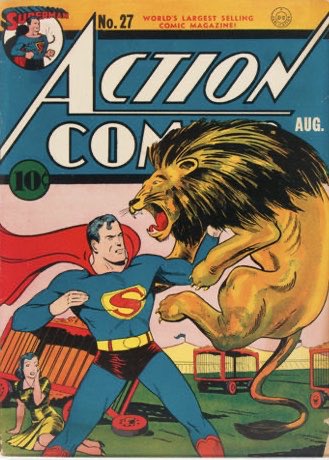
Sean “Cudgel” Murphy
Cudgel is “Grampy” of the Murphy Clan, living in the home of his eldest son Warren. He is basically a clown character, being an irascible, evil old man who loves his family, only ever drives his beloved Austin Hereford motor car (“the best goddam car in the whole goddam world from 1954”), and will fight for any reason or excuse at the drop of a hat.
He has already played a role in the novels The Bicycle-Wheel Genius and Snow Babies. And I hope to use him in several more. He is loosely based on several old men I have known throughout my life, but he functions mainly as a clown, a comic relief character that breaks up the tension in developing plots.
So there you have some characters that I have written about in my novels and illustrated in living colored pencil.



 Catch a Falling Star
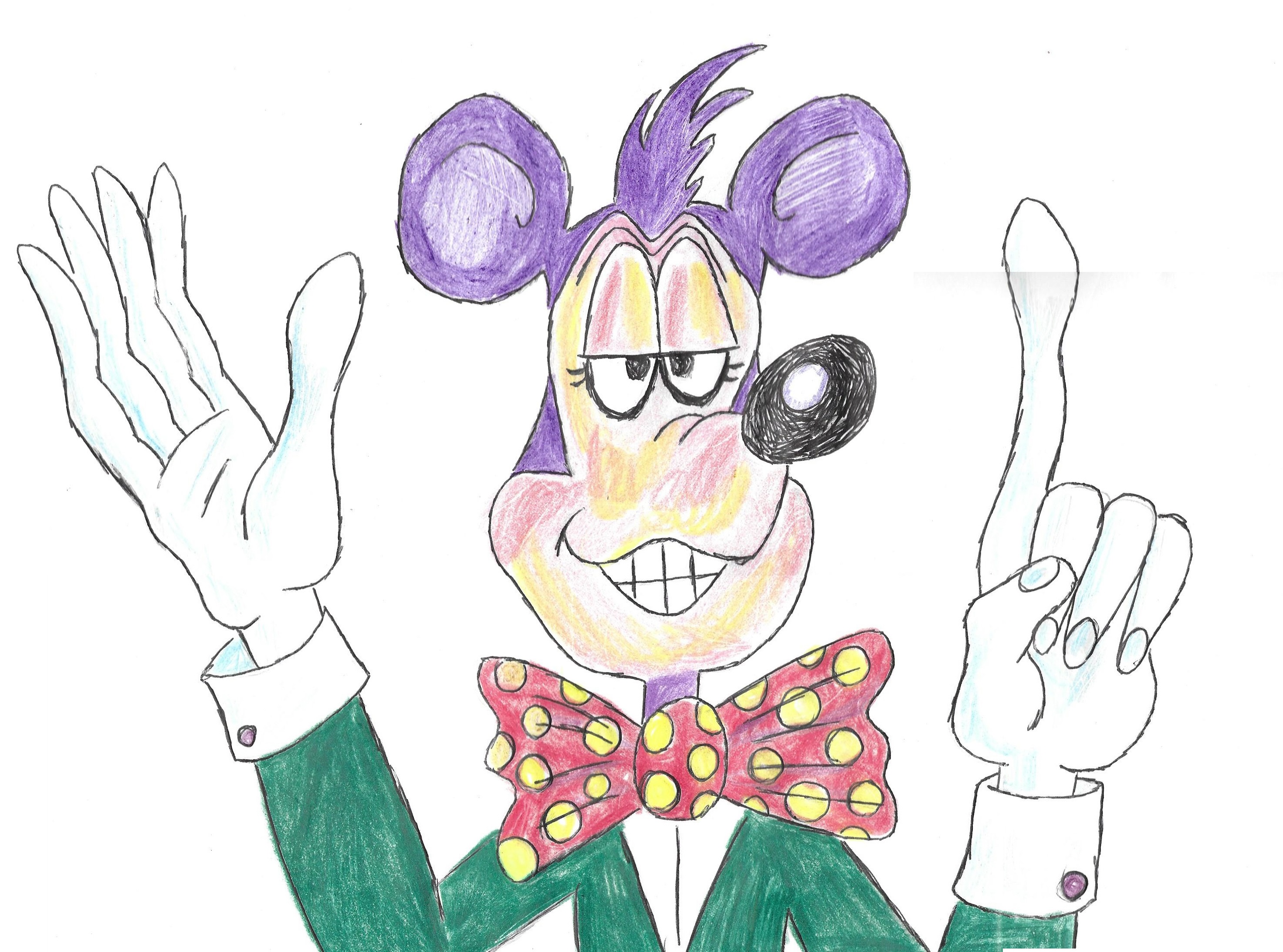
Mickey Under the Magnifying Glass
Self-reflection is a critical part of being a writer and an author. At least it is if you are a mostly-ignored and somewhat unsuccessful one. That’s really the full extent of my personal expertise on this subject.
But knowing your own personal strengths and weaknesses is the only way to continue to sharpen the blades you use to cut insightful, heartfelt stories out of your own life experiences.
For example, the thing I think is most important to know about myself is that I do have the ability to laugh at myself, even when the thing I am laughing at hurts quite a lot. A sense of humor is a life skill that people who experience depression, chronic pain, and personal trauma need in order to survive.
Robin Williams is the quintessential sad clown. He lived to the age of 61 before depression ended him. Think of how much younger he would’ve been in leaving us all behind if he hadn’t had his bright, silvery suit of comedy armor to get him through life. But that’s a downer. One of my biggest failures is that I will bluntly drop a big black bomb like that in the middle of a sensitive and heartfelt scene, or in the fourth paragraph of an essay that you found interesting enough to read.
I find I am often guilty of not knowing when to give up on something and cut my losses. But at the same time as I am contemplating ending this essay before I lose more readers than ever, I remember what makes the cardinal a personal symbol for me. Cardinals are a bright red songbird that never flies away when the winter comes. It will stupidly stay put even in snow and cold and a total lack of food, choosing to starve or freeze to death over leaving its home territory. I was like that as a teacher. After the first two miserable years, I decided to stay put in that little South Texas school district where I was underpaid and constantly abused by parents and students and even some other school personnel. I refused to leave without first proving to myself that I could do the job and be good at it. I stayed for twenty]-three years, becoming the head of the English Department, a leader of the Gifted and Talented Program, and a generally well-loved teacher of a generation of students. (I left before the grandson and granddaughter of two of the kids in my very first class were about to enter middle school.)
I guess, thinking about it critically, sometimes your weaknesses and your strengths are not only related, they are the same thing.
I have been accused of not being serious enough to be a teacher. And that has carried over to the writing of young adult fiction. Reviewers have told me that putting details about sex, violence, and dark humor in a story is not appropriate for young, middle-school-aged readers. One reviewer told me that I was practically a child pornographer, even though the book had no explicit sex scene and only talked about the subjects of love, sex, and intimacy.
But I am a believer in not shying away from subjects that kids want to know about. As a victim of a sexual assault in childhood, I found that fiction and nonfiction that discussed sexuality and morality were life-saving, and gave me the guidance I needed to recover from what my own monster encounter scarred me with. And I was able to eventually laugh at the things that had been tearing me apart. I think fiction like that, frank, honest, and clearly guiding the reader towards the right path is what is most needed in YA literature.
Again, I think my weakness for absurd and chaotic humor is both a weakness and a strength. We all need to laugh more and suffer less. And we don’t get there by avoiding our problems in life, but by fighting through them to the other side.
I am not fool enough to think I know all the answers. In fact, there are lots of things I know I don’t know anything at all about.
I don’t know what causes people to vote Republican. I don’t know if we can ever achieve a real, space-faring Buck Rodgers life. And I apparently don’t know the first thing about successfully marketing self-published books. But I know the problems are there. I see them in my magnifying glass. And I am working on them. I will get better.
Leave a comment
Filed under autobiography, commentary, feeling sorry for myself, humor, Mickey, monsters, writing teacher