
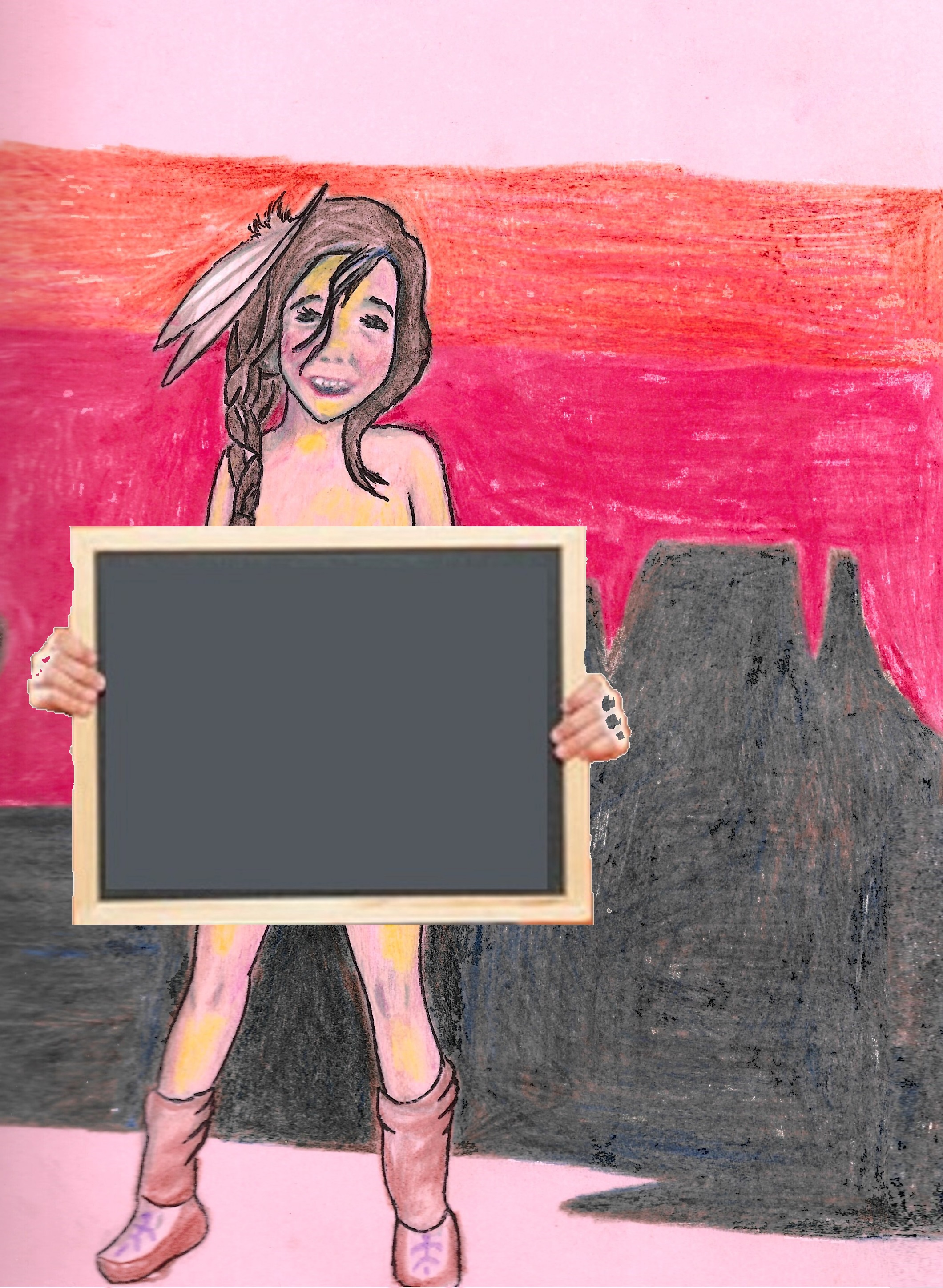
Yes, Singing Bare has no message on his chalkboard. He is clearly nonplussed by the dozens of strange small things that have been happening for which he can find no cause… rhyme or reason.
One of the reasons he is nonplussed (here meaning confused and disoriented, not the new, controversial definition of nonchalance) is that Mickey is having trouble actually getting writing done. And yet, Mickey is definitely not suffering from writer’s block. The ideas still come in a flood that, if anything, drowns out older ideas that didn’t get written down before the brainstorms increased. There are currently three complete novels in my head waiting to get written down, and I added to none of them yesterday.
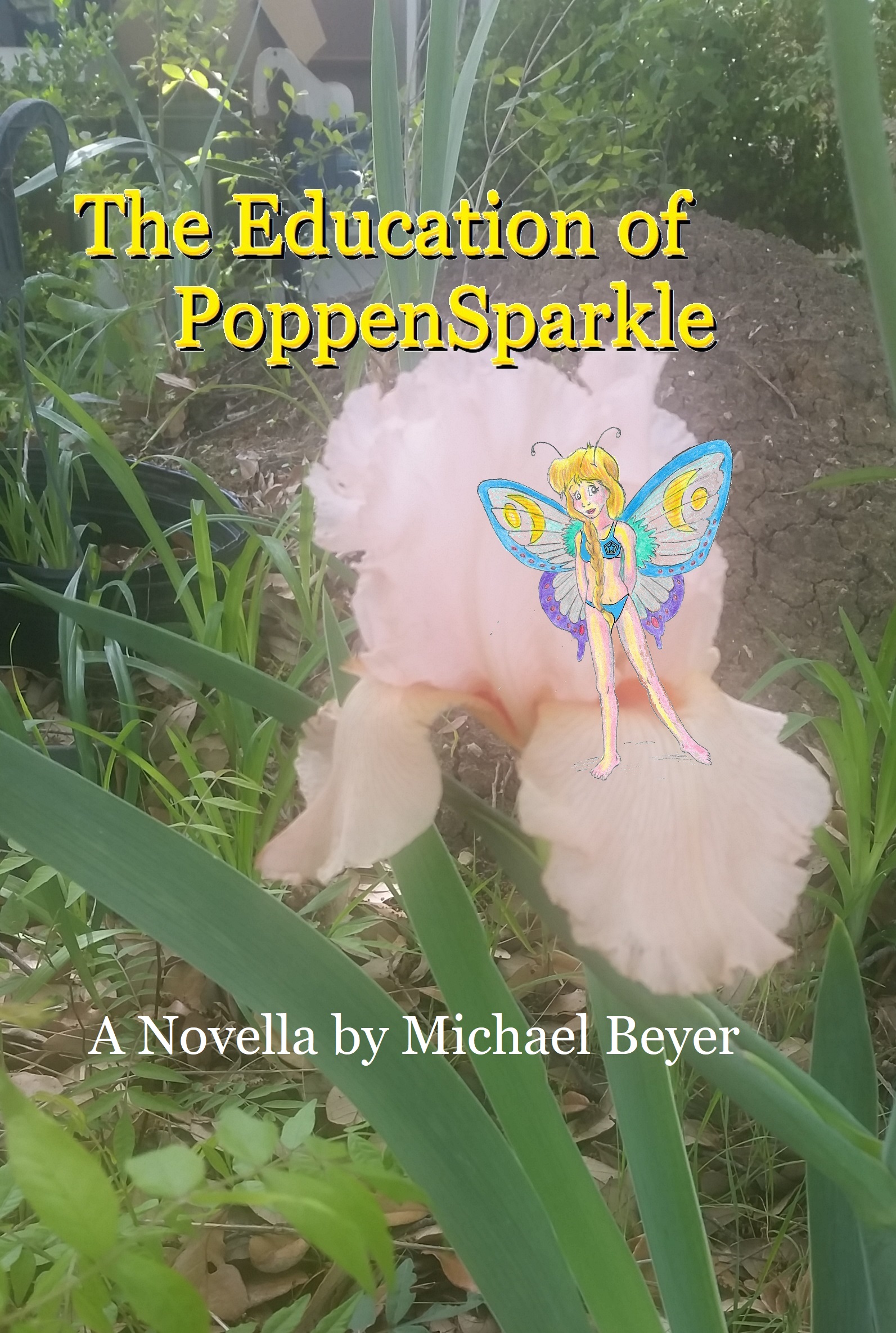
Poppensparkle is threatening to do to her novella what her sister, Derfentwinkle, did to her novella, turning it into the novel The Necromancer’s Apprentice.
The barrier is, of course, 30,000 words. More than that is a novel. Less than that is a novella. So, how do you do necessary world-building with a world of three-inch-tall fairies and keep it spare enough to fit into the shorter novella length? One can’t let such conundrums paralyze your writing. And yet, one can’t rely on the details in the previous book not needing to be repeated in this one to build a consistent fantasy world.
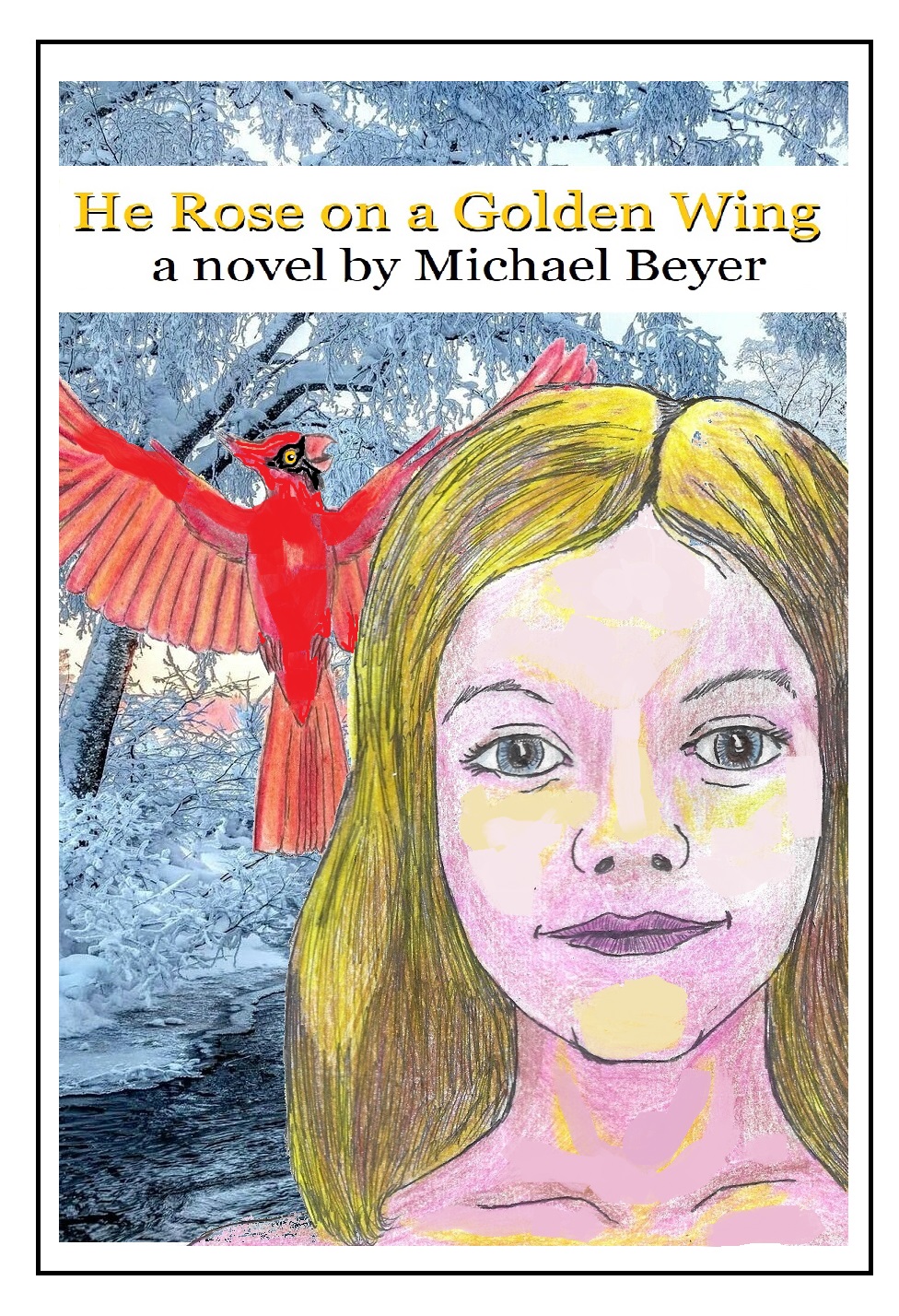
The problem with the primary WIP (Work in Progress for non-writers) is completely different. I left off in the middle of a Canto, as I often do to keep the flow going from one writing session to the next. And that normally is something I can just pick up and write the next time I sit down to it. Three weeks later I still haven’t finished the scene where Valerie is in the hospital and has to explain why her cousin Tim did something stupid to land him in the hospital in a coma… to Tim’s father, Uncle Rance. It is already written in my head. Just not in the perfect words. And I know it is stupid to wait for perfect words to magically appear. But I did… and they haven’t.
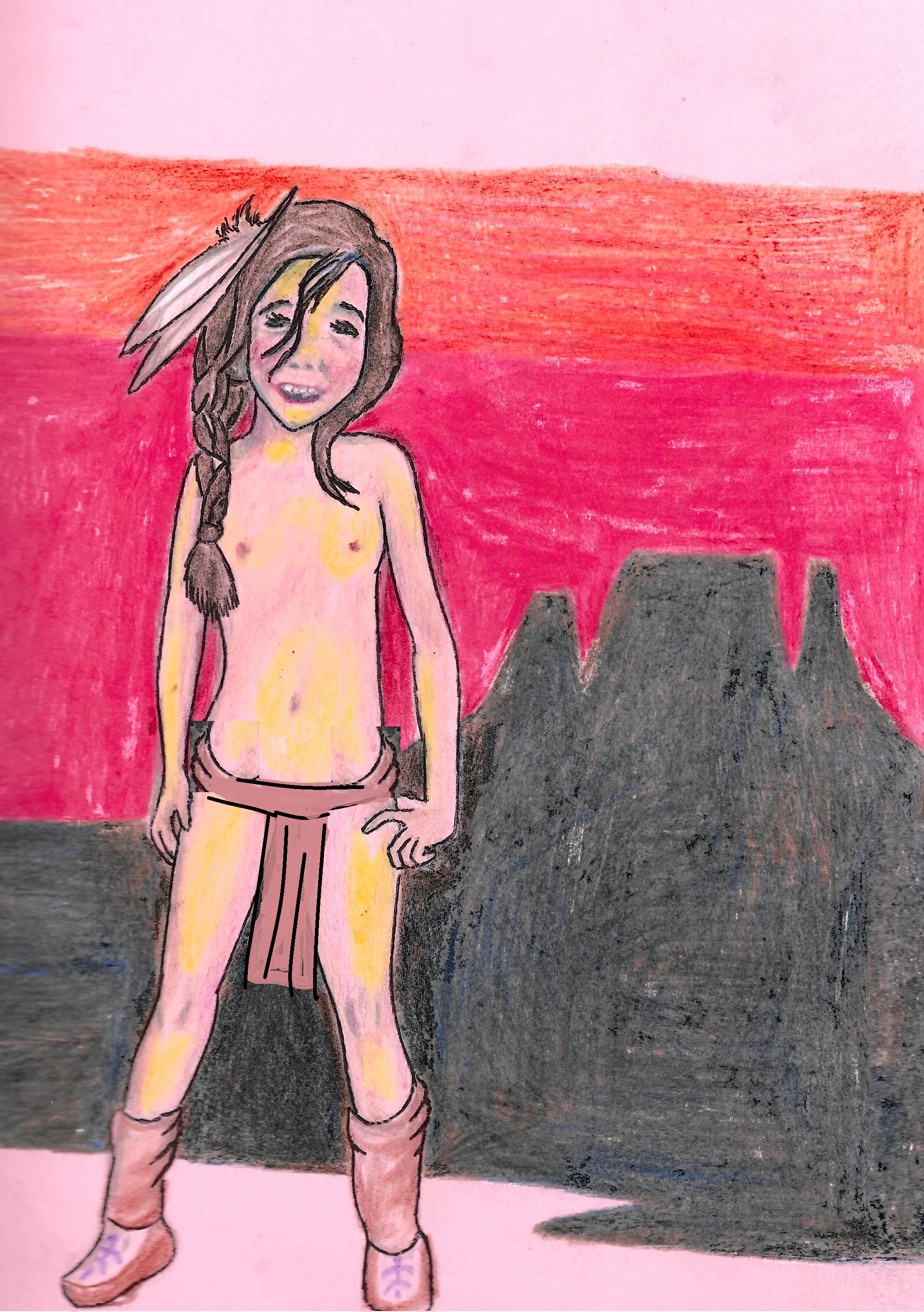
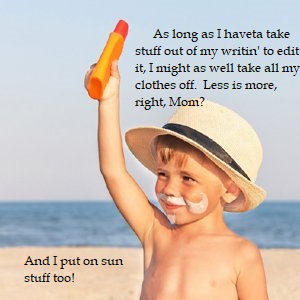
But the strange little thing that has Singing Bare nonplussed is actually a nudist thing. Both he and I share the problem of wanting to be a nudist, but not quite being able to cross that barrier. For him, as an imaginary turn-of-the-century Native American boy it is the inability to cast aside the loincloth, not because he’s shy, but because that sort of nakedness can get your ads canceled on WordPress. (Not that Mickey has ads.) For Mickey it is a matter of not being able to join a local nudist club because, although they allow single men to join, and married men with supporting wives can also join, but men with objecting wives are barred from applying. My wife is okay with me being a nudist as long as she doesn’t have to get naked herself. But she is unwilling to give any kind of written or verbal consent that will be observed by anyone besides Mickey himself. She would be embarrassed for anyone else in her religion to know that it was true that she was okay with her husband spending time naked socially.
So, I am not ashamed that I like the naturist-nudist way of life. I am sad that it took me so long to embrace it as a fact in life. And my wife has known about my belief in nudism since before we got married. She has only ever been opposed to nudism because she believes her religion tells her it is a sinful act. Yer, the Jehovah’s Witnesses believe that Adam and Eve were perfect when they were in the Garden of Eden. and the Bible says they were naked when they were perfect. So, since Witnesses believe they will all become perfect after Armageddon, they must also believe they will be naked after Armageddon. Right? Ah, well, that’s just one of those little dings life puts in the enamel of my being. One of those Stranger Dings.
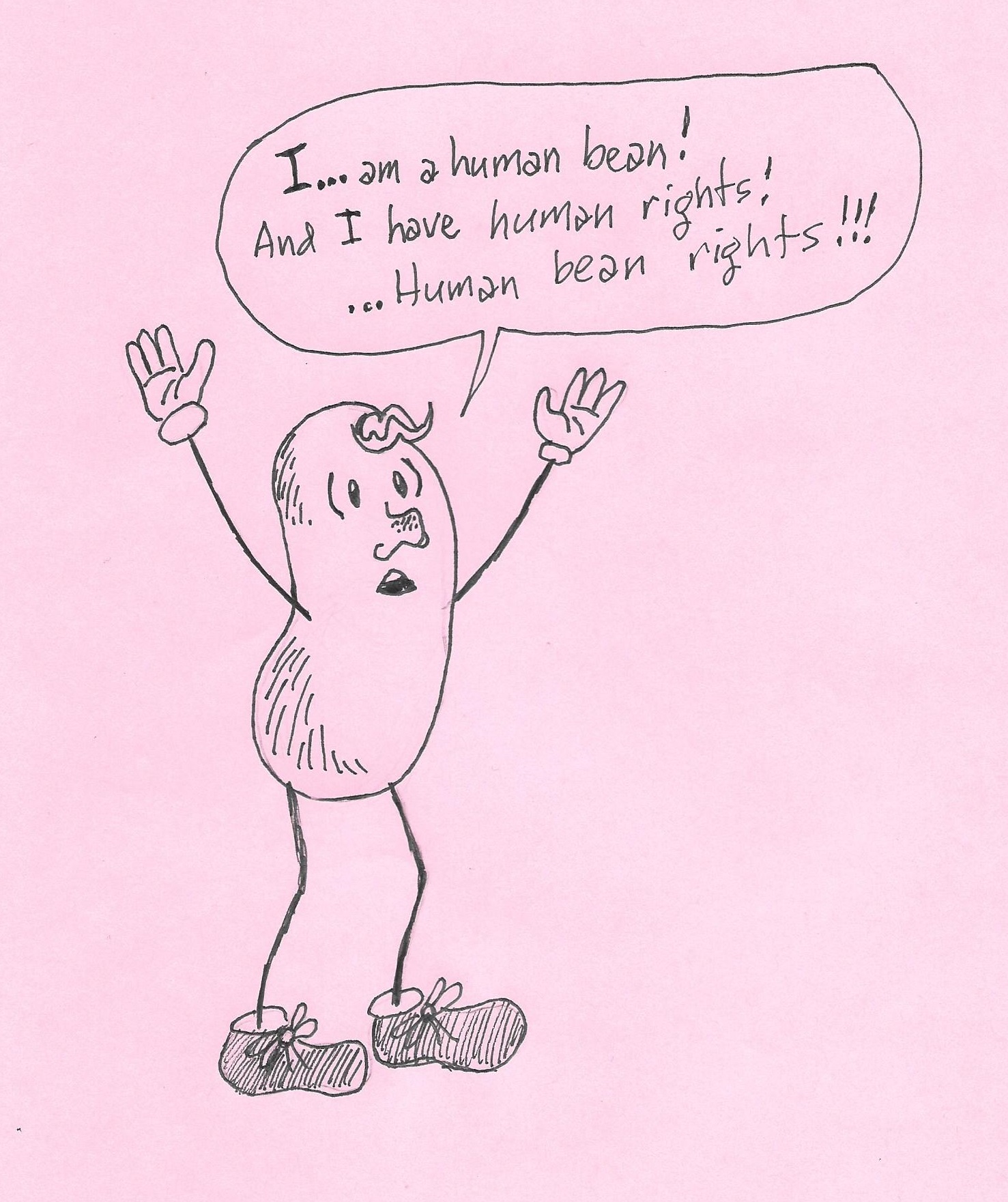
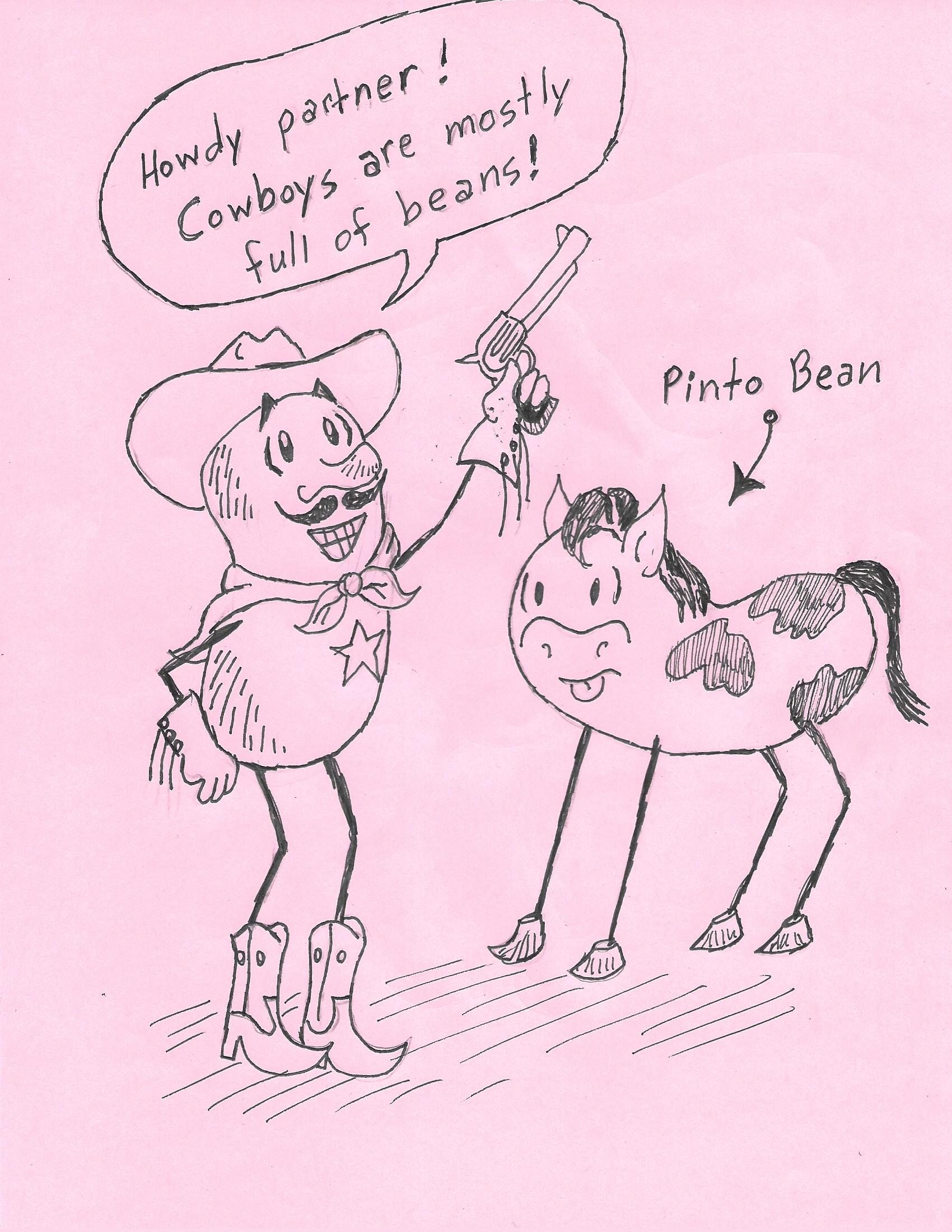
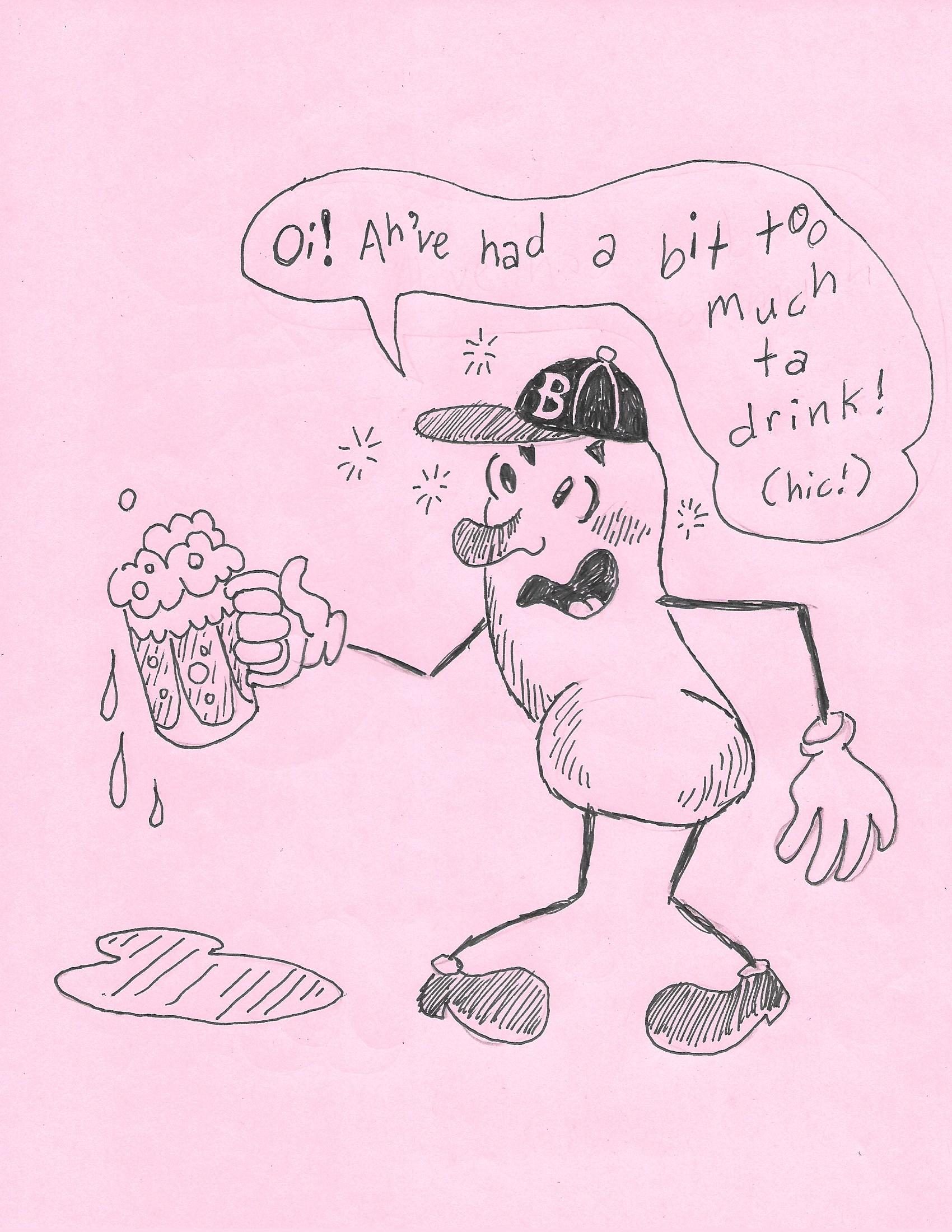
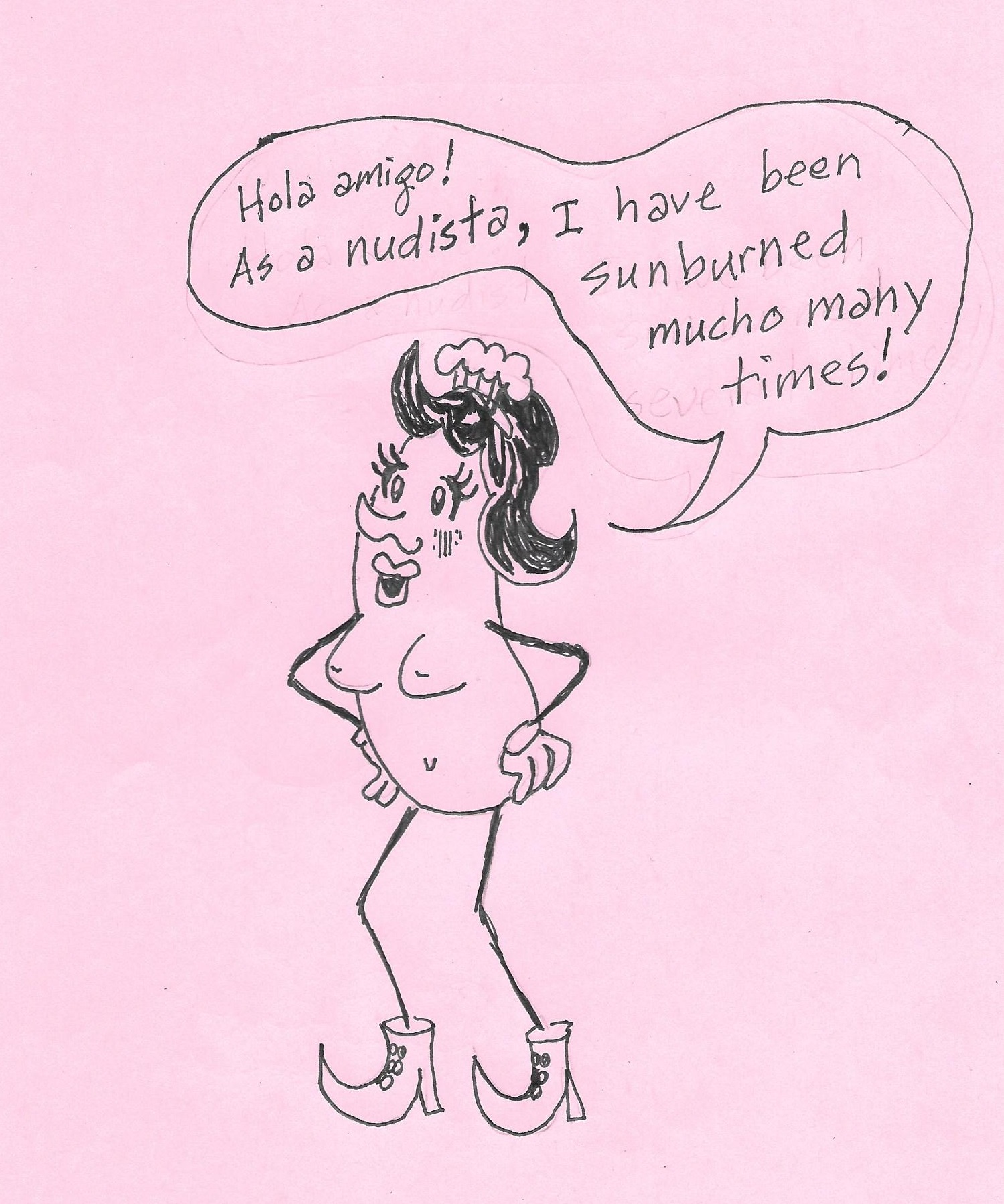
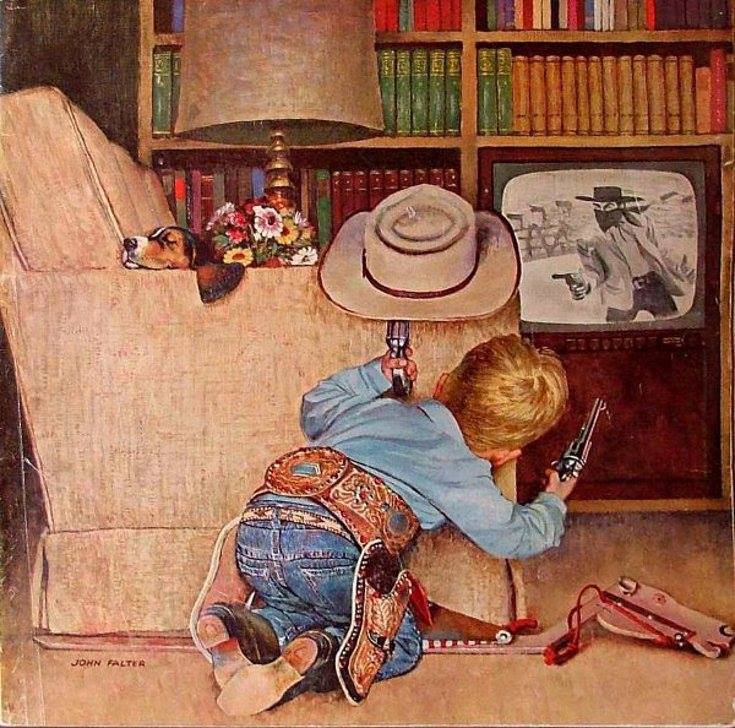
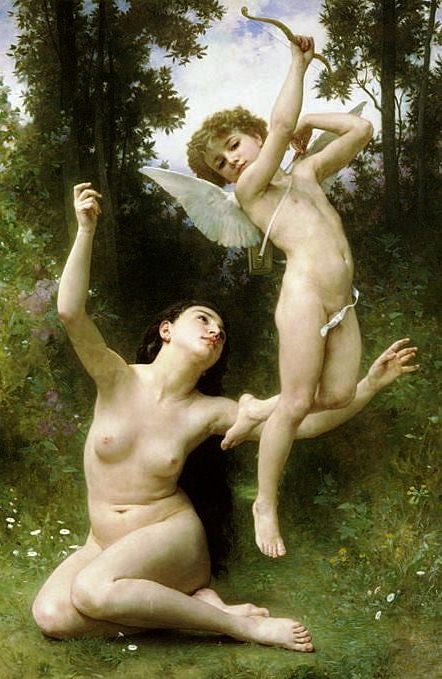



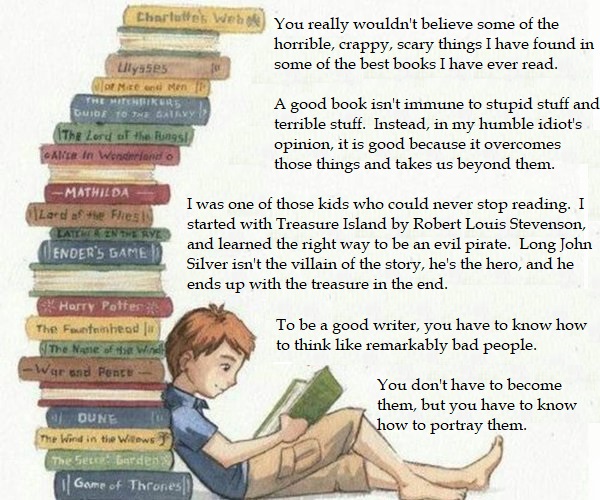


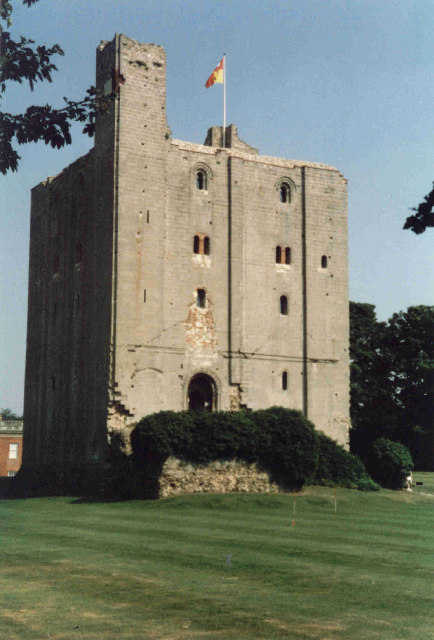


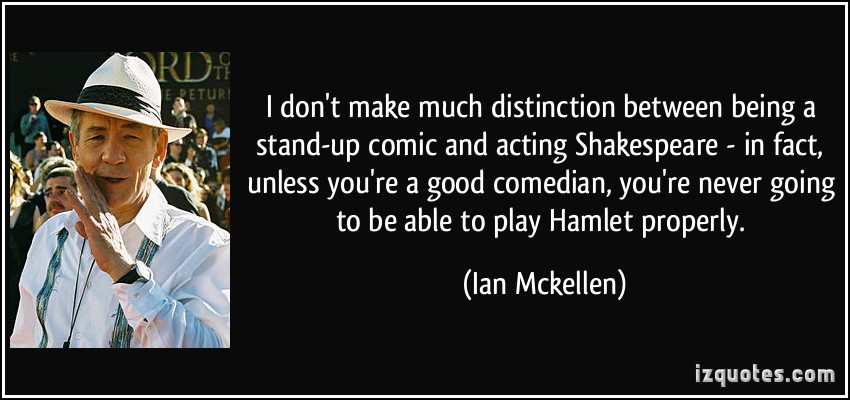
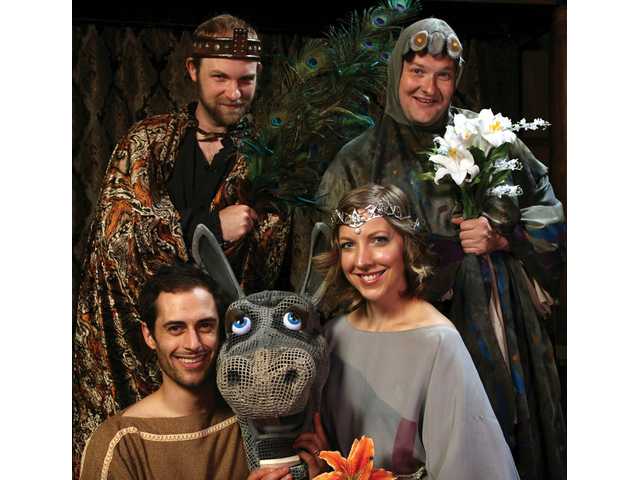
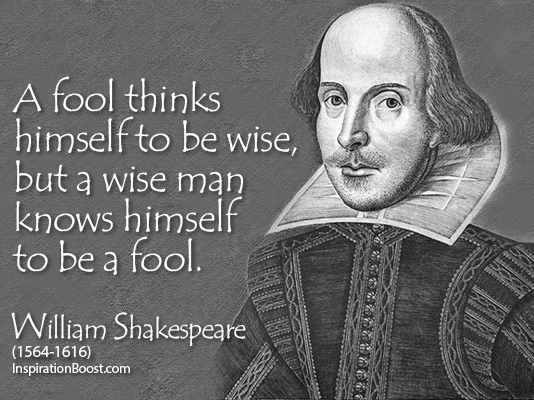
 If you are going to entertain a completely absurd notion like, “Shakespeare wasn’t really written by Shakespeare”, then you have to have some knowledge of the times and the context within which such a profoundly counter-intuitive thing could possibly be true. And it also helps to understand more precisely what the “writing of Shakespeare” actually means. Now, I know it is not particularly fair to confuse you, dear reader, right before I try to dazzle you with my complicated and over-thunk lackwit conspiracy theory, but that is, after all, what obfuscation actually means.




Cranky Old Coots Complain and Don’t Care
Yes, I am a coot. I became a coot in 2014 when I retired. I have the hair in the ears to prove it. I sometimes forget to wear pants. The dog is learning to hide from me on days when my arthritis makes me cranky.
So I am a practicer of the ancient art of being a cranky old coot. I have opinions. I share them with others foolishly. And I am summarily told to, “Shut up, you danged old coot!” And, of course, I don’t shut up because that would be a violation of number five in the by-laws of cootism. Obnoxiousness is our only reason for still being alive.
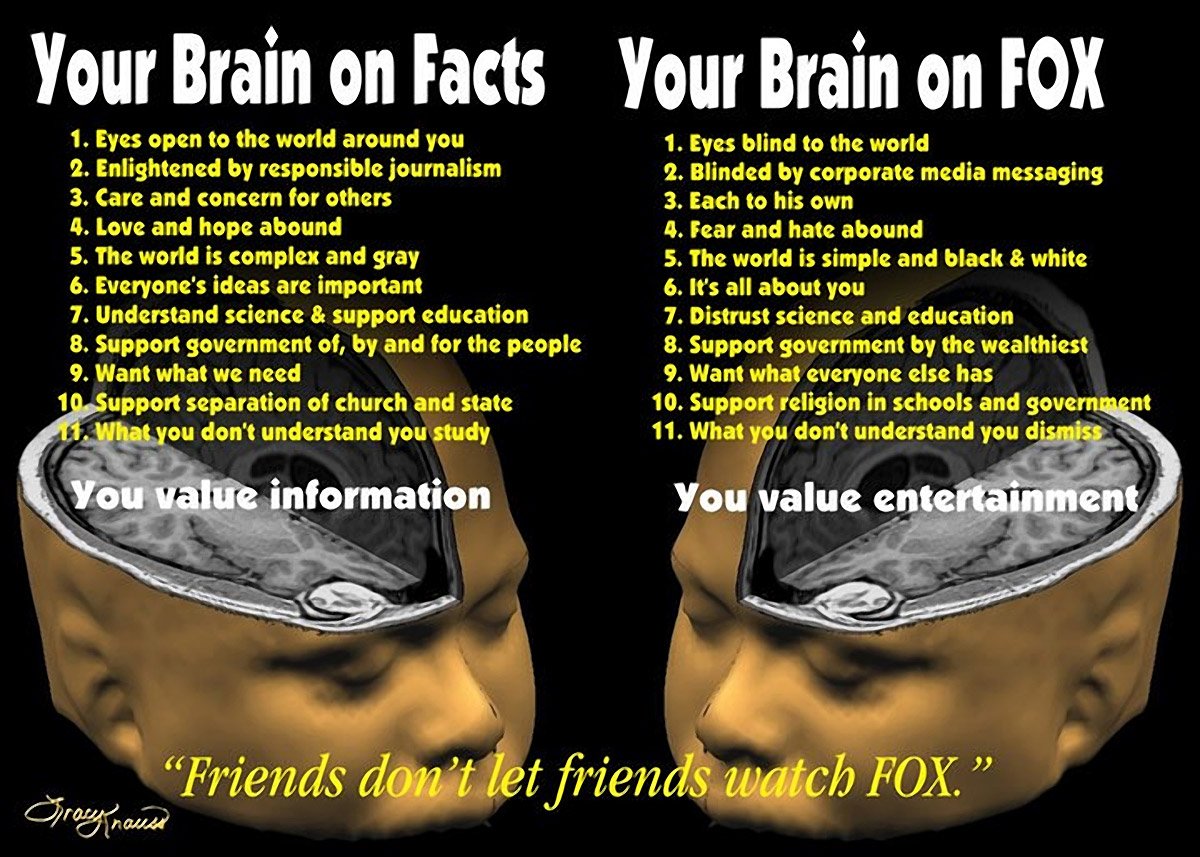
Lately, my group of coots on Facebook (who call themselves a “pack” like wolves, but, in truth, a group of coots is called an “idiocy”) are talking about politics… very loudly salted with firmly held opinions, beliefs, and bad words in several languages. I mean, it’s texting each other on memes we disagree about, but we do it LOUDLY, like that, in all caps. We also do it in such an infuriating manner because, if no one ever bothers to tell us to “Shut the hell up!” we will begin to suspect we have actually died and gone to purgatory where we are still being obnoxious, but nobody knows we are doing it. That is rubbing coot fur in the wrong direction.
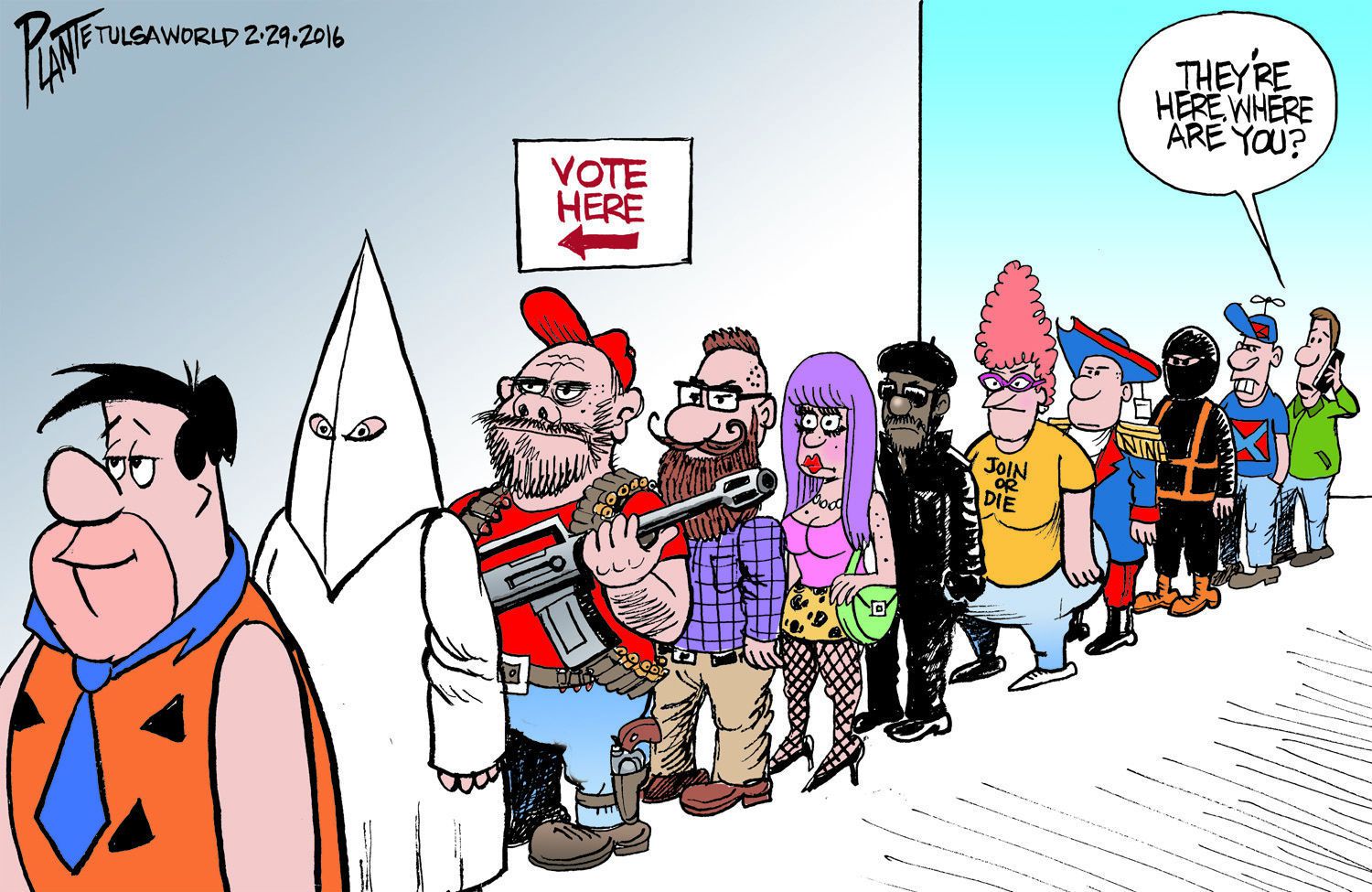
The radical right (otherwise known as coot paradise) have been cooting up a storm about school shootings and gun control of late. They have more or less turned their ire on me because, knowing I was a school teacher, they have seized on the Coot in Chief’s notion of arming teachers to protect schools. Obviously a majority of old coots agree that requiring a few “volunteer” teachers to conceal carry and learn how to handle a school shooter crisis situation with a gun instead of the way teachers are actually trained and practiced on handling such a situation, is the only economical way to defend schools from crazed lunatics with assault weapons. Of course, it is definitely more economical than hiring full time police officers to handle security because “volunteer” teachers does not mean that they are necessarily willing to do it, but rather that they are doing it without pay. And of course they shout at me things like, “Why don’t you just admit that you are too scared and unpatriotic to carry a gun as a teacher, and cowardly allow some female teacher with a big pistol to step in and do the job for you?” That is a very coot thing to say, and is hard to adequately counter, because if you try to argue using logic other than coot-logic, like the notion that since a majority of teachers in this country are female, you are asking women who are fierce enough to do the job (and I have known more than a few who would take it on no matter how hopeless their prospects) to take a handgun that the principal bought at Walmart with money from the Coke machine in the hall and face down a suicidal maniac with an assault rifle, you will not even be heard over the cacophony of coot braying and chest-thumping, let alone be understood.
And, for some reason, coots love Trump. Maybe because they feel he is truly one of them. He is older than dirt. He has an epicly bad comb-over to hide his bald spot. He says bad words very loudly in front of women, children, and everybody. He says, “Believe me,” a lot, especially when telling lies. And he’s not afraid to fart in public and blame it on the dog. I admit to insulting Trump in front of them only because I like to see coot faces fold up in extra wrinkles, and coot heads turn various shades of angry red and apoplectic purple.
So, yes. I am a coot. Not proud to be one… that I can remember, but a coot never-the-less.
Leave a comment
Filed under angry rant, commentary, feeling sorry for myself, foolishness, goofy thoughts, grumpiness, gun control, humor, Liberal ideas, oldies, Paffooney, teaching
Tagged as coots, gun control and coots, obnoxious coots, old coots