
Twitter is a place where trolls live. It is a bull-puckie paradise where trolls can poop on things to their hearts’ content. It is toxic. Not a safe place to go naked. But many trolls do. They tell you exactly how ugly they are, not just in their skin, but all the way down to their bones.
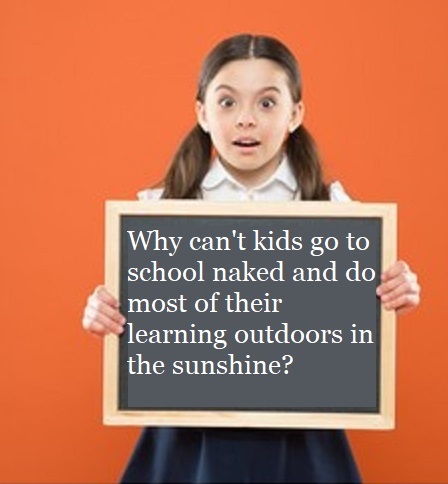
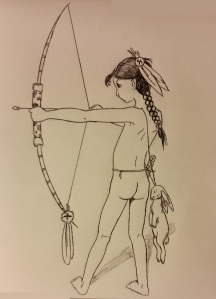
I am not a troll myself. I am a nudist at heart, like the girl in the picture. I think it would be nice to walk in nature nude. But like the girl whose parents are hippies, but law-abiding hippies who would never send their daughter to school without clothing as long as that is an illegal act, I myself don’t put naked pictures of myself on Twitter. Some nudists do that. But trolls throw poo and links to porn if you do that. And being publicly naked physically is not my goal. Only naked ideas publicly.
But I put a lot of opinions on Twitter that are totally naked. They have no clothes on to cover up how I really feel underneath, the way a lot of so-called conservatives do to get their racist points across without being accused of having racist opinions. They dress them up nice.

I have a naked opinion about the impending repeal of Roe Vs Wade beginning the roll-back of safe abortion-services and the right for women to control what happens to their own bodies. I am not pro-abortion. I am pro-choice. And that is how I will vote. But I also believe it is the wrong approach to have this issue before considering some other very important things.

You need to be providing a better life for the majority of children brought into this world than you do now. Not just the Republican answer to abortion being adoption. You need to do something about all the unloved and disadvantaged children that already exist. Too many die of starvation. Too many die of abuse. And far too many are abused by the adults in their lives to the point that they grow up into monsters, abusing their own children, the children of others, and sometimes becoming sexual predators.
Why don’t we make a law where all parents must undergo intensive training and get a license to be a parent? You need to earn a license to drive a car. Why don’t we pass a law that corporations have to make certain that all children in their assigned districts are well-fed before they can do stock buy-backs to increase their value? If they want a healthier, more-capable work-force, they should invest in one. Why are we not passing laws to ensure that the planet’s environment is protected and children’s future is guaranteed? And all of these things should come before we worry about all people who are conceived actually getting born.
And why are we putting up with places like Florida punishing teachers for teaching tolerance to people who are different, not only by color of skin and culture, but by the sexual preferences and gender identity God made them with? If you truly want to do away with the need for abortion services, then you need more and better sex education rather than gag-orders against teachers to be punished by parents suing to get them fired and pilloried.
There will be less abortions needed if you teach kids what they need to know about how babies are made, how to use contraceptives safely, and how to talk to others about the facts of life so that everyone can know more about it and proceed with procreation properly, according to whatever version of God’s plan (including science-based secular beliefs) that you choose to believe in.
These are naked opinions. Saying flat out what I believe. Open to the poo-flinging of trolls and those conservatives who are easily offended if an opinion contradicts their self-proclaimed truths wearing the clothing of rather twisted and misrepresented Christian beliefs.








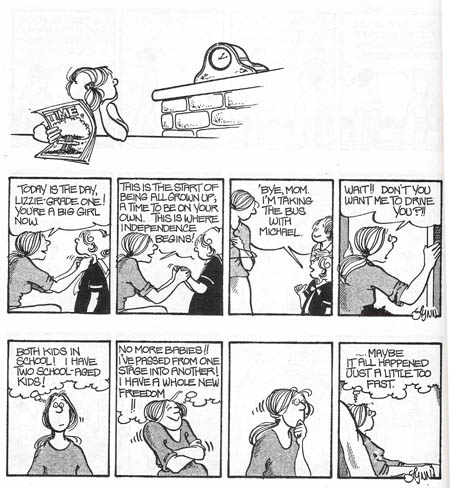 Lynn Johnston’s For Better or Worse is also an old friend. I used to read it in the newspaper practically every day. I watched those kids grow up and have adventures almost as if they were members of my own family. So the mashed potatoes part of the meal is easy to digest too.

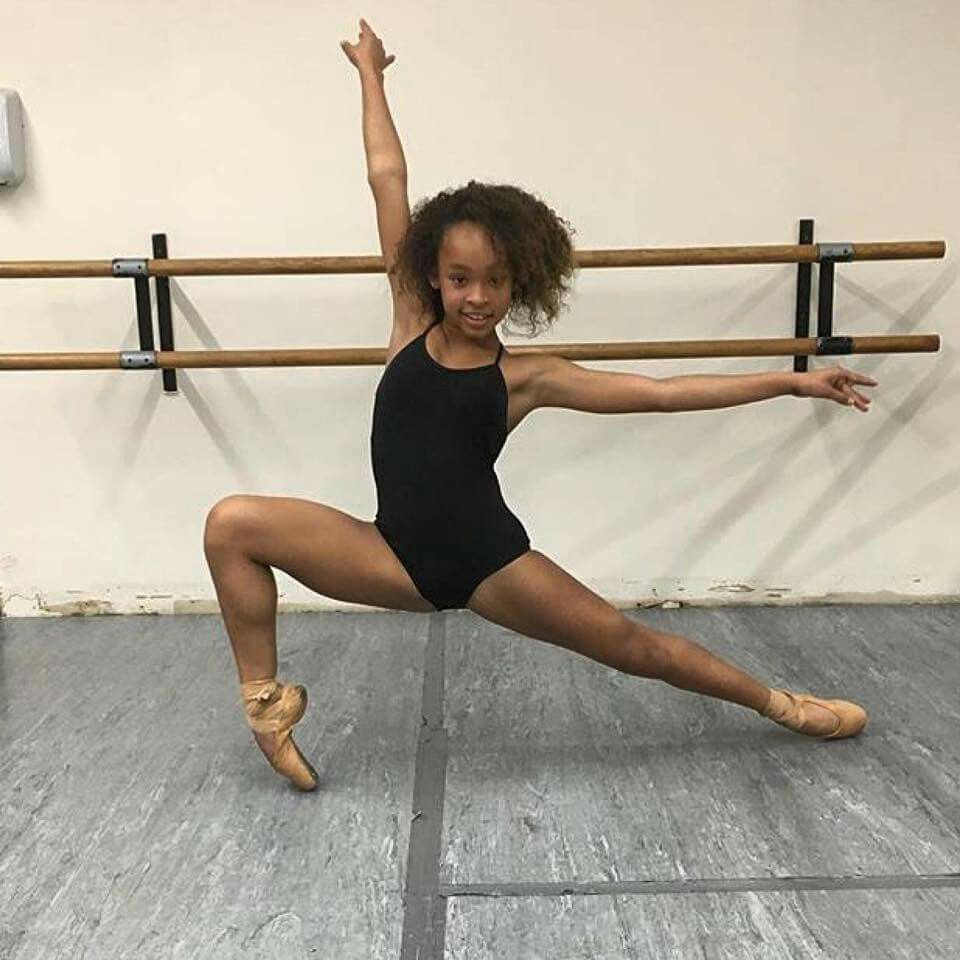
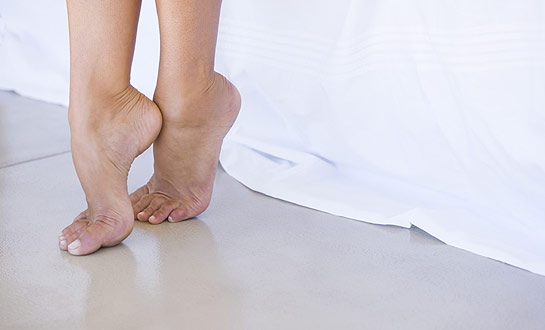


I Hope You Dance…
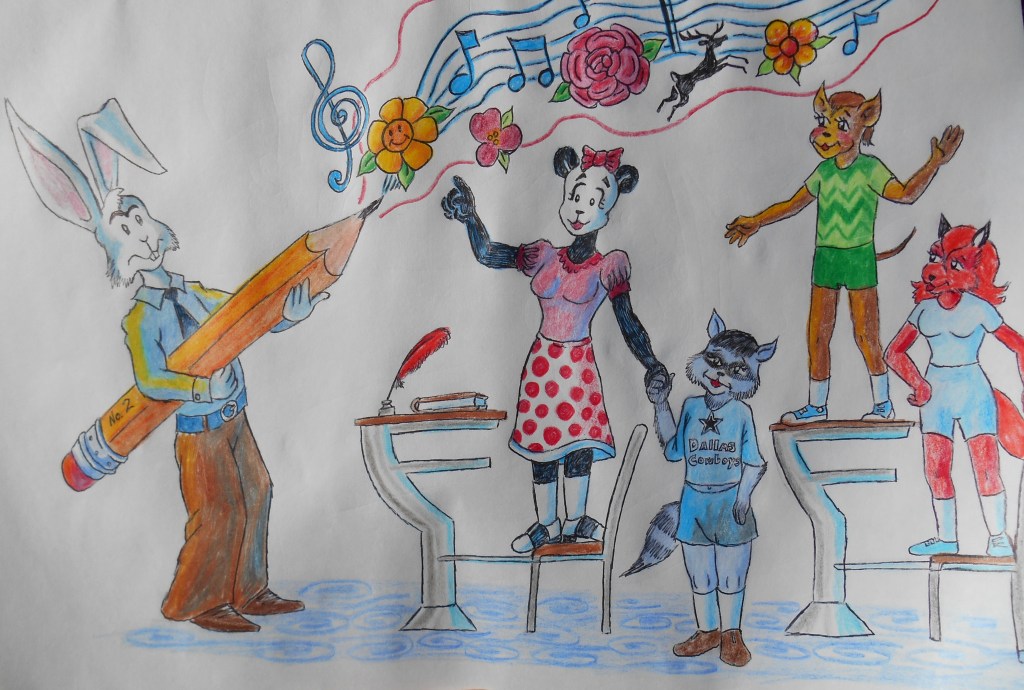
When you walk to the front of the classroom and take up the big pencil in front of a group of young teens and twelve-year-olds, there is a strong pressure to learn how to sing and dance. That, of course, is a metaphor. I was always too arthritic and clunky in my movements to literally dance. But I looked out over a sea of bored and malevolence-filled eyes, slack and sometimes drooling mouths attached to hormone-fueled and creatively evil minds. And I was being paid to put ideas in their heads. Specifically boring and difficult ideas that none of them really wanted in their own personal heads. So I felt the need to learn to dance, to teach in ways that were engaging like good dance tunes, and entertaining in ways that made them want to take action, to metaphorically get up and dance along with me.
I wanted them to enjoy learning the way I did.
But the music of the teacher is not always compatible with the dance style of the individual learner. The secret behind that is, there is absolutely no way to prompt them to dance along with you until you learn about the music already playing in their stupid little heads. (And you can’t, of course ever use the word “stupid” out loud, no matter how funny or true the word is,) You have to get to know a kid before you can teach them anything.
The discordant melodies and bizarre tunes you encounter when you talk to them is like dancing in a minefield blindfolded. Some don’t have enough to eat at home and have to survive off of the nutrition-less food they get in the school cafeteria’s free-and-reduced lunch program. Some of them have never heard a single positive thing from the adults at home, enduring only endless criticism, insults, and sometimes fists. Some of them fall in love with you. Some due to hormones. Some due to the fact that you treat them like a real human being. Some because they just stupidly assume that everyone dances to the same tunes they hear in their own personal head.
Some of them automatically hate you because they know that if you hear their own secret music in their own self-loathing heads, you will never accept it. They hate you because you are a teacher and teachers always hate them. Some of them, deep down, are as loathsome as they think they are.
But, if you find the right music, you can get any of them, even all of them, to dance. It might be hard to find. It might be a nearly impossible task to learn to play that music once you find it. But it can be done.
And if you get them to dance to your music, to dance along with you, I can’t think of anything more rewarding, anything more life-fulfilling. Have you ever tried it for yourself? If you are not a teacher, how about with your own children or the children related to you? Everybody should learn to dance this dance I am talking about in metaphors. At least once in your life. It is addictive. You will want to dance more. So the next time the music starts and you get the chance… I hope you’ll dance!
Leave a comment
Filed under commentary, education, kids, metaphor, Paffooney, teaching
Tagged as being a teacher