
Speaking from empirical scientific proof supported by data and experiment… I would have to say NO.
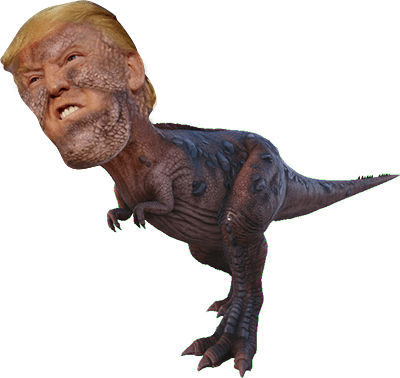
I mean, seriously, the Roswell saucers crashed because of a little electromagnetic interference. And if you think about this planet… Donald Trump? Are you kidding me?
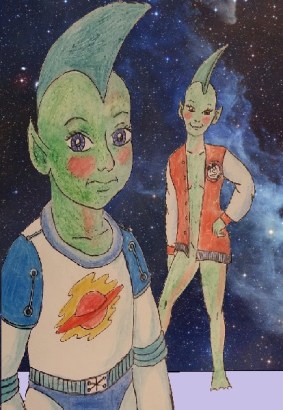
These are Tellerons, not intelligent alien lifeforms.
So there is simply no evidence that intelligent life exists anywhere in this universe.
“You are evidence of that,” you say, “since you apparently believe the government has been covering up the existence of aliens since 1947.”
And you would be right. I am not claiming to be intelligent. I am not monkey-headed stupid either. And the government has been covering up the existence of visitors from other worlds since they took possession of the crashed space ship, or possibly two spaceships, from Roswell, New Mexico. The stupid part is that their efforts to cover it up and change the story are proof that it is true. Nobody goes to that much effort over that many years just for a bit of a goof-play.
The reason the aliens were there looking around at an army air base is fairly obvious. What did the army air corps do in 1945 in Japan after all? The little gray guys were just worried about what their stupid neighbors were up to. Sooner or later, you know, stupid neighbors will mess all over your own back yard. So they came to investigate and stupidly got caught in a lightning storm, or possibly an Earther monkey-people weapon system. We are obviously dangerous enough for that.
So speaking of empirical evidence, you have a chain of stupidity causing event after event, and all of it subverted by dishonest attempts to keep people from knowing the truth. Humans from this planet were stupid enough to use a couple of nuclear weapons to murder other humans. This is documented stupidity.
If you believe the military and U.S. government, then you believe that they were using Project Mogul balloons to monitor Russian nuclear weapons development and crashed one of their super-secret balloons. Then the government officials misidentified their own balloon and okay-ed a newspaper report that the army had recovered a flying saucer. Immediately after being chewed out by a general, they then published a retraction newspaper story claiming the debris was a weather balloon, substituting pictures of crap from a real weather balloon that looked nothing at all like a flying saucer, and removing the top secret balloon crap so the Russians couldn’t learn that they were using balloons in the New Mexico desert. More documented stupidity.
And if you don’t believe the military and U.S. government, then you are probably considering the eyewitness testimony of people who were there and saw things and heard things and were then threatened by military goons to be quiet or be disappeared into the New Mexico desert. Now, eyewitness testimony is not considered absolute proof because witnesses can be unreliable and even tell lies. But hundreds of people? Who corroborate numerous rumors and details? Even people like intelligence officer Major Jesse Marcel who would later reveal stunning details to UFO investigators? And you can’t guarantee silence from witnesses, even with threats, especially over time. But the fact that the government tried? Yep, documented stupidity.
So, is there intelligent life in this universe? There is definitely life. But intelligent life? The evidence says “NO!” And remember, we elected Donald Trump to be our leader.





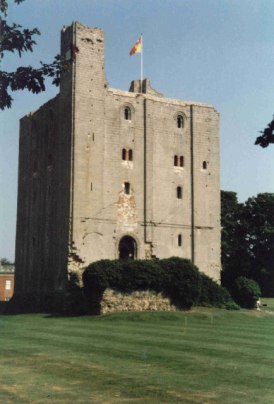



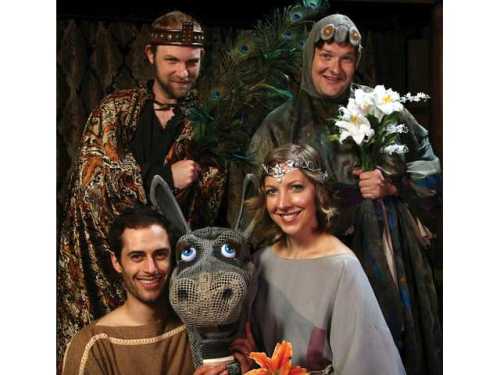
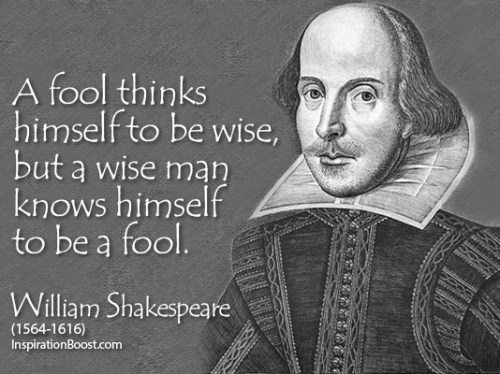
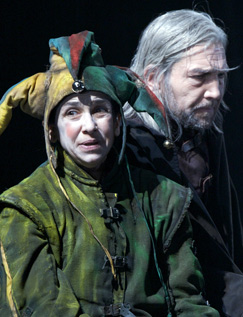
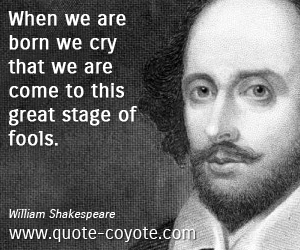
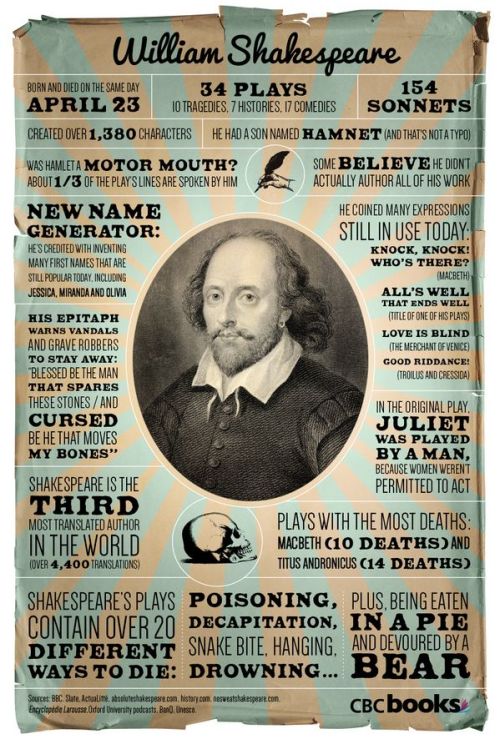
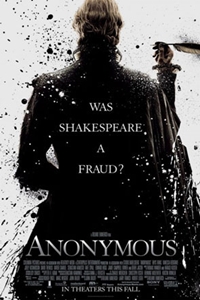
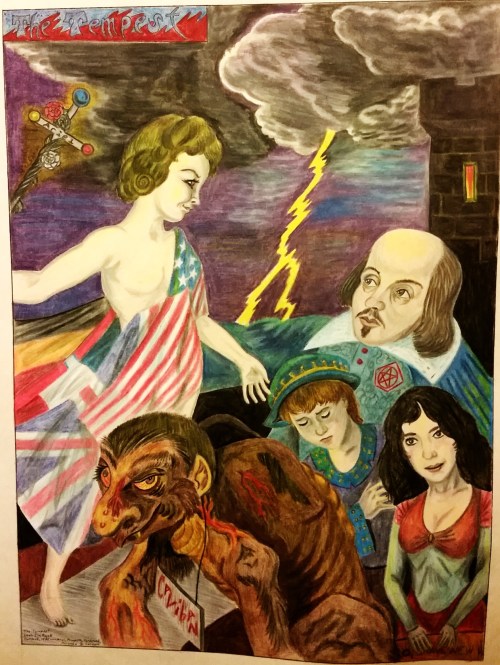
 If you are going to entertain a completely absurd notion like, “Shakespeare wasn’t really written by Shakespeare”, then you have to have some knowledge of the times and the context within which such a profoundly counter-intuitive thing could possibly be true. And it also helps to understand more precisely what the “writing of Shakespeare” actually means. Now, I know it is not particularly fair to confuse you, dear reader, right before I try to dazzle you with my complicated and over-thunk lackwit conspiracy theory, but that is, after all, what obfuscation actually means.









Being Bankrupt
I am swiftly turning into a detestable human being. I have admitted already on this blog that I have not only known nudists in my lifetime, but I have recently visited a nudist park and become one… for a few hours. Today I am admitting to being a bankrupt individual. I am taking steps to declare a Chapter 13 Bankruptcy.
As with nudism, bankruptcy is really probably not what you think it is. It is embarrassing and stressful to be bankrupt, at least if you are not Donald Trump and able to gleefully rob workers and creditors and investors by manipulating bankruptcy laws. But it is not immoral. In fact, with my Chapter 13 bankruptcy, I will end up paying back everything I owe to credit card companies and especially Bank of America whose lawsuit caused this bankruptcy. It will just be a managed pay-off with no further interest charges, managed by a court-appointed executor over the next five years. It will drop the bottom out of my credit rating initially, but may actually bounce it back up better than it was because my debt-to-income ratio will be dramatically improved. I will not lose my house or my car. I simply will have no more credit cards. That can’t be all bad, can it?
So, filing for a bankruptcy of this type has done a good job of teaching me where I fit in modern society and how the idea that you need to pay back what you owe to those you owe it to applies more to me than it does to rich folks. I will let you in on a big secret. I am not now, nor have I ever been, even remotely defined as rich. I haven’t really been poor before now, either. But I am sinking into that swamp quickly, and the crocodiles smell blood in the water. It is expensive to become poor. You have to pay a lawyer to help you get rid of all your money. You have to plead with them to allow you to continue to buy food and, with luck, necessary medication. But as long as you continue to hemorrhage money into their money-sucking vampire fangs of profit-making, the rich ones who own everything and control everything and make all the laws will allow you to continue to live… unless it becomes more profitable for them in the short term to let you die.
Now that I have driven over the bankruptcy cliff, I will probably try to enjoy the view and the exhilarating rush of air on the way down. Maybe I will do it naked. I could go back to the nudist park for the Labor Day weekend. I would save on clothing budgets. And when I get to the bottom of the cliff, there is a possibility that I will bounce back up. After all, if I don’t the bankers and the lawyers won’t be able to get any more of my money.
8 Comments
Filed under angry rant, battling depression, commentary, conspiracy theory, feeling sorry for myself, humor, pessimism, Pirates
Tagged as angry rants, bank of america, bankruptcy, humor, lawyers