I am now in the final phase of publishing The Bicycle-Wheel Genius. I am merely waiting for Amazon to object to whatever ridiculously minute formatting error I may still have going. And I once again had to publish without benefit of a beta reader or an editor of any kind. You learn things about yourself that you really don’t want to know.
What I have learned;
I can’t depend on my wife to be a beta reader and comment on my work. She tried once and told me, “Your writing is like dog poop. It is full of weird stuff, smells bad, and is impossible to get off your shoe once you step in it.” To be honest, I ironed out that metaphor just a bit. She was actually quibbling about my proofreading style and basically ignored all the content of the story. That’s the way English teachers are about prose.
I can too easily fall into the habit of introducing characters on a fashion model runway. The first time the character enters the narrative I tend to give a head to toe rundown of how they look, what they are wearing, and how they have done their hair. I know better than that, but I still do it.
I… use… ellipsis… marks… toooo… much…!
My creative spellings tend to drive the spellchecker insane. In this novel I had trouble over the spellings of blogwopping, interbwap, and dillywhacking. To be fair two of those words are from the language of the Tellerons, a space-faring race of frog people who happen to ineptly invade the earth. (Oh, and the other is a euphemism used by young boys for something very private. Don’t tell anybody about that one.)
Time travel plots can be laboriously difficult to follow through mobius-strip-like contortions of time, space, and history.
Sometimes my jokes are not funny. Seriously… that can be a problem.
And my characters often act on weird impulses and do things for no rhyme or reason… or rhythm either for that matter… see what I mean about ellipsis marks? Of course, one can always explain that that is exactly how people really are. I myself never do that. There is always a rhyme to be snatched from the ether in the very nick of time… randomly.
And at the end of the novel, when I am tying up the loose ends of the plot in a Gordian Knot, I have strings left over. Maybe enough to knit a shirt with. So I end up picking them up and starting another novel with them.
It is basically heck to be a divergent thinker. You try to make a list of things, and by the time you get to number 9, you have forgotten what the list was about, and you even forgot to number things, so you have to go back to the first one and count. Now what was I talking about?
Oh, yeah. I edited the book all by myself. And now it’s done. Time to start a new novel and make all the same mistakes over again.
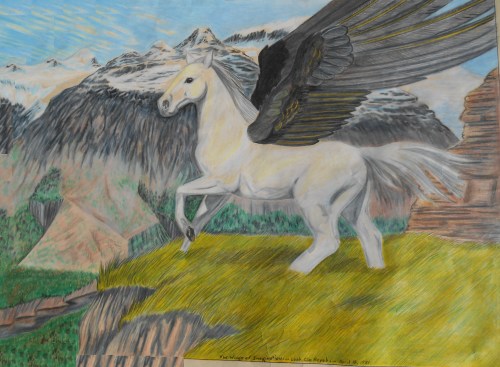
There are many ways to fly. Airplanes, bird wings, hot air balloons, bubble-gum-blowing goldfish… well, maybe I am really talking about flying by imagination. The more my six incurable diseases and old age limit my movement, my ability to get out of bed and do things, the more I rely on reading, writing, and the movie in my head to go places I want to be.
Sometimes the wings I use to fly come from other writers. I get the flight feathers I need not only from books, but also from YouTube videos, movies, and television shows.
This magic carpet ride in video form is by the thoughtful creative thinker Will Schoder. In it he carefully explains how Mister Rogers used the persuasion techniques of Logos, Ethos, and Pathos to talk to elephants and convinced a congressman intent on cutting the budget to actually give Public Television more money for educational programming. This is a video full of warmth and grace and lovingly crafted magic flight feathers that anybody can use to soar across new skies and blue skies and higher skies than before. I hope you will watch it more than once like I did, to see how beautifully the central explanation spreads its wings and gives us ideas that can keep us aloft in the realm of ideas.
It is important to stay in the air of fresh ideas and new thinking. The magic carpet ride that takes you there is the product of vivid imagination, cogent thinking, and the accurate connection of idea to better idea. So instead of falling from the sunlit sky into the darkness that so easily consumes us on the ground, keep imagining, keep dreaming, and keep flying. You won’t regret having learned to fly.
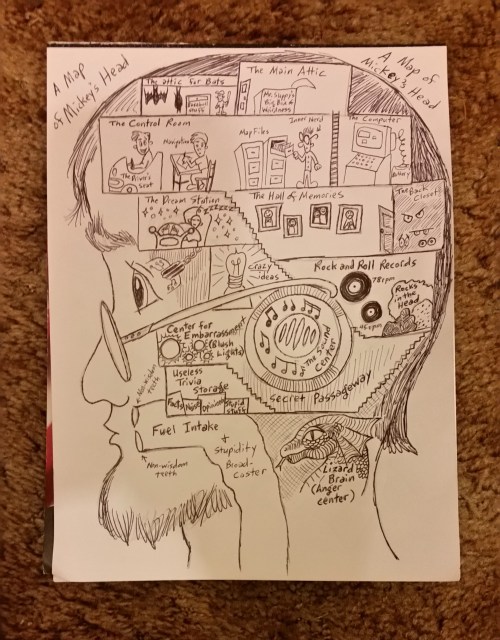
If you’ve read any of the crap that Mickey wrote about before in this goofy blog, you probably already suspect that Mickey’s mind does not work like a normal mind. The road map above is just one indicator of the weirdness of the wiring that propels Mickey on the yellow brick road to Oz and back. He just isn’t a normal thinker.
But having a few bats in the old belfry doesn’t prevent the man from having a plan. If you read all of Mickey’s hometown novels, you will discover he hasn’t written them in time order. Main characters in my 2016 novel weren’t even born yet in my 2017 books. If you look at them in chronological order rather than the order written, you will see characters growing and changing over time. A shy kid in one novel grows into a werewolf hunter in the next. A girl who loses her father to suicide in a novel not yet completed, learns how to love again in another novel.
Multiple Mickian stories are totally infected with fairies. The magic little buggers are harder to get rid of than mosquitoes and are far and away more dangerous. And there are disturbing levels of science-fiction-ness radiating through all of the stories. How dare he think like that? In undulating spirals instead of straight lines! He doesn’t even use complete sentences all the time. And they used to let that odd bird teach English to middle school kids.
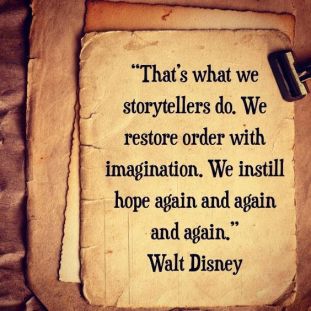
But there is a method to his utter madness. He started with the simpler stories of growing up and learning about the terrors of kissing girls when you are only twelve. And then he moved on into the darker realms of dealing with death and loss of love, the tragedy of finding true love and losing it again almost as soon as you recognize its reality. Simple moves on to complex. Order is restored with imagination, only to be broken down again and then restored yet again,.
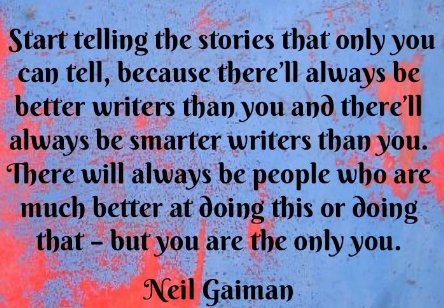
And, of course, we always listen to Mr. Gaiman. He is a powerful wizard after all. The Sandman and creator of good dreams. So Mickey will completely ignore the fact that nobody reads his books no matter what he does or says. And he will write another story.
It is called Sing Sad Songs, and it is the most complex and difficult story that Mickey has ever written. And it will be glorious. It also rips Mickey’s heart out. And I will put that ripped-out heart back in place and make Mickey keep writing it, no matter how many times I have to wash, rinse, and repeat. The continued work is called Fools and Their Toys. It solves the murder mystery begun in Sing Sad Songs. This re-post of an updated statement of goals is the very spell that will make that magic happen. So, weird little head-map in hand, here we go on the writer’s journey once again and further along the trail.
It should be noted that Mickey does not battle the St. Louis Blues. That is his favorite hockey team. And while they have never won the Stanley Cup, they do win a lot and are almost always in the playoffs. So they help fight depression. Battling them would not only be counter-productive, but might also result in losing all those big square white middle teeth in that goofy smile.
But battling depression is a constant necessity. Not only am I subject to diabetic depression and Donald Trump overload, but my entire family is prone to deep and deadly bad blue funks. It helps to be aware that there are a lot of ways to fight that old swamp of sadness. It doesn’t have to keep claiming the Atreyu’s horse of your soul. (Yes, I know that Neverending Story metaphors seriously date me to the 80’s and signify that I am indeed old… another reason I have to constantly fight depression.)
I have some surefire methods for battling depression that apparently the science actually backs up. It turns out that most of things that Mickey does actually stimulate the brain to produce more dopamine.
“Dopamine is a neurotransmitter that helps control the brain’s reward and pleasure centers. Dopamine also helps regulate movement and emotional response, and it enables us not only to see rewards, but to take action to move toward them.”– Psychology Today
So, I guess I am secretly a dopamine addict. It is a brain chemical you cannot focus or function effectively without.
Being creative in some way fosters the production of dopamine in the old think-organ. So writing this blog helps. Doodling excessively helps. Writing novels, painting pictures, drawing cartoons, and writing really remarkably bad poetry also help, and I do all of those things every week.
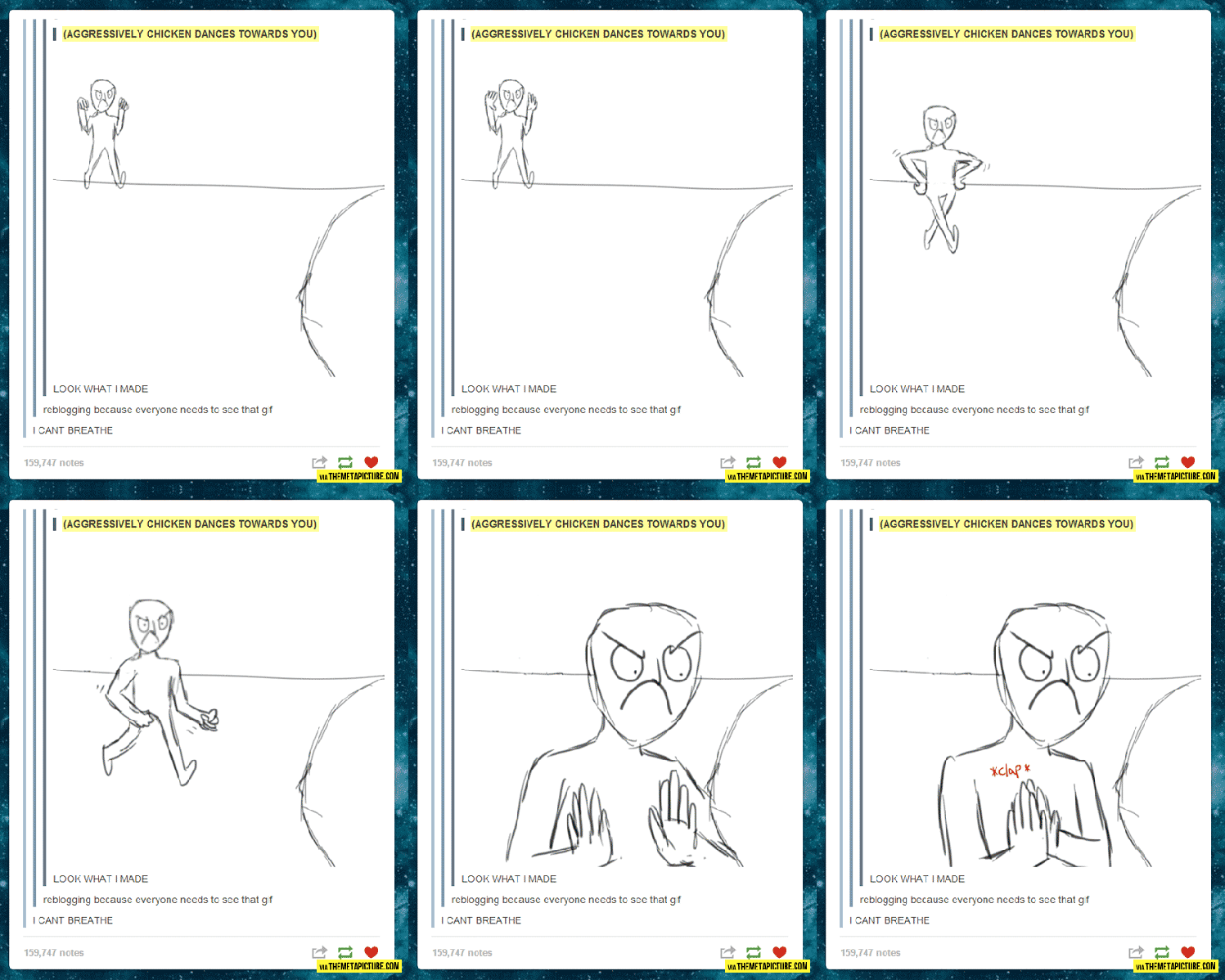
Chicken Dancing helps. Really. Flapping your arms and wiggling your butt in such a stupidly silly way is aerobic exercise, and the very act of exercising increases not only dopamine but also serotonin and endorphin get a boost. These are your “natural high” brain drugs. Have you ever noticed chicken dancers are never really sad while dancing? The ones crying excessively are either crying from happiness or extremely embarrassed teenagers forced to chicken dance by their goofy old dad.
For more information about chicken dancing and its possible uses for evil, check out this link The Dancing Poultry Conspiracy Theory. Because laughing about stuff is also a cure for depression. It tends to even bypass dopamine and take a left turn through serotonin straight into the pleasure centers of the brain.
Winning streaks also help immensely. Of course, I can’t always count on the St. Louis Blues to give me winning streaks. X-Box EA Sports MVP Baseball 2004set on the rookie difficulty level for the last decade helps with that. I have won over 300 consecutive games including two World Series sweeps that way. And Albert Pujols has hit over 1,000 home runs in his Mickian baseball career.
Check lists also help because they are the same thing as winning streaks. The sense of accomplishment you get from checking off boxes on your To-Do List also boosts dopamine in the same way. So what if I am listing routine things like walking the dog, picking up socks, and taking out the trash? A check mark is still a check mark and a check mark by any other name still smells like marker.
And, of course, there is listening to music. I am seriously addicted to classical music because every emotion from beautiful and awe-inspiring to butt-ugly brutal can be found somewhere in the works of the great composers. And don’t forget, Paul Simon, Don Henly, and Paul McCartney are in that category too.
8. And please, don’t forget food. Depressed eating can easily make you fat, but there are certain magical chemicals in certain foods that give you certain dopamine-building effects that can turn blue skies to bright sunshine. The primary chemical is called Tyrosine, and it can be found in a variety of foods like;
– Almonds
– Avocados
– Bananas
– Beef
– Chicken
– Chocolate
– Coffee
– Eggs
– Green Tea
– Milk
– Watermelon
– Yogurt
9. And finally, thinking skills are critical. While thinking too much and obsessing can get you into the tiger trap pits of depression, meditation, decompressive mantras and positive thinking can all dig you out and keep you out.
You are probably wondering what kind of nitwit authority I can actually bring to this topic, but I have spent a lot of money on therapy, not all of it for me, and I not only listen to psychiatrists and psychologists, but I remember what they explained to me. And I have tried enough things to know what works.
So while you are busy chicken dancing to Beethoven while eating a banana, rest assured, Mickey is probably doing something just as embarrassingly ridiculous at the very same time.
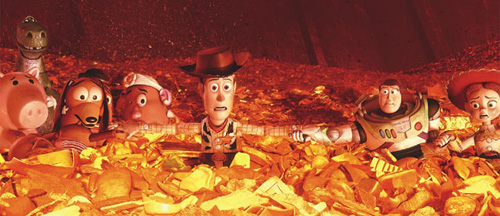
In my short, sweet sixty years of life, I have probably seen more than my share of movies. I have seen classic movies, black-and-white movies, cartoon movies, Humphrey Bogart movies, epic movies, science fiction movies, PeeWee Herman movies, Disney movies, Oscar-winning movies, and endless box-office stinkers. But in all of that, one of the most undeniable threads of all is that movies make me cry. In fact they make me cry so often it is a miracle that even a drop of moisture remains in my body. I should be a dried-out husk by now.
I wept horribly during this scene. Did you?
And the thing is, people make fun of you when you cry at movies. Especially cartoon movies like Scooby Doo on Zombie Island. (But I claim I was laughing so hard it brought tears to my eyes. That’s the truth, dear sister. So stop laughing at me.) But I would like to put forth another “Why do you think that?” notion. People who cry while watching a movie are stronger and more powerful than the people who laugh at them for crying. A self-serving thesis if ever there was one.
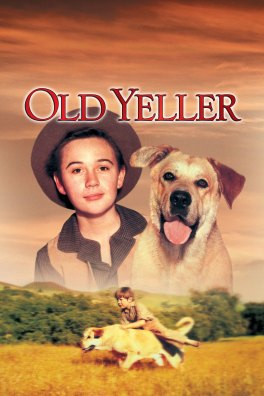
Movies can make you cry if you have the ability to feel empathy. We all know this. Old Yelleris the story of a dog who endears himself to a prairie farm family, saves Travis’s life at one point, and then gets infected with rabies and has to be put down. Dang! No dry eyes at the end of that one. Because everyone has encountered a dog and loyal dog-love somewhere along the line. And a ten-year-old dog is an old dog. The dogs you knew as a child helped you deal with mortality because invariably, no matter how much you loved them, dogs demonstrate what it means to die. Trixie and Scamper were both hit by cars. Queenie, Grampa’s collie, died of old age. Jiggs the Boston Terrier died of heat stroke one summer. You remember the pain of loss, and the story brings it all back.
Only psychopaths don’t feel empathy to some degree. Think about how you would feel if you were watching Old Yeller and somebody you were watching with started laughing when Travis pulls the trigger on the shotgun. Now, there’s a Stephen King sort of character.
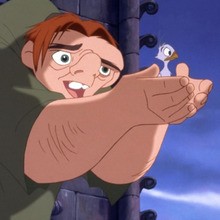
But I think I can defend having lots of empathy as a reason for crying a river of tears during Disney’s The Hunchback of Notre Dame. You see, identifying with Quasimodo as the main character, hoping for what he hopes for, feeling like a monster and completely unloved, and fearing what he fears connect you to the story in ways that completely immerses you in the experience. This is basically a monster movie.
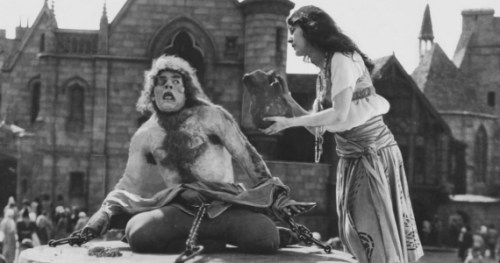
But the film puts you inside the head of the malformed man, and you realize that he is not the monster. Righteous Judge Frollo and the people who mistreat Quasimodo for his deformity of outward appearance are the real monsters. If you don’t cry a river of tears because of this story, then you have not learned the essential truth of Quasimodo. When we judge others harshly, we are really judging ourselves. In order to stop being monstrous, and be truly human, you must look inside the ugliness as Esmeralda does to see the heroic beauty inside others. Sometimes the ideas themselves are so powerful they make me weep. That’s when my sister and my wife look at me and shake their heads because tears are shooting out of me like a fountain, raining wetness two or three seats in every direction. But I believe I am a wiser man, a more resolved man, and ultimately a better man because I was not afraid to let a movie make me cry.
The music also helps to tell the story in ways that move my very soul to tears. Notice how the heroine walks the opposite way to the rest of the crowd. As they sing of what they desire, what they ask God to grant, she asks for nothing for herself. She shows empathy in every verse, asking only for help for others. And she alone walks to the light from the stained glass window. She alone is talking to God.
Yes, I am not embarrassed by the fact that movies make me cry. In fact, I should probably be proud that movies and stories and connections to other people, which they bring me, makes me feel it so deeply I cry. Maybe I am a sissy and a wimp. Maybe I deserved to be laughed at all those times for crying during the movie. But, hey, I’ll take the laughter. I am not above it. I am trying to be a humorist after all.
I threatened to write a post about Dave Barry and the writing gods apparently thought that was a very very bad idea. They have tried to prevent me from carrying out this idle threat by attacking my computer with gremlins. Now my WordPress page is shrinking practically out of sight. I can barely see what I am typing. You don’t believe me? Here’s what it looks like at the moment;
They obviously tricked me into pressing the secret shrink button on my computer, and I have no idea where to find the un-shrink features. Not only that, but my Facebook page is automatically translating everything it can into French. They really don’t want me to tell you about Dave Barry. And why do you suppose that is?
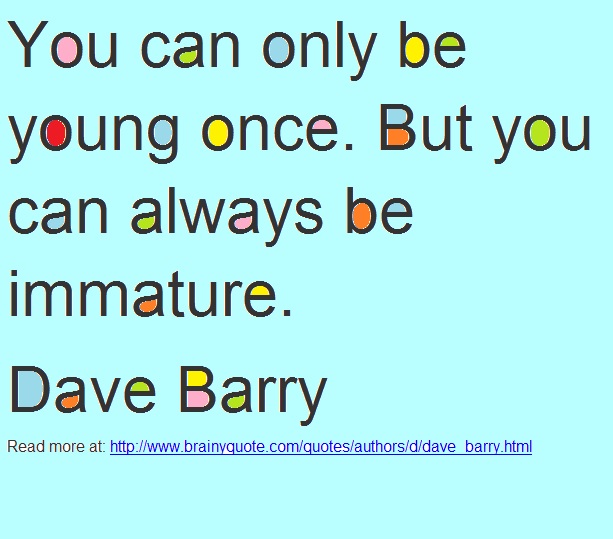
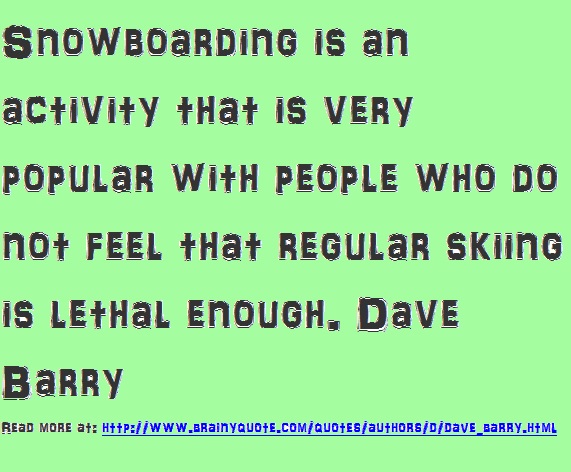
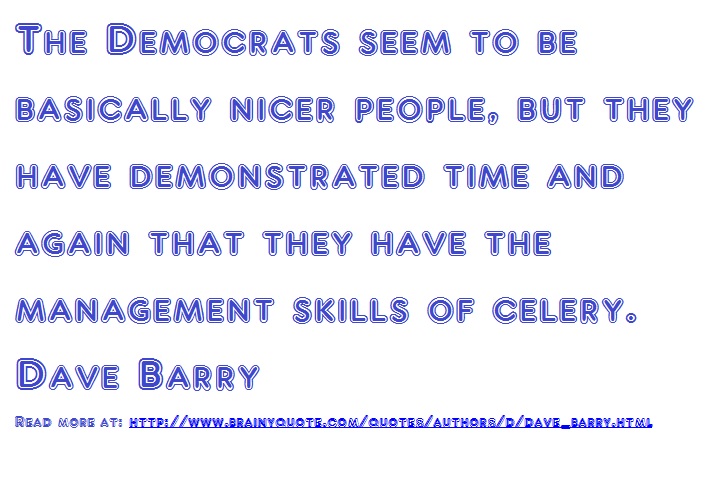
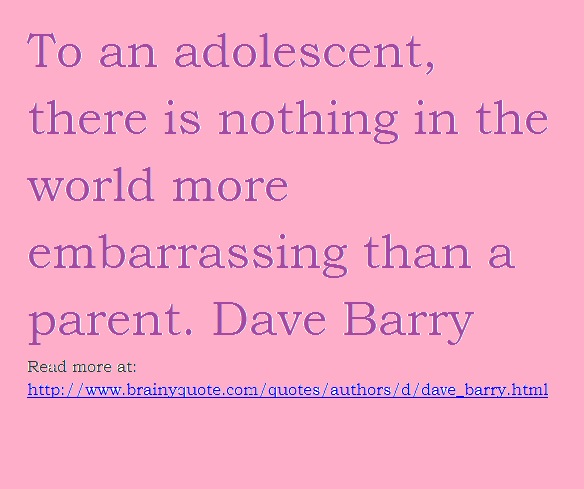
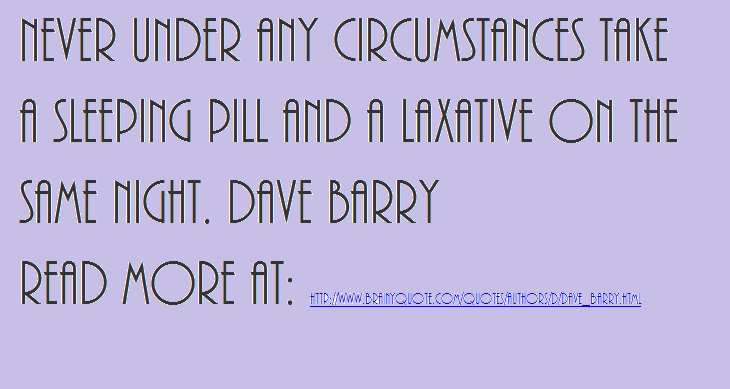
Well, Dave Barry may actually be me from a parallel dimension. He started writing for The Miami Herald in the early 80’s, at about the same time I started teaching. He retired from that in 2004 after winning a Pulitzer Prize and started writing humorous novels…. the same thing I started doing when I left the job I loved and was good at. Okay, so I am stretching the analogy to the point that all the buttons are popping off its shirt… but the point is, we are alike in some ways and I admire his work and I steal things from it whenever I possibly can. Like this post. I deeply admire the way he can say witty and pithy things. Like some of these quotes;
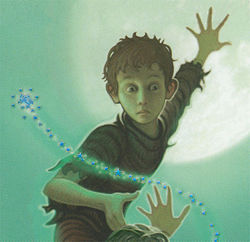
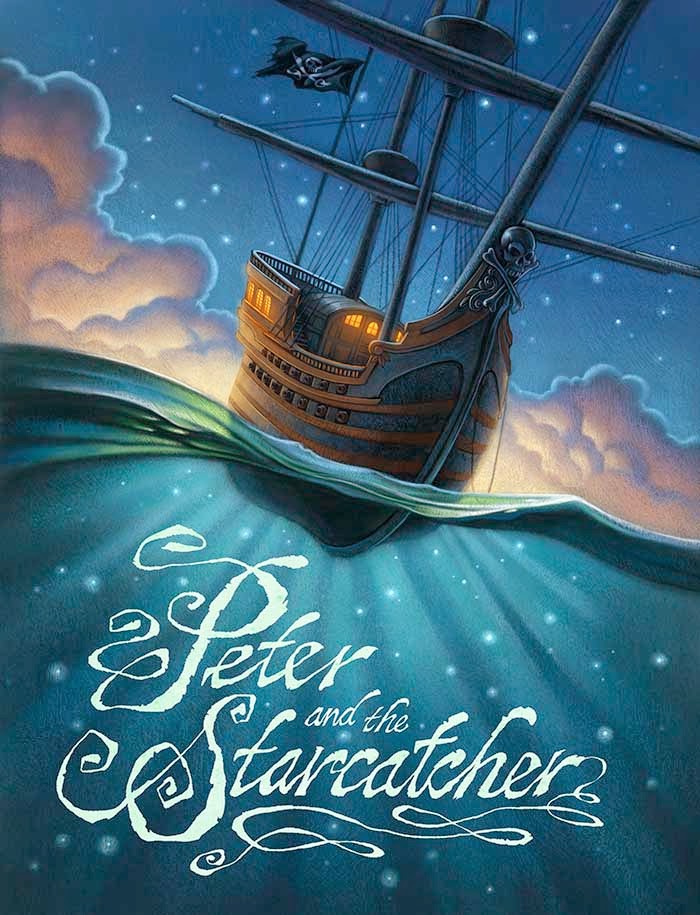
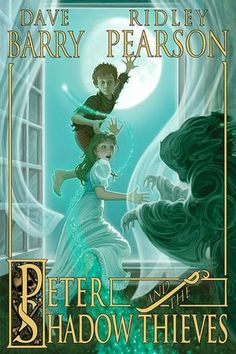
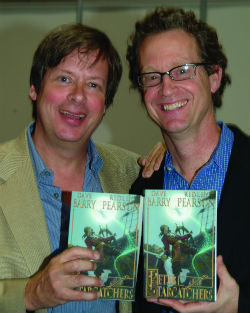
So, you see, he is very good at doing what I want to be good at. He is a humor columnist and all-around imitation Mark Twain. And I have read and loved his novels. Especially the Peter Pan things he writes with a partner.
Dave Barry and Ridley Pearson
So, I will leave this post here even though I could talk for hours about how Dave Barry makes me laugh. I have to stop. the words on the screen keep getting smaller and smaller, and my old eyes are about to fall out of my head.
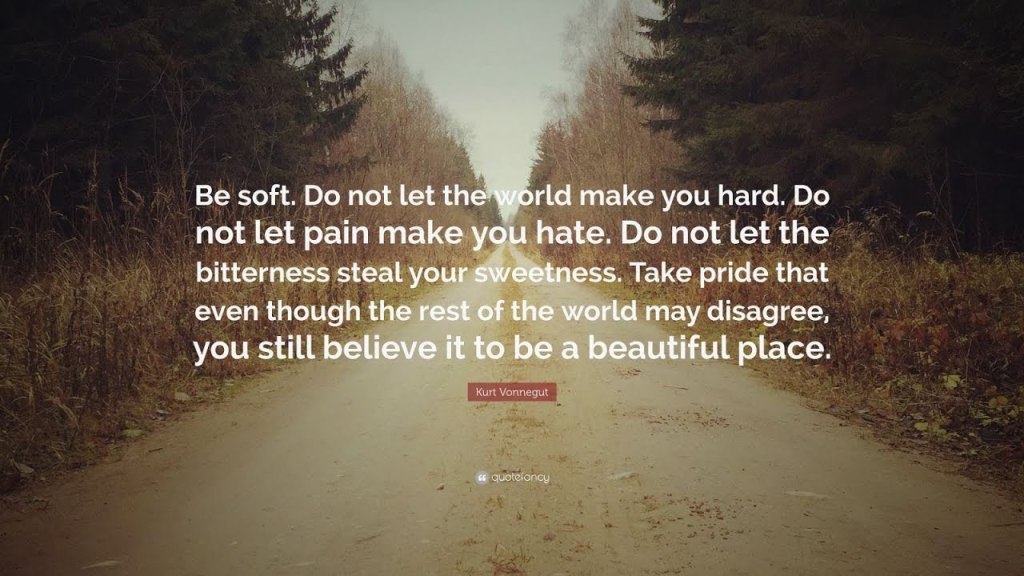
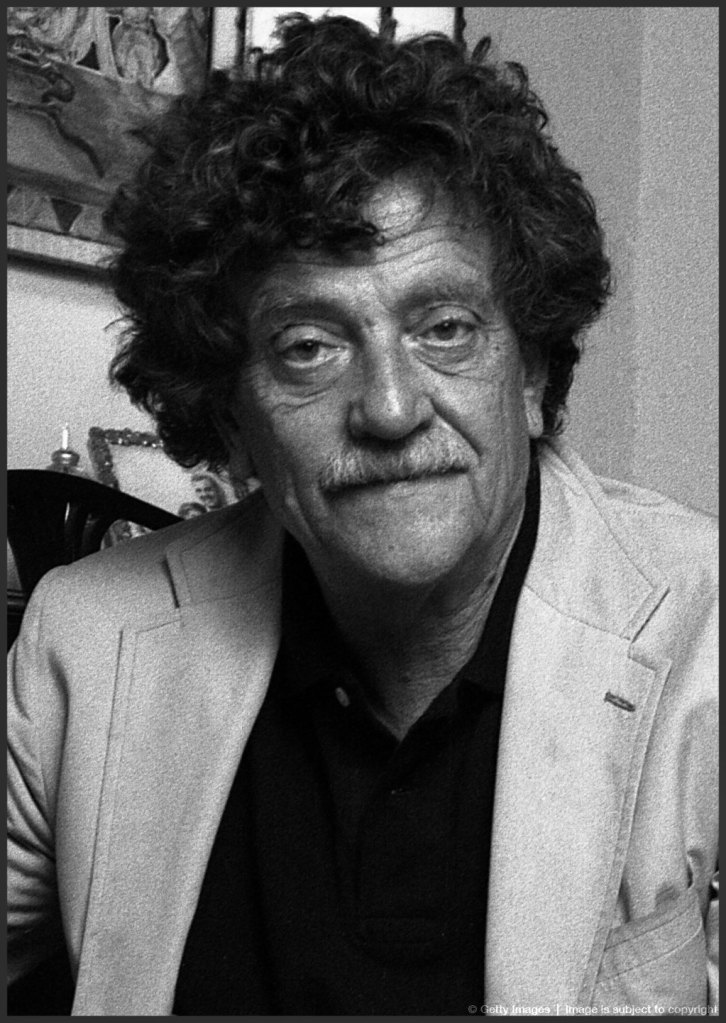
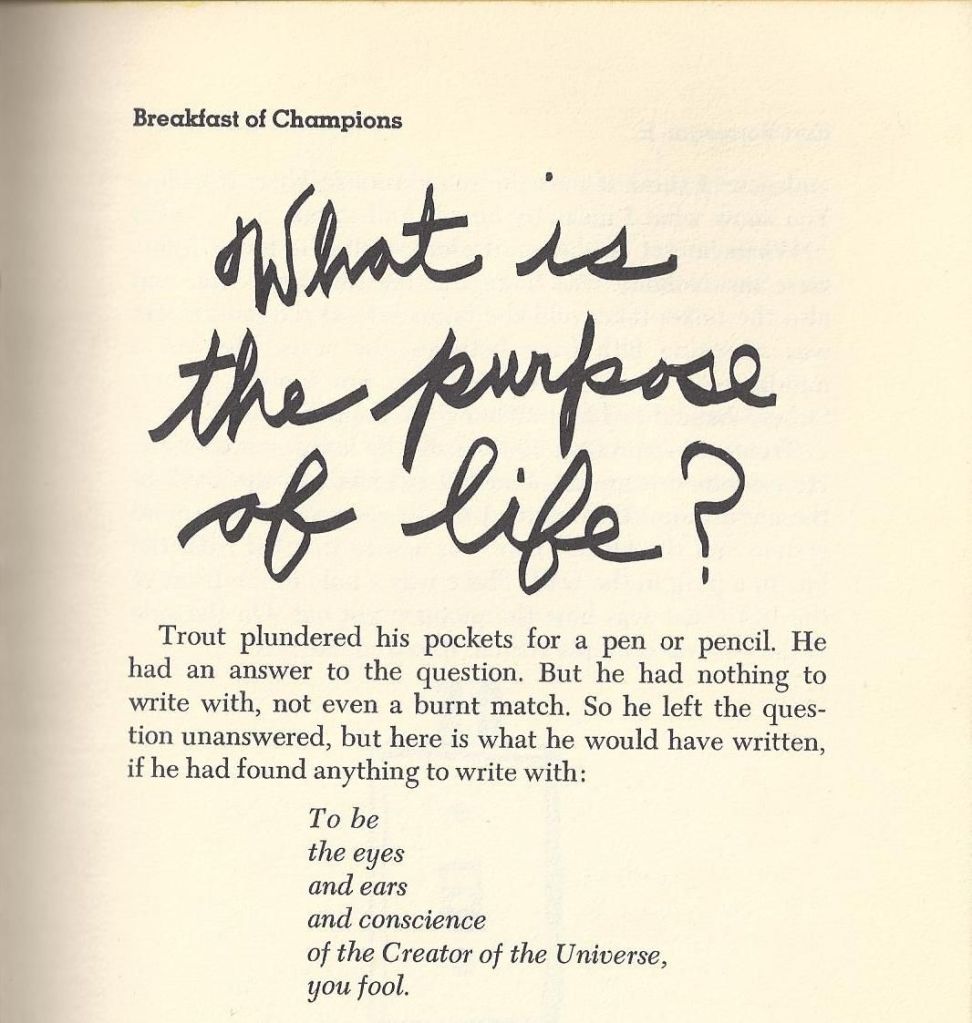
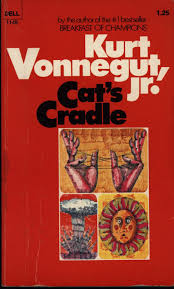
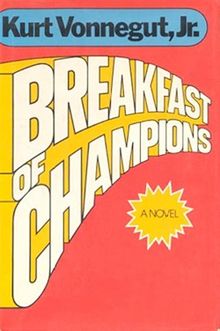
My experience of the works of Kurt Vonnegut is limited to the reading of three books; Cat’s Cradle, Breakfast of Champions, and Slaughterhouse Five. But it was enough to make me love him and use him as a shaper of my soul.
I deeply apologize for the fact that even though he only wrote 14 books and a bunch of short stories, I have not read everything I could get my hands on by Kurt. Three novels and one short story (Harrison Bergeron) is not really enough to compare to the many, many things that I have read by Mark Twain, Terry Pratchett, Louis L’Amour, and Michael Crichton. I can’t begin to count how many books of each of those four I have read and reread. But it is enough that I read those three novels and have a lifelong regret of never buying and reading Slapstick when I had the chance. Vonnegut writes black humor. The ideas are painful, and burn away flesh from your personal body of being. And at the same time, you cannot help but laugh at the pure, clean, horrifying truths his ridiculous stories reveal.
If, in the course of telling a story, you can put the sublime, the ridiculous, and the horrendous side by side, and make the reader see how they actually fit together, then you can write like Vonnegut.
Let me give you three quick and dirty book reports of the Vonnegut I have read in the order I have read them;
I read Cat’s Cradle in college. I was young and idealistic at the time, foolishly convinced I could be a great writer and cartoonist who could use my work to change mankind for the better.
In the book, Dr. Felix Hoenikker (a fictionalized co-creator of the atomic bomb) is obsessively re-stacking cannonballs in the town square in pursuit of a new way to align water molecules that will yield ice that does not melt at room temperature. Much as he did with the A-bomb, Hoenikker invents a world-ending science-thing without any thought for the possible consequences. The narrator of the novel is trying to write a humanizing biography of the scientist, and comes to observe the inevitable destruction of the whole world when the oceans freeze into Ice-9, the un-meltable ice crystal. Before the world ends, the narrator spends time on the fictional Carribean island of San Lorenzo where he learns the fictional religion known as Bokononism, and learns to make love to a beautiful woman by pressing bare feet together sole to sole. It is a nihilistic picture of what humans are really like more savagely bleak than any portrayal Monte Python’s Flying Circus ever did on TV.
Needless to say, my ideals were eventually shattered and my faith in the world shaken.
I read Breakfast of Champions after I had been teaching long enough to buy my own house, be newly married, and a father to one son. It was probably the worst time of life to be reading a book so cynical, yet true.
In this story, the author Kilgore Trout, much published but mostly unknown, is headed to Midland City to deliver a keynote address at an arts festival. Dwayne Hoover is a wealthy business man who owns a lot of Midland City real-estate. Trout gives Hoover a book (supposedly a message from the creator of the universe) to read that suggests that all people (except for the reader of the book… meaning Hoover) are machines with no free will. Hoover takes the message to heart and tries to set the machines free by breaking them, beating up his son, his lover, and nine other people before being taken into custody.
The book contains devastating themes of suicide, free will, and social and economic cruelty. It makes you sincerely reflect on your own cog-in-the-machine reality.
Slaughterhouse Five is a book I bought and read when I missed my chance to buy Slapstick and needed something to take home from HalfPrice Books to make me feel better about what I missed. (Of the five books I had intended to buy that day, none were still on the shelves in spite of the fact that they had been there the week before.) It was fortuitous. This proved to be the best novel I had ever read by Vonnegut.
Like most of his work, the story of Billy Pilgrim is a fractured mosaic of small story pieces not presented in chronological order. It details Billy’s safe, ordinary marriage to a wife who gives him two children, but it is ironically cluttered with death, accidents, being stalked by an assassin, and being kidnapped by aliens. It also details his experiences in World War II where he is captured by the Germans, held prisoner in Dresden, kept in an underground slaughterhouse, and ironically survives the fire-bombing of Dresden by the Allies. Further, it details his time as a zoo exhibit on the alien planet of Tralfamadore.
It explores the themes of depression, post-traumatic-stress disorder, and anti-war sentiment. Vonnegut himself was a prisoner of war in Dresden during the fire-bombing, so real-life experiences fill the book with gravitas that it might not otherwise possess. Whether the author was ever kidnapped by aliens or not, I cannot say.
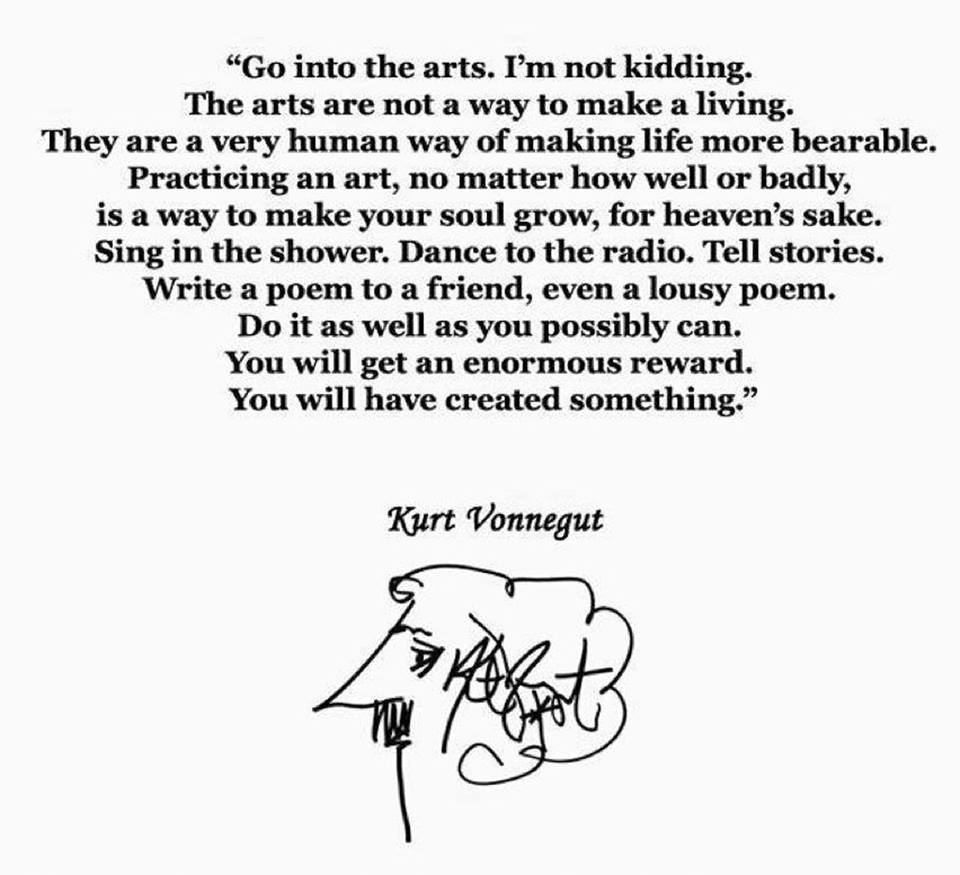
But Kurt Vonnegut’s desire to be a writer and portray himself as a writer in the character of Kilgore Trout, and even as himself in his work, has an awful lot to do with my desire to be a writer myself. Dark, pithy wisdom is his thing. But that wisdom, having been wrung from the darkness is all the more brightly lit because of that wringing. It is hard to read, but not hard to love.
Every writer, whether he or she writes fiction or non-fiction, is really writing about themselves. The product originates within the self. So, that self has to gaze into the mirror from time to time.
So, the question for today is, who, or possibly what, is Mickey?
I have been posting stuff every day for a few years now, and in that time, I have been much-visited on WordPress. Maybe not much-read, but then, you cannot actually tell if somebody read it or not. Most probably look only at the pictures. And, since I am also an artist of sorts, that can also be a good thing. Though, just like most artists, my nude studies are more popular than the pieces I value the most. But unless the looker makes a comment or leaves a “like”, you really have no idea if they read or understood any of the words I wrote. And you have no idea what they feel about the art. Maybe they just happened to click on one of my nudes while surfing for porn.
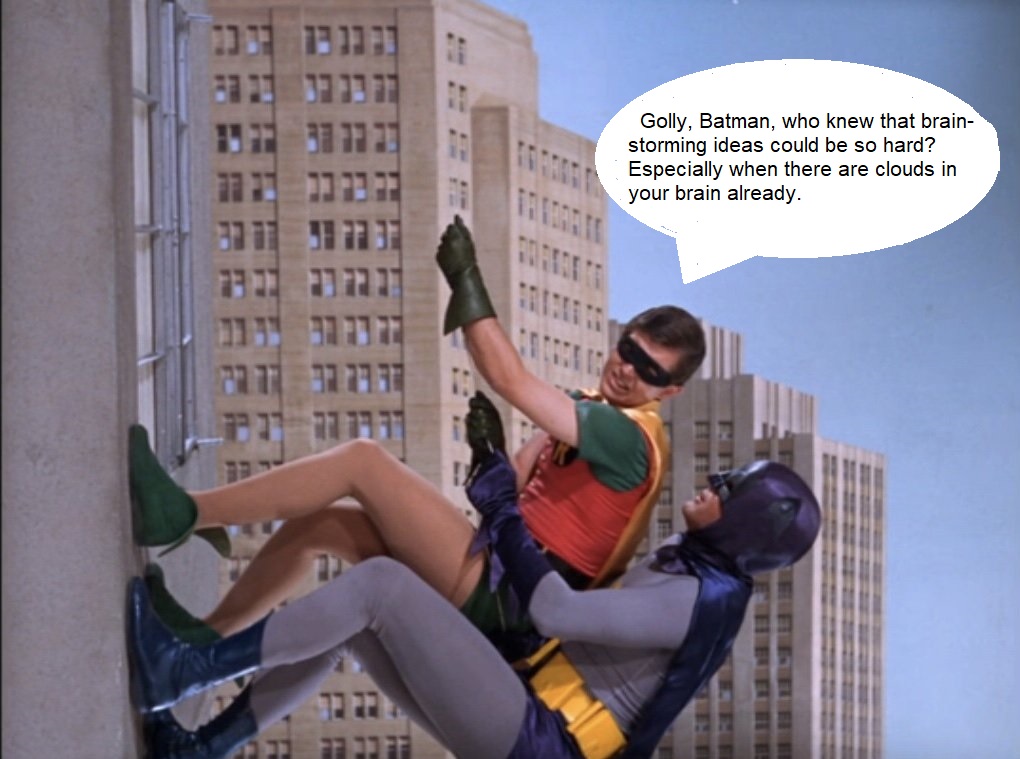
I rarely get below 50 views of something in my blog every day. The last three days were 86 views, 124 views yesterday, and 88 views already today. My blog has definitely picked up pace over the length of the coronavirus quarantine. But no definable reason seems obvious. Some of my posts are polished work, but Robin is right when he says today’s post is merely fishing with the process, which is true almost every day.
As a person I am quirky and filled with flaws, pearls of wisdom that result from clam-like dealing with flaws, strange metaphors that shine the pearls, and obsessions like the one I have with nudism that leaves me properly dressed for diving for pearls.
I have demonstrated throughout my life that I have an interest in and experience with nudism, though not the boldness to parade my naked self before the world outside of the writing that I do. I also spent most of my bachelorhood dating reading teachers and teachers’ aides, finally settling down and marrying another English teacher. I completed a thirty-one year career as an English teacher, which means I spent a lot of time teaching writing and reading to kids who were ages 12 to 18. Twenty-four of those years were spent in the middle school monkey house. And all of that led to being so mentally damaged that I wasn’t good for much beyond becoming a writer of YA novels or possibly subbing for other mentally-damaged teachers in middle schools around our house.
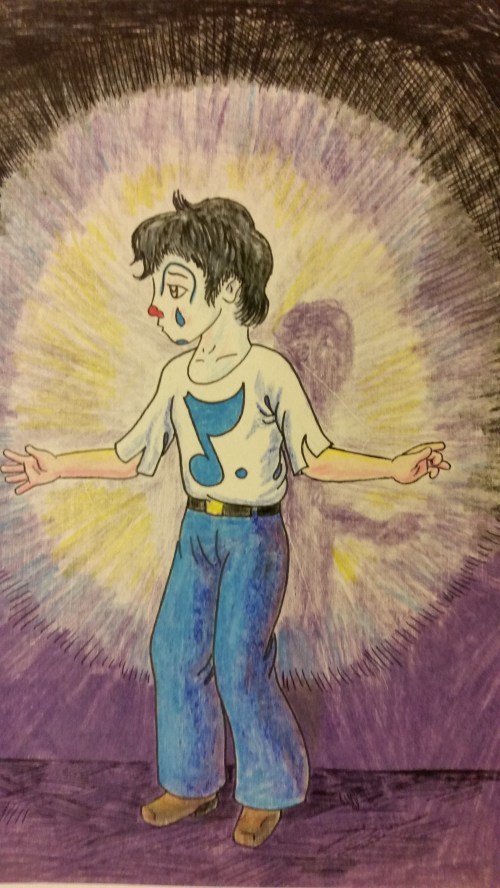
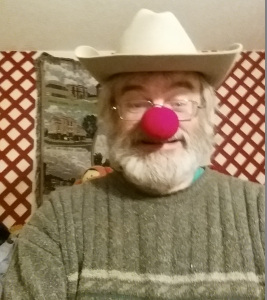
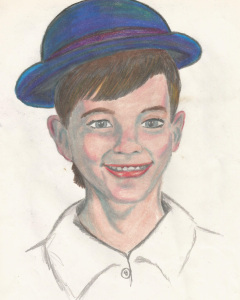
A real telling feature of what I have become is the fact that most of the characters I write about in my fiction are somehow a reflection of me. Milt Morgan, seen to the left, is illustrated here with a picture of me as a ten-year-old wearing a purple derby. Yes, I was that kind of geeky nerd.
And most of the plots are based around things that happened to me as a child, a youth, or a young teacher. Many of the events in the stories actually happened to me, though the telling and retelling of them are largely twisted around and reshaped. And I am aware of all the fairies, aliens, werewolves, and clowns that inhabit my stories. Though I would argue that they were real too in an imaginative and metaphorical way.
So, here now is a finished post of Mickey staring into the metaphorical mirror and trying in vain to define the real Michael, an impossible, but not unworthy task.
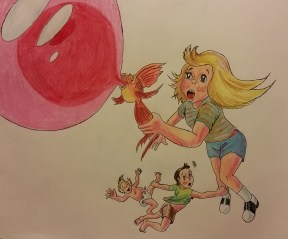
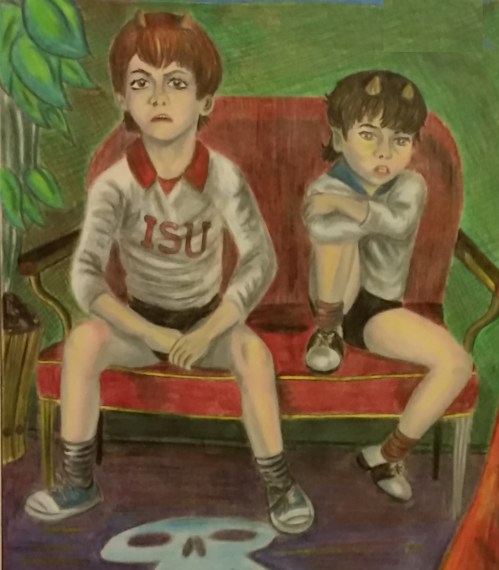
These are not my two sons. The picture was drawn fifteen and ninteen years before they were born. Yet they were my two sons in the cartoon story this picture was lifted from.
Am I literally able to fortell the future? Of course not. But as an overly-sensitive artistical type one could argue that there is evidence in my art and writings that my reality now was at least partially embedded in my consciousness many years ago.
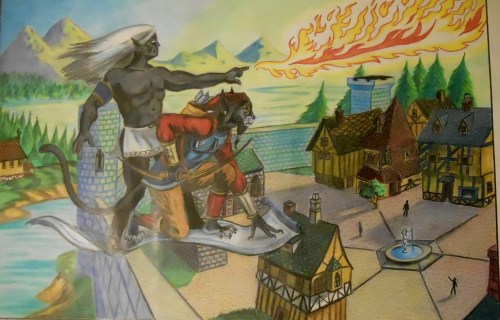
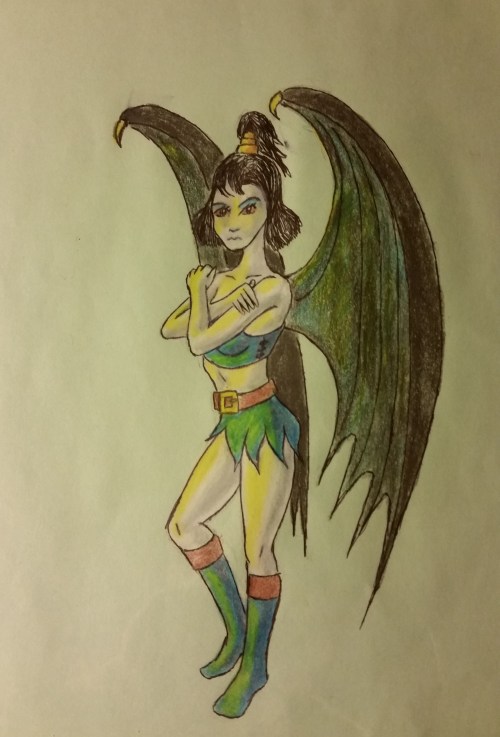
Estellia the Demoness
And truthfully, looking at the truth of things based on empirical evidence is what this point-of-view post is all about. We cannot always rely on the traditional concepts of good and evil as they have been taught to us. Sometimes you have to look at how the evidence stacks up properly, and just plain intuit a new way of seeing the whole picture. Yes, this is a portrait of a fifteen-year-old former student of mine. And she was definitely evil and difficult to deal with. But she went into nursing after high school. She works in the ER where her decisive ways and ferocious insistence on having things work out in her favor because that’s the way the established rules say it must be done turn into positive qualities that are probably saving lives in a Texas hospital as we speak. It is all in how you perceive the truth of a situation and then apply it.
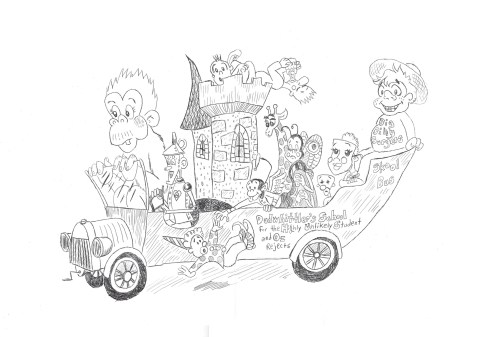
Comedy, of course, depends greatly on rearranging your point of view. If you are going to make a joke about something, you have to re-mix and un-match the details in ways that still make a sort of sense to the reader or the hearer of the joke. I have taught at schools like Dudwhittler’s. If you are a teacher, you recognize that that school bus carries not only that which is funny, but also that which is very true. The teacher driving the bus is a tin man who easily rusts and cries too much, thus rusting further, but you can see he has earned his heart, even if he has to drive the bus on top of teaching so he will have enough money to buy food.
But probably the most anticipated thing from a new perspective that you were expecting since reading the title is a new perspective on the Coronavirus shut-down and economic depression. That alternative take is simply this… the pandemic, though extremely hard and painful, is a good thing that happened at the right time.
I am willing to say this, even though the way the virus has been mishandled in this country is going to very likely be the death of me, because there are benefits that we simply don’t recognize without a thorough punch to the gut and another to loose teeth.
It is a good thing because it will make it harder for Herr Fuhrer Pumpkinhead to win the next election, and he will probably take a number of corrupt Republicans down to the bottom of the sea with him.
It is a good thing because it is proving to us that we can survive on less and still make our way out of the bad situation.
It is a good thing because kids get extra time off from school, and probably also the chance to spend more time with the people who really teach them things we need them to know… like parents, grandparents on Zoom, teachers who don’t fear distance-learning technology, and trolls on the internet (Yes, I know that last one is risky and mainly learning the hard way, but it is also true from before the virus hit).
It is a good thing because the air is cleaner. And we have proven that we can make radical adjustments when it is a matter of life and death. And the environmental crisis is actually a matter of life and death.
So, now I’ve had my twisted say about my pretzel-minded perspective. And so you can now trash it, or possibly learn to like pretzels.
















The Joys of Editing Yourself
I am now in the final phase of publishing The Bicycle-Wheel Genius. I am merely waiting for Amazon to object to whatever ridiculously minute formatting error I may still have going. And I once again had to publish without benefit of a beta reader or an editor of any kind. You learn things about yourself that you really don’t want to know.
What I have learned;
Oh, yeah. I edited the book all by myself. And now it’s done. Time to start a new novel and make all the same mistakes over again.
Leave a comment
Filed under commentary, feeling sorry for myself, foolishness, humor, novel, novel plans, NOVEL WRITING, Paffooney, work in progress, writing
Tagged as novel writing, the Bicycle-Wheel Genius