
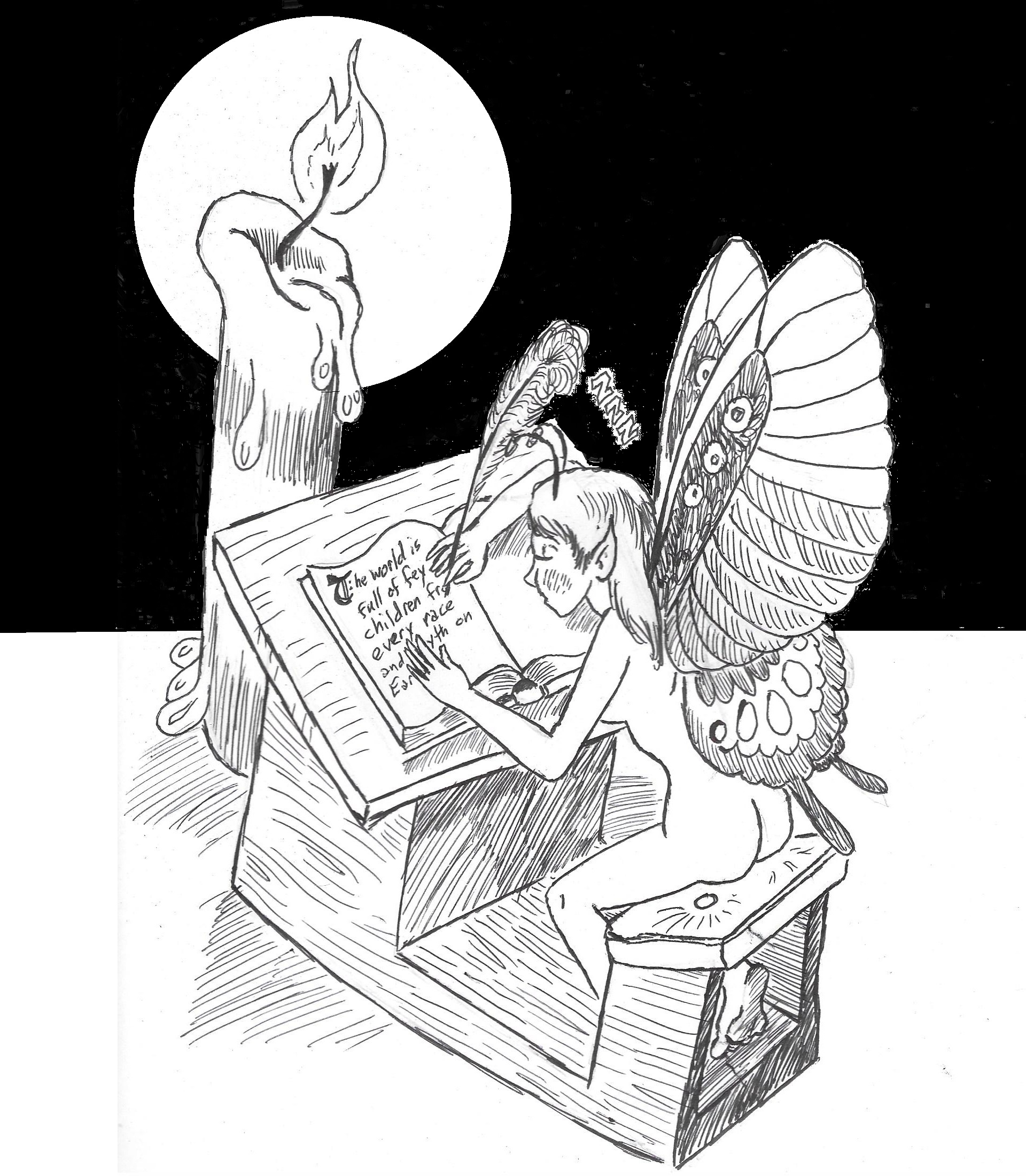
I have always contended that I don’t have writer’s block. But some days, especially if I am not feeling well, I have writer’s lethargy. I can be slow to come up with the next thing. Writing can become bogged down and I am easily distracted or lose focus and have to return to what I was trying to do previously.
There is evidence that I have often had that kind of problem frequently on this blog. One thing I do to overcome writer’s lethargy is suddenly start thinking about how you can overcome writer’s block. What are the strategies that help me overcome it?
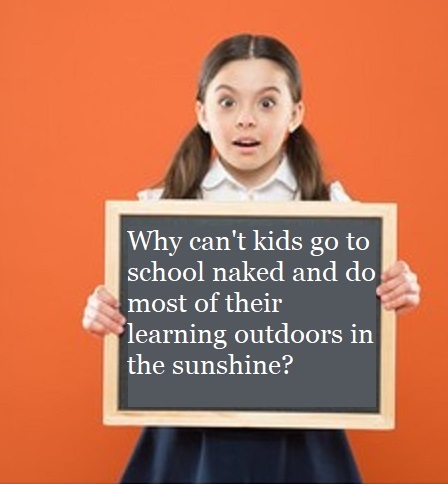
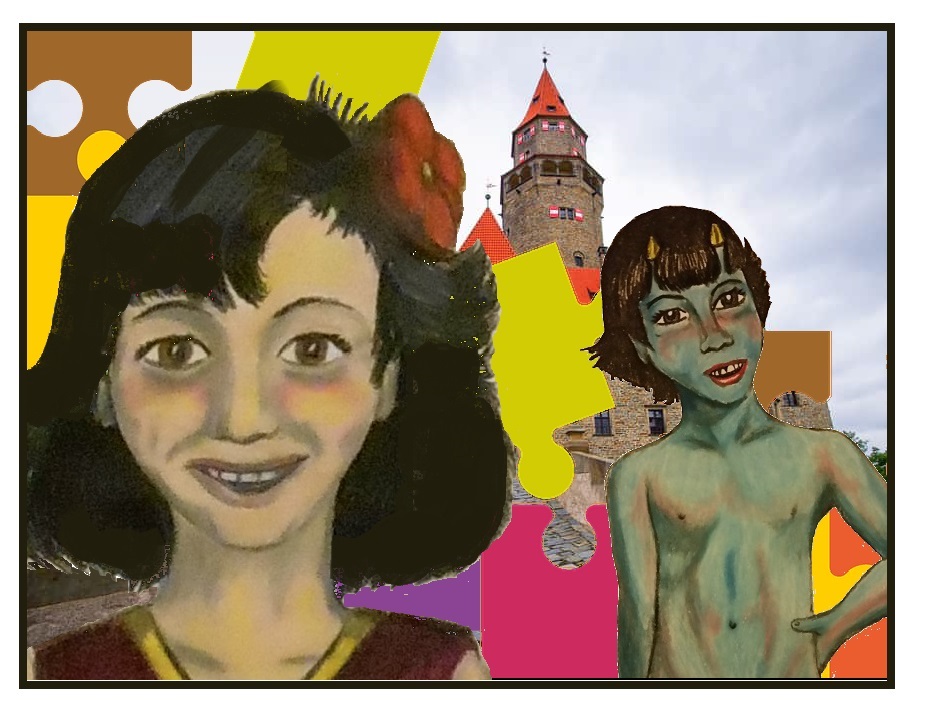
I often resort to “kickstart statements.” These are surprising or deep-left-field items that give the old brain a shot of adrenaline. The picture of the girl with the message blackboard is that kind of kickstarter. I never could have used that thing in any kind of social-media post when I was still employed as a teacher. It has the potential to generate parent complaints and administrative thoughts about evaluations and contract cancellations. But there really are kids who have thoughts like that in your classroom, and I know because not only was I a kid like that myself, I used it as an optional journal topic for writing practice, and, boy! do they ever catch fire when they can write about something like that and they know only the teacher is ever going to read it. It is the way I learned how many of my students had ever been to a nude beach in Corpus Christi or Lake Travis (Hippy Hollow.)
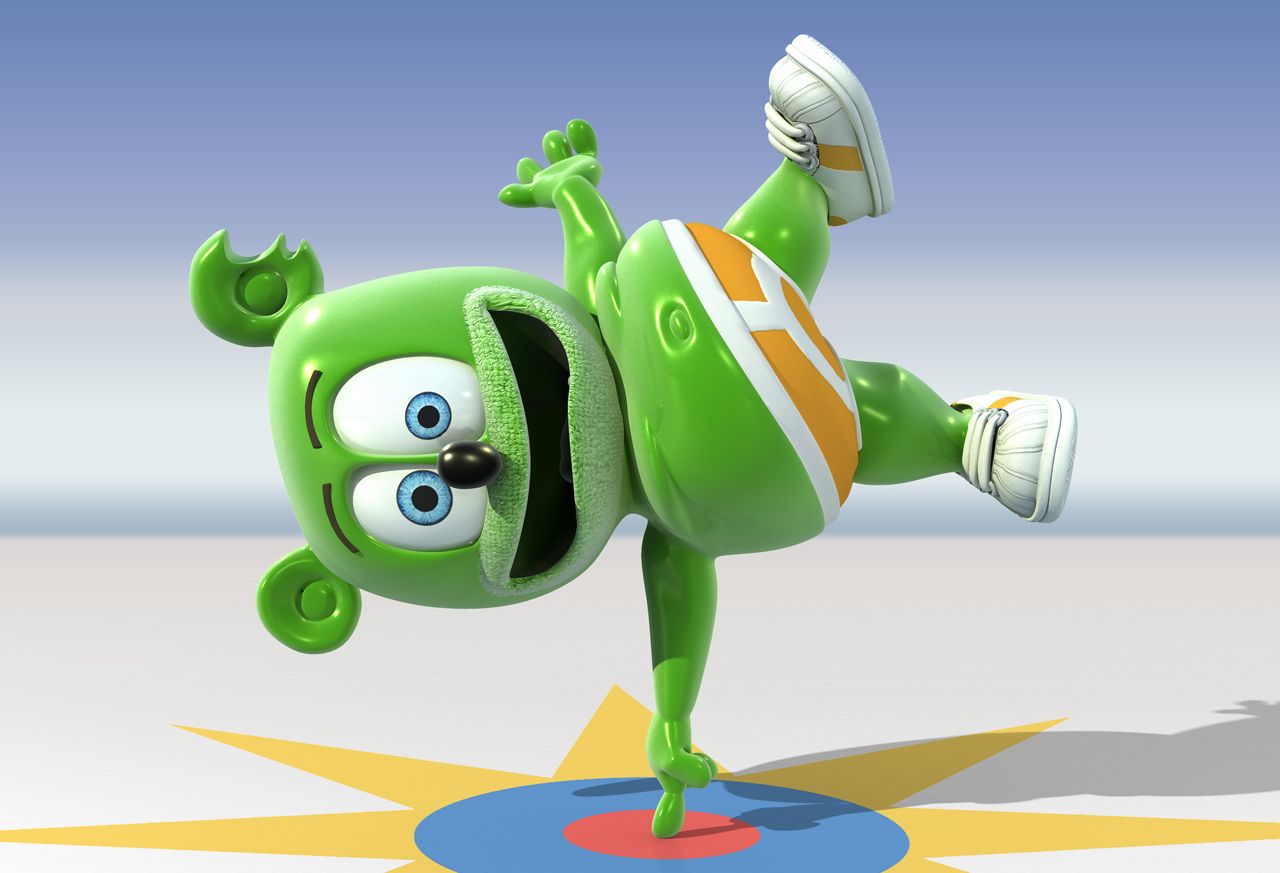
I can also look around the room, or scroll through my media library on WordPress and find an image or an item that generates ideas, responses, and even stories. I scrolled through to find this image of the Gummi Bear, who was a brief internet sensation on YouTube a few years ago coming from German CGI cartoons that illustrated earworm music with dancing green gummy bears. There’s a lot a goofy writer like me can run away with inspired by a nonsense thing like that.
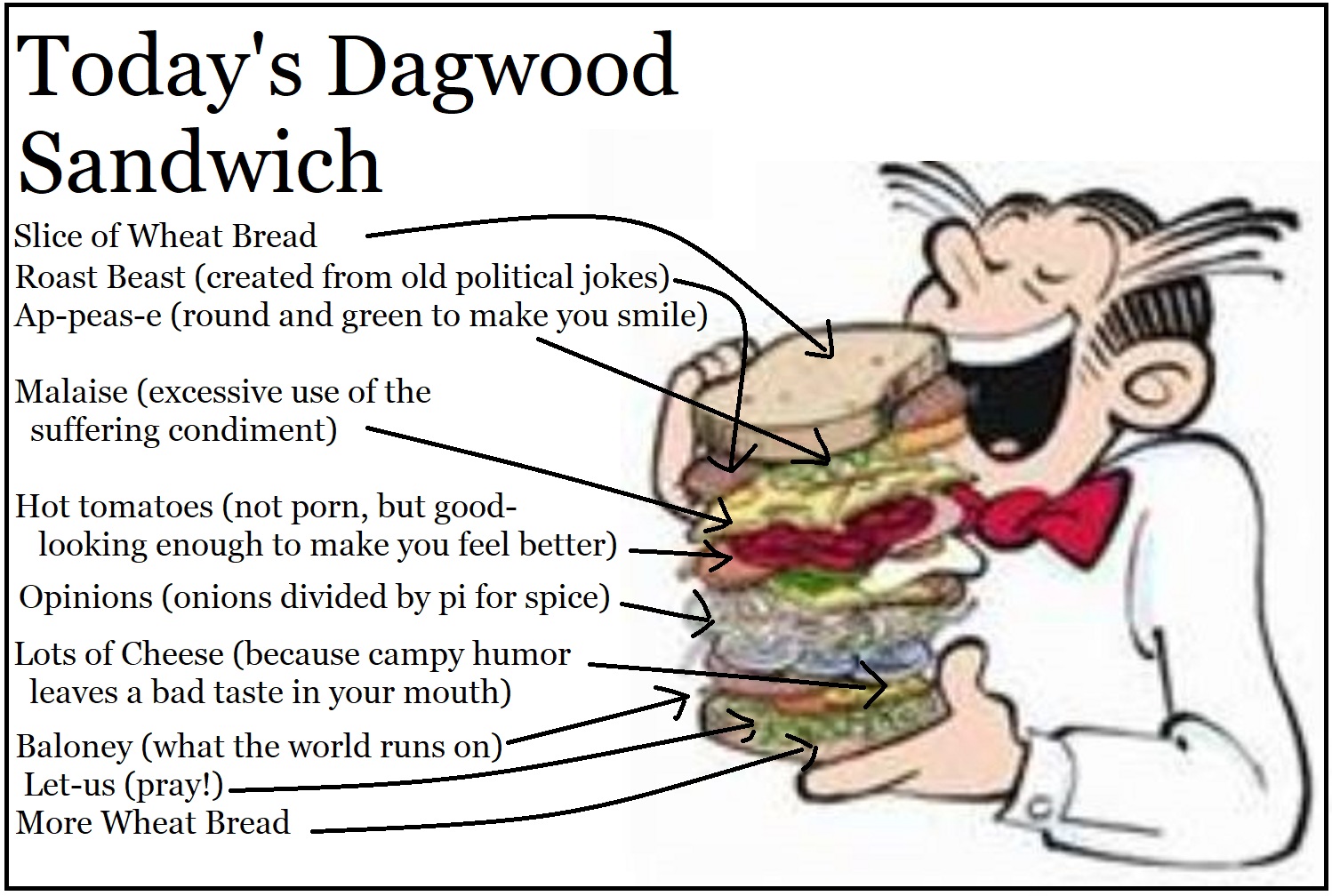
It is also possible to generate new ideas by deconstructing a metaphor in as humorous and convoluted a way as possible. This word-food thing is the result of writer’s lethargy of a while back.

Of course, there is always the ranting factor. This, I think, is a go-to method used by stand-up comedians. They will pick something that is deeply bugging them, like the rats that inhabit my attic and walls during a winter that hasn’t yet completely gone. And they start listing all the ways they can make funny stories about the time the rat appeared on the bathroom floor tiles while my daughter was on the toilet, or the time the dog killed a rat that was in the trap already, but not dead enough not to bite back with the dog’s nose conveniently within the reach of rat teeth. And then they can rant onward about how disgusting rats are. And how can anyone look at a rat face and think they are cute? You look at that evil, beady-eyed face and you don’t think Mickey Mouse, you think plague, disease, the Black Death, and how much the Bank of America lawyer who sued you looks just like that.
So, you can see that generating ideas is easy. And you can write something interesting even on days when you can’t think of anything … quickly. When you have, not writer’s block, but writer’s lethargy.







 Catch a Falling Star
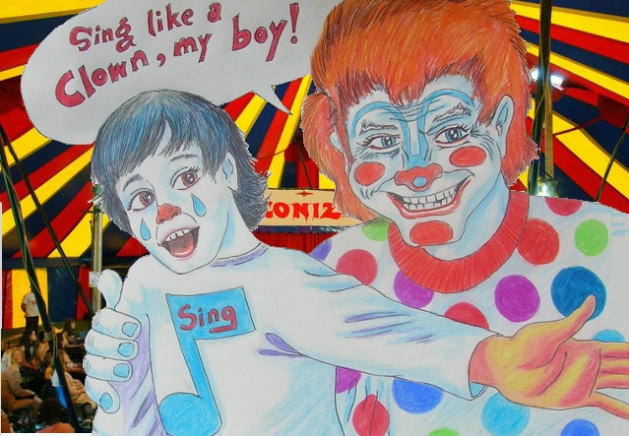
I Love to Laugh
“Mickey, why can’t you be more serious the way smart people are?”
“Well, now, my dear, I think I take humor very seriously.”
“How can you say that? You never seem to be serious for more than a few seconds in a row.”
“I can say it in a high, squeaky, falsetto voice so I sound like Mickey Mouse.”
“You know that’s not what I mean.”
“I can also burp it… well, maybe not so much since I was in junior high.”
“I distinctly remember getting in trouble in Mrs. Mennenga’s third grade class in school for pantomiming pulling my beating heart out of my chest and accidentally dropping it on the floor. She lectured me about being more studious. But I made Alicia sitting in the row beside me laugh. It was all worth it. And the teacher was right. I don’t remember anything from the lesson on adding fractions we were supposed to be doing. But I remember that laugh. It is one precious piece of the golden treasure I put in the treasure chest of memories I keep stored in my heart.”
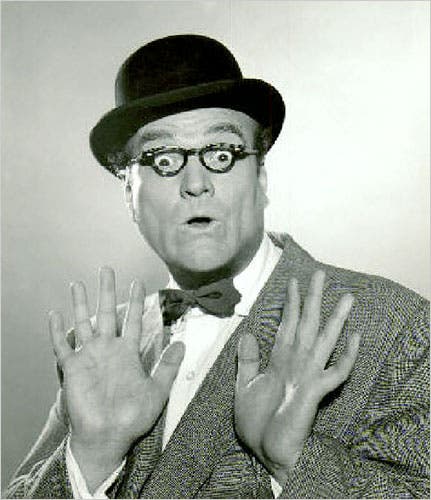
“I always listened to the words Groucho Marx was saying, even though he said them awfully fast and sneaky-like. I listened to the words. Other characters didn’t seem to listen to him. He didn’t seem to listen to them. Yet, how could he respond like he did if he really wasn’t listening? In his answers were always golden bits of wisdom. Other people laughed at his jokes when the laugh track told them to. I laughed when I understood the wisdom.”
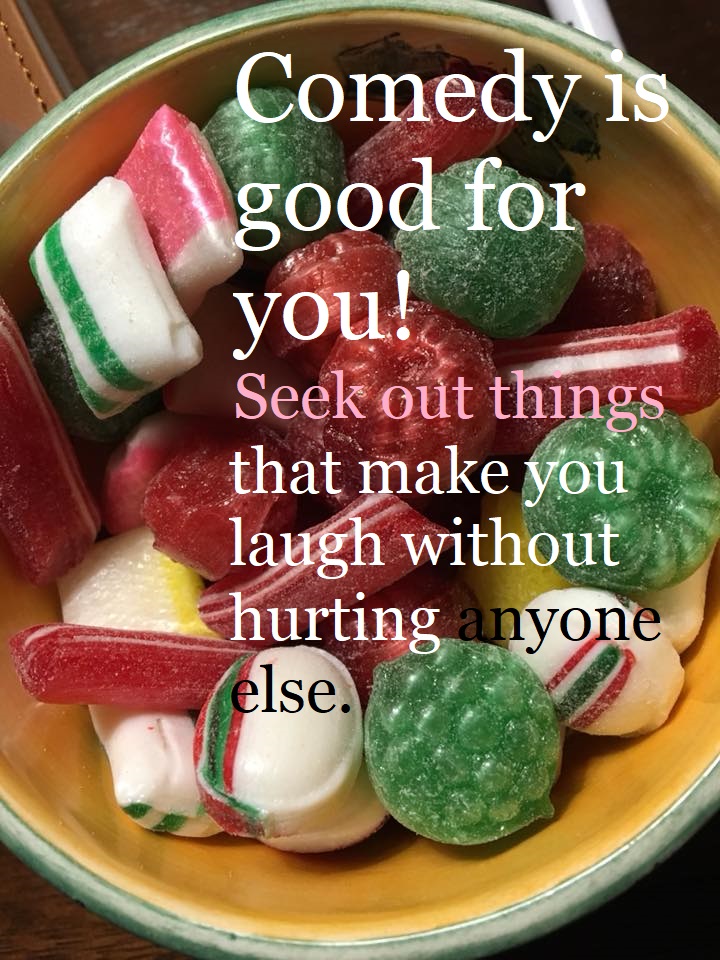
“Laughing is a way of showing understanding. Laughing is a way of making yourself feel good. Laughing is good for your brain and your heart and your soul. So, I want to laugh more. I need to laugh more. I love to laugh.”
2 Comments
Filed under autobiography, comedians, commentary, goofiness, goofy thoughts, humor, irony, Paffooney, strange and wonderful ideas about life, wisdom
Tagged as Ed Wynn, Groucho Marx, Moe Howard