

It has been my intention for a while now to tell funny stories on Friday. Specifically, funny stories about being a teacher and dealing with kids, the thing I know best in life. But, with the things that have happened, the pandemic, the screwball gangster President and his Friday follies, ill health, and other things pressing on my mind, I have failed rather badly.
So, bear with me (pun intended) as I give it another try with a story about Hope and Beauty.
Going back to the last millennium, in the year 1996, I had one solitary class of sixth grade English while teaching mostly seventh graders in a school building that was being renovated while we were learning within it. Often to the sound of electric drills and hammering. (A new wing was being added as our junior high school of grades 7 and 8 was being magically transformed by a school grant, and the addition of 6th graders, to become a middle school.
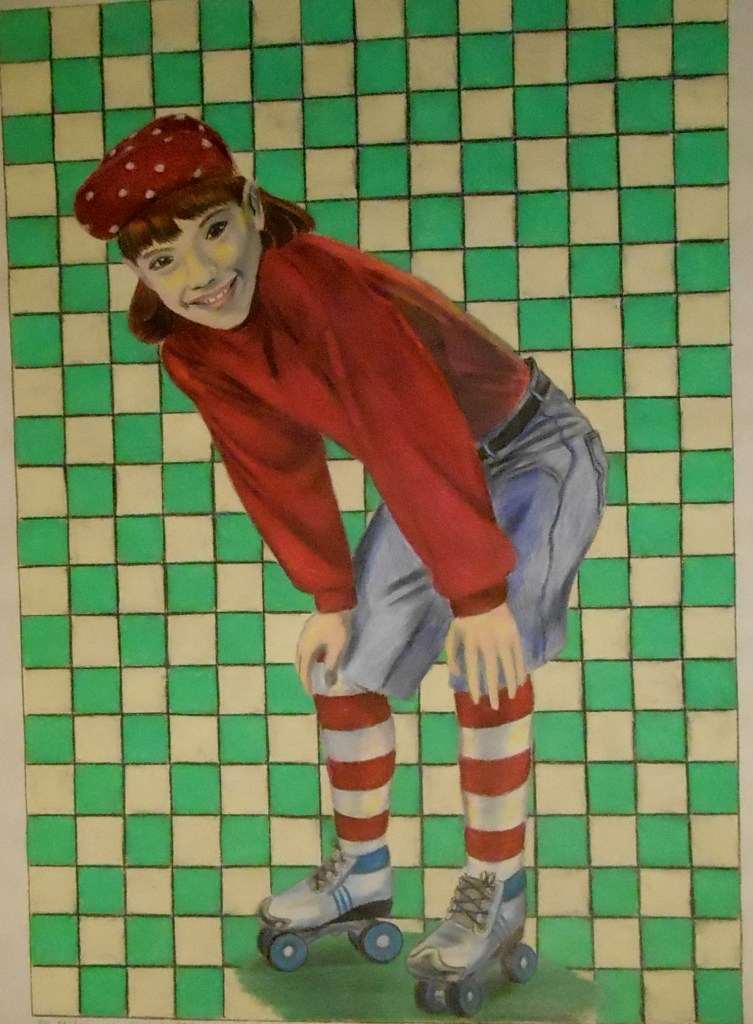
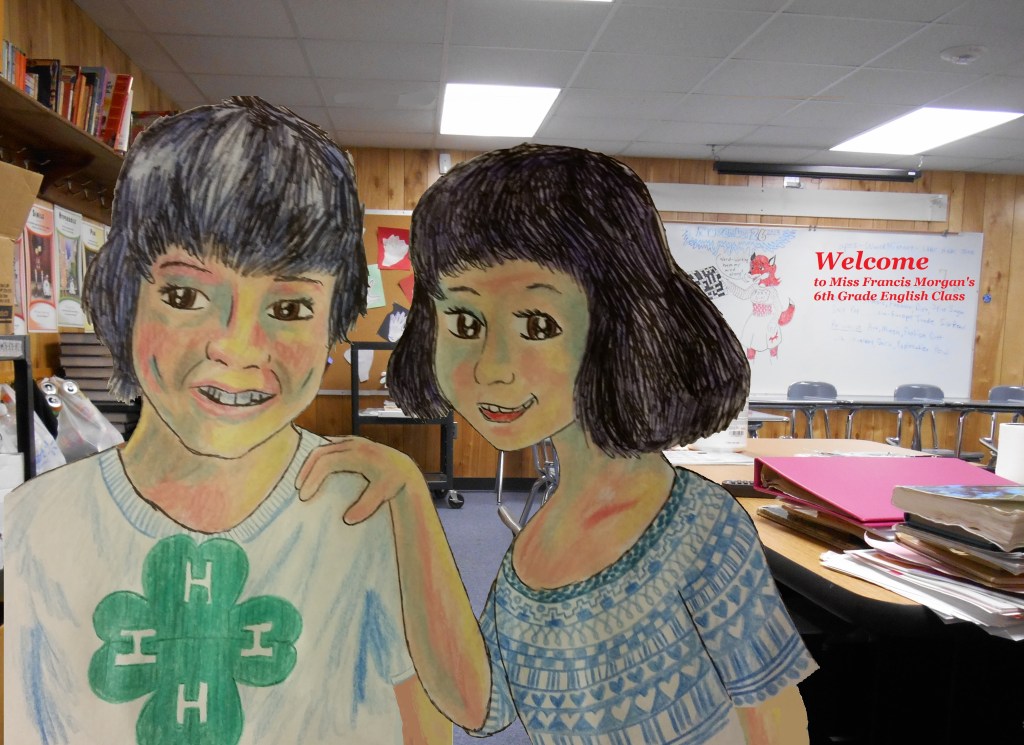
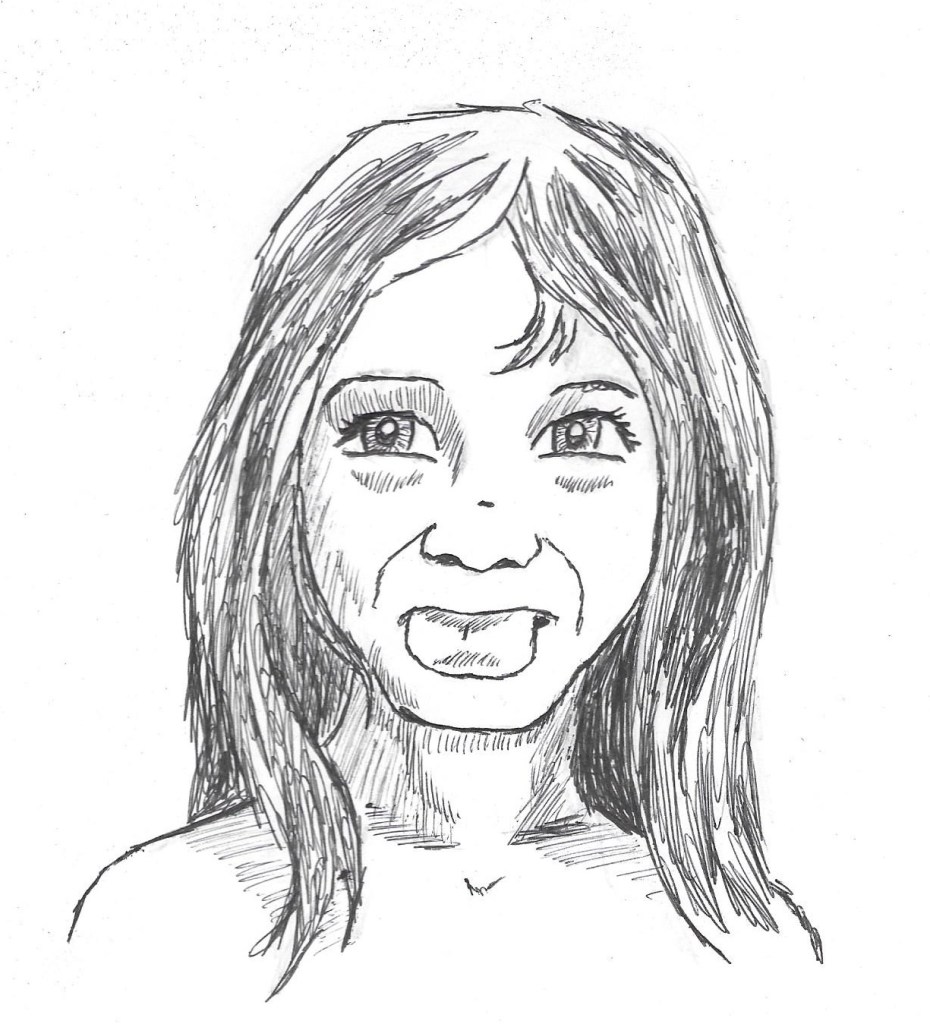
Esperanza and Bonita were the leaders of that sixth grade class. Fourteen kids, 7 girls and 7 boys. Esperanza and Bonita were the leaders because they were the two biggest 6th graders in the whole school. Not biggest by weight, the fattest boy in 6th grade was also in that class. The most mature. Bonita was hoping to go out for boys’ football in seventh grade, because she had been told that girls had won the right in court to play football if they wished. And she loved to tackle boys. The midgets in that 6th grade class were all terrified of her. One of the midgets spent his 6th-grade days pining in the back row to sit next to her but was too afraid to ever tell her that.
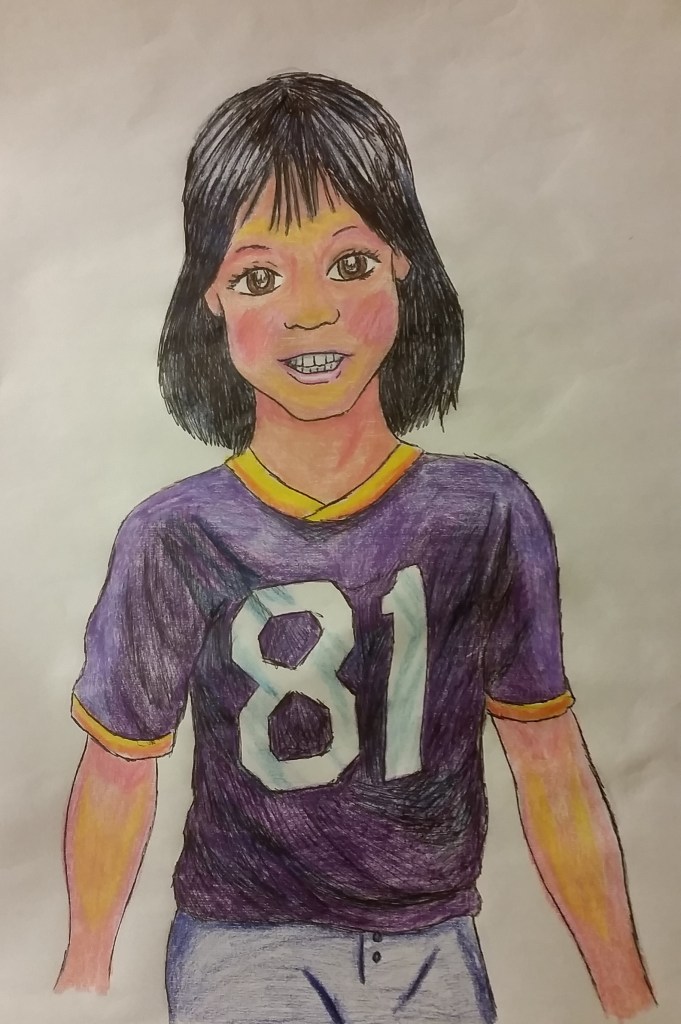
Esperanza and Bonita were best friends, and they were also the two best students in my class. They sat side by side in the front row. They would answer every single question in class if I let them. Of course, I didn’t let them. I got as much of a laugh out of other students’ wrong answers as they did. They were merciless about every goof Sammy Sanchez made, but Sammy had a good sense of humor about it, and I swear, he made some mistakes on purpose just because he loved to hear Esperanza laughing. She was probably the prettiest girl in 6th grade and had an equally pretty laugh. (That is not, of course, Sammy’s real name. I protect students’ real names in my writing. But the double S’s in his name were paired with the word “Stupid” in real life.) I was fond of both girls. And most of the time they were fond of me too.
“You’re my favorite teacher,” Esperanza once told me. “It’s because we can really talk about stuff in your class. Not just book stuff. But real-life stuff.”
Most of the “stuff” she meant was in journal writing that they did at the beginning of class. That is where I learned that she was a virgin. And it was where I advised her that it was entirely up to her when she gave it up and to whom. I told her no boy had the right to pressure her into doing anything she didn’t want to do. I gave similar advice to the boy in question privately after school, and he was actually a bit relieved to get the advice. I know that I was overstepping boundaries to give such advice. But they both believed that nobody else would ever be told about it. I was the only one who read that journal entry, and they knew that. And I have never told it until now, a fact about which you still don’t know the real names to go with it.
That class wanted badly to have a “class party” after Spring Break when the year was winding down. I only agreed if they would turn it into a learning experience. So, Esperanza and Bonita took charge. They planned and executed the lesson; “How to make and appreciate different kinds of Mexican Food”. The two of them taught it. Bonita was in charge of discipline. Esperanza taught us about all the ingredients in her aunt’s prize-winning sopapillas. Sammy gave us a memorable and even remotely possible run-down on how Doritos were probably made. And Max, the white kid, shared his Grandma’s recipe for German chocolate cake. You can’t get better Mexican food than that. And a certain mournful midget got to sit next to Bonita while they ate cake.
Both girls were in my class for two more years after that. I had the honor of being their teacher in both the seventh and the eighth grade.
As an eighth grader, Bonita broke my heart with a story she wrote about forgiving her stepfather for beating her in the third grade. It was a beautiful story. But I was torn. Teachers, by law, have to report child abuse. But Bonita pointed out that the man no longer lived with her, and besides, the assignment was to write a fiction story. (I never told anybody but my wife about my being sexually assaulted at the age of ten at that point in my life, but it was the reason I could clearly see what was true and what was fiction.) That story made more than just me cry.
And in the end, Bonita never got a chance to play boys’ football in middle school… or high school either. The boys eventually got bigger, and she didn’t. But that was a good thing too. Bonita at linebacker… the boys would never have survived it.
I will end by letting you in on a secret. In Spanish, Esperanza means “Hope,” and Bonita means “Little Pretty One,” or even “Beauty.”




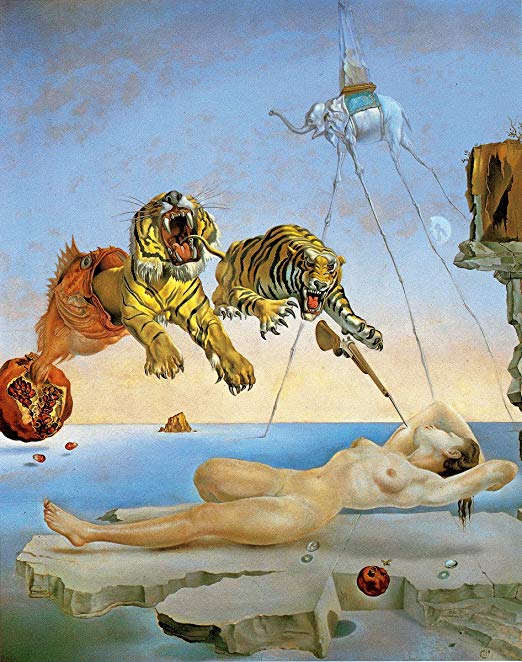
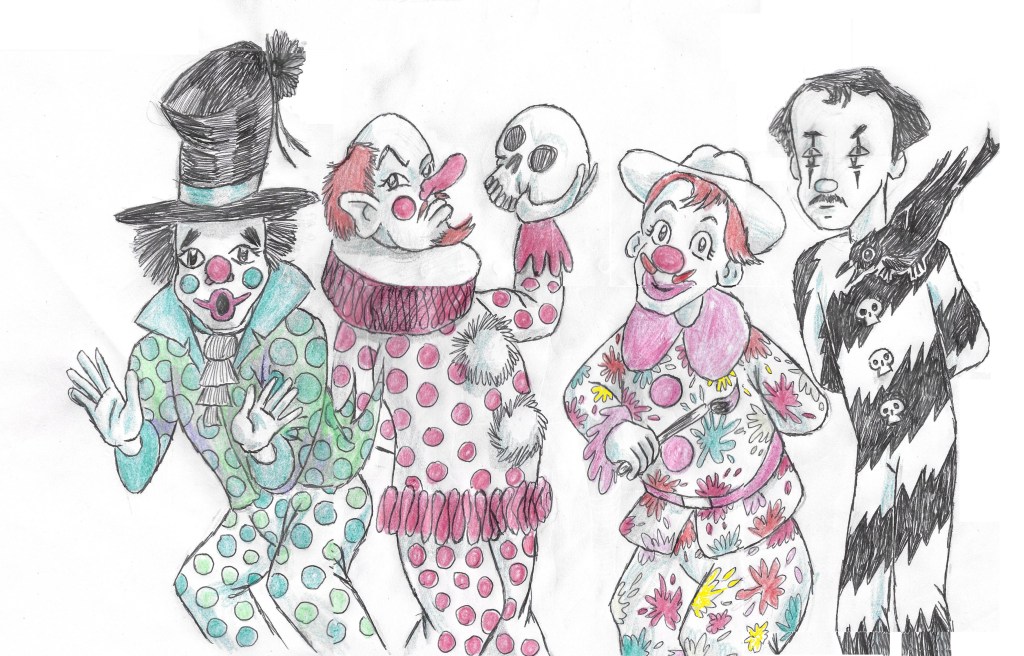
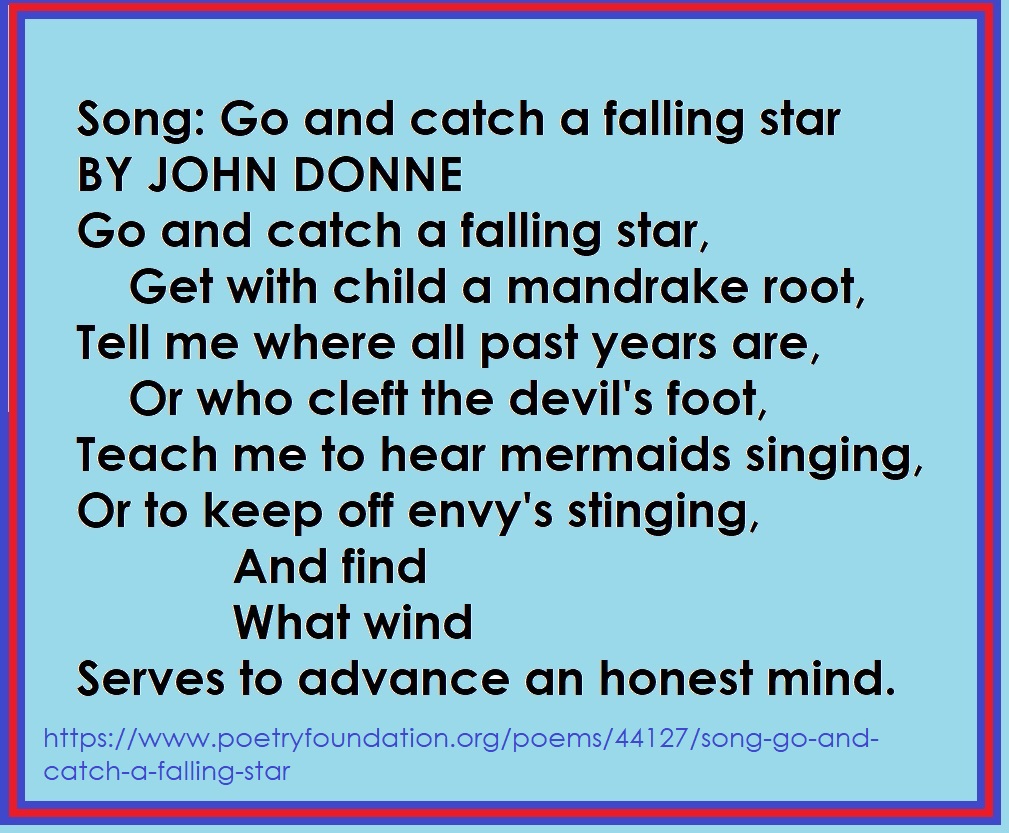
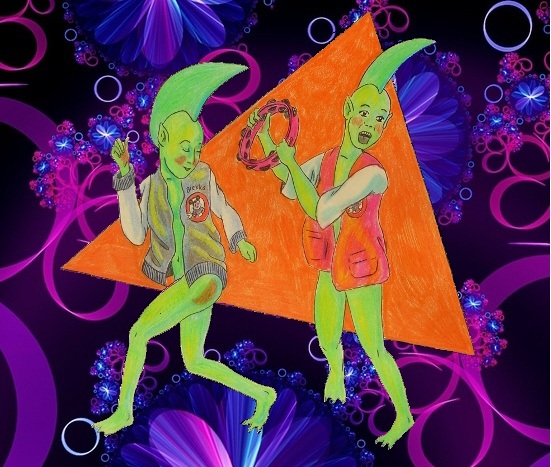

 Catch a Falling Star
Stepping Out of My Skin
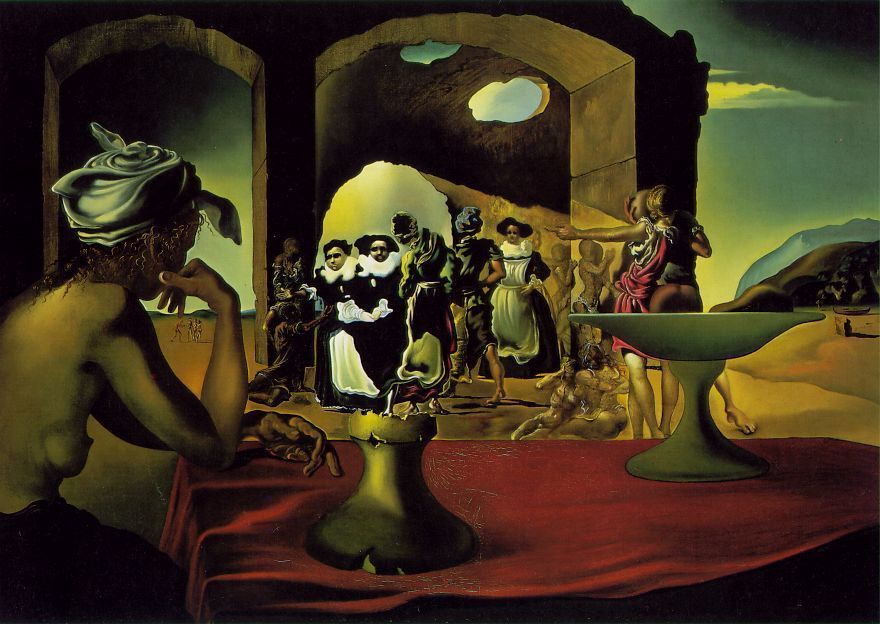
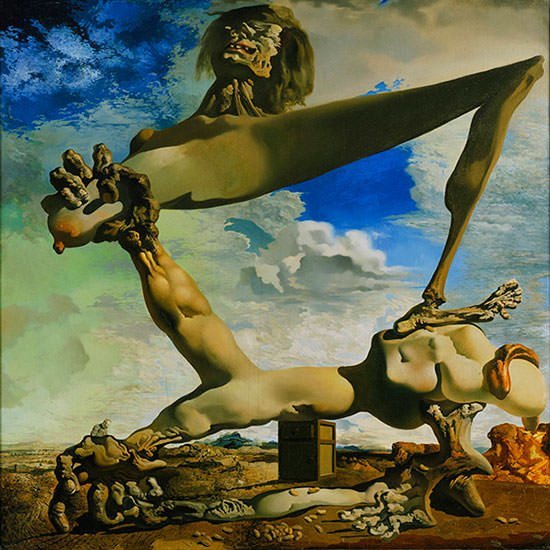
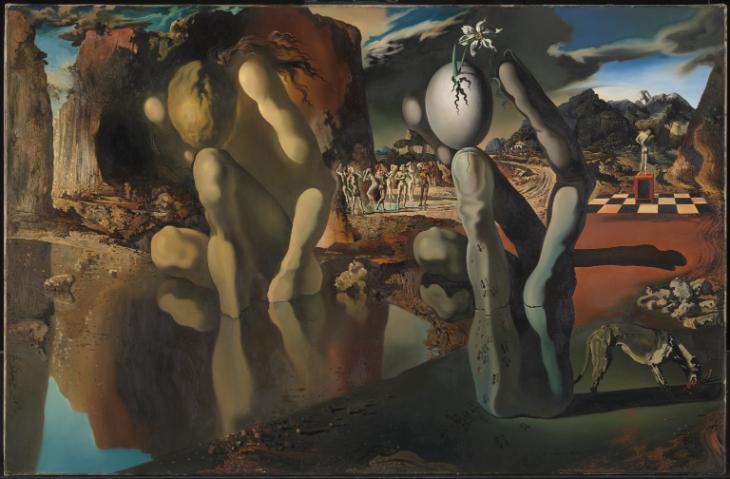
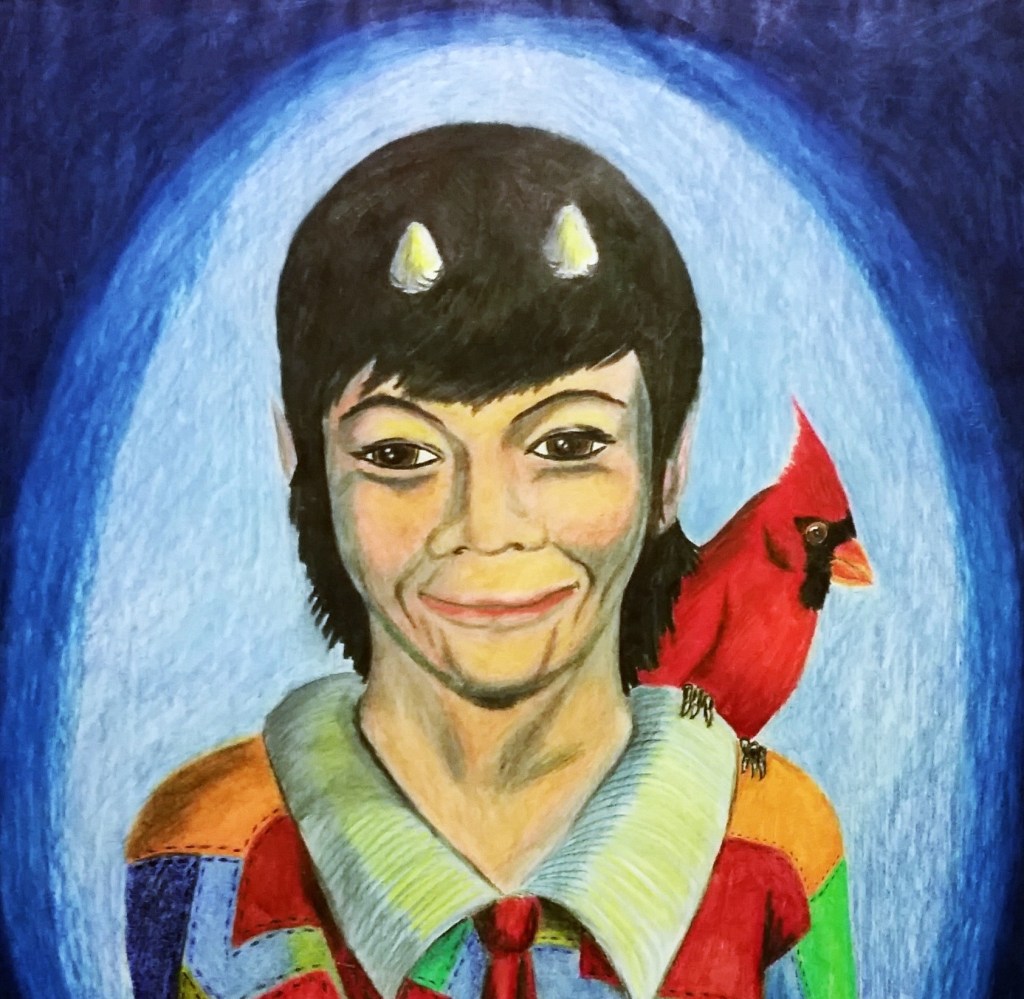
Who exactly am I?
I know who I wish to be.
And I have a pretty clear idea
Of who I have actually been.
Bur do I have a notion of who I am now?
Have I finally awakened after watching…
The bowling of little green men?
I live inside the heads of characters,
And walk around in their imaginary lives.
I pretend to be someone I don’t want to be.
And then I try to break out again.
But the problems I have
Are not quite my own,
Though once they were
In the long-ago way back when.
I look into mirrors that are shattered,
And see myself twisted and grim.
And I complain about just what I see there,
And the poetry just does not rhyme.
Who am I?
Where am I?
What am I?
How?
Mostly I think
I’m that thing from the circus.
You know the one.
That thing that rhymes with brown.
But mostly also I think,
I am something entirely else.
A writer.
Yes, that’s the one.
3 Comments
Filed under artwork, autobiography, commentary, foolishness, humor, Paffooney, poetry, writing, writing humor