Category Archives: artists I admire

Lazy Sunday Silliness

mr8kecd

Imagination is always the place I go in times of trouble.  I have a part of my silly old brain devoted to dancing the cartoon dance of the dundering doofus.  It has to be there that I flee to and hide because problems and mistakes and guilt and pessimism are constantly building un-funny tiger-traps of gloom for me to rot at the bottom of.  You combat the darkness with bright light.  You combat hatred with love.  You combat unhappiness with silly cartoonish imaginings.  Well… maybe you don’t.  But I do.
calvin-and-hobbes

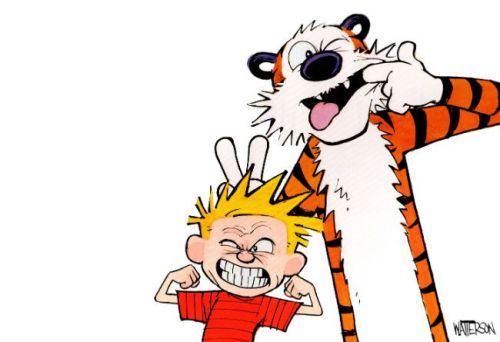
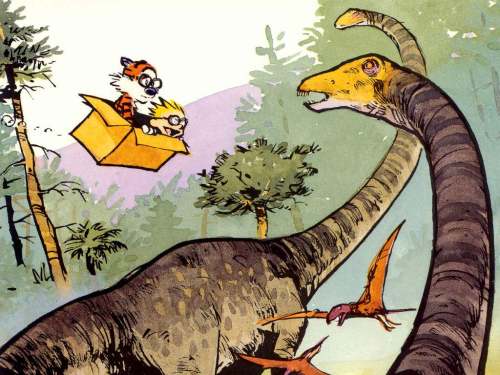
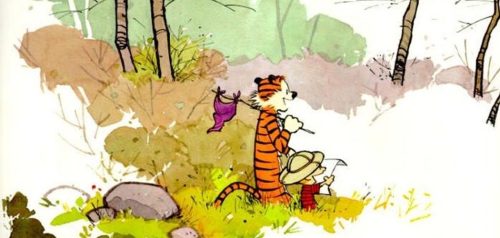
When reading the Sunday funnies in the newspaper on lazy Sunday afternoons, I spent years admiring Bill Watterson’s Calvin and Hobbes for its artistry and imaginative humor, believing it was about a kid who actually had a pet talking tiger.  I didn’t get the notion that Hobbes was actually a toy tiger for the longest time.  That’s because it was basically the story of my own boyhood.  I had a stuffed tiger when I was small. He talked.  He went on adventures with me.  And he talked me into breaking stuff and getting into trouble with Mom and Dad. It was absolutely realistic to me.
Dinosaurs

I have always lived in my imagination.  Few people see the world the way I view it.  I have at least four imaginary children to go along with the three that everybody insists are real.  There’s Radasha, the boy faun, my novel characters Tim Kellogg and Valerie Clarke, and the ghost dog that lurks around the house, especially at night.  That plus Dorin, Henry, and the Princess (the three fake names that I use in this blog for my three real children).
calvin-hobbes-art-before-commerce-1050x500

Have you noticed how Watterson’s water-color backgrounds fade into white nothingness the way daydreams do?  Calvin and Hobbes were always a cartoon about turning the unreal into the real, turning ideas upside down and looking at them through the filter-glasses of Spaceman Spiff.

Spaceman-Spiff

Unique and wonderful solutions to life’s problems can come about that way.  I mean, I can’t actually use a bloggular raygun to vaporize city pool inspectors, but I can put ideas together in unusual ways to overcome challenges.  I almost got the pool running again by problem-solving and repairing cracks myself.


So, I am now facing the tasks of working out a chapter 13 bankruptcy and having a swimming pool removed.  The Princess will need to be driven to and from school each day.  I will need to help Henry find another after-school job.  And the cool thing is, my imaginary friends will all be along for the ride.  Thank you, Calvin.  Thank you, Hobbes.  You made it all possible.  So, please, keep dancing the dance of the dundering doofus.

Leave a comment

Filed under artists I admire, autobiography, cartoons, feeling sorry for myself, humor, imagination, strange and wonderful ideas about life

Philip K. Dick

18s42u32hlbmcjpg

There is a major drawback to being so smart that you can perceive the edges of infinity.  It makes you bedbug crazy.  I love the science fiction that populated the paperback shelves in the 50’s and 60’s when I was a boy.  I love the work of Philip K. Dick.  But it leads you to contemplate what is real… what is imaginary… and what is the nature of what will be.

image.related.articleLeadNarrow.300x0.201aa

the robot Philip K. Dick who appeared at Comic Con and answered questions

There are numerous ways to investigate life.  But it is in the nature of imaginary people to try to find ways to make themselves real.  When the replicants in Bladerunner try to make themselves into real people, they must try to create memories that didn’t exist.  They try to mirror human life to the extent that they can actually fool the bladerunner into letting them live.  Of course, it doesn’t work.  They are not real.  (Bladerunner is the movie name of Do Androids Dream of Electric Sheep).

blade-runner-dic

It is like that for me as well.  Being an imaginary person is difficult.  You have to constantly invent yourself and re-invent yourself.  By the time you finally get to know yourself, you have to change again so that the anti-android factions don’t destroy you.  Although, I think I may not actually be an android.

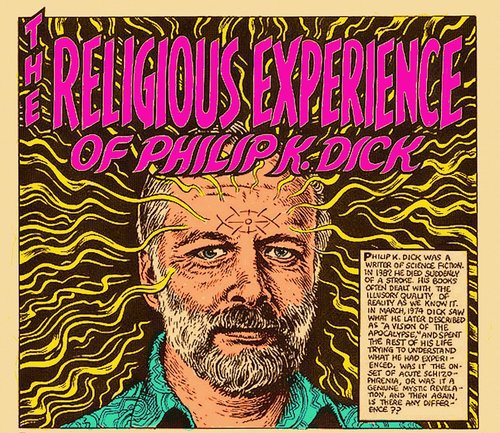
Does that sound a bit crazy?  Well Philip K. Dick’s life story may in fact have led him down the path to really crazy.  In 1971 he broke up with his wife, Nancy Hackett.  She moved out of his life, and an amphetamine-abuse bender moved in.  In 1972, ironically the year I began reading Dick’s work, he fell in love at the Vancouver Science Fiction Convention.  That was immediately followed by erratic behavior, a break-up, and an attempted suicide overdosing on the sedative potassium bromide.  This, of course, led directly to his 1977 novel A Scanner Darkly.

images (1)

The story is about a police detective who is corrupted by a dangerous addictive drug that takes him down the rabbit hole of paranoia, and being assaulted by the perception of multiple realities simultaneously.  His novel Ubik from 1969 is a story of psychics trying to battle groups of other psychics even after they are killed by a bomb.  The crazy seems to have been building for a while.

philip-k-dick-color

In 1974 he had a transcendental experience when a lady delivering medicine to his door wore a fish-shaped pendant which he said shot a pink beam into his head.   He came to believe the beam imparted wisdom and clairvoyance, and also believed it to be intelligent.  He would later admit to believing he had been reincarnated as the prophet Elijah.

la-réalité-cest-ce-qui-continue-dexister-lorsquon-a-cessé-dy-croire-1

Imagination has its dangers.  It is a powerful thing able to transform reality.  Science fiction writers often use their imagination to shape what the future will actually make come into being.  But it can also turn your mind inside out.  A great science fiction writer like Philip K. Dick can contemplate the nature of reality and turn his own reality inside out.  It is a lesson for me, a lesson for all of us.  Wait, is that a pink beam of light I see?  No, I just imagined it.


1 Comment

Filed under artists I admire, humor, imagination, science fiction, strange and wonderful ideas about life, surrealism

The Brothers Hildebrandt

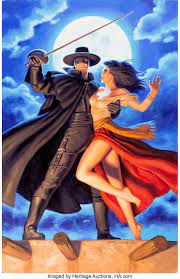
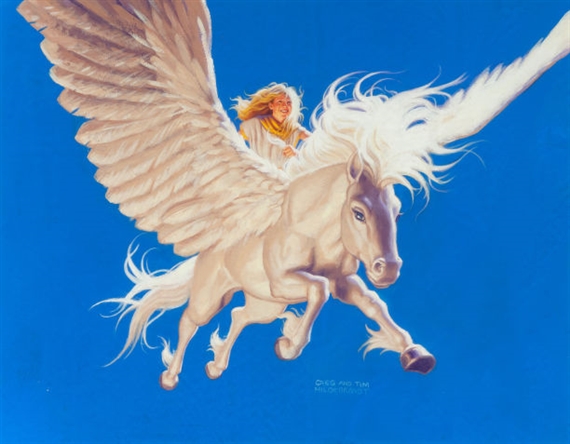
Born on January 23rd, 1939 Greg and Tim Hildebrandt were twin brothers who both had considerable painting skills. Much like Mickey claims to be, they originally wanted to be Disney animators, but, failing that, decided on a professional art career strongly influenced by Disney, Norman Rockwell, and Maxfield Parrish. They both turned pro in 1959 and began painting fantasy art in oil, working on projects together.
Their styles were very similar.

The picture above is done by Tim without help from Greg.
This Lord of the Rings painting of Eowyn and the Nazgul was a solo effort by Greg.

This illustration for Terry Brooks’ Sword of Shannara series was a collaboration, showing how seamlessly the brothers worked together.

Their first truly big break came with the popularity in the 1970’s of their Lord of the Rings Calendars.

And then, of course, in 1977 they were asked by 20th Century Fox to rework the poster concept done by Tom Jung for the movie Star Wars. It was done on a very tight schedule with the brothers working in shifts to complete it in only 36 hours. It resulted in the well-known image that began this post.

Here follows a few more of my favorite works of the Brothers Hildebrandt.

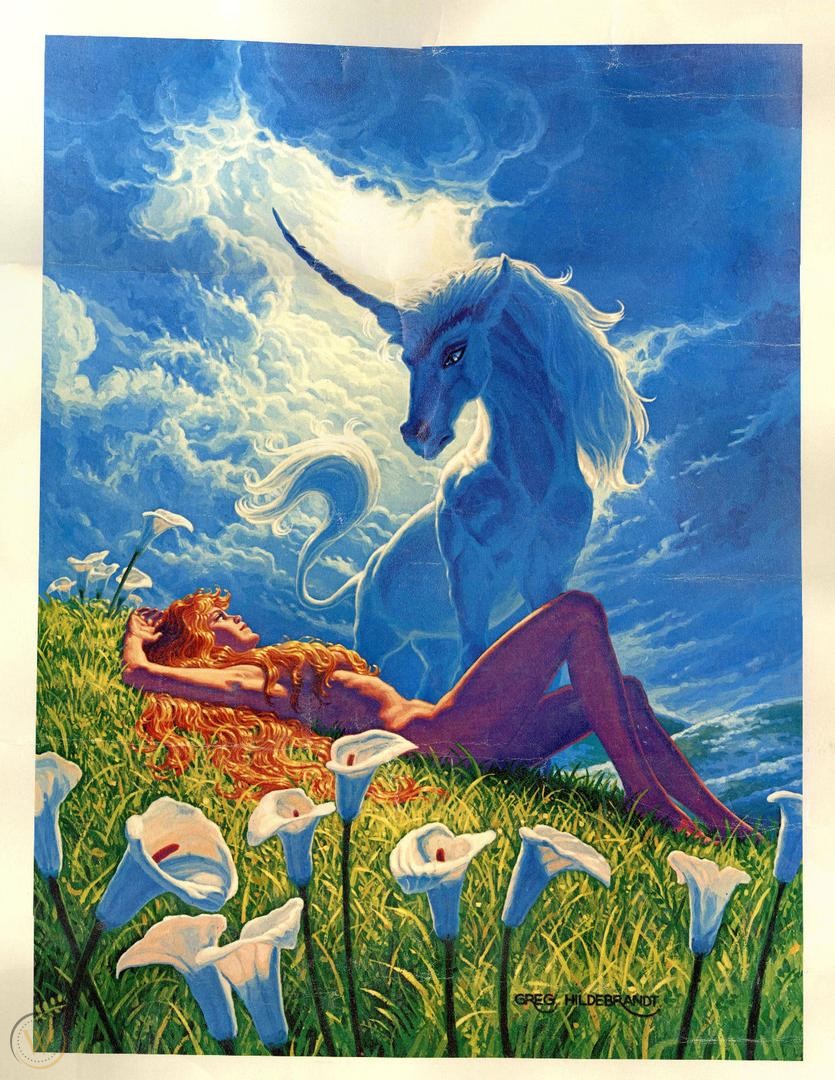
This one by Greg Hildebrandt was my favorite poster in college.
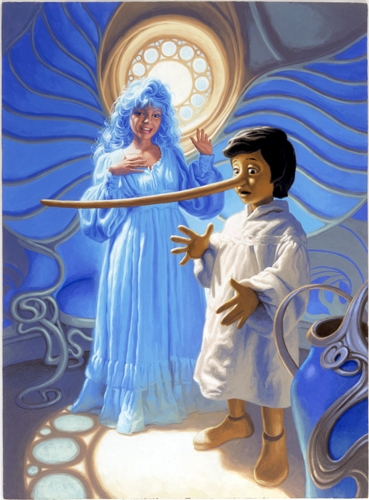
Pinocchio and the Blue Fairy
The Mad Tea Party in Alice in Wonderland
Islands in the Sky 1999

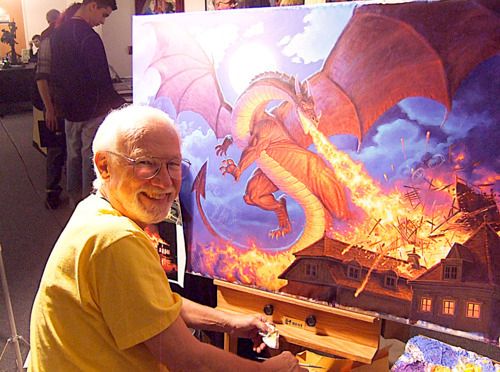
Sadly, Tim passed away in 2006 at the age of 67. But here you see Greg still painting at age 82,

Leave a comment

Filed under artists I admire, artwork

Mr. Bean

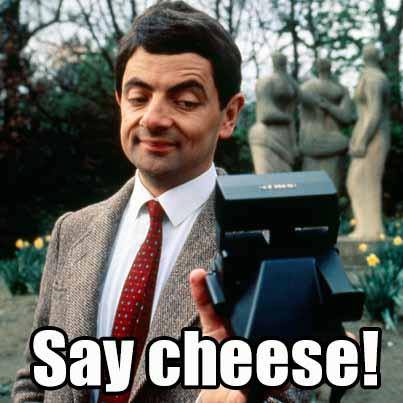
Rowan Atkinson is a genius comedian, and the character of Mr. Bean is the greatest work he has done, the best proof of his genius.  As someone who works at humor and tries to get it right, I have to analyze and carefully study the work of the master.  How does he do it?  What does it all mean?  And what can I learn from it?

a1b

Atkinson not only created the character, he co-wrote the entire television series and controls every aspect of the performance as the central character.  Mr. Bean is the bumbling every-man, going through horrific troubles because of the cascade effect of simple little errors.  We laugh at him because we have all been there.  Tasting the hot sauce leads to a meltdown that causes chaos and disaster for the entire store.  Overcoming fear of heights makes him the center of attention for the entire pool-house when can’t overcome the urge to use the diving board, and yet, can’t make himself jump off.  We have all lived the nightmare of being trapped naked in the hotel hallway, locked out of our room, just when the hallway becomes crowded.

There is a certain charm to Mr. Bean.  He is a childlike character, blissfully unaware of how much he doesn’t know about the complex society around him.  He has a teddy bear that sleeps with him and comforts him.  He lays out his supplies for the big exam, and he’s thought of practically everything he will possibly need, but basic physics fails him and makes the pencils keep rolling out of place.

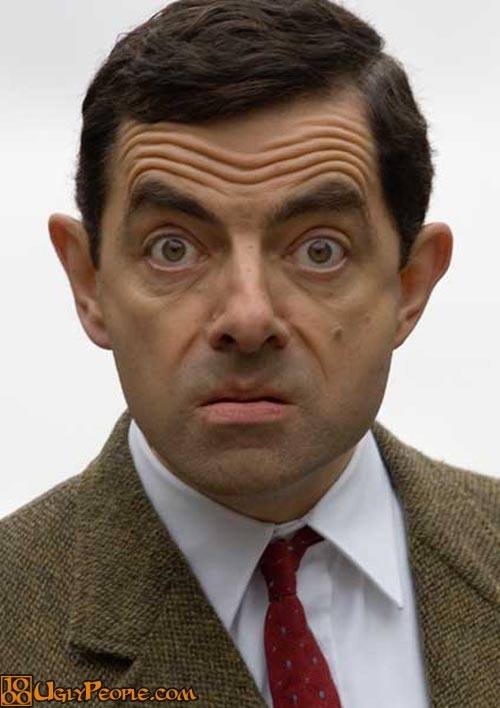
Rowan Atkinson is a master of the art form because he has such tremendous control of his rubberized goofy face and manic body.  He can drive his goofy little yellow car from a sofa mounted on top.  He can change clothes while driving.  Just watching him shave with an electric razor is a total hoot.

1379883_546824888720851_2133355741_n

It is mostly physical comedy, almost slapstick, and yet it is not the broad unfeeling poke-in-the-eye you get with the Three Stooges.  Most of the real damage is done to himself, though pompous and deserving people are often near enough to get a helping of it smack in the face.  A lot of it is practically pantomime, with hardly any real dialogue.  Much of it, like the sword fight with the bumblebee using a butter knife, is simply silly.

a3b

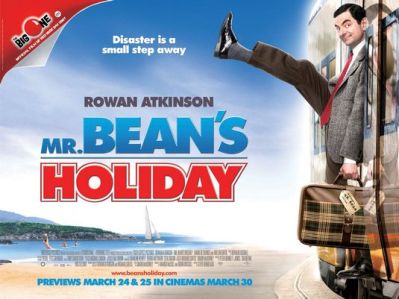
The movie, Mr. Bean’s Holiday, extends the character by making him actually interact with other characters, though in his own inimitable Mr. Bean way.  The limited dialogue thing is amplified by the fact that he is traveling in France and does not speak French.  Still, he interacts with the boy he accidentally kidnaps, the girl who wants to be a movie star whom he helps in her quest by an accident at the Cannes Film Festival, and the movie director whom he almost kills but ends up saving his career with a hit home movie.

Mr. Bean makes the ridiculous an art form by helping us to laugh at ourselves as we are beset by all the little troubles of life that Bean magically floats through.

So, now I have told you why I love Rowan Atkinson as a comedian.  He is a comedic genius.  Of course, you knew that already, right?

Leave a comment

Filed under artists I admire, comedians, humor, review of television, sharing from YouTube

Happy Birthday, Carl Bark

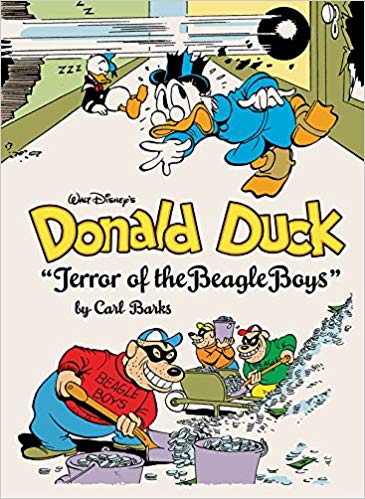
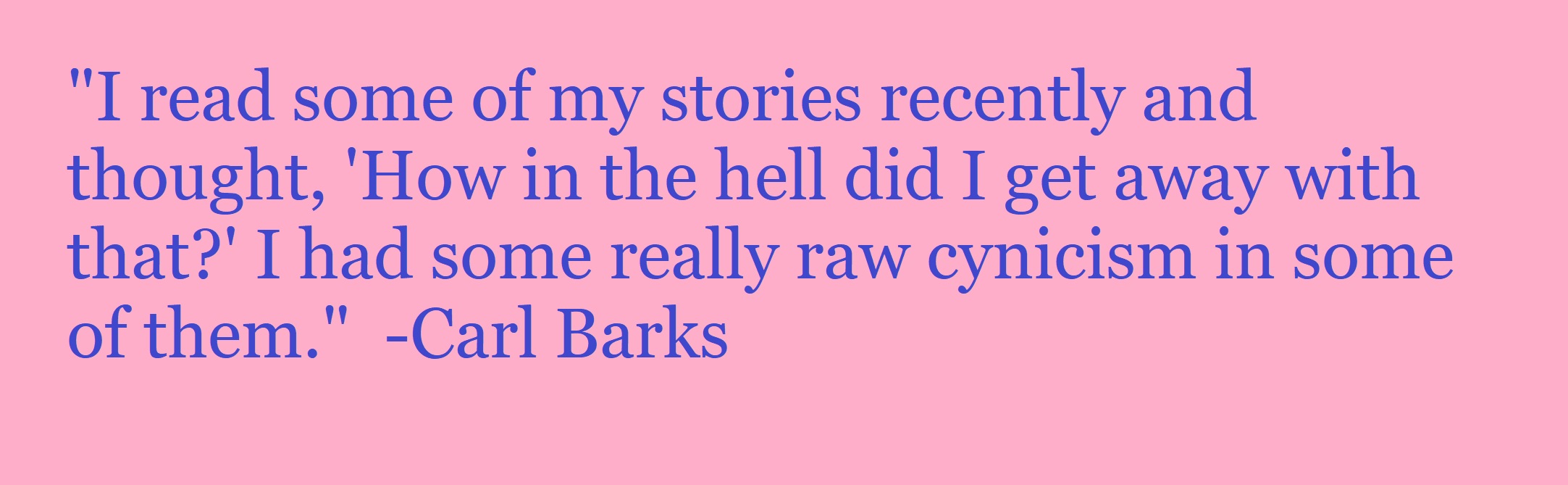
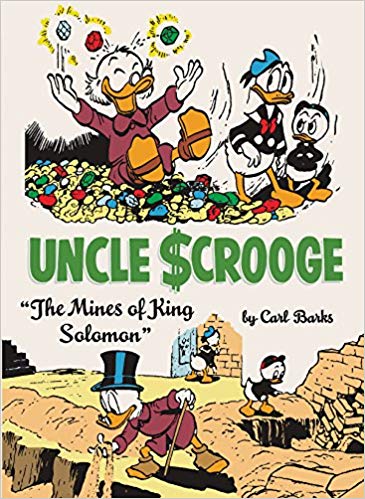
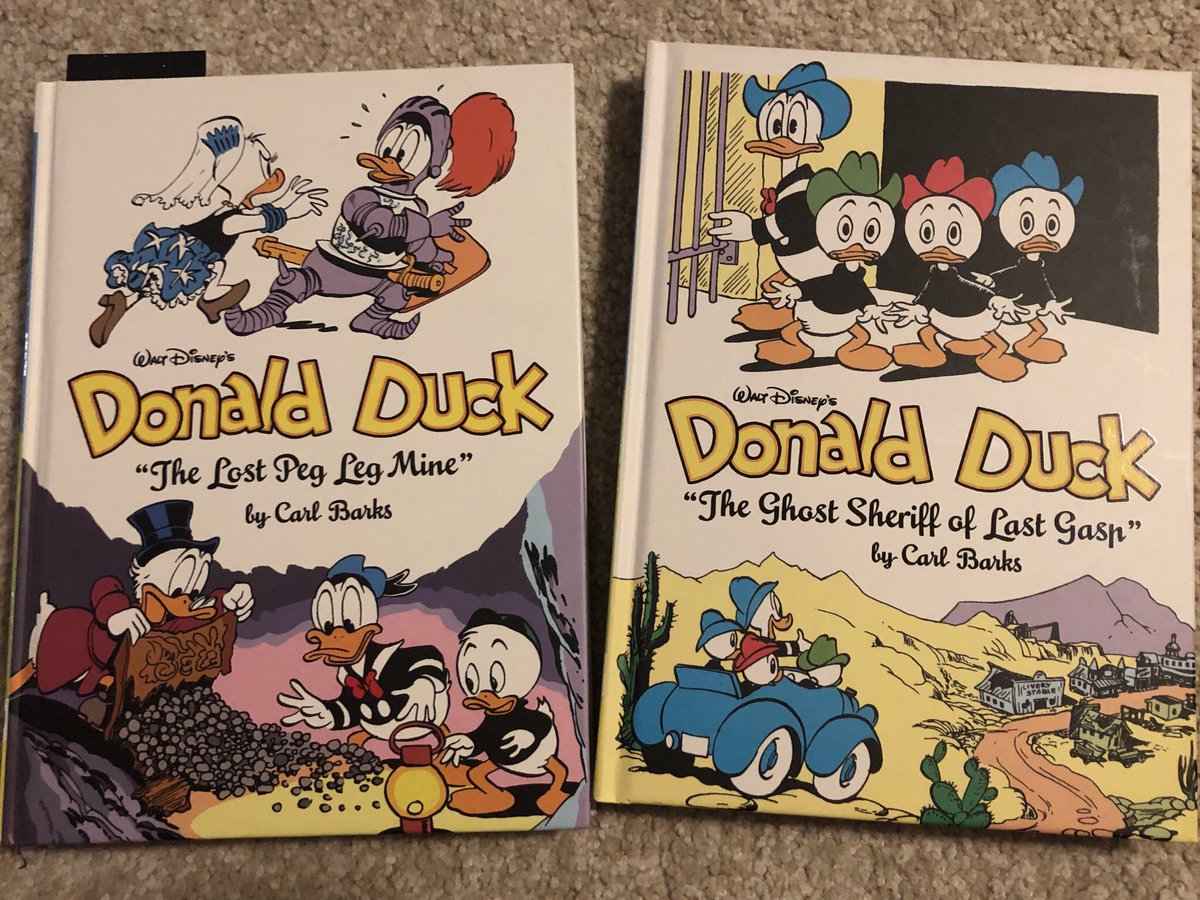
Carl Barks was born on March 27th, 1901. So, today is his 122nd birthday. If you have no idea who I’m even talking about, then you were never a kid and a comic book fan in the 1960s. Carl Barks is both Uncle Scrooge’s father and Donald Duck’s stepfather.

Carl is a personal art hero of mine. I grew to adulthood on the adventures of his plucky ducks doing duck adventures in Duckburg. I have written about my devotion to Carl in this blog before. In fact, here is the link; https://catchafallingstarbook.net/2014/09/27/carl-barks-master-of-the-duck-comic/

That’s essentially true. A large part of my character as a junior high school English teacher was based on what I learned about mentoring from Scrooge McDuck and about teaching important facts from Gyro Gearloose.

Carl was not immune to criticism. Cartoonists get blow-back, a fact of life. But he overcame it with a wry sense of humor and interesting views of how you pursue goals in life. He had a firm sense of fair-play and justice. You could get actual morals to the stories in a Carl Barks’ duck cartoon.

The characters were not perfect. They all had glaring flaws, the heroes right along with the villains. Of course, the villains never learned to change their ways, while the heroes often learned to improve themselves by working on the weaknesses, and it wasn’t all about becoming a gazillionaire (a term I think Barks may have invented).

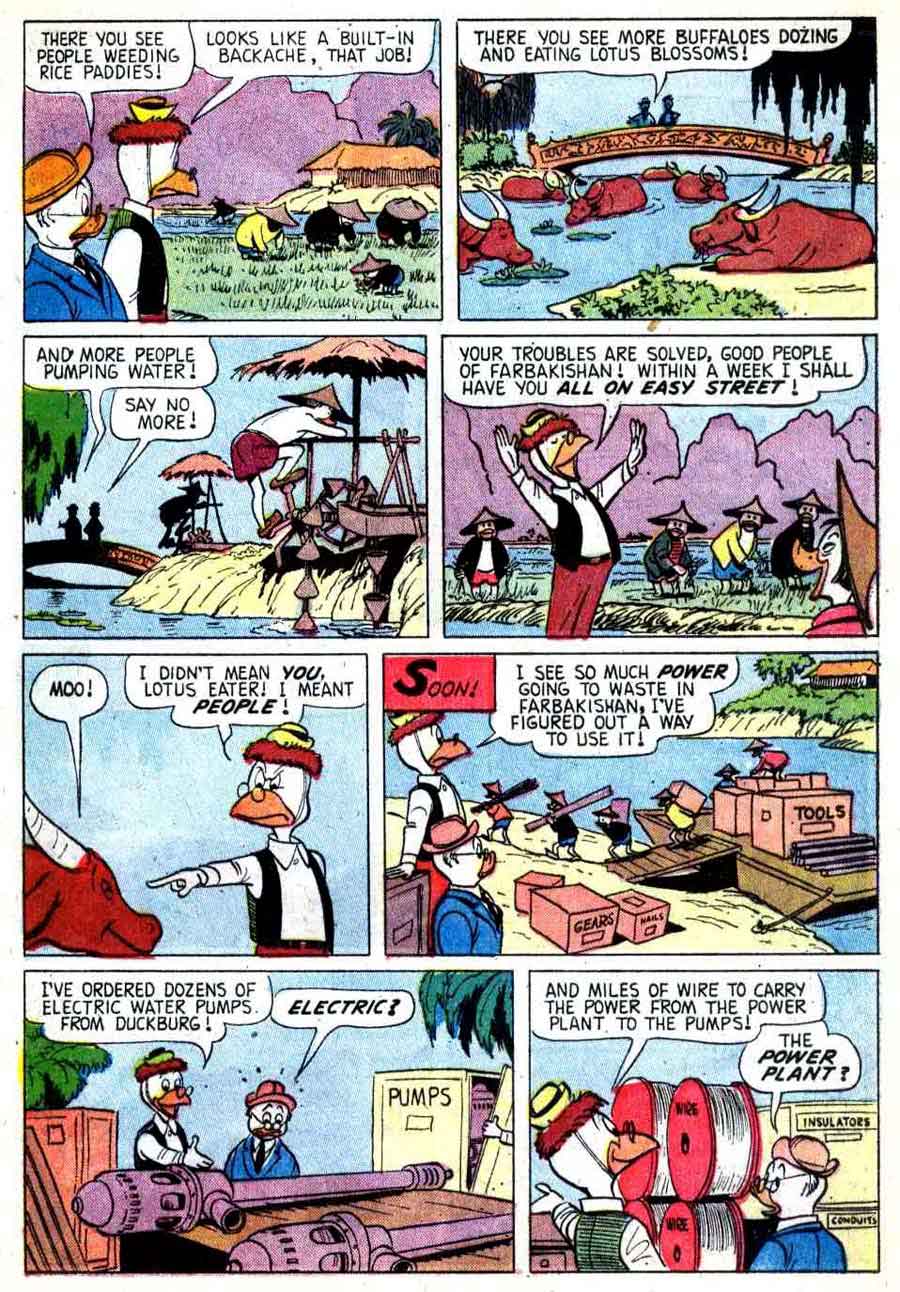
I even learned a good deal about adventure story-telling from Carl Barks’ comic books about Duck people doing ducky stuff that was really about people doing people-y stuff in the real world. Yes, people in the world around me are very Carl Barks’ ducky.

So, happy birthday, Carl. 121 years young. And he’s only been gone from our world since August of 2000. He still talks to me and teaches me through his Duck comics.

1 Comment

Filed under artists I admire, autobiography, comic book heroes, goofy thoughts, humor

Winsor McCay

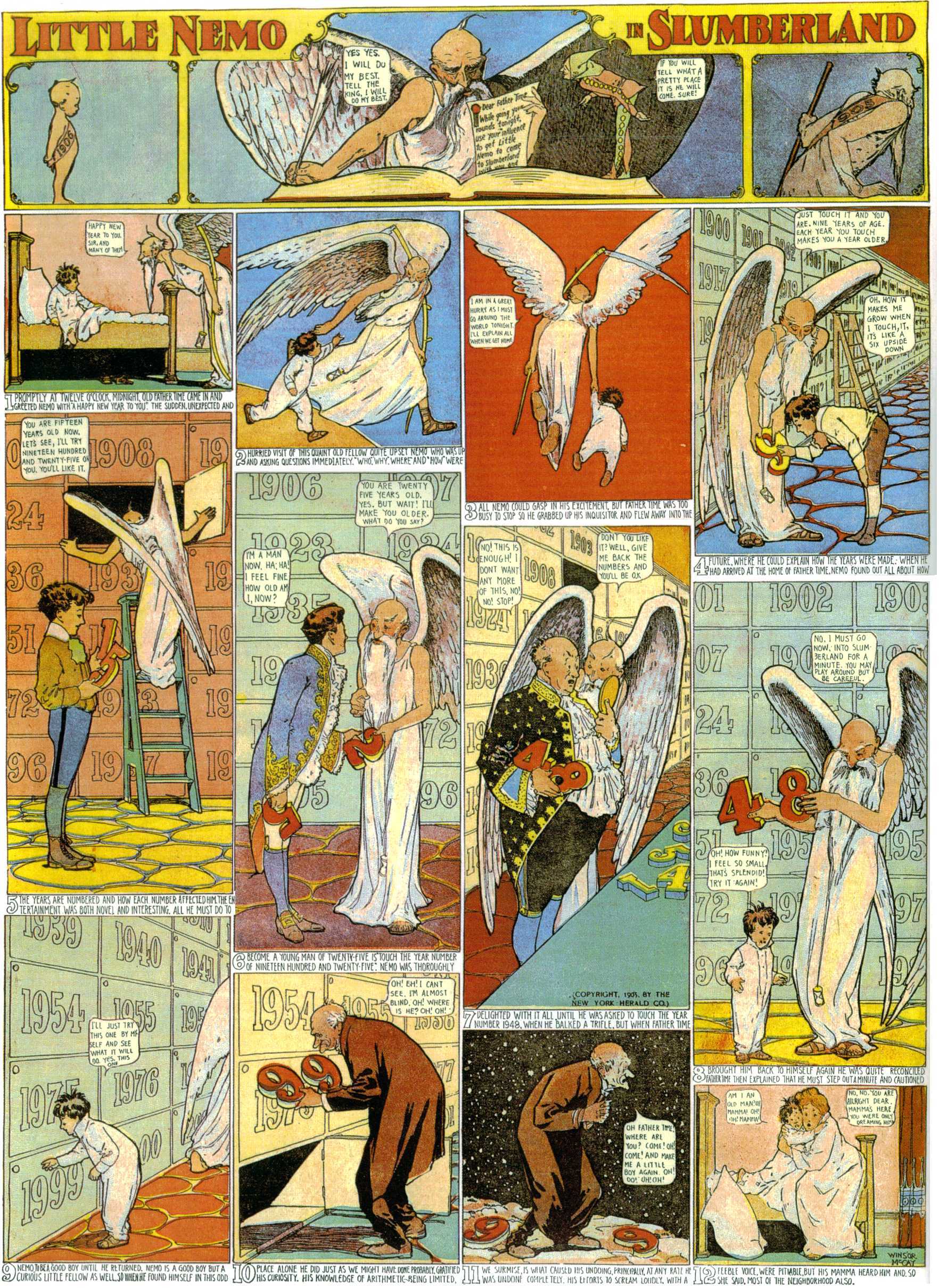
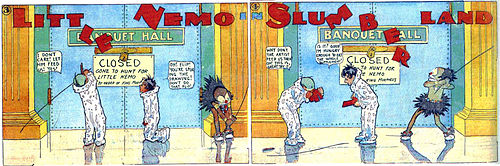
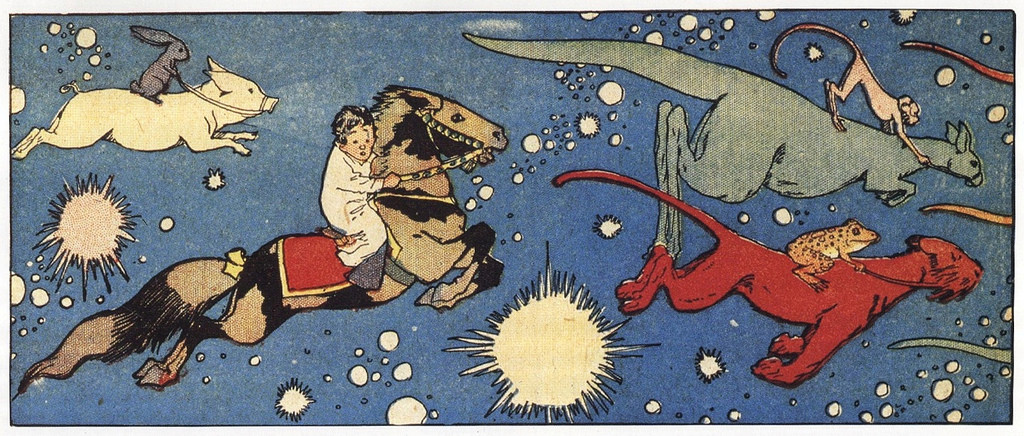
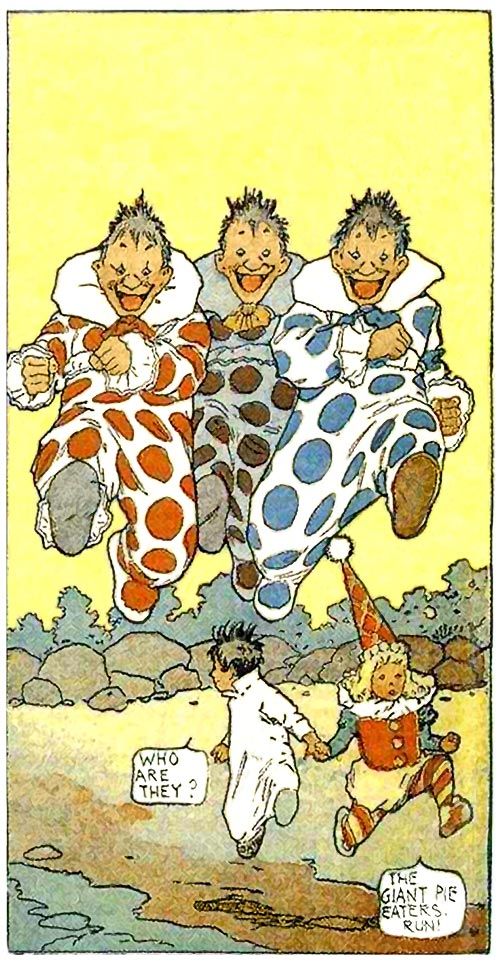
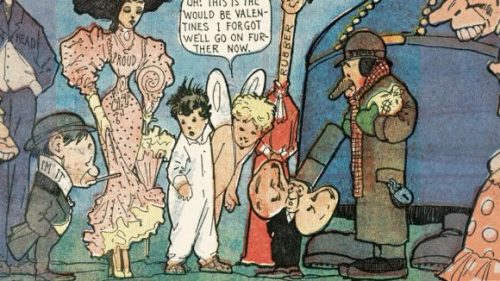
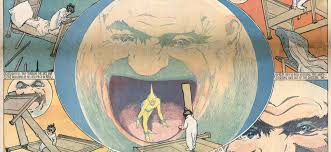
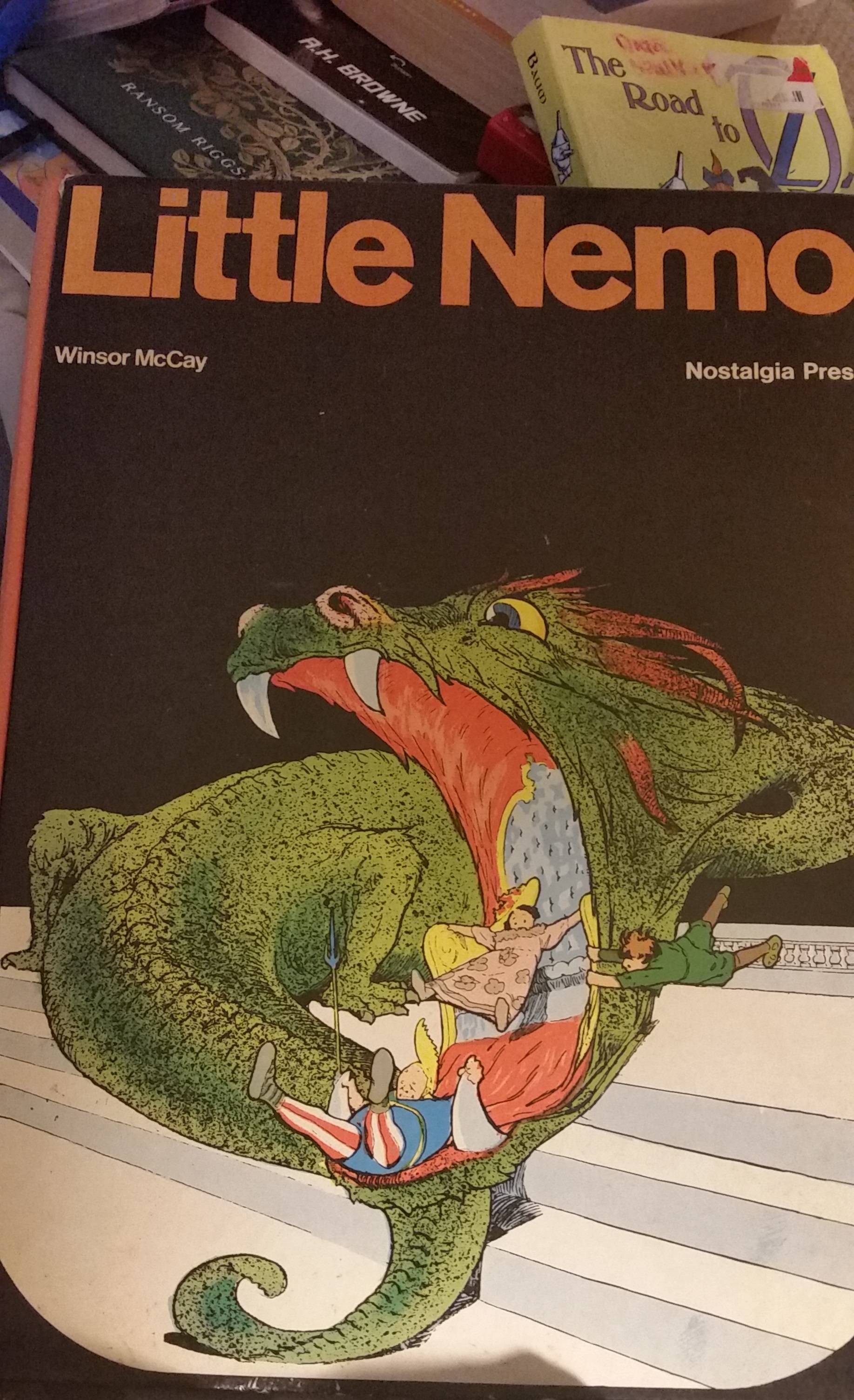
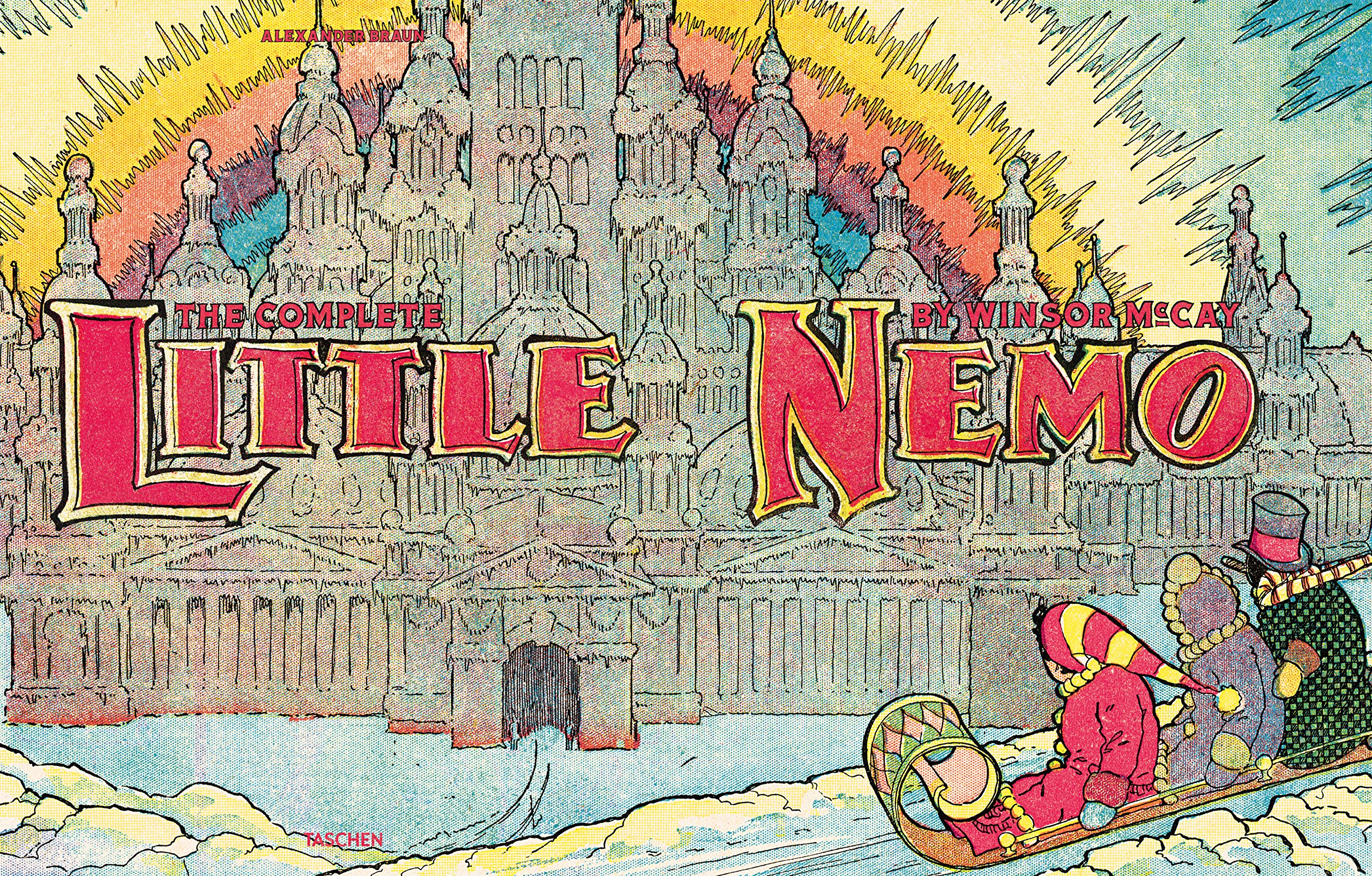
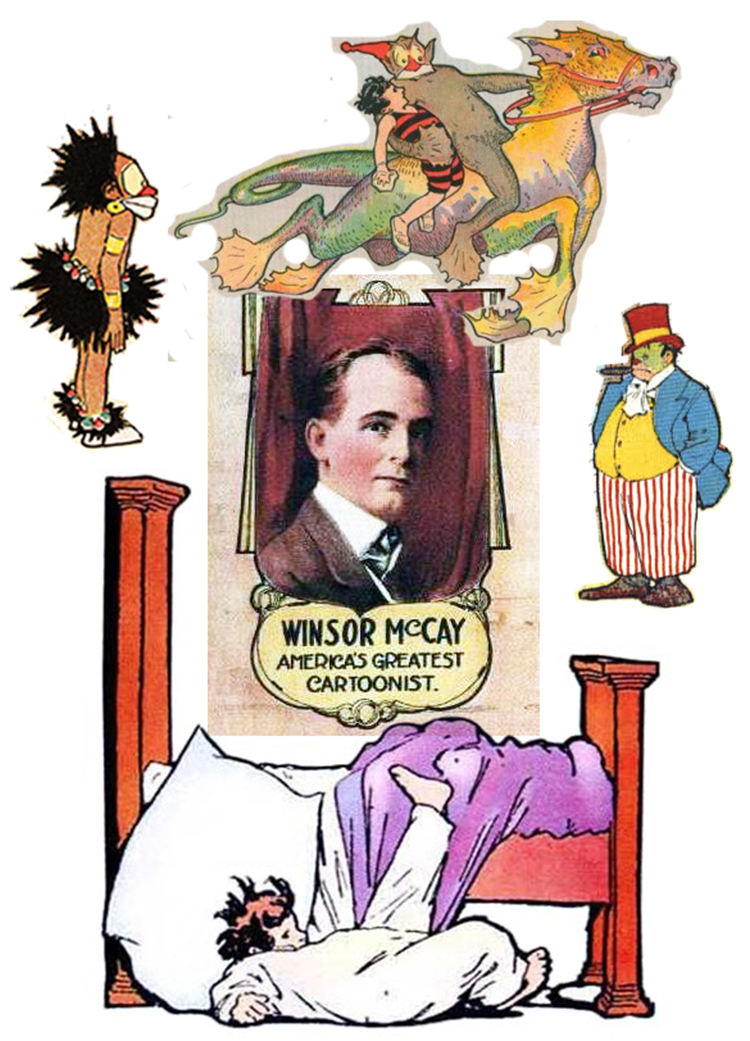
One work of comic strip art stands alone as having earned the artist, Winsor McCay, a full-fledged exhibition at the Metropolitan Museum of Art in New York City.  Little Nemo in Slumberland is a one-of-a-kind achievement in fantasy art.

Winsor McCay lived from his birth in Michigan in 1869 to his finale in Brooklyn in 1934.  In that time he created volumes full of his fine-art pages of full-page color newspaper cartoons, most in the four-color process.  

The New Year’s page 1909

As a boy, he pursued art from very early on, before he was twenty creating paintings turned into advertising and circus posters.  He spent his early manhood doing amazingly detailed half-page political cartoons built around the editorials of Arthur Brisbane,  He then became a staff artist for the Cincinnati Times Star Newspaper, illustrating fires, accidents, meetings, and notable events.  He worked in the newspaper business with American artists like Winslow Homer and Frederick Remington who also developed their art skills through newspaper illustration.  He moved into newspaper comics with numerous series strips that included Dreams of the Rarebit Fiend and Little Nemo in Slumberland.  And he followed that massive amount of work up by becoming the “Father of the Animated Cartoon” with Gertie the Dinosaur, with whom he toured the US giving public performances as illustrated in the silent film below; 

The truly amazing thing about his great volume of work was the intricate detail of every single panel and page.  It represents a fantastic amount of work hours poured into the creation of art with an intense love of drawing.  You can see in the many pages of Little Nemo how great he was as a draftsman, doing architectural renderings that rivaled any gifted architect.  His fantasy artwork rendered the totally unbelievable and the creatively absurd in ways that made them completely believable.

I bought my copy of Nostalgia Press’s Little Nemo collection in the middle 70’s and have studied it more than the Bible in the intervening years.  Winsor McCay taught me many art tricks and design flourishes that I still copy and steal to this very day.

No amount of negative criticism could ever change my faith in the talents of McCay.  But since I have never seen a harsh word written against him, I have to think that problem will never come up.

My only regret is that the wonders of Winsor McCay, being over a hundred years old, will not be appreciated by a more modern generation to whom these glorious cartoon artworks are not generally available. 

Leave a comment

Filed under art my Grandpa loved, artists I admire, artwork, book review, cartoon review, cartoons, comic strips, commentary

Inspiration…

So, what if it is true that the future begins with the story-teller? Smart phones are obviously descendants of the communicators and tricorders and computers that Gene Roddenberry introduced to us in the original Star Trek series. George Orwell gave us timely predictions and warnings of the rise of fascism and authoritarianism in his novel, 1984.

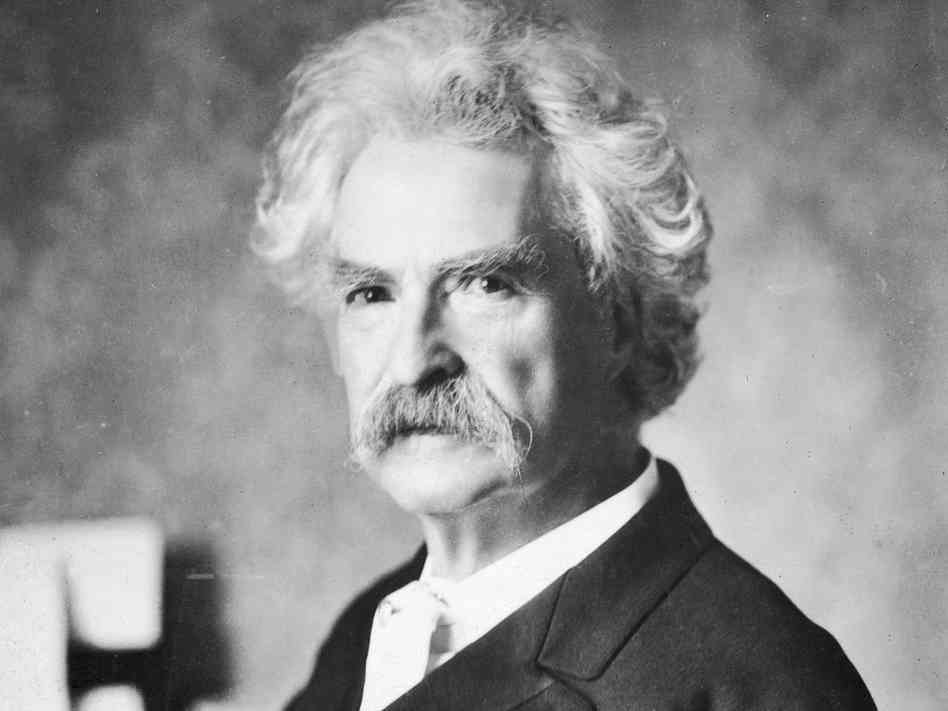
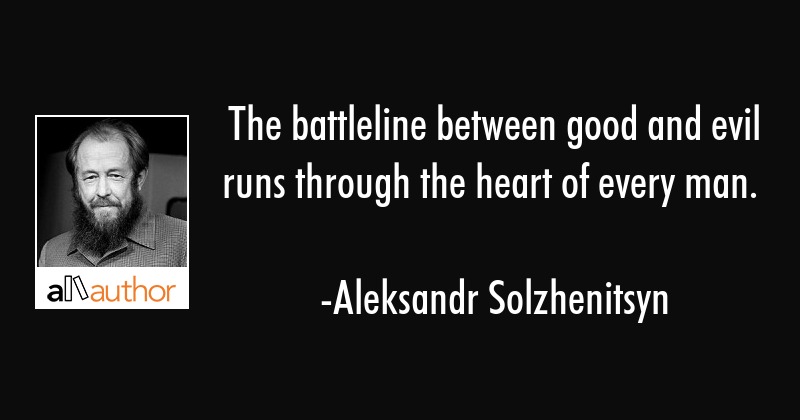
If we truly wish to be a force for good, we have to take the evil bull by the horns and turn its momentum away from the future we seek to protect. Like Solzhenitsyn we may be gored in that bull-fight and end up spending time in the gulag. But those of us who choose to be writers, especially story-tellers, must take on that responsibility. What if ours is the story that changes the mind of a nation, like when the Adventures of Huckleberry Finn took on slavery and the unjust treatment of others who think that, because they are white, or have money, or are somehow smarter than everyone else, they have the right to abuse, take advantage, or even kill other people? What if ours is the story that turns the rich into selfish engines of greed as Atlas Shrugged obviously did?

It is a tremendous responsibility. It is a power we must not wield unwisely, even if our talent level is only that of the disastrously lazy Sorcerer’s Apprentice.

What sort of a story-teller will I be?

What sort will you be?

Where will I lead my readers (If indeed there ever are any)?

And where will you lead yours?

If any questions are important now during these days of self-reflection, isolation, and Coronavirus, it will surely be these. So, tell me what you think.

Leave a comment

Filed under artists I admire, inspiration

Surviving Death and Taxes

Life is filled with impossible things.  Doing my taxes is definitely one of them.

19850039

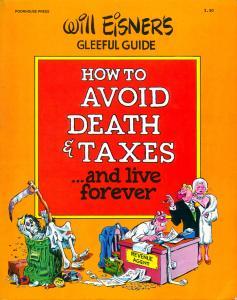
I once owned a copy of this Will Eisner comic and got a good barrel of laughs out of it back in the day when I was young and full of life and the grim reaper wasn’t standing just outside the kitchen door like he is now.

It had a bunch of useful suggestions on what to do in the face of the two most unavoidable things in life.  I wish I could find it once again, but I fear it disappeared when my parents moved from Texas back to the farm in Iowa in the 1990’s.  It was probably stolen by someone who wanted to learn the valuable secrets it contained.  I accuse Donald Trump.  Surely that would explain all those years he paid zero dollars in taxes.  And I believe I spotted something with pale orange hair lurking behind the trash bin when my parents were loading the moving van.   Of course, it may have been only a dried out tumble weed.

Flash02

Now, I am not saying that I don’t want to pay my taxes.  I have always felt that it was an important part of being a citizen to pay my fair share.  And if you want the benefits of government services like schools, fire departments, police forces, court systems, garbage collection, and all those other things we really can’t do without… well, somebody has to pay for them.scan0017

But it often seems to me that the whole matter could become considerably more equitable if those people to whom life and the economy have been more generous could see their way clear to pay a little of that good fortune towards common goals.  And I am not referring to the Koch brothers spending a billion dollars on elections, either.  That’s a transaction where they come out ahead, making more money back than they put in.  After all, they got the whole State of Kansas to pour their State funds directly into Koch Industries pocketbooks via tax breaks, effectively allowing them to rob all of Kansas’s public school children of their textbooks and lunch money.  How is that equitable and fair?

And paying taxes this year means probably paying far more than my fair share.  I recently completed a debt-reduction program to get out from under two decades worth of maxed-out credit cards at 25% to 29% interest rates.  And as a further punishment for trying to get free of the burden, credit card banks get to report the forgiven debt as income for me to the IRS.  And all of the banks decided this was the year for me to pay that off.  Well, except for Bank of America who are petulantly suing me for more money than I owe them.  I will probably end up mired back in credit card debt in order to survive the IRS.  So how does that square with Mitt Romney paying less than 15%?  Or Donald Trump paying nothing?

Copy (2) of B_WE.DEATHTAX.B

The only out for me, it seems, is to shake hands and make a deal with old Grimmy.  He has patiently waited for me for sixty years, through times when my six incurable diseases definitely gave him hope.  The only way to really escape the tax man is to take the really long dirt nap.  But I shall scrape funds together and give it one more try.  I just wish I could find that book.

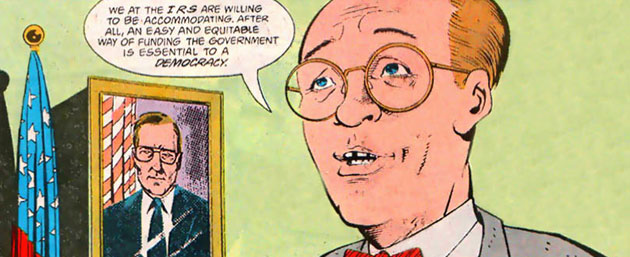
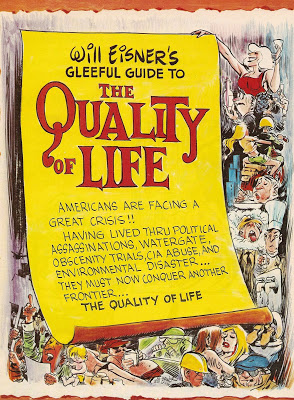
(Note *** All the illustrations in this essay except for Mr. Flagg’s Uncle Sam were provided by the late great Will Eisner, the cartoonist so grand that the highest award for cartoonists is named after him.  But I am not paying any royalties for these images since I owe my soul to the IRS.)

Leave a comment

Filed under angry rant, artists I admire, artwork, autobiography, Depression, grumpiness, humor, politics, strange and wonderful ideas about life

The Golden Age

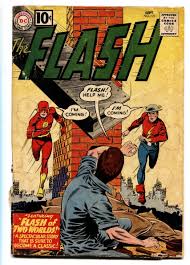
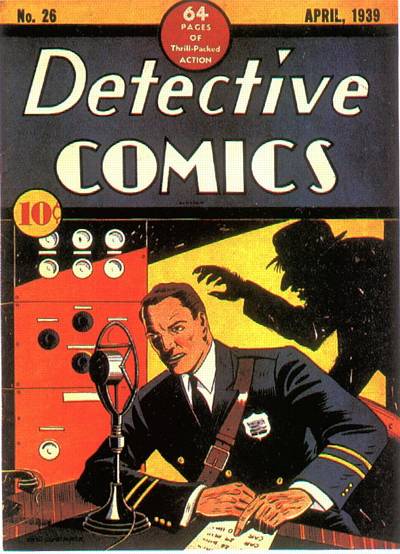
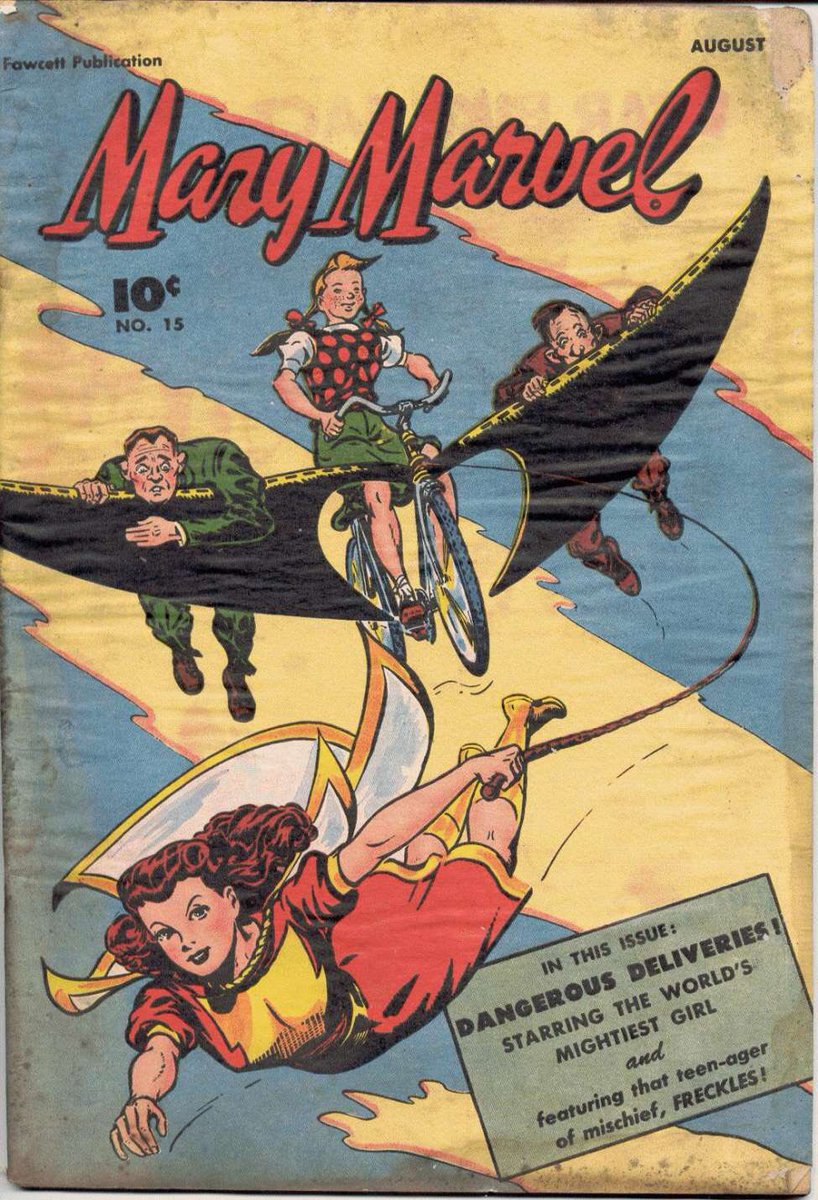
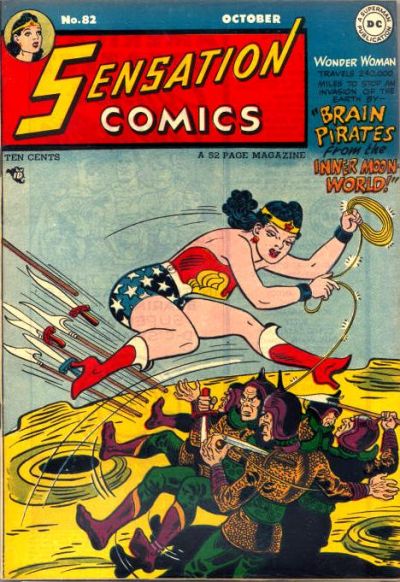
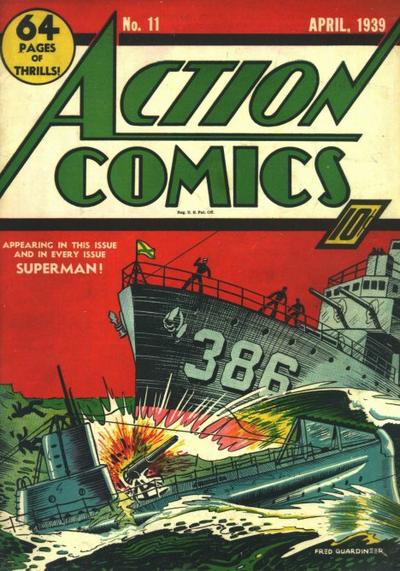
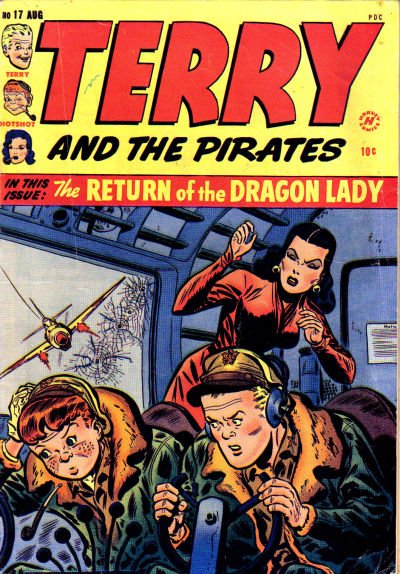
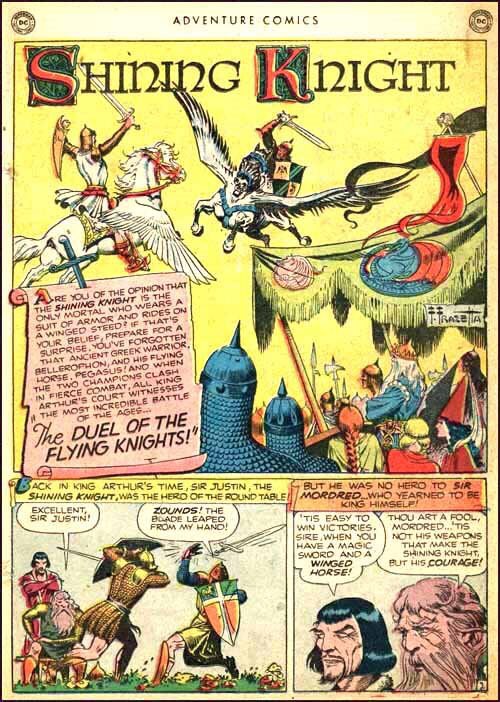
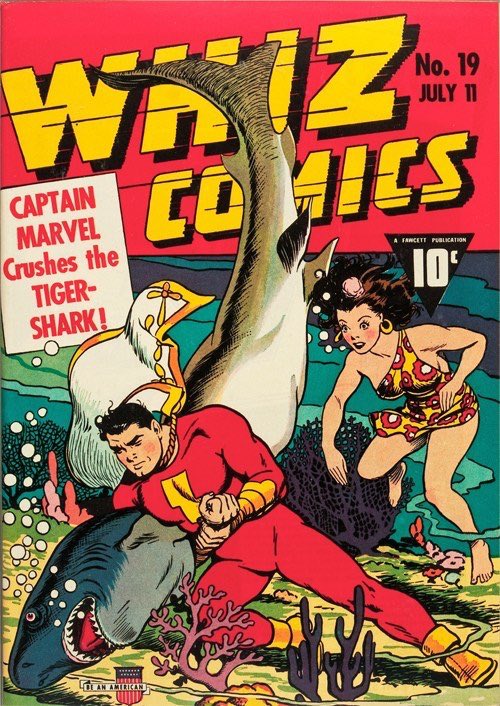
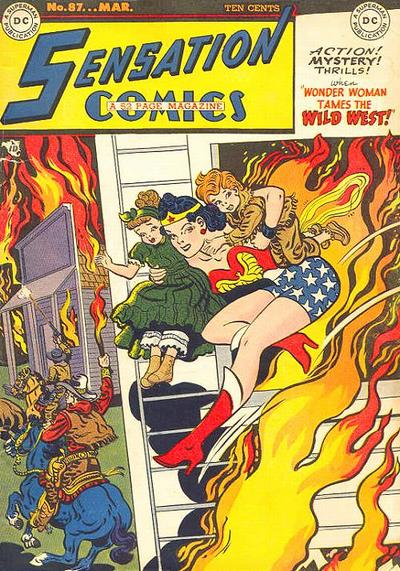
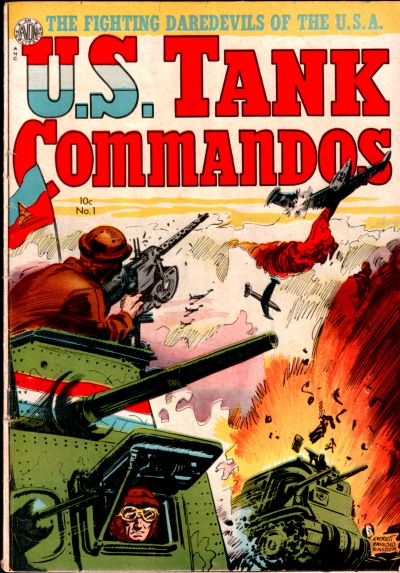
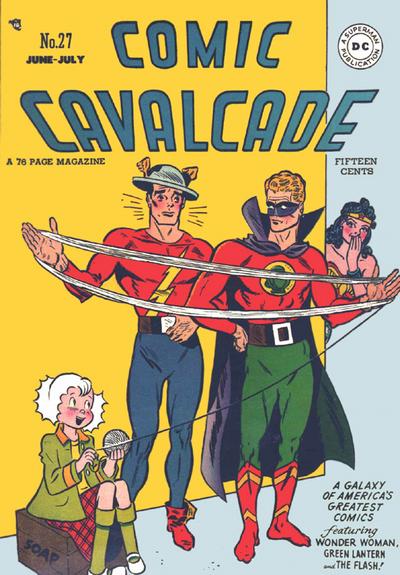
I am certainly no expert on the Golden Age of Comics. I was, in fact, born the year that the Golden Age ended. I am a child of the Silver Age (1956 to the early 1970s) and those were the comics I grew up with. But I admit to a fascination with the initial creation of the characters I love, including Batman, Superman, the Flash, Captain America, the Phantom, Steve Canyon, Wonder Woman and numerous others who were first put on the comic book pages in the Golden Age. And being subject to comic book prices that zoomed upward from a dollar an issue, I was bedazzled by the ten cent price on old comics.

Comic books owe their creation to the popular newspaper comic strips from the Depression era and WWII wartime. Originally, comic strips were gathered and printed on cheap paper. Dick Tracy, Prince Valiant, Terry and the Pirates, Flash Gordon, and other adventure strips would lead to the war comics and hero-centered comics that would morph into superhero comics.

Some of the artwork in Golden Age comics leaves a lot to be desired. Especially original, straight to comic book publications that were produced fast and furiously by publishers who would open one week, produce three issues. and go out of business three weeks later. But in the mad scramble, some truly great artists formed the start of their illustrious careers, Will Eisner, Hal Foster, Milt Caniff, and Bill Elder learned to master their craft in the newspaper strips, and all later created comic books and graphic novels. True geniuses like Jack “King” Kirby and Bob Kane and Jack Davis grew directly from comic book studio madhouses into comic-book-artist immortality.

As with most things that have a Golden Age, the truth was that later comic book eras were superior in most ways. But this Golden Age was the foundational age for an American art-form that I truly love. So, flaws and warts are overlooked. And some of these old ten cent books on super-cheap paper are worth huge amounts of money if you still have a rare one in mint condition. Ah, there’s the rub for a manic old collector guy like me.

Most of the Golden Age comic book images used for this post were borrowed from the ComicsintheGoldenAge Twitter page @ComicsintheGA. If you love old comics like I do, you should definitely check it out.

1 Comment

Filed under artists I admire, artwork, comic book heroes, comic strips

The Ultra-Mad Madness of Don Martin

1629093

Born in 1931 and lasting in this crazy, mixed-up world until the year 2000, Don Martin was a mixy, crazed-up cartoonist for Mad Magazine who would come to be billed as “Mad Magazine’s Maddest Artist.”    His greatest work was done during his Mad years, from 1956 (the year I was born… not a coincidence, I firmly believe) until his retirement in 1988.  And I learned a lot from him by reading his trippy toons in Mad from my childhood until my early teacher-hood.

51205-8482-67413-1-don-martin


His style is uniquely recognizable and easily identifiable.  Nobody cartoons a Foon-man like Don Martin.

The googly eyes are always popped in surprise.  The tongue is often out and twirling.  Knees and elbows always have amazingly knobbly knobs.  Feet have an extra hinge in them that God never thought of when he had Adam on the drawing board.

And then there is the way that Martin uses sound effects.  Yes, cartoons in print don’t make literal sounds, but the incredible series of squeedonks and doinks that Martin uses create a cacophony of craziness in the mind’s ear.

don-martin-mad-magazine-june-1969

And there is a certain musicality in the rhyming of the character names he uses.  Fester Bestertester was a common foil for slapstick mayhem, and Fonebone would later stand revealed by his full name, Freenbeen I. Fonebone.

116

And, of course, one of his most amazingly adventurous ne’er-do-well slapstick characters was the immeasurable Captain Klutz!

Here, there, and everywhere… on the outside he wears his underwear… it’s the incredible, insteadable, and completely not edible… Captain Klutz!

cap_klutz1_bc

If you cannot tell it from this tribute, I deeply love the comic genius who was Don Martin, Mad Magazine’s Maddest Artist.  Like me he was obsessed with nudists and drawing anatomy.  Like me he was not above making up words with ridiculous-sounding syllables.  And like me he was also a purple-furred gorilla in a human suit… wait!  No, he wasn’t, but he did invent Gorilla-Suit Day, where people in gorilla suits might randomly attack you as you go about your daily life, or gorillas in people suits, or… keep your eye on the banana in the following cartoon.

Kg2GZRM

So, even though I told you about Bruce Timm and Wally Wood and other toon artists long before I got around to telling you about Don Martin, that doesn’t mean I love them more.  Don Martin is wacky after my own heart, and the reason I spent so much time immersed in Mad Magazine back in the 60’s, 70’s, and 80’s.

9ce65a0ded2754c6d00079b1eb772179


Leave a comment

Filed under artists I admire, artwork, cartoon review, cartoons, comic book heroes, goofiness, humor, illustrations