The difference between who you want to be and who you are is humbling.
The recipe for humble pie requires good, clear eyesight.
And you need a reliable mirror that only shows the flaws in the reflected image, not in the mirror itself.
And you need to look at every detail in the whole of you. Even the secret things that you tend to conceal from everybody, especially yourself.
And writing a novel, if you do it right, is a form of baking humble pie.
The good and the not-so-good is reflected in reviews, which are often written with mirrors that have flaws.
But what you see, if you are honest with yourself, can show you that, even though you are far from perfect, you are exactly what you are supposed to be.
It is, of course, one of the most powerful, masterful, and best-known pieces of music ever written.
Mozart completed the “little serenade” in Vienna in 1787, but it wasn’t published until 1827, long after Mozart’s untimely death.
The Serenade is incorrectly translated into English as “A Little Night Music”. But this is and always has been the way I prefer to think of it. A creation of Mozart written shortly before he hopped aboard the ferryman’s boat and rode off into the eternal night. It is the artifact that proves the art of the master who even has the word “art” as a part of his name. A little music to play on after the master is gone to prove his universal connection to the great silent symphony that is everything in the universe singing silently together.
It is basically what I myself am laboring now to do. I have been dancing along the edge of the abyss of poverty, suffering, and death since I left my teaching job in 2014. I will soon be taking my own trip into night aboard the ferryman’s dreaded boat. And I feel the need to put my own art out there in novel and cartoon form before that happens.
I am not saying that I am a master on the level of a Mozart. My name is not Mickart. But I do have a “key’ in the name Mickey. And it will hopefully unlock something worthwhile for my family and all those I loved and leave behind me. And hopefully, it will provide a little night music to help soothe the next in line behind me at the ferryman’s dock.
It is normal for the world we live in to inspire us to draw pictures of it. But architects do the opposite. They imagine a world we could live in, and then build it.
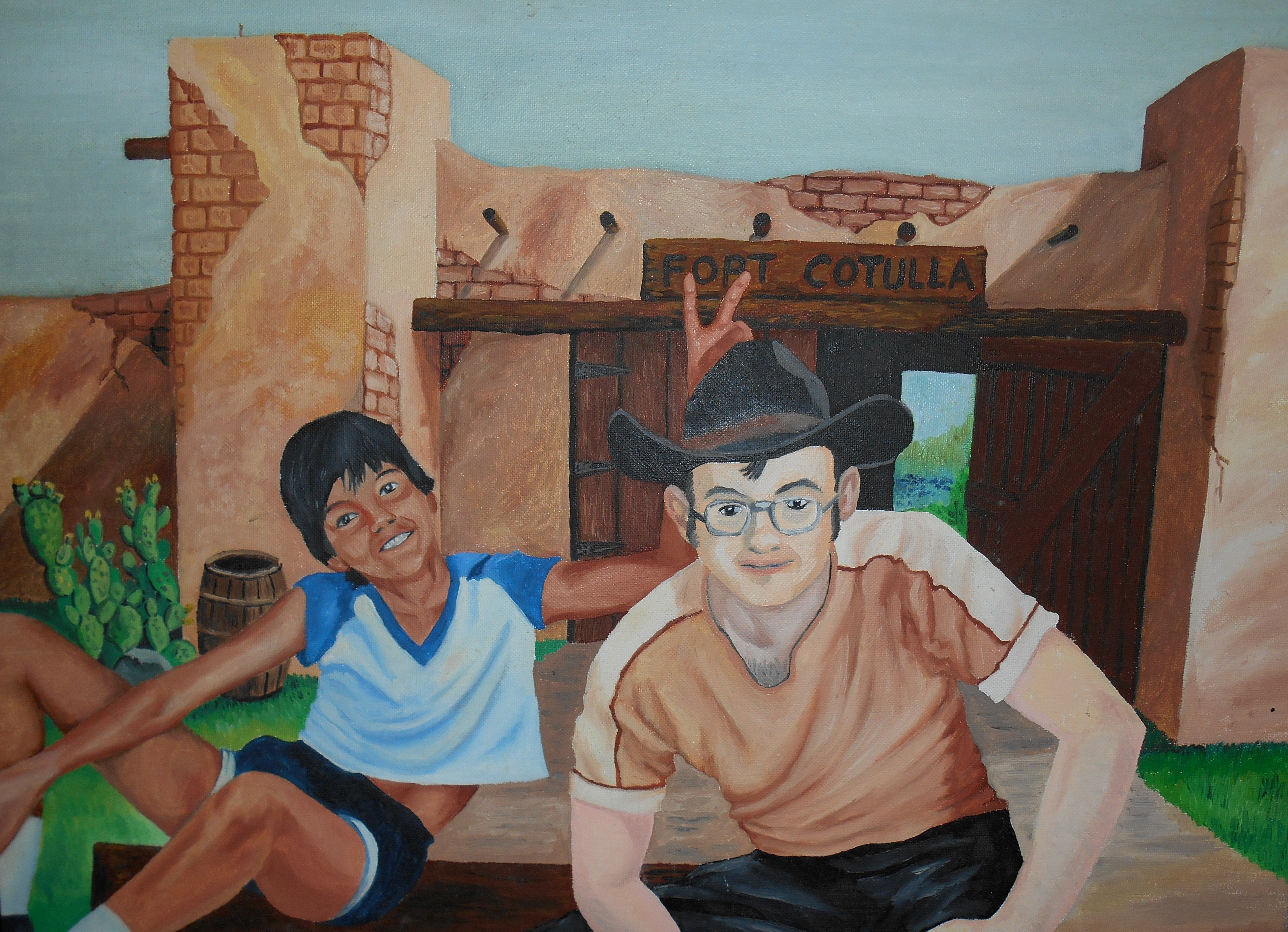
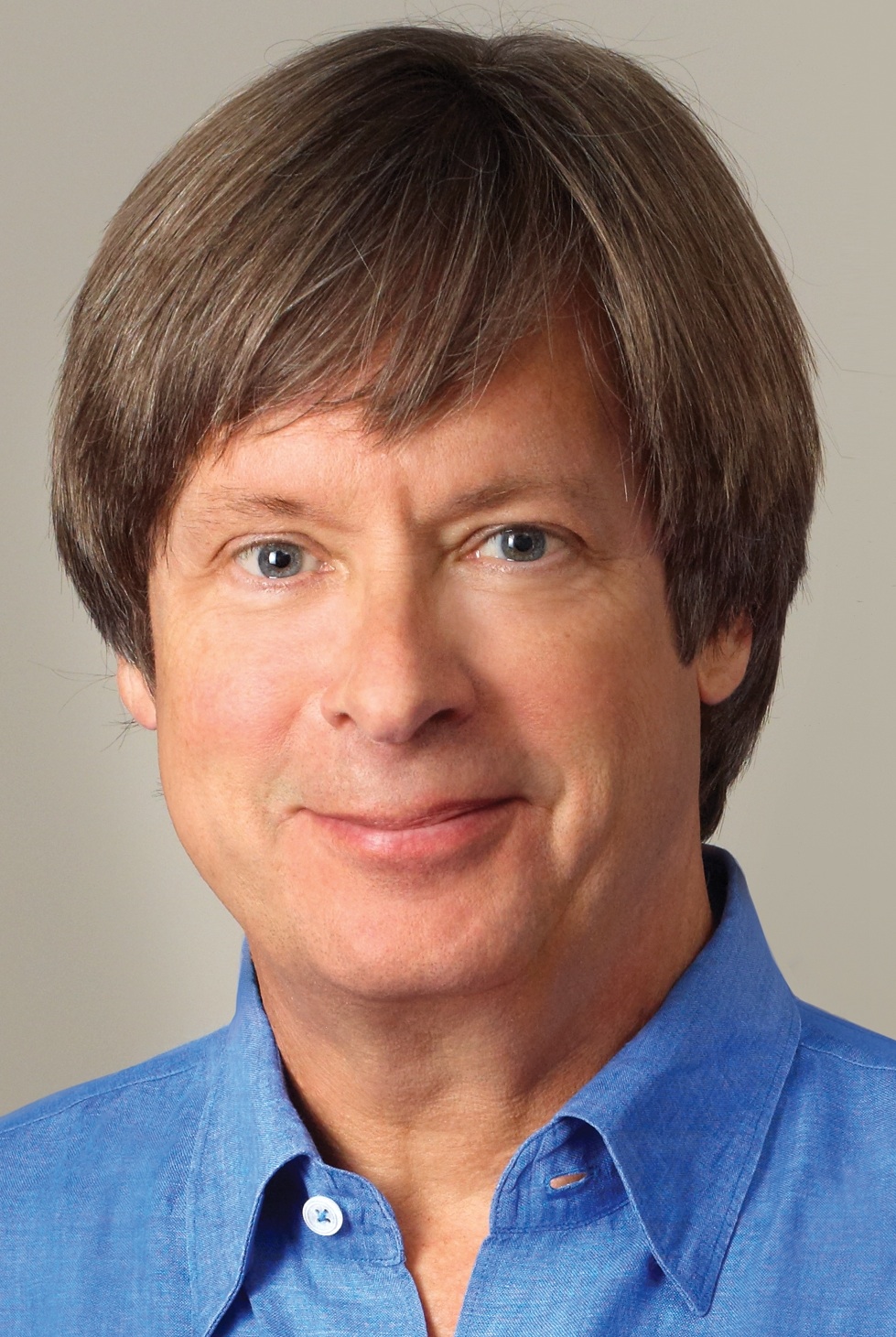
David and Me in Cotulla
Sometimes, like in the picture above, I draw real people in imaginary places. Other times I draw imaginary people and put them in real places.
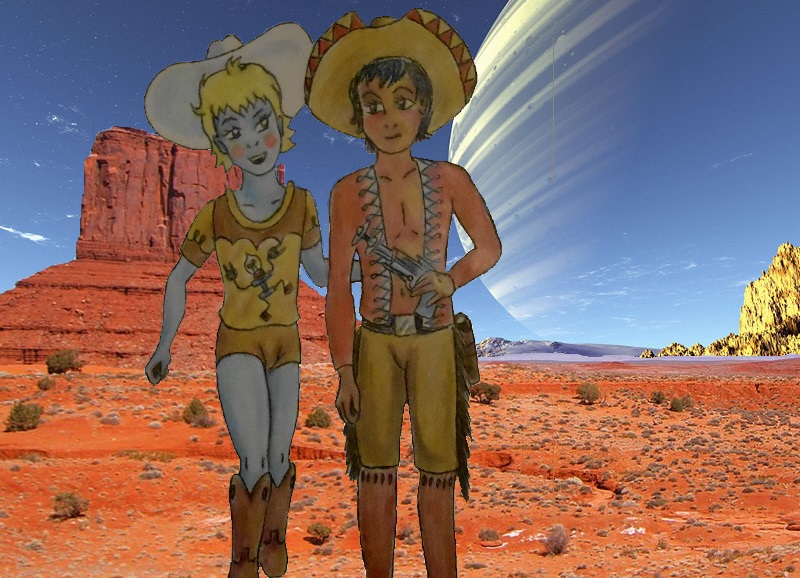
Gyro and Billy on the planet Pan Galactica A
Sometimes I put imaginary people in imaginary places. (I photo-shopped this planet myself.)
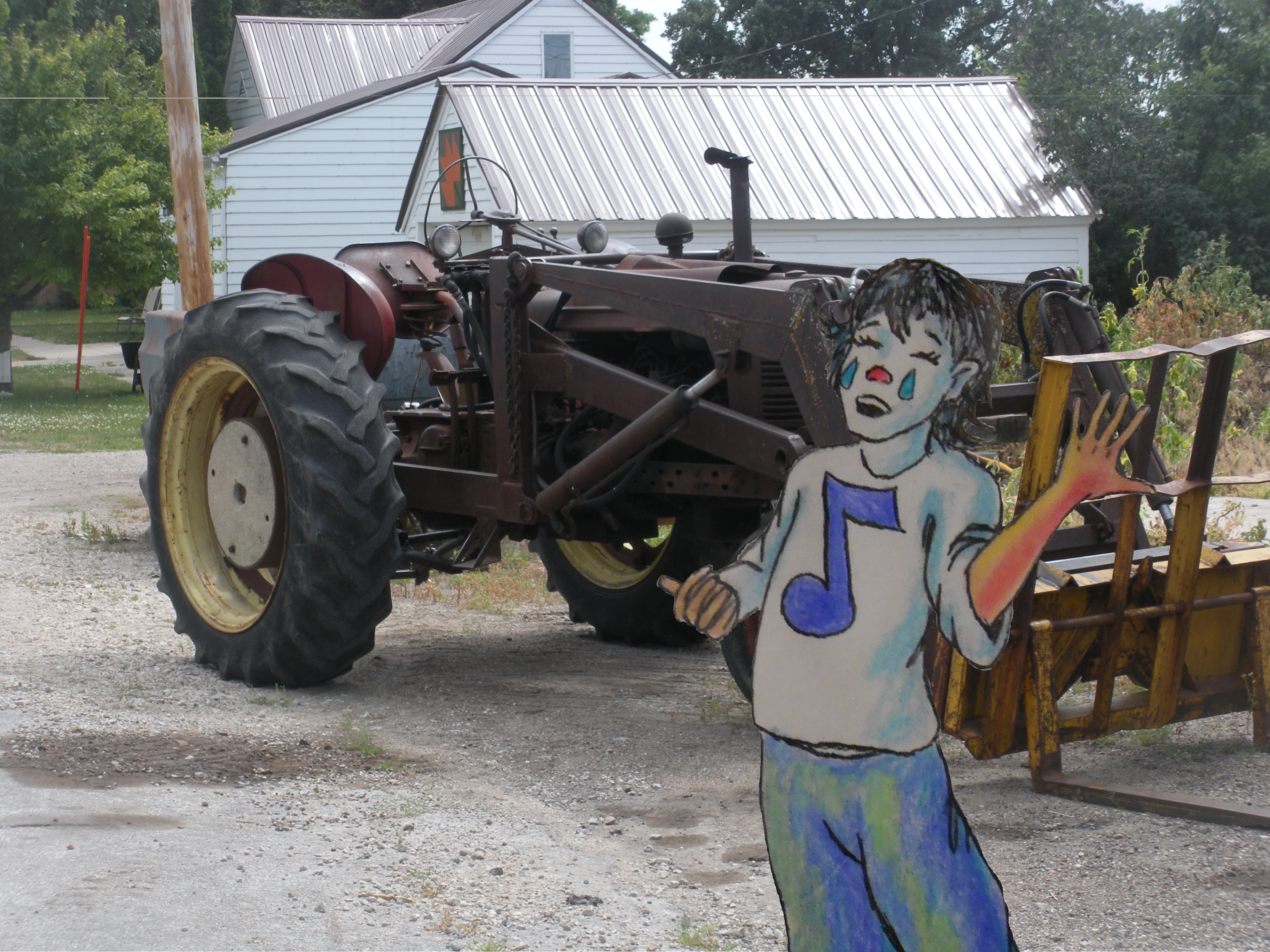
Superchicken and Sherry before school
In fiction, I am re-casting my real past as something fictional, so the places I draw with words in descriptions need to be as real as my amber-colored memory can manage.
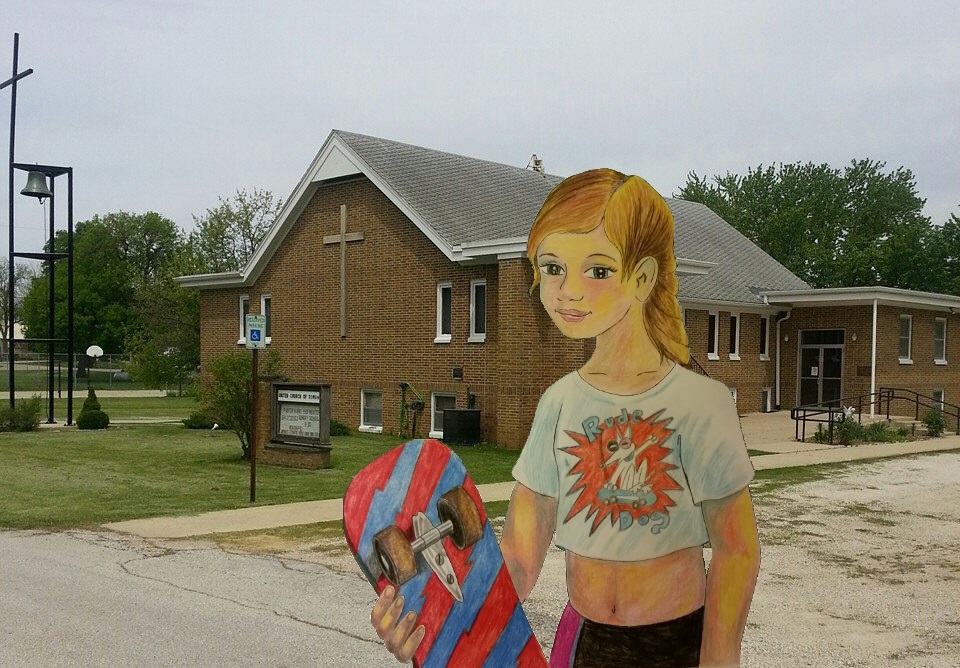
Valerie and her skateboard in front of the Congregational Church
When I use photos, though, I have to deal with the fact that over time, places change. The church does not look exactly like it did in the 1980s when this drawing is set.
Drawing things I once saw, and by “drawing” I mean “making pictures,” is how I recreate myself to give my own life meaning.
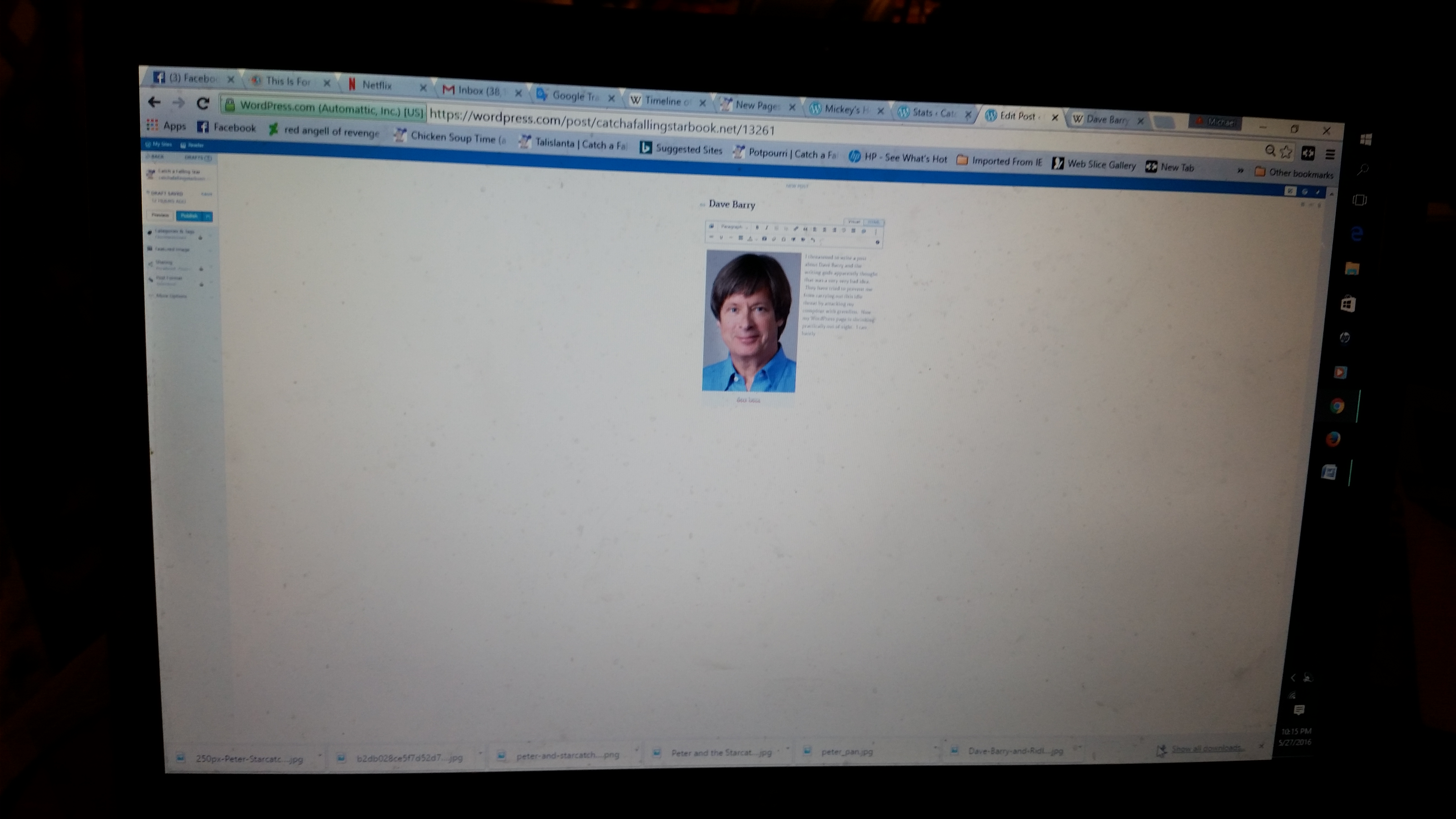
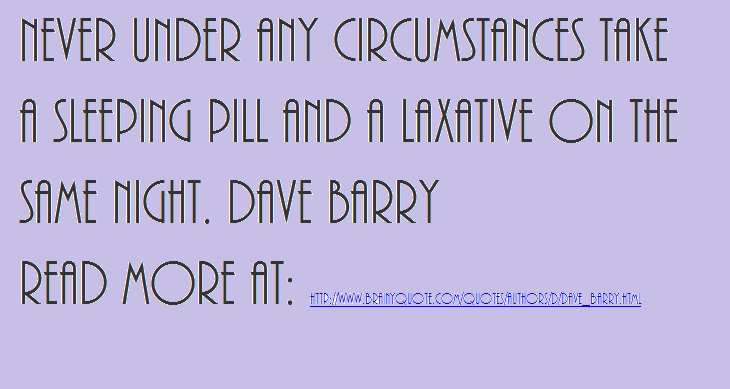
I threatened to write a post about Dave Barry and the writing gods apparently thought that was a very very bad idea. They have tried to prevent me from carrying out this idle threat by attacking my computer with gremlins. Now my WordPress page is shrinking practically out of sight. I can barely see what I am typing. You don’t believe me? Here’s what it looks like at the moment;
They obviously tricked me into pressing the secret shrink button on my computer, and I have no idea where to find the un-shrink features. Not only that, but my Facebook page is automatically translating everything it can into French. They really don’t want me to tell you about Dave Barry. And why do you suppose that is?
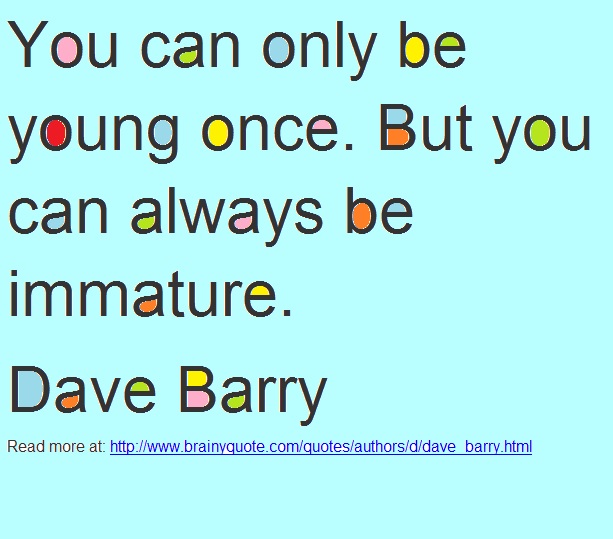
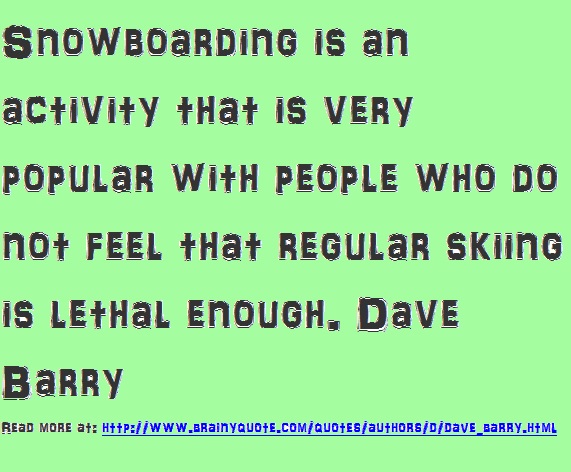
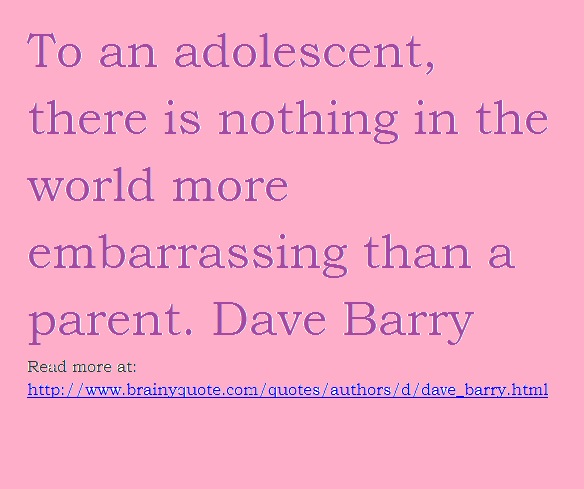
Well, Dave Barry may actually be me from a parallel dimension. He started writing for The Miami Herald in the early 80’s, at about the same time I started teaching. He retired from that in 2004 after winning a Pulitzer Prize and started writing humorous novels…. the same thing I started doing when I left the job I loved and was good at. Okay, so I am stretching the analogy to the point that all the buttons are popping off its shirt… but the point is, we are alike in some ways and I admire his work and I steal things from it whenever I possibly can. Like this post. I deeply admire the way he can say witty and pithy things. Like some of these quotes;
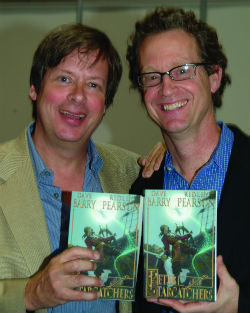
So, you see, he is very good at doing what I want to be good at. He is a humor columnist and all-around imitation Mark Twain. And I have read and loved his novels. Especially the Peter Pan things he writes with a partner.
Dave Barry and Ridley Pearson
So, I will leave this post here even though I could talk for hours about how Dave Barry makes me laugh. I have to stop. the words on the screen keep getting smaller and smaller, and my old eyes are about to fall out of my head.
In 1964 I was 7 years old until November. I became a baseball fan that year. I had listened to baseball games on the radio with Great Grandpa Raymond before that year, but that had always been Twins’ games in the American League. But that was the year I discovered the St. Louis Cardinals. I followed them in the newspaper, the Mason City Globe Gazette. They had lost the greatest hitter in their history to that point, Stan Musial having retired when the 1963 season ended. But he was replaced in left field by Lou Brock, the hit-making base-stealing boy wonder of 1964. They went from near the bottom of the National League to edging out the Philadelphia Phillies and the Cincinnati Reds by one game each (they were tied for second) at the very end of the season.
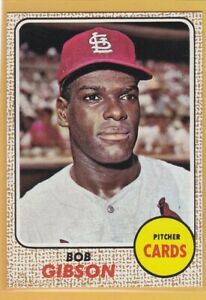
The World Series pitted the Cardinals against the mighty New York Yankees. Mickey Mantle and Whitey Ford were the stars of that team and had won five World Series in a row a decade before. It was a fantastic battle that the Cardinals finally won 7 to 5 in the seventh and final game in St. Louis. Bob Gibson was a deciding factor and won Series MVP. I would become a life-long Cardinals fan.
And I lost my Grandpa Beyer. He went to work one day, driving a road grader and his heart simply stopped working. It was the first time I lost a major somebody in my life.
In 1962 I had spotted the bright pinprick in the sky that was John Glenn orbiting the earth in the Friendship 7 Mercury spacecraft. My mother and father helped me spot it from our back yard in Rowan, Iowa.
In 1964, therefore, I began to take a serious interest in outer space as the Mercury program transformed into the Gemini program that was testing procedures in space for eventual Apollo moon missions.
I was in the Second Grade in 1964. Miss Madison was my teacher. She was as old as my Grandpa and Grandma Aldrich. She got mad at me at least three times that I can remember. I mean, I know that there were more than that, but there were three times I made her so mad with a joke that she memorably made me feel the wrath that teachers reserve for classroom clowns.
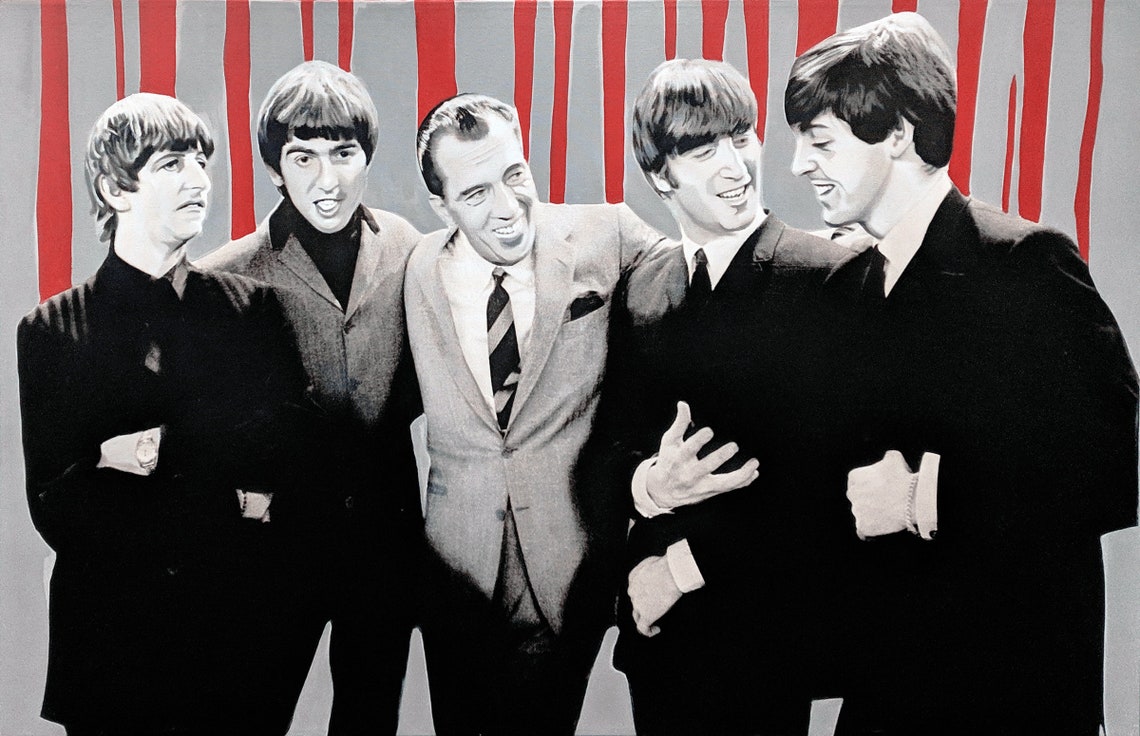
Steve Kaufman “The Beatles Debut on Ed Sullivan 1964”
The Beatles were on Ed Sullivan in February. My Grandpa and Grandma Aldrich told me that the Beatles must’ve been confused about whether they were boys or girls to have haircuts like that. And those were the bowl-cuts they had before the wild-hair days of the later Sixties. All the boys in my class had either a butch cut or a flat-top. Hair styles for boys back then meant not really having any hair.
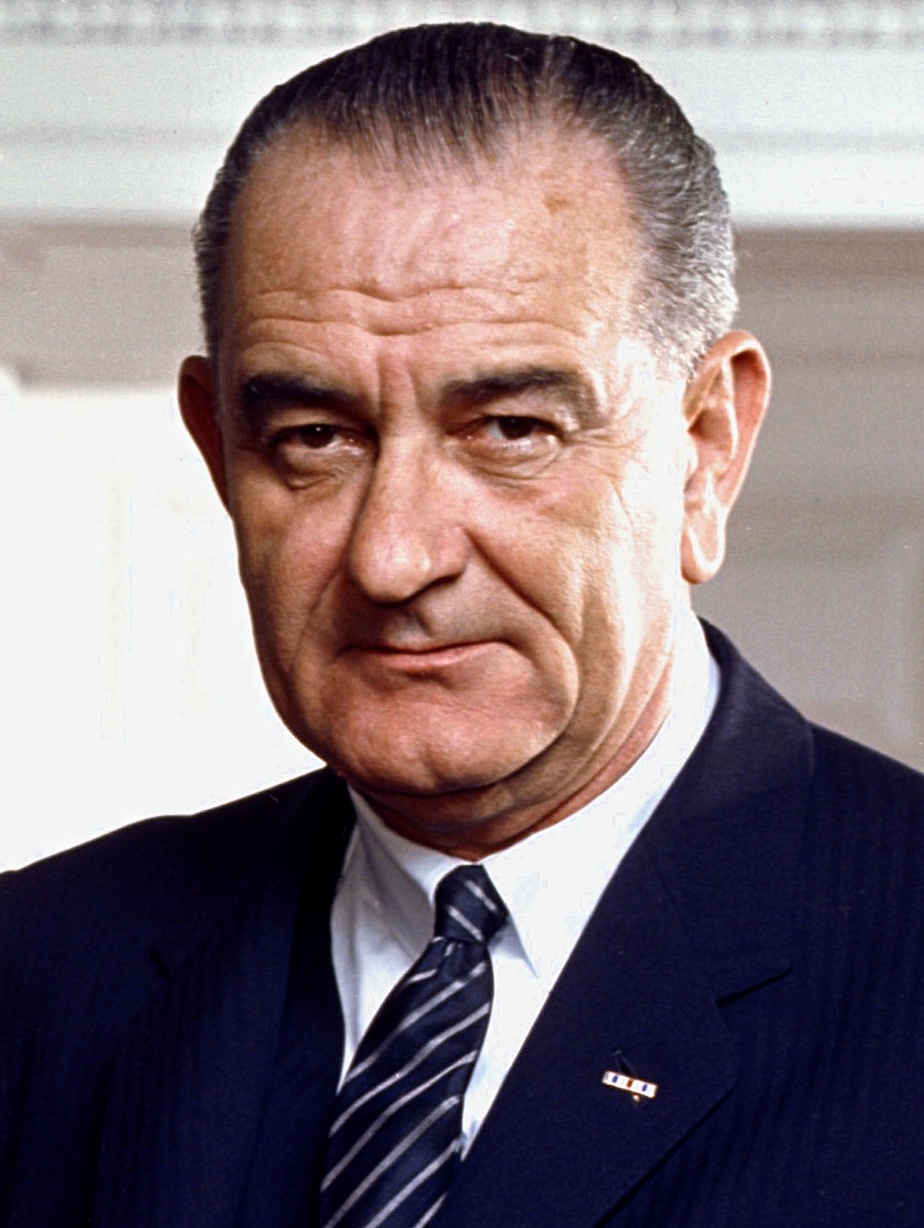
Lyndon Baines Johnson was president. He had been since the Kennedy assassination in 1963.
In July LBJ signed the Civil Rights Act of 1964 into law, abolishing segregation.
In August, the Gulf of Tonkin Incident (since revealed to be a proven false-flag operation) leads to the Vietnam War.
The “Daisy” campaign ad for LBJ, showing a little girl picking flowers and then being blown up by an atom bomb, convinces my dad that Barry Goldwater is a dangerous radical, and he votes for LBJ even though he is not a conservative or a Republican.
LBJ is elected President of the United States in 1964.
Later that November, I turned eight years old.
1964 was a notable year for me. Even if it wasn’t for Barry Goldwater.
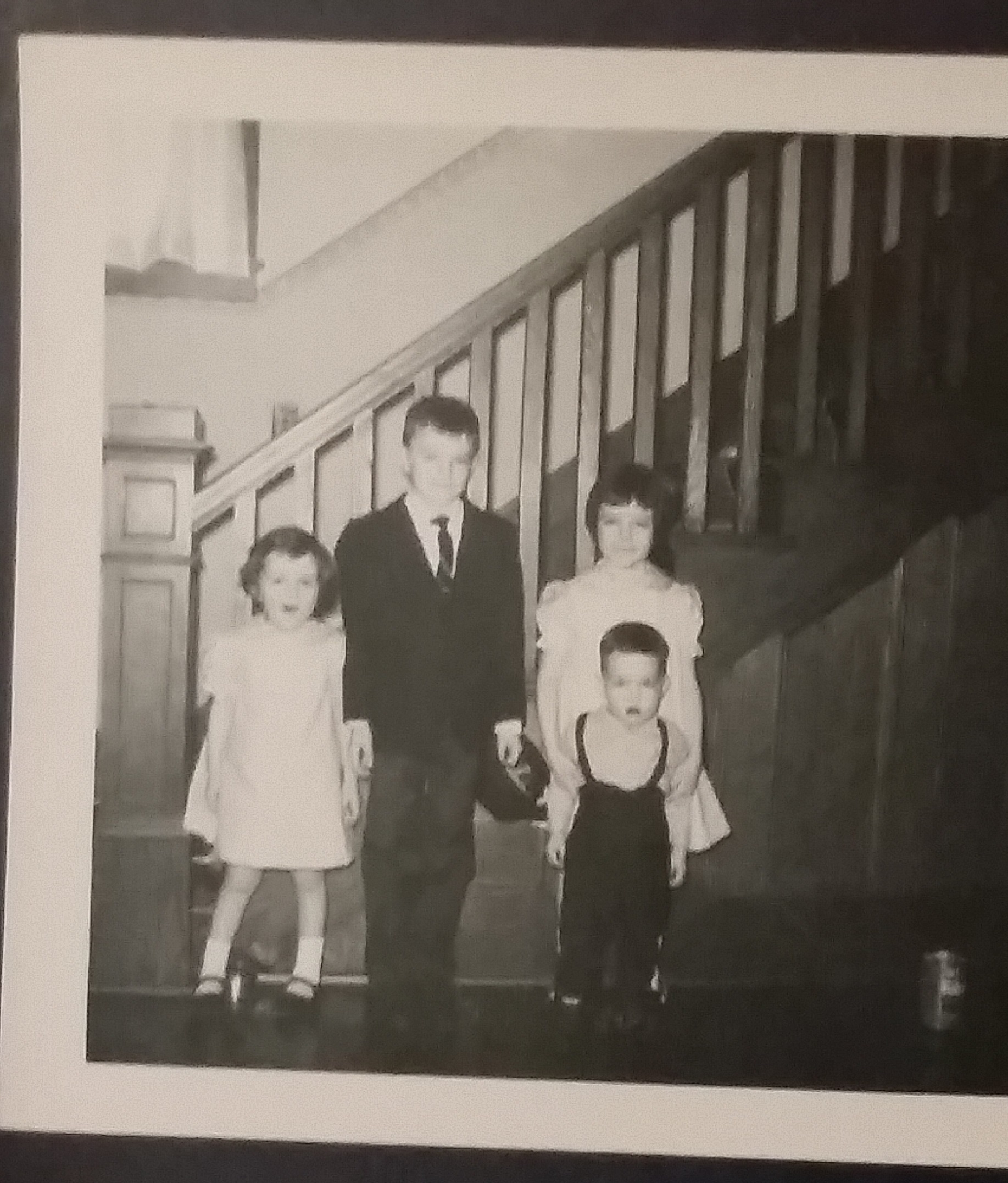
In the picture that starts this post, I am 8. Nancy is 6, holding on to little brother David at 2. Mary is 4. We are all in our Sunday best on Easter Sunday morning.
Why am I writing about 1964 today?
My mother is in hospice at 87 years old. She is dying of heart failure. And today, I and my two younger children got to talk to her by phone. The light and hope we have today is colored by the hope and light we had in the past. Such is the nature of having a family over time.
Malaise is not mayonnaise. It is that horrible sickly feeling that you can’t really put into words because you don’t know what medical problem is the one that is probably killing you.. I feel blah to the twenty-third degree. And the reason why is a malaise-causing mystery to me. Where is Scooby Doo when you need him?
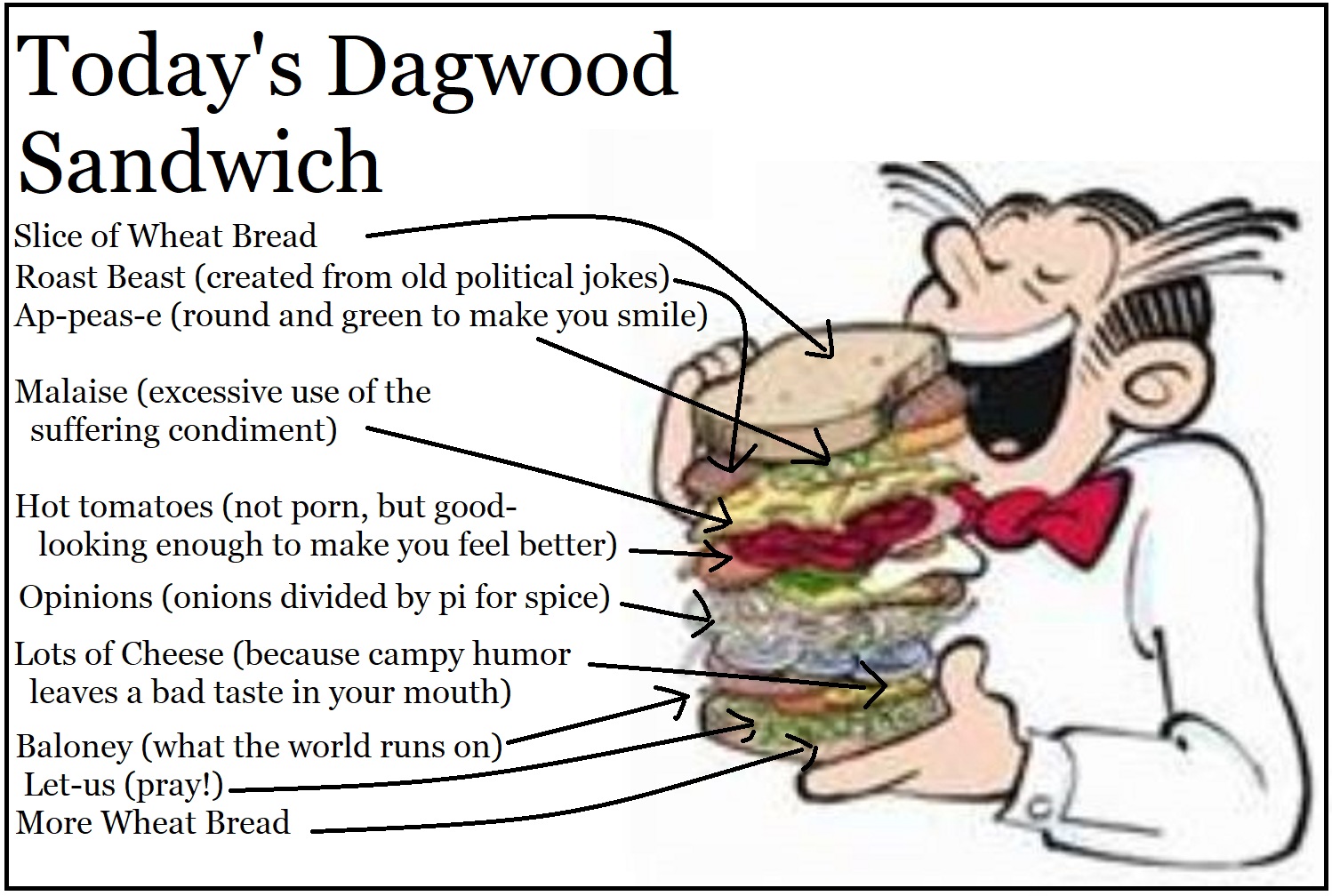
And it probably is being caused by my diet. (This is a metaphorical diet illustrated in the Dagwood diagram.)
It is undeniably true that what you put into your body by eating becomes what you are made of. And it can make you healthy and happy. Or it can make you sick and even make you die.
It is also undeniably true that what you put into your mind can do the exact same thing.
I have no issue with the bread in my Dagwood sandwich. Whether wheat is better than white is not an issue to me. Bread is the stuff of life, no matter the color. And if bread is going to hold everything in the sandwich together, I prefer the wheat bread because of the ruffage that keeps me regular. But white bread is just as good as long as it doesn’t go buy Tiki torches at Walmart.
But the roast beast I get now is reaching its expiration date. It is in dire need of roasting over a real fire. And now that it is no longer in office, what is standing in the way of roasting it thoroughly to prevent the salmonella that comes from not giving it the fire it deserves for its crimes? Waiting for that to happen is making me sick.
It is not normal to put ap-peas-e in any sandwich but a Dagwood because they are very round. And if you hold the sandwich too tight, they can pop out of the sides of the sandwich and end up rolling on the floor.
So, just like Mick Jagger, “I can’t get no… SATISFACTION!”
That doesn’t mean I won’t need it.
The malaise itself won’t make you fat and have high cholesterol like mayonnaise will. But it is definitely not good for you. It leads to depression and an inability to get anything good accomplished. I almost didn’t get this essay done.
I am really enjoying watching Selena Gomez on Hulu in “Only Murders in the Building” with Steve Martin and Martin Short.
Hot tomatoes can really perk me up, especially in bikinis (I find the bikinis are satisfyingly chewy,) but they are dangerous to my health. Especially dangerous when my wife notices what I am looking at. The show we are watching on Hulu, however, works well since I laugh at Steve Martin enough to throw her off. Still, the tomatoes are probably going to be the death of me.
Onions are a tradition in Dagwood sandwiches. But in these times of extremely divided politics, onions are too often divided by pi.
As far as using cheese goes… Well, this is a very cheesy essay.
And if you eat a Dagwood sandwich for lunch every day, soon you will be full of baloney.
So, now, as we sit down to lunch, let-us pray. But don’t use iceberg lettuce. That can give you gas. And anyway, icebergs are getting hard to find due to climate change.
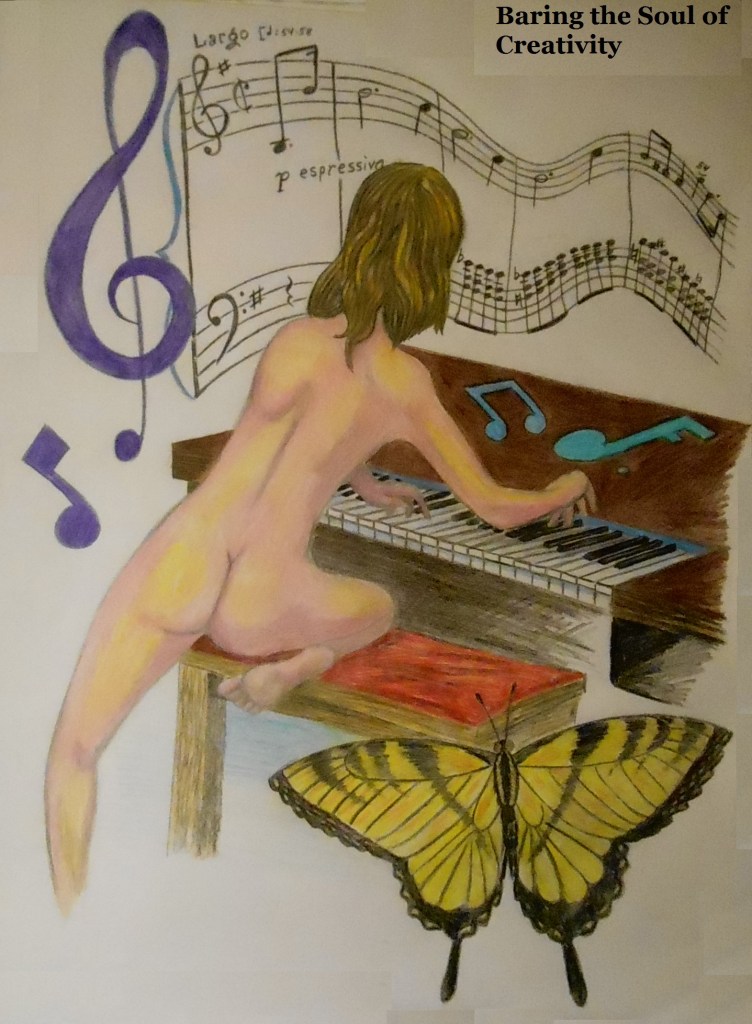
The greatest tragedy known to man is the finely-tuned instrument that is merely sitting, barely active, when instead it should be soaring to heights never seen before.
It is a real shame that so much of human endeavor is bent towards the accumulation of wealth… And when the lucky few reach the pinnacle of that wealth-acquisition, measured in billions, they choose to hoard it and salt it away for their own exclusive use rather than solve problems like poverty, hunger, ignorance, pollution, violence, and want. The act of creation, being musical, artistic, literary, or profound, is given so little value that the idea of the starving artist is an idea that exists in every head.
I fear that far too many people don’t t truly understand what value means. For life to be worth living, you have to have priorities that justify mankind’s very existence. Surely we were not created… by either God or an indifferent random universe… to merely exist like the blue-green lichen that graces the bark of a rotting stump, or to elect Donald Trump as President just so we can see smarty-pants liberal elitists chopped down by a corrupt plague of racist frogs. The tragedy lies in the knowing… or the not knowing.
Perhaps you recognize Beethoven’s 9th Symphony when you hear the Dah-Dah-Dah-Dummm! of death knocking in that familiar musical phrase. But do you recognize the pastoral beauty of the sunshine-and-rain-filled 5th Symphony? Or have you heard the sorrow and the striving of daily life in the city streets depicted in the 7th Symphony (offered above)? If not, why not? How can you listen to any of it and not hear the many underlined reasons that it is considered among the greatest music ever created? And that by a man who was mildly insane and eventually stone deaf, unable to hear his own music anywhere but in his imagination?
I have reached a point in my life that I cannot do much beyond sit and think such thoughts. I am limited in how I can move and what work I can do by my ever-more-painful arthritis, stinging me in every joint. I am also limited by lack of money in where I can go and what I can afford to do. But I refuse to be that finely-tuned instrument that does not make much in the way of music. Hence, an essay like this one today. It is me, using my words to the best of my ability, to fill the sky with hopelessly beautiful attempts at making the stars twinkle.
Life is littered with a multi-headed mystery to try to solve by the end.
Yes, as I continue to age nearer and nearer to the ultimate darkness at the end of my story of life, I am using everything in my considerable experience and acquired wisdom to solve several key questions.
Here are the key questions.
Have I lived a life that makes me worthy? (Worthy of what doesn’t really matter.)
Is the world going to survive long after my life is over? (By which I mean life on Earth, particularly human life.)
Does anyone really deserve love? (Particularly me.)
What is destiny? And what does luck have to do with it? (As one of the unluckiest people ever, this concerns me.)
What is true? (This is a big one.)
So, my plan is to write 5 essays. I will try to solve all of these big philosophical questions in a 500-word essay each. I know that makes me sound like an idealistic idiot. But, realistically, I know that may be a the answer to 4 out of the 5 questions.
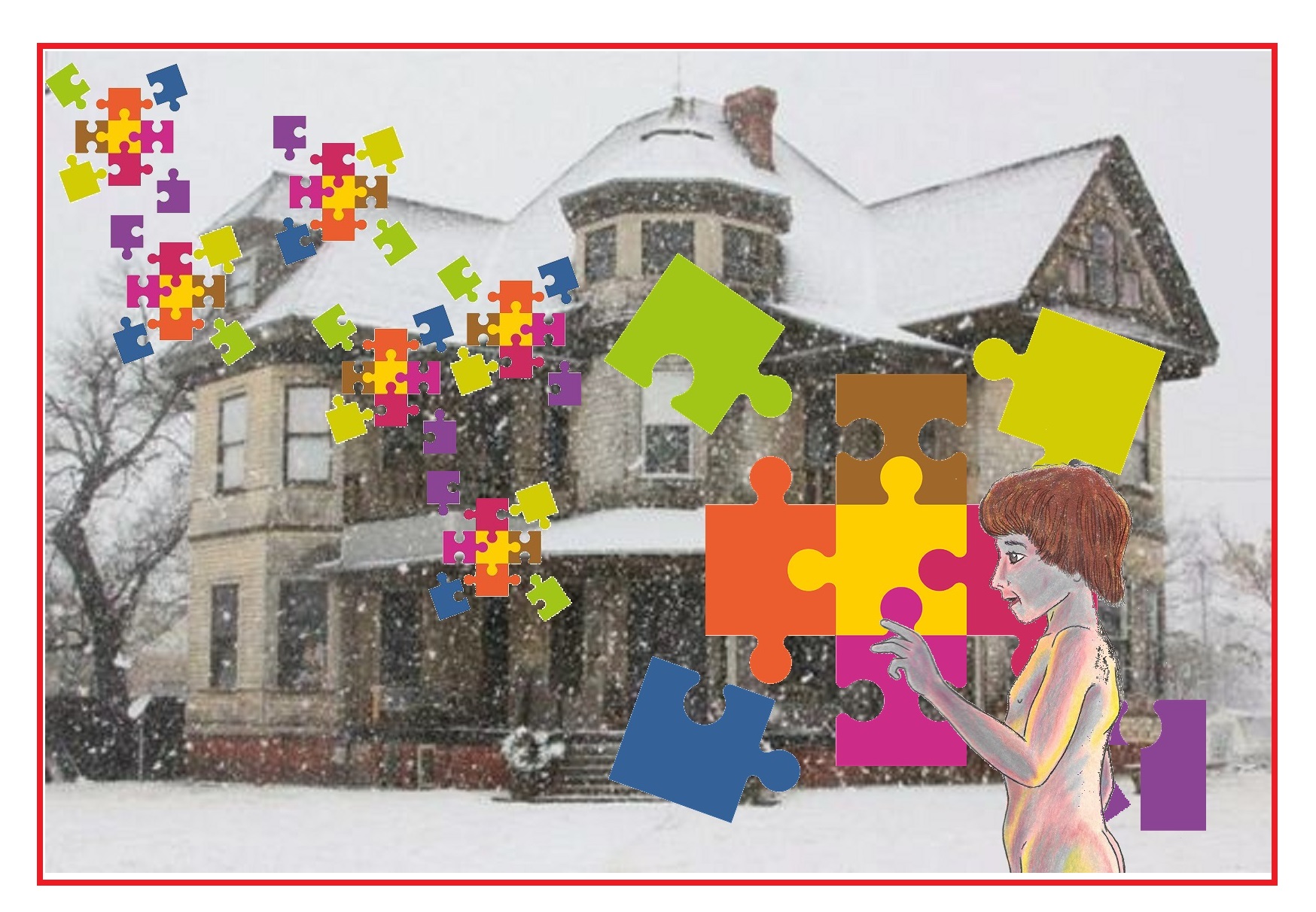
Yes, I am putting puzzle pieced together in front of a haunted house while naked in winter.
I know the last thing you would ever consider doing is to take up writing essays like these. What kind of a moronic bingo-boingo clown wants to take everything he or she knows, put it in a high-speed blender and turn it all into idea milkshakes?
But I was a writing teacher for many years. And now, being retired and having no students to yell at when my blood pressure gets high, the urge to teach it again is overwhelming.
So, here goes…
Once you have picked the silly, pointless, or semi-obnoxious idea you want to shape the essay around, you have to write a lead. A lead is the attention-grabbing device or booby-trap for readers that will draw them into your essay. In a Mickian essay, whose purpose is to entertain, or possibly bore you in a mildly amusing manner, or cause you enough brain damage to make you want to send me money (this last possibility never seems to work, but I thought I’d throw it in there just in case), the lead is usually a “surpriser”, something so amazingly dumb or off-the-wall crazy that you just have to read, at least a little bit, to find out if this writer is really that insane or what. The rest of the intro paragraph that is not part of the lead may be used to draw things together to suggest the essay is not simply a chaotic mass of silly words in random order. It can point the reader down the jungle path that he or she can take to come out of the other end of the essay alive.
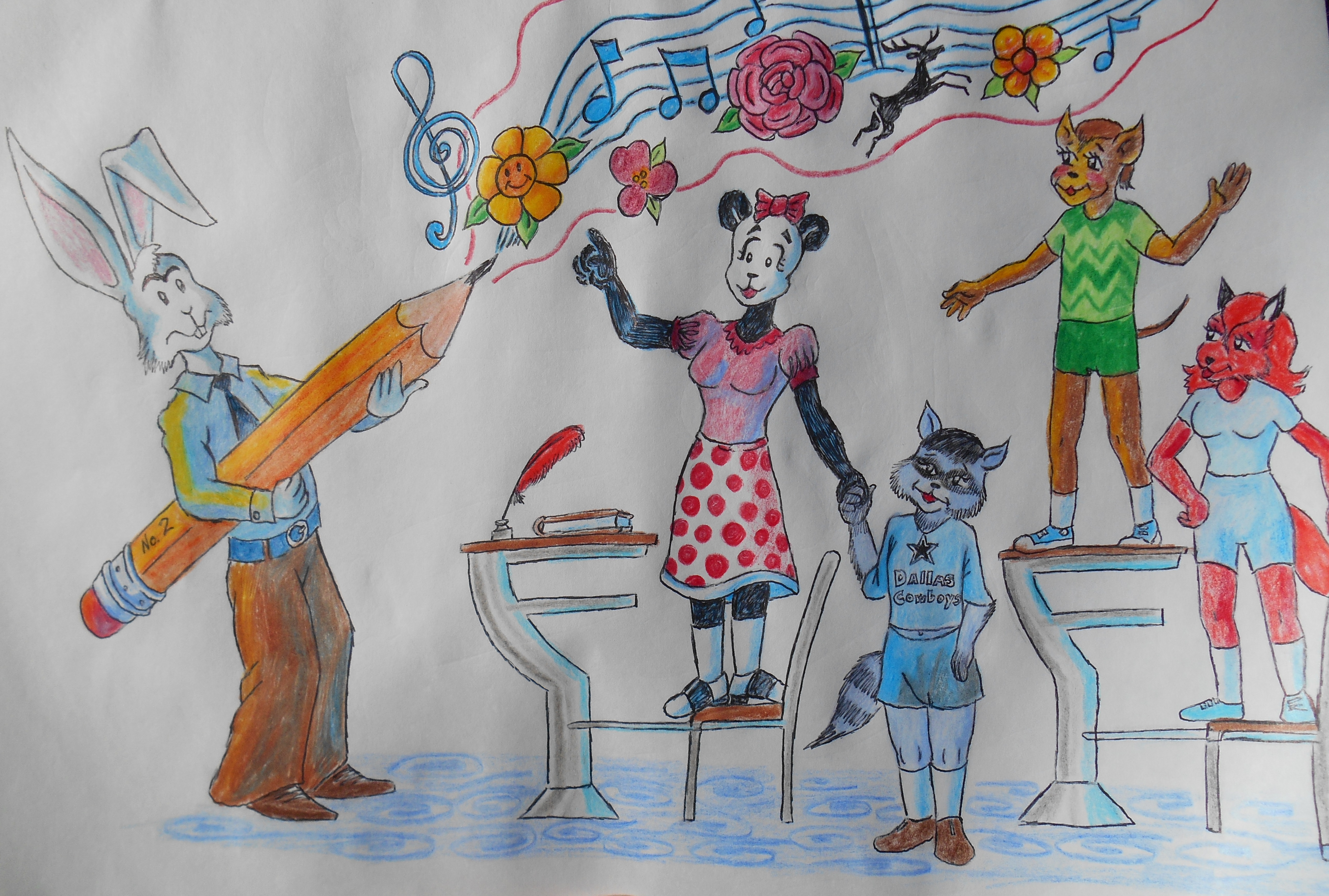
Once started on this insane quest to build an essay that will strangle the senses and mix up the mind of the reader, you have to carry out the plan in three or four body paragraphs. This is where you have to use those bricks of brainiac bull-puckie that you have saved up to be the concrete details in the framework of the main rooms of the little idea-house you are constructing. If you were to number or label these main rooms, this one you are reading now would, for example, be Room #2, or B, or “the second body paragraph”. And as you read this paragraph, you should be thinking in the voice of your favorite English teacher of all time. The three main rooms in this example idea house are beginning, middle, and end. You could also call them introduction, body, and conclusion. These are the rooms of your idea house that the reader will live in during his or her brief stay (assuming they don’t run out of the house screaming after seeing the clutter in the entryway).
The last thing you have to do is the concluding paragraph. (Of course, you have to realize that we are not actually there yet in this essay. This is Room C in the smelly chickenhouse of this essay, the third body paragraph.) The escape hatch on the essay that may potentially explode into fireworks of thoughts, daydreams, or plans for something better to do with your life than a read an essay written by an insane former middle school English teacher at any moment, is a necessary part of the whole process. This is where you have to remind them of what the essay is basically about, and leave them with the thought that you want to haunt them in their nightmares later. The last thing that you say in the essay is the thing they are the most likely to remember. So you need to save the best for last.
So, here, finally, is the exit door to this masterfully mixed-up Mickian Essay. It is a simple, and straightforward structure. The introduction containing the lead is followed by three or four body paragraphs that develop the idea and end in a conclusion that summarizes or simply restates the overall main idea. And now you know why all of my former students either know how to construct an essay, or have several years left in therapy sessions with a psychiatrist.














 Catch a Falling Star
Humble Pie
The difference between who you want to be and who you are is humbling.
The recipe for humble pie requires good, clear eyesight.
And you need a reliable mirror that only shows the flaws in the reflected image, not in the mirror itself.
And you need to look at every detail in the whole of you. Even the secret things that you tend to conceal from everybody, especially yourself.
And writing a novel, if you do it right, is a form of baking humble pie.
The good and the not-so-good is reflected in reviews, which are often written with mirrors that have flaws.
But what you see, if you are honest with yourself, can show you that, even though you are far from perfect, you are exactly what you are supposed to be.
2 Comments
Filed under artwork, autobiography, commentary, empathy, feeling sorry for myself, irony, Paffooney, self portrait, strange and wonderful ideas about life